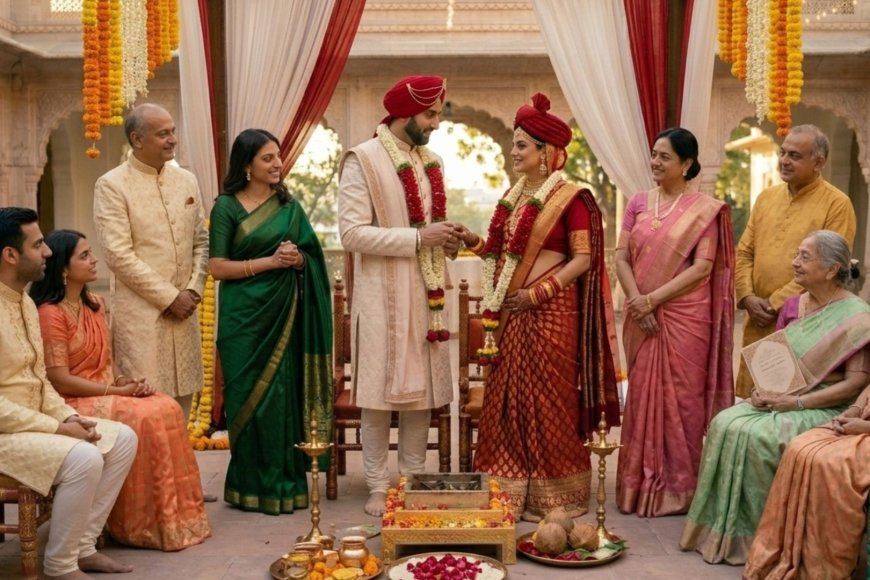
Planning Your Wedding While Pregnant: What to Consider
The Conversation on the Tuesday Morning
The test had been on a Monday.
The bride had taken it in the bathroom of their flat in London at six forty-five in the morning before the groom was awake, because she had wanted to know before she told anyone, including him, and because the specific privacy of the early morning bathroom was the place where she could have the first reaction — whatever that reaction turned out to be — entirely on her own.
The reaction, it turned out, was joy. Uncomplicated, immediate, and entirely surprising in its uncomplications. She had sat on the edge of the bath for approximately four minutes and then she had gone back to the bedroom and woken the groom and shown him the test and he had looked at it for a long moment and then looked at her and said: well.
Well, she agreed.
They had been engaged for eleven weeks. The wedding was planned for the following September — fourteen months away. The venue was booked. The save the dates had been ordered but not yet sent.
On Tuesday morning, over breakfast, having slept on it and having arrived at the specific clarity that the night produces, they had the conversation that this guide is written to serve.
The conversation was not about whether to get married. They were getting married. The conversation was not about whether to have the baby. They were having the baby. The conversation was about the wedding — the specific, practical, logistical, emotional question of how the pregnancy changed what the wedding was going to be, and what they needed to think about and decide and do differently now that there were, in effect, three people planning this occasion.
This guide is that conversation, written out.
The First Decision: The Timing Question
The Three Timing Scenarios
The pregnancy changes the wedding's timing in one of three directions — earlier, later, or the same — and the right direction depends on the specific circumstances of the pregnancy, the couple's priorities, and the existing wedding plans.
Scenario One: Move the wedding earlier
The couple who was planning a wedding fourteen months away and discovers the pregnancy at six weeks faces a specific arithmetic: a September wedding puts the baby's birth approximately three to four months before the wedding, depending on the due date. The question of whether to move the wedding earlier — to avoid being visibly pregnant at the ceremony, to be married before the baby arrives, or to have the legal and logistical clarity of marriage before the birth — is the question that most couples in this situation ask first.
The earlier wedding is logistically demanding — compressing fourteen months of planning into four or five months is a significant undertaking — and may require compromises on venue, vendor quality, and guest list that the couple would not otherwise have chosen. The earlier wedding is also the wedding that the pregnant bride attends in the first trimester, which has its own physical realities: the nausea, the fatigue, the specific demands of early pregnancy on a body that is simultaneously supposed to be celebrating.
The case for moving earlier: the legal clarity of marriage before the birth, the specific desire to be married before becoming parents, the avoidance of planning a wedding with a newborn.
The case against: the planning compression, the first trimester's physical challenges, the compromise on the wedding the couple originally wanted.
Scenario Two: Move the wedding later
The couple who moves the wedding later — past the due date, to allow the baby to be born and the recovery to be complete before the wedding — is planning a wedding that happens as new parents. The post-birth wedding has specific advantages: the bride is not pregnant during the ceremony, the planning can proceed without the pregnancy's physical and logistical constraints, and the baby can be part of the occasion if the couple chooses.
The post-birth wedding has specific challenges: planning a wedding while caring for a newborn is a significant additional demand, the recovery from childbirth varies considerably and the timeline is uncertain, and the emotional landscape of the post-birth period — the specific exhaustion, adjustment, and transformation of new parenthood — is not the emotional landscape that wedding planning is designed for.
The case for moving later: the physical comfort of planning and attending without pregnancy, the option to include the baby, the completion of the recovery before the occasion.
The case against: the planning demands of new parenthood, the uncertain recovery timeline, the postponement of the marriage until months after the baby's birth.
Scenario Three: Proceed with the existing timeline
The couple who proceeds with the existing wedding timeline — accepting that the wedding will happen during the pregnancy — is making the choice that the majority of pregnant couples who were already engaged ultimately make. The existing venue, the existing vendors, the existing guest list — modified to accommodate the pregnancy rather than rebuilt around it.
The proceed decision requires the most adaptation rather than the most change — the wedding remains broadly what it was planned to be, with specific modifications to the dress, the programme, the physical demands, and the food and beverage choices that the pregnancy requires.
The timeline decision framework:
The timeline decision should be made with four inputs: the due date and its relationship to the existing wedding date, the couple's priorities (married before the birth, the wedding they originally planned, the physical comfort of the bride), the physical reality of the pregnancy so far and the expected trajectory, and the logistical feasibility of changing the existing plans. These four inputs, honestly assessed, produce the direction that is right for this specific couple rather than the direction that is conventional or that the families expect.
The Due Date Arithmetic
The specific relationship between the due date and the wedding date determines which scenario is practically available.
The wedding in the first trimester:
The wedding that happens in the first trimester — weeks six to thirteen of the pregnancy — has the advantage of minimal visible bump and the disadvantage of maximum first-trimester symptoms. The nausea, the fatigue, the food aversions, the specific unpredictability of how the first trimester feels on any given day — these are the physical realities that the first trimester wedding must be planned around.
The bride who has severe morning sickness — hyperemesis gravidarum, which affects a small percentage of pregnant women but is completely debilitating for those it affects — cannot reliably plan around symptoms that are not predictable or manageable in the way that the wedding's planning requires.
The bride whose first trimester is relatively manageable — the mild nausea that passes by midday, the fatigue that responds to adequate rest — can plan and attend a first trimester wedding with appropriate accommodation.
The wedding in the second trimester:
The second trimester — weeks fourteen to twenty-seven — is the period that most pregnant women describe as the most physically manageable. The first trimester symptoms have typically resolved. The third trimester's physical demands have not yet arrived. The bump is visible — depending on the week, significantly so — but the energy levels and the physical comfort are typically at their best.
The second trimester wedding is the sweet spot for the bride who wants to be pregnant at the wedding rather than in the months surrounding it. The physical comfort is as good as the pregnancy offers. The planning can happen with the energy of the second trimester. The ceremony can be adapted for the bump without the physical constraints of the late third trimester.
The wedding in the third trimester:
The wedding that happens in the third trimester — weeks twenty-eight onwards — has specific physical realities that must be planned around with great care: the fatigue that is qualitatively different from the first trimester's fatigue, the physical discomfort of extended standing, the swelling that affects the feet and the hands, the specific unpredictability of late pregnancy, and the specific risk — which must be discussed with the obstetrician — of travel, stress, and physical demand in late pregnancy.
The third trimester wedding is not inadvisable in absolute terms — many pregnant women have wonderful weddings in their third trimester — but it requires the most specific medical guidance, the most conservative physical accommodation, and the most honest assessment of the risks.
The wedding after thirty-six weeks:
Most obstetricians advise against significant travel after thirty-six weeks of pregnancy, and the specific physical demands of a wedding — the ceremony, the reception, the hours of celebration — should be discussed explicitly with the obstetrician for any wedding planned after thirty-four weeks. The medical advice takes priority over every other consideration.
The Dress: The Conversation with the Designer
The Timing of the Dress Conversation
The wedding dress — in the context of the Indian wedding, the bridal lehenga or saree — is the planning element most immediately affected by the pregnancy and the one that requires the earliest action.
The dress conversation with the designer or the tailor must happen as soon as the timing decision is made — not after the design is finalised, not after the fabric is ordered, but as the first conversation with the person who is making the dress.
What the designer needs to know:
The due date. The wedding date. The trimester in which the wedding will take place. The expected size at the time of the wedding — which cannot be known precisely but which the obstetrician can help estimate. Whether the bride is planning to breastfeed — which affects the neckline and the bodice design if the wedding is post-birth. The specific physical comfort priorities — the waistband, the weight of the fabric, the ease of movement that a heavily pregnant bride needs that a non-pregnant bride does not.
The design considerations:
The lehenga is, of the Indian bridal outfit options, the most accommodating of pregnancy — the skirt's waistband can be constructed with an adjustable or elasticated panel that accommodates growth, the blouse can be designed with a looser fit that adjusts, and the dupatta's draping can conceal or celebrate the bump according to the bride's preference.
The saree is the most accommodating in theory — the draping adjusts to the body's changing shape without requiring structural alteration — but the practicality of managing six metres of fabric through a ceremony and a reception requires the physical capacity that late pregnancy may compromise.
The heavily structured, heavily embroidered lehenga whose weight is borne on the hips is the option that requires the most careful consideration — the weight of traditional bridal embroidery on a heavily pregnant body is a specific physical demand that the bride must assess honestly.
The fitting schedule:
The dress fitting schedule must account for the body's changes across the planning period. The dress that fits perfectly at the first fitting three months before the wedding may not fit at all at the wedding if the body has changed significantly. The fitting schedule should include a final fitting as close to the wedding as practically possible — ideally within two weeks — with the understanding that minor alterations at this final fitting are expected rather than exceptional.
The Jewellery Consideration
The bridal jewellery — particularly the heavy neck pieces, the multiple bangles, the elaborate maang tikka — should be assessed for weight and comfort in the context of the pregnancy. The jewellery that is beautiful and manageable for a non-pregnant bride may be physically demanding for a bride in the third trimester.
The swelling that commonly affects the hands in late pregnancy is the specific consideration for rings and bangles — the jewellery that fits at the fitting may not fit at the wedding if the hands have swollen significantly. The sizing of any jewellery worn on the hands should account for this possibility, and the specific pieces should be confirmed to fit at the final pre-wedding check.
The Physical Experience: Planning for the Pregnant Body
The Ceremony
The Indian wedding ceremony — the Hindu ceremony at the havan kund, the Anand Karaj's laavaan, the Nikah's standing and sitting — has specific physical demands that the pregnant bride must plan around.
The standing and sitting:
The Hindu ceremony's rituals require extended periods of sitting on the floor or on a low platform at the havan kund — a position that is increasingly uncomfortable in the second and third trimesters and that may be physically difficult for a bride with significant bump. The Pandit should be briefed on the pregnancy and should be asked to advise on the ceremony's physical accommodation — the chair that can be positioned for the bride to sit at a higher level, the ceremony's pacing that allows for breaks, the rituals whose physical requirements can be modified without compromising their religious integrity.
The duration:
The Indian wedding ceremony's duration — two to three hours for a Hindu ceremony, similar for the Anand Karaj — is a significant physical demand for a pregnant bride. The ceremony should be discussed with the officiants in terms of pacing and duration, with the specific request for a structure that allows the bride to rest, to drink water, and to attend to her physical comfort without disrupting the ceremony's flow.
The heat:
The havan kund's fire produces significant heat at close quarters — a heat that is amplified by heavy bridal clothing and that is a specific physical consideration for the pregnant bride. The venue's ventilation, the ceremony space's air conditioning, and the specific position of the bride relative to the fire are all considerations that should be discussed with the venue and the Pandit before the ceremony day.
The water and food access:
The pregnant bride's access to water and small amounts of food throughout the ceremony and the reception is a specific logistical requirement. A trusted person — the maid of honour, a family member — should be specifically responsible for ensuring that the bride has access to water at all times and that small snacks are available during the longer ceremony portions.
The Reception
The reception — typically three to five hours of standing, greeting, dancing, and social management — is the most physically demanding element of the wedding programme for the pregnant bride.
The seating:
The bride should have a comfortable seat available to her at all times during the reception — not the formal chair at the head table that she sits in for photographs, but a genuinely comfortable chair in a location where she can rest without leaving the celebration. The wedding coordinator should know that the bride's physical comfort takes priority over the programme's demands, and should have the authority to build in rests, to redirect the greeting line, and to manage the schedule around the bride's needs.
The shoes:
The bridal footwear for the pregnant bride must prioritise comfort and stability over aesthetic. The heels that are beautiful and manageable for a non-pregnant bride are a specific risk for a bride whose centre of gravity has shifted significantly, whose feet may be swollen, and whose balance is different from her pre-pregnancy balance. Comfortable, stable, supportive footwear that works with the bridal outfit is the priority — and the outfit design should account for the footwear choice rather than the other way around.
The dancing:
The Indian wedding reception's dancing — the garba, the bhangra, the Bollywood numbers that define the sangeet and the late reception — is the specific element that the pregnant bride must assess honestly with her obstetrician. Low-impact dancing is typically safe throughout much of the pregnancy. The vigorous, high-energy dancing of the Indian wedding reception floor requires the specific medical guidance of the obstetrician who knows the specific pregnancy.
The Food and Beverage
The wedding menu — both the food the bride eats and the beverages she is served — requires specific planning in the context of the pregnancy.
The food:
The Indian wedding menu — the specific dishes offered at the mehndi, the sangeet, the ceremony, the reception — should be reviewed for the pregnancy-specific food avoidances: the soft cheeses, the raw or undercooked elements, the high-mercury fish, the foods that the bride's specific pregnancy has made her averse to. The caterer should be briefed on the bride's dietary requirements and should prepare a version of the menu that is entirely appropriate for pregnancy — not a separate pregnancy menu that is obviously different from what other guests are receiving, but a full, beautiful meal that meets the pregnancy requirements without drawing attention to its accommodation.
The beverage:
The traditional champagne toast — and the wedding's broader beverage programme — requires a non-alcoholic alternative for the pregnant bride that is genuinely beautiful rather than obviously substituted. The mocktail that is designed with the same care as the cocktails it replaces, served in the same glassware, presented with the same attention — this is the specific accommodation that allows the bride to participate fully in the celebration's toasting without the visual distinction of the obviously different glass.
The nausea management:
The bride whose pregnancy includes nausea — whether the first trimester's morning sickness or the nausea that for some women persists throughout — should have specific foods available that manage it: the plain crackers, the ginger tea, the specific foods that the bride has identified as settling. The wedding coordinator should know what these are and should ensure they are available throughout the day.
The NRI Wedding's Specific Considerations
The Travel
The NRI wedding in India — the destination that requires the couple and many of their guests to travel internationally — has specific travel considerations in the context of pregnancy.
The airline policies:
Most airlines require a medical certificate for travel after twenty-eight weeks of pregnancy, and some airlines restrict travel after thirty-six weeks entirely. The pregnant bride planning to travel to India for her wedding must check the specific policies of every airline on the itinerary — including the return flight, which will be at a later stage of pregnancy than the outbound flight — and must have the medical clearance documentation that each airline requires.
The travel insurance:
The travel insurance for the pregnant bride must specifically cover pregnancy-related complications — the standard travel insurance policy typically excludes pregnancy-related claims. Specialist pregnancy travel insurance — or a policy that explicitly includes pregnancy cover — is the specific requirement that must be confirmed before the travel is booked.
The medical care at the destination:
The pregnant bride traveling to India for her wedding should identify the specific healthcare facility at or near the wedding destination that can provide obstetric care if needed — the hospital in Udaipur or Jaipur or Bangalore that has the appropriate level of obstetric services, and the specific obstetrician or midwife who would manage an emergency. This preparation — which the couple hopes is entirely unnecessary — is the specific due diligence that the destination wedding with a pregnant bride requires.
The heat and hydration:
The Indian wedding's destination — particularly the Rajasthan or South India destinations whose December temperatures are manageable for most guests — requires specific hydration and heat management for the pregnant bride. The dehydration that is a risk for all guests in India's climate is a heightened risk in pregnancy, and the bride's hydration must be actively managed throughout the wedding programme.
The Family and Community Context
The pregnant bride at the Indian wedding exists in a specific cultural context — one that varies significantly across regional and family traditions and that the couple must navigate with the same honesty and care that they bring to every other interfaith or intergenerational dimension of the NRI wedding.
The disclosure decision:
The pregnancy disclosure decision — when to tell the families, when to tell the broader community, and what to tell them — is the couple's own decision, made in the context of the pregnancy's stage and the couple's relationship with the relevant family members. Many couples choose to tell the immediate families early and the broader community after the first trimester's risk period has passed.
The wedding planning context creates a specific timing pressure — the dress, the programme, the physical accommodations all require the wedding planner and some vendors to know about the pregnancy, which means that some level of disclosure to the professional team must happen regardless of what the families know. The couple should decide on the disclosure sequence — who knows, in what order, at what stage of the planning — before the first planning conversation in which the pregnancy is relevant.
The Indian family's response:
The Indian family's response to the news of the pregnancy before the wedding varies as widely as Indian families vary. Some families — particularly those with a more traditional understanding of the wedding's sequence relative to the family — may have complex feelings about the pregnancy's timing that the couple must navigate with empathy and without apology.
The couple's position — which must be clear before the family conversations begin — is that the pregnancy is joyful news, that the wedding remains the occasion the couple is planning, and that the family's response to the pregnancy is welcomed while the decisions about the wedding's accommodation of the pregnancy are the couple's own.
The mehndi's cultural position:
The mehndi — the henna ceremony that is one of the most personally significant pre-wedding events — has a specific cultural position in the context of pregnancy. In many Indian cultural traditions, the pregnant bride's mehndi is considered especially auspicious — the henna on the pregnant bride's hands carries a specific blessing for the child. The family members who know about the pregnancy may bring specific warmth and specific cultural significance to the mehndi that the couple had not anticipated.
The Emotional Landscape
The Specific Emotional Reality of Planning While Pregnant
The emotional experience of planning a wedding while pregnant is not the same as the emotional experience of planning a wedding. It is the specific combination of both — the excitement and the anxiety of the wedding planning layered over the excitement and the anxiety of the pregnancy, each amplifying the other in both directions.
The specific emotional challenges:
The first trimester's hormonal landscape — the specific emotional volatility that many pregnant women experience — coincides, for the couple who discovers the pregnancy early in the planning, with the most decision-dense period of the wedding planning. The bride who is making decisions about venues, vendors, guest lists, and budgets while navigating the hormonal and physical realities of the first trimester is doing two of the most emotionally demanding things simultaneously.
The specific anxiety about the pregnancy's health — the first trimester's risk period, the waiting for the twelve-week scan, the specific uncertainty that early pregnancy carries — is the background anxiety that wedding planning happens against. The decision to book the venue before the scan result is known is the specific decision that carries a weight that the non-pregnant couple's venue booking does not.
The pressure — external and internal — to be visibly happy and excited about both the wedding and the pregnancy simultaneously, without the space to feel the complexity that the situation genuinely contains, is the specific emotional demand that the pregnant bride must give herself permission to push back against.
The support structure:
The pregnant bride planning a wedding needs a specific support structure that the non-pregnant bride does not require in the same form. The groom's genuine partnership in the planning — not assistance with the planning but genuine co-ownership of it — is the specific requirement that the pregnancy makes visible. The wedding planning that defaults to the bride's management is the planning that is being managed by a woman who is also managing a pregnancy, which is too much for one person without choice.
The support of a wedding planner — who takes on the logistical management and the vendor coordination and the family communication that the couple would otherwise manage themselves — is particularly valuable in the pregnant-bride context, where the planning's physical and emotional demands compete with the pregnancy's own demands.
Telling the Vendors
Who Needs to Know and When
Not every vendor needs to know about the pregnancy. But the vendors whose services are directly affected by the pregnancy must know early — and must be told before the planning decisions that their knowledge would affect are made rather than after.
The vendors who must know:
The dress designer or tailor — immediately, as the first dress conversation. The wedding planner — immediately, as the first planning conversation. The caterer — early, so the menu planning accounts for the pregnancy requirements. The venue — early, so the physical accommodations can be built into the programme planning.
The vendors who should know:
The photographer — so the photography approach accounts for the pregnancy. Many pregnant brides want to celebrate the bump in the wedding photography. Some want to minimise its visual prominence. The photographer should understand the bride's preference and approach the photography accordingly. The officiants — so the ceremony can be paced and physically accommodated appropriately. The hair and makeup artist — because the pregnancy can affect the skin, the hair, and the bride's tolerance for certain products, and the makeup and hair artist who knows about the pregnancy can plan accordingly.
The vendors who do not need to know:
The musician. The florist. The stationer. The vendors whose services are not directly affected by the pregnancy do not need to know, and the couple should not feel obligated to disclose a pregnancy to every vendor they engage.
Common Mistakes Pregnant Couples Make in Wedding Planning
The first mistake is not making the timing decision explicitly and early. The couple who discovers the pregnancy and continues planning the existing wedding without explicitly deciding that the existing timing is right — who defaults to the existing plan without assessing it against the pregnancy's specific realities — may find themselves six months into the planning before they acknowledge that the timing they have been working with is not the timing that serves them best.
The second mistake is not telling the wedding planner and the dress designer immediately. The planning decisions that happen before the pregnancy is disclosed to the professional team are the decisions that may need to be undone — the dress that was designed for a non-pregnant body, the programme that was built without the physical accommodations the pregnancy requires. Tell the relevant vendors early and let them plan from the beginning with the full information.
The third mistake is not getting medical clearance for every element of the wedding that requires it — the travel, the specific physical demands of the ceremony, the foods in the menu, the dancing at the reception. The obstetrician's guidance is not a constraint to be worked around — it is the specific medical knowledge that makes the wedding safe as well as beautiful.
The fourth mistake is not building genuine rest into the wedding programme. The wedding day's programme — which is relentless in its demands even for a non-pregnant bride — requires specific rest breaks, specific seating, specific food and water access for the pregnant bride that the standard wedding programme does not include. Build these into the programme explicitly, with the wedding coordinator's knowledge and authority to enforce them.
The fifth mistake is treating the pregnancy as a complication to be managed around the wedding rather than as the significant and joyful reality that it is. The wedding that is planned as though the pregnancy is an inconvenient fact rather than a central part of the couple's current life is the wedding whose planning misses the specific opportunity that the pregnancy offers: to plan an occasion that genuinely reflects who the couple is at this specific moment — the people who are getting married and becoming parents simultaneously, and whose wedding can celebrate both.
The Three of You
They sent the save the dates in the end — the ones that had already been ordered before the Monday morning test — with the September date intact.
They had made the decision over the Tuesday breakfast and they had held it through the conversations with both families and through the first midwife appointment and through the twelve-week scan that confirmed everything was as it should be, and by the time the save the dates went out the decision had been made so many times in so many conversations that it was simply true: the wedding was in September, the baby was due in June, and they were going to be parents for three months before they were married, and this was the specific shape of their life and they were going to plan the wedding around it rather than around a version of their life that was tidier and more conventionally sequenced.
The bride found a lehenga designer in London who had worked with pregnant brides before and who designed a skirt with an adjustable panel and a blouse that could be altered twice before the final fitting. The Pandit was told about the pregnancy at the first meeting and said that in his tradition, the pregnant bride at the sacred fire was especially auspicious — that the child witnessed the ceremony before it could witness anything else — and this specific thing the Pandit said became the way the couple understood what their wedding was.
A ceremony witnessed by three.
The wedding that the two of them were planning — the venue and the vendors and the guest list and the programme — was also the first occasion of the person who was not yet born.
The specific shape of that — the specific meaning of the ceremony witnessed by three before the third had arrived — was the thing that the pregnancy had given to the wedding that no amount of planning could have produced.
Plan the timing honestly.
Tell the relevant people early.
Get the medical guidance and follow it.
Build the rest into the programme.
And let the pregnancy be what it is — not a complication to manage around the wedding, but the specific and joyful reality that makes this wedding, this couple, this occasion, entirely and specifically its own.
Published by NRIWedding.com — The Premium Global Platform for Non-Resident Indians Planning Indian Weddings From Abroad.
0 comments
Real names and courtesy, please. Every comment is read by a person before it appears.
Nothing yet. Start it off.
Comments are closed on this article.