



























































The Celebration That Required a Different Map: The NRI Couple's Complete Guide to LGBTQ+ Weddings in India
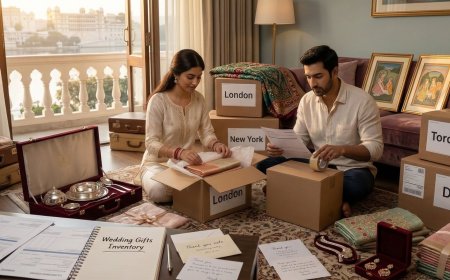
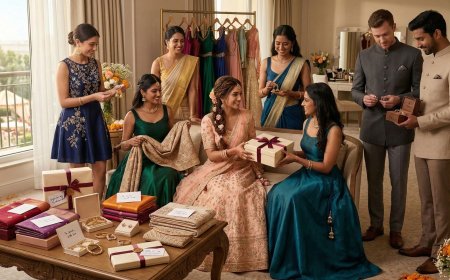
Two men from Kerala and Punjab who had met in London, had been together for six years, and who wanted to celebrate their commitment in the country that was the source of everything that mattered most to their sense of who they were. Not the standard wedding planning guide with a note at the end about LGBTQ+ considerations — a guide that starts from the specific situation of the NRI LGBTQ+ couple and gives honest, practical guidance for the celebration that is genuinely possible. This guide delivers a complete framework covering the current legal landscape and what it means practically for planning, the LGBTQ+-affirming vendor community in India's major cities, the vendor conversation strategy, the family spectrum from fully affirming to coming-out-at-the-celebration, the selective visibility approach, the commitment ceremony design with Indian cultural elements, the humanist celebrant option, destination choices from Mumbai to Rajasthan to Goa, physical safety considerations, and the social media disclosure strategy that keeps the couple in control of their own story.

LGBTQ+ Weddings in India: Planning Your Celebration as NRI Couples
The NRI couple's honest and practical guide to celebrating love in a country whose legal landscape is changing, whose cultural context is complex, and whose capacity for warmth and beauty remains extraordinary
The Celebration That Required a Different Map
The couple had planned the celebration with the specific care of people who had thought carefully about every dimension of what they were doing. They were two men — one whose family was from Kerala, one whose family was from Punjab — who had met in London, had been together for six years, and who wanted to celebrate their commitment in India, in the country that was the source of everything that mattered most to their sense of who they were.
They were not naive about the complexity. They knew the legal landscape. They had read the Supreme Court's 2023 ruling on same-sex marriage — the ruling that had declined to extend marriage equality while acknowledging the community's dignity — and they understood what it meant for the specific celebration they were planning. They were not planning a legal marriage in India. They were planning a celebration of their commitment, in the country they loved, with the people who loved them.
What they needed was not the standard wedding planning guide with a note at the end about LGBTQ+ considerations. They needed a guide that started from their specific situation — from the legal reality, the cultural complexity, the family dynamics, and the extraordinary beauty of what was actually possible — and that gave them the specific, honest, practical guidance to plan the celebration they wanted.
This guide is an attempt to be that guide.
The Legal Landscape: An Honest Assessment
The Current Position
The legal position on same-sex relationships and marriage in India as of 2025 is the following: the Supreme Court's 2018 judgment in Navtej Singh Johar v. Union of India decriminalized consensual same-sex relations between adults, striking down Section 377 of the Indian Penal Code as it applied to consensual adult relations. This was a landmark and genuinely significant judgment whose importance to the dignity and safety of LGBTQ+ individuals in India cannot be overstated.
The Supreme Court's 2023 judgment in Supriyo v. Union of India declined to extend marriage equality to same-sex couples, holding that the right to marry is not a fundamental right and that the question of same-sex marriage should be addressed by Parliament rather than the courts. The judgment acknowledged the dignity and rights of LGBTQ+ individuals while declining to create marriage equality through judicial intervention.
The practical consequence: same-sex marriages are not legally recognized in India. The NRI couple who celebrates a commitment ceremony, a union celebration, or any form of partnership acknowledgment in India is celebrating something that has genuine meaning and no legal status in the country where the celebration takes place.
What This Means for Planning
The absence of legal recognition has specific practical implications for the celebration:
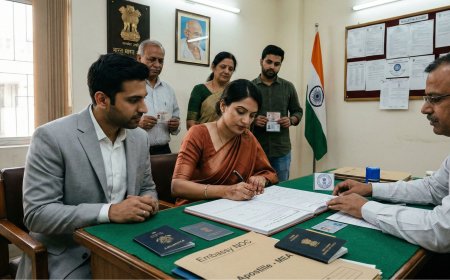
There is no legal marriage registration in India following the celebration. The couple who wants legal marriage — whose country of residence recognizes same-sex marriage — will need to marry legally in their country of residence before or after the India celebration.
The vendor relationships are entirely private — no vendor is legally required to serve same-sex couples in India in the way that anti-discrimination laws in the UK, Canada, and many US states create legal protections. The vendor who declines to serve a same-sex couple in India is not violating any law. The vendor selection strategy must account for this reality.
The venue, the caterer, the photographer, the florist — each of these vendor relationships is entered without the legal framework that protects against discrimination in Western contexts. The vendor briefing strategy, the vendor selection criteria, and the approach to vendor conversations must be calibrated to this reality.
What This Does Not Mean
The absence of legal marriage recognition does not mean the celebration is illegal. It is not. The 2018 decriminalization judgment has established that consensual same-sex relationships between adults are legal in India. The celebration of a commitment between two adults is not a legal violation.
It does not mean the celebration is not possible, not meaningful, or not genuine. The commitment ceremony, the union celebration, the partnership acknowledgment — whatever the couple chooses to call the occasion — is a genuine celebration of a genuine relationship. Its absence of legal status in India does not diminish its meaning.
It does not mean that India is uniformly hostile to LGBTQ+ couples. The country is large, diverse, and internally varied in its attitudes — the urban, educated, cosmopolitan India of the major cities is different from the rural and traditional contexts in ways that are significant for planning purposes. The Pride celebrations in Mumbai, Delhi, Bangalore, and other cities, the growing visibility of LGBTQ+ Indians in public life, and the community of LGBTQ+-affirming vendors, venues, and professionals that has developed in the major cities are the evidence of a cultural context that is more varied than the legal framework suggests.
The Vendor Landscape: Finding the Right Professionals
The LGBTQ+-Affirming Vendor Community
The major Indian cities — Mumbai, Delhi, Bangalore, Hyderabad, Pune — have developed a community of vendors who are genuinely affirming of LGBTQ+ couples and who have experience working with same-sex celebrations. These vendors exist. They are not universally advertised as LGBTQ+-affirming because the social and professional context does not always make that advertising safe or practical for the vendor. But they are findable through specific channels.
The channels:
The LGBTQ+ community networks in India — the organizations, the social groups, the online communities — are the most reliable source of vendor referrals. The vendor who has been recommended by a member of the community who has personal experience of their service is the vendor whose affirming position has been tested rather than merely claimed.
The NRI LGBTQ+ community networks — the diaspora organizations, the online communities of LGBTQ+ Indians abroad — have specifically relevant knowledge for the NRI couple planning an India celebration. The couple who has used a specific vendor in Jaipur for their commitment ceremony, who can speak to the vendor's specific approach and the quality of their work, is a more reliable reference than a general review.
The wedding planners who specifically serve LGBTQ+ couples in India — a small but growing category — are the most valuable single vendor for the NRI LGBTQ+ couple. The wedding planner who knows the vendor landscape, who has established relationships with affirming vendors, and who can navigate the family and cultural complexity of the celebration is the professional whose specific knowledge is hardest to replicate through independent research.
The Vendor Conversation Strategy
The conversation with a vendor about an LGBTQ+ celebration in India requires specific calibration — because the vendor's position is not always obvious from their marketing, because the conversation has professional and personal dimensions that the standard vendor conversation does not, and because the couple's safety and comfort are at stake in addition to the quality of the vendor's work.
The initial approach:
The initial inquiry to a vendor — particularly a vendor who has not been specifically referred as LGBTQ+-affirming — should be made through the wedding planner where possible. The wedding planner who makes the initial inquiry on the couple's behalf, who establishes the nature of the celebration before the vendor is engaged, protects the couple from the specific experience of a direct rejection and filters the vendor landscape more efficiently than individual couple inquiries.
For couples who are approaching vendors directly: the initial inquiry can establish the nature of the celebration without requiring full personal disclosure. A message that describes "a commitment celebration for two grooms" or "a partnership ceremony for two brides" communicates the essential information without requiring the couple to share more personal detail than the professional relationship requires at the initial stage.
The qualification questions:
Have you worked with same-sex celebrations before? — The vendor who has specific experience is meaningfully different from the vendor whose affirming position is untested. Experience provides evidence that the affirming position is genuine and that the vendor's team, their logistics, and their work have been calibrated for the specific celebration.
How do you handle vendor team members who may have different positions? — The affirming vendor whose team includes individuals whose personal positions are not affirming is the vendor whose commitment to the celebration's quality requires management of an internal dynamic. The honest vendor will acknowledge this complexity and describe how they manage it.
Are you comfortable with us being visible and affectionate during the event? — The vendor whose comfort with the celebration extends only to the technical work of florals or catering but who becomes uncomfortable with the couple's natural expression of their relationship during the event has not fully understood what they are agreeing to.
The briefing:
The vendor who has been selected should be briefed with the same specificity as any vendor — the vision, the aesthetic, the programme, the specific requirements. The additional briefing for the LGBTQ+ celebration: the family context, the specific sensitivities around disclosure and visibility, and the couple's preferences for how the celebration is described in vendor communications and any public-facing content.
The Venue Conversation
The venue is the vendor relationship with the highest stakes — because the venue's position affects not only their own service but the environment in which all other vendors will work and in which the couple and their guests will spend the day.
The venue conversation should establish clearly, early, and in writing: the venue's acceptance of the celebration's nature, the venue's approach to any guests or staff whose personal positions may be different from the venue's official position, and the venue's specific protocols for ensuring the couple's comfort and safety throughout the event.
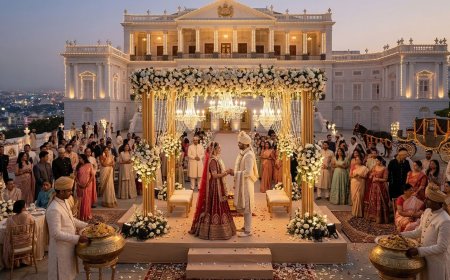
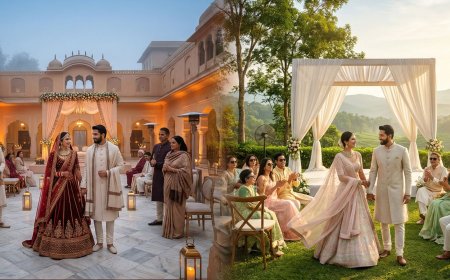
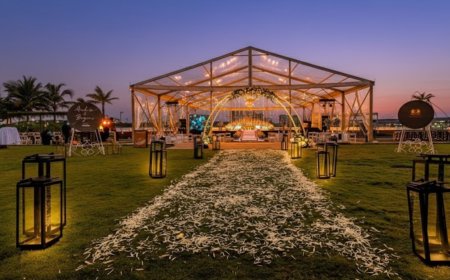
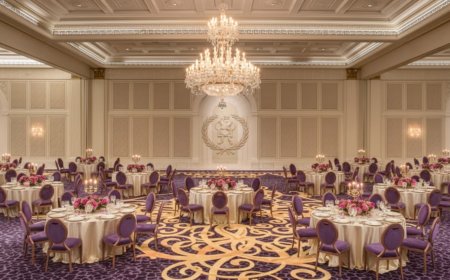
The boutique property — the heritage haveli, the small luxury property taken on an exclusive basis — is generally more appropriate for the LGBTQ+ celebration than the large hotel, because the exclusive use removes the ambient social context of other guests whose reactions cannot be managed. The couple who has exclusive use of a property has created a controlled environment whose social context is entirely constituted by the people they have invited.
The Family Landscape: The Most Complex Variable
The Spectrum of Family Positions
The family landscape for the NRI LGBTQ+ couple planning an India celebration spans the full range of possible positions — from the family that is fully affirming and whose participation in the celebration is uncomplicated, to the family that is not aware of the couple's relationship and whose invitation to the celebration would constitute a coming out, to every position between these.
The celebration planning must begin with an honest assessment of where the specific families are on this spectrum — not where the couple hopes they are, not where the couple fears they might be, but where the evidence suggests they actually are.
The fully affirming family:
The family that knows about the relationship, that has welcomed the partner, and that approaches the celebration with genuine warmth is the family context in which the planning is most similar to any other wedding planning. The specific LGBTQ+ considerations are still present — the vendor selection, the legal landscape, the ceremony design — but the family dynamic does not add complexity to the planning.
The aware but unresolved family:
The family that knows about the relationship but whose feelings about it are not fully resolved — who are present to the couple's happiness but who carry their own complexity about the cultural and religious implications — is the most common family context for the NRI LGBTQ+ couple. This family context requires specific navigation: the couple must hold both the family's love and the family's unresolved feelings, and the celebration must be designed for the family that actually exists rather than the family the couple wishes existed.
The family for whom the celebration is also a coming out:
The family that does not know about the relationship — for whom the invitation to the celebration would constitute the couple's coming out — presents the most complex planning scenario. The celebration cannot be planned without the coming out conversation, and the coming out conversation changes the planning timeline, the family dynamics, and potentially the guest list and the format of the celebration.
The coming out conversation that happens in the context of "we are planning a celebration and we would like you to be there" is a different conversation from the coming out conversation that has happened on its own terms, with time to process before the wedding planning begins. The couple who can separate these — who comes out to the family before announcing the celebration — gives the family the specific gift of time that the combined announcement does not.
The Selective Visibility Question
Many NRI LGBTQ+ couples navigate India celebrations with selective visibility — openly celebrating with the portion of the family and social network that is affirming, while not inviting or not fully disclosing to the portion that is not.
The selective visibility approach is a legitimate and practical response to the specific complexity of the Indian family context. It is also a choice with specific costs — the experience of the celebration is shaped by the management of who knows what, and the management of visibility requires ongoing attention throughout the planning and the event itself.
The couple who chooses selective visibility should be explicit with each other about what they are choosing and why — and should have a clear and shared understanding of who knows, who doesn't, and how the celebration will be described in different conversations.
The Family Member Who Is Not Invited
The family member who is not invited — because their presence would require a level of management that would compromise the celebration's character, or because their position on the relationship makes their presence incompatible with the celebration's meaning — is the specific guest list decision that is most emotionally complex for the LGBTQ+ celebration.
The decision not to invite a specific family member is a decision that the couple makes for their own celebration and that they are not required to justify. The explanation that is offered — if one is offered — should be honest without being more detailed than the relationship requires.
The Ceremony: What Is Available and What It Can Be
The Commitment Ceremony
The commitment ceremony — a celebration of the couple's relationship and their intention to build their lives together — is the format that does not depend on any legal framework and that can be designed with complete freedom.
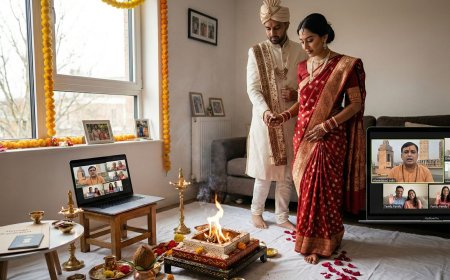
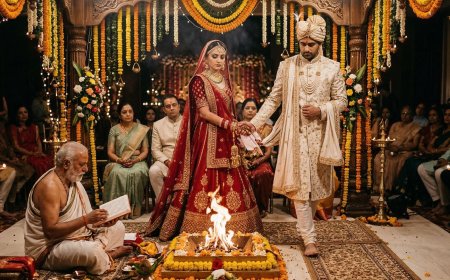
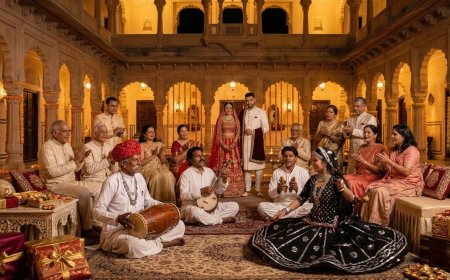
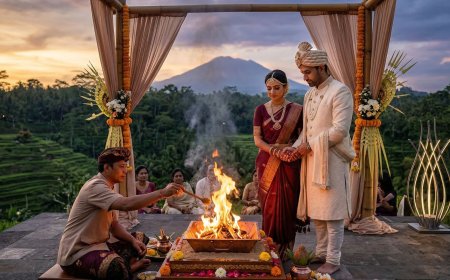
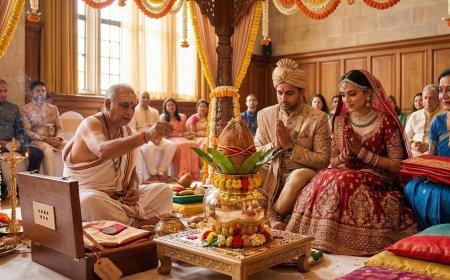
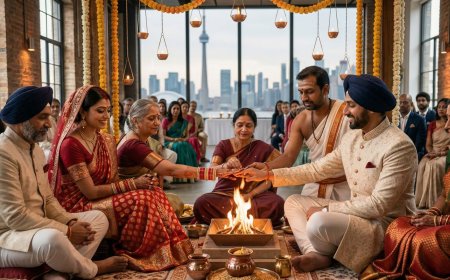
The commitment ceremony can incorporate the specific cultural and religious elements that are meaningful to the couple — the exchange of garlands that is a Hindu wedding gesture, the specific blessings from family elders that carry genuine weight, the cultural performances that are part of the family's tradition — without requiring those elements to be situated within a religious or legal framework that the couple is not claiming.
The ceremony design question for the LGBTQ+ commitment ceremony: what are the specific elements of the Indian wedding tradition that carry genuine meaning for this couple, and how can those elements be incorporated in a way that is honest rather than performed?
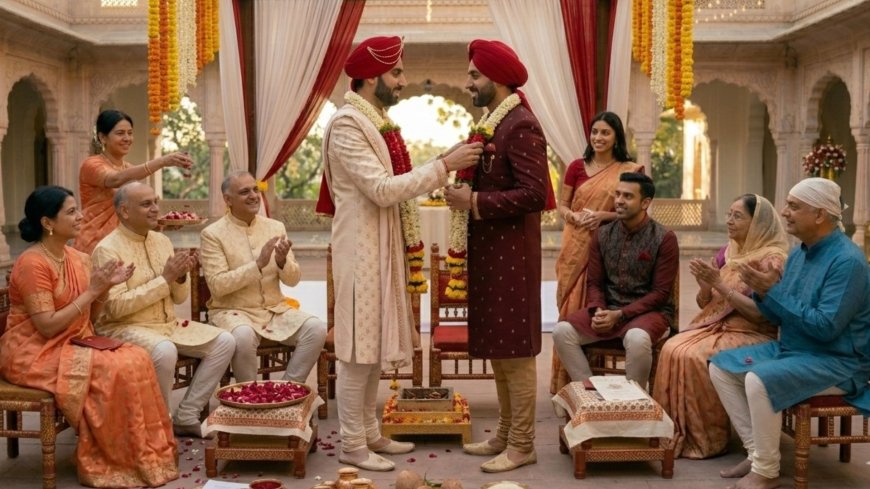
The garland exchange — the jaimala — is a gesture of mutual acceptance and welcome that carries meaning independent of its legal context. The exchange of vows — the specific promises the couple makes to each other — can be written entirely for this couple, in the language that is most genuine to their relationship, without reference to any traditional formula that does not fit.
The family elder's blessing — the specific words of an elder who loves both partners and who wishes them well — is a gesture whose emotional weight is not diminished by the legal landscape.
The Officiant
The officiant for the LGBTQ+ commitment ceremony in India is not necessarily a religious officiant — and the search for a religious officiant who will perform the ceremony should be conducted with the same honesty described in the second marriage guide. The Hindu Pandit, the Muslim qazi, the Sikh granthi — the religious officiants of the Indian traditions — range from affirming to refusing, and the search for the right officiant may take longer than expected.
The non-religious officiant — the friend or family member who is given the role of officiating, the secular celebrant who specializes in personalized ceremonies — is a fully appropriate alternative that is, for many LGBTQ+ couples, more honest to the celebration's actual character.
The humanist celebrant — a growing profession in India as well as in the Western countries where many NRI couples live — is specifically trained to design and officiate ceremonies that are personal, meaningful, and not dependent on religious frameworks. The humanist celebrant who has experience with LGBTQ+ ceremonies is the professional whose specific skill set most directly serves the LGBTQ+ commitment ceremony in the Indian context.
The Cultural Elements
The specific cultural elements that can be incorporated into the LGBTQ+ commitment ceremony — without requiring the religious or legal framework that conventionally accompanies them — include:
The mehendi — the henna ceremony that is traditionally pre-wedding and that is genuinely available to the LGBTQ+ couple as a celebration of the occasion's approach. Both partners can receive mehendi if they wish. The mehendi artist who is briefed on the celebration's nature and who is genuinely affirming can create designs that are specific to the couple rather than the conventional bridal designs.
The sangeet — the musical and performance celebration that is among the most joyful elements of the Indian wedding programme and that carries no specific religious content that requires adaptation for the LGBTQ+ celebration. The sangeet is a celebration. The celebration of two people who love each other is exactly what the sangeet is for.
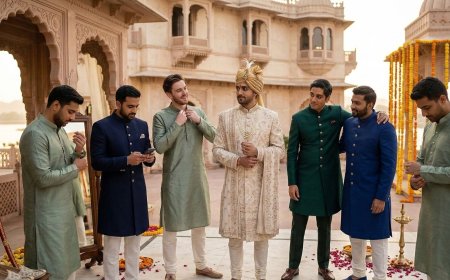
The ceremony garments — the specific beauty of Indian formalwear, available to all genders in the Indian tradition's extraordinary textile vocabulary. Two grooms in sherwanis. Two brides in lehengas. One partner in a lehenga and one in a sherwani. The groom in a saree. The specific choices that are honest to the couple's identities and that use the Indian textile tradition's full range rather than its conventional gender assignments.
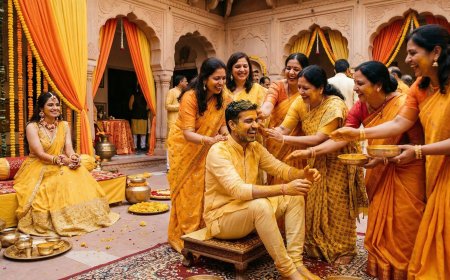
The haldi — the turmeric ceremony that is among the most sensory and communal of the pre-wedding rituals. The LGBTQ+ couple's haldi, attended by the people who love them most, is a haldi whose character is exactly the same as any haldi — joyful, messy, intimate, and unrepeatable.
The Destination Choice: Where in India
The Urban Centres
Mumbai, Delhi, and Bangalore are the Indian cities with the most developed LGBTQ+ communities, the most visible Pride celebrations, and the most established networks of LGBTQ+-affirming vendors and venues. The couple whose celebration is in one of these cities has the broadest vendor selection and the most accessible community network.
Mumbai's specific character — the city whose cultural openness is the most established, whose creative industries have produced visible LGBTQ+ figures, and whose Pride celebration is among the largest in Asia — makes it the Indian city where the LGBTQ+ celebration is most normatively legible.
Delhi's specific character — the capital city whose cultural and political complexity is the most intense, and whose LGBTQ+ community has been the most directly engaged with the legal and political struggles of the past two decades — makes it the city where the celebration has the most direct connection to the community's history.
Bangalore's specific character — the technology city whose cosmopolitan, internationally connected professional culture makes it among the most liberal in India — makes it the city where the celebration is perhaps most straightforwardly received by the professional social context.
The Destination Wedding Locations
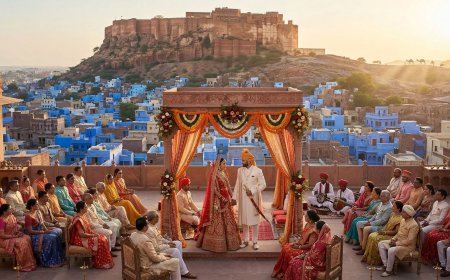
Rajasthan — Jaipur, Jodhpur, Udaipur — is the most popular destination for the NRI couple planning an India celebration, and the LGBTQ+ couple's choice of a Rajasthani destination is a choice that offers extraordinary beauty alongside a more conservative social context than the major urban centres.
The Rajasthani boutique property taken on exclusive use — the heritage haveli, the private palace — creates a controlled environment that is genuinely beautiful and that is not dependent on the broader social context's attitudes. The celebration within the exclusive property is the celebration in its own world, not the celebration in the city's public social context.
Goa — the coastal state whose specific culture is the most internationally influenced and most socially liberal in India — is the destination whose ambient social context is most comfortable for the LGBTQ+ celebration. Goa's established luxury property market, its international visitor base, and its cultural openness make it a specific option for the couple who wants both the Indian setting and the most comfortable ambient social context.
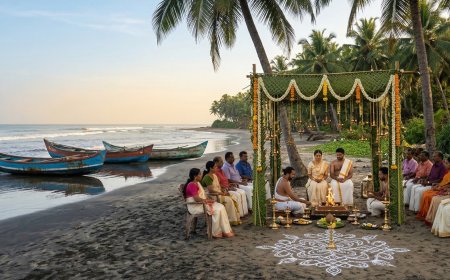
Kerala — whose specific cultural traditions include historical acknowledgment of gender and relationship diversity within certain communities — is the destination that may carry specific personal meaning for the couple with Kerala connections.
Safety and Comfort: The Practical Considerations
Physical Safety
The 2018 decriminalization judgment has significantly improved the legal safety of LGBTQ+ individuals in India, but the legal change has not uniformly changed the social context. The couple's physical safety — the safety of being visibly a same-sex couple in public spaces in India — varies significantly by location, context, and the specific social environment.
The practical guidance: the exclusive private venue provides the most controlled and comfortable environment. Public displays of affection — beyond what would be unremarkable in the Indian social context for any couple — should be calibrated to the specific context. The couple who is in their boutique property, among their guests, is in a different safety context from the couple who is exploring the city's public spaces.
The wedding planner who knows the local context — who can advise on which venues, which areas, and which situations require specific caution and which do not — is the local professional whose specific knowledge the remotely planning NRI couple most needs.
The Social Media Consideration
The social media documentation of the celebration — the photographs, the posts, the hashtag collection — requires specific consideration for the LGBTQ+ couple whose India celebration exists in the context of selective visibility.
The guest who posts a photograph from the celebration with the wedding hashtag has made a choice about the celebration's visibility that affects not only their own social media but the couple's. The couple whose selective visibility strategy does not extend to social media — whose celebration becomes fully public through guest posts — has had the control of their own disclosure removed.
The practical solution: a specific and warm request to guests at the beginning of the celebration about social media — the request that posts wait until the couple has given a signal, or that posts be limited to specific platforms, or that photographs be shared through the private shared album rather than public social media — gives the couple the control of their own story that the celebration's nature requires.
The Travel Safety Briefing for International Guests
The international guests who are traveling to India for the LGBTQ+ celebration need the same travel briefing described in the international guest management guides — with the addition of specific guidance on the legal context, the social context, and the practical advice for LGBTQ+ travelers in India.
The India travel guidance for LGBTQ+ guests: the legal position on same-sex relationships, the practical advice about public behavior in different contexts, the specific note that major urban centres and tourist destinations are significantly more comfortable than more conservative contexts, and the reassurance that the celebration's specific environment has been designed for their comfort and welcome.
The Celebration That Is Entirely Itself
The NRI LGBTQ+ couple planning an India celebration is planning something that requires more navigation than the equivalent celebration in London, Toronto, or Sydney. The legal landscape is more complex. The vendor selection is more specific. The family dynamics may be more layered. The safety considerations require more explicit attention.
And the celebration itself — when it happens, in the country that is the source of so much of what matters to both partners, with the people who love them most, in the extraordinary beauty of the Indian aesthetic tradition — is a celebration that is entirely and specifically itself.
The marigold and the rose. The silk and the gold. The smell of incense and the sound of music. The specific quality of Indian light in the late afternoon. The food that carries the memory of childhood. The elder who blesses the couple with the specific warmth of someone who has loved them for decades. The friend who has traveled from another continent to be in this room on this day.
These are not lesser versions of the things that other couples have at their weddings. They are the things themselves — available in their full, specific, unreduced form to the couple who has done the work of navigating the complexity to reach the moment of the celebration.
The navigation is real. The complexity is real.
So is the celebration.
Plan it accordingly.
NRIWedding.com — Expert guidance for Indian weddings planned across borders.
What's Your Reaction?
 Like
0
Like
0
 Dislike
0
Dislike
0
 Love
0
Love
0
 Funny
0
Funny
0
 Angry
0
Angry
0
 Sad
0
Sad
0
 Wow
0
Wow
0