
















































The Set That Divided the Room: The NRI Couple's Complete Guide to Stand-Up Comedy at the Sangeet
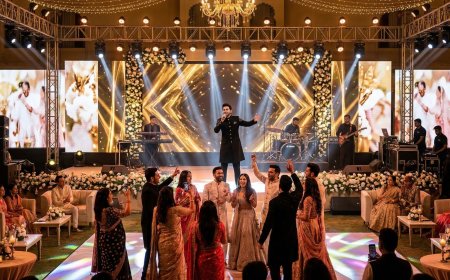
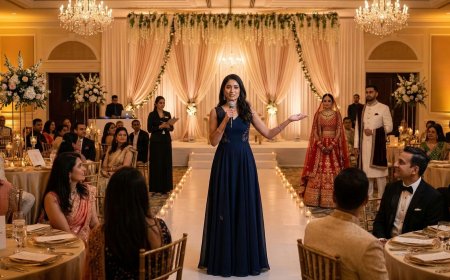
The comedian who was genuinely funny and entirely wrong for the room. The grandmother sitting with courteous incomprehension while the groom's friends from Birmingham laughed at material that meant nothing to the family elders three tables away. Stand-up comedy at the sangeet is one of the most appealing and most misunderstood entertainment options available — capable of producing the most unifying laughter of the evening or the specific deflation that the subsequent programme has to recover from. This guide delivers a complete framework covering what comedy does and what the sangeet needs, the case for bespoke intercultural comedy and the roast format, the case against the standard set and its tone and language risks, the alternatives that deliver comedy's benefits without its risk profile, the three-question decision framework, and the honest assessment of when the answer is yes, when it is no, and when the comedic emcee is waiting and very good.

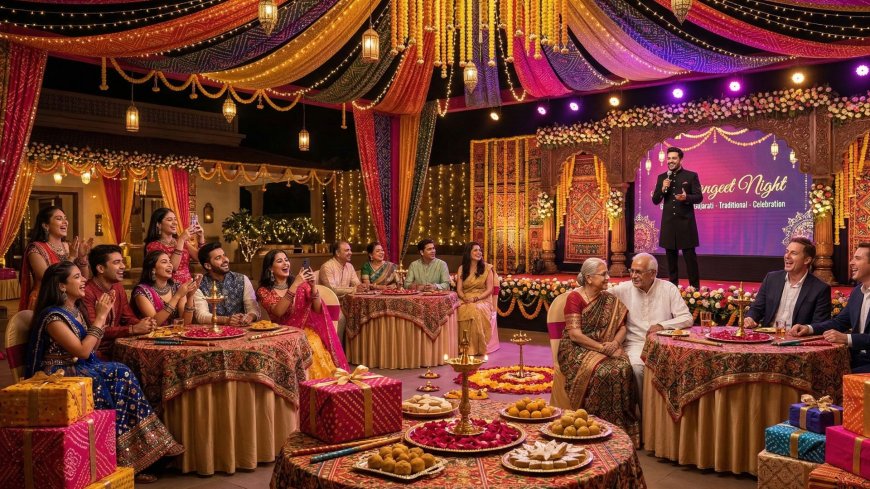
Stand-Up Comedy at Sangeet: Is It a Good Idea?
The NRI couple's honest guide to one of the most appealing and most misunderstood entertainment options for the sangeet — understanding when professional comedy works, when it fails, why the difference matters more than it appears to, and how to make the decision that serves the specific occasion
The Set That Went Wrong
The comedian had been recommended by a friend of the groom. He was funny — genuinely funny, with a strong following on the Indian comedy circuit and a reputation for sharp, observational humor that played well at corporate events and at the kind of upscale Mumbai gatherings where the audience was young, urban, and culturally bilingual.
The sangeet guest list was not that audience.
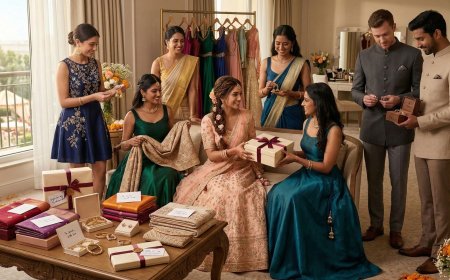
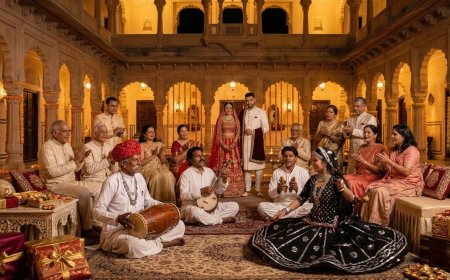
It was three hundred people distributed across five decades, four countries, two languages, and the full spectrum of cultural reference points that an NRI wedding's extended family produces. The grandmother who had flown from Ahmedabad. The groom's university friends from Birmingham. The bride's mother's college friends who had known her since before the groom existed. The cousins who had grown up in Canada and whose Hindi was functional but not fluent. The paternal uncle whose English was formal and whose sense of humor was entirely rooted in a cultural register that the comedian's material did not approach.
The first five minutes were good. The material was sharp, the delivery was confident, the younger guests laughed in the specific way of people who are watching someone do what they do well.
The next fifteen minutes were the problem.
The comedian's material had been written for a different room. The cultural references landed with approximately sixty percent of the audience and sailed over the remaining forty percent in ways that produced not laughter but the specific polite silence of people who can see that something is supposed to be funny and are not finding it so. The jokes about dating apps, about the specific experience of being a young urban Indian professional, about certain cultural phenomena that had meaning for one demographic in the room and none for several others — these jokes drew an increasingly specific audience response that the comedian, to his credit, could read but could not fully adapt to in real time.
The grandmother sat with an expression of courteous incomprehension. The uncle laughed at the wrong moment and then looked around to confirm whether he had understood correctly. The groom's friends from Birmingham laughed easily but were laughing at material that was landing differently for the people around them, which produced a specific self-consciousness that quieted their response.
By the end of the twenty-minute set, the room had fragmented — the audience that had arrived as a unified gathering of people who loved the couple had been divided, by the specific architecture of the material, into those for whom it worked and those for whom it did not.
The sangeet recovered. The family performances that followed brought the room back together with the specific power that only the sight of people you love doing something for people they love can produce.
But the twenty minutes of comedy had not served the occasion. It had served itself — the comedian's specific voice, the comedian's specific audience, the comedian's specific material — in a room that was not that audience.
This is the specific risk of stand-up comedy at the sangeet. Not that it will be bad. But that it will be for a different room.
Understanding What Comedy Does at an Event
Before the question of whether stand-up comedy belongs at the sangeet, the prior question: what does comedy do at an event, and what does the sangeet need?
What Comedy Does
Comedy at an event does several things simultaneously, some of which are useful and some of which are not.
It establishes a specific relationship between the performer and the audience. The comedian is the person in the room who has permission to say things that nobody else would say — to observe, to puncture, to reframe. This relationship creates a specific dynamic that is different from the relationship between the sangeet's family performers and the audience. The family performer is giving a gift. The comedian is performing an act.
It divides the room by comprehension. Every joke has an implied audience — the specific group of people who share the cultural reference, the language, the experience, the generational context that the joke requires. The joke that lands for that specific group and not for others does not unite the room. It divides it into those who laughed and those who smiled politely. At a sangeet whose guest list spans decades and countries and cultures, this division is a significant risk.
It can create a specific energy. The set that lands well — where the material is genuinely right for the specific room, where the comedian has adapted their act to the specific audience, where the laughter is broad and sustained — creates an energy that is generative. The room that has laughed together is a room that is open, warm, and present in a way it was not before. This energy is real and useful.
It can deflate an occasion. The set that does not land — where the silence between jokes is audible, where the comedian is visibly recalibrating, where the audience is working to be polite — creates an energy that is the opposite of generative. The room that has sat through twenty minutes of not-quite-landing comedy is a room that needs to be recovered before the next programme element can work.
What the Sangeet Needs
The sangeet is a specific occasion with a specific emotional requirement: it needs to build. The evening that begins with the welcome and moves through the family performances and the entertainment and arrives at the dance floor should be an evening whose energy accumulates rather than peaks and troughs. Each element should leave the room more open, more present, more joyful than the element before it.
The entertainment that serves this requirement is entertainment that is inclusive — that brings the full room, across all its generational and cultural and linguistic diversity, into a shared experience. The entertainment that divides the room by comprehension works against this requirement.
Comedy can serve it — but only the specific kind of comedy that is genuinely inclusive, genuinely adapted to the specific room, and genuinely in service of the occasion rather than in service of the comedian's specific voice.
The Case For: When Comedy Works at a Sangeet
The Right Comedian for the Room
The professional comedian who has been briefed thoroughly on the specific guest list — who has done the work of understanding the cultural range, the generational range, the linguistic range, and the specific family dynamics of the occasion — and who has adapted their material specifically for this room, is not performing a standard set. They are performing a bespoke act.
The bespoke act that draws from the specific material of this specific occasion — the couple's story, the family's history, the specific cultural intersections of an NRI wedding — can be genuinely extraordinary. The comedian who makes the grandmother in Ahmedabad laugh alongside the groom's friends from Birmingham has performed a specific act of cultural translation and connection that very few performers can achieve.
But the bespoke act requires: a comedian with genuine intercultural fluency, not just familiarity with both Indian and Western comedy. A thorough briefing process — multiple conversations with the couple, research into the specific family, genuine preparation rather than the addition of a few India-specific references to a standard set. And the specific comedic skill of writing for a complex, diverse room rather than for the homogeneous audience that most stand-up sets are written for.
This comedian exists. They are not the comedian who has been recommended because they are funny at corporate events. They are a specific category of performer whose specific skill is the NRI wedding audience.
The Roast Format: Love as Comedy
The roast — the comedic tribute to the couple that draws its material from their specific story, their relationship, and the gentle exposure of the specific truths about them that the people who love them know — is the comedy format most naturally suited to the sangeet.
The roast works at the sangeet because its subject is the occasion itself — the couple, their relationship, the specific joys and absurdities of their specific path to this moment. The audience that does not share the cultural reference of a dating app joke shares the reference of watching two specific people they love be gently teased about the specific ways they are human.
The roast is also the format that converts the distinction between professional comedian and beloved family member from a problem into an opportunity — the comedian who delivers the roast is working in territory that is naturally shared between the professional host and the family member who knows the couple best. The roast that is researched by the comedian in collaboration with the couple's closest friends — who provide the specific material, the specific stories, the specific truths that make the comedy land with the specific weight of genuine knowledge — is a format that bridges the professional and the personal in a way that the standard comedy set does not.
The Cultural Bridge Comedy
The NRI wedding's specific cultural intersection — the specific comedy of two worlds meeting, of cultural translation, of the specific experiences of the diaspora — is comedy material that is both genuinely funny and genuinely inclusive across the room's cultural range.
The comedy of the non-Indian guest learning to wear a dhoti. The comedy of the NRI family member navigating an India they know from their parents' stories and which keeps surprising them. The comedy of the specific phrase that means something completely different in English and in Hindi. The comedy of two families whose cultural conventions about weddings are equally specific and equally convinced they are universal.
This material is inclusive because it draws from the specific shared experience of the occasion itself — the experience that every guest in the room is having, regardless of their cultural background. The non-Indian guest who is navigating Indian wedding culture for the first time is the subject of the joke and also the person who finds it funniest. The Indian family elder whose experience of the NRI family's Western conventions is equally foreign is the subject of a different joke and equally amused.
The comedian who can mine this specific material — who understands the NRI wedding's cultural intersection from the inside — has access to comedy that is both genuinely funny and genuinely unifying.
The Case Against: When Comedy Fails at a Sangeet
The Standard Set Problem
The standard stand-up set — the comedian's existing material, perhaps with a few wedding-specific references added as a gesture toward the occasion — is the most common form of comedy at Indian weddings and the form most likely to produce the scenario described in the opening of this guide.
The standard set is written for a specific implied audience that is not the sangeet's audience. It has been developed, refined, and tested in front of rooms that are more homogeneous — in age, in cultural background, in linguistic fluency — than the sangeet guest list. The material that lands perfectly in those rooms lands imperfectly in a room where the audience spans five decades and four countries.
The comedian who delivers their standard set at the sangeet is not giving the occasion their specific work. They are bringing work that was made for a different occasion and presenting it to an audience that has not been consulted about its relevance.
The Language Barrier
In any sangeet whose audience includes guests for whom English is a second language or for whom the comedian's specific register — the specific cultural code of Indian English, or of British English, or of North American English — is not fully accessible, the comedy set creates a specific exclusion.
The comedy exclusion is qualitatively different from the exclusion of, say, a speech that is delivered in a language some guests do not speak. A speech can be translated or summarized. Comedy cannot be translated without losing its essential quality. The joke explained is not funny. The audience member who is watching others laugh without understanding why is not merely uninformed — they are specifically excluded from a shared experience that others are having in the same room.
The Tone Risk
Comedy at the sangeet carries a specific tone risk — the risk that the material, even when it is genuinely funny for the target audience, strikes a register that is wrong for the occasion.
The sangeet is an occasion of genuine emotional significance — not only the party that the younger guests experience it as, but the specific gathering of families that is one of the Indian wedding's most important social functions. The senior family members present have made significant journeys — physical and emotional — to be in the room. The occasion carries a weight of meaning and love that the right entertainment honors and the wrong entertainment can inadvertently undercut.
The comedy set that goes too edgy, too irreverent, too focused on the specifically secular and urban experience of the younger guests — at the expense of the occasion's broader emotional register — is the comedy that leaves the senior family members feeling that the evening was not quite what the occasion deserved.
The Recovery Problem
The comedy set that does not land leaves the subsequent programme elements with a specific task: recovery. The family performance that follows a twenty-minute set of not-quite-landing comedy inherits an audience that is slightly deflated — not actively unhappy, but not in the open, warm, present state that the best sangeet entertainment produces.
The recovery is achievable — the right family performance brings the room back — but it is a recovery, which means the programme has spent energy that should have been accumulated. The evening's emotional arc has dipped when it should have been rising.
The entertainment decision that risks this recovery problem should be made with specific awareness of the risk and specific confidence that the mitigation — the right comedian, the bespoke material, the genuine cultural fluency — is in place.
The Alternatives That Deliver Comedy's Benefits Without Its Risks
For couples who are drawn to comedy at the sangeet — who want the energy that laughter creates, the warmth of a shared comedic moment — several alternatives deliver these benefits with a significantly lower risk profile.
The Comedic Emcee
The emcee who has genuine comedic sensibility — who can find the specific humor in the transitions between programme elements, who can deliver the introduction of the groom's childhood friends with the warm, knowing comedy of someone who has been thoroughly briefed on the specific material — delivers comedy that is integrated into the programme rather than separated from it.
The comedic emcee's humor is not a set. It is a sensibility — a way of looking at the specific evening and finding its specific comedy — that operates throughout the programme rather than in a defined twenty-minute block. The laughter it produces is distributed across the evening rather than concentrated in one segment, which means the risk of the not-landing set is distributed too.
The Comedic Family Performance
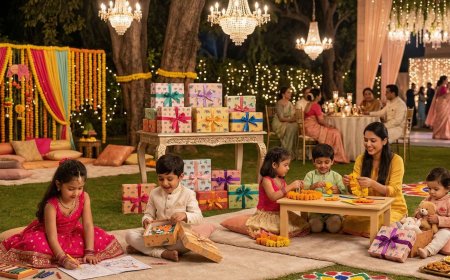
The family performance format naturally accommodates comedy — the sketch, the skit, the specific parody that draws on material only the family knows — and the comedy that comes from people the audience loves is comedy that lands regardless of the audience's cultural range.
The audience watching the groom's younger siblings perform a skit about his specific habits is watching people they love expose truths they recognize — and the laughter is born of recognition and affection rather than of the comedian's specific skill. This is a different kind of comedy. It is the comedy of the occasion itself.
The Interactive Comedy Format
The interactive format — the comedian or host who draws the audience into the comedy rather than performing at them, who finds the specific comedy in the specific room rather than bringing comedy from outside it — is the format most likely to work across the sangeet's cultural range.
The bingo card of wedding moments. The trivia about the couple where the audience competes. The specific game that produces comedy through the audience's participation rather than through the performer's material. These formats create shared laughter that is inclusive by design — because the comedy emerges from the specific room rather than from material written for a different one.
The Decision Framework: How to Choose
The Three Questions
Question one: Who is in the room?
The specific cultural, generational, and linguistic range of the sangeet guest list determines whether the comedy format is viable and what kind of comedy can work. The sangeet whose guest list is predominantly young, urban, bilingual, and culturally homogeneous is a different comedy proposition from the sangeet whose guest list spans five decades, four countries, and three languages.
If the honest answer to this question is that the room is significantly diverse — that a substantial portion of the audience will not be served by standard comedy material — then the standard comedy set is not the right choice regardless of how funny the comedian is.
Question two: What is the comedian's specific capability?
The comedian who has genuine intercultural fluency, who has specific experience with NRI wedding audiences, and who is willing to invest the preparation time required to create bespoke material for this specific occasion — this comedian is a different proposition from the comedian who is funny at corporate events.
The assessment of this capability requires: asking for examples of their work with comparable audiences, having a detailed conversation about their preparation process, and making a judgment about whether their specific skills match the specific requirement.
If the honest answer to this question is that the candidate comedian is funny but not specifically fluent in the NRI wedding's cultural complexity — then either the search continues or the format changes.
Question three: What position in the programme?
The position of the comedy in the sangeet programme determines both its risk and its potential impact. Comedy placed in the middle of the programme — after the family performances have warmed the room and before the dance floor opens — is positioned where its failure can be recovered from and where its success adds to a building arc. Comedy placed at the opening of the programme — before the room has been warmed by the personal and the relational — carries the highest risk of the difficult audience dynamic described above.
The comedy placed at the end of the formal programme — immediately before the dance floor — is the placement where landing badly has the specific consequence of a dance floor that opens in a subdued rather than energized room. This is the placement that requires the highest confidence in the comedian's ability to land.
The Honest Assessment
The honest assessment of whether stand-up comedy belongs at a specific sangeet is not a question about comedy in the abstract. It is a question about the specific comedian, the specific audience, and the specific preparation that bridges them.
The answer is yes when: the comedian has genuine NRI wedding experience and genuine intercultural fluency, the material is specifically prepared for the occasion, and the couple has had the conversations that allow genuine confidence in the comedian's capability.
The answer is no when: the comedian is funny in other contexts but has not demonstrated the specific capability the NRI wedding audience requires, the material is a standard set with wedding references added, or the honest assessment of the guest list reveals a cultural and generational range that the comedy format cannot reliably serve.
The answer is maybe — and maybe is worth exploring — when the format is adjusted to the roast, the interactive game, or the comedic emcee who integrates comedy into the programme rather than separating it.
What the Sangeet Is Actually For
The sangeet exists to celebrate the couple through the specific expression of love that only the people who know them best can give — the performances, the songs, the stories, the shared history made public for one extraordinary evening.
The comedy that serves this purpose is the comedy that emerges from this specific occasion — from the specific people in the room, the specific couple being celebrated, the specific meeting of families and cultures and histories that this specific wedding represents.
The comedy that does not serve this purpose — that brings a different room's material into this one, that performs at the audience rather than with them, that divides the room where the sangeet exists to unite it — is comedy that has chosen itself over the occasion.
The question is not whether comedy can be funny. The question is whether this comedy, in this room, on this evening, makes the people who came to celebrate two people they love feel more present, more joyful, and more united than they were before it started.
When the answer is yes — when the comedian is right, the material is specific, and the room responds with the broad, sustained, unifying laughter that makes an evening — then the comedy has served the sangeet.
When the answer is uncertain, the comedic emcee, the roast format, and the interactive game are waiting, and they are very good.
NRIWedding.com — Expert guidance for Indian weddings planned across borders.
What's Your Reaction?
 Like
0
Like
0
 Dislike
0
Dislike
0
 Love
0
Love
0
 Funny
0
Funny
0
 Angry
0
Angry
0
 Sad
0
Sad
0
 Wow
0
Wow
0