

























































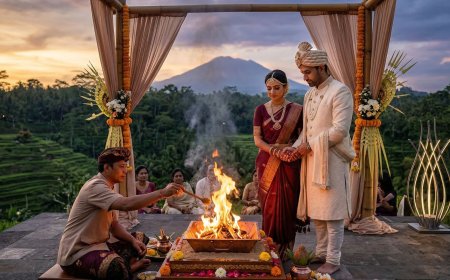
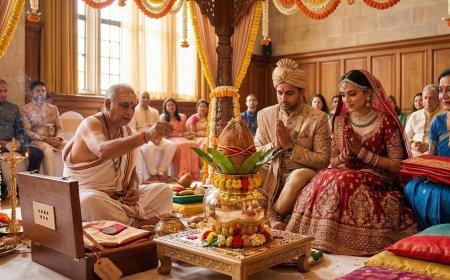


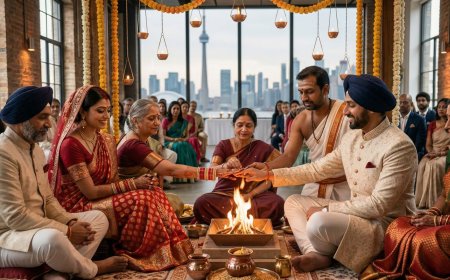



Winter Wedding vs. Summer Wedding in India: The Complete Season Guide for NRI Couples Planning from Abroad
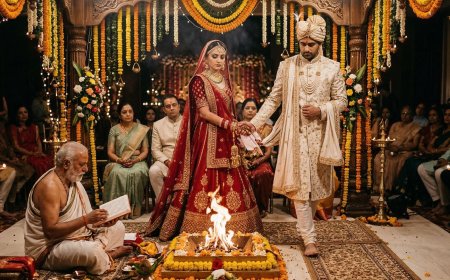
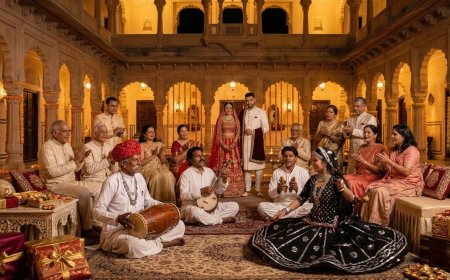
For NRI couples planning an Indian wedding, the season decision is the foundational planning choice that shapes everything else — the venue landscape, the vendor availability, the guest travel costs, the outdoor event viability, the cultural atmosphere, and the total budget. This complete guide covers the full winter versus summer comparison for Indian weddings: the regional climate reality across Rajasthan, Goa, Bengaluru, Coorg, and the Himalayan hill stations, the honest pros and cons of each season for NRI couples specifically, the school holiday alignment problem, the visa and immigration timeline factor, the pricing premium of the winter peak, the hill station summer wedding opportunity, and the complete decision framework that helps every NRI couple choose the season that genuinely serves their wedding rather than simply defaulting to December. The most thorough Indian wedding season guide written specifically for NRI couples worldwide.


The Season That Shapes Everything Else
You have the venue shortlisted.
Three properties — a Jaipur heritage haveli, a Kerala backwater resort, and a Bengaluru boutique hotel — each beautiful in its own way, each capable of delivering the celebration you have been imagining. The vendor research is underway. The guest list is in draft form. The budget spreadsheet has its first numbers in it.
And then someone asks the question that reorders everything.
When?
Not which month specifically — not yet. But which season. Because in India, the season is not merely a weather condition. It is a planning framework. It determines which venues are at their most beautiful and which are at their most vulnerable. It determines which vendors are available and which are booked eighteen months ahead. It determines what your international guests will pack, how they will feel on arrival, and whether the outdoor ceremony you have planned will be a transcendent experience or a logistical challenge.
The season shapes everything else.
And for NRI couples specifically — planning from abroad, managing guest travel from multiple countries, working within visa timelines and school holiday calendars and the specific travel economics of flights that cost three times more in December than in September — the season decision carries dimensions that domestic couples do not navigate.
The binary that most NRI couples encounter is the one this guide examines: the Indian winter wedding versus the Indian summer wedding. Not monsoon — most couples correctly identify the monsoon as unsuitable for outdoor celebrations and plan around it. But the two seasons that bracket the monsoon — the cool, dry, wedding-season winter from October to February, and the hot, sun-intense, less-conventional summer from March to June — each have a case to make.
The winter wedding is the default. October to February is India's wedding season for reasons that are historical, cultural, and climatic — and for most couples, the winter wedding is simply what an Indian wedding is.
The summer wedding is the alternative. Chosen by some couples for logistical reasons — visa timelines, school holidays, lower vendor pricing, better date availability — and by others as a deliberate aesthetic and experiential choice, the summer wedding in India carries real advantages alongside its real challenges.
This guide examines both — completely, honestly, and with the NRI-specific dimensions that the season decision requires.
The Core Reality: India Does Not Have One Winter and One Summer
Before the pros and cons, the foundational clarification.
India's climate is not uniform. The country spans multiple climate zones — from the sub-Himalayan temperate zone of Uttarakhand to the tropical maritime climate of Kerala to the arid desert of Rajasthan to the highland plateau of the Deccan. What constitutes winter in Jaipur — genuinely cold nights, fog, temperatures that can reach 4°C — is nothing like winter in Kochi, where December and January are warm, clear, and humid by Northern European standards.
The winter-versus-summer comparison must be understood regionally. The following analysis provides both the national-level framework and the regional specifics that NRI couples need for the specific city and venue they are considering.
The Indian Winter Wedding Season — October to February
The national framework:
October through February is the period when the southwest monsoon has withdrawn from most of India, before the pre-monsoon heat builds, and before the northeast monsoon has delivered its full rainfall to the southeastern coast. It is, across most of India, the period of lowest rainfall risk, most comfortable temperatures for outdoor events, and the specific quality of clear, dry air that makes the Indian winter a genuinely beautiful season.
But it is not uniformly excellent across all regions:
• North India — October to February: Excellent October and November, with fog and genuine cold in December, January, and early February. Outdoor events in January Jaipur require heating. Delhi fog affects flights.
• South India — October to February: The northeast monsoon delivers significant rainfall to Tamil Nadu and coastal Andhra Pradesh in October, November, and December — making this period genuinely risky for outdoor events in Chennai and surroundings. Kerala's northeast monsoon influence tapers by January, making January through March the optimal Kerala window.
• Goa and Maharashtra — October to February: Excellent across the entire period. November through February is Goa's finest outdoor event season.
• Bengaluru — October to February: Good, with October carrying some northeast monsoon risk and the coolest months — December and January — being genuinely comfortable for outdoor events.
The Indian Summer Wedding Season — March to June
The national framework:
March through June is the period when the monsoon has not yet arrived, the winter cool has departed, and India experiences its pre-monsoon heat. This season carries specific advantages — clear skies, predictable weather, long days — alongside the obvious challenge of heat that, in some regions, reaches genuinely extreme levels.
Regional variation is dramatic:
• North India — March to June: March and early April are pleasant — one of the least appreciated wedding windows in North India. April and May in Rajasthan and Delhi are extreme — 40°C to 48°C — and genuinely not suitable for outdoor daytime events. June is the threshold of the monsoon.
• South India — March to June: March through May in the south is hot and increasingly humid, but the south's coastal and plateau climates moderate the extremes. Bengaluru in March and April is warm but not extreme. Kerala in April and May is hot and humid — evening events remain possible.
• Goa — March to May: March is transitional and manageable. April and May are hot and humid — evening beach events are possible but daytime events are not advisable. • Hill stations — March to May: The Himalayan foothills, Coorg, Ooty, Kodaikanal — hill station venues at altitude are at their most pleasant in the summer months when the plains are sweltering. The hill station summer wedding is one of the genuinely compelling alternatives to the winter default.
The Winter Wedding: Pros and Cons for NRIs
The Pros of a Winter Wedding
Pro 1 — The Weather Is Reliably Good Across Most of India
The fundamental advantage of the Indian winter wedding is weather reliability. From mid-October to late February, across most of India's major wedding destinations — Jaipur, Udaipur, Mumbai, Goa, Bengaluru, Mysore — the probability of a weather-disrupting rainfall event is low and the temperature range is broadly comfortable for outdoor events and for guests in elaborate wedding attire.
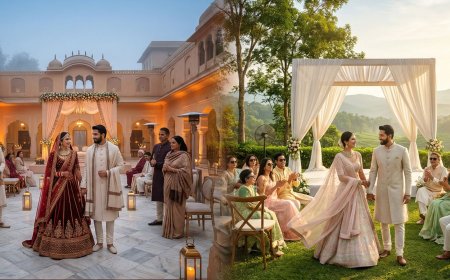
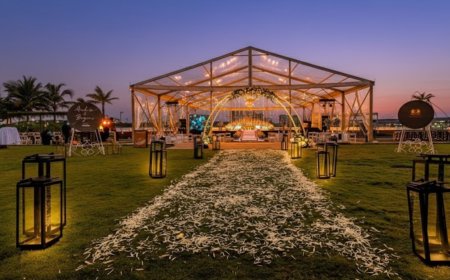
For NRI couples planning outdoor ceremonies and outdoor receptions — which is the format that most destination wedding visions involve — the winter season provides the highest probability of the outdoor weather experience that makes a destination wedding different from a banquet hall wedding.
Pro 2 — The Vendor Ecosystem Is at Peak Readiness
India's wedding vendor ecosystem — photographers, decorators, caterers, planners, entertainment teams — is calibrated to the winter wedding season. The best vendors are most experienced, most prepared, and most rehearsed during the October-February peak. Their teams are fully staffed. Their equipment is maintained for high-volume operation. Their processes are running at peak efficiency.
The winter vendor ecosystem is simply running better — more reliably, more confidently, more efficiently — than the same vendors manage in the off-season months when their operational rhythms are less sharp.
Pro 3 — The Cultural Calendar Aligns
India's most significant wedding-related festivals and auspicious periods — Navratri, Diwali, the post-Diwali wedding season, Makar Sankranti — fall within or adjacent to the winter wedding window. The cultural alignment of the winter wedding with India's festive calendar creates a context in which the wedding feels most naturally at home — surrounded by a society that is in celebration mode, by markets displaying wedding-related goods, by the specific energy of an Indian city during its festive and wedding season.
For NRI guests arriving from abroad, the experience of India during its festive and wedding season — the illuminated streets, the bazaars stocked with wedding goods, the general warmth of a society in collective celebration — is part of the destination wedding experience that a summer visit to the same cities does not provide.
Pro 4 — Accommodation and Travel Infrastructure Is Optimised
The hospitality infrastructure of India's major wedding destinations — the hotels, the transfer services, the tourism support ecosystem — is at its most developed and most responsive during the winter peak season. Staff numbers are highest. Service quality is best. The infrastructure that supports a large group of international guests arriving in an Indian city for a wedding is most reliably in place from October to February.
Pro 5 — The Indian Aesthetic Is at Its Most Vivid
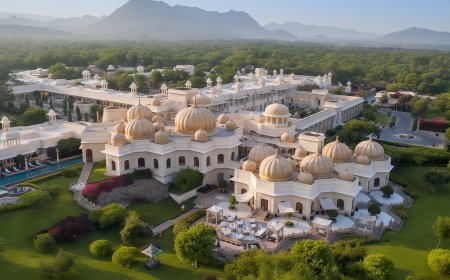
There is a specific quality to India in the winter that is not replicated in other seasons. The clarity of the air after the monsoon has washed it clean. The quality of winter light on Rajasthani sandstone. The specific warmth of an Indian wedding in the cool evening air. The photographs from a winter Indian wedding — particularly a North Indian winter wedding at golden hour — capture something specific to this season that the summer light, however beautiful in its own way, does not replicate.
The Cons of a Winter Wedding
Con 1 — Date Availability Is Severely Constrained
October to February is not just India's wedding season. It is essentially the only widely socially sanctioned Indian wedding season — which means that every couple planning an Indian wedding is competing for the same dates within the same narrow window.
The practical consequences for NRI couples:
• Premium venues — the Jaipur palace hotels, the top Goa resorts — book out twelve to eighteen months ahead for December and January dates • The most sought-after vendors — particularly photographers and decorators of demonstrated excellence — may be unavailable even with twelve months of advance planning • Saturdays and Sundays within the peak window are the most contested — midweek dates within the winter window are more available but less convenient for international guest travel
For NRI couples who discover the Indian wedding planning process late — who get engaged in August and begin planning in September for a December wedding — the winter season's date constraint can be the most immediately challenging practical reality they face.
Con 2 — Peak Season Pricing Is at Its Maximum
Everything costs more in the Indian wedding peak season.
The pricing premium across categories:
• Venue hire: Peak season surcharges of twenty to forty percent above off-season rates are standard at major destination wedding properties
• Vendor rates: The most sought-after photographers, decorators, and planners command their highest rates during October to February — reflecting the supply-demand imbalance of peak season demand
• Accommodation: Hotel room rates in Jaipur in December are two to three times the same room's rate in August
• International flights: December and January flights from London, New York, and Toronto to Indian cities are significantly more expensive than equivalent flights in March or September — adding to the total cost of NRI guest attendance
The cumulative pricing premium of a winter Indian wedding — across venue, vendors, accommodation, and NRI guest flights — can represent twenty to thirty percent of the total wedding cost relative to an equivalent off-peak event.
Con 3 — The North Indian Cold Is Underestimated
NRI guests arriving from the UK or Canada for a Jaipur wedding in January may pack for warm Indian weather and arrive at a 5°C evening that is, in its own way, as challenging as the heat they were prepared for. The North Indian winter cold — dry, clear, and genuinely cold at night — consistently surprises guests who associate India with warmth.
The specific consequences:
• Guests in formal wedding attire — particularly women in sarees and lehengas, which are designed for beauty rather than warmth — become genuinely uncomfortable at outdoor evening events in January North India
• Elderly guests are more vulnerable to cold than healthy adults — and Indian weddings have a significant proportion of elderly attendees
• Heating infrastructure for outdoor events — gas heaters, enclosed marquee sides, heated flooring — adds cost and reduces the aesthetic freedom of outdoor settings
Con 4 — January Fog Disrupts Travel
The North Indian winter fog season — which affects Delhi, Agra, and the entire Indo-Gangetic Plain from late December through January — creates a specific travel disruption risk for NRI guests whose journey to the wedding includes a Delhi or Agra connection.
What the fog season means practically:
• Domestic flights connecting through Delhi in January are frequently delayed or diverted
• Road travel from Delhi to Jaipur or Agra in heavy fog significantly extends journey times
• NRI guests who have made long international journeys and then encounter fog-related travel disruption arrive at the wedding tired, stressed, and later than planned
For NRI couples planning January North Indian weddings, the fog season requires specific contingency planning — extended travel buffers, flexible arrival day programming, clear communication to guests about what to expect.
Con 5 — The Competition for Auspicious Dates Creates Calendar Pressure
Hindu wedding auspicious dates — muhurtas — are distributed unevenly across the calendar. In the winter wedding season, the most auspicious muhurtas attract the maximum competitive pressure — every venue, every vendor, and every guest's calendar is contested on these specific dates.
The NRI-specific pressure: NRI couples who need to plan around international school holiday periods — Christmas break, Easter, UK half-terms — have the least flexibility in date selection and therefore face the most acute competition for the limited overlap between auspicious muhurtas and school holiday windows.
The Summer Wedding: Pros and Cons for NRIs
The Pros of a Summer Wedding
Pro 1 — Date Availability Is Abundant
The most immediate and most practically significant advantage of the summer Indian wedding is the abundance of available dates. The venues that have no availability for December 2025 have multiple available weekends in April 2025. The photographer who is booked solid through January has March availability.
For NRI couples who are planning on a compressed timeline — who got engaged in November and need to plan a wedding within eight months — the summer season's date availability may be the factor that makes the wedding possible at all on the desired timeline.
For NRI couples who have strong preferences about specific dates — who want their anniversary to fall on a date that matters, who want to coordinate with a specific family member's availability, who have flexibility about month but strong preferences about other date characteristics — the summer season provides a level of date choice that the winter season simply cannot.
Pro 2 — Pricing Is Significantly More Accessible
The off-peak pricing of the Indian summer wedding is real, substantial, and consistent across all cost categories.
The pricing advantage across categories:
• Venue hire: Off-season venue rates can be thirty to fifty percent below peak season rates at major destination properties — a saving of several lakhs on a premium venue booking
• Vendor rates: Photographers, decorators, and planners who are competing for fewer bookings in the summer offer rates that reflect the reduced demand — or are simply available at all, when their peak season calendars are full
• Accommodation: Hotel rates in March or April are a fraction of the December rate at the same property
• International flights: March and April flights from major NRI cities to India are substantially cheaper than December and January equivalents
The total cost saving of a summer wedding relative to an equivalent winter wedding at the same quality level can be significant — sometimes representing fifteen to twenty-five percent of the total event budget.
Pro 3 — The Hill Station Option Opens
The summer wedding's most distinctive advantage is the specific venue category that it makes most compelling and most appropriate — the hill station wedding.
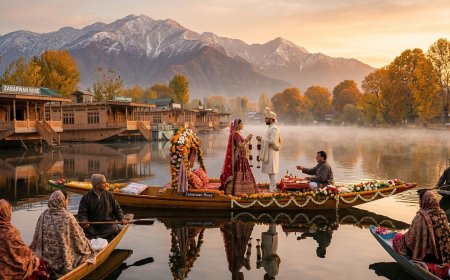
India's hill stations — Shimla, Mussoorie, Darjeeling, Ooty, Kodaikanal, Coorg, Munnar — are at their most beautiful and most comfortable in the summer months when the plains are sweltering. The contrast between the 40°C Delhi heat and the 18°C Shimla temperature is not just meteorological — it is the defining experiential feature of the hill station's appeal.
For NRI guests arriving in April or May:
The experience of escaping the Indian summer heat to a hill station wedding — of travelling from the intense heat of the plains to the cool, pine-scented air of a mountain venue — creates a specific arrival experience that winter weddings cannot replicate. The relief, the beauty, the specific quality of mountain light in spring — these are the experiential gifts of the hill station summer wedding.
The hill stations available for summer weddings:
• Shimla: The former summer capital of British India — colonial architecture, pine forests, the specific grandeur of the Himalayas visible on clear days
• Mussoorie: The Queen of Hill Stations — on the lower Himalayan ridge above Dehradun, with views across the Doon Valley
• Darjeeling: The most distinctively beautiful of the North Indian hill stations — tea gardens, the specific light quality of the eastern Himalayas, the possibility of Kanchenjunga visible on clear mornings
• Ooty and Kodaikanal: The Nilgiri and Palani hill stations of South India — cooler than the plains, beautifully green, with the colonial-era architecture of former British retreats
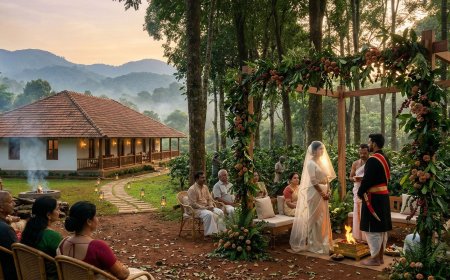
• Coorg: The coffee estate weddings of Karnataka's most beautiful hill district — green, lush, distinctively Coorgi in its cultural character
• Munnar: Kerala's tea country — the specific quality of the western ghats in the summer months, with the tea gardens at their greenest
Pro 4 — International Guest Travel Is More Affordable
NRI guests traveling from the UK, USA, Canada, and Australia to India in March or April pay significantly less for their flights than they do in December or January. For large international guest contingents — where the total flight cost across all guests represents a real consideration — the summer season's lower flight prices make attendance more affordable and therefore more likely.
For NRI couples who are sensitive to the burden of travel cost on their guests — who want to make attendance as accessible as possible rather than creating a financial barrier — the summer season's lower international flight pricing is a genuine guest hospitality consideration.
Pro 5 — Vendor Attention Is More Concentrated
In the summer season, the vendor is not managing multiple simultaneous peak-season engagements — the photographer who does four weddings in a December weekend is giving undivided attention to one wedding in April. The decorator whose team is stretched across multiple events in January is fully focused on yours in March.
The quality of vendor attention in the off-season is often higher than in the peak season — not because vendors are less capable during peak season, but because the concentration of their attention is greater when yours is not one of many simultaneous commitments.
The Cons of a Summer Wedding
Con 1 — The Heat Is a Real Challenge in Many Regions
The fundamental challenge of the Indian summer wedding is honest and unavoidable: India in April and May is hot. In North India and the Deccan plains, the heat is not merely uncomfortable — it is physiologically significant. Rajasthan in May reaches 45°C to 48°C. Delhi in May is 42°C to 44°C. These are not temperatures that outdoor events should operate within during the afternoon hours.
The specific heat challenges:
• Guest health: Elderly guests, guests with cardiac or respiratory conditions, and very young children are genuinely vulnerable to heat-related illness at sustained outdoor exposure in Indian summer temperatures
• Wedding attire: The elaborate, layered garments of Indian wedding dress — lehengas, sherwanis, silk sarees — are heat-intensifying in ways that formal Western wedding attire is not. Guests dressed for the beauty of the occasion rather than its climate become physically uncomfortable significantly faster than their casual clothing experience would predict.
• Food safety: Outdoor catering in Indian summer temperatures requires specific food safety management — temperature-controlled holding, rapid service, waste management — that indoor winter catering does not demand with the same urgency
• Florals: Fresh flowers in Indian summer heat have a dramatically shorter lifespan than in winter — the floral installations that look magnificent at the beginning of a summer evening ceremony may be visibly wilting by its end
The mitigation strategies:
• Event timing: No outdoor daytime events in April and May in North India and the Deccan. All outdoor programming after 5 PM — and ideally after 6 PM — when temperatures have dropped and the evening light begins.
• Cooling infrastructure: Industrial cooling fans, misting systems, and shade provision for outdoor areas where guests will be extended periods
• Indoor backup: Every outdoor event requires a fully equipped, air-conditioned indoor backup — not as a last resort but as a planned alternative that can be activated without disruption
Con 2 — Some Venues Are Less Attractive in Summer
The North Indian heritage venues that are most compelling in winter — the Jaipur palaces, the Rajasthani havelis — are genuinely less appealing in summer. The landscape is dry and brown rather than post-monsoon green. The afternoon light, at 45°C, is harsh rather than golden. The outdoor spaces that are magical at 18°C in January are inhospitable at 44°C in May.
For couples whose venue vision is specifically centred on the winter aesthetic of a North Indian heritage property, the summer wedding is not the right choice — the setting is at its worst rather than its best.
The venue categories that are actually better in summer:
• Hill stations: As described above — summer is their optimal season
• Bengaluru boutique venues: The city's moderate climate makes summer more manageable than in most Indian cities
• Coastal evening venues: Sea breezes moderate evening temperatures at coastal Goa and Kerala venues even in April and early May
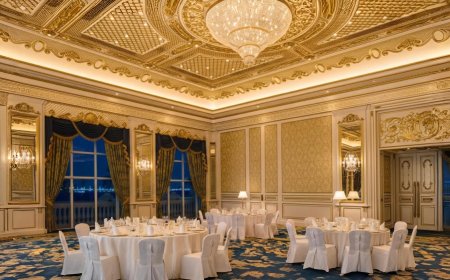
• Indoor luxury hotel venues: Air conditioning eliminates the outdoor heat issue entirely — indoor ballroom weddings are equally feasible in any season
Con 3 — The Cultural Calendar Is Less Aligned
India's festive and cultural energy is concentrated in the winter and early monsoon periods. The summer months — particularly April and May — do not carry the specific celebratory energy that the Diwali and Navratri seasons bring to the winter wedding context.
For NRI guests arriving from abroad, the experience of India in summer lacks the festive animation of the winter season. The markets are less decorated. The cultural calendar of festivals and performances is less dense. The specific atmosphere of an Indian city in celebration mode — which is part of the destination wedding experience in winter — is less present in summer.
Con 4 — Vendor Teams May Be Less Operational in Peak Heat
The practical reality of working a wedding in 40°C+ heat affects vendor performance in ways that are not always visible in the planning process but are consistently apparent in the execution.
What the heat does to vendor operations:
• Outdoor décor teams setting up in afternoon heat work slower and tire faster than winter-season equivalents — reducing the setup time available before the evening event • Catering teams managing food in summer heat require more vigilant food safety management — increasing the cognitive and operational load on the catering management
• Technical teams managing outdoor sound and lighting in summer heat deal with equipment that runs hotter and is more vulnerable to failure than in cool winter conditions
These are manageable challenges — experienced vendors who work summer events know how to manage them. But they are real, and they are absent from winter wedding operations.
Con 5 — The Monsoon Proximity Creates Uncertainty in Late May and June
A wedding planned for late May or June sits on the threshold of the monsoon — and while the monsoon's arrival date is broadly predictable, it is not perfectly predictable. A late monsoon onset creates a pleasant weather bonus for a late May wedding. An early monsoon creates a significant weather challenge.
For couples planning summer weddings in the May-June window, the monsoon arrival timing creates an uncertainty that winter weddings do not face. The contingency planning must be more robust, and the communication with guests about weather possibilities must be more transparent.
The Regional Summer Wedding Guide: Where Summer Works Best
Given the regional variation in India's climate, the summer wedding question is not a single question — it is a regional question. The following gives the honest assessment of where summer weddings work and where they do not.
Where Summer Weddings Work Well
Bengaluru — March through May: Bengaluru's plateau climate and elevation make it one of the most summer-friendly major Indian cities. March and April are warm but manageable — 28°C to 33°C — and evening events are genuinely comfortable. Bengaluru is the best major Indian city for a summer wedding.
Coorg — March through May: Karnataka's coffee district at eight hundred to nine hundred metres elevation is at its most lushly beautiful in the pre-monsoon season. March and April in Coorg are warm but not extreme — the forest and coffee estate settings moderate the temperature. Coorg is one of India's finest summer wedding destinations.
Shimla and Mussoorie — March through June: The Himalayan hill stations are at their most welcoming in the summer months. March brings the spring flowering. April and May are warm by hill station standards — 20°C to 25°C — and genuinely cool relative to the plains. The hill station summer wedding is one of the most underrated options in the Indian wedding landscape.
Darjeeling — April through June: Clear views of Kanchenjunga are most probable in the pre-monsoon spring season. The tea gardens are at their most active — the Darjeeling first flush tea harvest coincides with the April-May wedding window. A Darjeeling spring wedding is extraordinary for couples who know what they are choosing.
Goa — March through early April: March Goa is warm and transitional — the beach and resort venues are still beautiful, the sea is calm, and the summer crowds have not yet arrived. Early March in Goa is a genuinely excellent wedding window that is significantly underused relative to the December peak.
Ooty and Kodaikanal — March through June: The Nilgiri and Palani hill stations are at their most pleasant in the summer months — cooler than the Tamil Nadu plains, green, and at their most visually appealing. For South Indian couples, the Tamil Nadu hill station summer wedding is a distinctive and compelling option.
Where Summer Weddings Are Challenging
Jaipur and Rajasthan — April through June: The Rajasthani summer is extreme and is not suitable for outdoor wedding events during daylight hours in April and May. An indoor, air-conditioned Jaipur wedding in April is possible — the venue is available and affordable — but the outdoor grandeur that makes Jaipur weddings extraordinary is not accessible in summer.
Delhi — April through June: Delhi's summer heat and the loo wind make outdoor events genuinely inadvisable from April onward. Indoor Delhi summer weddings are possible but lose the outdoor settings that distinguish the best Delhi destination wedding experiences.
Chennai and coastal Tamil Nadu — April through June: Pre-monsoon heat and humidity in coastal Tamil Nadu make summer weddings challenging. The northeast monsoon arrival adds complexity from October onward.
Mumbai — April through June: Pre-monsoon heat and humidity build through April and May in Mumbai's coastal climate. Evening outdoor events remain possible through April but are increasingly uncomfortable through May.
The NRI-Specific Seasonal Considerations
The School Holiday Alignment Problem
For NRI couples with children — or with close family members who have children — the school holiday calendar is a primary constraint on date selection that interacts with the India wedding season in specific and sometimes challenging ways.
UK school holidays: Christmas and New Year break — late December to early January — aligns well with India's winter wedding season but is peak pricing. Easter break — late March to mid-April — aligns with India's transitional season and is a genuinely underused window. Summer holidays — late July through August — fall within the Indian monsoon and are unsuitable.
US school holidays: Christmas break — mid-December to early January — aligns with peak Indian winter season. Spring break — March — aligns well with India's transitional season. Summer — June through August — is monsoon season in India.
The practical implication: For NRI couples whose primary guest base has children of school age, the winter peak season's school holiday alignment — particularly December and January — creates the highest guest attendance but the highest competitive pressure for dates and the highest pricing. March and April, which align with Easter and spring breaks, represent an underused but practically sound alternative that combines better date availability and lower pricing with adequate school holiday alignment.
The Visa and Immigration Timeline
For NRI couples whose wedding timing is constrained by immigration processes — a spouse visa that must be approved before the wedding can take place, a residency application that affects travel, a work permit that governs when extended India absence is feasible — the season decision may be determined by factors entirely outside the wedding planning process.
The honest implication: For NRI couples whose wedding timeline is immigration-constrained, the question of winter versus summer may have a straightforward answer — the wedding happens when the immigration process allows, regardless of optimal wedding season. In these cases, the question becomes not whether to have a summer or winter wedding, but how to plan the best possible wedding within the season that circumstances require.
The Vendor Booking Lead Time
For NRI couples planning from abroad, the lead time required to secure the preferred vendors is a practical consideration that directly affects season choice.
Winter wedding lead time requirements:
• Premium destination venues: twelve to eighteen months for December and January
• Top-tier photographers: eight to twelve months for peak season dates
• Sought-after decorators: six to ten months
Summer wedding lead time requirements:
• Most destination venues: three to six months, sometimes less
• Most photographers: two to four months
• Most decorators: one to three months
For NRI couples who discover Indian wedding planning late — who get engaged and begin planning with less than six months before their desired wedding date — the summer season's more accessible lead time may be the practical factor that determines the season choice.
Common Mistakes NRI Couples Make About Season Selection
Defaulting to December Without Considering the Full Cost
December is the default Indian wedding month — and for many couples, it is the right choice. But the December wedding's premium pricing — venues, vendors, accommodation, international flights — is consistently higher than couples anticipate when they begin planning. The couple that chooses December because it is the obvious choice, without modelling the full cost premium relative to a March alternative, often discovers the financial impact only after commitments have been made.
Correction: Model the full cost of both a December and a March wedding before committing to the season. The pricing difference across all categories may be more significant than expected — and may tip the decision toward an alternative that serves the couple equally well at meaningfully lower total cost.
Planning a Summer North India Outdoor Wedding Without Understanding the Heat
The couple that books a Jaipur outdoor venue for May — attracted by the availability and the pricing — and then discovers in planning that outdoor events in May Jaipur are not viable during daylight hours has made a planning error with expensive consequences.
Correction: Before booking any venue for a summer Indian wedding, research the specific temperature and humidity conditions for that city and month — and build the event timing and infrastructure plan around the honest climate reality before committing.
Not Communicating the Season's Specific Conditions to International Guests
NRI guests arriving from the UK for a January Jaipur wedding may be surprised by 5°C evenings. NRI guests arriving from Canada for a March Bengaluru wedding may be surprised that the evenings are warm enough for light clothing. Season-specific guest communication — what to pack, what temperatures to expect, what the specific conditions of that season in that city require — is consistently underprovided in NRI wedding guest communications.
Correction: Include specific, honest seasonal guidance in all guest communications — not just the dates and travel logistics but the actual expected temperature range, the outdoor versus indoor event format, and the specific clothing guidance that the season and the event format require.
Choosing the Hill Station Summer Wedding Without Understanding the Logistical Complexity
The hill station summer wedding is genuinely beautiful and genuinely distinctive — but it carries logistical complexity that the excitement of the concept can obscure. Mountain road access. Limited accommodation capacity. Vendor travel to remote locations. Weather unpredictability at altitude. These are real planning challenges that the visual appeal of a Shimla or Coorg wedding does not eliminate.
Correction: Before committing to a hill station summer wedding, conduct thorough due diligence on the specific property's logistical reality — access roads, accommodation capacity, vendor travel logistics, altitude weather variability — using the venue assessment framework described in the earlier guides in this series.
Not Considering the Monsoon Proximity for Late-Season Summer Weddings
A wedding planned for late May or June sits on the meteorological threshold of the southwest monsoon — and while the monsoon's average arrival date is knowable, its actual arrival date in any specific year is variable. Planning a late May outdoor wedding without robust monsoon contingency is planning with a significant, specific, and underestimated weather risk.
Correction: For any wedding planned in May or June, build the indoor backup infrastructure as a primary rather than contingency provision — assume the monsoon may arrive early and plan accordingly.
The Decision Framework: Winter or Summer?
Choose a Winter Wedding If:
• The outdoor aesthetic of a North Indian heritage venue is central to the wedding vision — and that aesthetic is at its best in the winter months
• Date availability is not a constraint — the couple has twelve to eighteen months of planning lead time and can secure the preferred winter dates
• Budget flexibility exists for the peak season premium across venues, vendors, accommodation, and international flights
• The guest profile includes elderly family members for whom the summer heat creates genuine health considerations
• The cultural calendar alignment — the festive energy of the Indian winter, the Diwali and post-Diwali atmosphere — is an important part of the destination experience
• North Indian outdoor events are planned — ceremonies, cocktail receptions, evening dinners — that require comfortable ambient temperatures
Choose a Summer Wedding If:
• A hill station venue is the preferred option — and the summer is the hill station's optimal season
• Date availability is constrained — a shorter planning timeline requires the more accessible availability of the summer season
• Budget efficiency is a priority — the off-peak pricing advantage across all categories is significant and relevant
• The wedding is in Bengaluru, Coorg, or another moderate-climate South Indian venue where the summer heat is manageable
• The school holiday calendar aligns better with a March-April wedding than with a December-January one
• Event timing flexibility exists for the evening-only outdoor format that summer weddings in heat-affected regions require
• Immigration or visa timing requires a summer wedding regardless of climate preference
The Season That Serves the Wedding
The Indian wedding season is not a single thing.
It is a spectrum — from the crystal clarity of a Jaipur January morning to the lush green of a Coorg April afternoon to the cool pine-scented air of a Shimla May evening. Each point on that spectrum has its own beauty, its own challenges, and its own specific gifts for the couple and the guests who inhabit it.
The winter wedding is the Indian wedding at its most recognisable — the most established, the most culturally embedded, the most naturally aligned with the festivals and traditions and vendor ecosystems that have developed around it over generations. For most NRI couples, the winter wedding is the right choice — not by default, but by decision, having understood what it offers and what it costs.
The summer wedding is the Indian wedding for the couple who needs more flexibility — more date availability, more budget accessibility, more option to choose a venue category that winter does not optimise for. It is not a lesser choice. It is a different choice — one that requires more specific planning for the heat and the logistics, but one that can produce a wedding of extraordinary beauty and extraordinary personal specificity.
The season does not make the wedding. The couple does. The family does. The decision to gather people you love in a beautiful place to witness something true does.
But the season shapes everything else. Choose it deliberately. Choose it with full information. Choose it in the knowledge of what it offers and what it asks of you.
And then let it be the frame within which the most important thing happens.
Published by NRIWedding.com — The Premium Global Platform for Non-Resident Indians Planning Indian Weddings From Abroad.
What's Your Reaction?
 Like
0
Like
0
 Dislike
0
Dislike
0
 Love
0
Love
0
 Funny
0
Funny
0
 Angry
0
Angry
0
 Sad
0
Sad
0
 Wow
0
Wow
0