





































































Cake or Mithai? The NRI Couple's Complete Guide to Balancing Wedding Cake and Indian Desserts at Your Reception
The wedding cake versus Indian desserts debate is one of the most emotionally charged dessert decisions NRI couples face — and the answer is rarely as simple as choosing one over the other. This guide delivers an honest, complete framework for designing a dessert experience that honors both Western celebration traditions and Indian sweet-making heritage without awkward coexistence or cultural compromise. From Indian-inspired cake designs and hybrid dessert tables to regional mithai showcases and mixed-audience flavor strategy, learn exactly how to build a dessert experience that serves every guest and tells your specific cultural story.

Two Tables. One Wedding. A Conversation Nobody Prepared For.
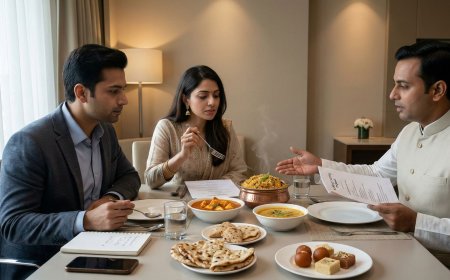
The conversation started innocuously enough. The bride's mother mentioned, somewhere between the venue shortlist discussion and the caterer briefing, that she had always imagined a beautiful wedding cake at her daughter's reception. Tall, tiered, elegantly decorated — the kind that gets photographed and becomes the image on the save-the-date card.
The groom's mother, who had been nodding along to most of the planning conversation with admirable grace, went slightly quiet.
It was not that she objected to the wedding cake. It was that she had been assuming, with equal certainty, that the wedding would have a proper mithai table — gulab jamun, rasgolla, barfi, ladoo — the full expression of Indian sweet-making tradition that her family had served at every celebration for three generations. And in her mental architecture of the reception, that mithai table was not a supplement to anything. It was the dessert.
The question of whether the wedding would have a Western cake or Indian sweets — or both, and if both, how both would coexist with dignity — turned out to be a conversation that took longer to resolve than the venue selection.
This is not an unusual story. For NRI couples whose weddings sit at the intersection of Western celebration traditions and Indian cultural heritage, the dessert table is one of the most visible staging grounds for the negotiation between two food cultures, two family aesthetic visions, and two sets of deeply held assumptions about what a wedding celebration looks and tastes like.
Getting it right is not about compromise in the sense of each side accepting less than they wanted. It is about finding a dessert strategy that honors both traditions with genuine intention rather than awkward coexistence — and that produces a dessert experience your guests actually remember for the right reasons.
Understanding What Each Tradition Is Actually Offering
Before the decision about balance, a clear understanding of what the wedding cake and the Indian dessert tradition each represent — not just as food, but as cultural statements and experiential offerings.
The Wedding Cake: What It Does Well
The Western wedding cake is not primarily a food. It is a ritual object and a visual centerpiece. The cake cutting ceremony — the couple's first shared act as a married pair, the feeding of cake to each other, the photographs that result — is a moment of structured celebration that the cake itself enables. The visual impact of a well-designed tiered cake as a reception centrepiece, the way it anchors the dessert space and provides a focal point for that portion of the evening, is something that Indian dessert traditions do not naturally replicate.
For NRI couples whose guest lists include significant Western populations — friends and colleagues from the countries where they live, whose cultural framework for wedding celebrations includes the cake as a central element — the absence of a cake can feel like an absence rather than a conscious cultural choice. The cake cutting moment is something Western guests expect and genuinely enjoy, and its presence signals to those guests that their cultural framework has been acknowledged.
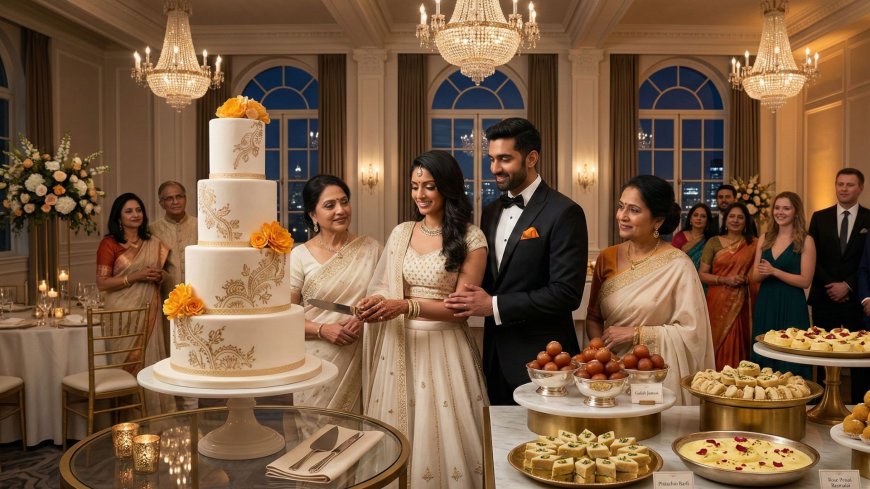
A beautifully designed wedding cake also offers a canvas for personalisation that is genuinely unique. The aesthetic possibilities — the flavours, the design, the incorporation of Indian motifs and decorative elements into a Western cake format — allow a skilled cake designer to create something that is specifically, unmistakably yours. A wedding cake designed with mehndi patterns, with marigold sugar flowers, with the colour palette of the wedding decor — this is a piece of edible art that tells your specific story in a way that a standard mithai table cannot.
Indian Desserts: What They Do Better
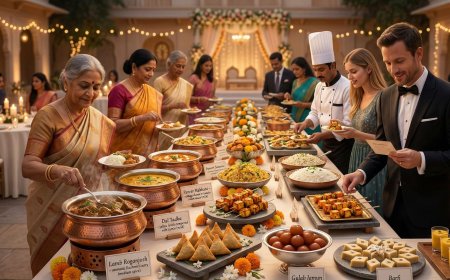
The Indian dessert tradition does something the wedding cake cannot: it produces genuine abundance. A mithai table covered with fifteen varieties of Indian sweets — fresh from a specialist mithai maker, arranged in the traditional style — communicates a quality of generosity that is deeply embedded in Indian wedding hospitality culture. The abundance is not excess. It is a statement of welcome, of celebration, of the family's willingness to provide in full rather than in minimum.
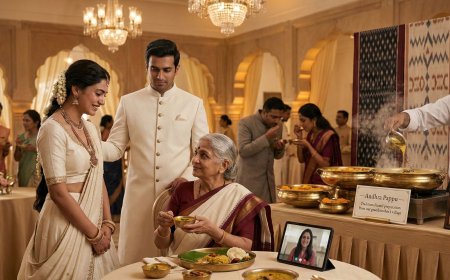
Indian sweets also speak directly and immediately to the Indian guests who constitute the majority of most NRI wedding celebrations. For the elderly relatives who have attended dozens of Indian weddings and for whom the mithai table is as fundamental to the celebration as the ceremony itself, the presence of proper Indian sweets is not a preference — it is an expectation whose absence would register as a genuine cultural omission.
The range of flavors, textures, and regional specificity available in the Indian dessert tradition is also genuinely extraordinary. A mithai table that represents the family's specific regional heritage — the specific sweets that appear at Gujarati celebrations, at Bengali weddings, at Rajasthani family gatherings — tells a cultural story through flavor that a standard wedding cake, however beautifully designed, cannot approach.
Indian desserts are also, from a practical catering perspective, significantly more manageable at scale than wedding cakes. A mithai table for three hundred guests can be served without the formality and time pressure of the cake cutting ceremony. Guests serve themselves according to preference and appetite. Dietary accommodation is easier to manage across a range of individually plated items than across a single cake. And the service can continue throughout the reception without the ceremony dependence of the cake cutting moment.
The False Binary: Why "Cake or Sweets" Is the Wrong Question
The most common mistake NRI couples make in the dessert conversation is framing it as a choice between two options when the actual question is how to design a complete dessert experience that serves multiple purposes simultaneously.
The wedding cake and the Indian dessert tradition are not competitors. They serve different functions at different moments in the reception. A strategy that deploys both with clear intention — each in its appropriate role, each given its proper space and presentation — produces a dessert experience that is richer than either alone could offer.
The wedding cake serves the ceremonial function. It is cut, it is photographed, it produces the shared moment that the ceremony requires, and it provides a specific dessert experience — typically involving flavors like vanilla, chocolate, or fruit that are more familiar to Western guests than Indian sweets.
The mithai table serves the cultural and abundance function. It is present throughout the dessert service, it speaks to the Indian guests in the language of their own tradition, and it provides the range and generosity that Indian wedding hospitality demands.
The question is not which one. The question is how to execute both with genuine quality and genuine intention — how to ensure that the wedding cake is not a gesture toward Western guests while the mithai table is not an afterthought for Indian ones, but that both are planned and executed with equal seriousness as expressions of the couple's dual cultural identity.
The Hybrid Approach: Where the Real Creativity Lives
For NRI couples who want to move beyond the either-or conversation into genuine creative engagement with their dessert experience, the hybrid approach offers the most interesting possibilities.
The Indian-Inspired Wedding Cake
A growing number of skilled Indian cake designers — and international designers with Indian heritage — are producing wedding cakes that incorporate Indian aesthetic and flavor traditions into a Western cake format. These cakes are not compromise objects — they are genuinely original creations that sit comfortably in both worlds.
The design possibilities are extraordinary. A cake whose tiers are decorated with hand-painted mehndi motifs. A cake frosted in the color of the bridal lehenga with gold detailing that references the wedding jewelry. A cake whose external aesthetic references a specific regional architectural tradition — the jali patterns of Rajasthani stone carving, the temple motifs of South Indian heritage.
The flavor possibilities are equally rich. A cardamom and pistachio sponge with rose water buttercream. A mango and saffron layer cake with coconut cream frosting. A chai-spiced cake with honey and ginger filling. A thandai-flavored sponge with dry fruit and nut layers. These are flavors that sit in genuine conversation with the Indian dessert tradition rather than alongside it — they use the flavor vocabulary of Indian mithai and translate it into a Western cake format that both traditions can recognize and appreciate.
The Indian-inspired wedding cake does something the standard tiered cake and the separate mithai table cannot do in combination: it tells a story about the couple's dual cultural identity through a single object. It is a dessert that only an NRI couple could commission, because only an NRI couple's life would produce the specific combination of influences it represents.
The Dessert Table Concept
An alternative to the separate wedding cake and separate mithai table is a unified dessert table that presents both traditions as elements of a single, coherent dessert experience — designed with aesthetic intention, with a colour palette and visual language that ties everything together.
The unified dessert table might include: a smaller tiered cake as a focal point and ceremonial object, surrounded by a curated selection of Indian sweets presented in beautiful vessels, alongside a handful of Indian-inspired Western desserts — a pista kulfi with a wafer biscuit, a gajar halwa tart, a rasmalai panna cotta — that sit at the intersection of both traditions.
The key to the unified dessert table is curation over abundance. The goal is not to put everything on one table. It is to select a specific range of items — Indian and Western, classic and contemporary, familiar and surprising — that feel like they were chosen to be together rather than assembled from two separate dessert programs. The presentation, the vessels, the labeling, and the aesthetic coherence of the table communicate that this was designed rather than defaulted.
The Regional Sweet Showcase Alongside a Simple Cake
For couples who want to make the mithai table genuinely extraordinary rather than generically abundant, pairing a straightforward, elegantly designed wedding cake with a deeply considered regional sweet showcase produces a dessert experience that is specific to the family's heritage in a way that a standard mithai selection is not.
Rather than fifteen generic Indian sweets from a commercial mithai shop, this approach involves a curated selection of sweets from the family's specific regional tradition — Bengali sandesh and mishti doi, Gujarati mohanthal and sukhdi, Rajasthani ghevar and malpua — alongside the wedding cake. The regional showcase becomes a cultural statement. The wedding cake provides the ceremony. The combination honors both traditions with genuine quality.
The Practical Conversation: Flavors That Work for Mixed Audiences
For NRI couples designing a dessert experience that serves both Indian and Western guest demographics, flavor selection is the most practically important decision.
The Indian sweets that work best for mixed audiences are those that use flavor profiles recognizable to both traditions. Cardamom appears in both Indian mithai and Western spiced baking — a cardamom-flavored barfi or a cardamom panna cotta bridges the palate without requiring any cultural adjustment. Mango is universally loved. Pistachio is familiar from both Middle Eastern and Western dessert traditions. Rose water appears in French patisserie as well as Indian confectionery.
The Indian sweets that require more cultural context for Western guests — the very sweet, very dense milk solids of certain mithai styles, the specific texture of rasgolla, the concentrated sugar syrup of jalebi — are best served with brief description and encouragement rather than simply placed on a table and left to stand alone. An attendant at the mithai section of the dessert table who can offer a sentence of introduction — "this is a milk-based sweet with cardamom, similar to a fudge in texture but lighter" — dramatically increases the engagement of Western guests with Indian sweets.
The wedding cake flavors that resonate across both demographics tend toward the aromatic and fruit-forward. A mango and cream cake, a lemon and elderflower with saffron notes, a chocolate and cardamom combination — these flavors speak to both audiences rather than defaulting to the vanilla and buttercream that is most familiar to Western guests but least interesting to Indian ones.
Working With Cake Designers and Mithai Specialists: The Right Vendors for Each
The dessert balance question has a vendor selection dimension that couples frequently overlook. A standard wedding caterer can produce both a cake and a mithai table — but the quality of both is unlikely to match what dedicated specialists in each tradition can offer.
Finding the Right Cake Designer
For a wedding cake that rises above the generic, the choice of cake designer matters considerably. In India's major wedding cities — Delhi, Mumbai, Bangalore, Jaipur, and others — there are skilled cake designers who specialise in the kind of Indian-inspired wedding cake that serves NRI couples well. Finding them requires more research than finding a standard caterer, but the result is proportionally more impressive.
For NRI couples who cannot be present for tastings and design consultations, the remote briefing process for a cake designer requires the same rigor as the remote photographer brief. A detailed written brief covering the aesthetic vision, the flavor preferences, the wedding color palette, the cultural references you want incorporated, and the approximate guest count the cake needs to serve — followed by a video call to discuss the design and a physical sample sent to a trusted family member or coordinator for quality confirmation — is the minimum process for arriving at a cake that meets expectations.
Finding the Right Mithai Specialist
The quality difference between mithai from a specialist sweet maker and mithai from a commercial caterer is immediately apparent to any Indian guest who knows what they are looking for. Fresh-made, high-quality mithai — with properly sourced dairy, with the specific technique that each sweet requires, with the regional authenticity that makes a sandesh taste specifically Bengali or a mohanthal taste specifically Gujarati — is a categorically different product from mass-produced wedding sweets made in bulk with compromised ingredients.
For the mithai table to fulfill its cultural function — to produce the recognition and pleasure that Indian guests associate with proper Indian sweets — the sourcing needs to be right. Ask your wedding planner or family members in the wedding city for recommendations of specialist mithai makers rather than defaulting to the caterer's standard mithai provision.
The Dietary Accommodation Dimension
The wedding cake versus Indian desserts question intersects with dietary management in ways worth considering specifically.
Most standard wedding cakes are made with flour, dairy, and eggs — excluding vegan guests and often gluten-free guests. A vegan wedding cake requires specific sourcing from a baker experienced in vegan baking. A gluten-free wedding cake requires dedicated flour substitutes and kitchen management. If your guest list includes significant numbers of vegan or gluten-free guests, the cake selection process needs to address this directly rather than leaving these guests without a dessert option at the ceremony centrepiece moment.
Indian mithai is almost universally dairy-heavy — many of the most beloved Indian sweets are built on milk solids, ghee, and cream. This creates a challenge for vegan guests similar to the cake challenge. However, the range of Indian sweets available means it is more practical to identify and label specific vegan-friendly options within a broad mithai selection than to design an entirely vegan alternative.
The dessert table that serves every guest requires specific attention to labeling — clear identification of which items contain dairy, nuts, eggs, and gluten — and a conscious decision to include at least one or two items in each dietary category that give restricted guests a genuine dessert option rather than fruit as a default.
The Cake Cutting Moment: Making It Work in an Indian Wedding Context
The cake cutting ceremony is a Western tradition with a specific ritual structure that does not always integrate seamlessly into the flow of a large Indian wedding reception. At a Western wedding, the cake cutting is the event that signals the beginning of the dessert service and the more relaxed, informal phase of the reception. At an Indian wedding, this role is often played by different moments — the completion of specific rituals, the formal beginning of the dinner service, the MC's transition from formal programming to open celebration.
For the cake cutting to land as a genuine moment rather than an awkward interruption of the Indian reception flow, it needs to be positioned deliberately. The most effective timing is immediately after the formal dinner service has concluded and before the dance floor reaches its peak — a natural transitional moment when the MC can draw attention to the cake, create the ceremonial space for the cutting, and then transition into the open celebration phase.
Brief your MC specifically on the cake cutting moment — including the specific cues for gathering guests, the brief narrative that contextualises the moment within the overall reception (particularly for Indian guests for whom this ceremony may be less familiar), and the transition to the dessert service that follows.
The feeding of cake to each other — one of the most photographed moments of the Western wedding reception — translates beautifully into the Indian wedding context because the gesture of feeding between partners is already culturally meaningful in Indian wedding traditions. Position your photographer for this moment specifically, because the image of a bride in an Indian lehenga feeding wedding cake to her partner is one of those frames that captures the dual cultural identity of the NRI wedding in a single composition.
A Framework for the Decision
For couples who have read this far and are still uncertain about where their specific wedding should land on the cake-versus-sweets spectrum, this decision framework provides structure.
Consider your guest demographic first. What proportion of your guests have a strong cultural expectation of a wedding cake? What proportion have a strong cultural expectation of a proper mithai table? The answers to these questions should drive the relative emphasis — not a fifty-fifty split if the actual demographic is seventy-thirty in either direction, but a proportional emphasis that reflects who is actually in the room.
Consider your families second. Which dessert element carries the most emotional weight for each family? A mother who has imagined the wedding cake for twenty years and a grandmother for whom the mithai table is non-negotiable are both telling you something important about what matters to the people closest to you. These are not preferences to be overridden — they are emotional investments to be honored within the overall dessert design.
Consider your own aesthetic and values third. Are you a couple for whom the hybrid approach — the Indian-inspired cake, the unified dessert table — feels genuinely exciting and representative of who you are? Or does it feel like a forced synthesis of two things that are actually better left distinct and separate, each given its full expression? There is no wrong answer to this. Some NRI couples find the hybrid aesthetic deeply meaningful. Others find it incoherent. Know which describes you.
Consider your budget fourth, and honestly. A genuinely excellent wedding cake from a skilled designer and a genuinely excellent mithai table from a specialist sweet maker is a more expensive proposition than either alone. If the budget requires prioritization, prioritize based on the guest demographic and family emotional weight assessments rather than splitting the available budget evenly between a mediocre version of both.
The Dessert Table That Tells Your Story
The best wedding dessert experience is not the one that most perfectly represents either the Western cake tradition or the Indian sweet tradition. It is the one that most honestly represents the couple whose wedding it is — the specific combination of influences, backgrounds, tastes, and cultural commitments that makes this wedding different from every other wedding.
For some NRI couples, that means a beautifully designed Indian-inspired cake surrounded by a deeply considered regional mithai showcase. For others, it means a simple, elegant Western cake for the ceremony moment and an extraordinary mithai table that would make their grandmother proud. For others still, it means a unified dessert table that presents both traditions as elements of a single, coherent aesthetic — an edible argument that these two cultures belong together because the couple they produced belongs together.
None of these is wrong. All of them are right if they are chosen with genuine intention rather than cultural anxiety or family pressure.
The dessert table is where your wedding tells its sweetest, most specific truth. Design it that way.
NRIWedding.com — Expert guidance for Indian weddings planned across borders.
What's Your Reaction?
 Like
0
Like
0
 Dislike
0
Dislike
0
 Love
0
Love
0
 Funny
0
Funny
0
 Angry
0
Angry
0
 Sad
0
Sad
0
 Wow
0
Wow
0