



























































First Aid and Medical Support at Your Wedding — The Complete NRI Couple's Preparedness Guide
Medical preparedness is the category of NRI wedding planning that sits furthest from the couple's conscious experience of what a wedding is — and the one whose absence is most consequential when a guest faints at the ceremony, develops an allergic reaction at the reception, or requires emergency care at a venue that the ambulance has never been called to before. This complete guide gives NRI couples the full framework for wedding medical preparedness across three levels — the first aid capability for immediate response, the on-call medical resource for professional assessment, and the emergency response protocol for genuine crises — covering the specific medical risks of the NRI wedding guest profile including elderly and international guests, the complete first aid kit contents including heat-related illness supplies, anaphylaxis and epinephrine auto-injectors, AED provision, diabetes and hypoglycemia management, and cardiovascular supplies, the trained first aider options including professional hire versus family volunteer, the recovery space requirements, the emergency services numbers and nearest hospital identification, the emergency vehicle access route planning, specific preparation for heat exhaustion, allergic reactions, cardiac events and diabetic emergencies, the communication protocol from discovery through activation through couple notification, the allergen communication framework between couple and catering team, post-event medical follow-up responsibilities, and the specific preparedness decisions that determine whether the guest who faints at the third phera is cared for immediately and professionally or managed in confusion without adequate tools.

First Aid and Medical Support at Your Wedding
The NRI couple's complete guide to planning the medical preparedness that nobody hopes to need and everybody is grateful exists — from the basic first aid kit to the emergency protocol that handles the genuine crisis without becoming one
The Guest Who Fainted at the Ceremony
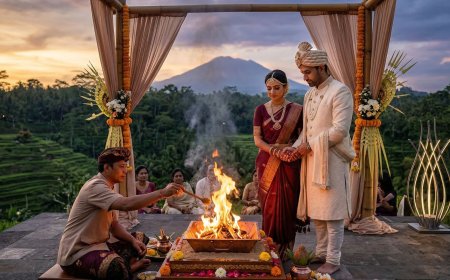
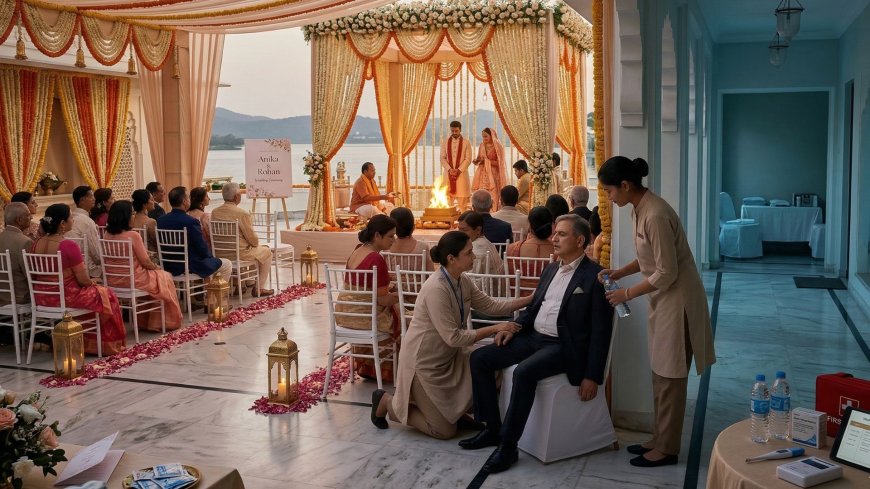
It was the third phera. The ceremony had been running for two hours in a venue that was beautifully decorated and inadequately ventilated. The temperature outside was thirty-eight degrees. The temperature inside the ceremony tent was higher. The guest — a fifty-four year old man who had flown from Birmingham forty-eight hours earlier, who had not slept adequately across the time zone adjustment, who had been standing for the better part of ninety minutes, and who had not eaten since the previous evening because the breakfast service had not been available at the early hour his jet lag had woken him — lost consciousness without warning and went down between two rows of seated guests.
What happened next determined the quality of everything that followed.
In a wedding with no medical preparedness, what happens next is: confusion, alarm, several people attempting simultaneously to help without coordination, someone calling an ambulance without knowing the local emergency number, the ceremony disrupted for twenty minutes while the situation is managed without adequate tools, and the guest lying on the floor in the heat while the response is assembled from whatever is available.
In a wedding with adequate medical preparedness, what happens next is: the trained first aider who was briefed for exactly this situation reaches the guest within ninety seconds, the guest is moved to a prepared cool recovery space, the on-site first aid kit provides the specific tools the situation requires, the venue coordinator activates the pre-arranged ambulance contact, the ceremony continues with a brief pause, and the guest is assessed by a doctor and discharged with heat exhaustion and mild dehydration within the hour.
This is not a hypothetical contrast. The second version requires specific preparation. The preparation is not complicated. It is specific.
This guide provides it.
Why Medical Preparedness Is Specifically Important at NRI Weddings
Every large gathering of people creates some probability of a medical situation. The NRI wedding creates a specific combination of factors that elevates this probability and that makes the consequences of inadequate medical preparedness more significant than at most comparable events.
The Guest Profile
The NRI wedding guest list typically spans a wider age range than most social gatherings — from infants to guests in their eighties, with a significant representation of elderly guests for whom the physical demands of a multi-day celebration in Indian conditions carry genuine health risk. The elderly guest from Canada who has flown fifteen hours to be present is managing jet lag, a new climate, unfamiliar food, and the physical demands of multiple long events in a way that their body at home would not be asked to manage.
The international guest population is also managing a specific set of health vulnerabilities that the local guest population is not: jet lag and its effects on cardiovascular regulation, the digestive adjustment to Indian food and water, the heat acclimatization challenge for guests arriving from cooler climates, and the specific health conditions that some guests are managing with medications that may interact differently with the Indian climate, food, and activity level than they do at home.
The Environmental Conditions
Indian wedding venues in the peak wedding season — October through February — can produce temperature conditions that are significantly warmer than international guests are accustomed to. Outdoor ceremonies and venues, venues in heritage properties with limited climate control, and the specific heat generated by large gatherings of people in decorated spaces create conditions where heat-related illness is a genuine risk for guests who are not acclimatized.
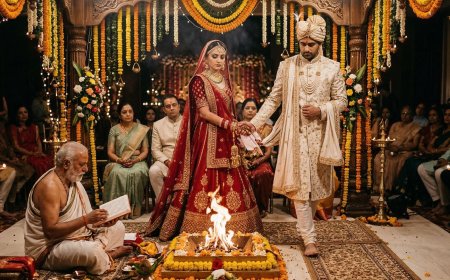
The sacred fire at Hindu ceremonies adds specific heat to the ceremony space. The physical activity of the sangeet and baraat — the dancing, the sustained standing, the exertion of celebration — creates cardiovascular demands that the jet-lagged, sleep-deprived, imperfectly nourished international guest may not manage without difficulty.
The Medical Infrastructure Gap
The gap between the medical infrastructure that international guests are accustomed to at home — the GP who is a phone call away, the hospital whose location and reputation are known, the emergency services whose number is known and whose response time is reliable — and the medical infrastructure they have access to in India creates a specific vulnerability.
An international guest who develops a medical situation at an Indian wedding does not have the same instinctive knowledge of what to do and where to go that they would have at home. The couple who has prepared the medical response infrastructure — who knows the nearest hospital, who has a doctor on call, who has briefed the event team on the emergency protocol — is providing the guest with the institutional infrastructure that their unfamiliarity with India has temporarily removed.
The Medical Preparedness Framework: Three Levels
Medical preparedness for a wedding event operates at three levels — each distinct in its purpose, its resources, and its activation conditions.
Level One: The First Aid Capability
The first aid capability is the immediate response infrastructure — the trained person, the equipped kit, the specific ability to provide initial care for the medical situations most likely to occur at a wedding event and to stabilize the guest while higher-level care is arranged if needed.
Level one is activated by: minor injuries, heat-related illness, fainting, allergic reactions, hypoglycemic episodes, and any situation that requires immediate intervention before medical professionals arrive.
The level one capability should be present at every wedding event — the mehendi, the sangeet, the ceremony, the reception — not only at the largest or most formal events. Medical situations do not respect the formality hierarchy of the event programme.
Level Two: The On-Call Medical Resource
The on-call medical resource is a qualified doctor or nurse who is either physically present at the event or who can be reached and dispatched to the venue within a specific time — typically thirty to forty-five minutes — for situations that exceed the first aid capability.
Level two is activated by: situations requiring medical assessment beyond first aid, situations where the first aider's initial assessment indicates a need for professional evaluation, any situation involving loss of consciousness, chest pain, significant allergic reaction, or any condition that the first aider assesses as requiring medical attention.
The on-call medical resource does not need to be present at the venue for the entire event. It needs to be specifically identified, specifically briefed about the wedding and its location, and specifically confirmed to be available during the event period.
Level Three: The Emergency Response Protocol
The emergency response protocol is the pre-planned sequence of actions for genuine medical emergencies — the heart attack, the severe anaphylaxis, the significant trauma — that require immediate emergency services activation and the management of the emergency while services are en route.
Level three is activated by: any life-threatening condition, any condition requiring immediate emergency services, and any situation where the first aider or on-call medical resource assesses the need for hospital treatment.
The emergency response protocol should be documented, communicated to every team member with event responsibilities, and practiced at least once before the wedding day — because the clarity of thought required to execute a protocol correctly is significantly reduced in the genuine emergency, and the protocol rehearsal is what allows correct execution under pressure.
The First Aid Kit: What It Must Contain
The first aid kit for an NRI wedding is not the standard office first aid kit. It is a specific, curated collection of items matched to the specific medical situations most likely to occur at this event, with this guest profile, in this environment.
The Core First Aid Supplies
Wound care: adhesive bandages in multiple sizes, sterile gauze pads, medical tape, antiseptic wipes, antiseptic cream, and sterile saline solution for wound irrigation. These are the supplies for the most common minor injuries — the cut finger, the scraped knee from a fall, the blister from new footwear.
Burn care: sterile burn dressings and cooling gel for the specific burn risk at Hindu ceremonies where the sacred fire is present and where guests unfamiliar with the ceremony's physical proximity may occasionally be closer to the fire than is safe.
Immobilization: a triangular bandage, elastic bandages, and cold packs for the sprains and soft tissue injuries that dancing, unfamiliar footwear on unfamiliar surfaces, and the general physical exuberance of a wedding celebration produce.
The Heat-Related Illness Supplies
Given the specific heat-related illness risk at NRI weddings with international guests, the first aid kit should be specifically stocked for heat exhaustion and heat stroke management.
Oral rehydration salts in individual sachets — sufficient for multiple simultaneous users, because heat-related illness at a warm outdoor event does not respect the one-at-a-time logic. Electrolyte tablets or sports drinks. Cold packs for external cooling of the neck, armpits, and groin — the most effective external cooling points. A spray bottle of cool water for misting. A small battery-powered fan for the recovery space.
The Allergy and Anaphylaxis Supplies
At least two epinephrine auto-injectors — EpiPens — should be in the first aid kit for the management of anaphylaxis. The specific risk at Indian weddings: the extensive use of nuts, sesame, mustard, and other common allergens in Indian cooking, combined with the reality that some international guests may not know that specific Indian dishes contain their allergen.
Antihistamine tablets and liquid — for mild to moderate allergic reactions that do not require epinephrine. Hydrocortisone cream for contact allergic reactions.
The epinephrine auto-injectors require a prescription in most countries and require specific training to use correctly. The trained first aider should have specific training in anaphylaxis management and in epinephrine auto-injector use before the event.
The Cardiovascular and Respiratory Supplies
An automated external defibrillator — AED — for weddings with more than one hundred and fifty guests or with a significant proportion of elderly guests. The AED is the single piece of equipment with the highest potential impact on outcomes in cardiac emergencies — the survival rate for cardiac arrest decreases by approximately ten percent for every minute without defibrillation, and the AED enables defibrillation before emergency services arrive.
Many Indian hotels and large event venues have AEDs available. Confirm the location of the venue's AED before the event and ensure that the first aid team knows where it is. If the venue does not have an AED, renting one for the wedding period — available from medical equipment suppliers in most Indian cities — is worth the cost for large events or events with elderly guest populations.
Aspirin — for the suspected cardiac event where the guest is conscious and the first aider is waiting for emergency services. The administration of aspirin in suspected cardiac events is a specific first aid intervention whose inclusion in the first aid kit requires confirmation that the trained first aider is competent to use it appropriately.
The Diabetes and Hypoglycemia Supplies
Glucose tablets, glucose gel, and sugary drinks — for the management of hypoglycemic episodes in diabetic guests. The NRI wedding's extended event duration, the unpredictable meal timing, and the physical activity of dancing create specific hypoglycemia risk for guests managing diabetes.
The General Medical Supplies
Paracetamol and ibuprofen for pain and fever management. An antidiarrheal medication — loperamide — for the guests whose digestive adjustment to Indian food produces acute symptoms during the event. Oral rehydration sachets for dehydration regardless of cause. Antihistamine for allergy symptoms that do not rise to the anaphylaxis level. Antacid tablets for the specific digestive complaints that rich Indian wedding food produces in guests with sensitive digestion.
A digital thermometer, blood pressure cuff, and pulse oximeter — the basic vital signs assessment tools that allow the first aider to provide the on-call doctor with specific clinical information when calling for advice.
The Trained First Aider: The Human Infrastructure
The first aid kit is inert without a trained person to use it. The trained first aider is the human infrastructure of the level one medical preparedness — the specific person whose training, whose calm, and whose specific knowledge of the wedding event's medical risks is the foundation of effective first response.
Who Should Be the First Aider
For NRI weddings, the most appropriate approach to trained first aid provision is either a professional first aider hired specifically for the event — a qualified paramedic or first aid trained professional who is part of the event support team — or a family member or friend who holds a current first aid qualification and who is specifically briefed for the wedding event role.
The professional first aider is the most reliable option. A qualified paramedic or event first aider who is hired for the wedding period — typically for each event day — brings specific training, specific equipment familiarity, and the specific professional calm that high-pressure medical situations require. In Indian cities, event medical support services — professional first aid staff hired for events — are available from medical staffing agencies and from some hospitals' outreach services.
The family member or friend first aider is a viable alternative if the person holds a current qualification — not a ten-year-old certification that has not been refreshed, but a current, valid first aid qualification with training that covered the specific situations described above. The family member first aider has the specific advantage of being embedded in the event's social world — visible and accessible to guests who may be embarrassed to approach a uniformed professional — but the specific disadvantage of also being a wedding guest whose attention is divided between their first aider role and their participant role.
The First Aider's Briefing
The trained first aider — whether professional or family member — must be specifically briefed for the wedding event before it begins. The briefing should cover:
The specific medical risks of this specific event — the heat conditions, the guest age profile, any specific guests with known medical conditions, the specific allergens in the catering menu.
The location of the first aid kit and the recovery space.
The emergency services protocol — the number to call, the address and GPS coordinates of the venue, the specific access route for emergency vehicles.
The on-call doctor's contact details and the specific protocol for calling them.
The event timeline and the specific moments of highest medical risk — the ceremony's longest standing period, the most physically demanding dancing of the sangeet, the late-night period of the reception when fatigue compounds other risk factors.
The Recovery Space
The first aider's ability to provide effective care depends on having access to a designated recovery space — a specific room or area at the venue that is cool, quiet, and equipped for the management of medical situations.
The recovery space should be: identified and confirmed with the venue before the event, stocked with the specific supplies it needs — a stretcher or flat surface, cold packs, water, the rehydration supplies, the core first aid kit, and access to the AED if one is available, accessible from the main event space without requiring the medical casualty to be moved a long distance, and known to every member of the event team so that the person who discovers a medical situation can direct the first aider to the right location.
The Emergency Services Protocol
Know the Numbers
India's emergency services numbers: police 100, ambulance 108, fire 101. These numbers should be in every event team member's phone and posted in the venue's operations area.
The 108 ambulance service is government-operated and free of charge. Its response time varies significantly by city and by location within the city — in major urban centers it is often adequate, in more remote or heritage venue locations it may be slower.
For weddings at heritage properties outside major cities — the Rajasthan fort venues, the Kerala backwater properties, the hill station venues — the government ambulance response time may be insufficient for genuine emergencies. For these locations, identifying a private ambulance service or a hospital-operated emergency response service and having its number confirmed and saved is a specific preparedness requirement.
Know the Nearest Hospital
The nearest reputable hospital to every wedding venue should be identified before the event — not searched for during the emergency. The search during the emergency costs time that the medical situation may not have.
The hospital identification should include: the hospital's name and full address, the GPS coordinates for navigation, the approximate travel time from the venue under different traffic conditions, the hospital's specific capabilities — whether it has a cardiac catheterization lab, whether it has an ICU, whether it has specific pediatric or orthopedic capabilities relevant to the guest profile — and the hospital's direct admission contact if one is available.
For international guests, identifying a hospital that has experience with international patients — that has English-speaking staff and that accepts international health insurance — is a specific additional consideration.
The Emergency Access Route
Every wedding venue should have a confirmed emergency vehicle access route — the specific route by which an ambulance can reach the venue, the specific access point that is wide enough for an ambulance, and the specific person who will meet the ambulance and guide it to the casualty.
Heritage properties in old city areas, outdoor venue sites with limited road access, and properties with complex internal layouts all require specific emergency access planning. The venue coordinator should be able to confirm the emergency access route. If they cannot, the NRI couple's event team should walk the route themselves and confirm it.
The Specific Medical Situations to Prepare For
Heat-Related Illness
Heat exhaustion and heat stroke are the medical situations most likely to affect international guests at NRI weddings. The specific prevention and response preparation:
Prevention: ensuring that water is continuously available at all events, that shaded or air-conditioned rest areas are accessible from outdoor event spaces, that the event duration and the physical demands of standing are managed to the degree possible, and that guests who appear to be struggling with the heat are proactively offered water and rest.
Response: the trained first aider recognizes the signs of heat exhaustion — heavy sweating, weakness, cold and pale skin, weak pulse, nausea — and responds with movement to the recovery space, cooling measures, and oral hydration. The signs of heat stroke — high body temperature, hot and dry skin, rapid pulse, possible unconsciousness — require immediate emergency services activation alongside the cooling measures.
Allergic Reactions
The prevention of allergic reactions at Indian weddings requires specific communication between the couple's team and the catering team about the allergens present in every dish and the specific guests with specific allergies. The response preparation requires the trained first aider's ability to distinguish between mild allergic reactions requiring antihistamine and anaphylaxis requiring epinephrine and emergency services.
The specific allergen communication: the couple should collect dietary and allergy information from all guests during the RSVP process and communicate this information to the catering team in a format — a list of guests with their specific allergens, matched to a menu review confirming which dishes are safe for each — that allows the catering team to serve each guest with specific awareness of their requirements.
Cardiac Events
The cardiac event preparation is the preparedness element with the highest potential impact on outcomes. The recognition of cardiac symptoms — chest pain, shortness of breath, pain radiating to the arm or jaw, sudden extreme fatigue — and the immediate activation of the emergency response protocol is the specific training that every event team member, not only the first aider, should have received.
The AED deployment in confirmed cardiac arrest — the first aider's ability to use it correctly and the event team's ability to ensure clear space and support the first aider — is the preparation that most directly affects survival outcomes.
Diabetic Emergencies
The identification of a hypoglycemic episode — confusion, trembling, sweating, weakness — and the appropriate response — oral glucose for a conscious guest, emergency services for an unconscious one — is a specific first aid skill that is worth ensuring the trained first aider has received.
For guests with known diabetes whose names and specific management plans the event team has been briefed on, the proactive check-in during events — offering glucose tablets, ensuring the guest has eaten, monitoring for early signs of hypoglycemia — is the prevention that makes the response unnecessary.
The Communication Protocol: Who Tells Whom
The communication protocol for medical situations — the specific chain of notification that ensures the right people know about a medical situation at the right time — is the element of medical preparedness most commonly absent from even otherwise well-prepared event plans.
The protocol:
The person who discovers or witnesses the medical situation activates the first aider immediately — not after attempting to manage it themselves, not after consulting with other guests, immediately.
The first aider assesses the situation and activates the on-call doctor if the assessment indicates level two care is needed, or activates emergency services directly if the assessment indicates a life-threatening emergency.
The event coordinator is notified of any situation requiring the on-call doctor or emergency services — not for every minor first aid situation, but for any situation that may affect the event timeline or that may require the coordinator's logistical support.
The couple is notified of any situation involving a guest they are close to or any situation that requires the couple's awareness — not in the middle of the ceremony unless the situation specifically requires it, but at the first appropriate moment.
The guest's traveling companions or family members who are present at the event are notified and involved in the guest's care — again, in a way that is calibrated to the situation's severity rather than creating alarm disproportionate to the medical reality.
The Post-Event Medical Follow-Up
The NRI host's medical responsibility does not end when the guest has been stabilized and the event has continued. The follow-up responsibility — checking on guests who have had medical situations, ensuring that guests who have been referred to hospital have been appropriately discharged and supported, and ensuring that guests who are managing ongoing symptoms have access to the medical resources they need — is the specific ongoing care that genuine hospitality requires.
The guest who fainted at the ceremony and was treated for heat exhaustion deserves a personal check-in from the couple or the coordinator — not a generic inquiry, but a specific question about how they are feeling and whether they need anything. The guest who was taken to hospital deserves to know that the couple is aware, is grateful they are being looked after, and is available if any assistance is needed.
The Preparation Nobody Hopes to Use
Medical preparedness for a wedding is the category of planning that sits furthest from the couple's conscious experience of what a wedding is — the love, the beauty, the celebration, the specific joy of two people beginning a life together in the presence of everyone they love.
Nobody hopes to use the EpiPen. Nobody wants the moment where the first aider runs across the ceremony space. Nobody plans a wedding imagining the emergency services access route.
But the couple who prepares for these possibilities — who does the quiet, unglamorous work of identifying the nearest hospital, briefing the first aider, stocking the kit, documenting the protocol — is the couple who has genuinely taken responsibility for the wellbeing of every person they have invited to share the most significant event of their lives.
The guest who faints at the ceremony and is cared for immediately, professionally, and specifically — who recovers in a cool room with a glass of water and is back for the reception — experiences the wedding couple's love in a form that no floral arrangement can express.
Prepare for the situations you hope never happen. Prepare for them with the same care given to the ones you are certain will.
NRIWedding.com — Expert guidance for Indian weddings planned across borders.
What's Your Reaction?
 Like
0
Like
0
 Dislike
0
Dislike
0
 Love
0
Love
0
 Funny
0
Funny
0
 Angry
0
Angry
0
 Sad
0
Sad
0
 Wow
0
Wow
0