


















































Roka Ceremony: Traditions and Modern Adaptations for NRI Families
The roka ceremony is one of the most emotionally significant milestones in the North Indian wedding sequence — and for NRI families navigating geography, time zones, and cultural expectations, planning it requires both sensitivity and strategy. This expert guide covers the complete roka ceremony framework: its traditional rituals and cultural significance, how modern NRI families are adapting it across in-person, virtual, split, and destination formats, and exactly how to plan one that honours the tradition while working within the realities of global Indian life. Essential reading for NRI couples in the USA, UK, Canada, UAE, and Australia.


The Moment the Family Makes It Official
The proposal happened months ago — or perhaps just weeks. The ring has been on your finger long enough that you have stopped looking at it every five minutes, though not by much. You have told your parents, your closest friends, the colleague who noticed immediately and would not stop asking.
But in your family — in the way your family understands these things — it is not yet real.
Not officially. Not in the way that matters.
Because in your family, the thing that makes it real is the roka.
It is the ceremony where two families sit together, formally, for the first time as families joined by intention. Where gifts are exchanged and blessings are given and the elders on both sides offer their sanction to what is about to unfold. Where your grandmother says something that makes everyone cry, and your future mother-in-law brings a box of mithai that your mother will later tell you cost more than it needed to. Where the photographs will be slightly chaotic and deeply precious and will sit in a frame somewhere in your parents' home for the rest of their lives.
The roka is, in the truest sense, the beginning.
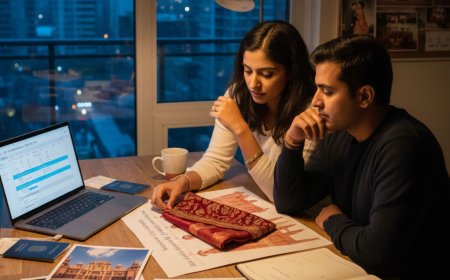
But you are in London. Or Houston. Or Melbourne. And your family is in Delhi or Chandigarh or Amritsar. And the question of how to honour this ceremony — with the weight it deserves, the presence it requires, the warmth it is supposed to carry — when the people who need to be in the same room are currently spread across four time zones, is a question that has been sitting quietly in the back of your mind since the moment you got engaged.
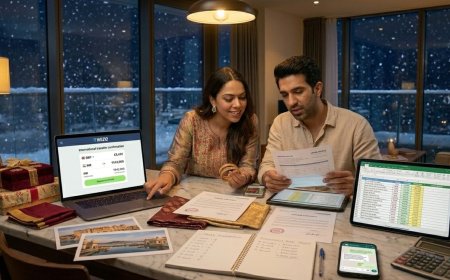
You want to do this right. You want both families in the same space, the rituals observed, the elders present, the photographs that your parents will treasure. You also have three weeks of annual leave left for the year, a work deadline in October, and a future in-law family whose availability does not easily overlap with yours.
This is the NRI roka dilemma. And it is one of the most common early planning challenges that NRI couples face — not because the ceremony itself is complicated, but because the intersection of cultural weight, family logistics, and geographical distance creates a planning problem that requires both sensitivity and strategy.
This article is your complete guide to the roka ceremony — what it is, what it means, what its traditional form looks like, how modern NRI families are adapting it, and how to plan one that honours the tradition while working within the reality of your life.
The Core Reality: What the Roka Ceremony Actually Is
Before planning a roka, it helps to understand what you are actually planning — not just the ritual elements, but the deeper cultural function the ceremony serves.
The Traditional Purpose
The roka — the word itself means to stop, to hold, to commit — is the formal moment at which both families declare their intention to unite through the marriage of their children. It is the ceremony that takes the relationship from personal and private to familial and public.
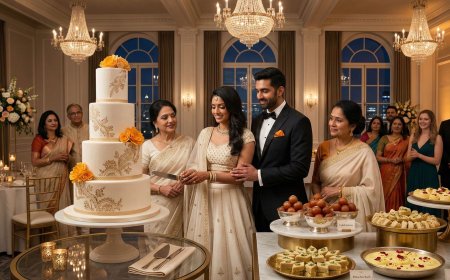
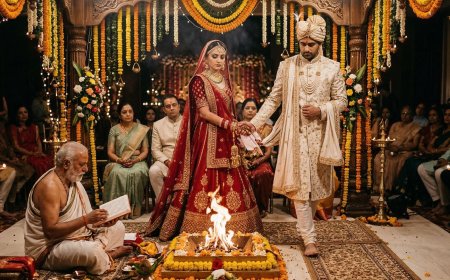
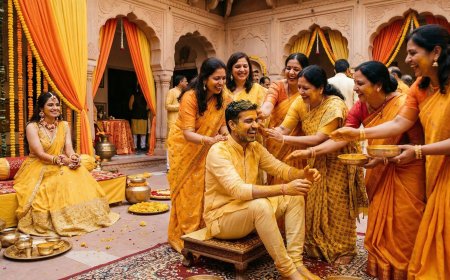
In its traditional form, the roka is the point at which the boy's family visits the girl's family home, bringing gifts — typically including clothes, jewellery, dry fruits, sweets, and often cash — as a formal gesture of their serious intention. The girl's family receives them with reciprocal warmth and gift-giving. The families share a meal. Elders on both sides offer blessings. A pandit may be present to perform a brief puja. Photographs are taken. The families, for the first time, begin to know each other.
The roka predates the formal wedding engagement — it is the ceremony that, in many North Indian families, precedes even the ring exchange and the formal engagement party. It is the foundation on which everything else is built.
What It Means Emotionally
The roka is not primarily a logistical milestone. It is an emotional one.
For parents — particularly for mothers, in most families — the roka is one of the most significant ceremonies in the wedding sequence. It is the moment they publicly accept the person their child has chosen. It is the moment they become part of a new extended family. It is the moment that, for many Indian parents, represents the fulfilment of one of their deepest hopes.
For NRI couples, understanding this emotional weight is essential to planning the ceremony well. The roka is not a box to check on the way to the wedding. For your parents, it may be the ceremony they think about most in the months before the wedding. Honouring it properly — with the care, the presence, and the atmosphere it deserves — is an act of love toward the people who raised you.
Regional Variations
The roka is primarily a North Indian tradition — most common in Punjabi, Sindhi, and broader North Indian Hindu families. Its equivalent exists under different names in other communities: the nishchitartham in South Indian families, the sagai in some communities, the engagement ceremony in others.
The specific rituals, the gift conventions, the role of the pandit, and the scale of the gathering vary significantly across regions and families. Understanding your specific family's expectations — which may have evolved across generations and geographies — is the starting point for planning a roka that feels authentic to your particular cultural context.
Traditional Roka Ceremony: The Complete Ritual Framework
Understanding the traditional form gives you the foundation from which modern adaptations can be made thoughtfully rather than arbitrarily.
The Setting
A traditional roka is held at the girl's family home. This is not a logistical convention but a cultural one — the home carries a warmth and intimacy that a venue cannot replicate, and the girl's family acting as hosts signals their welcome of the boy's family into their domestic space.
The home is prepared with care. Fresh flowers, rangoli at the entrance, the best crockery, a space set up for the puja if one is planned. The atmosphere is festive but intimate — this is a family ceremony, not a party.
The Arrival and Welcome
The boy's family arrives — typically including his parents, close family members, and sometimes a small delegation of relatives. They are received at the entrance by the girl's family with warmth and traditional welcome gestures. In many families, the matriarchs perform a brief welcoming ritual — a tilak, an aarti — before the families are seated together.
The Gift Exchange
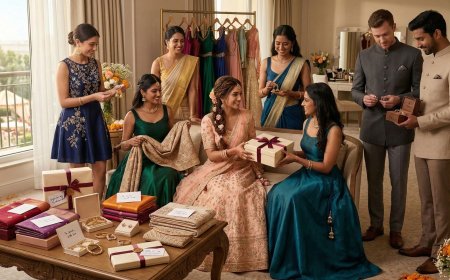
The central ritual exchange of the roka involves the boy's family presenting gifts to the girl and her family. Traditional gifts include: a complete set of clothes for the girl, jewellery (typically gold, though this varies widely by family), dry fruits presented in decorated trays, boxes of mithai, and in many families, a cash gift presented formally.
The girl's family reciprocates with their own gifts to the boy — clothes, sweets, and gifts for his immediate family members.
The gift exchange is not purely material. Each gift carries a cultural significance — the clothes symbolise the boy's family's acceptance of responsibility for the girl's care, the sweets symbolise the sweetness of the union, the cash gift in many traditions represents a formal blessing. Understanding this symbolism gives the exchange its proper weight.
The Puja and Blessings
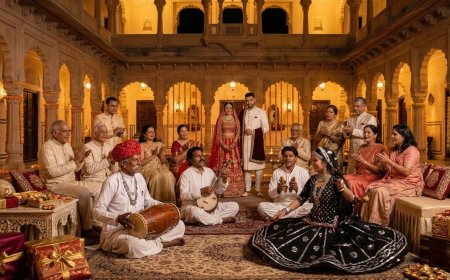
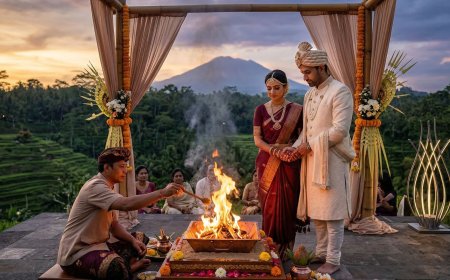
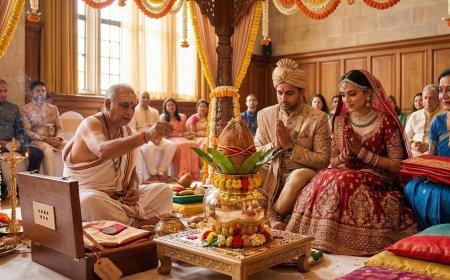
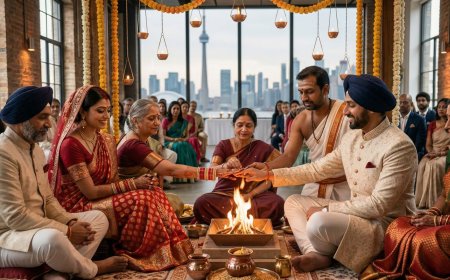
Many roka ceremonies include a brief puja conducted by a family pandit. The couple sits together — often for one of the first times in a formal ceremonial context — while the pandit performs the rituals. Both sets of parents participate. Elders offer individual blessings to the couple and to each other.
This is, for many families, the most emotionally significant moment of the ceremony. The blessings of elders carry a cultural and spiritual weight that transcends the formal ritual — they are the accumulated love and hope of a generation being transferred to the next one.
The Shared Meal
The ceremony concludes with a shared meal that is both celebration and relationship-building. For many families, this is the first extended time that the two families have spent together socially. The conversation around the meal — about the families' histories, their shared values, their hopes for the couple — is the beginning of the relationship between families that the wedding will formalise.
Modern Adaptations: How NRI Families Are Evolving the Roka
The roka as practised by NRI families in 2025 looks meaningfully different from its traditional form in many cases — not because the tradition has been abandoned, but because it has been thoughtfully adapted to the realities of global Indian life.
Understanding these adaptations — and the reasoning behind them — helps NRI couples make informed decisions about which elements to preserve, which to evolve, and which to personalise.
Adaptation One: The Venue Shift
For many NRI families, holding a roka at a family home in India presents logistical challenges. Parents may live in apartments rather than the spacious homes traditional ceremonies assumed. One set of parents may be abroad. The couple themselves may be flying in specifically for the ceremony and staying in hotels.
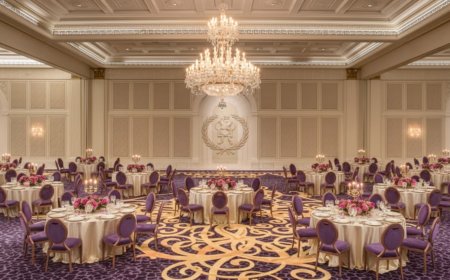
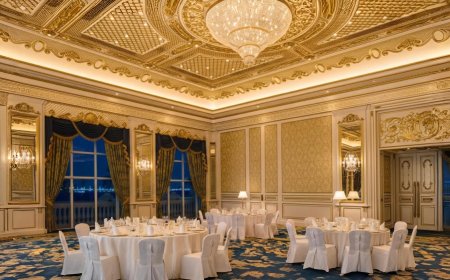
The modern adaptation: roka ceremonies held at hotels, restaurants, or event spaces have become increasingly common and increasingly accepted — particularly among urban, cosmopolitan Indian families. The shift from home to venue changes the atmosphere somewhat, but the ritual elements remain intact. Many families choose a private dining room or a small banquet space that replicates the intimacy of a home setting.
For NRI couples, a venue-based roka has practical advantages: it is accessible to both families regardless of where each family's home is, it removes the pressure on one set of parents to host, and it allows the ceremony to be scaled appropriately to the guest list.
Adaptation Two: The Combined Engagement and Roka
In many traditional structures, the roka and the formal ring exchange or engagement party are separate ceremonies — the roka as the informal family commitment, the engagement as the more public celebration. Many modern NRI families combine these into a single event that serves both functions.
A combined roka-engagement ceremony allows couples to honour the traditional ritual while consolidating the number of events — a practical consideration when both families are coordinating international travel. The ceremony incorporates the gift exchange and blessings of the roka with the ring exchange and celebratory atmosphere of the engagement, producing a single event that is both culturally grounded and celebrations-forward.
Adaptation Three: The NRI-India Split Ceremony
One of the most distinctive modern adaptations for NRI families is the split roka — a format that acknowledges the geographical reality of families spread across continents.
The traditional in-person roka happens in India, typically during one of the couple's early visits post-engagement, involving the Indian-resident family members. A separate, smaller celebration happens in the couple's country of residence — a dinner or gathering that brings together the NRI-based members of both families in a more informal version of the roka's intent.
This format is not a compromise. It is a creative solution that honours both the cultural tradition and the geographical reality of NRI life. Many families find that the India-based ceremony carries the formal cultural weight of the roka, while the abroad-based gathering carries its own warmth as a celebration among the community the couple has built in their adopted country.
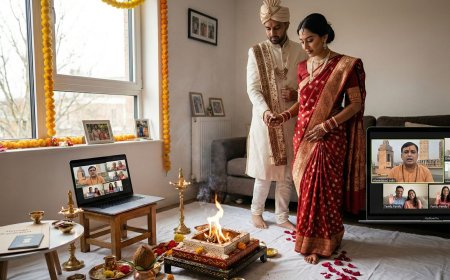
Adaptation Four: The Virtual Roka
The virtual roka emerged with particular visibility during the pandemic years and has retained its place as a legitimate option for NRI families for whom simultaneous physical presence is genuinely impossible.
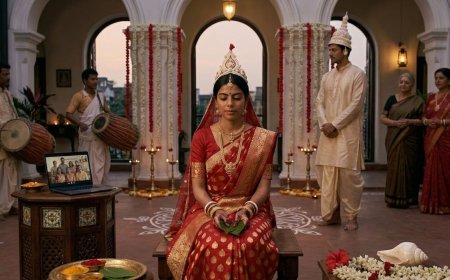
A well-executed virtual roka is not a diminished version of the ceremony. It is a different version, requiring its own specific planning considerations. The family in India gathers physically. The family abroad gathers physically in their own location. The video connection is set up on a large screen to allow the gathered families to see each other fully, not just on a laptop.
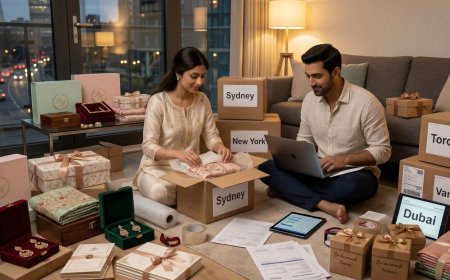
The gift exchange is managed through pre-shipped packages — gifts sent in advance that are opened during the ceremony. The puja is conducted at the India gathering. Blessings are offered across the connection. The shared meal happens at both locations simultaneously.
Families who have executed virtual rokas thoughtfully report that the emotional significance of the ceremony was fully preserved. The connection of seeing both families present — even through a screen — carries its own power.
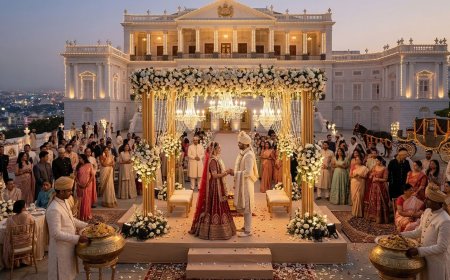
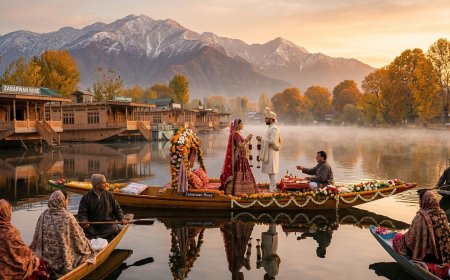
Adaptation Five: The Destination Roka
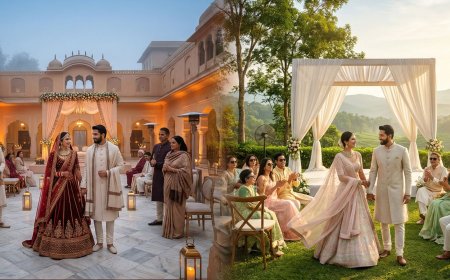
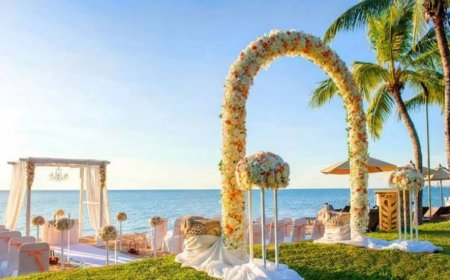
A newer trend among NRI families, particularly those where significant family members are spread across multiple countries, is the destination roka — a ceremony held in a third location that is neutral territory for both families and doubles as a family gathering event.
Dubai has become a popular destination roka location for families with members across India, the UK, and Australia — its central geography and NRI-friendly infrastructure making it accessible from multiple directions. London and Singapore serve similar functions for other family configurations.
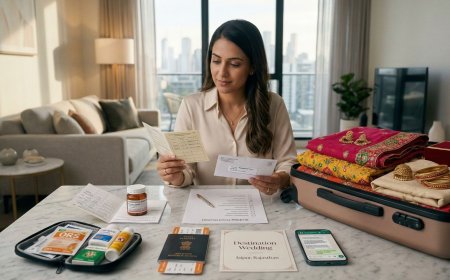
A destination roka requires more planning than a domestic ceremony but offers the possibility of bringing together the full family — including NRI-based relatives who might not travel to India for the ceremony alone — in a way that a single-location event cannot.
A Practical Framework for NRI Couples
Step One: Understand Your Family's Specific Expectations
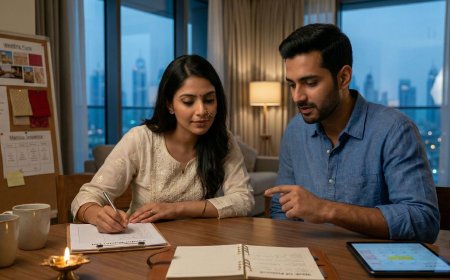
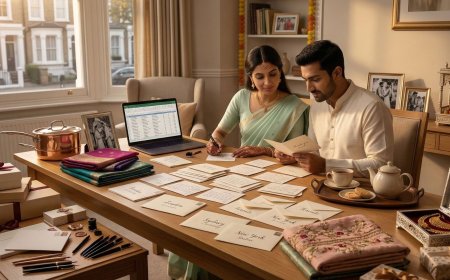
Before any planning begins, have honest conversations with both sets of parents about what the roka means to them and what form they expect it to take. The answers will vary enormously — some families will have specific traditional requirements, others will be flexible and modern in their approach.
Ask specifically: Is an in-person ceremony important, or is a virtual ceremony acceptable? Are there specific rituals that are non-negotiable? Who needs to be present for the ceremony to feel complete? What is the expected scale — immediate family only, or extended family and close friends?
These conversations are not just logistical. They are the first real family planning conversations of your wedding journey, and they set a tone for the collaboration ahead.
Step Two: Decide on the Format
Based on your family conversations and your practical constraints, decide on your format. In-person in India. Combined with an abroad celebration. Virtual. Destination. Each has its own planning implications.
For most NRI couples, the in-person ceremony in India during the first planning visit is the most culturally resonant and practically efficient option — it can be scheduled as part of the same trip that includes early venue research, and it gives both families the physical gathering that carries the most traditional weight.
Step Three: Manage the Guest List With Intention
The roka is traditionally an intimate ceremony — immediate family, close relatives, and perhaps a small number of family friends. The modern tendency to expand the roka into a larger party can dilute the intimacy that gives the ceremony its significance.
For NRI families, the practical constraints on attendance often naturally preserve this intimacy. Not everyone can travel for every ceremony. The people who are present at the roka are, by definition, the people for whom this moment mattered enough to warrant the effort.
Step Four: Handle the Gift Exchange Thoughtfully
The gift exchange is one of the elements of the roka that requires the most practical thought for NRI families, particularly when gifts need to cross international borders.
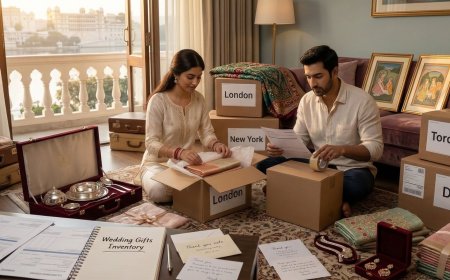
If the roka is happening in India, gifts from the abroad-based family may need to be purchased locally rather than shipped — work with a trusted family member or your wedding planner to source appropriate gifts in India. If the roka involves virtual elements, pre-shipping packages in beautifully decorated trays replicates the traditional presentation in a form that travels.
Discuss with both families what is expected, what is appropriate, and what the gifting convention is in your specific family context. Gift exchange norms vary significantly across families, and clarity prevents the awkwardness of mismatched expectations.
Step Five: Capture It Properly
The roka photographs and video will matter to your families for decades. Do not treat the documentation as an afterthought.
If the roka is in India and you have already begun vendor conversations, engage a photographer. If it is a smaller, more intimate ceremony, ensure that someone in the family takes the responsibility of documentation seriously — not just phone photographs grabbed between conversations, but properly composed images that capture the significant moments.
For virtual rokas, ensure the video setup on both ends is of high enough quality to produce recordings that will hold up as memories. A shaky laptop camera in a poorly lit room does not do justice to the moment.
Common Mistake - Treating It as a Box to Check
The roka has genuine cultural significance for your parents and extended family even if — especially if — you have spent years in a cultural environment where these ceremonies are not part of daily life. Approaching it as a bureaucratic step on the way to the wedding produces a ceremony that feels perfunctory and leaves family members feeling that the moment was not properly honoured.
Engage with the ceremony on its own terms. Understand what it means to the families involved. Let that understanding shape how you plan and participate in it.
Leaving It Too Late in the Planning Sequence
For many NRI families, the roka needs to happen relatively soon after the engagement — within the first three to six months. Families in India where extended relatives are expecting the ceremony may feel the absence of it. And practically, the roka marks the beginning of the formal planning period in many families — until it has happened, certain planning conversations feel premature.
Plan your roka as part of your first India visit agenda. Do not treat it as something that can be scheduled whenever is convenient — it has its own cultural timeline.
Not Briefing the Non-Indian Side of a Bicultural Couple
For NRI couples where one partner is not of Indian background, the roka may be an entirely unfamiliar concept. Arriving at the ceremony without having given your partner a clear understanding of what is happening, what is expected of them, and what the moment means to your family is unfair to both your partner and your family.
Spend real time with your partner before the roka explaining the ceremony — not just the logistics, but the emotional and cultural weight of what is happening. A partner who understands the significance will participate in a way that means a great deal to your family. A partner who is confused or caught off guard will not.
Over-Commercialising the Ceremony
There is a growing trend — visible particularly in urban Indian families and in NRI communities — toward elaborate, heavily decorated, professionally staged roka ceremonies that feel closer to a party than to a family ritual.
There is nothing inherently wrong with celebrating joyfully. But the roka derives its power from its intimacy and authenticity, not its production value. A ceremony in a beautifully decorated home with the right people present will always feel more meaningful than an elaborate event that has lost the quiet, personal quality that makes the roka what it is.
The Emotional Layer: What the Roka Really Does
There is a dimension of the roka that is difficult to articulate but immediately understood by anyone who has sat in one.
The roka is the moment the couple stops being the only two people who know what is coming. It is the moment the families step out of their separate lives and begin — however tentatively, however awkwardly in some cases — to become a single extended family.
For NRI couples, this moment carries a particular poignancy. You have built your relationship largely outside the sight of your families. You have navigated the distance between your daily life abroad and your family life in India, holding these two worlds in your hands and trying to make them fit together. The roka is the ceremony that begins to close that gap — that brings both worlds into the same room, sometimes for the first time, and asks them to recognise each other.
There will be moments of awkwardness. Two families who do not yet know each other, trying to find common ground, navigating the delicate social dynamics of a significant first meeting. There will be moments of unexpected warmth — a shared laugh, a family story that resonates across the table, the quiet recognition between two mothers that they raised children worthy of each other.
Let the ceremony be what it is. Do not over-produce it. Do not rush it. Do not manage it so tightly that the spontaneous, unrepeatable human moments get crowded out by the schedule.
The roka is one of the ceremonies you will remember most clearly. Not because of the décor or the photographs or the carefully selected gifts. Because of the feeling in the room when both families were together for the first time, and the world got a little bit smaller, and the wedding became real in a way it had not been before.
Your NRI Roka Planning Checklist
Decisions to Make First:
- Format: in-person India, virtual, split ceremony, or destination
- Scale: immediate family only or broader gathering
- Timing: standalone ceremony or combined with engagement
- Location: family home, venue, hotel, or restaurant
Conversations to Have Before Planning:
- Both sets of parents on their expectations and non-negotiables
- Pandit availability if a puja is planned
- Guest list alignment between both families
- Gift exchange conventions and expectations
Logistics to Manage:
- Venue or home preparation if in India
- Gift sourcing — local purchase or international shipping
- Video setup if any virtual element is involved
- Photography or videography arrangement
- Travel coordination for family members coming from abroad
For Virtual or Split Ceremonies:
- Technology setup and testing at both locations
- Pre-shipped gift packages prepared and dispatched
- Coordinated timing across time zones
- Designated family members managing the setup at each location
On the Day:
- Arrive unhurried with time to connect before the ceremony begins
- Ensure photographer is briefed on key moments to capture
- Allow the ceremony to unfold at its own pace
- Be fully present — this moment will not repeat
Tradition Is Not What You Inherited. It Is What You Choose to Carry Forward.
The roka has survived because it serves a human need that does not diminish with geography or generation. The need for families to formally recognise each other. The need for communities to bear witness to commitment. The need for a ceremony that says, clearly and warmly, that this is real now, and we are in it together.
For NRI couples, adapting the roka to the realities of global life is not a dilution of the tradition. It is a continuation of it. Every generation of Indian families has adapted its ceremonies to the circumstances of its time. The families who carried these traditions from villages to cities, from cities to other countries, have always found ways to honour what matters while releasing what no longer serves.
Your roka — whether it happens in your family home in Delhi, in a hotel in Dubai, on a split screen connecting London and Mumbai, or in a restaurant in Toronto where both families met for the first time — will be the beginning of something that lasts.
The form it takes is less important than the intention you bring to it.
Plan it with care. Be present for it fully. Let both families feel that this moment was made for them.
Because it was.
What's Your Reaction?
 Like
0
Like
0
 Dislike
0
Dislike
0
 Love
0
Love
0
 Funny
0
Funny
0
 Angry
0
Angry
0
 Sad
0
Sad
0
 Wow
0
Wow
0