



















































Style Without the Pain: The NRI Couple's Complete Guide to Comfortable Footwear Across Multi-Day Wedding Celebrations
By day three of a multi-day Indian wedding, the footwear decisions made at the beginning of the planning process have either served you well or made themselves urgently felt. This guide delivers a complete framework for planning footwear across every event of the wedding weekend — from the mehendi flat and sangeet block heel to the ceremony mojari, the reception footwear change, and the post-wedding recovery flat. Covering surface-specific modifications, the cumulative pain threshold reality, the between-event recovery protocol, the footwear emergency kit, and the planned change strategy that keeps every photograph beautiful and every dancing moment genuinely comfortable.


Comfortable Footwear for Multi-Day Celebrations: Style Without Pain
The NRI couple's practical guide to keeping feet happy across four days, fourteen events, and the kind of floor surfaces that were designed by people who have never danced in traditional Indian footwear
By Day Three, Everyone Was Barefoot
The photographs from the first two days of the wedding were everything they had planned for. The mojaris photographed beautifully at the mehendi. The heeled sandals at the sangeet looked extraordinary in the venue lighting and created exactly the silhouette the bride had imagined. The ceremony footwear — the embroidered juttis she had found in Jaipur after forty minutes of negotiation with a cobbler whose workshop was technically not open to retail customers — was the finishing piece that completed the bridal look in the way that made the stylist say something appreciative under her breath.
By the third day, something had shifted.
The bride was making decisions about footwear with a different set of criteria than the ones she had applied at the beginning of the weekend. The criteria now were: can I put this on without assistance, will it stay on without adjustment, and will it get me from the getting-ready room to the venue without requiring me to stop and do something about my feet before the guests see me.
The groom had made similar calculations approximately four hours earlier, during the reception, when he had quietly removed one jutti behind the gift table and completed the last ninety minutes of the evening in one shoe and one sock, a fact that the photographer had mercifully declined to document.
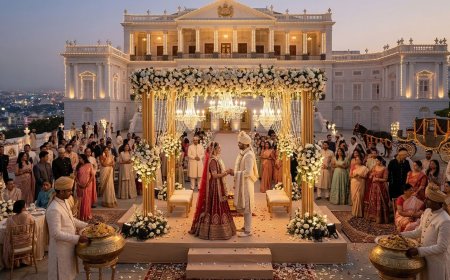
This is the multi-day wedding footwear reality that almost no planning guide addresses with the honesty it deserves. It is not a failure of preparation. It is the natural consequence of wearing beautiful, formal, traditional footwear across four days of continuous events — standing, walking, dancing, sitting on the floor for ceremonies, navigating the specific obstacle courses that Indian wedding venues provide in the form of marble floors, outdoor pathways, temporary staging, and the particular challenge of the carpet-to-marble transition that creates a specific footwear hazard its own category.
This guide addresses it honestly.
The Multi-Day Footwear Reality: What Your Feet Are Actually Being Asked to Do
Before the specific recommendations, a clear-eyed assessment of what the feet of an NRI couple are being asked to manage across a multi-day Indian wedding.
Day one of a typical NRI wedding programme involves three to four hours of standing and sitting during the mehendi, followed by a transition to the sangeet which typically runs four to six hours and includes multiple hours of active dancing. The cumulative standing time on day one alone frequently exceeds eight hours.
Day two — the main ceremony day — often begins with getting-ready photography in the morning, moves through a ceremony that may run two to four hours during which the couple is standing, kneeling, walking around the sacred fire, and transitioning between different ceremony positions, and then continues into a reception that runs another four to six hours. Twelve to fourteen hours of continuous formal occasion.
Day three, for weddings that include a post-wedding gathering, adds another four to six hours of social obligation — standing, greeting guests, sitting at a formal meal, and the specific physical exhaustion of having already performed across two full days of ceremonial and celebratory activity.
The feet that are managing this programme are being asked to wear multiple pairs of formal footwear — each with its own specific pressure points, its own fit characteristics, and its own relationship with the various floor surfaces of the venues — across a cumulative period of physical demand that most people do not experience outside of very specific occupational contexts.
Understanding this reality — building a footwear plan that addresses it rather than assuming that beautiful shoes and goodwill are sufficient — is the preparation that produces the third-day photographs where everyone is still shod.
The Footwear Planning Principles That Change Everything
Principle One: Plan Footwear by Event, Not by Outfit
The most common footwear planning failure is treating footwear as an afterthought to the outfit — buying the outfit, hemming the outfit for a specific heel height, and then finding footwear that matches the outfit at whatever heel height it turns out to be. This approach produces beautiful footwear that may not perform across the specific conditions of the event it accompanies.
A footwear plan that begins with the event's specific requirements — the duration, the floor surface, the physical activity involved — and then identifies footwear that meets both the performance requirements and the aesthetic requirements produces better outcomes than one that begins with the aesthetic and hopes the performance follows.
Principle Two: The Pain Threshold Is Not Fixed, It Is Cumulative
The shoes that felt acceptable for three hours on the first day of the wedding are the shoes that become unbearable by the middle of the second day, because the feet are already carrying the accumulated physical load of everything that preceded this moment. A pair of heels that would be perfectly manageable for an isolated four-hour evening event becomes unmanageable on the third event of the third day because the threshold for discomfort has been steadily lowered by everything that came before.
Plan footwear with the cumulative toll in mind rather than the isolated event. The question is not whether these shoes are comfortable for four hours. It is whether these shoes are comfortable for four hours on the third day of a programme that has already asked the feet to do twelve hours of work.
Principle Three: The Strategic Change Is Not a Compromise, It Is a Plan
Changing footwear within an event — transitioning from the ceremony heels to something more comfortable for the dancing portion of the reception — is not a failure of the original footwear choice. It is a planned strategy that allows the most photographically important moments of the event to be served by the most beautiful footwear, while the hours of physical exertion that follow are served by footwear that actually performs across extended dancing.
Build the footwear change into the event plan rather than experiencing it as an emergency. Brief the coordinator that the change will happen, identify a specific moment in the event timeline when the change will occur, and have the alternative footwear accessible at the venue in a location that allows the change to happen quickly and without drama.
Principle Four: Feet Change Across the Day
Feet swell during the day. Not dramatically — but consistently and significantly enough to affect the fit of footwear that fit correctly in the morning. A pair of juttis that fit precisely at nine in the morning may feel tighter by seven in the evening. This is not a fitting problem — it is a physiological reality that affects every person's feet to varying degrees depending on the conditions.
Try all formal footwear in the afternoon or evening rather than the morning — when the foot is closest to its maximum daily size — to ensure that the fit that matters at the event is the fit that was assessed at the trial.
Day One: The Mehendi and Sangeet Footwear Strategy
The Mehendi
The mehendi creates a specific footwear challenge that its relaxed atmosphere tends to obscure: it is typically an outdoor or semi-outdoor daytime event that runs for several hours, involves a significant amount of sitting on the floor or on low seating, and requires the ability to remove and replace footwear multiple times as the mehendi artist works on the feet.
The footwear requirement for the mehendi is therefore: something that can be removed and replaced with one hand, that is beautiful enough for the photographs taken before the mehendi application begins, and that is practical enough for the outdoor surface conditions.
For brides: a well-made flat sandal with a back strap — or an embellished flat that stays on the foot without requiring active management — is the most practical mehendi footwear choice. The back strap or secure fastening prevents the specific problem of the shoe staying on the floor when the bride stands from a low sitting position. A beautiful embellished flat in a color that coordinates with the mehendi outfit photographs well in daylight conditions and requires no management once on the foot.
For grooms: a comfortable mojari or embellished flat in a color that works with the kurta pyjama — the same logic applies. The mehendi is not the event at which the heel height or the elaborate footwear choice matters for photographs. It is the event at which comfort and practicality matter most.
The Sangeet
The sangeet is the event with the highest physical demand in the entire wedding programme from a footwear perspective. Four to six hours of dancing, performing, and sustained physical activity in party lighting and typically on hard wooden or marble floors.
For brides: the block heel is the sangeet footwear solution that most successfully bridges the aesthetic requirement — a visible heel that creates the right silhouette with the sangeet outfit — and the physical performance requirement of extended dancing. A block heel of three to five centimetres in a well-structured, well-fitted sandal or closed shoe distributes weight more evenly across the foot than a stiletto, provides lateral stability during dancing that a stiletto cannot offer, and reduces the specific forefoot fatigue that stilettos create by concentrating all the body weight onto a small surface area at the ball of the foot.
The cushioned insole deserves specific mention as the single most impactful modification available for any formal footwear. A gel or foam insole placed inside any shoe — including traditional Indian footwear — adds a layer of cushioning between the foot and the often-hard internal surface of the shoe that translates directly into hours of additional wearable comfort. This modification is invisible, inexpensive, and consistently underused.
For grooms: the sangeet is the event at which the most physically demanding footwear compromise is made — the traditional jutti's leather sole provides minimal cushioning for four hours of dancing. Adding a cushioned insole to the jutti before the sangeet is the single most effective comfort modification available for this specific situation. Alternatively, a contemporary embellished sneaker in a color that coordinates with the sangeet outfit — a growing option in the NRI wedding market that started as a reception trend and has migrated to the sangeet — provides genuine dancing comfort without the footwear being visually inappropriate for the occasion.
Day Two: The Ceremony and Reception Footwear Strategy
The Getting-Ready Period
The getting-ready period — the several hours of preparation before the ceremony begins — is the period in which the feet are being preserved for the long day ahead. This is not the time for the ceremony footwear. This is the time for comfortable slippers, a recovery flat, or a soft-soled shoe that allows the feet to rest before the extended demands of the ceremony and reception begin.
Many brides and grooms spend the getting-ready period in their ceremony footwear — which means their feet have already been working in formal shoes for two or three hours before the ceremony begins. The ceremony then adds another two to four hours, the reception another four to six. The total footwear load for the day becomes eight to ten hours in formal shoes rather than the four to six hours it could be with a deliberate getting-ready footwear strategy.
Wear comfortable slippers or recovery flats for the getting-ready photographs — these photographs are intimate and close-up and do not require formal footwear. Put the ceremony footwear on at the last possible moment before the ceremony begins.
The Wedding Ceremony
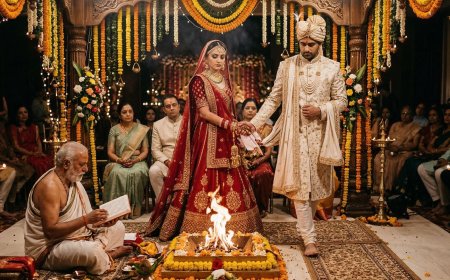
The ceremony is the event for which the most beautiful formal footwear is reserved. It is also the event with the most specific and most unusual physical demands — sitting cross-legged or on a low platform, walking around the fire multiple times, transitions between standing and sitting that the ceremony structure requires.
For brides: the ceremony footwear should be the most beautiful pair in the wardrobe and should have been broken in through at least three extended home wearings before the wedding day. It should be confirmed to sit correctly at the hemmed length of the ceremony lehenga — a difference of even two centimetres in heel height from the footwear worn during hemming creates a visible length problem in photographs. And it should be tested specifically for the ceremony surface — if the ceremony is taking place on a polished marble platform, the non-slip sole modification discussed elsewhere in this series is essential.
For grooms: the ceremony is the event at which the traditional mojari makes its strongest case. The flat sole of the mojari is specifically appropriate for sitting cross-legged and for walking around the sacred fire — the slight elevation of a heel creates specific awkwardness in these positions that the flat sole avoids. The embroidered mojari at maximum quality and elaborateness is the ceremony footwear that is most culturally and aesthetically appropriate to the register of the event.
The Reception Transition
The transition from ceremony to reception is the planned footwear change moment. After the ceremony photographs — which are the primary reason for the most beautiful formal footwear — the feet have been in formal shoes for the ceremony duration and are ready for a change before the extended dancing of the reception begins.
For brides: the reception footwear change — from the ceremony mojaris or heels to the reception footwear — should happen before the reception begins, not partway through. A pre-reception footwear change that coincides with the outfit change required by a separate reception lehenga or that happens during the dinner service before the dancing begins is a planned and dignified footwear change. An emergency footwear removal behind the gift table partway through the dancing is the unplanned version.
The reception footwear for the bride who has already been on her feet for four to six hours of ceremony should prioritise comfort within the aesthetic requirement — a lower heel, a more cushioned footwear, a flat that is embellished enough to work with the reception outfit but that removes the specific forefoot strain of a ceremonial heel.
For grooms: similarly, a reception footwear change — from ceremony mojaris to a more comfortable embellished flat or a cushioned contemporary option — is the planned strategy that prevents the one-shoe situation described at the beginning of this guide.
Day Three: The Post-Wedding Footwear Strategy
By the morning of day three, the feet have accumulated the physical load of everything that preceded it, and the footwear choices available are evaluated through a completely different lens from the one applied at the beginning of the weekend.
The post-wedding gathering — whether a brunch, a lunch, or a family gathering — is an event at which the footwear requirement is: beautiful enough to be appropriate, comfortable enough to be manageable, and requiring no physical management across a two to three hour event.
For both bride and groom: the post-wedding event is the place for the most comfortable beautiful footwear in the wardrobe. A well-made embellished flat. A comfortable block heel sandal. A quality leather sandal with a cushioned footbed. These options allow the post-wedding gathering to be attended with genuine physical comfort without the footwear being visually inappropriate for an Indian wedding occasion.
The post-wedding gathering is also the event at which the recovery intervention — the specific actions taken between the reception ending and the next event beginning — has the most impact on physical capacity.
The Recovery Protocol: What Happens Between Events
The recovery period between events — the hours between the sangeet ending and the ceremony beginning, between the ceremony ending and the reception beginning — is the most underutilised footwear management resource available in the multi-day wedding programme.
Immediate Recovery Actions
Remove formal footwear immediately upon the conclusion of each event. Every hour spent in formal shoes when no photographs are being taken and no guests are present is an hour of unnecessary footwear load on already-stressed feet.
Elevate the feet during any resting period. Elevation reduces the fluid accumulation in the feet that causes swelling and that narrows the comfortable wearing window of formal footwear. Even twenty minutes of elevation between events produces a measurable recovery effect.
Apply a topical preparation for blister or pressure point management immediately upon discovering any area of concern. A blister that is addressed with protective covering and padding in the first hour after it develops is a manageable condition. A blister that is discovered and left unaddressed continues to develop across the subsequent event.
The Footwear Emergency Kit
Every NRI couple should assemble a footwear emergency kit that travels with the coordinator or the bridesmaid designated as logistics support.
The kit should contain: cushioned gel insoles that can be transferred between shoes, blister prevention gel or tape, anti-chafe balm for areas where formal footwear creates friction, a small fold-flat ballet flat or a comfortable sandal for emergency footwear change situations, a non-slip spray or grip pads for any marble or polished floor surface, and a cobbler's adhesive for any footwear repair situation — the sole that begins to separate, the embellishment that becomes detached, the strap that starts to fail.
The fold-flat ballet flat deserves specific advocacy as the most versatile item in the footwear emergency kit. A quality fold-flat — not the disposable paper versions distributed at some weddings but an actual fold-flat ballet flat in a neutral color that can be packed in a small bag — provides genuine emergency comfort without the visual disruption of bare feet and without requiring a planned footwear change to have been organised in advance.
The Specific Surfaces: What You Will Actually Be Walking On
Indian wedding venues present a specific set of floor surface challenges that are rarely mentioned in footwear planning conversations but that have direct implications for footwear choice.
Polished Marble
The most common luxury Indian wedding venue surface — and the most dangerous for footwear with leather or smooth synthetic soles. Polished marble provides essentially no grip for smooth-soled footwear. The specific risk is not dramatic slipping but the continuous micro-corrections the body makes to maintain stability on a low-grip surface — corrections that create fatigue in the ankle and calf muscles that accumulates across hours of standing.
The solution is a non-slip rubber sole application — available from cobblers at most Indian markets for a small cost — applied to the bottom of any smooth-soled footwear before it is worn on marble. This modification is invisible when the shoe is on and produces a grip improvement that is immediately noticeable.
Outdoor Pathways
Transitional areas between indoor ceremony spaces and outdoor gardens, between venues, or within large haveli properties — typically a combination of stone, tile, grass, and uneven traditional paving that creates specific challenges for heel-wearing brides and pointed-toe juttis.
For any event that involves outdoor pathways, a low heel or a flat is specifically safer than a stiletto — the pointed heel of a stiletto sinks into soft ground and catches in the gaps of traditional paving in ways that create both visible awkwardness in photographs and genuine physical risk.
Temporary Staging
The wooden staging that supports the mandap or the performance area at the sangeet creates a specific surface — raised, sometimes slightly uneven at the edges, with a different floor material than the surrounding venue. The transition between the stage floor and the main floor creates a step that requires specific attention in any formal footwear.
Carpeted Surfaces
Carpeted areas in Indian wedding venues — typically in the seating areas or in heritage property interiors — create the opposite problem from marble: too much grip for some sole types, with embellished footwear catching on carpet fibers in ways that create discomfort and potential damage to the embellishment.
The Footwear Planning Checklist
To ensure no event goes without appropriate footwear and no footwear gap is discovered on the day:
Create a footwear list that maps every event in the wedding programme to a specific pair of footwear for both bride and groom. Confirm that the footwear for every event has been sourced, fitted, and broken in before the wedding.
Confirm the heel height for every event against the hemming of the outfit for that event. A height difference of more than one centimetre creates a visible length discrepancy in photographs.
Apply the non-slip sole modification to every pair of footwear that will be worn on polished marble. This is a five-minute modification that prevents hours of accumulated fatigue and eliminates the specific risk of a visible slip in a ceremony photograph.
Insert cushioned insoles into every pair of traditional Indian footwear — juttis, mojaris, and embellished flats. This modification adds between two and four hours of comfortable wearability to traditional footwear that is not designed with extended modern-day use in mind.
Identify a footwear change moment within the ceremony-to-reception transition and brief the coordinator on the plan. Have the post-change footwear accessible at the venue before the event begins.
Assemble the footwear emergency kit and assign it to a specific person — typically the maid of honor, the best man, or the on-ground coordinator — who will have it accessible throughout the wedding weekend.
Try all footwear in the afternoon rather than the morning to assess fit at the maximum daily foot size.
The Feet That Carry You Through
The wedding is, among other things, a physical performance — a sustained multi-day experience that asks the body to look extraordinary, feel present, and perform gracefully across conditions of stress and exhaustion that few other occasions produce.
The feet are carrying all of this. Every moment of every event. Through the marble floors and the outdoor pathways and the temporary staging and the six hours of dancing and the three days of formal occasions. Through the joy and the emotion and the specific physical fatigue that arrives on the morning of day three when the body has given everything it has to give and there is still a lunch to attend.
Plan the footwear with the same seriousness you brought to the outfits. Know which pair goes to which event, what modification each pair requires for its specific surface, what the recovery plan is between events, and where the emergency kit is when something unexpected happens.
And then forget about your feet entirely — because that is what good planning makes possible.
The photographs where you are genuinely present, genuinely joyful, genuinely dancing without calculating how much longer you can manage the shoes — these are the photographs that the planning was designed to produce.
Plan the footwear. Then forget it. And dance.
NRIWedding.com — Expert guidance for Indian weddings planned across borders.
What's Your Reaction?
 Like
0
Like
0
 Dislike
0
Dislike
0
 Love
0
Love
0
 Funny
0
Funny
0
 Angry
0
Angry
0
 Sad
0
Sad
0
 Wow
0
Wow
0