


































































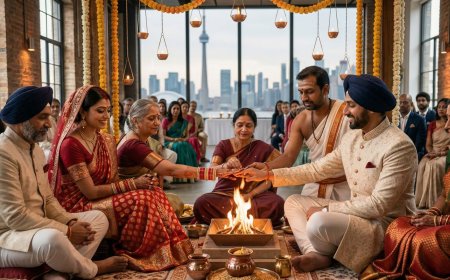



South Indian Wedding Traditions — A Complete Guide for NRIs: Tamil, Telugu, Kannada and Kerala Ceremonies
South Indian weddings are not one tradition but a family of distinct and deeply specific ceremonial traditions — Tamil, Telugu, Kannada, and Kerala — each with its own ritual vocabulary, its own sequence of ceremonies across multiple days, its own aesthetic conventions, and its own relationship to the Agamic framework that provides the common theological foundation. This complete guide gives NRI couples and families everything they need to plan and participate in a South Indian wedding with genuine knowledge and genuine preparation — covering the Tamil Hindu ceremony from Nichayathartham and Nalangu through Kashi Yatra, Oonjal, Maalai Maatruthal, the thali tying muhurtham and Saptapadi, the Telugu tradition from Nischitartham and Snathakam through Jeelakarra Bellam and Talambralu, the Kannada tradition from Vrathaadesh and Naandi through Seere Shastra and the Dhare, the Kerala tradition from Nischayam through the thali ceremony and Pudamuri, the South Indian aesthetic framework covering Kanjivaram silk, temple jewellery, Nadaswaram music, kolam and floral traditions, the pandit selection challenge, the ceremony duration reality, the guest education investment, and the five common mistakes that compromise South Indian NRI wedding ceremonies at their most fundamental level.


South Indian Wedding Traditions: A Complete Guide for NRIs
The Wedding That Took Four Days and Required a Dictionary
Her grandmother had attended every South Indian wedding in the family for sixty years. She knew every ritual, every song, every specific moment when the women gathered and what they were supposed to do when they got there. She knew which flowers went on which tray and why. She knew the specific sequence of events that would unfold across the four days and what each day's ceremonies were building toward.
She also knew, watching her granddaughter plan the wedding from London with a laptop and a WhatsApp group and the specific anxiety of someone trying to honour a tradition she had grown up adjacent to rather than inside, that the granddaughter did not know any of this.
Not because she had not been paying attention. She had been paying attention — at every wedding she had attended, at every ceremony she had been present for. But attending and understanding are different forms of engagement, and the specific knowledge that the grandmother carried — the knowledge that had been transmitted through daily cultural immersion across six decades — was not the knowledge that was accessible to someone who had grown up between cultures and whose relationship to the South Indian wedding tradition was one of love and loyalty and genuine emotional connection and incomplete fluency.
The grandmother spent three evenings on video calls explaining what she knew. The granddaughter wrote everything down. The wedding planner in Chennai was patient and knowledgeable and filled in the significant gaps.
The wedding was extraordinary. The rituals happened in the right sequence with the right materials and the right people in the right positions. The non-Indian guests from the groom's side — he was from a Tamil family settled in Australia — received a ceremony programme that explained each ritual in English as it happened, and several of them described the ceremony as the most extraordinary thing they had ever witnessed at a wedding.
But the grandmother's three evenings on video calls, the wedding planner's patient guidance, the ceremony programme that had to be written from scratch — all of this was work that the family had to do because the knowledge that should have been transmitted across generations had been partially interrupted by the diaspora.
This guide is the comprehensive resource that those video calls were trying to be — the complete knowledge of South Indian wedding traditions that NRI families need, assembled in one place, with the specificity and the depth that honours the traditions being described.
The Foundation: Understanding South Indian Wedding Diversity
The First and Most Important Clarification
South Indian weddings are not one thing. They are a family of related but distinct traditions — spanning Tamil, Telugu, Kannada, and Malayalam-speaking communities, each with their own ritual vocabulary, their own specific ceremonies, their own aesthetic conventions, and their own relationship to the Sanskrit Agamic tradition that provides the common theological framework.
The Tamil Brahmin Iyengar wedding is not the same as the Tamil Brahmin Iyer wedding, which is not the same as the Tamil Mudaliar or Chettiar wedding. The Telugu Brahmin wedding differs from the Telugu Kamma or Reddy wedding. The Kerala Nair wedding differs from the Kerala Namboothiri wedding in ways that are significant and specific. The Kodava wedding from Coorg has its own entirely distinct character.
For NRI couples planning a South Indian wedding, the starting point is not the general category but the specific tradition — the specific community, the specific regional and caste tradition, the specific family's practice within that tradition. The knowledge that is most useful is the specific knowledge of the particular tradition being celebrated, sourced from the family, from a pandit or officiant who knows that specific tradition, and from the accumulated community knowledge that the family carries.
This guide covers the major South Indian Hindu wedding traditions — Tamil, Telugu, Kannada, and Kerala — with the understanding that within each of these there is significant further variation, and that the family's specific tradition is the authoritative source for the specific details.
The Common Framework
Despite the significant variation across South Indian wedding traditions, there is a common framework that connects them — the Agamic tradition, the Vedic ritual substratum, and the specific values and aesthetics of the Dravidian cultural world.
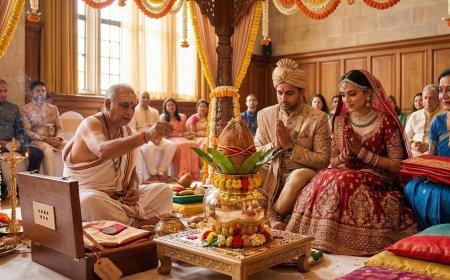
The Agamic foundation: South Indian Hindu temple worship and, by extension, South Indian Hindu ceremony, is governed by the Agama Shastras — the specific sacred texts that define the forms of worship appropriate to each deity and each ritual context. The wedding ceremony is understood as a sacred act within this Agamic framework, and the specific ritual sequence, the specific materials, the specific mantras, and the specific role of the priest are all determined by the Agamic tradition of the specific community.
The aesthetic framework: The South Indian wedding aesthetic — the specific colours, the specific flowers, the specific materials, the specific musical tradition — is among the most distinctive and most internally coherent of all Indian wedding aesthetics. The white and gold of the traditional Kerala wedding, the turmeric yellow and red of the Tamil ceremony, the specific use of banana stems and mango leaves and kolam patterns in the venue decoration — these are not arbitrary choices but expressions of a specific aesthetic tradition that is inseparable from the religious tradition it serves.
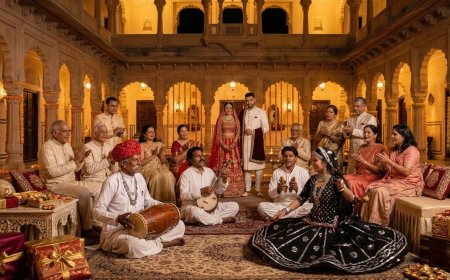
The familial and community character: South Indian wedding traditions are deeply communal events — ceremonies in which the extended family and the community have specific ritual roles, specific physical positions in the ceremony space, and specific responsibilities that are not merely social but genuinely ceremonial. The NRI wedding that manages this community dimension well — that identifies who needs to be where and what they need to do when they get there — produces a ceremony that is recognisable to anyone who knows the tradition.
Tamil Hindu Wedding Traditions
The Pre-Wedding Ceremonies
Nichayathartham — The Engagement:
The Nichayathartham is the formal engagement ceremony in the Tamil Hindu tradition — the specific occasion at which the marriage is announced to the family and community, the horoscopes are confirmed as compatible, and the specific terms of the wedding are agreed between the families. In the traditional form, the ceremony involves the exchange of betel leaves and areca nuts — the specific symbols of the agreement — and the formal announcement of the wedding date.
For NRI Tamil families, the Nichayathartham is often conducted either during a family gathering in India or at a separate function in the country of residence — or increasingly by video call for families where the geographic distance makes in-person gathering logistically complex. The specific ritual elements of the Nichayathartham can be conducted with minimal materials and in minimal time, but its function — the formal announcement of the marriage to the family and community — is important regardless of the logistics.
Parisam and Janavasam:
The Parisam is the exchange of gifts between the families before the wedding — the specific garments, jewelry, and ritual materials that each family provides for the other. The specific items exchanged vary by community within the Tamil tradition, and the family's practice is the authoritative guide.
The Janavasam — specific to Tamil Brahmin tradition — is the groom's ceremonial procession on the evening before the wedding, in which the groom is formally welcomed to the wedding venue by the bride's family and is honoured with specific rituals. In its traditional form, the Janavasam involves the groom being brought in a decorated vehicle or palanquin to the wedding venue with music and ceremony. In the contemporary NRI context, the Janavasam is often simplified — the formal welcome and the specific welcoming rituals are preserved, but the elaborate procession may be abbreviated.
Nalangu:
The Nalangu — unique to Tamil Hindu tradition — is among the most joyful and most distinctively Tamil of all the pre-wedding ceremonies. Conducted on the evening before the wedding, the Nalangu brings the bride and groom together for a series of playful ritual games — the specific games vary but typically involve the application of turmeric paste, the exchange of garlands, and a series of games that the bride's side and the groom's side traditionally compete in, with much laughter and ribald song.
For NRI Tamil families, the Nalangu is among the ceremonies that most reward the investment of genuine preparation — it is the occasion when the specific songs, the specific games, and the specific playful spirit of the Tamil wedding tradition are most fully expressed, and its success depends on having family members who know the songs and the games and can lead the assembled gathering into genuine participation.
The Main Wedding Ceremony
The Muhurtham:
The Tamil Hindu wedding ceremony begins at the specific auspicious time — the muhurtham — calculated by the family jyotishi from the horoscopes of the bride and groom. The muhurtham's timing determines the entire wedding day schedule, and in the Tamil tradition it is taken very seriously — the ceremony's beginning is calibrated to the exact auspicious minute, and the ritual sequence that precedes it is managed to ensure that the principal vow is taken at precisely the right time.
For NRI Tamil couples, the muhurtham calculation and its implications for the wedding day timeline is one of the planning conversations that must happen with the pandit early in the planning process. The muhurtham may fall at a time that creates logistical complexity — early morning, midday, or at a time that requires the ceremony to begin when guests may still be arriving. Understanding and honouring the muhurtham's timing, while managing the logistics that surround it, is one of the specific challenges of the Tamil Hindu wedding.
Kashi Yatra:
The Kashi Yatra — in which the groom announces his departure for Kashi to pursue the ascetic life, is intercepted by the bride's father, and is persuaded to return and marry — has been described elsewhere in this guide series in the context of personalisation. In the Tamil tradition specifically, the Kashi Yatra is conducted with great theatrical energy — the groom dressed in specific traveling costume, the umbrella and the walking staff that are the traditional props, the bride's father's specific speech persuading him to return. The entire sequence is simultaneously deeply symbolic and genuinely entertaining, and it is one of the moments at a Tamil wedding that non-Indian guests consistently respond to with the most evident delight.
Maalai Maatruthal — The Exchange of Garlands:
The Maalai Maatruthal — the exchange of flower garlands between the bride and groom — is the Tamil equivalent of the North Indian Jaimala. The specific dynamic of the Tamil garland exchange — the playful lifting and evading that precedes the eventual mutual garlanding — is similar in character to the North Indian version but distinct in its specific form and in the specific songs that accompany it.
Oonjal — The Swing Ceremony:
The Oonjal is one of the most specifically Tamil of all the wedding rituals — the specific ceremony in which the bride and groom are seated together on a decorated swing and rocked gently by the women of both families while specific Tamil devotional songs are sung. The Oonjal songs — the specific compositions that are sung during this ceremony — are among the most beautiful of the Tamil devotional tradition, and families where older women know these songs in their complete form are families where the Oonjal achieves its full ceremonial character.
For NRI Tamil families, finding someone who knows the Oonjal songs in their complete form — and ensuring they will be present at the wedding — is one of the specific pre-wedding preparations that most rewards investment. The Oonjal conducted with genuine singing rather than recorded music has a completely different quality from the ceremony with a speaker playing a recording.
Muhurtham — The Principal Vow:
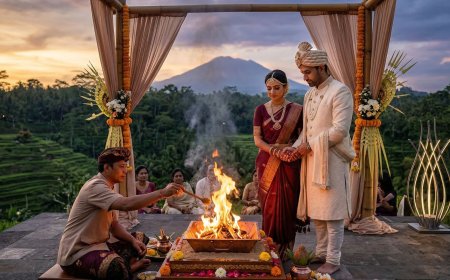
At the specific muhurtham time, the groom ties the thali — the sacred thread or necklace that is the Tamil equivalent of the mangalsutra — around the bride's neck. This is the specific moment at which the Tamil Hindu marriage is constituted — the tying of the thali, with the specific mantras chanted by the priest, in the presence of Agni and the assembled family and community.
The thali's specific form varies by community within the Tamil tradition. The Iyer thali differs from the Iyengar thali. The Mudaliar thali differs from the Chettiar thali. The family's specific thali tradition is not a detail to be decided at the jewelry store — it is a specific cultural element that carries the family's identity and should be sourced with the same care and the same awareness of its significance as any other element of the wedding.
Saptapadi:
The Saptapadi — the seven steps — follows the muhurtham in the Tamil Hindu ceremony, with the specific form and the specific mantras of the Tamil Brahmin or non-Brahmin tradition as appropriate to the family's community. The seven steps in the South Indian tradition are often taken in a specific spatial pattern — the specific directions in which the couple moves around the fire — that differs from the North Indian form.
The Post-Wedding Ceremonies
Grihapravesham — The Entry Into the Home:
The Grihapravesham — the bride's ceremonial entry into the groom's family home — is the ritual that marks the conclusion of the wedding ceremonies and the beginning of the married life. In the traditional form, the bride enters the home by stepping into a vessel of red water and leaving her footprints — the Lakshmi padams — on the threshold, symbolising the arrival of prosperity and auspiciousness into the household.
For NRI Tamil families whose wedding is conducted at a venue rather than at the family home, the Grihapravesham is conducted at the venue with symbolic adaptation — the specific ritual elements are preserved while the literal domestic setting is represented symbolically.
Telugu Hindu Wedding Traditions
The Pre-Wedding Ceremonies
Nischitartham — The Formal Betrothal:
The Telugu Hindu engagement ceremony — the Nischitartham — is the formal betrothal that precedes the wedding and is conducted with its own specific ritual sequence. The exchange of coconuts between the families — the specific symbol of agreement in the Telugu tradition — and the exchange of gifts mark the formal announcement of the marriage.
Snathakam:
The Snathakam — specific to Telugu Brahmin tradition — is the ceremony in which the groom formally completes his Brahmacharya — his student phase — before entering the householder stage of life through marriage. The ceremony involves the groom being dressed in the specific clothes of the Brahmacharya stage and symbolically renouncing this phase before being invited to enter the married state. The Snathakam's relationship to the Kashi Yatra tradition is clear — both rituals enact the specific choice of the householder path over the ascetic or scholarly path.
Pellikuthuru and Pellikoduku:
The Pellikuthuru and Pellikoduku — the bride's and groom's pre-wedding ceremonies — are conducted separately at each family's home on the day before the wedding. The application of turmeric, the specific prayers, the gathering of the women of the family — these ceremonies prepare the bride and groom for the transition of the following day with the specific ritual preparation that the Telugu tradition prescribes.
The Main Wedding Ceremony
Mangalasnanam:
The wedding day begins with the Mangalasnanam — the auspicious bath — in which the bride and groom are bathed with water infused with specific herbs and auspicious materials in a ceremony conducted by the family's women with specific songs.
Kanyadan:
The Telugu equivalent of the Kanyadaan — the Kanyadan — is conducted with specific Telugu ritual elements. The bride's father pours water over the joined hands of the bride and groom — the specific gesture of the gift — while the priest chants the appropriate mantras. The specific materials used and the specific form of the ritual reflect the Telugu tradition.
Jeelakarra Bellam — The Cumin and Jaggery Ritual:
The Jeelakarra Bellam is one of the most distinctively Telugu of all wedding rituals — the specific ceremony in which the bride and groom each hold a mixture of cumin and jaggery in their cupped hands and simultaneously place this mixture on each other's heads. The ritual symbolises the inseparability of the two flavours — the slightly bitter cumin and the sweet jaggery — as a representation of the mingled flavours of the life being entered together.
For NRI Telugu families, the Jeelakarra Bellam is among the most photographically distinctive and most memorable of the wedding rituals for guests who are not familiar with the Telugu tradition — its specific visual character and its specific symbolism make it one of the moments that the ceremony programme should explain with particular care.
Talambralu:
The Talambralu — the showering of the bride and groom with rice and turmeric — is a celebratory ritual that follows the principal vow and involves the assembled family members showering the couple with the auspicious mixture. The Talambralu's joyful, participatory character makes it one of the most photographically vivid moments of the Telugu wedding ceremony.
Saptapadi:
The Telugu Saptapadi follows the specific form of the Telugu tradition — with the specific mantras and the specific spatial movement that distinguish the Telugu ceremony from other South Indian forms.
Kannada Hindu Wedding Traditions
The Specific Character of the Kannada Wedding
The Kannada Hindu wedding tradition — spanning the Brahmin communities of Smartha and Madhwa and Vaishnava traditions, and the significant non-Brahmin communities of the Lingayat and Vokkaliga and other traditions — has its own specific character that reflects the cultural history of Karnataka's diverse Hindu communities.
Nischitartha:
The Kannada engagement ceremony — the Nischitartha — has its own specific form, with the exchange of coconuts and the exchange of gifts and the formal announcement of the wedding between the families.
Vrathaadesh:
The Vrathaadesh — specific to Kannada Brahmin tradition — is the ceremony in which the groom takes a vow of Brahmacharya before the wedding — symbolically entering the student phase before the wedding transitions him to the householder phase. Like the Telugu Snathakam, the Vrathaadesh enacts the specific transition between life stages that the marriage represents.
Naandi:
The Naandi is the ceremony of invoking the ancestors' blessings — the specific ritual of ancestral propitiation that precedes the wedding in Kannada Hindu tradition. The ancestors' presence and blessing is invoked before the wedding begins, acknowledging the continuity of the family line that the marriage is extending.
Seere Shastra:
The Seere Shastra — the exchange of specific silk sarees between the families — is a distinctive element of the Kannada Hindu wedding that has no direct equivalent in the other South Indian traditions. The specific sarees exchanged — their quality, their colour, their specific significance — are a matter of family tradition and community convention.
The Dhare — The Principal Ritual:
The Dhare is the central ritual of the Kannada Hindu wedding — the ceremony in which the bride's father pours water over the joined hands of the bride and groom in the specific gesture of the gift of the daughter, with the specific mantras of the Kannada tradition. The Dhare is the specific moment at which the Kannada Hindu marriage is constituted.
Kerala Hindu Wedding Traditions
The Distinct Character of the Kerala Wedding
The Kerala Hindu wedding tradition — encompassing the Namboothiri Brahmin tradition, the Nair tradition, the Ezhava tradition, and the many other communities of Kerala's diverse Hindu world — is among the most visually distinctive and most internally coherent of all South Indian wedding aesthetics. The white and gold colour palette, the specific use of kasavu sarees and mundus, the specific flowers, the specific music — these elements create a wedding aesthetic that is immediately identifiable as Kerala.
Nischayam — The Betrothal:
The Kerala engagement ceremony — the Nischayam — is conducted with the specific ritual elements of the Kerala tradition. The exchange of betel and areca, the formal agreement between the families, and the gift exchange mark the formal announcement of the marriage in the Kerala community.
Haldi Ceremony — Elithu:
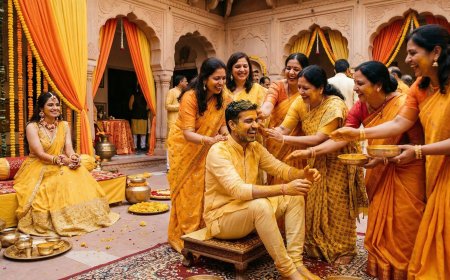
The turmeric ceremony in the Kerala tradition — the Elithu — has its own specific form. The application of turmeric to the bride and groom by the family is conducted with the specific songs of the Kerala tradition and within the specific aesthetic framework of the Kerala wedding.
The Muhurtham:
The Kerala Hindu wedding muhurtham — the auspicious time — is calculated with specific reference to the Malayalam jyotisha tradition. The specific auspicious times recognised in the Kerala tradition differ in some respects from the Tamil and Telugu traditions, and the family's Kerala jyotishi is the authoritative source for the specific muhurtham calculation.
The Thali Ceremony:
The central ritual of the Kerala Hindu wedding — the tying of the thali — has its own specific Kerala form. The thali's specific design varies significantly by Kerala community — the Namboothiri thali, the Nair thali, and the thalis of other Kerala communities each have their own distinctive form that is the specific expression of the community's identity.
Pudamuri — The Gifting of Clothes:
The Pudamuri — the ceremonial gifting of clothes to the bride by the groom's family — is a specific element of the Kerala Hindu wedding tradition. The specific saree given in the Pudamuri — typically a fine kasavu saree — is among the most important material elements of the Kerala wedding and its quality and sourcing deserve specific attention.
The South Indian Wedding Aesthetic: What Makes It Distinctively Beautiful
The Flowers
The South Indian wedding's specific floral aesthetic — the use of jasmine, marigold, roses, and the specific flowers of the regional tradition — is among the most immediately recognisable elements of the South Indian aesthetic. The jasmine strings — the gajra — worn by women in their hair, the marigold garlands at the mandap, the specific arrangements of banana flowers and palm fronds that constitute the traditional South Indian decor — these are elements that distinguish the South Indian wedding from every other Indian regional tradition.
For NRI couples planning a South Indian wedding, the floral aesthetic is one of the elements that most rewards investment in traditional sourcing rather than contemporary substitution. The specific flowers of the South Indian tradition are not interchangeable with the generic luxury flowers of the contemporary destination wedding aesthetic — they carry specific cultural meaning and specific ceremonial function that the roses and peonies of the heritage hotel aesthetic do not.
The Music
The musical tradition of the South Indian wedding is among the most distinctive and most important of all the ceremony's sensory elements. The Nadaswaram — the double-reed wind instrument that is the traditional music of Tamil and Telugu weddings — has a sound of extraordinary power and ceremonial weight that is unlike any other instrument in the Indian musical tradition. The specific presence of the Nadaswaram at a Tamil or Telugu wedding is not a musical preference — it is a ceremonial requirement, a specific marker of the occasion's sacred character.
The Panchavadyam — the ensemble of five instruments that is the ceremonial music of the Kerala tradition — similarly creates the specific sonic character of the Kerala wedding that no other musical combination can replicate.
For NRI couples planning South Indian weddings, the musical tradition deserves specific attention and specific investment. The Nadaswaram player or the Panchavadyam ensemble is not a detail of the entertainment budget — it is a central element of the ceremony's character.
The Kolam and Rangoli
The kolam — the geometric pattern drawn with rice flour at the entrance to the wedding venue and the ceremony space — is a specific element of the South Indian wedding aesthetic that is simultaneously decorative and auspicious. The specific patterns of the kolam — drawn by the women of the family in the early morning of the wedding day — mark the space as sacred and invite the divine presence into the occasion.
For NRI weddings conducted at Indian venues, the kolam is a standard part of the South Indian wedding setup and will be managed by the venue and the decorator. For NRI weddings conducted at international venues, the kolam requires specific advance planning — materials that may need to be sourced specially, a family member or vendor who knows how to draw the traditional patterns, and a venue surface that accommodates the rice flour.
The Saree and Jewellery Traditions
The Kanjivaram Silk
The Kanjivaram silk saree — woven in the temple city of Kanchipuram in Tamil Nadu — is the single most important textile in the South Indian wedding tradition. The bride's Kanjivaram, the sarees gifted to family members, the specific quality and provenance of the silk — these are matters of genuine significance in the South Indian wedding, not merely aesthetic choices.
For NRI brides planning a South Indian wedding, the Kanjivaram saree shopping deserves a dedicated India visit if at all possible — the specific experience of choosing a Kanjivaram saree in Kanchipuram or in the major saree shops of Chennai is a particular experience that cannot be replicated online or in the diaspora market. The specific qualities that distinguish a genuine Kanjivaram — the weight of the silk, the quality of the zari, the specific sheen of the genuine article — are most reliably assessed in person.
The Temple Jewellery
South Indian bridal jewellery — the temple jewellery tradition that takes its forms from the divine adornment of the deities in the great South Indian temples — is among the most distinctive and most culturally specific of all Indian jewellery traditions. The specific pieces of the South Indian bridal set — the maang tikka, the haar, the jhumkas, the vaddanam waistband, the bajubandh armband — each have their specific South Indian forms that are distinct from the North Indian equivalents.
The gold temple jewellery — with its characteristic repousse figures of deities and the specific motifs of the South Indian goldsmith tradition — is the most traditional form of South Indian bridal jewellery and the form whose sourcing in the goldsmith workshops of Chennai, Mysore, or the traditional jewellery districts of Hyderabad produces the most authentic results.
The NRI Logistics for South Indian Weddings
The Pandit Selection
The pandit for a South Indian wedding must know the specific tradition of the couple's community. A pandit who knows Tamil Brahmin Iyer ceremonies does not necessarily know the Telugu Brahmin Niyogi ceremony. A pandit who knows the Kannada Smartha tradition does not necessarily know the Kannada Madhwa tradition. The specific tradition requires a specific pandit — and finding the right one, particularly for NRI weddings in destination locations where the specific community pandit may not be locally available, is one of the most important planning tasks.
For NRI weddings in North Indian destinations — Rajasthan, Delhi, Goa — where the local pandit community may not include practitioners of the specific South Indian tradition, bringing the family pandit from Chennai or Bangalore or Hyderabad to the destination is a planning option that many South Indian NRI families exercise. The cost of the pandit's travel is a justified investment in the ceremony's authenticity.
The Materials and Ritual Items
South Indian wedding rituals require specific materials — some of which are not available at generic Indian wedding supply shops and must be sourced from community-specific suppliers. The specific items vary by tradition but typically include specific varieties of rice and lentils for the ceremony, specific flowers, specific sacred threads and materials, and the specific vessels used in the ritual sequence.
For NRI weddings conducted in India, these materials are managed by the pandit and the wedding coordinator. For NRI weddings conducted in the country of residence, the sourcing of these materials requires advance planning and may require import from India for items that are not available locally.
The Guest Education Investment
South Indian wedding ceremonies are among the most ritual-rich and most ceremony-dense of all Indian wedding traditions — the ceremony sequence is long, the rituals are numerous, and the Sanskrit and Tamil or Telugu or Kannada mantras create a language barrier for guests who are not familiar with the tradition.
The ceremony programme — the printed or digital guide that explains each ritual in English as it is being performed — is more important for South Indian weddings than for almost any other Indian wedding tradition because the ceremony is more extended and more complex and the meaning that is being expressed is more obscure to guests without specific knowledge of the tradition.
Investing in a genuinely good ceremony programme — one that explains not just what is happening but why, that communicates the specific beauty of the tradition being celebrated — is among the highest-return investments available in the South Indian NRI wedding planning budget.
Common Mistakes NRI Couples Make With South Indian Wedding Planning
The first mistake is treating South Indian as a single tradition rather than as a family of distinct traditions. The Tamil Brahmin Iyer and the Telugu Kamma and the Kannada Lingayat and the Kerala Nair are different traditions with different ceremonies, different ritual sequences, different aesthetic conventions, and different community expectations. Beginning the planning with the specific tradition rather than the general category produces better outcomes at every subsequent stage.
The second mistake is sourcing the Kanjivaram online without seeing it in person. The specific qualities of a genuine Kanjivaram saree — the qualities that distinguish it from an imitation and that determine its visual impact in the ceremony and in the photographs — are most reliably assessed in person. For the most important saree of the wedding, the India visit for in-person assessment is a justified investment.
The third mistake is booking a generic pandit rather than a tradition-specific pandit. The ceremony conducted by a pandit who does not know the specific tradition's ritual sequence, mantras, and materials is a ceremony whose authenticity and integrity have been compromised at the most fundamental level.
The fourth mistake is not planning for the Nadaswaram or the specific musical tradition. The South Indian ceremony's musical tradition is not an aesthetic preference — it is a ceremonial requirement. Planning the music as part of the entertainment budget rather than as part of the ceremony itself produces an outcome that is perceptible as incomplete to anyone who knows the tradition.
The fifth mistake is underestimating the ceremony duration and scheduling accordingly. A full Tamil Brahmin wedding ceremony can run four to six hours. A complete Kerala Hindu ceremony can run similarly long. The NRI wedding timeline that allocates ninety minutes for the ceremony produces either a rushed, truncated ceremony or a schedule that collapses under the weight of the actual ceremony's requirements. Plan the timeline around the ceremony's authentic duration rather than around a reception start time.
The Tradition That Travelled and Arrived Whole
The South Indian Hindu wedding traditions are among the oldest continuous ceremonial traditions in human culture. The Tamil Brahmin wedding ceremony contains ritual elements whose origins are traceable to the Vedic tradition of the second millennium BCE. The great temples of South India — in whose shadow many of these traditions developed — have been continuously active centres of living practice for longer than most of the world's institutions have existed.
When an NRI family from Chennai or Hyderabad or Bangalore or Trivandrum plans a wedding in London or Toronto or Sydney or Auckland, they are carrying this tradition across the world — attempting to perform in a diaspora context ceremonies that were developed in a specific geographic and cultural world that is now thousands of miles away.
The travel does not diminish the tradition. It demands more of the people carrying it — more deliberate preparation, more conscious knowledge of what each ritual means and why it matters, more active effort to source the right materials and the right pandit and the right music. But the tradition that is performed with this deliberate care, in whatever location, carries its full character and its full meaning.
The grandmother's three evenings of video calls — the knowledge transmitted across the distance with patience and love — are the specific form that the tradition's transmission takes in the NRI context. The wedding planner's knowledge, the ceremony programme, the pandit brought from Chennai — all of these are the specific means by which the tradition arrives whole at a wedding held far from where it was formed.
The tradition is worth the effort of carrying it correctly. Every ritual explained in English to a guest who did not know it before is the tradition growing in the diaspora. Every non-Indian guest who describes the Oonjal or the Kashi Yatra or the Jeelakarra Bellam as the most remarkable thing they have ever seen at a wedding is the tradition finding new witnesses.
The granddaughter's wedding was extraordinary. Not despite the video calls and the ceremony programme and the wedding planner's patient guidance. Because of them.
Carry it whole. It is worth the weight.
Published by NRIWedding.com — The Premium Global Platform for Non-Resident Indians Planning Indian Weddings From Abroad.
What's Your Reaction?
 Like
0
Like
0
 Dislike
0
Dislike
0
 Love
0
Love
0
 Funny
0
Funny
0
 Angry
0
Angry
0
 Sad
0
Sad
0
 Wow
0
Wow
0