



























































The Gift That Sees You: The NRI Couple's Complete Guide to Bridesmaid and Groomsmen Gifts Across Indian and Western Traditions
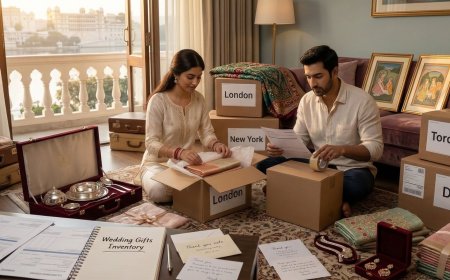
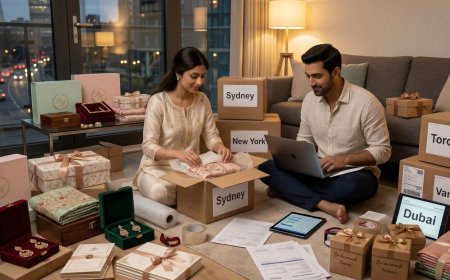
The bridesmaid who flew from Vancouver for the mehendi and learned the sangeet choreography over WhatsApp. The groomsman who took the emergency call at eleven the night before the wedding. The wedding party members who made the wedding possible deserve to be gifted with the same specific care they gave — not the monogrammed robe assembled from a gift category, not the generic thank-you that could belong to anyone. This guide delivers a complete framework covering the Western tradition's structural strengths and commodity failures, the Indian tradition of sarees, jewelry, and craft gifting, the NRI synthesis that draws from both, the specific gifts that work, the pre-wedding gathering and ceremony moment as gifting occasions, budget calibration, and the handwritten note that no object can replace.

Bridesmaid and Groomsmen Gifts: Indian vs. Western Traditions
The NRI couple's complete guide to honoring the people who stood beside them — understanding what each tradition offers, what the NRI context makes specifically meaningful, and how to give gifts that are genuinely remembered
The People Who Made It Possible
There is a specific category of person at every wedding — not the guests, not the vendors, not the family who organized and funded and planned — but the people who showed up in the specific way that only a best friend or a closest sibling can show up.
The bridesmaid who flew from Vancouver to be at the mehendi. Who spent three weekends learning the sangeet choreography via WhatsApp video call. Who held the bride's hand in the car on the way to the ceremony and said exactly the right thing and then straightened the dupatta before the bride walked in and did not cry until after the bride was safely through the door.
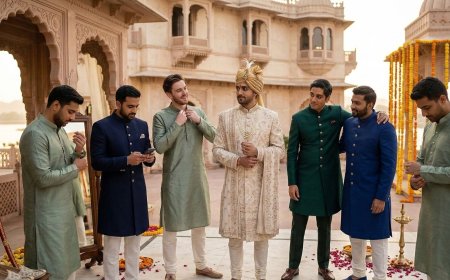
The groomsman who took the emergency call at eleven the night before the wedding when the sherwani alteration had gone wrong. Who organized the bachelor trip and the morning-of shots and who stood at the mandap for four hours in a silk kurta in thirty-seven degree heat without complaining and whose speech at the reception made the groom's mother cry in the specific way that only the perfect speech produces.
These people deserve to be gifted with the same care they gave. Not a token. Not a standard. A gift that is specifically for them — that reflects the specific knowledge the couple has of who they are, what they love, and what their presence at the wedding meant.
This guide provides the framework for getting it right.
The Western Bridesmaid and Groomsmen Gift Tradition
What the Western Tradition Involves
The Western bridesmaid and groomsmen gift tradition is well-established, commercially extensive, and — at its worst — one of the most reliably disappointing gift categories in existence.
The tradition: the couple gives each member of the wedding party a gift, typically presented at the rehearsal dinner or at a dedicated bridesmaid/groomsmen gathering in the days before the wedding. The gift is a thank-you for the wedding party's participation and a keepsake of the occasion.
The reality of the standard Western wedding party gift — the monogrammed robe, the personalized tumbler, the "will you be my bridesmaid" box that was charming the first time and has since been received by approximately forty percent of women in their thirties — is that it has become a commercial category whose products have been optimized for Instagram rather than for the specific person receiving them.
The bridesmaid who receives her fourth personalized robe in three years has been given a gift whose primary function is to photograph well in the getting-ready shots rather than to be genuinely meaningful to her specifically. The groomsman who receives the standard "team groom" kit — the hip flask, the socks, the card — has been given a gift that was assembled from a product category rather than chosen for him.
The Western tradition's specific failure is the commodification of the personal — the replacement of the specific, thoughtful gift with the category gift that reads as personal because it is personalized without being actually personal.
What the Western Tradition Does Well
The structure of the Western bridesmaid and groomsmen gift tradition is genuinely good even when the execution is generic. The dedicated gifting moment — the private gathering of the wedding party before the wedding events begin, where the couple expresses specific gratitude to each person for their specific contribution — creates a relational intimacy that the Indian wedding tradition does not always provide in the same structured form.
The getting-ready morning gift — something practical and beautiful that the bridesmaid uses on the wedding day itself — creates a specific connection between the gift and the occasion that a post-wedding gift does not have.
The personalization instinct — the desire to give something that is specifically for this person rather than generically appropriate — is exactly the right instinct, even when it is executed through monogramming rather than through genuine specific knowledge of the recipient.
The Indian Wedding Party Gift Tradition
The Context: Indian Wedding Parties Are Different
The Indian wedding party — if the concept maps onto the traditional Indian wedding at all — operates differently from its Western equivalent in ways that affect the gift tradition.
The traditional Indian wedding does not have the formalized wedding party of the Western convention — the specific group of bridesmaids in matching dresses, the groomsmen in coordinated suits, the roles assigned and the responsibilities formal. What it has instead is the extended family network — the cousins and siblings and family friends who fill specific ceremonial roles, who organize the pre-wedding events, who participate in the ceremony in specific ways that are assigned by relationship rather than by formal selection.
The specific ceremonial roles — the brides' brothers who carry the doli, the groom's sisters who perform specific teasing ceremonies, the female cousins who coordinate the mehendi, the male cousins who manage the baraat — are gifts of participation that carry relational meaning within the family structure rather than the selected, formal gifting of the Western wedding party.
For NRI couples who have assembled a formal wedding party in the Western convention — a selected group of bridesmaids and groomsmen who have taken on specific responsibilities in the Western mode — the gift tradition has both Indian and Western elements to draw from.
The Traditional Indian Gifts for Wedding Party Members
The Indian tradition of gifting wedding party members and family participants draws from the broader Indian gift tradition — the specific items that are given to mark significant occasions and express specific relational gratitude.
Sarees and fabric: The gifting of a saree or a length of fabric — particularly to the female family members and close friends who have participated in the wedding ceremonies — is one of the most classic Indian forms of expressing gratitude and affection. The saree as a gift is not simply an object. It is a specific cultural act — the giving of something that will be worn on important occasions, that the recipient will think of the giver when she wears, that carries the specific aesthetic identity of the giver's taste and care in its selection.
The saree gift for an NRI bridesmaid is particularly resonant because of the specific context of its giving: a woman who has traveled internationally to participate in an Indian wedding, who has worn Indian attire at multiple events, who has been immersed in a cultural tradition that may be partly hers or entirely new — receives a saree that is a specific invitation to carry this tradition forward into her life after the wedding.
Jewelry: The gifting of jewelry — particularly pieces that are connected to the wedding's aesthetic or the couple's cultural heritage — is a traditional form of wedding party gifting in the Indian tradition. The specific piece chosen for each bridesmaid — a set of earrings in the wedding's color palette, a bangle of a specific traditional design, a necklace that connects to the regional tradition being celebrated — creates a connection between the gift and the occasion that continues every time the piece is worn.
For NRI bridesmaids who wore Indian jewelry for the wedding events, a piece of Indian jewelry that can be worn in their regular life — that bridges their Indian wedding experience and their daily life — is a gift with specific continuity.
Silk and craft items: The Indian textile and craft tradition produces gifts of extraordinary quality and cultural resonance — a piece of Banarasi silk, a Kanchipuram fabric, a piece of embroidery from the wedding's regional tradition, a craft object from the specific city where the wedding took place. These gifts carry the specific cultural identity of the tradition being celebrated and the specific place where the wedding happened.
Personalized traditional items: The combination of the Western personalization instinct and the Indian craft tradition — a personalized piece of traditional Indian craft, an item that combines the recipient's name or initials with a traditional Indian decorative vocabulary — creates a gift that is both specifically personal and specifically cultural.
The Ceremony of Giving in Indian Tradition
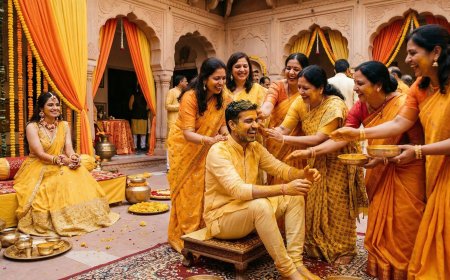
The Indian tradition of gift-giving to wedding participants is often embedded in the ceremony itself rather than separated from it in a dedicated gifting moment. The saree given to the bridesmaid at a specific ceremony moment — presented by the mother of the bride as part of a welcoming ritual, or given at the end of the mehendi as a formal expression of gratitude — is given within the relational and ceremonial framework rather than at a private pre-wedding gathering.
For NRI couples, this embedded ceremony of giving is worth preserving when it is available — because the gift given within a ceremony moment carries the ceremony's meaning alongside its own. The saree presented at the mehendi is not simply a saree. It is the specific thank-you that the wedding ceremony witnessed.
The NRI Synthesis: Gifts That Draw From Both Traditions
The most meaningful bridesmaid and groomsmen gifts for NRI weddings are those that draw from both traditions — that have the structural thoughtfulness and the personal specificity of the Western tradition and the cultural rootedness and material quality of the Indian tradition.
The Gifts That Work
The curated Indian experience: An experience that connects the bridesmaid or groomsman to the specific cultural tradition being celebrated — a private saree draping session with a skilled draper, a mehendi application by the wedding's mehendi artist on a dedicated morning, a private guided tour of the wedding city with the couple's personal recommendations built in. The experience gift in the Indian wedding context creates a specific memory of the place and the occasion that an object cannot produce.
The textile and wear: A piece of Indian textile that is genuinely beautiful and genuinely wearable — not the obviously Indian garment that has no place in the bridesmaid's regular wardrobe, but the piece of craft or fabric or accessory that bridges the wedding context and the everyday context. The Pashmina shawl. The silk scarf. The embroidered clutch that works as well at a London dinner party as at an Indian wedding. The piece of Bidriware jewelry whose beauty is recognized outside the Indian cultural context as well as within it.
The regional craft object: A piece of craft from the wedding city or region — specifically chosen, from a genuine craftsperson rather than a tourist shop, with a note that explains the craft tradition it represents. The blue pottery piece from Jaipur with a note about the tradition. The Dhokra metal figure from Chhattisgarh with a note about the lost wax casting process. The Madhubani painting from Bihar with a note about the women who paint them. The craft object becomes a piece of the wedding's story that the recipient carries home.
The personalized Indian piece: A piece of Indian jewelry or Indian craft that has been personalized with the recipient's name, initials, or a specific meaningful element in the design. The bangle with the recipient's name engraved in Devanagari script. The brass bookmark with an initial in a traditional Indian typeface. The personalization is specifically personal rather than generically personalized — it requires knowing the recipient well enough to choose the right piece to personalize.
The box of specific things: Not the generic gift box assembled from a gift category, but the specific collection of things that are each specifically chosen for this specific person. The bridesmaid who loves tea gets the Darjeeling first flush from the specific estate the couple discovered on their pre-wedding trip to the region. The groomsman who is a watch enthusiast gets the antique pocket watch found at a specific market in the wedding city. The collection communicates knowledge of the specific person — the most powerful signal available in any gift.
The Timing: When to Give
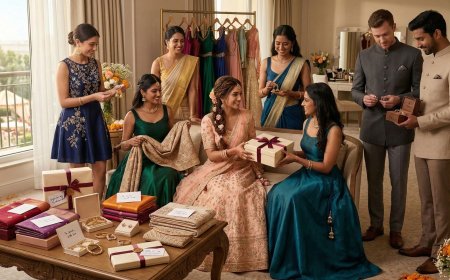
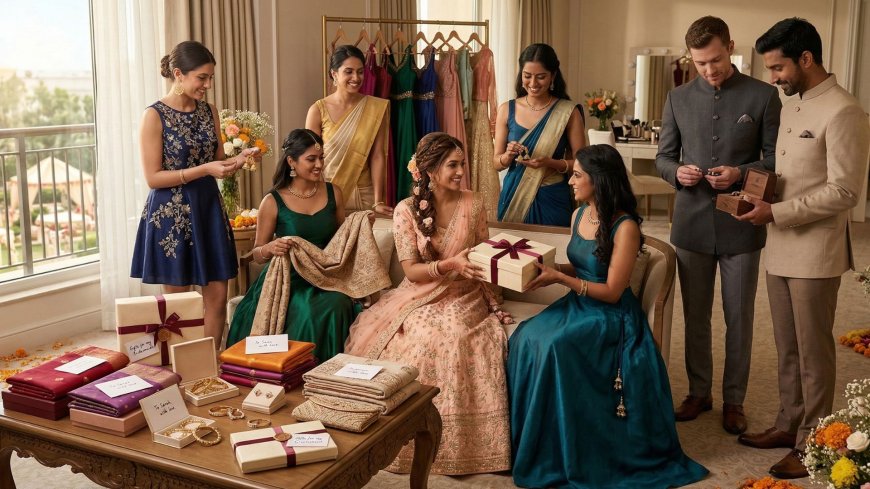
The pre-wedding gathering: The dedicated pre-wedding gathering — the intimate dinner or morning gathering that the couple hosts for the wedding party before the events begin — is the most appropriate moment for the main gift presentation. This moment is private enough to be genuinely personal, early enough in the wedding sequence that the gift can be used or worn during the wedding events, and intimate enough that the couple's specific expression of gratitude to each person can be genuine rather than public performance.
For NRI weddings, this gathering is often the first occasion on which the international wedding party members — who may have arrived from multiple countries — are assembled together in the same room. The gift presentation at this gathering creates a specific communal moment that the wedding party carries into the events that follow.
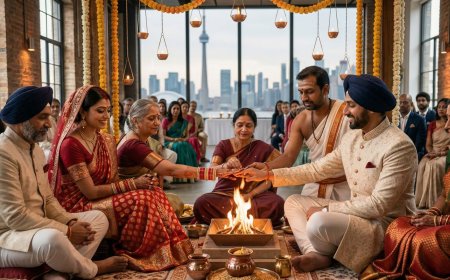
The ceremony moment: For gifts that are specifically connected to the ceremony — the saree presented at the mehendi, the jewelry given at a specific blessing ritual — the ceremony moment is the right time, embedded in the occasion's meaning rather than separated from it.
The post-wedding gift: For gifts that are too large or too fragile to give during the wedding weekend — or for couples who want to give the wedding party a specific keepsake that requires time to produce — the post-wedding gift, mailed or delivered within a month of the wedding, is entirely appropriate and sometimes more meaningful than the wedding-weekend gift because it arrives at a moment when the recipient's memory of their participation is vivid but the intensity of the occasion has passed.
The Budget: What Is Appropriate
The budget for wedding party gifts is one of the most consistently under-calibrated elements of the NRI wedding's gift planning — because the wedding party's contribution is consistently under-valued in financial terms even when it is well-valued in relational terms.
The bridesmaid who has spent two thousand pounds on flights, accommodation, and outfits for the wedding weekend — who has given multiple weekends to planning and rehearsal — has made a financial and personal investment that the fifteen-pound gift bag does not acknowledge appropriately.
The appropriate budget for wedding party gifts scales with the wedding party member's investment — both financial and personal — in the wedding. For members who have traveled internationally and contributed significantly to the planning, the gift budget should reflect that significance. For local members whose contribution was smaller, a more modest gift is still appropriate but the gap should not be embarrassing.
The specific numbers vary by context and by the couple's financial situation, but the guiding principle is: the gift should be generous enough that the recipient feels genuinely valued rather than perfunctorily thanked.
The Specific Person: The Most Important Variable
The entire framework above — the Indian tradition, the Western tradition, the NRI synthesis, the timing, the budget — is secondary to the single most important variable in any wedding party gift: the specific person receiving it.
The best wedding party gift is not the most expensive gift from the most respected craft tradition presented at the most ceremonially significant moment. It is the gift that demonstrates specific knowledge of the specific person — that tells them, in the specific language of the chosen object, that the couple paid attention to who they are and chose accordingly.
The bridesmaid who has spent years talking about wanting to learn to cook Indian food receives a morning cooking class with a local chef arranged for the morning after the wedding — and carries that experience home alongside her memory of the wedding itself. The groomsman who has admired the couple's art collection for years receives the small piece by a local artist that the couple found specifically for him at a gallery in the wedding city. The bridesmaid who has always felt slightly disconnected from her Indian heritage receives the saree and a note from the bride that says something true about what it means to share this heritage with her.
These gifts are not expensive to produce. They are expensive in the specific currency that genuinely good gifts require: attention, knowledge, and the willingness to think about the specific person rather than the category of person.
The wedding party members who made the wedding possible were specific people who gave specific things. The gift that honors them is the gift that is as specific as what they gave.
The Note: What No Object Can Replace
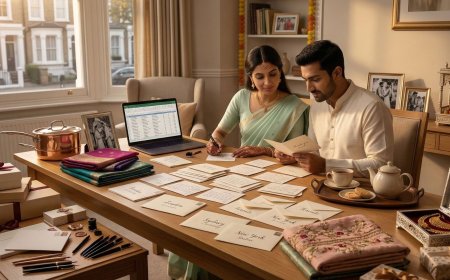
Every wedding party gift, regardless of its form or its cost, should be accompanied by a handwritten note — a personal, specific, genuine expression of the couple's gratitude for the specific contribution the wedding party member made.
Not the printed card with the couple's names at the bottom. Not the generic thank-you that could have been written for any of the fifteen bridesmaids. The specific note that references the specific moment — the emergency call at eleven the night before the wedding, the sangeet choreography learned via WhatsApp, the right thing said in the car on the way to the ceremony — and that tells the person receiving it that their specific presence and their specific contribution has been specifically seen.
The handwritten note is the gift that no object can replace. The object is the delivery mechanism for the note's specific message: I saw you. I am grateful for you specifically. You made a difference that I will not forget.
Write the note first. Choose the object to accompany it.
NRIWedding.com — Expert guidance for Indian weddings planned across borders.
What's Your Reaction?
 Like
0
Like
0
 Dislike
0
Dislike
0
 Love
0
Love
0
 Funny
0
Funny
0
 Angry
0
Angry
0
 Sad
0
Sad
0
 Wow
0
Wow
0