


























































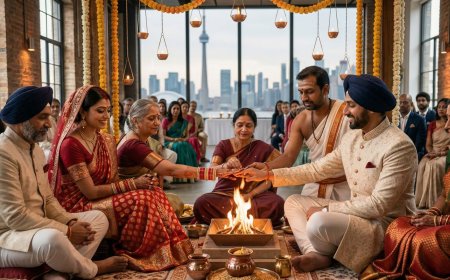



The Food Moment Everyone Talks About the Next Morning: The NRI Couple's Complete Guide to Midnight Snacks at Indian Weddings
The pav bhaji cart that appeared at midnight. The Maggi station nobody expected. The fresh jalebi that stopped the dance floor. Midnight snacks at Indian wedding celebrations are the most underplanned and most remembered food moments of the entire wedding weekend — and for NRI couples hosting multi-day celebrations with guests from across the world, getting this right matters more than most couples realize. This guide covers every midnight snack format, event-by-event recommendations, international guest accessibility, timing strategy, and the caterer briefing that turns a late-night provision into the story every guest tells the next morning.

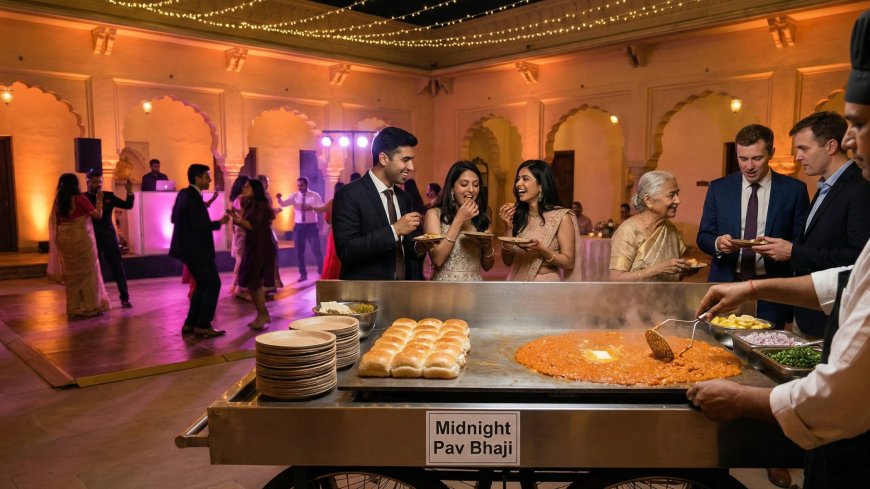
Nobody Saw It Coming. Everyone Remembered It.
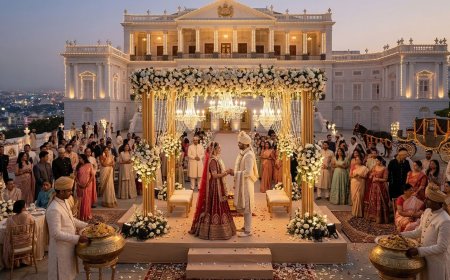
The reception had been running for four hours. The dance floor had reached that particular peak — the point where the DJ knows not to change anything, where the energy in the room has built itself into something self-sustaining and the guests are no longer thinking about anything except the music and the people around them.
And then, from somewhere near the back of the venue, a smell arrived before any announcement did.
Warm bread. Spiced potato. The particular combination of cumin and coriander that means one specific thing to anyone who grew up eating Indian street food.
The pav bhaji cart had appeared.
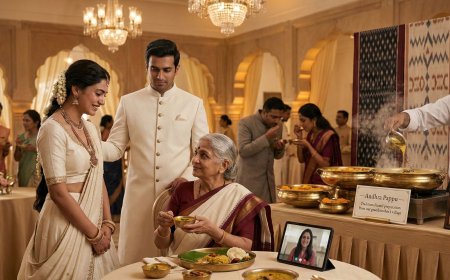
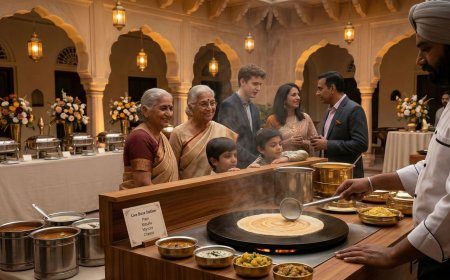
Nobody had formally announced it. The catering team had simply set it up — the large vessel of thick, spiced vegetable mash, the butter melting on the hot griddle, the soft bread rolls warming alongside — and the smell did the rest. Within minutes, the dance floor had partially relocated itself around the cart. People who had eaten a full dinner two hours earlier were discovering that they were, in fact, hungry again. The energy that had been channeled into dancing found a new expression in the particular joy of eating something simple and hot and familiar at midnight.
The couple had spent more time planning the main dinner menu than any other food element of the wedding. The midnight snack had been added almost as an afterthought, a suggestion from the caterer in the final planning meeting.
It was the food moment every guest mentioned first when they described the wedding.
Why the Midnight Snack Is the Most Underplanned Meal of the Wedding Weekend
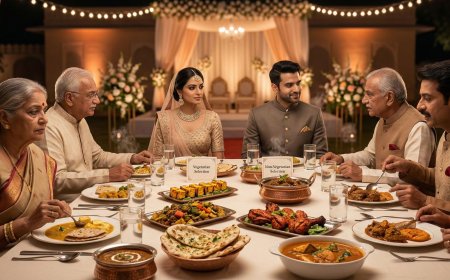
Multi-day Indian wedding celebrations produce a specific physical and social rhythm that most catering plans do not account for adequately. Guests arrive at afternoon ceremonies already managing the accumulated energy of travel, family reunions, and the emotional weight of witnessing significant life events. They eat dinner at a formal reception that is as much performance and ceremony as it is meal. They dance for hours. And somewhere around eleven o'clock or midnight, the combination of physical exertion, emotional intensity, and the sustained social output of a large gathering creates a specific kind of hunger — not the polite appetite that preceded the dinner service, but a more honest, less self-conscious hunger that wants something real and immediate.
This is also, typically, the point in the reception where the formal constraints of the evening have relaxed. The speeches are done, the family photographs are complete, the rituals are finished. What remains is the pure, unstructured pleasure of the celebration — dancing, conversation, the particular quality of connection that happens between people who have spent a significant portion of the day together in emotionally charged circumstances.
Food at this moment does not need to be elaborate. It needs to be immediate, satisfying, warm, and ideally connected to the pleasure of shared informality. It needs to feel like something different from the dinner service — less formal, more spontaneous, more directly pleasurable.
For NRI couples whose wedding guests have traveled from multiple countries and are experiencing the full physical and social intensity of a multi-day Indian wedding, the midnight snack is not a catering afterthought. It is a hospitality gesture that arrives at exactly the moment when the guests most need it and are most primed to appreciate it.
The Principles That Make Midnight Snacks Work
Before specific ideas, the design principles that determine whether a midnight snack moment succeeds or merely adds to the catering bill.
Contrast With the Dinner Service
The midnight snack should feel like a different food experience from the formal dinner — different format, different register, different visual language. If the dinner was an elaborate buffet with multiple preparations, the midnight snack should be simple, singular, and direct. If the dinner was served plated and formal, the midnight snack should be hand-held and casual. The contrast is what makes the midnight snack feel like an event within the event — a shift in gear that re-energizes the celebration.
Street Food Sensibility
The most successful midnight snack formats draw from the Indian street food tradition — food that is immediate, unpretentious, deeply flavorful, and consumed standing up without ceremony. This is not the place for elaborate presentations or formal service. It is the place for the food that people reach for when formality has left the room and genuine appetite has arrived.
The Surprise Element
A midnight snack that is announced and expected produces a moderate response. A midnight snack that appears without formal announcement — signaled only by its smell, or by the sudden appearance of a cart that was not there before — produces the dosa station moment. The element of surprise amplifies the pleasure of the food itself, because it arrives at a point when guests have stopped expecting anything more from the evening.
Work with your caterer and coordinator to time the midnight snack appearance at a natural pause in the reception energy — not during the dance floor peak, but at the moment just after it, when the energy is looking for its next expression.
Variety Across the Wedding Weekend
For multi-day celebrations, the midnight snack should be different on each night. Guests who attended the sangeet, the wedding ceremony, and the reception across three days have already eaten three formal meals and a range of appetizers. The midnight snack across each night should feel specific to that event and distinct from the previous nights — not a repeated provision that loses its surprise value.
The Ideas: By Format and Event Night
Night One: Sangeet
The sangeet is typically the most energetic, youngest-demographic event of the wedding weekend — a celebration defined by performance, music, and dancing that often runs later than any other event. The midnight snack here should match this energy.
Pav Bhaji Cart
The classic choice for the sangeet midnight moment — thick, spiced vegetable mash, butter-finished on the griddle, served with soft bread rolls and a wedge of lemon. It is immediately recognizable, universally beloved across Indian backgrounds, and produces the specific pleasure of something hot and comforting appearing when the body has been dancing for hours.
The cart format is important — the visible griddle, the bubbling bhaji, the butter sizzling as it hits the hot surface — because the theatre of the preparation is as much a part of the experience as the eating. Brief your caterer that the pav bhaji should be made fresh on the cart rather than prepared in advance and transported, because the live production is what creates the moment.
Vada Pav Station
Mumbai's defining street food — a spiced potato fritter inside a soft bun with an aggressive green chutney and a dry garlic chutney — translates extraordinarily well to a wedding midnight snack. It is small enough to eat while standing and holding a conversation. It is spiced in a way that wakes up the palate after hours of dancing. And for guests from Mumbai or with Mumbai connections, it carries a specific nostalgic resonance that produces genuine joy.
A vada pav station also works exceptionally well for international guests — the format is familiar enough (a bun with a filling) to be immediately approachable, and the specific flavors are distinctive enough to be memorable.
Mini Frankie Counter
The Frankie — a spiced filling rolled into a thin paratha with egg or without, finished with sauces and served immediately — is one of the most adaptable midnight snack formats for a mixed guest demographic. The fillings can be varied to accommodate different dietary preferences. The format is hand-held and immediate. And the production — the rolling and filling and cutting happening in front of guests — creates the live station engagement that drives the social moments.
Night Two: Wedding Ceremony Dinner
The main wedding dinner is the most formal meal of the weekend. The midnight snack that follows it should be the clearest contrast — something that signals the shift from ceremony to celebration, from formality to the pleasure of the night's later hours.
Kulcha and Amritsari Chole
Fresh kulcha — the stuffed, baked flatbread specific to the Amritsari tradition — served with deeply spiced chickpea curry is one of the most satisfying midnight food moments available at an Indian wedding. The combination of the warm, slightly crisp bread and the thick, complex chole produces a quality of comfort that is different in register from the formal dinner that preceded it.
The production of kulcha, if a small tandoor or oven is available, creates the same theatre as any live station. If the venue cannot accommodate live bread production, freshly made kulcha transported in sealed containers and opened at the station retains enough warmth and texture to deliver the experience.
Maggi and Chai Station
This suggestion consistently surprises couples who hear it and consistently delights guests who encounter it. Maggi — the two-minute noodle that occupies a specific nostalgic place in the food memory of every Indian who grew up in the last thirty years — served fresh and hot, with optional toppings, alongside proper masala chai, is perhaps the single most effective midnight snack for a guest list with significant NRI representation.
The Maggi station operates at a completely different register from every other food element of the wedding weekend. It is deliberately informal, deliberately nostalgic, deliberately anti-ceremonial. For guests who have spent three days in the carefully orchestrated grandeur of a significant Indian wedding, the appearance of Maggi at midnight triggers a specific joy — the pleasure of something completely unpretentious appearing in a completely pretentious context.
For international guests who are unfamiliar with Maggi's cultural significance, the chai is the entry point — universally accessible and immediately comforting at the end of a long and emotionally full day.
Noodle and Fried Rice Wok Station
For wedding weekends with a significant international guest demographic or younger guest population, a live wok station — producing Indo-Chinese fried rice, hakka noodles, and crispy preparations — provides a midnight snack that speaks to the specific NRI culinary identity: food that sits at the intersection of Indian and Chinese influence, that is technically neither but culturally both, and that is deeply familiar to anyone who grew up ordering from a Chinese-Indian restaurant on a Friday night.
Night Three: Reception and Post-Wedding Celebration
Chole Bhature
The combination of spiced chickpea curry and deep-fried bread is rich, filling, and intensely satisfying — the kind of food that feels like it was made specifically for the late hours of a celebration. Chole bhature as a midnight snack carries the same nostalgic resonance as pav bhaji but with a specifically North Indian cultural identity that works particularly well at weddings with predominantly Punjabi or North Indian family backgrounds.
Uttapam and Coconut Chutney
For a reception following a wedding with South Indian family roots, a live uttapam station — the thick, soft, topped rice pancake cooked fresh on a tawa — with fresh coconut chutney and sambar provides a midnight snack moment that is simultaneously comforting, culturally specific, and accessible to guests of any background.
Paratha and White Butter
The simplest and potentially most emotionally resonant midnight snack option: fresh, hot paratha — plain or stuffed, the decision determined by the family's regional background — with churned white butter and a small bowl of achaar. No theatre required. No elaborate presentation. Just good bread, properly made, served immediately from the griddle with the kind of unhurried generosity that defines Indian hospitality at its most direct.
International Guest Adaptations
For NRI couples with significant international guest populations, certain midnight snack formats work more naturally than others as cross-cultural experiences.
The hand-held formats — pav bhaji, vada pav, frankie, paratha — are the most accessible because the eating format is familiar even when the specific food is not. A guest who has never encountered vada pav can eat it without instruction; the format tells you what to do even when the flavors are new.
The dessert-adjacent midnight snacks — fresh jalebi with rabri, gulab jamun served warm, or a halwa made live — provide a sweet, comforting ending to the evening that requires no cultural context to appreciate. Warm, sweet, immediately pleasurable food needs no explanation.
Brief your station attendant to offer a single sentence of introduction to each international guest who approaches — "this is Mumbai street food, bread with spiced potato, eat it in one or two bites" — which transforms an unfamiliar encounter into a guided discovery.
At a Glance: Midnight Snack Ideas by Event and Guest Profile
| Midnight Snack Option | Best Event Night | Dietary Accommodation | International Guest Appeal | Setup Complexity | Cultural Identity |
|---|---|---|---|---|---|
| Pav Bhaji Cart | Sangeet | Vegetarian, adaptable vegan | Very high — comfort format | Low-medium | Mumbai street food |
| Vada Pav Station | Sangeet | Vegetarian | High — familiar format | Low | Mumbai iconic |
| Mini Frankie Counter | Sangeet, reception | Veg and non-veg options | High — wrap format | Medium | Mumbai street food |
| Kulcha and Chole | Wedding night | Vegetarian | Medium-high | Medium | Punjabi / Amritsari |
| Maggi and Chai Station | Wedding night | Vegetarian, adaptable vegan | Medium — chai universal | Low | Pan-Indian nostalgic |
| Indo-Chinese Wok Station | Reception | Veg and non-veg | Very high — familiar flavors | Medium-high | NRI culinary identity |
| Chole Bhature | Reception | Vegetarian | Medium | Low-medium | North Indian |
| Uttapam and Chutney | Reception | Vegetarian, gluten-free | High — pancake format | Medium | South Indian |
| Plain Paratha and White Butter | Any night | Vegetarian | Medium-high | Low | Pan-Indian comfort |
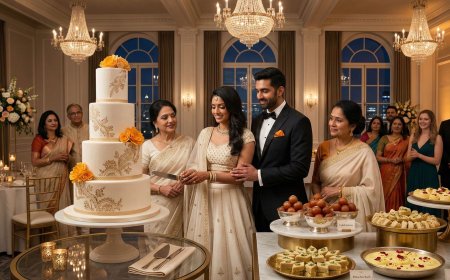
| Fresh Jalebi and Rabri | Any night | Vegetarian | Very high — sweet universal | Medium | Pan-Indian dessert |
| Masala Corn Counter | Sangeet, cocktail hour | Vegetarian, vegan, gluten-free | Very high | Low | Pan-Indian street food |
| Dahi Puri Counter | Sangeet | Vegetarian | High with guidance | Low | Mumbai chaat |
The Late Night Sweet Moment
The midnight snack conversation at Indian weddings tends to focus on savory options — the street food formats, the comfort carbohydrates, the spiced preparations. The late-night sweet moment is underused and worth specific consideration.
Fresh jalebi — made live, eaten hot, dipped in rabri — is the most obviously theatrical option and the one that produces the most reliable response. The sight of jalebi being made is arresting, the smell is immediately evocative, and the eating is an uncomplicated pleasure.
For weddings with a winter date, a live halwa station — gajar halwa or moong dal halwa made fresh and served warm in small portions — provides a specific seasonal comfort that no other sweet preparation replicates. The warmth of halwa eaten on a cold wedding night in January in Jaipur or Delhi is a sensory memory that stays specific and attached to the occasion.
For summer or warm-weather receptions, the kulfi counter moves from its position as a dessert station into the midnight snack category — cold, sweet, and immediately refreshing after hours of dancing in warm air.
Working With Your Caterer on Midnight Snacks
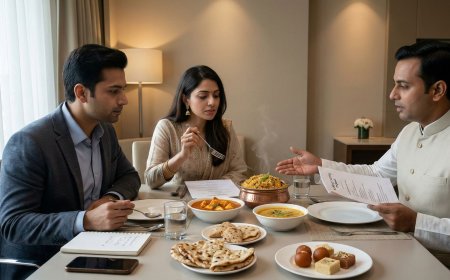
The midnight snack is the element of the catering plan that many Indian wedding caterers treat as a minor afterthought — an add-on that receives proportionally less planning attention than the main course spread. For NRI couples who understand the value of this moment, the conversation with your caterer needs to establish that this is a priority rather than a supplement.
Specify the timing precisely. The midnight snack should not appear before eleven-thirty. It should not appear after one in the morning. The window of maximum impact is the hour between midnight and one, when the dancing energy has reached its second peak and the guests who have been celebrating for hours are the most receptive to the specific comfort of late-night food. Brief your coordinator on the timing and ask them to signal the catering team rather than leaving the decision to the catering team's judgment on the night.
Specify the surprise element explicitly. Tell your caterer that you do not want the midnight snack announced from the stage. You want it to appear — to be set up and ready and to make itself known through smell and sight before any formal signal. This requires coordinating between the coordinator and the catering team and ensuring the station setup happens quickly and quietly enough to preserve the discovery moment.
Request live preparation for at least the primary snack option. The difference between a midnight snack that is produced live in front of guests and one that was prepared in the kitchen and transported to the station is the difference between a moment and a transaction.
The Economics of the Midnight Snack
The midnight snack is among the best-value food investments available at an Indian wedding, measured by the ratio of guest impact to cost.
Street food formats — pav bhaji, vada pav, Maggi, masala corn — involve ingredients that are among the least expensive in the catering budget. The cost per guest of a well-executed pav bhaji cart is a fraction of the cost per guest of the formal dinner service. And the memory it creates — the specific, personal, sensory memory of eating something simple and hot and familiar at midnight surrounded by people you love — is not proportional to that cost.
The investment is not in the ingredients. It is in the execution — the live production, the right timing, the proper brief to the catering team, the specific decision to treat this as a moment worth designing rather than a provision worth economizing on.
That distinction — between economizing and designing — produces the difference between a midnight snack that nobody remembers and a pav bhaji cart that becomes the story every guest tells when they describe your wedding.
The Story They Tell the Next Morning
There is a conversation that happens at every Indian wedding breakfast — the morning after the main reception, when the extended family and the out-of-town guests gather over chai and reassemble the previous night from multiple perspectives and memories.
This conversation is how the wedding's food moments get ranked. What was the highlight. What surprised them. What they would eat again immediately if it were available. What they told their partner about on the drive back to the hotel.
The midnight snack wins this conversation with a reliability that the formal dinner — regardless of how excellent it was — rarely matches. Because the midnight snack arrives when all the formality is gone and all the genuine appetite remains. Because it is usually street food or comfort food or something nostalgic. Because it comes as a surprise.
Because someone decided, sometime during the planning process, that it was worth thinking about.
Plan the midnight snack with the same intention you bring to the main dinner. Think about the contrast, the timing, the surprise, the format. Think about who your guests are and what will make them stop dancing for twenty minutes and stand around a cart together eating something simple and hot.
And then watch what happens the next morning, over chai, when they start telling each other about it.
NRIWedding.com — Expert guidance for Indian weddings planned across borders.
What's Your Reaction?
 Like
0
Like
0
 Dislike
0
Dislike
0
 Love
0
Love
0
 Funny
0
Funny
0
 Angry
0
Angry
0
 Sad
0
Sad
0
 Wow
0
Wow
0