















































The Full Sequence: The NRI Family's Complete Guide to Planning a Punjabi Wedding Across Every Custom and Celebration
A Punjabi wedding is not one wedding — it is seven or more distinct events, each with its own customs, community expectations, ritual requirements, and specific contribution to one of India's most exuberantly generous wedding cultures. This guide gives NRI Punjabi families a complete framework covering every event from the Roka and Kurmai through the Chooda, Maiya, Mehendi, Sangeet, Baraat, Milni, Anand Karaj, and post-wedding customs including the Pag Phera — with honest guidance on community expectations, guest list management, budget conversations, the adaptations that work and those that create cultural friction, and the specific logistical challenges of planning this extraordinary sequence from abroad.

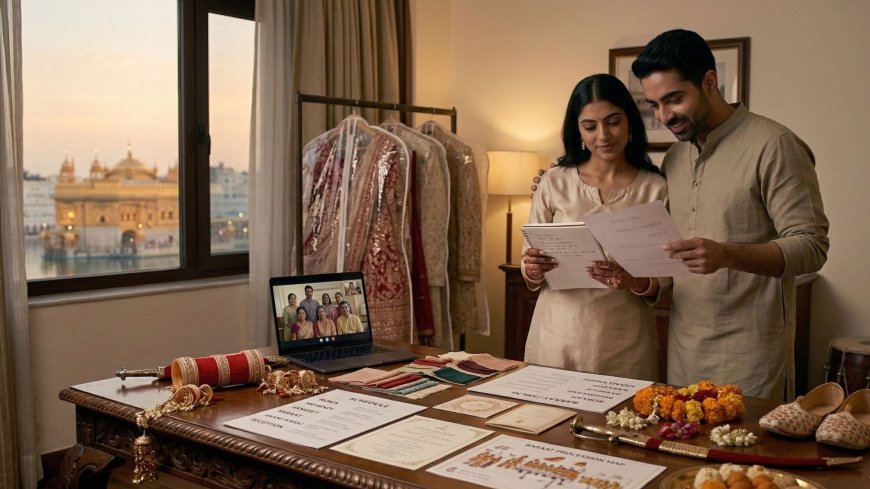
Planning a Punjabi Wedding as an NRI: Customs and Expectations
The complete guide for NRI Punjabi families navigating the full sequence of customs, community expectations, and celebratory traditions that define one of India's most exuberantly generous wedding cultures — from abroad
The Punjabi Wedding Is Not One Wedding. It Is Seven
The first thing to understand about planning a Punjabi wedding as an NRI is that the phrase "planning a Punjabi wedding" significantly understates what is actually being planned.
A Punjabi wedding in its full traditional expression is not a single event with pre-wedding celebrations attached. It is a sequence of seven or more distinct events, each with its own customs, its own ritual requirements, its own guest expectations, its own food programme, and its own specific contribution to the overall celebratory arc that Punjabi wedding culture has developed across centuries of extraordinary hospitality.
The Roka. The Shagan. The Kurmai. The Chunni ceremony. The Chooda. The Mehendi. The Maiya or Vatna. The Sangeet. The Ghara Gharoli. The Baraat. The Milni. The Anand Karaj or the Hindu ceremony depending on the family's religious tradition. The reception. The Pag Phera. The Mukhlawa.
Each of these events is real. Each has its own customs. Each, in a traditional Punjabi family, comes with specific expectations about how it should be conducted, who should be present, what should be served, and what standard of hospitality it should reflect.
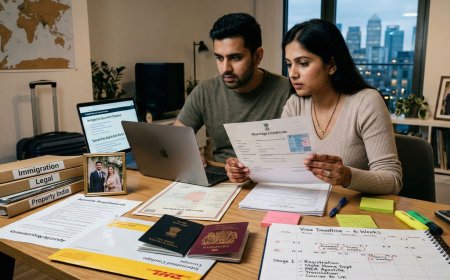
The NRI Punjabi family planning this wedding from Toronto or London or Sydney is planning this sequence from a distance of several thousand miles, with the specific complication that the community whose expectations must be met is in Punjab or in the diaspora community of whichever city the family is embedded in, and with the time constraints of a visit to India that must accomplish everything across a finite number of days.
This guide gives you the framework to navigate all of it.
Understanding Punjabi Wedding Culture: The Values That Drive the Customs
Before the event-by-event planning, an understanding of the specific cultural values that animate Punjabi wedding customs — because these values are the logic beneath every specific expectation, and understanding them makes the expectations navigable rather than arbitrary.
Hospitality as Identity
Punjabi culture's relationship with hospitality — with the specific generosity of feeding people abundantly, receiving people warmly, and ensuring that no guest leaves feeling anything other than genuinely celebrated — is not simply a social convention. It is a core cultural value that is expressed most fully at weddings.
The Punjabi wedding's legendary scale — the guest lists that extend into the hundreds and sometimes beyond a thousand, the food programme that ensures nobody goes hungry and most people eat more than they intended, the specific hospitality of the baraat reception where the groom's family is received with a generosity designed to make them feel honored — all arise from this fundamental value.
For NRI families planning from abroad, understanding that the scale and generosity of the wedding is not simply about appearances but about genuine cultural expression — about the family's specific way of expressing love and welcome — makes the scale decisions more navigable. The question is not "do we need this many guests" but "how do we honor this cultural value within the practical constraints of our specific situation."
Community and Belonging
Punjabi wedding culture is fundamentally communal in its orientation. The wedding is not simply a celebration of the couple — it is a community event that marks the couple's transition into a new phase within the community's social fabric. The community's presence at the wedding — the aunts and uncles and neighbors and family friends whose relationship to the couple spans decades — is not incidental to the occasion. It is part of the occasion's meaning.
For NRI families whose community is split between India and the diaspora, or concentrated in a specific diaspora city, the community dimension of the wedding creates specific decisions about where to hold the wedding, how to manage the guest list across different community sections, and how to ensure that the community whose presence defines the wedding's social meaning is actually able to be present.
Ceremony, Music, and the Specific Joy of Punjabi Celebration
Punjabi celebration culture — the dhol, the Bhangra, the specific musical tradition of Punjabi folk and the contemporary Punjabi pop that has become one of India's most globally influential musical exports — is one of the most distinctive and most joyful elements of a Punjabi wedding experience. The wedding's musical life is not background or entertainment. It is expression — the specific sound of Punjabi joy, of a community celebrating one of its own.
The dhol player who arrives for the baraat and whose playing drives the procession into a state of collective exuberance. The folk singers who perform the Suhaag songs specific to Punjabi wedding tradition. The DJ who understands that the sangeet must move through the specific musical vocabulary of Punjabi celebration before it can expand into anything else. These are not optional additions to the Punjabi wedding experience. They are the experience.
The Pre-Wedding Ceremony Sequence: What Each Event Requires
The Roka
The Roka is the first formal event in the Punjabi wedding sequence — the ceremony of mutual agreement between the two families that marks the beginning of the wedding journey. Before the formal engagement, before any public announcement, the Roka is the private family event in which both families formally commit to the match.
The Roka typically involves the exchange of gifts between the families, the application of tilak to the groom, and the sharing of sweets that formally marks the agreement. It is an intimate gathering — immediate family on both sides — rather than the more public events that follow.
For NRI families, the Roka often takes place during an India visit that is specifically timed for this purpose, or it may be adapted into a more informal family meeting that serves the same formal function without the full traditional ceremony.
The Shagan and Kurmai
The Shagan — a ceremony of blessing and gift-giving by the girl's family to the boy — and the Kurmai — the formal engagement ceremony conducted at the Gurdwara or at home — are closely related events that are sometimes combined and sometimes conducted separately depending on family tradition and logistics.
The Kurmai involves the application of tilak to the groom, the exchange of rings between the couple, and the formal blessings of both families. At the Gurdwara, it includes an Ardas and the distribution of Karah Prasad. At home, it typically involves a family puja or prayer followed by the gift exchange and celebration.
For NRI families, the Kurmai is often the event most easily combined with a family gathering during an India visit — it can be incorporated into a broader family occasion rather than requiring a standalone event trip to India.
The Chunni Ceremony
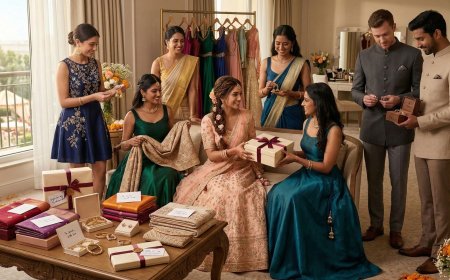
The Chunni ceremony is the event at which the groom's family formally presents the bride with a dupatta or chunni — typically in the colors of their family's tradition — along with gifts including clothes, jewelry, and sweets. The ceremony marks the formal acceptance of the bride into the groom's family and is typically attended by the women of both families.
For NRI families, the Chunni ceremony is sometimes combined with the Kurmai or the Shagan to reduce the number of standalone events required during the India visit.
The Chooda Ceremony
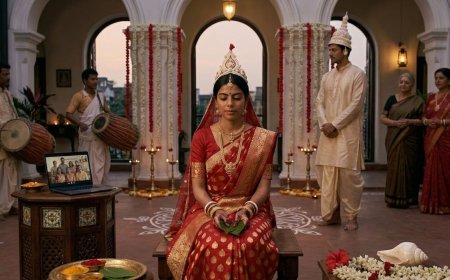
The Chooda ceremony is one of the most distinctive and most specifically Punjabi elements of the wedding sequence — the ceremony in which the bride's maternal uncle presents her with the set of red and ivory bangles that she will wear from the wedding day for a period determined by family tradition.
The Chooda is not simply a gift exchange. It is a ritual of deep emotional significance — the maternal uncle's specific role in the ceremony, the manner in which the bangles are presented and received, the specific convention that the bride should not look at the bangles before they are placed on her wrists, and the Kalire — the golden ornamental hangings attached to the bangles — that are themselves the subject of specific traditions and specific memories.
The sourcing of the Chooda deserves specific attention. The quality of the Chooda bangles varies significantly, and the specific color combination — the red and ivory that is the traditional Punjabi bridal Chooda — should be sourced from a reputable bangle maker well in advance of the ceremony. The Kalire are typically purchased separately and attached to the Chooda before the ceremony.
For NRI families, the Chooda ceremony is often combined with the Mehendi day — the two events happening in sequence or simultaneously, with the Chooda applied first and the Mehendi following. This combination is a practical NRI adaptation that maintains both traditions while reducing the number of standalone event days required.
The Maiya or Vatna
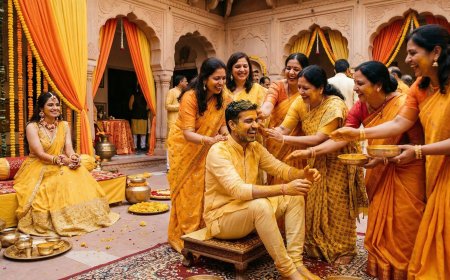
The Maiya is the Punjabi equivalent of the haldi ceremony — the application of a specific paste of flour, turmeric, and mustard oil to the bride and groom by family members, conducted separately at each family's home before the wedding.
The Maiya has specific folk songs — the Suhaag — that are traditionally sung by the women of the family during the application. These songs, which are specific to the Punjabi wedding tradition and which vary by family and by region within Punjab, are one of the most culturally distinctive elements of the Punjabi wedding experience. They are also one of the elements most at risk of being lost in the NRI context — where the older women who know the songs may not be present, or where the knowledge of the songs has not been passed down to the NRI generation.
For families who want to preserve this specific tradition, recording the Suhaag songs from older family members before the wedding and playing them during the Maiya is a meaningful act of cultural preservation that can substitute for the live singing when the singers are not available.
The Mehendi
The Mehendi event in a Punjabi wedding follows the broad structure described in the general pre-wedding celebrations guide with Punjabi-specific elements: the specific folk music of the Punjabi Mehendi tradition, the specific songs associated with this event, and the specific gathering of women that is the Mehendi's traditional social context.
The Mehendi is typically the largest of the pre-wedding events in terms of guest count — the event to which the extended family and community are invited, rather than the more intimate ceremonies that precede it.
The Sangeet
The Punjabi sangeet is one of the most elaborate pre-wedding events in any Indian regional wedding tradition — a full production evening event with choreographed family performances, live music or DJ, abundant food and drink, and the specific energy of Punjabi celebration that turns every sangeet into an event that the guests remember as one of the best evenings of their year.
The performance component is central to the Punjabi sangeet in a way that is more pronounced than in many other regional traditions. Both the bride's and groom's families prepare and present multiple choreographed performances — the uncles who learned a Bhangra routine over six weeks of weekend rehearsals, the bridesmaids who have been coordinating their performance across three countries via WhatsApp video calls, the grandmother's speech that is the most emotional moment of the entire evening.
The Punjabi sangeet also typically includes the specific tradition of the families "competing" with each other in good-natured performance rivalry — the bride's family's performances responded to by the groom's family's performances, with the gathering as appreciative audience. This tradition gives the sangeet its specific warmth — it is not simply a concert but a collective family expression of joy and creativity.
The Baraat: The Most Spectacular Event in the Punjabi Wedding
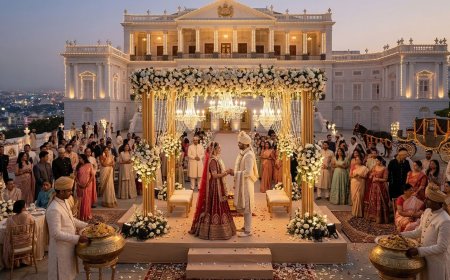
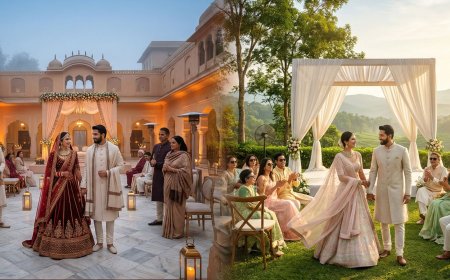
The Baraat — the groom's wedding procession — is the most visually spectacular and most culturally specific element of the Punjabi wedding tradition, and the element that most clearly expresses the specific values of Punjabi celebration culture.
The Procession
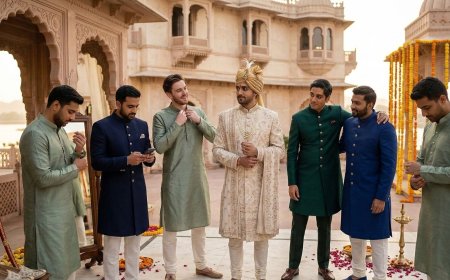
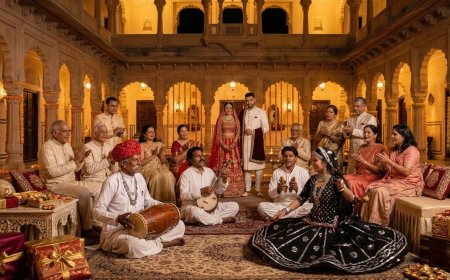
The traditional Punjabi Baraat is a procession from the groom's home or hotel to the wedding venue — a moving celebration that involves the groom on horseback or in a decorated vehicle, the male members of his family and friend group in various states of celebratory dancing, the dhol players whose music drives the procession, and the band — the traditional Punjabi band with its specific brass instruments and its repertoire of wedding songs — that provides the musical foundation for the entire event.
The dhol is non-negotiable. A Punjabi Baraat without the dhol is a significantly diminished version of the tradition. The specific sound of the dhol in the Baraat context — its rhythm, its volume, its ability to produce a specific physical response in everyone who hears it — is one of the most specifically Punjabi sensory experiences available in the wedding context.
The dancing in the Baraat is not a performance — it is participation. The uncles who have not danced in a year will dance in the Baraat. The NRI cousins who thought they were past the age of public dancing will find themselves doing something in the vicinity of Bhangra before the procession reaches the venue. This is not peer pressure. It is the specific force of Punjabi celebratory culture, which creates conditions in which dancing is the natural response to the music and the occasion.
The Milni
The Milni — the formal ceremony of welcome at the wedding venue — is the moment at which the groom's family arrives and the bride's family receives them. It is a ceremony of formal introduction and embrace between corresponding male members of both families, conducted in the presence of both family gatherings and accompanied by garlands and the distribution of sweets.
The Milni has a specific warmth and a specific formality simultaneously — the garlands placed around the necks of corresponding family members, the embraces exchanged between fathers and brothers and uncles of each family, the specific photographs of the Milni that are among the most important family record photographs of the entire wedding.
For NRI weddings, the Milni requires coordination between both families about which family members correspond to which — the specific protocol of which members of each family are paired for the garland exchange and the embrace needs to be discussed and agreed in advance.
The Wedding Ceremony: Anand Karaj and Hindu Variations
Most Punjabi families are Sikh, and the wedding ceremony is the Anand Karaj conducted at the Gurdwara or with the Guru Granth Sahib present at the wedding venue. A significant number of Punjabi families observe Hindu traditions alongside or instead of the Anand Karaj, conducting the ceremony with a Pandit according to the North Indian Hindu Vedic tradition.
The Anand Karaj has been addressed in detail elsewhere in this series. The specific Punjabi dimension of the ceremony: the Baraat's arrival at the Gurdwara as the ceremony's beginning, the specific Punjabi Sikh wedding customs around the Palla — the cloth that connects bride and groom during the Laavan — and the specific post-ceremony traditions that are specifically Punjabi even when the ceremony itself is the universal Anand Karaj.
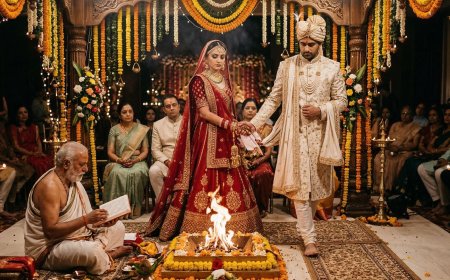
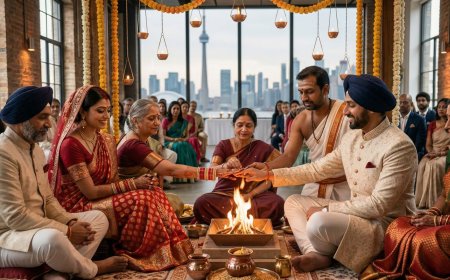
For Hindu Punjabi families, the ceremony follows the North Indian Hindu Vedic tradition with specific Punjabi customs incorporated — the Saat Pheras around the sacred fire, the Sindoor application, and the specific North Indian ritual elements that are the Hindu Punjabi family's ceremonial vocabulary.
The Reception
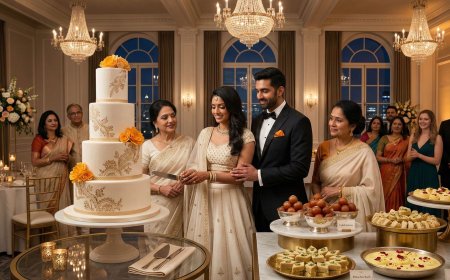
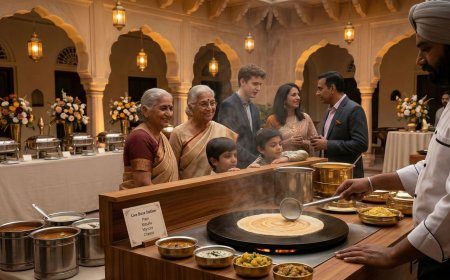
The Punjabi wedding reception is typically the largest event in the entire wedding sequence — the event with the largest guest list, the most elaborate food programme, the most produced venue dressing, and the longest duration. It is also the event where the specific Punjabi hospitality culture is most fully expressed — the abundance of the food, the generosity of the bar service, the specific warmth of a reception where every guest is made to feel that their presence is genuinely celebrated.
The food programme at a Punjabi wedding reception reflects the specific culinary tradition of Punjab — the dal makhani that has been simmering since the previous day, the tandoor bread and the butter chicken, the saag and the makki di roti that carry the specific agricultural identity of the Punjab region, the abundant mithai that arrives at every turn. The Punjabi wedding reception's food programme is an expression of the same hospitality value that drives every other element of the wedding — the specific generosity of feeding people abundantly and well.
The music programme at the Punjabi reception moves through a specific arc: the welcome music as guests arrive, the formal dinner service with its background music, the transition to the dance floor that happens after the formal dinner and that — in a well-managed Punjabi reception — produces two to three hours of dancing that everybody present remembers as genuinely extraordinary.
The Post-Wedding Customs: What Happens After
The Doli or Vidaai
The Doli — the bride's departure from her family home — is one of the most emotionally charged moments in any Indian wedding tradition and reaches its specific emotional peak in the Punjabi context, where the specific customs around the bride's departure carry the full weight of a cultural tradition that has been marking this moment for generations.
The bride throws handfuls of rice or puffed rice over her shoulder as she leaves — an act of giving back to the family that raised her, of leaving behind the abundance she received so that the family home continues to be blessed. The bride's brothers carry the doli — the palanquin, now often replaced by a decorated car — and the bride's family weeps openly in the specific grief that the Punjabi vidaai tradition honors rather than conceals.
The vidaai photographs and the vidaai videos are among the most emotionally significant documents of the entire wedding, and the photographer and videographer must be specifically briefed to be present for this moment with the sensitivity it requires.
The Pag Phera
The Pag Phera — the bride's first return to her family home after the wedding — typically takes place on the third or fourth day after the wedding and is the event that marks the formal end of the wedding sequence. The bride and groom visit the bride's family together, and the bride's family hosts them with a specific welcome that includes gifts to the groom and the first formal gathering of the extended family after the wedding.
For NRI families whose India visit may not extend to the Pag Phera date, this tradition may be adapted — conducted before the couple returns abroad, or celebrated informally during a future India visit — rather than omitted entirely.
The Mukhlawa
The Mukhlawa — the bride's formal first night at the groom's home, which in traditional practice was separated from the wedding day itself — is the custom that formally establishes the bride in her new home. The Mukhlawa is accompanied by specific customs of welcome by the groom's family, including the bride stepping over a threshold into the new home and the specific rituals that mark her arrival as a new family member.
Managing Community Expectations as an NRI Family
The Punjabi wedding community — both in India and in the diaspora — has specific expectations of how a proper Punjabi wedding should be conducted, and these expectations are communicated with the directness that is itself a Punjabi cultural characteristic. The NRI family planning a Punjabi wedding from abroad navigates the specific challenge of meeting community expectations across a distance while managing the practical constraints that distance imposes.
The Guest List Reality
The Punjabi wedding guest list is governed by a social logic that is more complex and more communally accountable than most NRI couples initially appreciate. The community invitation list — the families who must be invited because of the reciprocal invitation relationships that the family has built across decades of community life — is not simply a list of people the family likes. It is a social obligation whose terms have been established by years of attending and hosting events within the community.
For NRI families whose primary community is in the diaspora, the guest list question is specifically complex: the India-based family and community who expect to be present at the Indian wedding, the diaspora community who may be expecting a separate reception in the diaspora city, and the couple's own friends and colleagues who may come from entirely outside the Punjabi community context all create separate guest list considerations that must be managed together.
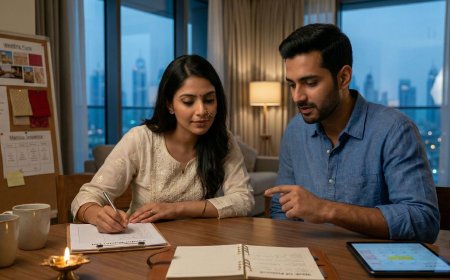
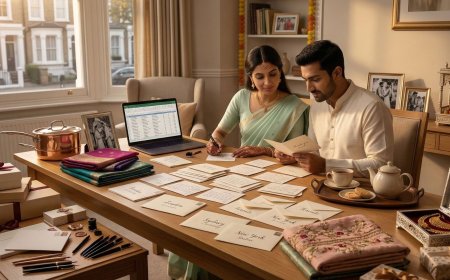
The honest guidance: the guest list conversation must happen early and explicitly — between the couple, between the two families, and with the specific community obligations of each family understood and accounted for. The NRI family that assumes the India wedding will be small because they are planning it from abroad often discovers that the community obligation guest list for Punjab alone is larger than they anticipated.
The Budget Conversation
The Punjabi wedding's cultural orientation toward abundance and generosity creates specific budget pressures that are proportional to the gap between what the family's community expects and what the family's specific financial situation can comfortably support. This gap is the source of the most common and most painful Punjabi wedding planning conflicts.
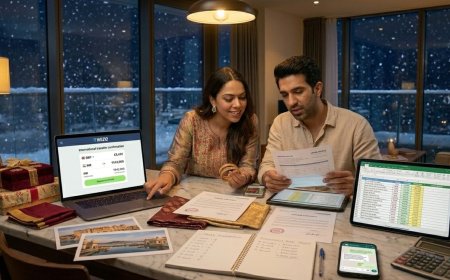
The explicit budget conversation — what the family can genuinely afford, what the couple is able to contribute, what the respective families are willing and able to provide, and what trade-offs between scale and quality the budget requires — must happen before the planning begins rather than after commitments have been made that the budget cannot support.
The specific Punjabi cultural pressure around not being seen to cut corners — not being the family whose wedding was inadequate by community standards — is real and creates genuine financial decisions that cannot simply be dismissed as superficial concerns. But it must be managed through explicit conversation rather than avoided through expenditure that the family cannot sustain.
The NRI Adaptations That Work and Those That Do Not
Every NRI Punjabi family makes specific adaptations to the full traditional wedding sequence — some driven by logistical necessity, some by budget constraints, some by the couple's specific relationship to the tradition. Understanding which adaptations are generally accepted within the community and which create specific cultural friction is practically useful knowledge.
Adaptations that are generally accepted: combining certain pre-wedding events that are traditionally separate but that can be meaningfully conducted together — the Chooda and Mehendi on the same day, the Kurmai as part of a broader family gathering, the Pag Phera conducted informally. Scaling the guest list for specific events while maintaining the full guest list for the primary events. Conducting certain ceremonies in the diaspora city rather than in India when travel for all family members to India is not feasible.
Adaptations that tend to create community friction: omitting the Baraat entirely in favour of a simple arrival. Significantly reducing the food programme at the reception in ways that are perceptible to guests as insufficient. Conducting the wedding ceremony in an abbreviated form that does not include the complete Anand Karaj or Hindu ceremony. Replacing the dhol with recorded music for the Baraat in ways that are experienced as a significant reduction of the celebratory experience.
The line between acceptable adaptation and unacceptable reduction is drawn differently by different families and different communities. The NRI couple's best guide to where the line sits for their specific family and community is an explicit conversation with the family members whose community standing is most connected to the wedding — typically the parents and the immediate family — about which elements are genuinely non-negotiable and which have more flexibility than the initial presentation suggests.
The Specific Joy of a Punjabi Wedding
Everything in this guide — the event sequence, the community expectations, the budget conversations, the logistical challenges of planning from abroad — exists in the context of something that is worth stating directly: the Punjabi wedding, when it is happening, is one of the most joyful human experiences available.
The dhol that arrives and changes the energy of an entire room. The Baraat that turns a hotel car park into a celebration. The Bhangra that breaks out at the sangeet among uncles who have not danced in public since the last family wedding. The vidaai that produces grief so genuine and so openly expressed that nobody present is unaffected. The abundance of the food, the warmth of the welcome, the specific generosity of a culture that expresses love through celebration and hospitality.
The planning that this guide describes is not the wedding. It is the infrastructure that allows the wedding to happen. The wedding itself — the specific Punjabi joy of it — is not something that can be planned. It arrives when the elements are in place and the family is gathered and the dhol starts and the Baraat moves and the celebration begins.
Plan the infrastructure with care. Trust the culture to provide the rest.
NRIWedding.com — Expert guidance for Indian weddings planned across borders.
What's Your Reaction?
 Like
0
Like
0
 Dislike
0
Dislike
0
 Love
0
Love
0
 Funny
0
Funny
0
 Angry
0
Angry
0
 Sad
0
Sad
0
 Wow
0
Wow
0