

























































Taj Rishikesh Resort & Spa — A Glass Ballroom on the Ganges Where Yoga Country Meets 5-Star Luxury: NRI Guide — The Complete NRI Wedding Planning Guide
Meera had looked at the Rishikesh Marriott first. She had looked at it seriously and carefully, scored it well across most dimensions that mattered, placed it in the comparison framework she had built. Then she found the Taj Rishikesh in an architecture magazine left on a shared workspace desk — an article about contemporary hotel architecture in India that highlighted a specific element: a ballroom made of glass and steel, cantilevered over the bank of the Ganga, with the sacred river visible below the glass floor panels and the forest of the opposite bank visible through the transparent walls. A glass ballroom. On the Ganges. In Rishikesh. She put the magazine down and opened her laptop and looked at the Taj Rishikesh for forty minutes. The contemporary architecture — the glass and the steel and the clean lines of the modern luxury hotel — set within the forest landscape of the Uttarakhand hills, on the bank of the river that the Hindu tradition has always recognised as the most sacred in the subcontinent. The infinity pool whose surface merged visually with the Ganga below. The glass ballroom that made the boundary between the interior event and the exterior landscape transparent rather than opaque. She called her fiancé Karan. She said: I found the venue. She sent the ballroom photographs. He looked at them for six minutes. He said: the ballroom is glass. She said: over the Ganga. He said: how is that possible? She said: architecture. This guide gives NRI couples the complete framework for the Taj Rishikesh wedding — every event space with detailed pricing, the glass ballroom transparency principle, the honest Rishikesh Marriott comparison, the sacred geography engagement, the Tapovan trail guest program, the night and dawn photography brief, and the specific mistakes that separate the couple who conducts the wedding inside the glass above the sacred river from the couple who holds an event beside a view of it.

Taj Rishikesh Resort & Spa — A Glass Ballroom on the Ganges Where Yoga Country Meets 5-Star Luxury: NRI Guide — The Complete NRI Wedding Planning Guide
Meera had looked at the Rishikesh Marriott first.
She had looked at it seriously and carefully, as she looked at everything in the seven months of venue research she had been conducting from her flat in Singapore. She had read the brochures, studied the floor plans, reviewed the event space capacities, noted the proximity to the Ganga and the access to the Rishikesh cultural program. She had placed it in the comparison framework she had built and she had scored it well across most of the dimensions that mattered.
Then she had found the Taj Rishikesh.
She had found it the way she found most things — through a specific piece of information that arrived from an unexpected direction. In this case, the direction was an architecture magazine that her colleague had left on the shared workspace desk and that she had picked up without intention during a Tuesday afternoon when the project she was working on had reached the stage where the most productive thing she could do was stop looking at it for twenty minutes. The magazine had an article about contemporary hotel architecture in India — the new properties that were engaging with the luxury hospitality brief in specific and architecturally ambitious ways rather than defaulting to the standard vocabulary of the heritage conversion or the international brand template.
The Taj Rishikesh was in the article. The specific element that the article highlighted was the ballroom — a contemporary glass and steel structure positioned on the edge of the Ganga, cantilevered over the river in a manner that made the ballroom walls transparent to the Ganga below and the forest and the mountains beyond. A ballroom made of glass, on the Ganges, in Rishikesh, where the specific quality of the sacred river and the Himalayan landscape was visible simultaneously from every position within the event space.
She put the magazine down. She opened her laptop. She looked at the Taj Rishikesh for forty minutes.
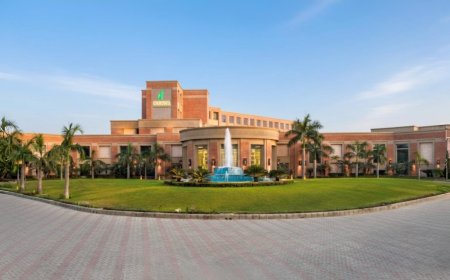
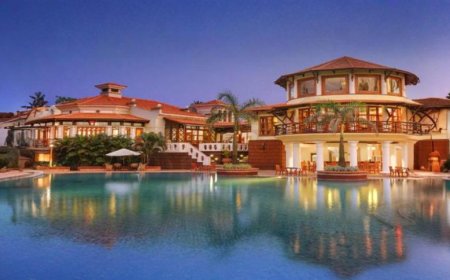
The property was extraordinary in the way that only the combination of genuine architectural ambition and extraordinary natural setting can be extraordinary. The contemporary architecture — the glass and the steel and the clean lines of the modern luxury hotel — set within the forest landscape of the Uttarakhand hills, on the bank of the Ganga, produced a specific quality of visual contrast that was not the contrast of things that did not belong together but the contrast of things that produced something new in their encounter. The contemporary glass ballroom cantilevered over the sacred river. The minimalist luxury hotel rooms with the Himalayan forest pressing against the windows. The infinity pool whose surface met the Ganga in the visual field of the guest standing at its edge.
She called her fiancé Karan in London. She said: I found the venue. He said: Rishikesh? She said: the Taj. He said: I thought you were looking at the Marriott. She said: I was. Now I'm looking at this. She sent the photographs of the glass ballroom. He looked at them for six minutes. Then he called her back. He said: the ballroom is glass. She said: over the Ganga. He said: how is that possible? She said: architecture. He said: book the site visit. She had already sent the enquiry.
This guide is for every NRI couple who wants the Rishikesh experience at the level of the Taj Hotels group's most architecturally ambitious properties — for Meera in Singapore and every couple who deserves the complete framework for the glass ballroom wedding on the Ganges where yoga country meets the finest five-star luxury available in the Himalayan foothills.
Understanding Taj Rishikesh: The Architectural Vision
The Taj Rishikesh Resort and Spa is the Taj Hotels group's Rishikesh property, opened on a site in the forested hillside above the Ganga in the Tapovan area of Rishikesh — the specific location on the northern bank of the river that has been the traditional territory of the ashrams and the yoga schools and the spiritual seekers who have been coming to this part of the Uttarakhand hills for generations.
The property was designed with the specific architectural ambition that distinguishes the best Taj Hotels properties from the standard luxury hotel commission — the ambition not merely to provide luxury accommodation in a beautiful location but to create a building that engages with its specific landscape and produces, in that engagement, something that is specifically of its place rather than interchangeable with any other luxury hotel in any other location.
The design response to the Rishikesh landscape is the response of a contemporary architectural vocabulary applied to a natural setting of extraordinary character — the glass and the steel and the clean geometric forms of the contemporary hotel meeting the organic complexity of the Himalayan forest and the fluid power of the Ganga. The result is not the collision of incompatible aesthetics but the specific dialogue of the precisely made and the naturally occurring — the glass ballroom above the river, the transparent walls of the rooms admitting the forest into the interior, the infinity pool's geometric precision at the edge of the Ganga's curved bank.
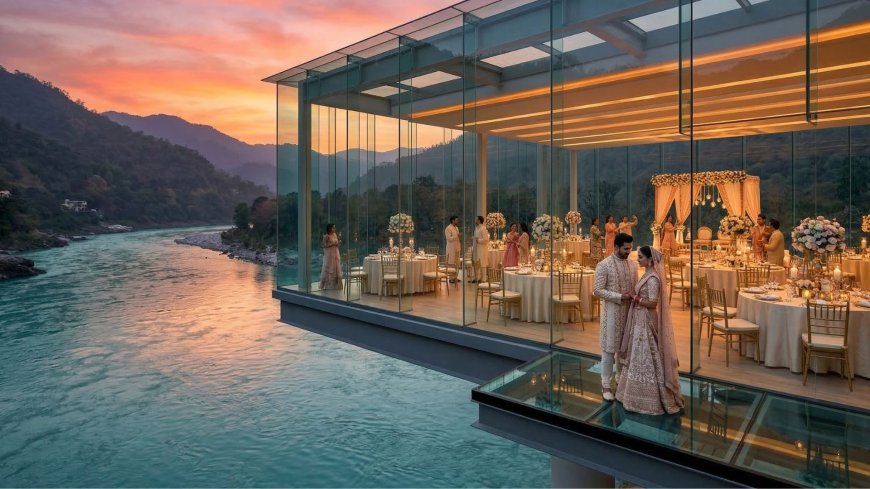
The glass ballroom is the most specific and the most celebrated architectural element of the Taj Rishikesh — the event space that the architecture magazine article had highlighted and that Meera had been unable to look away from for forty minutes. The ballroom is a contemporary glass and steel structure positioned at the river's edge, with the Ganga visible below and through the glass walls on multiple sides, the forest on the opposite bank visible, the Himalayan sky above the glass roof. The event that takes place in this ballroom takes place inside the view — not in front of it, not adjacent to it, but literally surrounded by the natural setting of the Rishikesh valley, the glass envelope making the boundary between the interior event and the exterior landscape transparent rather than opaque.
The Taj Hotels group's management brings the group's culinary excellence, its event management infrastructure, and its service culture to a property whose specific architectural identity requires a management approach that understands and protects the design's intentions. The Taj Rishikesh is managed with the awareness that the architecture is the primary asset and that the event management must serve the architecture rather than competing with it.
The Glass Ballroom: Understanding the Space
The glass ballroom of the Taj Rishikesh is not merely a ballroom with glass walls. It is a specific architectural achievement — a space that resolves the tension between the luxury event's requirement for an interior and the Rishikesh landscape's requirement for an exterior by making the boundary between interior and exterior transparent.
The ballroom is positioned at the river's edge on the lower level of the resort, cantilevered over the bank so that the glass floor panels provide a view of the Ganga below and the glass walls on the river-facing sides provide the full width of the river and the forest of the opposite bank as the event backdrop. The glass roof admits the Himalayan sky. The glass walls admit the forest, the river, the mountains.
The specific quality of the glass ballroom as a wedding venue is the quality of being simultaneously inside and outside — inside the luxury event space, with the catering and the lighting and the temperature control and the professional production infrastructure of the Taj Hotels event management standard, and simultaneously inside the Rishikesh landscape, with the Ganga below and the forest around and the Himalayan sky above. This duality is not available at any other wedding venue in this series. The heritage venues enclose the wedding in the accumulated time of historic architecture. The beach venues open the wedding to the ocean. The glass ballroom at the Taj Rishikesh encloses the wedding in the transparency of the contemporary — the modern building that has chosen to reveal rather than conceal the landscape it sits within.
The ballroom accommodates up to two hundred and fifty guests for a standing reception and up to one hundred and eighty for a seated dinner. The seated dinner in the glass ballroom — with the Ganga below the glass floor, the forest across the river, the Himalayan sky above, and the candles and the flowers and the wedding table setting providing the interior foreground against the extraordinary exterior background — is the dining experience that most completely delivers the Taj Rishikesh's specific promise: the luxury inside the sacred landscape, the glass between the interior and the exterior making both simultaneously present.
The Tapovan Location: Yoga Country Above the River
The Tapovan area of Rishikesh — the northern bank of the Ganga above the Ram Jhula bridge — is the specific location of the Taj Rishikesh and the location that gives the property its relationship to the yoga and spiritual culture of Rishikesh rather than merely to the pilgrimage and religious culture of the southern bank.
Tapovan is where the serious yoga schools are — the schools that have been teaching the specific traditions of Hatha yoga, Sivananda yoga, and the other classical yoga traditions to students from India and from around the world for decades. The Bihar School of Yoga, the Sivananda Ashram, and the specific schools of the Tapovan hillside are the schools whose presence makes the northern bank of the Ganga in Rishikesh the global yoga capital that it is. The Taj Rishikesh sits within this landscape — on the hillside above the ashrams and the yoga schools, in the forest that the ashram tradition has always used as its natural setting.
For the NRI couple whose relationship with Rishikesh is the relationship with the yoga culture rather than primarily the pilgrimage culture, the Tapovan location of the Taj Rishikesh is the specific geographic expression of the choice they have made. The morning yoga session on the resort's riverside deck, with the Ganga below and the ashram bells from the hillside above, is the morning that is specifically of Tapovan rather than of Rishikesh in general.
The walking trail from the Taj Rishikesh to the Ram Jhula bridge — through the specific character of the Tapovan hillside, past the ashram walls and the yoga school gates and the meditation caves that are built into the hillside — is the guest experience that most directly communicates the specific culture of the location. Brief the wedding planner on this trail as a guided guest experience. The guests who walk it with a guide who knows the specific ashrams and the specific teachers and the specific tradition of the Tapovan area are guests who understand what they are inside.
The Taj Rishikesh Versus the Rishikesh Marriott: An Honest Comparison
The NRI couple planning a Rishikesh wedding will inevitably compare the Taj Rishikesh with the Rishikesh Marriott, and this guide will make the comparison directly rather than avoiding it.
The Rishikesh Marriott's primary advantage is its established operational track record — the property opened earlier and has managed more weddings, and the event team's experience with the specific logistics of the Rishikesh wedding is more extensive. The Marriott's event spaces are more conventionally configured — the River Lawn, the forest terrace, the standard luxury hotel ballroom — and the couple who wants the familiar format of the luxury resort wedding in an extraordinary setting will find the Marriott's configuration more immediately legible.
The Taj Rishikesh's primary advantage is the glass ballroom — the architectural achievement that the Marriott does not have and cannot replicate, and that provides the specific quality of the interior event inside the exterior landscape that is not available at any other venue in this series. The Taj's overall architectural ambition — the contemporary glass and steel design in dialogue with the forest and the river — is more visually distinctive than the Marriott's more conventional luxury resort aesthetic, and the couple whose wedding vision includes the specific quality of the contemporary architecture in the sacred landscape will find the Taj a more specifically aligned choice.
Both properties are on the Ganga. Both provide the access to the Rishikesh spiritual and cultural program. Both have the Taj and the Marriott group's operational standards respectively. The choice between them is primarily a choice about the architectural aesthetic — the heritage-influenced luxury of the Marriott or the contemporary glass-and-steel ambition of the Taj — and about whether the glass ballroom's specific spatial quality is the quality the wedding vision requires.
The Event Spaces: Contemporary Architecture at the Sacred River
The Glass Ballroom: The Signature Wedding Space
The glass ballroom is the primary event space and the reason the Taj Rishikesh is different from every other Rishikesh venue. As described in the preceding section, the ballroom's transparency — the glass walls and the glass floor panels that make the Ganga and the forest and the sky simultaneously present within the interior — is the specific spatial quality that makes the dinner or the ceremony in this space an event inside the landscape rather than an event in front of it.
The glass ballroom accommodates up to two hundred and fifty guests for a standing reception and up to one hundred and eighty for a seated dinner. The sangeet in the glass ballroom — the dance and the performance inside the glass envelope, the Ganga visible below the dancing feet, the forest across the river providing the backdrop through the transparent walls — is the sangeet that is most specifically of this place. The wedding dinner in the glass ballroom is the dinner that is most completely the Taj Rishikesh experience.
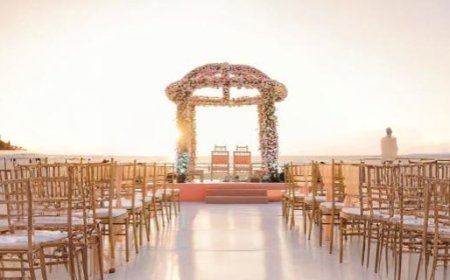
The ceremony in the glass ballroom — for the couple who wants the weather-protected indoor ceremony within the extraordinary visual context of the glass envelope — is the indoor ceremony that is most closely equivalent to the outdoor ceremony's experience of being inside the landscape. The pheras with the Ganga below and the forest around and the Himalayan sky above — in the glass — is the ceremony that the architecture enables and that no conventional indoor ceremony space provides.
The Riverside Lawn: The Outdoor Ceremony Space
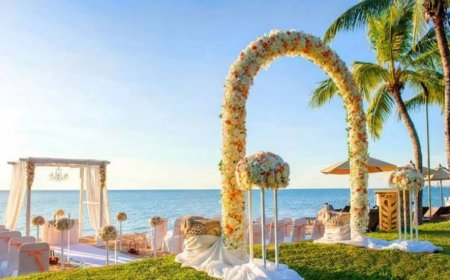
The Riverside Lawn — the outdoor event space on the bank of the Ganga, adjacent to the glass ballroom and positioned at the river's edge — is the primary outdoor ceremony space. The lawn accommodates up to two hundred guests for a seated ceremony and up to three hundred and fifty for a standing reception.
The ceremony on the Riverside Lawn — the mandap at the river's edge, the Ganga directly behind the ceremony structure, the glass ballroom visible as the architectural frame on one side and the forest on the opposite bank as the natural frame on the other — is the ceremony that uses the full visual vocabulary of the Taj Rishikesh site: the contemporary architecture and the sacred landscape simultaneously in the same frame.
The evening reception on the Riverside Lawn — the tables between the glass ballroom's exterior and the river, the Ganga audible and visible, the contemporary architecture illuminated above — is the event that most completely communicates the specific duality of the Taj Rishikesh: the luxury in the sacred landscape, the contemporary in the ancient, the glass above the Ganges.
The Forest Terraces: The Elevated Gathering Spaces
The forest terraces of the Taj Rishikesh — the elevated outdoor spaces within the resort's hillside grounds, with the forest canopy providing the natural enclosure and the Ganga visible below at the valley's floor — provide the gathering spaces for the informal events of the wedding program. The sundowner terrace, the mehendi space in the forest, the yoga platform at the hillside's edge — these are the spaces that the resort's integration into the forest landscape makes available and that the flat-site resort cannot provide.
The forest terraces collectively accommodate up to two hundred guests across all levels for standing receptions and provide the physical variety of the hillside resort — the different elevations, the different views, the different qualities of enclosure — that gives the multi-day wedding program its sense of discovery and exploration.
The Infinity Pool: The Iconic Social Space
The Taj Rishikesh's infinity pool — positioned on the hillside above the Ganga, with the pool's edge meeting the visual horizon of the river below — is the resort's most photographed space and the social heart of the wedding stay. The pool terrace accommodates up to one hundred and fifty guests for a standing reception and up to eighty for a seated event.
The specific quality of the infinity pool at the Taj Rishikesh is the visual merger of the pool surface with the Ganga below — the architectural sleight of hand that places the blue-green of the pool in the same visual plane as the blue-green of the glacial river, producing the specific sensation of the pool as extension of the river and the river as extension of the pool. The mehendi ceremony at the infinity pool terrace — with this specific visual vocabulary as the backdrop — is the mehendi that is most immediately and most specifically of the Taj Rishikesh.
The Yoga Pavilion: The Wellness and Preparation Space
The resort's dedicated yoga pavilion — a purpose-designed outdoor yoga space on the hillside, open to the forest and the river view — provides the yoga and meditation infrastructure for the wedding program's wellness dimension. The pavilion accommodates up to thirty guests for a yoga or meditation session and is designed for the practice of yoga in the traditional outdoor setting of the Rishikesh tradition rather than the indoor studio format of the conventional hotel yoga class.
The bridal yoga session at the pavilion — the bride and her closest women in the early morning, the Ganga visible below, the forest around, the Himalayan air — is the pre-ceremony preparation experience that is most specifically of the Tapovan location and most specifically aligned with the spiritual identity of the Rishikesh destination.
Comprehensive Pricing and Planning Reference
| Category | Detail | Approximate Range | Notes |
|---|---|---|---|
| Glass Ballroom venue hire | Up to 180 seated / 250 standing | ₹10,00,000–₹20,00,000 per event | Signature glass space; Ganga below |
| Riverside Lawn venue hire | Up to 200 seated / 350 standing | ₹8,00,000–₹16,00,000 per event | Outdoor ceremony; river and architecture |
| Forest Terraces venue hire | Up to 100 seated / 200 standing | ₹4,00,000–₹8,00,000 per event | Mehendi, sundowner, intimate gathering |
| Infinity Pool Terrace hire | Up to 80 seated / 150 standing | ₹3,50,000–₹7,00,000 per event | Iconic pool-river view; social event |
| Yoga Pavilion session | Per session | ₹50,000–₹1,50,000 | Bridal yoga; meditation; forest setting |
| Full Resort Exclusive Buyout | All spaces combined | ₹35,00,000–₹65,00,000 per day | Complete Taj Ganges resort exclusivity |
| Accommodation — Deluxe Room per night | Standard rooms | ₹18,000–₹30,000 | Contemporary luxury; forest or river views |
| Accommodation — Premium Room per night | Superior position | ₹26,000–₹42,000 | Enhanced Ganga views; glass wall rooms |
| Accommodation — Suite per night | Full suite | ₹50,000–₹90,000 | River suites; full Himalayan panorama |
| Accommodation — Presidential Suite per night | Flagship | ₹1,20,000–₹2,20,000+ | Full butler service; glass river views |
| Accommodation — Full Resort Buyout per night | All rooms | ₹20,00,000–₹38,00,000 | Complete Taj resort exclusivity |
| Catering per cover — multi-course dinner | Wedding dinner | ₹4,000–₹7,000 | Taj culinary team; Uttarakhand and contemporary |
| Catering per cover — daytime event | Lunch or breakfast | ₹2,500–₹4,000 | Full service; terrace and lawn options |
| River rafting experience | Per person | ₹2,000–₹5,000 | Grade-calibrated; full or half day |
| Tapovan trail guided walk | Per group | ₹20,000–₹50,000 | Ashram trail; yoga school history |
| Evening aarti guided visit | Per group | ₹30,000–₹80,000 | Ram Jhula ghat; authentic tradition |
| Décor and florals per event | Wedding decoration | ₹6,00,000–₹22,00,000 | Contemporary glass palette; sacred elements |
| Photography and videography | Full wedding | ₹3,50,000–₹12,00,000 | Glass ballroom and river specialists |
| Sound and lighting per event | Indoor and outdoor | ₹3,00,000–₹8,00,000 | Glass acoustic; river ambient |
| Wedding planner fee | Full service | ₹5,00,000–₹14,00,000 | Taj Rishikesh glass wedding experience |
| Transport — Dehradun Airport to Taj Rishikesh | Per vehicle | ₹2,000–₹3,500 | 45 minutes; Tapovan road |
| Total three-day wedding — 120 guests | Without buyout | ₹90,00,000–₹1,60,00,000 | Full glass ballroom program |
| Total three-day wedding — 200 guests | Full program | ₹1,40,00,000–₹2,50,00,000 | Complete Taj Rishikesh wedding |
| Total three-day wedding — 250 guests, buyout | Full resort | ₹2,00,00,000–₹3,80,00,000+ | Peak season; full glass Ganges exclusivity |
Décor in the Glass Ballroom: The Transparency Principle
The décor philosophy of the glass ballroom requires a specific principle that is not required at any other venue in this series: the transparency principle. The glass ballroom's primary architectural quality is the transparency that makes the Ganga and the forest and the sky simultaneously present within the interior. The décor that respects this principle is the décor that works with the transparency rather than covering it — the floral installations and the table settings and the lighting design that allow the glass to do its work rather than replacing the exterior view with an interior landscape.
The floral installation that works in the glass ballroom is the installation that is transparent to the view — the hanging installation above the dinner tables that does not fill the visual field between the guests and the glass walls, the table centrepieces that are low enough to allow the Ganga below the glass floor to be visible, the ceremonial flowers at the mandap that frame the river view rather than blocking it. The installation that fills the ballroom with decoration has missed the ballroom's point. The decoration's role in this space is to enhance the transparency rather than to substitute for it.
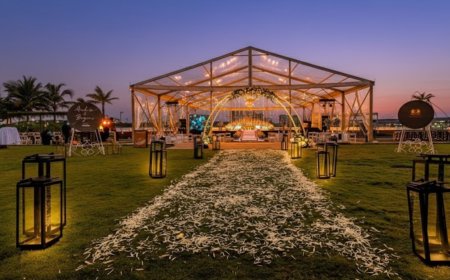
The lighting design for the glass ballroom evening event must work with the glass envelope's specific challenge: the reflection. The glass walls and the glass floor that make the Ganga visible in daylight become, at night, reflective surfaces that return the event lighting back into the space rather than transmitting it outward. The event lighting that produces the warm interior glow of the glass ballroom at night — visible from the river and the forest as the lit interior of a glass box suspended above the Ganga — is the lighting design that uses the ballroom's transparency most completely: the interior made visible to the exterior, the luxury event inside the glass made visible to the sacred landscape outside it. Brief the lighting designer on the glass reflection challenge. Ask for the specific lighting design that manages this challenge. The lighting at the Taj Rishikesh glass ballroom is a specialist brief, and the lighting designer who has done it before will know what it requires.
The Sacred and the Contemporary: Resolving the Apparent Tension
The Taj Rishikesh presents a specific aesthetic tension that some NRI couples and their families find difficult to resolve: the tension between the sacred character of the Rishikesh landscape and the contemporary architectural vocabulary of the glass and steel resort.
The tension is apparent rather than actual. The Hindu tradition has always been the tradition of the encounter between the natural and the made, the sacred landscape and the human construction within it. The temples on the ghats, the ashrams on the hillside, the suspension bridges over the Ganga — all of these are human constructions within the sacred landscape, and their presence has never been understood as a diminishment of the landscape's sacred character but as the human participation in it.
The glass ballroom above the Ganga is, in this understanding, the contemporary version of the same relationship — the human making that acknowledges the sacred natural by making itself transparent to it. The glass walls that make the river visible from within the ballroom are the architectural gesture of a building that has chosen not to compete with its landscape but to defer to it. The ballroom above the Ganga is not the building that has ignored the river. It is the building that has organised itself around the river — that has made the river the primary visual element of its most important space by making the walls between the space and the river transparent.
The family members who are concerned about the contemporary architecture's appropriateness for the sacred ceremony should be given this understanding — not as an argument but as a perspective. The glass is not competing with the Ganga. The glass is showing it.
The Photography of the Glass Ballroom: The Night and the Dawn
The photography of the Taj Rishikesh glass ballroom has two specific extraordinary opportunities that require specific planning and specific photographer briefing.
The first is the night photograph. The glass ballroom at night — the interior lit, the warm glow of the event visible through the transparent walls, the Ganga below in the dark, the forest on the opposite bank in the darkness beyond the lit interior — is one of the most extraordinary architectural photographs of any wedding venue in India. The photograph taken from the river's edge, or from the opposite bank, or from the forest above: the glass box lit from within, suspended above the sacred river, the Himalayan forest surrounding it — this is the image that most immediately communicates the specific character of the Taj Rishikesh.
The second is the dawn photograph. The glass ballroom at dawn — the light coming from the east over the Himalayan ridge, the Ganga catching the first light below, the glass walls of the empty ballroom reflecting the dawn sky — is the photograph that is available before the wedding day begins and that the photographer who is briefed and at the location at six in the morning will be able to capture. The couple portrait at dawn in the glass ballroom — the two of them in the space with the early light and the river below and the dawn sky above — is the portrait that is specifically of this venue and of no other.
Brief the photographer on both. The night photograph requires the photographer to be outside the ballroom during the event. The dawn portrait requires a five-thirty alarm call. Both are worth it.
Common Mistakes NRI Couples Make With the Taj Rishikesh Wedding
The first mistake is not engaging with the sacred geography of the Ganga. The Taj Rishikesh is on the bank of the most sacred river in the Hindu tradition. The ceremony conducted in the glass ballroom above the river or on the Riverside Lawn at its edge is the ceremony within this sacred geography, and the couple who does not engage with the ritual dimension of the setting — who does not perform the pre-ceremony puja at the river's edge, who does not acknowledge the Ganga's sacred presence in the ceremony itself — is conducting a wedding beside a beautiful view rather than within the living sacred tradition of the river. Engage with the geography. Brief the pandit on the Ganga-bank ceremony elements. Perform the river puja before the pheras.
The second mistake is over-decorating the glass ballroom. The glass ballroom's primary asset is its transparency — the view of the Ganga below and the forest around and the sky above that the glass envelope makes simultaneously present within the interior. The décor that covers this transparency — the dense floral installations that fill the visual field, the ceiling treatments that obscure the glass roof, the table centrepieces that are too tall for the glass floor's Ganga view to remain visible — is the décor that has decorated the glass ballroom's most important quality out of existence. Brief the decorator on the transparency principle from the first meeting.
The third mistake is not including the Tapovan trail as a guided guest experience. The trail from the Taj Rishikesh through the ashram and yoga school landscape of the northern bank — the specific cultural geography of the Tapovan area — is the guest experience that most directly communicates what the location means. The international guests who walk this trail with a knowledgeable guide encounter the living yoga and spiritual culture of Rishikesh at the depth that the resort-only experience cannot provide. Include it. Make it an organised experience for the guests who want it.
The fourth mistake is not briefing the photographer on the glass ballroom's night and dawn photography. The two most extraordinary photography opportunities at the Taj Rishikesh — the lit interior of the glass ballroom visible from the river at night and the dawn portrait in the glass with the first light — require specific planning and the photographer who is not briefed on both will miss them. Brief the photographer explicitly. The night photograph requires being outside during the event. The dawn portrait requires the alarm. Both are the images that define this venue's photography portfolio.
The fifth mistake is choosing the Taj Rishikesh for the wrong reasons. The Taj Rishikesh is not the heritage wedding venue, the fort-and-palace experience, or the conventional luxury resort event. It is the contemporary architectural statement in the sacred natural landscape, and the couple who chooses it expecting the former will be disappointed. Choose the Taj Rishikesh because you want the glass above the Ganges, the contemporary inside the sacred, the transparency as the architectural principle of your wedding. If this is what you want, nothing else in India provides it.
Meera's wedding was in March — the end of the Rishikesh winter, the days lengthening, the Ganga still at the volume of the melting Himalayan snowpack, the specific green of the glacial river at its most vivid in the spring light.
The sangeet was in the glass ballroom on the evening before the wedding. The lighting designer — who had worked at the Taj Rishikesh before and who knew the glass reflection challenge — had designed the interior lighting to produce the specific warm glow that made the ballroom visible from the river's edge as the lit interior of a glass box suspended above the Ganga. The guests inside the ballroom could see the river below and the forest across and the Himalayan night sky above. The people on the riverbank could see the wedding in the glass above the river — the dance and the laughter and the celebration visible through the transparent walls.
Meera's mother, standing at the edge of the glass floor during a pause in the sangeet, looked down at the Ganga below her feet through the glass panel. The river was green in the specific way of the glacial river at night — the deep, cold, powerful green of the water that had come from the Gangotri glacier in the high Himalayas and that was on its way to the plains and the ocean. She looked at it for a long time. Then she said to Meera, who was standing beside her: I can feel it through the glass. The coldness. She said: I know. Her mother said: it is very old. She said: the river? Her mother said: all of it.
Brief the decorator on the transparency principle from the first meeting. Engage with the Ganga's sacred geography. Include the Tapovan trail for the guests who want it. Brief the photographer on the night and dawn photography. Choose the Taj Rishikesh because you want the glass above the Ganges specifically.
The river below the glass has been flowing since before the glass was made. It will be flowing after. For the three days of the wedding it will be below your feet, visible through the transparency of the contemporary building that chose to show it rather than hide it.
Look down. Feel the coldness through the glass. All of it is very old.
Published by NRIWedding.com — The Premium Global Platform for Non-Resident Indians Planning Indian Weddings From Abroad.
What's Your Reaction?
 Like
0
Like
0
 Dislike
0
Dislike
0
 Love
0
Love
0
 Funny
0
Funny
0
 Angry
0
Angry
0
 Sad
0
Sad
0
 Wow
0
Wow
0