















































Destination Wedding in Coorg — Coffee Plantation Ceremonies and Kodava Warrior Traditions: The NRI Complete Guide
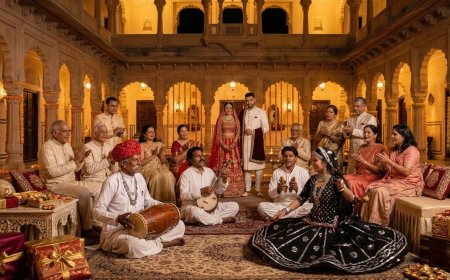
The groom's grandmother had kept the peeche kathi for sixty-two years. Not in a display case — in a wooden chest in the ainmane, the ancestral home. The peeche kathi — the specific, Kodava, ceremonial curved blade, warrior-tradition, only-in-the-Kodava-community, traditional ornamental weapon the Kodava warrior carries at the back of the waistband — had been in the chest since the grandmother's wedding in 1962 in the Coorg highlands. When the groom said: we are getting married in Coorg, at the Tamara Coorg — the bride from Singapore, the families from across the diaspora — the grandmother said nothing for a moment. Then she went to the wooden chest. She opened it. She brought out the peeche kathi. She said: this was at my wedding in 1962. It will be at yours. The groom held the peeche kathi. The sixty-two-year inheritance. The warrior tradition. The Coorg destination wedding is not the palace or the lake or the mountain or the fort. It is the inheritance — the peeche kathi in the grandmother's chest, the kupya's black-and-gold warrior dress, the pandi curry's kachampuli-soured recipe, the dudi drum's percussion, the deer in the late afternoon of the December ceremony. This complete guide gives NRI couples everything needed to plan a wedding at the intersection of coffee plantation ceremony and Kodava warrior tradition — covering all four primary properties from the Tamara Coorg's 150-acre working plantation at ₹1.95 crore to ₹4.23 crore to the Orange County's Cauvery bank Kodava architecture, the Vivanta Madikeri panoramic hilltop, and the ainmane ancestral home wedding option, the complete Kodava cultural vocabulary from peeche kathi to kupya to dudi drum to pandi curry, the Puttari harvest festival alignment, the Bylakuppe Tibetan golden temple, the Nagarhole Kabini safari, the coffee blossom season photography, and the five mistakes that cost couples the inheritance wedding's full extraordinary potential.

Destination Wedding in Coorg — Coffee Plantation Ceremonies and Kodava Warrior Traditions: The NRI Complete Guide
The Inheritance
The groom's grandmother had kept the peeche kathi for sixty-two years.
Not in a display case — not in the specific, heritage-object, glass-and-illuminated-shelf, museum-quality display whose purpose is the looking rather than the using. In a wooden chest in the specific, Kodava, ancestral-home, ainmane quality of the chest whose specific, locked, family-memory, generations-of-accumulated-heritage quality gives it the character of the container that holds the important rather than the ornamental.
The peeche kathi — the specific, Kodava, ceremonial, curved-blade, warrior-tradition, only-in-the-Kodava-community, traditional-ornamental-weapon that the Kodava warrior carries in the back of the waistband — had been in the chest for sixty-two years. Since the grandmother's wedding in 1962 in the specific, Kodava, ainmane, coffee-plantation-adjacent, Coorg-highlands, traditional-community-wedding whose specific, Kodava-ritual, community-gathered, only-in-the-Madikeri-area, traditional quality had been the wedding that the grandmother most specifically remembered.
The groom had known about the chest since childhood.
He had known about the peeche kathi since the grandmother had told him — the specific, grandmother-to-grandchild, inheritance-of-the-tradition, only-in-the-Kodava-community, this-is-who-we-are quality of the telling — that the peeche kathi would be his at his wedding.
When the groom had said: we are getting married in Coorg, at the Tamara Coorg — the bride from Singapore, the families from across India and the diaspora, the wedding whose international and Indian and Kodava dimensions the planning most specifically required to balance — the grandmother had said nothing for a moment.
Then she had gone to the wooden chest.
She had opened it.
She had brought out the peeche kathi.
She had said: this was at my wedding in 1962. It will be at yours.
The groom had held the peeche kathi.
The sixty-two-year-old, grandmother's-1962-wedding, Kodava-warrior-tradition, only-this-blade, inheritance-and-identity, peeche-kathi-in-the-chest quality of the object whose giving was the giving of the tradition.
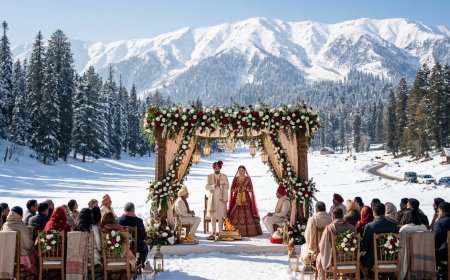
The Coorg destination wedding — the Kodava-warrior-tradition, coffee-plantation-ceremony, Tamara-Coorg-one-hundred-and-fifty-acres, deer-in-the-late-afternoon, peeche-kathi-in-the-grandmother's-chest, Western-Ghats-biodiversity-hotspot, Madikeri-and-Raja's-Seat-and-Dudhsagar, only-in-Coorg, only-in-the-Kodava-community quality of the destination that most specifically produces the wedding whose credential is not the palace or the lake or the mountain or the fort but the tradition — is the destination whose guide most specifically serves the NRI couple whose wedding is the inheritance as much as the occasion.
The grandmother's peeche kathi.
The 1962 chest.
The tradition that the Coorg destination most specifically enables.
This guide is the complete knowledge of what the inheritance means — and how the NRI couple whose Coorg wedding is the wedding of the tradition plans the occasion that the grandmother's peeche kathi most powerfully deserves.
The Place: Coorg and What It Is
The Kodava Community
The Kodava people — the specific, historically distinct, martial, forest-dwelling, rice-and-coffee-growing, Madikeri-and-Somwarpet-and-Virajpet-district, only-in-the-Coorg-highlands, Kodava-language, Kodava-tradition, warrior-heritage, community-centred, ainmane-based, peeche-kathi-carrying, community of the Coorg highlands — are the most specifically, culturally, historically distinctive community of any Indian destination wedding city in this guide series.
The warrior heritage: the Kodava warrior tradition — the specific, historically documented, British-India-recognised, only-in-the-Kodava-community, martial-excellence, rifle-carrying-tradition, Indian-Army-officer-disproportionate-representation, peeche-kathi-and-odikathi quality of the Kodava warrior heritage — is the cultural tradition whose specific, only-in-the-Kodava-community, warrior-and-forest-and-coffee quality gives the Coorg destination wedding its most specifically, culturally, historically extraordinary dimension.
The ainmane: the ainmane — the specific, Kodava, ancestral-home, family-seat, community-gathering, traditional-Kodava-architecture, only-in-the-Kodava-community, inheritance-and-tradition quality of the ancestral home whose specific, family-memory, community-gathering, wedding-and-ritual, only-in-the-ainmane quality gives the Kodava wedding tradition its most specifically, only-in-the-community, inherited-architecture, only-this-home quality.
The Kodava language: the Kodava Takk — the specific, distinct, Dravidian, only-in-the-Kodava-community, not-Kannada-not-Tamil, only-this-language quality of the Kodava language whose specific, only-this-community, community-identity, linguistic-distinction quality gives the Kodava destination wedding the specific, linguistic, community-identity dimension.
The Coffee Plantation
The Coorg coffee — described in the Tamara Coorg article as the specific, shade-grown, Western-Ghats-microclimate, Arabica-and-Robusta, internationally-recognised quality — is the agricultural tradition whose ambient quality most directly, most specifically, most only-in-Coorg gives the destination wedding its primary, only-this-destination, coffee-and-forest, agricultural-heritage quality.
The coffee blossom season: the February and March coffee blossom — the specific, white, jasmine-scented, extraordinary, only-in-the-blossom-season, coffee-tree-flowering quality of the Coorg February and March whose specific, ambient, floral, only-in-the-blossom-season aroma gives the destination its most sensory, most specific, most only-in-the-coffee-blossom-season quality — is the season whose engagement in the wedding most directly, most specifically communicates the Coorg destination's most specifically, only-in-this-season, coffee-blossom quality.
The Western Ghats Biodiversity
The Western Ghats biodiversity — described in the Tamara Coorg article as the UNESCO World Heritage, one of eight global biodiversity hotspots, the Sambar deer, the elephant corridor, the leopard — is the ecological context whose ambient quality most directly, most specifically gives the Coorg destination wedding its specific, wildlife-adjacent, biodiversity-hotspot, only-in-the-Western-Ghats quality.
The Properties: The Complete Coorg Wedding Venue Guide
The Tamara Coorg — The Primary Plantation Wedding
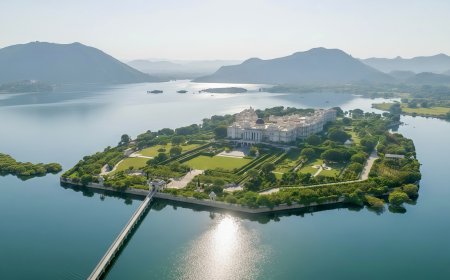
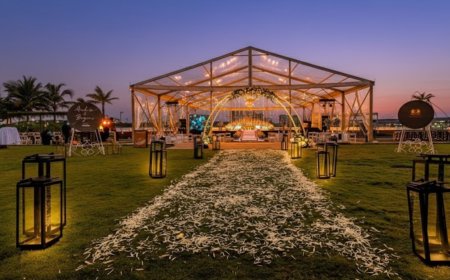
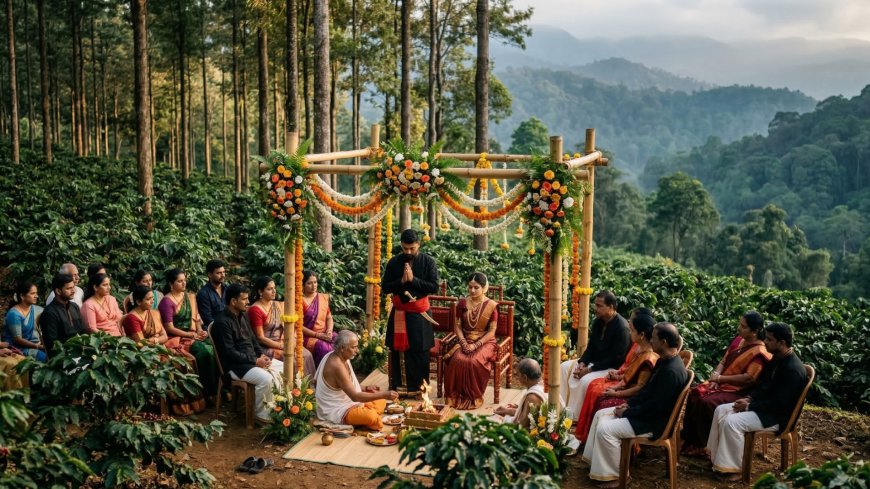
The Tamara Coorg — described in the guide series' specific, dedicated article as the one-hundred-and-fifty-acre, working-coffee-plantation, Sambar-deer-in-the-late-afternoon, four-PM-ceremony-timing, pandi-curry, Kodava-feast, Western-Ghats-biodiversity, deer-attendance, only-this-plantation quality — is the Coorg destination wedding's primary, most specifically, plantation-wedding, deer-ceremony, working-estate, only-in-the-Coorg-plantation credential.
The Tamara distinction: already described at full length in the guide series — the one hundred and fifty acres, the working coffee plantation, the Sambar deer at four PM, the pandi curry, the Western Ghats biodiversity, the Kalbelia and Manganiyar — this article builds on that foundation with the specific, Kodava-tradition, community-heritage, peeche-kathi, ainmane dimension that the full Coorg destination guide most specifically adds.
The Tamara couple: the NRI couple whose wedding vision is the working plantation, the deer-possible ceremony, the wildlife-adjacent, the coffee-estate quality. Budget: ₹1.95 crore to ₹4.23 crore. Planning timeline: twelve to fifteen months.
Orange County Coorg — The Kodava Heritage Resort
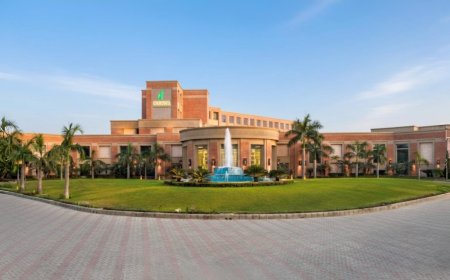
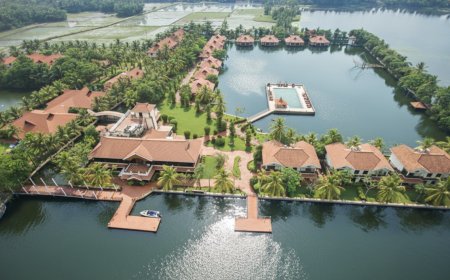
The Orange County Coorg — the specific, Kodava-architecture-inspired, sixty-four-villa, Cauvery-River-adjacent, coffee-plantation, Kodava-heritage, only-at-the-Cauvery-bank, Orange-County-group-managed quality of the property whose specific, Kodava-architecture, plantation-character, Cauvery-adjacent, heritage-design quality gives it the specific, most-Kodava-architecturally-authentic, Cauvery-bank, heritage-design credential.
The Orange County distinction: the Orange County Coorg's specific, Kodava-architecture-inspired, sixty-four-villa, Cauvery-River-adjacent, heritage-design, only-at-the-Cauvery-bank quality — the resort whose architecture most specifically, most authentically references the Kodava ainmane tradition — gives the NRI couple the specific, most-Kodava-architecturally-coherent, Cauvery-bank, plantation-and-river quality.
The Cauvery River: the Cauvery River — the specific, sacred, source-at-Talacauvery, Coorg-origin, only-in-the-Coorg-highlands, most-sacred-Karnataka-river quality of the river whose Coorg origin gives the Orange County Coorg the specific, sacred-river-adjacent, Cauvery-bank, only-in-the-river's-source-district quality.
The Orange County couple: the NRI couple whose wedding vision is the Kodava architecture, the Cauvery bank, the heritage design, the plantation character, the river-adjacent. Budget: ₹2.20 crore to ₹4.80 crore for one hundred to two hundred guests. Planning timeline: twelve to fifteen months.
Vivanta Madikeri — The Hilltop Panorama
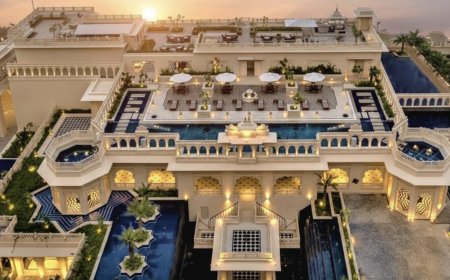
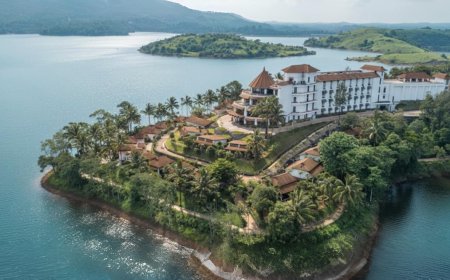
The Vivanta Madikeri — the specific, Madikeri-hilltop, panoramic-Coorg-view, Taj-group-Vivanta-managed, contemporary-luxury, hilltop-position, Coorg-valley-panorama quality of the property whose specific, Madikeri-town-adjacent, panoramic, Taj-group, accessible quality gives it the specific, most-panoramic, most-town-adjacent, Taj-group-managed, hilltop quality.
The Vivanta distinction: the Vivanta Madikeri's specific, Madikeri-hilltop, Coorg-valley-panorama, Taj-group, contemporary-standard, accessible-pricing, town-adjacent quality — the Taj group at the Coorg hilltop with the panoramic valley view — gives the NRI couple the specific, Taj-group, panoramic-Coorg, town-adjacent, accessible quality.
The Vivanta couple: the NRI couple whose wedding vision is the panoramic Coorg, the hilltop, the Taj-group standard, the town-adjacent, the accessible pricing. Budget: ₹1.60 crore to ₹3.60 crore for one hundred to two hundred guests. Planning timeline: twelve to fifteen months.
Club Mahindra Madikeri — The Family Heritage Resort
The Club Mahindra Madikeri — the specific, Mahindra-group, family-oriented, Coorg-heritage, plantation-character, accessible, family-friendly, Club-Mahindra-managed quality of the property whose specific, family-friendly, accessible, plantation-character, Mahindra-group quality gives it the specific, most-family-accessible, most-practically-managed, accessible-budget quality.
The Club Mahindra couple: the NRI couple whose wedding vision is the family-accessible, the practical management, the accessible budget, the Coorg character, the Mahindra group. Budget: ₹1.00 crore to ₹2.50 crore for eighty to one hundred and fifty guests. Planning timeline: ten to twelve months.
The Ainmane Wedding Option
The Kodava ainmane wedding — the specific, ancestral-home, community-gathered, traditional-ceremony, Kodava-ritual, peeche-kathi, only-in-the-ainmane, most-specifically-Kodava, most-traditionally-authentic quality of the wedding at the ancestral home — is the wedding option for the Kodava NRI couple whose family has the specific, ainmane, ancestral-home-in-the-Coorg, community-gathered, traditional-Kodava quality.
The ainmane as the primary venue: the Kodava NRI couple whose family ainmane is the Coorg is the couple for whom the ainmane wedding — the specific, ancestral-home, community-gathered, traditional-ceremony, Kodava-ritual quality — is the most specifically, most authentically, most only-in-the-tradition quality. The resort as the overflow accommodation. The ainmane as the primary ceremony. The tradition as the venue.
The Kodava Wedding Tradition: What the NRI Couple Needs to Know
The Peeche Kathi and the Odikathi
The Kodava ceremonial weapons — the peeche kathi and the odikathi — are the most specifically, symbolically, culturally extraordinary wedding accessories in the guide series.
The peeche kathi: the peeche kathi — the specific, curved-blade, warrior-tradition, Kodava, back-of-the-waistband, only-in-the-Kodava-community, ceremonial-weapon quality of the blade whose specific, warrior-heritage, Kodava-identity, only-this-tradition quality gives it the specific, most-culturally-extraordinary, most-warrior-tradition, most-only-in-the-Kodava-community credential — is the groom's specific, ceremonial, Kodava-identity, only-at-the-Kodava-wedding accessory.
The grandmother's chest: the specific, sixty-two-year, wooden-chest, 1962-wedding, grandmother's-peeche-kathi, inheritance-and-tradition quality of the groom's grandmother's chest — is the inheritance whose specific, only-in-the-Kodava-community, generations-of-accumulated-tradition quality gives the Coorg NRI wedding the most specifically, personally, generationally meaningful single cultural dimension.
The odikathi: the odikathi — the specific, Kodava, short-sword, traditional-weapon, front-of-the-waistband, only-in-the-Kodava-community quality — is the second traditional Kodava ceremonial weapon whose engagement at the Kodava wedding most specifically, most completely expresses the warrior-tradition's full ceremonial vocabulary.
The Kodava Kupya
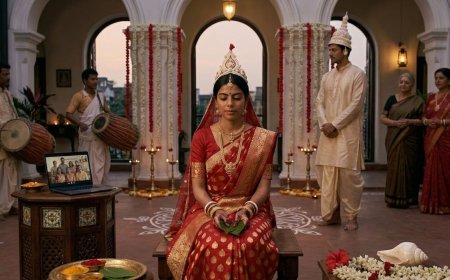
The Kodava kupya — the specific, Kodava, traditional-dress, black-coat, gold-and-red-embroidered, only-in-the-Kodava-community, traditional-groom's-dress quality of the Kodava traditional dress whose specific, only-this-garment, only-this-tradition, Kodava-identity quality gives it the specific, most-culturally-specific, most-Kodava-identity, only-in-the-Kodava-wedding, groom's-dress credential — is the traditional dress whose engagement most directly, most specifically, most only-in-the-Kodava-community communicates the groom's cultural identity.
The NRI groom's choice: the NRI groom whose Kodava heritage is the Kodava heritage and whose wedding is the Coorg wedding has the specific, only-this-wedding, kupya-and-peeche-kathi, Kodava-tradition, most-specifically-culturally-authentic groom's dress option whose engagement most powerfully communicates the cultural identity of the occasion.
The Kodava Bride's Dress
The Kodava bride's traditional dress — the specific, Kodava, bride's-sari, draped-in-the-Kodava-style, gold-jewellery, only-in-the-Kodava-community, traditional-bridal quality — is the traditional dress whose engagement at the Coorg NRI wedding most specifically, most culturally, most only-in-the-Kodava-tradition communicates the bride's cultural identity.
The Kodava bridal draping: the Kodava-style sari draping — the specific, only-in-the-Kodava-community, distinct-from-the-standard-Kerala-or-Karnataka-draping quality of the Kodava traditional sari style — requires the specific, Kodava-tradition, bridal-draping-specialist quality of the dresser whose knowledge of the tradition most specifically, most authentically gives the bride the cultural identity of the Kodava wedding.
The Puttari and the Kailpodhu
The Puttari — the specific, Kodava, new-rice-harvest-festival, November, only-in-the-Kodava-community, harvest-celebration, community-gathered, only-this-festival quality — and the Kailpodhu — the specific, Kodava, October, weapon-worship, Dasara-adjacent, only-in-the-Kodava-community, warrior-tradition, peeche-kathi-and-odikathi-worshipped quality — are the Kodava seasonal festivals whose timing most specifically aligns the Kodava destination wedding with the most specifically, seasonally, culturally extraordinary Kodava festive calendar.
The Puttari wedding: the Kodava NRI wedding in November whose timing aligns with the Puttari harvest festival — the specific, November, new-rice, harvest-celebration, community-gathered, only-in-the-Kodava-community quality — gives the occasion the most specifically, seasonally, culturally extraordinary Kodava festive alignment of any Indian destination wedding in the guide series.
The Kodava Music: The Dudi
The Dudi — the specific, Kodava, traditional, cylindrical-drum, only-in-the-Kodava-community, wedding-and-festival, percussion-instrument, only-this-tradition quality of the Kodava traditional drum whose engagement at the wedding most specifically, most audibly, most only-in-the-Kodava-community communicates the tradition's sonic identity — is the musical element whose inclusion most specifically, most culturally, most only-in-the-Kodava-tradition expresses the Coorg destination wedding's specific, Kodava, traditional-music quality.
The Guest Programme: The Complete Coorg Journey
The Madikeri Fort and the Raja's Seat
The Madikeri Fort — the specific, Tipu-Sultan-and-Coorg-kings, heritage, town-centre, Madikeri, fort-museum quality — and the Raja's Seat — the specific, panoramic, Western-Ghats-valley, Coorg-highland, Madikeri, sunset-viewpoint, Viceroy-Curzon-promenade quality of the elevated viewpoint — are the guest programme's primary Coorg-town heritage destinations.
The Raja's Seat at sunset: the Raja's Seat at the Coorg sunset — the specific, Western-Ghats-valley, panoramic, Coorg-highland, sunset-over-the-valley, misty-Coorg, only-at-the-Raja's-Seat quality of the viewing point that the Coorg kings chose for the evening promenade — is the heritage programme element whose combination of the royal heritage and the natural panorama most powerfully communicates the Coorg destination's specific, highland, valley-and-mist, royal-heritage quality.
The Coffee Plantation Trail
The Tamara Coorg's one-hundred-and-fifty-acre coffee plantation trail — described in the Tamara Coorg article — is the guest programme's primary agricultural-heritage element. This guide adds: the coffee trail in the blossom season — February and March — is the most sensory, most specific, most only-in-the-blossom-season version of the programme whose specific, white-flower, jasmine-scented, extraordinary quality gives it the most specifically, sensory, only-in-this-season Coorg quality.
The Dudhsagar Waterfalls
The Dudhsagar Waterfalls — the specific, Goa-Karnataka-border, 310-metre, four-tier, milk-of-the-sea, Western-Ghats-origin, only-this-waterfall quality — is the guest programme's primary natural heritage excursion. The Coorg-to-Dudhsagar journey — the specific, Western-Ghats, forest-road, two-to-three-hour, only-in-this-journey quality — is the excursion whose combination of the journey and the destination most powerfully communicates the Western-Ghats-biodiversity quality.
The Nagarhole National Park
The Nagarhole National Park — the specific, Kabini-River-adjacent, tiger-and-elephant, Western-Ghats-biodiversity, Coorg-area, wildlife-reserve, only-in-the-Coorg-adjacent quality — is the guest programme's primary wildlife-reserve excursion whose specific, tiger-and-elephant, Kabini-riverside, Western-Ghats-biodiversity quality gives the Coorg destination the most specifically, wildlife-seriously, only-in-the-Western-Ghats quality.
The Kabini boat safari: the Kabini River boat safari — the specific, Kabini-River, riverside-wildlife, elephant-in-the-river, only-at-the-Kabini, dawn-boat, most-wildlife-immersive quality of the boat safari — is the guest programme element whose specific, boat-and-wildlife, river-and-elephant, only-at-the-Kabini quality gives the Coorg destination the most specifically, wildlife-immersively, Kabini-river quality.
The Bylakuppe Tibetan Settlement
The Bylakuppe — the specific, largest-Tibetan-settlement-outside-Tibet, Coorg-area, Buddhist-monastery, golden-temple, only-in-the-Coorg-region, Tibetan-community, only-this-settlement quality of the Tibetan settlement whose specific, only-in-the-Coorg-region, most-unexpected, Tibetan-in-Karnataka, Buddhist-monastery-and-golden-temple quality gives it the most specifically, only-in-the-Coorg-area, unexpectedly-extraordinary, Buddhist-heritage, Tibetan-community quality.
The Namdroling Monastery: the Namdroling Monastery — the specific, Nyingma, golden-temple, only-in-Bylakuppe, most-gilded, Buddhist-architecture, Tibetan-community, Coorg-area quality of the monastery whose specific, golden, only-this-monastery, unexpected-Coorg-heritage quality gives it the most specifically, unexpectedly, only-in-the-Coorg-area, Buddhist-heritage extraordinary quality.
The Dubare Elephant Camp
The Dubare Elephant Camp — the Kaveri River-bank, Karnataka-Forest-Department, working-elephant, morning-bathing, hands-on quality — described in the Tamara Coorg article — is the guest programme's primary elephant-heritage element.
The Photography: The Plantation and the Tradition
The Peeche Kathi Portrait
The peeche kathi portrait — the specific, Kodava-groom, kupya-and-peeche-kathi, warrior-tradition, coffee-plantation, Western-Ghats, only-in-the-Coorg-plantation quality of the portrait whose specific, most-culturally-specific, most-Kodava-identity, only-this-portrait quality most powerfully communicates the Coorg destination wedding's specific, warrior-tradition, coffee-plantation, Kodava-heritage credential — is the wedding photography's most culturally significant, most specifically Kodava, most only-in-the-Coorg-destination portrait.
The kupya in the plantation: the specific, Kodava-groom-in-the-kupya, coffee-plantation-behind, Western-Ghats-light, only-in-the-Coorg, warrior-tradition-in-the-agricultural-landscape quality of the portrait whose combination of the traditional dress and the plantation landscape most powerfully, most specifically, most only-in-the-Coorg communicates the destination's specific, Kodava-and-coffee, warrior-and-farmer, tradition-and-landscape quality.
The Deer Session at Four PM
Already described in the Tamara Coorg article — the most specifically, most cinematically, most only-at-the-Tamara-Coorg photographic session — is the session whose timing at the four PM window and whose preparation for the specific, late-afternoon, plantation-light, deer-possible, only-if-they-come quality remains the most extraordinary single photography possibility in the Coorg destination.
The Coffee Blossom Session
The coffee blossom photography session — the specific, February-or-March, white-jasmine-scented-blossom, coffee-tree-in-flower, only-in-the-blossom-season, plantation-in-bloom, most-sensory, most-visually-extraordinary quality of the plantation during the blossom — is the session whose specific, only-in-this-season, plantation-in-flower, blossom-and-bride, only-at-this-hour quality most powerfully, most specifically, most only-in-the-blossom-season communicates the destination's most sensory seasonal quality.
The Season: The Coorg Wedding Calendar
The Optimal Window and the Seasonal Choices
The Coorg destination wedding's specific, multiple-season, multiple-character quality — described in the Tamara Coorg article — is the calendar whose seasonal choices most directly determine the wedding's specific, plantation-character.
October and November — the harvest season and the Puttari: the post-monsoon, harvest-season, Puttari-festival, most-vivid-plantation, only-in-the-harvest, Kodava-community-at-the-harvest-festival quality. The November Puttari alignment is the most specifically, seasonally, Kodava-community extraordinary alignment.
December and January — the deer season: the peak wedding season, the most deer-probable, the most specifically, plantation-and-deer, four-PM-ceremony-timing quality.
February and March — the blossom season: the coffee-blossom, jasmine-scented, most-sensory, most-visually-extraordinary, only-in-the-blossom-season quality.
June through September — the monsoon: the lush, green, most-dramatically-Western-Ghats, Dudhsagar-at-full-flow quality.
The Complete Coorg Wedding Framework
The Coorg Property Comparison
| Property | Location | Guest Scale | Vision | Budget Range | Timeline |
|---|---|---|---|---|---|
| The Tamara Coorg | Plantation, 150 acres | 80–150 guests | Deer ceremony, plantation | ₹1.95 Cr – ₹4.23 Cr | 12–15 months |
| Orange County | Cauvery bank | 100–200 guests | Kodava architecture, river | ₹2.20 Cr – ₹4.80 Cr | 12–15 months |
| Vivanta Madikeri | Madikeri hilltop | 100–200 guests | Panoramic, Taj group | ₹1.60 Cr – ₹3.60 Cr | 12–15 months |
| Club Mahindra | Madikeri area | 80–150 guests | Family, accessible | ₹1.00 Cr – ₹2.50 Cr | 10–12 months |
| Ainmane wedding | Ancestral home | Community scale | Traditional Kodava | Variable | 12+ months |
The Coorg Destination Wedding Cost Framework
| Category | Detail | Approx. Cost (INR) | Approx. Cost (USD) | Notes |
|---|---|---|---|---|
| VENUE AND EVENTS | ||||
| Primary venue hire | 3 days, plantation | ₹40,00,000 – ₹1,20,00,000 | $48,000 – $1,44,000 | Property dependent |
| Ainmane ceremony | Ancestral home | Variable | Variable | Family owned |
| ACCOMMODATION | ||||
| Tamara Coorg bungalows | Plantation, deer | ₹15,000 – ₹1,40,000 per night | $180 – $1,680 | 150-acre rate |
| Orange County villas | Cauvery, Kodava arch | ₹18,000 – ₹1,20,000 per night | $216 – $1,440 | River heritage |
| Vivanta Madikeri | Hilltop, panoramic | ₹12,000 – ₹80,000 per night | $144 – $960 | Taj group |
| Club Mahindra | Family, accessible | ₹8,000 – ₹40,000 per night | $96 – $480 | Family rate |
| Overflow Coorg | Plantation homestays | ₹3,000 – ₹15,000 per night | $36 – $180 | Character overflow |
| GUEST PROGRAMME | ||||
| Coffee plantation trail | Guided 150 acres | ₹50,000 – ₹1,50,000 | $600 – $1,800 | Essential Coorg |
| Raja's Seat sunset | Heritage viewpoint | ₹30,000 – ₹1,00,000 | $360 – $1,200 | Coorg panorama |
| Madikeri Fort | Heritage, museum | ₹50,000 – ₹1,50,000 | $600 – $1,800 | Town heritage |
| Dudhsagar excursion | Waterfall, forest | ₹1,00,000 – ₹3,00,000 | $1,200 – $3,600 | Western Ghats |
| Nagarhole safari | Tiger, elephant | ₹1,50,000 – ₹4,00,000 | $1,800 – $4,800 | Kabini boat option |
| Dubare elephant camp | River, morning | ₹80,000 – ₹2,50,000 | $960 – $3,000 | Hands-on wildlife |
| Bylakuppe monastery | Tibetan, golden | ₹80,000 – ₹2,50,000 | $960 – $3,000 | Unexpected heritage |
| Puttari alignment | November only | Seasonal programme | Seasonal | Kodava festival |
| PHOTOGRAPHY | ||||
| Peeche kathi portrait | Kodava tradition | ₹2,00,000 – ₹6,00,000 | $2,400 – $7,200 | Cultural identity |
| Deer session | 4 PM, plantation | ₹2,00,000 – ₹5,00,000 | $2,400 – $6,000 | Most iconic Coorg |
| Blossom session | Feb–Mar only | ₹2,00,000 – ₹5,00,000 | $2,400 – $6,000 | Seasonal, sensory |
| Full wedding photography | 3-day, Coorg spec | ₹12,00,000 – ₹28,00,000 | $14,400 – $33,600 | Plantation specialist |
| CATERING | ||||
| Kodava pandi curry | Pork, traditional | ₹2,500 – ₹5,000 per head | $30 – $60 | Primary cultural meal |
| Kodava Puttu | Bamboo-steamed rice | ₹2,000 – ₹4,000 per head | $24 – $48 | Traditional breakfast |
| Buffet dinner | Kodava, continental | ₹6,000 – ₹10,000 per head | $72 – $120 | Plantation kitchen |
| DECORATION | ||||
| Plantation-responsive | Coffee and forest | ₹18,00,000 – ₹45,00,000 | $21,600 – $54,000 | Natural aesthetic |
| Kodava traditional | Floral, peeche kathi | ₹5,00,000 – ₹15,00,000 | $6,000 – $18,000 | Tradition elements |
| ENTERTAINMENT | ||||
| Dudi drum performance | Kodava tradition | ₹80,000 – ₹2,50,000 | $960 – $3,000 | Essential tradition |
| Kodava folk dance | Traditional, Coorg | ₹1,00,000 – ₹3,00,000 | $1,200 – $3,600 | Community heritage |
| Celebrity performer | Bangalore market | ₹15,00,000 – ₹60,00,000 | $18,000 – $72,000 | 4-hour Bangalore |
| TRANSPORT | ||||
| Bangalore to Coorg | 4–5 hour road | ₹4,00,000 – ₹10,00,000 | $4,800 – $12,000 | Convoy, essential |
| Mangaluru Airport | Coastal, 2.5 hours | ₹3,00,000 – ₹8,00,000 | $3,600 – $9,600 | Alternative access |
| Mysuru connection | 2.5-hour option | ₹3,00,000 – ₹8,00,000 | $3,600 – $9,600 | Scenic road |
| TOTAL BUDGET RANGE | 120 guests, 3-day | ₹1.95 Cr – ₹4.80 Cr | $2,34,000 – $5,76,000 | Plantation and tradition |
| PLANNING TIMELINE | ||||
| Tamara Coorg inquiry | 12–15 months | 12–15 months | 12–15 months | Plantation dates |
| Orange County inquiry | 12–15 months | 12–15 months | 12–15 months | River heritage |
| Vivanta Madikeri | 12–15 months | 12–15 months | 12–15 months | Hilltop dates |
| Kodava tradition specialist | 10 months | 10 months | 10 months | Tradition advisor |
| Ceremony timing | 4 PM deer window | 8 months | 8 months | Plantation timing |
| Peeche kathi photography | Tradition session | 8 months | 8 months | Cultural portrait |
| Dudi drum booking | Kodava tradition | 6 months | 6 months | Traditional artist |
| Puttari alignment | November planning | 8 months | 8 months | Festival timing |
| Blossom season | February–March check | 8 months | 8 months | Seasonal confirmation |
| Nagarhole safari | Wildlife, Kabini | 6 months | 6 months | Kabini booking |
| Convoy planning | Bangalore route | 6 months | 6 months | Desert road design |
The Honest Assessment: The Three Coorg Properties
The Plantation, the River, and the Hilltop
The Coorg destination guide presents three primary properties and the ainmane option:
The Tamara Coorg is the plantation and the deer — the working coffee estate, the Sambar deer at four PM, the most specifically, wildlife-adjacent, plantation-wedding, only-in-the-working-estate quality.
The Orange County is the Kodava architecture and the river — the Cauvery bank, the Kodava-architecture-inspired design, the most specifically, Kodava-architecturally-coherent, river-adjacent quality.
The Vivanta Madikeri is the panoramic hilltop — the Taj-group, the Coorg-valley-panorama, the most specifically, town-adjacent, panoramic, accessible quality.
The ainmane is the tradition itself — the ancestral home, the community-gathered, the most specifically, Kodava-authentically, only-in-the-tradition quality.
The choice is the vision. The plantation and the deer or the Kodava architecture and the river or the panoramic hilltop or the ancestral tradition. All four are the Coorg. All four are the Kodava country. The choice is the specific, personal, only-this-couple vision.
Common Mistakes NRI Couples Make When Planning the Coorg Destination Wedding
The first mistake is not engaging the Kodava tradition specialist — the community elder, the Kodava cultural advisor, the specific, Kodava-community-member, tradition-knowledgeable, ceremony-planning quality of the person whose knowledge most directly gives the NRI Kodava couple the specific, only-in-the-Kodava-community, tradition-correct, community-appropriate quality of the ceremony — at ten months. The Coorg destination wedding whose Kodava-heritage couple plans the ceremony without the Kodava tradition specialist has the specific, beautiful, plantation-and-wildlife quality without the specific, tradition-correct, peeche-kathi-at-the-right-moment, dudi-drum-at-the-right-time, Kodava-ritual-in-the-correct-sequence quality of the ceremony whose tradition is the tradition of the community rather than the internet's approximation. Engage the Kodava tradition specialist. The peeche kathi deserves the specialist who knows when it is carried and how and why.
The second mistake is not including the Bylakuppe Tibetan settlement as the guest programme's most unexpectedly extraordinary element. The Bylakuppe — the largest Tibetan settlement outside Tibet, in the Coorg area, with the Namdroling Monastery's golden temple — is the guest programme element whose specific, unexpected, only-in-the-Coorg-region, Tibetan-in-Karnataka, Buddhist-monastery-and-golden-temple quality gives the international guest the most specifically, unexpectedly, only-in-the-Coorg-area extraordinary heritage experience. The international guest who has expected the coffee plantation and the wildlife and the fort and has not expected the largest Tibetan settlement outside Tibet in the Karnataka countryside has the specific, unexpected, only-this-place, only-in-the-Coorg-area quality of the cultural surprise that most powerfully enriches the destination's programme. Include Bylakuppe. It is the Coorg's most unexpected gift.
The third mistake is not designing the Bangalore-to-Coorg convoy as the wedding's first formal programme element. Already described in the Tamara Coorg article — the four-to-five-hour road, the Western-Ghats-approach, the convoy quality — this remains the most consistently under-designed element of the Coorg destination wedding. The specific stops — the Mysuru heritage, the Western-Ghats-viewpoint, the first-coffee-estate-visible stop — are the programme elements whose specific, only-this-route, approaching-the-Kodava-country quality most powerfully gives the international guest the first, geographical, only-in-the-Western-Ghats-approach understanding of the destination. Design the convoy. Include the Mysuru stop. Include the Western Ghats viewpoint. The four-to-five-hour road is the destination's most extended first impression.
The fourth mistake is not commissioning the Kodava peeche kathi portrait as the wedding photography's primary cultural portrait session. The peeche kathi portrait — the specific, Kodava-groom-in-the-kupya, peeche-kathi-at-the-back-of-the-waistband, coffee-plantation-behind, only-this-portrait, Kodava-warrior-and-coffee-farmer, tradition-and-landscape quality — is the portrait whose cultural significance in the Kodava community is the significance of the inheritance rather than the decoration. The grandmother's peeche kathi in the 1962 chest — in the groom's back waistband in the coffee plantation in December — is the specific, generational, only-this-portrait, sixty-two-years-from-the-grandmother's-wedding quality of the photograph that most completely, most specifically, most Kodava communicates the Coorg destination wedding's specific, inheritance-as-credential quality. Commission the peeche kathi portrait. The inheritance deserves the portrait.
The fifth mistake is not including the pandi curry as the wedding's primary cultural meal alongside the standard banquet. Already identified in the Tamara Coorg article — the pandi curry, the Kodava pork, the kachampuli-soured, black-pepper-and-spice, only-in-the-Kodava-community quality of the culinary tradition — this remains the most consistently omitted Kodava cultural element from the Coorg NRI wedding banquet. The wedding whose menu includes the pandi curry as the primary cultural statement — the banana-leaf, the pandi-curry, the Kodava-community's most celebrated dish, served in the coffee plantation where the Kodava have been cooking it since before the resort was built — is the wedding whose specific, culinary, Kodava-identity quality most directly, most specifically, most only-in-the-Kodava-community communicates the destination's cultural depth. Include the pandi curry. The grandmother's peeche kathi and the pandi curry together are the Kodava wedding's most complete cultural identity.
The Inheritance
The groom's grandmother had kept the peeche kathi for sixty-two years.
In the wooden chest.
In the ainmane.
At her wedding in 1962 in the Coorg highlands, in the specific, Kodava, community-gathered, coffee-plantation-adjacent, traditional quality.
When the groom had said: we are getting married in Coorg — the bride from Singapore, the families from across the diaspora, the planning from multiple continents — the grandmother had gone to the chest.
She had brought out the peeche kathi.
She had said: this was at my wedding in 1962. It will be at yours.
The groom had held the inheritance.
The Coorg destination wedding is the inheritance — not the palace or the lake or the mountain or the fort. The inheritance. The peeche kathi in the sixty-two-year chest. The kupya whose specific, black-and-gold, warrior-tradition quality most powerfully communicates the Kodava identity. The pandi curry whose recipe is the recipe of the community. The dudi drum whose percussion is the percussion of the tradition. The deer in the late afternoon of the December ceremony whose attendance is the attendance of the Western Ghats itself.
The Tamara Coorg's one hundred and fifty acres. The deer at four PM. The coffee blossom in February. The working estate's ambient aroma. The Sambar deer between the mandap and the guests.
The Orange County's Cauvery bank. The Kodava architecture. The sacred river at the resort's edge. The most specifically, Kodava-architecturally-coherent quality.
The Vivanta Madikeri's panorama. The Coorg-valley-below, misty, Western-Ghats, Raja's-Seat-adjacent quality.
And the ainmane — the grandmother's house, the wooden chest, the 1962 peeche kathi — whose specific, only-in-the-ancestral-home, most-Kodava-tradition quality is the quality of the tradition itself.
Contact the Tamara Coorg at twelve months if the plantation and the deer is the vision.
Contact the Orange County at twelve months if the Cauvery and the Kodava architecture is the vision.
Contact the Vivanta Madikeri at twelve months if the panorama and the town-adjacent is the vision.
Engage the Kodava tradition specialist at ten months.
Commission the peeche kathi portrait.
Serve the pandi curry.
Include the Bylakuppe.
Design the Bangalore convoy.
Time the ceremony at four PM.
And when the grandmother opens the chest — the sixty-two-year chest, the 1962 wedding, the wooden-and-locked, ainmane-quality chest — hold the inheritance.
The peeche kathi.
The warrior tradition.
The sixty-two years.
The coffee plantation.
The Western Ghats.
The Coorg.
The inheritance is the wedding.
The wedding is the inheritance.
That is enough.
Published by NRIWedding.com — The Premium Global Platform for Non-Resident Indians Planning Indian Weddings From Abroad.
What's Your Reaction?
 Like
0
Like
0
 Dislike
0
Dislike
0
 Love
0
Love
0
 Funny
0
Funny
0
 Angry
0
Angry
0
 Sad
0
Sad
0
 Wow
0
Wow
0