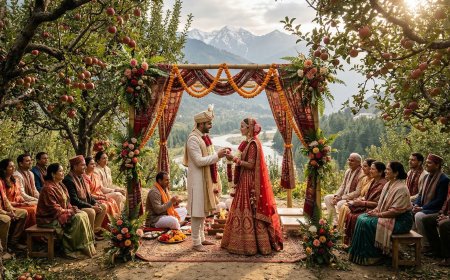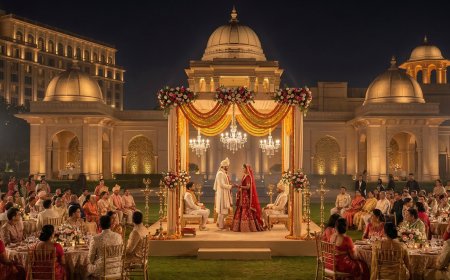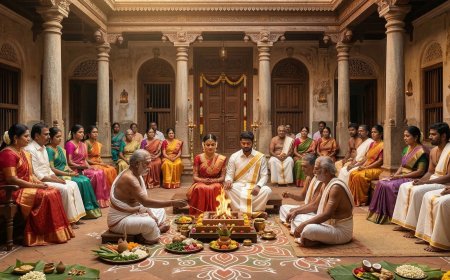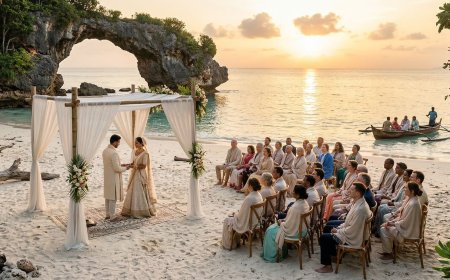















































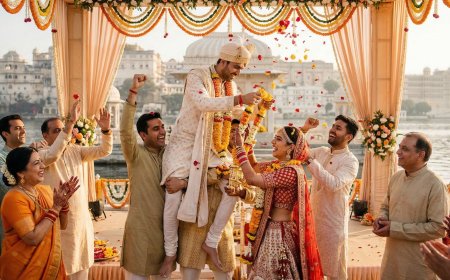





Heritage Hotels vs. Modern Resorts: How to Choose the Right Venue Type for Your NRI Wedding
For NRI couples planning an Indian wedding, the choice between a heritage hotel and a modern resort is one of the most consequential venue decisions you will make — with implications for guest experience, photography, operational reliability, décor investment, and cultural immersion that go far beyond simple aesthetics. This complete guide covers the full comparison: the aesthetic and operational reality of each venue type, the NRI-specific considerations, city-by-city venue landscapes across Jaipur, Udaipur, Mumbai, Goa, and Delhi, the hybrid heritage-inspired resort category, and the decision framework that helps every NRI couple identify which type is genuinely right for their specific wedding. The most thorough heritage vs. modern venue comparison written specifically for NRI couples worldwide.


The Decision That Sets the Tone for Everything
Before the flowers are chosen. Before the menu is designed. Before the first vendor is contacted or the first guest is invited. Before almost any other planning decision is made — there is this one.
What kind of place do you want your wedding to happen in?
Not which specific venue. That comes later, after research and shortlisting and virtual tours and planner site visits. Before the specific venue, there is the category. The type of space. The aesthetic world within which the entire wedding will exist.
For NRI couples planning Indian weddings, this category decision is one of the most consequential choices in the entire planning process — because it determines not just the visual character of the wedding but the operational reality, the guest experience, the vendor relationships, the budget structure, and the particular atmosphere that guests will carry with them when they leave.
And for most NRI couples, the category decision comes down to a choice that sits at the heart of contemporary Indian wedding planning: heritage or modern.
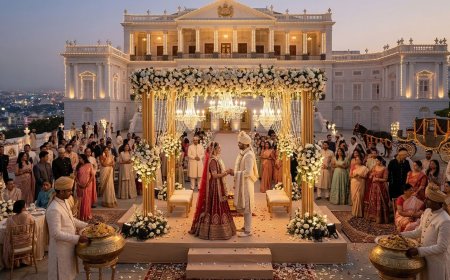
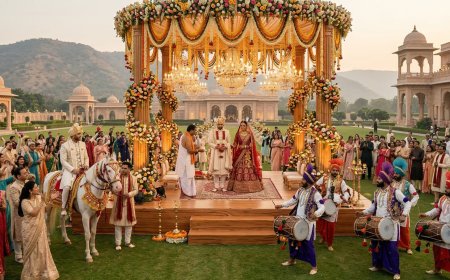
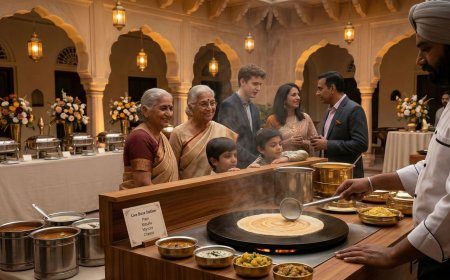
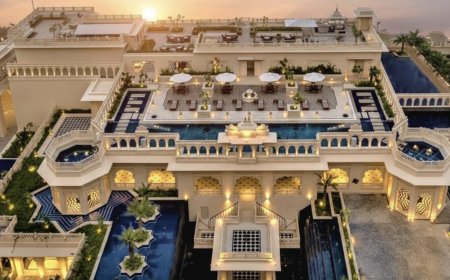
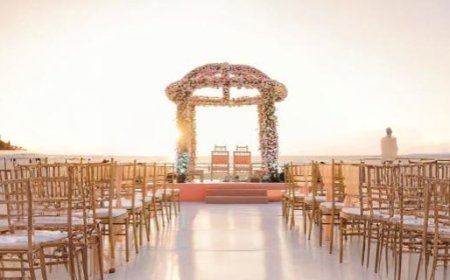
The heritage hotel — the converted palace, the restored haveli, the historic estate that carries within its walls two or three centuries of Indian history — offers a particular kind of wedding. Dramatic architecture. Atmospheric interiors. The sense of a place that existed before you arrived and will continue long after you leave. The beauty that comes not from design choices made by a decorator this decade but from the accumulated layers of a building that has been lived in, maintained, and loved across generations.
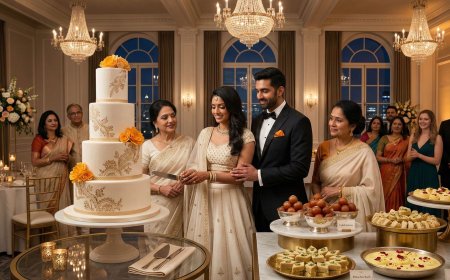
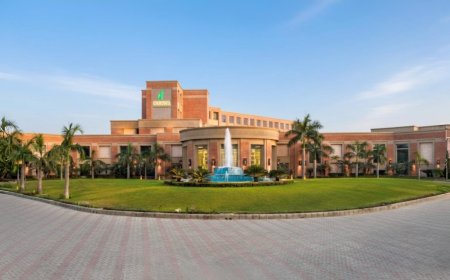
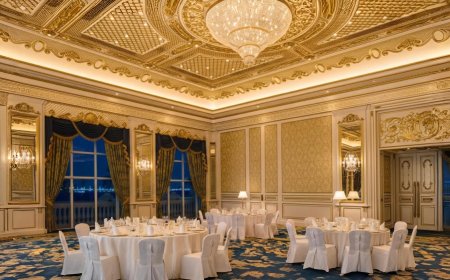
The modern resort — the purpose-built luxury property, the contemporary hotel with world-class amenities, the five-star venue designed specifically to host events at the highest international standard — offers a different kind of wedding. Professional infrastructure. Consistent service standards. Reliable systems. The predictable excellence of a space that was engineered to deliver a specific experience and that has been refined through hundreds of events to deliver it consistently.
Both are compelling. Both are right for different couples. And the decision between them is not simply an aesthetic one — it has practical, operational, financial, and experiential dimensions that NRI couples, planning from abroad with high expectations and limited physical verification opportunities, need to understand before they commit.
This article is the complete analysis of heritage hotels versus modern resorts as NRI wedding venues — covering the aesthetic case for each, the operational reality of each, the guest experience dimensions, the budget implications, the NRI-specific considerations, and the framework for deciding which type is genuinely right for your specific wedding.
The Heritage Hotel: What It Actually Is
The term heritage hotel covers a wide range of properties — from UNESCO World Heritage-adjacent Rajasthan palaces and Mughal-era havelis to colonial-era hill station bungalows, South Indian merchant mansions, and restored Goan Portuguese estates. What unites them is history — a building that predates its current use as a hotel or event venue, that carries architectural character derived from its original purpose, and that offers a sense of place that no amount of contemporary design can fully replicate.
The Aesthetic Case for Heritage
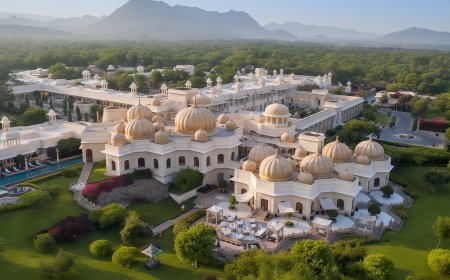
Intrinsic architectural drama The defining characteristic of a great heritage venue is the beauty that exists before anything is added. The carved sandstone jharokhas of a Rajasthani haveli, the coffered ceilings and marble floors of a former maharaja's palace, the teak columns and terracotta tiles of a Chettinad mansion — these architectural elements provide a level of visual richness that most contemporary design cannot match and that makes even modest décor look extraordinary in context.
Photography that cannot be replicated The combination of heritage architecture, warm stone surfaces, characterful interiors, and the play of natural light through historic windows produces a photographic aesthetic that is immediately distinctive. Heritage venue wedding photographs have a quality — a depth, a texture, a sense of time and place — that modern venue photography rarely achieves at the same level. For NRI couples for whom the photographic record of the wedding is a primary priority, heritage venues offer a natural advantage.
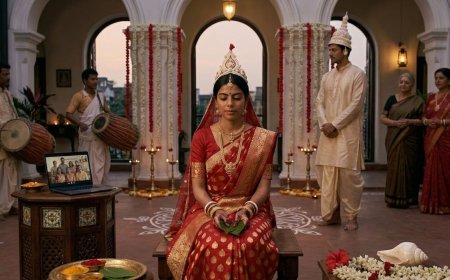
A sense of occasion Arriving at a wedding held in a 200-year-old palace communicates something to guests — something about the scale of the occasion, the thoughtfulness of the couple, the cultural rootedness of the celebration — that a modern hotel cannot communicate in the same way. For NRI couples whose guests are travelling from abroad, the heritage venue provides an experience of India that is genuinely unlike anything available in their country of residence.
Distinctive character across every space Heritage properties typically have multiple architecturally distinctive spaces — a central courtyard for one function, a rooftop terrace for another, a grand hall for a third. Each space has its own character, its own atmosphere, its own photographic personality. Multi-function NRI weddings, where the aesthetic of each function is distinct from the others, can use the heritage property's varied spaces to create a completely different visual experience for each event.
The Operational Reality of Heritage Venues
The heritage venue's aesthetic strengths come with operational characteristics that NRI couples need to understand clearly before booking.
Infrastructure variability Heritage buildings were not designed to host large-scale events. The electrical systems, the plumbing, the kitchen infrastructure, the waste management capacity — all of these were built for a different era and a different purpose, and have been upgraded to varying degrees by different operators. Some heritage hotels have invested heavily in modernising their infrastructure while preserving their architectural character. Others have invested primarily in maintaining the heritage appearance while infrastructure upgrades have lagged.
For NRI couples planning from abroad, the infrastructure question cannot be answered from the portfolio. It requires the planner's physical assessment — specifically the assessment of the kitchen facilities, the generator backup capacity, the bathroom provision, and the sound systems.
Weather exposure The most atmospheric heritage spaces are frequently outdoor or semi-outdoor — the central courtyard, the rooftop terrace, the garden — which means they are weather-dependent. Indian weather is not uniformly cooperative. December evenings in Rajasthan can be genuinely cold. March afternoons in central India can be genuinely hot. Monsoon timing varies and occasionally surprises. Heritage venues with strong outdoor spaces should have credible indoor backup plans that do not sacrifice too much of what makes the heritage property special.
Access and logistics Many heritage properties are located in the older parts of Indian cities — in historic urban cores, in former princely state territories, in locations that were chosen for their historical significance rather than their logistical convenience. The approach roads may be narrow. The parking may be limited. The distance from the airport or from the primary guest hotel areas may be significant.
For NRI couples with large numbers of international guests who are travelling primarily by car, the access and logistics of a heritage venue require specific attention. A property that is stunning once you arrive may impose a guest journey that is less than seamless.
Vendor relationships Heritage properties often have complex relationships with external vendors — specific restrictions on which vendors can work on the property, requirements for vendor access fees, limitations on sound levels that affect entertainment planning, restrictions on open flames or certain types of lighting installations.
Some of these restrictions are genuinely reasonable — protecting a historic property requires specific care. Others may be primarily commercial — protecting the revenue of in-house vendor services. Understanding the vendor landscape before booking prevents discovering that your preferred décor team cannot work at the property you have already committed to.
Service standards variability The hotel service quality at heritage properties varies more widely than at branded modern hotels. A palace converted to a hotel by a professional luxury hotel group — Taj, Oberoi, AMRUT — is operated to the service standards of that group, with training, systems, and quality controls that produce consistent excellence. A privately owned and operated heritage property may have wonderful character and less consistent service — the family warmth and personal attention that makes it special in some respects may come with the service inconsistency that privately managed properties sometimes exhibit.
For NRI couples whose guests have high hospitality expectations — guests who regularly stay at international five-star hotels — the service quality question at heritage venues is important. Assess it specifically and honestly.
The Modern Resort: What It Actually Is
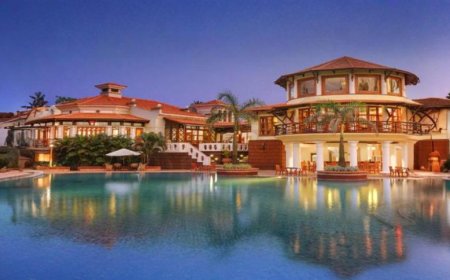
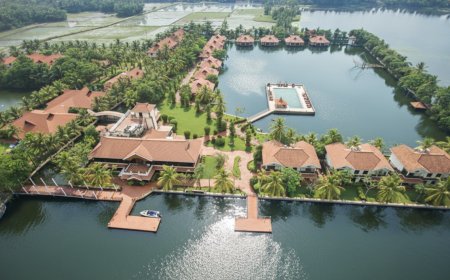
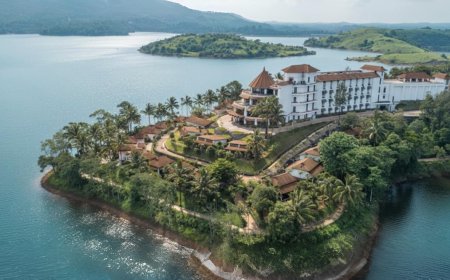
The modern resort — purpose-built luxury hotel, five-star international chain property, or premium standalone resort — offers a completely different set of characteristics. These are spaces designed and built specifically to deliver a luxury hospitality experience to demanding international guests.
The Aesthetic Case for Modern Resorts
Consistent, reliable visual quality Modern luxury resorts are designed to look good. The architecture may not have the depth and character of a 200-year-old palace, but it is typically handsome, well-proportioned, and maintained to a consistently high standard. The landscaping is professionally managed. The interiors are periodically refreshed. The spaces are kept in the condition that the design intent requires.
For NRI couples who are concerned about the gap between portfolio photography and physical reality — one of the central anxieties of remote venue booking — modern resorts typically have a smaller gap. What you see in the portfolio is more reliably what you get, because the spaces are maintained to a consistent standard and do not have the variability that comes with historic buildings.
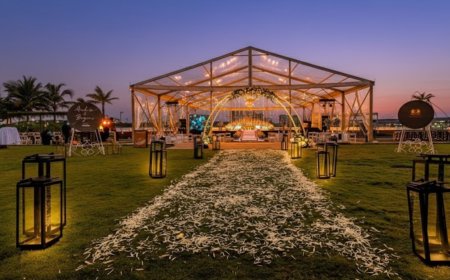
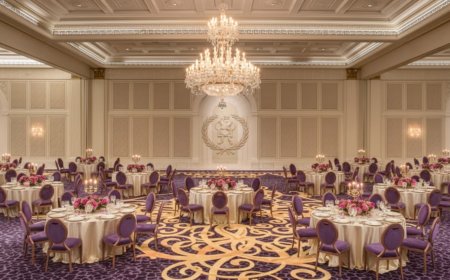
Ballroom flexibility The grand ballroom of a modern luxury resort is a blank canvas — a large, versatile space designed to be transformed by décor into whatever aesthetic the couple chooses. For NRI couples with a very specific design vision — a particular colour palette, a particular décor style, a particular atmospheric effect — the blank canvas of the ballroom is a more controllable starting point than a heritage space with strong existing architectural character that may or may not be compatible with the design vision.
Contemporary infrastructure that works reliably Modern resorts are built with events infrastructure as a primary design consideration — large kitchen capacities, purpose-built loading docks, generous power supply with robust backup systems, professional audio-visual infrastructure, multiple bathrooms in proximity to all event spaces. These operational foundations are built in, not retrofitted.
Established service standards International hotel group properties — Marriott, Hyatt, ITC, Taj, Leela — operate to group-wide service standards that are trained, measured, and consistently delivered. The service quality at a Marriott property in Jaipur is more predictable from a review of other Marriott properties globally than the service quality at a privately owned heritage hotel is from its own portfolio.
For NRI couples whose guests include international travellers with high and specific hospitality expectations, the service reliability of a branded modern resort is a genuine advantage.
The Operational Reality of Modern Resorts
The blank canvas challenge The flexibility that makes the modern resort's ballroom a controllable design canvas also makes it dependent on the décor team's vision and execution. A heritage space has inherent character that makes modest décor look good in context. A modern ballroom without strong décor investment can look clinical, corporate, and generic. The budget required to transform a hotel ballroom into a visually extraordinary wedding space is typically higher than the budget required to produce equivalent visual impact in a heritage property with strong architectural bones.
The corporate atmosphere risk Modern resort hotels are, by definition, hotels. They host corporate conferences, business travellers, and multiple simultaneous events. The most carefully planned wedding at a modern resort may still have to contend with the ambient hotel atmosphere — other guests, corporate signage in the lobbies, the standardised décor of the public areas outside the contracted wedding spaces. For NRI couples who want their wedding to feel like an exclusive, private, culturally immersive experience, the hotel atmosphere of a modern resort can work against this.
Less distinctive photography Modern resort wedding photographs are often beautiful. They are also frequently less distinctive than heritage venue photographs. A wedding held at a Rajasthani heritage palace produces photographs that are immediately and unmistakably Indian — rooted in a specific place, a specific culture, a specific history. A wedding held at a modern luxury resort could, in some photographs, be anywhere in the world with a luxury hotel. For NRI couples who want the photographs to communicate something specific about India, heritage, and cultural identity, the modern resort may produce a less distinctive visual record.
The exclusivity question Full buyout of a modern resort — achieving true exclusivity of the property for the wedding — is typically more expensive than exclusivity at a heritage property of similar size. Modern resorts are commercial properties designed to run at full capacity. Taking the entire property off the market for a wedding weekend commands a premium that reflects the full commercial opportunity cost.
NRI-Specific Considerations: Heritage vs. Modern
Beyond the general comparison, several considerations are specific to NRI couples planning from abroad.
International Guest Experience
NRI weddings typically include a significant proportion of international guests — people who have flown from the UK, the US, Canada, or Australia specifically to attend. These guests' experience of India is shaped substantially by the venue choice.
Heritage hotels offer something guests cannot experience at home An international guest who regularly stays at Marriott hotels globally can stay in a Marriott in Jaipur without particular surprise. An international guest who stays in a converted Rajasthani palace is having an experience that is genuinely distinctive — an encounter with a form of Indian heritage that cannot be replicated elsewhere. For NRI couples who want the wedding to be a gift to international guests — an introduction to the richness of Indian culture and history — the heritage hotel delivers this more powerfully.
Modern resorts offer more reliable comfort for guests with specific needs International guests with accessibility requirements, dietary restrictions that require professional kitchen management, or expectations of specific amenities — gym facilities, spa services, high-speed internet — may be more reliably served by a modern resort with purpose-built international standard facilities.
Remote Planning and Predictability
For NRI couples planning from abroad, the predictability of the venue experience is a genuine consideration.
Modern resorts are more predictable from a distance The service standards, the infrastructure reliability, the consistency between portfolio and physical reality — all of these are more predictable at a professionally managed modern resort than at a heritage property. For NRI couples who are doing most of their planning remotely and who have limited ability to physically verify the venue before the wedding week, the reduced uncertainty of a modern resort is a meaningful advantage.
Heritage hotels require more thorough physical verification The variability of heritage properties — in condition, in infrastructure quality, in service standard — means that the planner's physical site visit and assessment is even more important for heritage venues than for modern resorts. For NRI couples without a planner capable of conducting a thorough site visit, the heritage venue carries higher remote booking risk.
The Cultural Immersion Dimension
For many NRI couples — particularly those whose families are from India and who are planning the wedding partly as an opportunity to connect international guests with their heritage — the cultural immersion dimension of the venue choice is important.
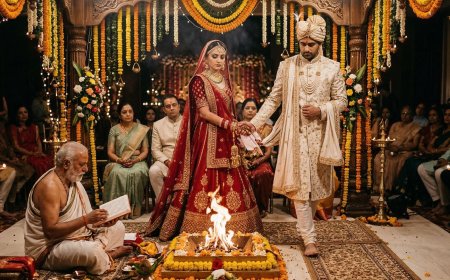
Heritage hotels are culturally immersive Staying in a palace, walking through courtyards that have hosted centuries of Indian history, eating in spaces where maharajas once dined — these experiences communicate something about Indian cultural heritage that cannot be replicated in a modern space. For NRI couples for whom the wedding is in part a cultural homecoming — for themselves, for their families, and for their international guests — the heritage venue delivers a depth of cultural experience that the modern resort cannot match.
Modern resorts are culturally neutral A modern luxury resort is an internationally standard luxury hospitality experience. It is excellent. It is comfortable. It is reliable. It does not, by itself, communicate anything specific about India or Indian culture. The cultural content of the wedding at a modern resort comes entirely from the couple's own choices — the décor, the ceremonies, the food, the entertainment — rather than from the inherent character of the space.
The Hybrid Category: Heritage-Inspired Modern Properties
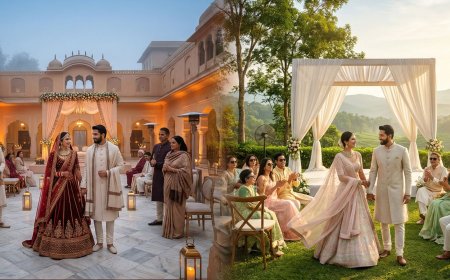
Between the historic heritage hotel and the purpose-built modern resort, a significant category of Indian wedding venues occupies the middle ground — properties that have been built or designed to evoke heritage aesthetics with modern infrastructure.
These properties — often called heritage-style resorts, palace-inspired hotels, or luxury boutique properties — attempt to offer the visual and atmospheric qualities of heritage architecture with the operational reliability and infrastructure standards of modern construction.
The advantages of the hybrid: Heritage architectural language — arches, courtyards, carved stonework, vernacular design references — combined with modern kitchens, reliable power systems, purpose-built event spaces, and professional service infrastructure. The visual impression of heritage without the operational variability.
The limitations of the hybrid: The evocation of heritage is not the same as the authentic heritage experience. The carved sandstone columns of a resort built in 2015 do not carry the same quality of atmosphere as the carved sandstone columns of a haveli built in 1780. Guests who are sensitive to the distinction — and some are — will feel the difference. The photographs may look similar. The experience does not feel the same.
For NRI couples who want the aesthetic benefits of the heritage vocabulary without the operational risks of genuine heritage properties, the hybrid category represents a practical middle ground — particularly in cities like Jaipur, Udaipur, and Jodhpur where the heritage-style resort market is well-developed and professionally operated.
City-by-City: Where Heritage and Modern Both Shine
The heritage versus modern decision is also shaped by the city where the wedding is taking place. Different Indian cities have different balances of heritage and modern inventory, and the quality of options in each category varies significantly.
Jaipur and the Pink City Region
Heritage: Jaipur has arguably the finest concentration of heritage wedding venues in India. The converted palaces and havelis of the Pink City offer architectural grandeur, Rajasthani cultural immersion, and photographic settings that have defined the Indian destination wedding aesthetic globally. The best properties — operated by Taj, Oberoi, and Alila among others — combine authentic heritage architecture with professional luxury hospitality. The heritage case in Jaipur is exceptionally strong.
Modern: Jaipur also has a strong modern luxury hotel market — properties that offer the operational reliability and international service standards of global hotel chains in a city with good air connectivity. For NRI couples who want Jaipur's location and city experience without the operational variability of heritage, the modern options are genuinely excellent.
Udaipur
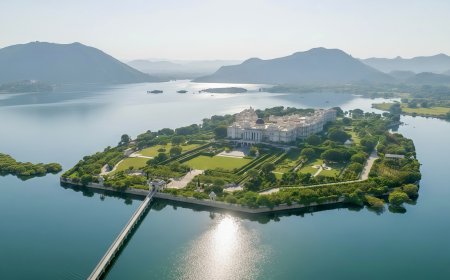
Heritage: Udaipur's lake palace hotels and hillside heritage properties represent the pinnacle of Indian heritage wedding venues. The combination of lake setting, Rajput architecture, and operational excellence at the premium properties makes Udaipur heritage venues among the most sought-after in the world. If the heritage category has a capital, Udaipur makes a strong claim.
Modern: The modern resort market in Udaipur is smaller and less well-developed than in Jaipur. Couples seeking a modern resort experience in Udaipur have fewer options, though quality options exist.
Mumbai and Surroundings
Heritage: Mumbai's heritage hotel market is dominated by the iconic grand hotels of the colonial era — properties that offer historic grandeur but in an urban rather than destination setting. The heritage experience in Mumbai is more about architectural magnificence within a dense city context than about the immersive, escapist quality of Rajasthan heritage properties.
Modern: Mumbai has an exceptionally strong modern luxury resort market — both within the city and in the surrounding areas such as Alibaug and Karjat. For NRI couples with large Mumbai-based guest lists, the modern resort options within reasonable distance of the city offer operational excellence and guest convenience.
Goa
Heritage: Goa's heritage wedding venues are primarily colonial-era Portuguese estates and villas — a distinct architectural tradition that produces a unique wedding aesthetic, different from the Rajasthani palace vocabulary but with its own considerable character. The intimate scale of Goan heritage properties makes them particularly suited to smaller, more intimate NRI weddings.
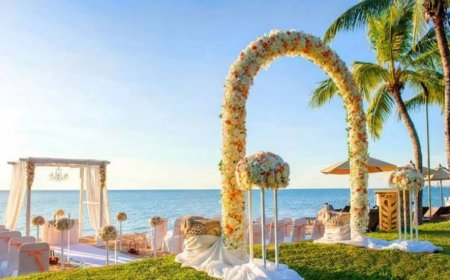
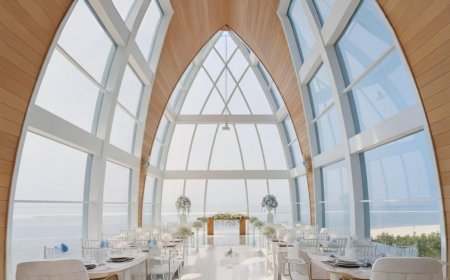
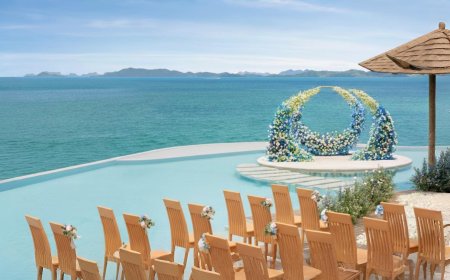
Modern: Goa's luxury resort market — particularly in the North Goa coastal belt — is extensive, well-developed, and internationally oriented. For NRI couples planning beach weddings or large-scale destination events, the modern resort infrastructure in Goa is among the best available anywhere in India.
Delhi NCR
Heritage: Delhi's heritage venues range from Mughal-era monuments available for private events to the converted estates and havelis of Lutyens' Delhi. The heritage options in Delhi are impressive but the urban setting means the immersive quality differs from destination heritage venues.
Modern: The modern luxury hotel and resort market in Delhi NCR — particularly in Gurugram and Noida — is extensive. For NRI couples with large Delhi-based guest lists, the modern resort options offer accessibility, capacity, and operational excellence.
The Framework: Deciding Which Is Right for You
Neither heritage hotels nor modern resorts are universally superior for NRI weddings. The right choice depends on the specific priorities, constraints, and values of the couple. Here is the decision framework.
Choose Heritage If:
Cultural immersion and guest experience are primary priorities You want the wedding to be an encounter with Indian heritage — for your international guests, for your own sense of homecoming, for the photographs that will document the occasion.
You have a planner capable of thoroughly vetting the specific property The operational variability of heritage venues is manageable with the right professional support. Without thorough physical verification by an experienced professional, the variability becomes a risk.
Your décor vision is compatible with the heritage character Some décor styles — maximalist, traditional, culturally rooted — work beautifully in heritage spaces. Others — minimalist, contemporary, Western-influenced — can feel at odds with strong heritage architecture. Ensure your vision and the venue's character are aligned.
You value distinctive photography above consistent operational infrastructure Heritage venues produce more distinctive photographs. The operational infrastructure requires more careful verification.
Your guest profile includes international travellers who will appreciate the cultural experience International guests who are attending an Indian wedding for the first time, or who are specifically interested in experiencing Indian heritage, will find the heritage venue experience genuinely enriching.
Choose Modern Resort If:
Operational reliability and consistent service standards are primary priorities You need the infrastructure to work, the service to be consistent, and the gap between expectation and reality to be as small as possible.
You have guests with specific accessibility or comfort requirements Modern resorts are better equipped to handle accessibility requirements, specific dietary needs, and the full range of international standard amenities.
Your décor vision is bold and specific If you have a very particular design vision that you want to execute without the constraints of existing architectural character, the blank canvas of the modern ballroom gives you more control.
You are planning from abroad with limited ability to physically verify the venue The predictability of modern resorts reduces the remote booking risk.
You want full buyout exclusivity at a lower relative cost Heritage properties, particularly smaller intimate ones, often offer full exclusivity at more accessible price points than large modern resorts.
Consider the Hybrid If:
You want heritage aesthetics with modern operational assurance The best heritage-style modern properties offer a genuine middle ground — the visual vocabulary of heritage with the infrastructure reliability of contemporary construction.
You are in a city where the hybrid category is well-developed Jaipur, Udaipur, and parts of Goa have particularly strong hybrid property offerings.
Common Mistakes NRI Couples Make With This Decision
Choosing Heritage Based on Portfolio Photography Alone
Heritage venues photograph extraordinarily well — which is precisely why the gap between portfolio and physical reality can be largest in this category. Making the heritage decision based on portfolio photography without thorough physical verification is the highest-risk version of the remote booking process. Always ensure your planner has physically visited and assessed any heritage property before commitment.
Underestimating the Décor Budget Required for a Modern Ballroom
Modern resort ballrooms require more décor investment to look visually extraordinary than heritage spaces with inherent architectural character. Couples who choose a modern venue to save on venue hire costs sometimes discover that the décor investment required to make the ballroom look as beautiful as a heritage space costs more than the venue saving.
Not Investigating the Backup Plan for Heritage Outdoor Spaces
Heritage venue outdoor spaces — courtyards, terraces, gardens — are among the most beautiful event spaces in India. They are also weather-dependent. Not investigating the indoor backup plan before booking a heritage venue with primarily outdoor spaces is a planning risk that Indian weather occasionally converts into a planning crisis.
Assuming Modern Means International Standard Throughout
Modern resort does not automatically mean international service standard throughout. Indian modern resorts vary significantly in the quality of their service culture, staff training, and systems. Read reviews specifically from international guests. Ask your planner for a candid assessment of the service culture at any specific property under consideration.
The Right Venue Is the One That Is Right for You
The heritage versus modern decision for NRI wedding venues is not a question with a universally correct answer. It is a question with a correct answer for your specific couple — shaped by your priorities, your guest profile, your décor vision, your operational requirements, and the particular meaning you want the venue to carry for the people who will be there.
The heritage hotel offers something irreplaceable: the atmosphere of a building that has accumulated beauty and character across centuries, the photographic distinctiveness of authentic Indian architecture, and the cultural immersion that makes an international guest feel that they have genuinely encountered India.
The modern resort offers something equally valuable: the operational reliability of purpose-built infrastructure, the service consistency of professionally managed hospitality, and the design flexibility of a blank canvas that can be transformed into any aesthetic vision.
The best NRI wedding venues — whether heritage or modern — share one characteristic: they are chosen with full understanding of what they are, what they offer, and what they require. Not chosen on the basis of portfolio photography alone. Not chosen without professional physical verification. Not chosen without the honest assessment of whether the specific property's characteristics align with the specific couple's priorities.
Make the decision with that understanding. Visit with that framework. Commit with that clarity.
And then let the venue do what the right venue always does — provide the setting within which everything else becomes possible.
What's Your Reaction?
 Like
0
Like
0
 Dislike
0
Dislike
0
 Love
0
Love
0
 Funny
0
Funny
0
 Angry
0
Angry
0
 Sad
0
Sad
0
 Wow
0
Wow
0