













































One Photographer or Two? Why NRI Couples Planning Indian Weddings Cannot Afford to Get This Wrong
One photographer cannot be in two places at once — and Indian weddings create more simultaneous, irreplaceable moments than almost any other celebration in the world. This guide gives NRI couples a clear, honest breakdown of what a second shooter actually does, when their presence is essential versus optional, what to look for in second shooter quality, and how to have the right conversation with your photographer before signing anything. Stop leaving parallel moments undocumented and start building a photography team that matches the actual scale of your wedding.


The Moment Nobody Captured
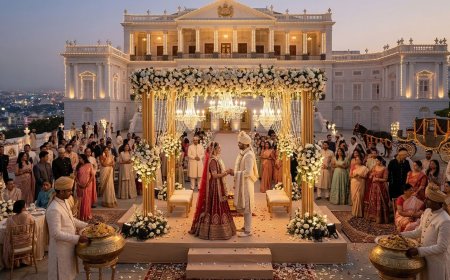
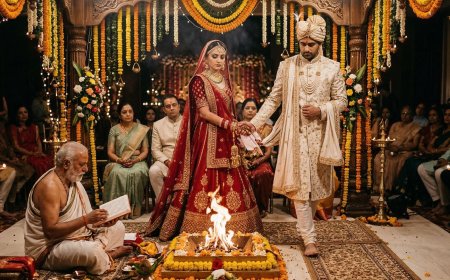
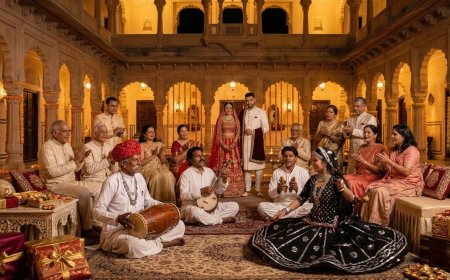
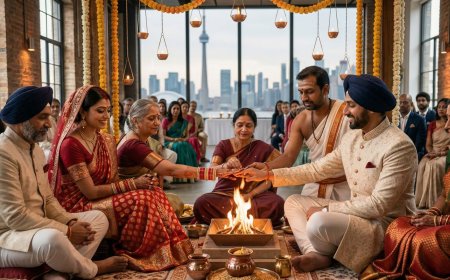
The groom's mother did not know the photographer was on the other side of the mandap. She was watching her son receive the varmala, and the expression on her face — pride and grief and love and disbelief all arriving simultaneously — lasted approximately four seconds before she composed herself and smiled for the family photograph that came moments later.
Nobody captured it. The lead photographer was positioned for the couple's exchange. The angle was right, the light was right, the moment between the couple was documented beautifully. But the four seconds on the other side of the mandap — the ones his mother will never be able to describe adequately to anyone who asks what it felt like to watch her son get married — exist now only in the memory of the people who were standing close enough to see.
This is not a failure of the photographer. It is a failure of physics. One photographer cannot be in two places at once. And Indian weddings — with their multiple simultaneous moments, their parallel ceremonies, their large and emotionally charged family dynamics — create more instances of this problem than almost any other kind of event that professional photographers cover.
The second shooter question is really the question of how many irreplaceable moments you are willing to accept as uncaptured because there was only one pair of eyes in the room.
What a Second Shooter Actually Does
Before the cost-benefit analysis, a clear understanding of the role itself.
A second shooter — sometimes called an associate photographer or second photographer — is a professional photographer who works alongside the lead photographer throughout your wedding coverage. They are not an assistant who carries equipment. They are not a trainee observing the day. They are a working photographer with their own camera, their own creative judgment, and their own assigned coverage responsibilities.
The division of responsibilities between lead and second shooter varies by photographer and by wedding, but typically follows a consistent logic. The lead photographer covers the primary subject — usually the bride — and the most important single moments of each event. The second shooter covers the secondary subject — usually the groom — parallel moments happening simultaneously, supporting angles on key events, and the wider context of the scene that the lead photographer cannot capture while focused on the primary frame.
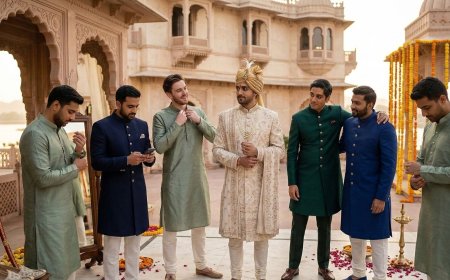
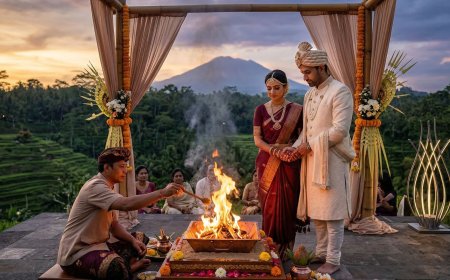
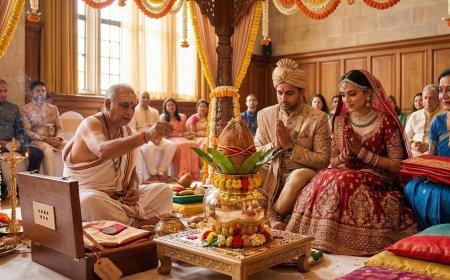
In practice this means: while the lead photographer is capturing the bride's expression during the varmala exchange, the second shooter is capturing the groom's. While the lead photographer covers the baraat from the front, the second shooter covers the family following behind. While the lead photographer is positioned for the wide establishing shot of the ceremony, the second shooter is moving through the guest seating capturing candid reactions. While the lead photographer is conducting formal family portraits, the second shooter is documenting the informal moments happening in the margins of those portraits — the conversations, the embraces, the children running between the adults.
The result is a gallery that tells the complete story of the day from multiple perspectives simultaneously — rather than a gallery that tells the story from one perspective, with gaps where the photographer simply could not be.
The Indian Wedding Context: Why This Matters More Here
Not every wedding creates equal need for a second shooter. A small, intimate ceremony with fifty guests, a single event, and a relaxed timeline can be covered comprehensively by one skilled photographer. The moments are manageable. The geography is compact. The emotional peaks are predictable and sequential rather than simultaneous.
Indian weddings are structurally different in ways that make the second shooter calculation more consequential.
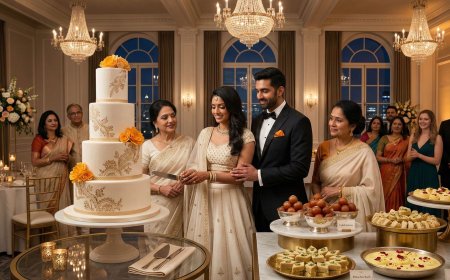
Scale is the first factor. A wedding with three hundred guests across multiple functions generates more simultaneous moments than any single photographer can track. The sheer volume of emotional interactions happening in parallel — across different rooms, different family groups, different points in the ceremony sequence — creates inevitable gaps in single-photographer coverage.
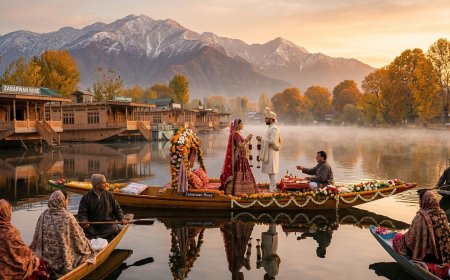
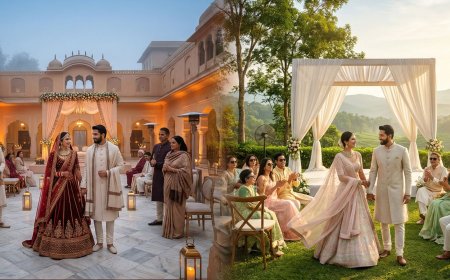
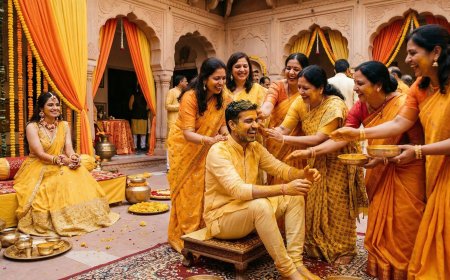
Multiple events is the second factor. A wedding weekend that includes a mehendi, haldi, sangeet, and main ceremony is not one event with one emotional arc — it is four distinct events, each with their own key moments, their own principal subjects, and their own supporting cast of family and friends whose reactions matter. A single photographer covering four events across two days is managing an enormous volume of coverage responsibility.
Simultaneous subjects is the third and most specific factor. Indian wedding ceremonies frequently involve the bride and groom in separate preparation sequences that are happening at the same time — the bride's getting ready, with all the emotional complexity of the bridal morning, and the groom's baraat preparation and procession, which unfolds in parallel and contains its own irreplaceable moments. One photographer cannot cover both. A couple who wants documentation of their complete wedding morning — not just the half that the photographer chose to prioritize — needs two photographers present.
What You Gain With a Second Shooter
Complete Coverage of Parallel Moments
This is the fundamental value proposition and the one that matters most. Every Indian wedding contains moments that happen simultaneously in different locations. The comprehensive documentation of a wedding that involves parallel events is structurally impossible with a single photographer regardless of their skill level.
A second shooter does not just add more images — it adds coverage of moments that would otherwise be entirely absent from your gallery.
Multiple Perspectives on Key Moments
Beyond parallel coverage, having two photographers present at the same moment produces something qualitatively different from a single perspective. The exchange of garlands captured simultaneously from the front and from the side. The vidaai documented from both the close intimate angle and the wider environmental perspective that shows the scale of the family gathered to witness it. The first look captured from behind the bride and from in front of the groom at the same instant.
These paired perspectives tell a more complete visual story than either angle alone. They give you the option to see a single moment from multiple points of view — which is closer to how you actually experienced it, surrounded by people who were all seeing something slightly different at the same time.
Candid Coverage While Portraits Are Happening
Formal portrait sessions are a necessary and time-consuming element of Indian wedding photography. The logistics of organizing large Indian family groups for photographs — coordinating who stands where, managing elderly relatives, corralling children, navigating the complex hierarchy of family configurations — consumes significant time and the full attention of the lead photographer.
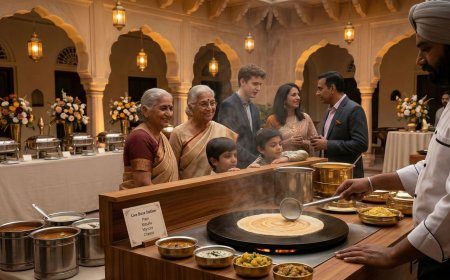
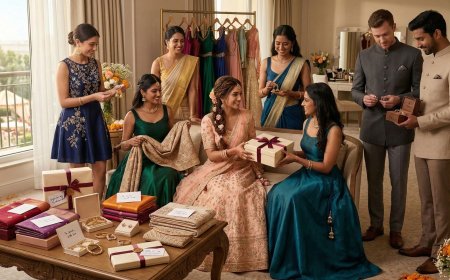
While this is happening, the wedding continues around it. Guests are greeting each other after years apart. Children are experiencing the spectacle of a wedding for the first time. Elderly relatives are sitting together in a way that may never happen again. A second shooter moving through the margins of the formal portrait session captures this parallel world — the informal, candid, unrepeatable moments that happen precisely because nobody was directing them.
Better Coverage of Large Guest Numbers
Beyond the primary family and the couple themselves, a wedding with three hundred or four hundred guests contains a vast human story. Friends who traveled from three continents to be present. Cousins reuniting after years of distance. The quiet conversations and the unexpected connections that happen only at events where an entire extended world gathers in one place.
A single photographer covering all of this alongside their primary couple and family coverage responsibilities is necessarily selective in ways that leave significant portions of the guest experience undocumented. A second shooter expands this coverage meaningfully without compromising the primary coverage quality.
What You Do Not Always Need a Second Shooter For
The honest counterpart to the above is acknowledging the circumstances where a second shooter is a genuine addition versus a budget line that could be better used elsewhere.
Small, single-event weddings with a focused guest list, a compact venue, and a linear event sequence — where moments happen one after another rather than simultaneously — can often be covered comprehensively by one skilled photographer who knows the day well and has been thoroughly briefed.
Weddings where the couple genuinely does not want extensive documentation of the full day — where the preference is for a curated, intimate selection of key moments rather than comprehensive coverage — may not need the volume and breadth that two photographers provide.
Pre-wedding shoots and engagement sessions have no parallel coverage requirement and no case for a second shooter at all. This is a single couple with a single photographer, and the dynamic of that session is actually better served by a smaller, less intrusive team.
The Quality Variable: Not All Second Shooters Are Equal
This is the consideration that gets least attention and carries the most consequence.
The term second shooter covers an enormous range of experience and skill. In the most professional arrangements, the second shooter is an experienced photographer in their own right — someone who has shot complete weddings independently, whose work is consistent in quality with the lead photographer's, and whose images integrate seamlessly into the final gallery.
In less rigorous arrangements, the second shooter is a junior associate, a photography student, or a newer member of the lead photographer's team whose work is noticeably different in quality. The images they produce may be technically competent but aesthetically inconsistent with the lead photographer's style, which creates a gallery that feels uneven — like two different weddings documented by two different people were combined into one delivery.
When evaluating a photography package that includes a second shooter, ask specifically to see examples of the second shooter's independent work. A lead photographer who is confident in their associate's quality will share this without hesitation. One who deflects the question or shows only images from joint shoots where it is impossible to distinguish whose work is whose deserves more scrutiny.
Also confirm that the second shooter is present for the complete coverage duration and not just for specific events or specific hours. Some packages include a second shooter for the main ceremony only, with single-photographer coverage for the mehendi, haldi, and sangeet. If you are paying for second shooter coverage across your wedding weekend, confirm the specific hours and events they are assigned to.
The Cost Consideration: What Second Shooter Coverage Actually Adds
Second shooter fees vary depending on the photographer's pricing structure, the experience level of the associate, and how the cost is built into the overall package.
In some packages, second shooter coverage for a single main event is included in the base price. In others, it is an optional add-on priced separately. In others still, the package distinguishes between a single-day second shooter and a multi-day associate presence across the full wedding weekend, with the latter priced significantly higher.
The practical cost comparison most couples find useful is not the absolute fee for second shooter coverage, but the cost relative to what they receive. A second shooter who costs an additional twenty to thirty percent on top of the lead photographer's package fee and delivers comprehensive coverage of the groom's morning, the baraat, and parallel ceremony moments that would otherwise be entirely absent from the gallery is a straightforward value proposition. The cost per uncaptured moment is high. The cost per comprehensively covered moment is more reasonable than it initially appears.
At a Glance: When to Book a Second Shooter
| Wedding Profile | Second Shooter Recommendation |
|---|---|
| Multi-day wedding with mehendi, haldi, sangeet, and ceremony | Strongly recommended — parallel events create unavoidable single-photographer gaps |
| 200+ guests across one or more venues | Strongly recommended — scale creates more simultaneous moments than one photographer can manage |
| Separate bride and groom preparation happening simultaneously | Essential — one photographer cannot cover both without missing one entirely |
| Single ceremony with under 100 guests, linear event sequence | Optional — a thoroughly briefed lead photographer can cover this comprehensively |
| Destination wedding in a complex multi-location venue | Recommended — geography alone creates coverage gaps a second photographer fills |
| Intimate court wedding or small civil ceremony | Not necessary — single photographer coverage is sufficient for this scale |
| Pre-wedding or engagement shoot | Not applicable — single photographer dynamic is better for this format |
| Reception-only celebration | Situation dependent — assess guest count, venue size, and moment complexity |
| Multi-generational family with elderly relatives and young children | Recommended — family complexity benefits significantly from dual coverage |
| Couple prioritizing curated highlights over comprehensive documentation | Optional — if volume and breadth are not priorities, single shooter may suffice |
The Conversation to Have With Your Photographer
Once you have decided that second shooter coverage is right for your wedding, the conversation with your photographer should cover several specific points.
Ask who specifically will be your second shooter — not just whether a second shooter is included but which photographer will be filling that role. For a wedding as significant as yours, you deserve to know whose work will appear in your gallery alongside the lead photographer's.
Ask to see that photographer's independent portfolio. As discussed, the quality consistency between lead and second shooter directly affects the consistency of your delivered gallery. This is a reasonable and professional request that any reputable lead photographer will accommodate.
Ask how responsibilities are divided on the day. A lead photographer who has thought carefully about second shooter deployment will have a clear answer — specific events and moments each photographer is primarily responsible for, with flexibility built in for the unpredictable. One who gives a vague answer about the second shooter covering whatever the lead photographer misses has not thought carefully enough about how to use the resource.
Ask whether the second shooter will be present for your full coverage duration or for specific events only. If the package you are considering includes a second shooter for the main ceremony and reception but not for the mehendi and haldi, and your mehendi is the function your family has been planning most intensively, you need to know this before you assume comprehensive coverage across all events.
The Decision in Plain Terms
For the majority of NRI couples planning Indian weddings in India — multi-event celebrations with large families, parallel preparation sequences, and the kind of emotional density that comes from a diaspora community gathering from across the world for a single weekend — a second shooter is not an optional upgrade. It is a structural necessity for comprehensive documentation.
The question is not really whether you need one. The question is whether you have confirmed the quality of who that person is, whether their presence is built into your contract across all the events that matter, and whether the lead photographer has a clear and considered plan for how to deploy them.
A second shooter who is experienced, well-briefed, and intelligently deployed does not just add more images to your gallery. They add the images you did not know you needed until you saw them — the ones from the other side of the mandap, the ones from the margin of the formal portrait session, the ones of the groom's mother in the four seconds before she composed herself.
Those are the images you will still be looking at in thirty years. Make sure someone was positioned to capture them.
NRIWedding.com — Expert guidance for Indian weddings planned across borders.
What's Your Reaction?
 Like
0
Like
0
 Dislike
0
Dislike
0
 Love
0
Love
0
 Funny
0
Funny
0
 Angry
0
Angry
0
 Sad
0
Sad
0
 Wow
0
Wow
0