












































Where Tehzeeb Meets the Altar: Inside the Timeless Elegance of a Lucknawi Muslim Wedding
The Lucknawi Muslim wedding is one of South Asia's most refined cultural traditions, rooted in the Nawabi courts of Awadh. From Chikankari embroidery and attar distribution to the formal Nikah and grand Awadhi daawat, every ritual reflects centuries of Persian-Mughal heritage. This guide explores the full ceremony sequence, community variations, and practical advice for NRI Muslim couples recreating authentic Lucknawi weddings in the UK, Canada, Australia, UAE, and USA — without compromising on tehzeeb.


In the city of nawabs, even a wedding invitation is an art form. For NRI Muslims from Lucknow and Awadh, planning a wedding means navigating not just rituals but an entire civilisational code of grace, restraint, and breathtaking beauty — wherever in the world they now call home.
You grew up watching your nani fold a dupatta in a way that made it look like origami. You heard the word tehzeeb[refinement, civilised grace] before you understood what it meant, but you felt it — in the way your family spoke, in the way guests were welcomed, in the way no one at a Lucknawi gathering ever rushed. Now you're in Mississauga, or Canary Wharf, or somewhere in Melbourne's western suburbs, and you're planning a wedding. And somewhere between the venue shortlist and the catering quotes, you feel a quiet panic: how do I do this the Lucknawi way?
Because a Lucknawi Muslim wedding is not just a ceremony. It is a performance of civilisation itself. The Nawabi courts of Awadh produced one of the most refined aesthetic traditions in all of South Asian history — in poetry, in music, in cuisine, in dress, and most exquisitely, in the architecture of a wedding. That legacy lives in you. And this article is here to help you carry it across every ocean you've crossed.
🌟 DID YOU KNOW?
- The Nawabs of Awadh ruled Lucknow from the early 18th century and created a cultural synthesis so distinctive that historians call it the Awadhi tehzeeb — a fusion of Mughal, Persian, and Shia Islamic traditions that shaped everything from language to wedding customs. The city's Urdu dialect, Lakhnawi Urdu, is still considered the most refined form of the language in the world.
- The traditional Lucknawi wedding feast — the daawat — can include upwards of 200 dishes at royal family weddings, many of them slow-cooked using techniques like dum pukht [sealed-vessel slow cooking] that have been passed down for over three centuries through the same family kitchens.
- An estimated 80,000+ Lucknawi and broader Awadhi Muslims live across the UK alone, with significant communities in Leicester, Birmingham, and London — many of whom have maintained caste-community endogamy and specific Shia or Sunni Hanafi wedding customs that differ markedly from Punjabi or Hyderabadi Muslim traditions.
What Is a Lucknawi Muslim Wedding?
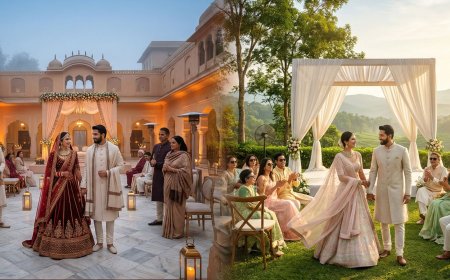
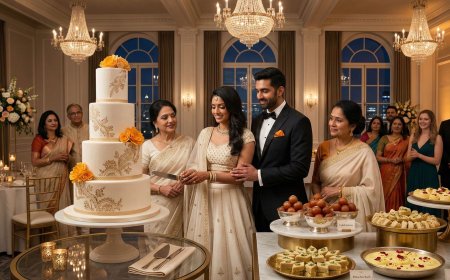
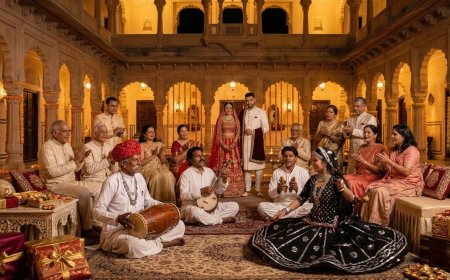
The Lucknawi Muslim wedding — often referred to as a Nawabi shaadi or simply a Lucknawi nikah — is not a single ceremony but a multi-day cultural immersion rooted in the court culture of the Nawabs of Awadh. It draws from Persian Mughal tradition, Shia Islamic theology (for many Lucknawi families), and a uniquely Awadhi aesthetic sensibility that prizes subtlety over spectacle. Where other South Asian weddings dazzle loudly, a Lucknawi wedding whispers — and that whisper carries further.
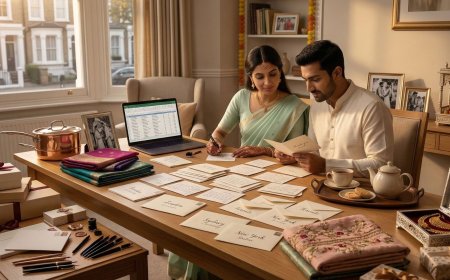
The wedding sequence typically begins with the Mangni [engagement ceremony], followed by the Mehndi [henna night], the Manjha [turmeric ceremony], the Nikah [the Islamic marriage contract], the Rukhsati [the bride's departure], and the Walima [the groom's hosted feast on the day after the Nikah]. Each ceremony carries its own dress code, its own poetry, its own food. In deeply traditional families, invitations are still written in Nastaliq Urdu script — sometimes by calligraphers.
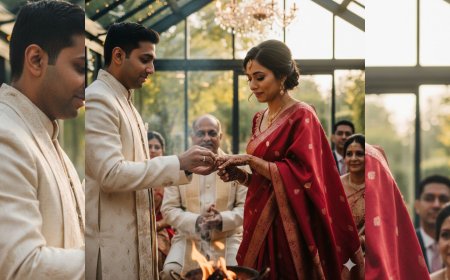
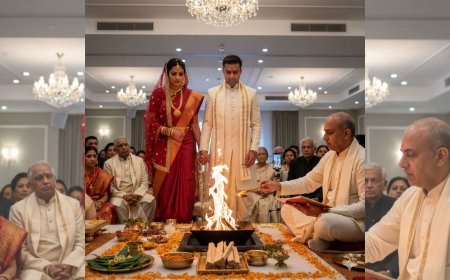
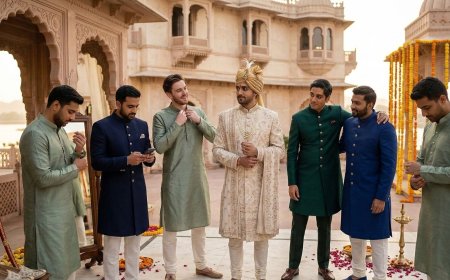
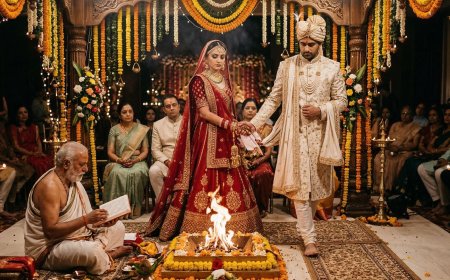
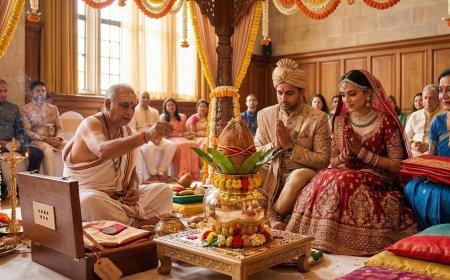
The Nikah itself is presided over by a Qazi [Islamic officiator], who reads the Ijab-o-Qubool [offer and acceptance] in the presence of witnesses. But what elevates it above any standard Islamic marriage ceremony is the Lucknawi framing: the attar [concentrated non-alcoholic perfume] that is distributed to guests, the paan [betel leaf preparation] offered on silver trays, the sherwani of hand-embroidered Chikankari [Lucknow's signature white threadwork embroidery] that the groom wears, and the Salami [respect offering] that younger family members offer elders throughout. The rituals are not just Islamic — they are aristocratic.
Community Comparison Table
| Community / State | Local Name for Core Ceremony | Key Tradition | How NRIs Abroad Adapt It |
|---|---|---|---|
| Lucknawi / Awadhi Muslim | Nawabi Nikah | Chikankari dress code, Urdu poetry readings, paan service, attar distribution | Commission Chikankari from Lucknow artisans 8–10 weeks in advance; paan service replaced with mithai tables |
| Kashmiri Muslim | Nikah with Wanwun | Women sing traditional wanwun songs in the baarat procession; wazwan feast essential | NRI Kashmiris hire wanwun singers from diaspora community; approximate wazwan with 7-dish version |
| Hyderabadi Muslim | Nikkah-e-Aqeeqa | Heavily Deccani-influenced with haleem served at pre-wedding; distinctive Osmania culture | Haleem catered by Hyderabadi restaurants in UK/US; bidri-work décor sourced online |
| Punjabi Muslim | Barat Nikah | Grand procession with dhol; milni between families; mayun ceremony | Dhol players widely available in diaspora; mayun adapted to hotel suites |
| Bengali Muslim | Bou Bhaat | Rice ceremony post-wedding; heavy fish-based daawat | Hilsa fish sourced from Bangladeshi grocers; bou bhaat hosted as separate Sunday gathering |
| Rajasthani Muslim (Meos) | Nikah with Barat | Mix of Hindu-origin folk elements retained; women's folk songs; camel procession historically | Folk song singers hired; camel replaced with decorated vintage car |
| Bohri Muslim (Gujarat) | Sagai + Nikah | Presided over by community's own Amil [officiator]; thaal communal dining tradition | Thaal communal dining recreated in function halls; Amil contacted through Bohri mosques abroad |
| Shia Muslim (Various) | Nikah + Muta clause awareness | Specific Shia jurisprudence followed; duas in Arabic-Persian; distinct Qazi | Shia-specific Qazis sourced through Islamic centres in London, Toronto, Houston |
| Tamil Muslim (Rowther/Lebbai) | Nikah with Kalyaana Saatham | Women's songs in Tamil; distinctive South Indian Muslim cuisine; gold exchange heavy | Tamil Muslim community associations in UK/Melbourne assist with kalyaana saatham singers |
| Garhwali/North Indian Hill Muslim | Simplified Nikah | More austere; heavy Persian-origin folk poetry; simple daawat | Folk music and Urdu ghazals streamed live from India; simple feast with biryani centred |
The Meaning Behind the Ritual
To understand a Lucknawi Muslim wedding is to understand a particular theory of beauty: that restraint is the highest form of refinement. The Persian concept of husn-e-akhlaaq [excellence of character and conduct] runs through every wedding custom. The Nawabs believed that how you welcomed a guest revealed your soul. This is why even today, at Lucknawi weddings in Leicester or Lahore, the first thing offered to an arriving guest is not a menu card or a table number — it is attar on the wrist and paan on a tray, both acts of acknowledgement, both saying: you matter, your presence is honoured.
The Chikankari worn by bride and groom carries spiritual weight too. Lucknawi artisans have traditionally worked in white on white — invisible at a distance, breathtaking up close. This mirrors the Sufi idea that true beauty rewards those who look deeply. The wedding, by extension, is not a display for the crowd — it is an intimacy for those paying attention.
The Salami — the offering of respect to elders — grounds the celebration in its ethical core: a marriage is not just a union of two people, but a reaffirmation of a community's covenant with its own values, generation by generation.
In the words of a Lucknawi elder: "Our weddings don't show off — they reveal."
Doing a Lucknawi Muslim Wedding Abroad: The Practical Reality
This is the section you've probably been waiting for — and you deserve practical answers, not vague encouragement.
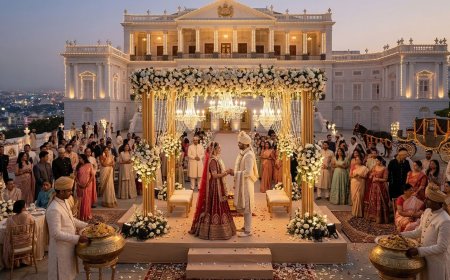
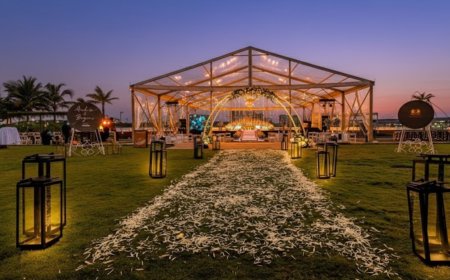
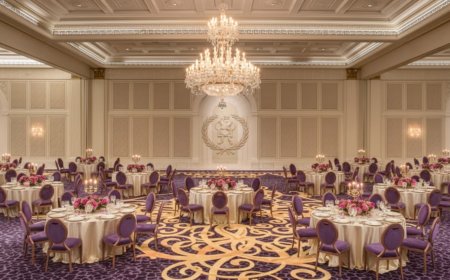
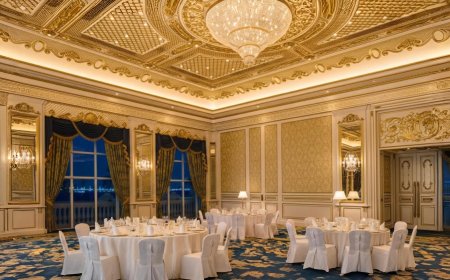
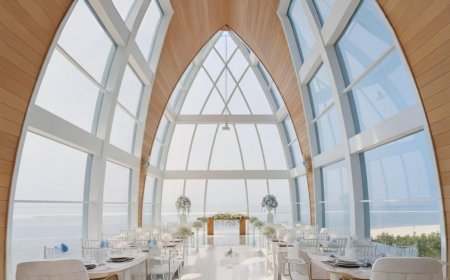
The venue problem. Most Western function spaces are built for a different kind of wedding. What you need for a Lucknawi nikah is atmosphere: high ceilings, warm light, ideally a space that can accommodate a seated daawat (not a buffet line — Lucknawi weddings serve food to seated guests, a mark of respect). In London, heritage venues in East London, Wembley, and Ilford often host South Asian Muslim weddings with appropriate kitchen facilities. In Mississauga and Brampton, community halls attached to Sunni or Shia mosques are your best starting point. In Houston, venues near Hillcroft Avenue — the city's South Asian corridor — frequently accommodate traditional setups.
Sourcing ritual items. Attar is your first challenge. Proper non-alcoholic itr [concentrated perfume] in classical Awadhi scents like rose, oud, and henna should be ordered from Lucknow directly — shop Hazratganj or Aminabad vendors online through WhatsApp order services, or look for specialist Islamic perfumery shops in London's Whitechapel Road, Toronto's Gerrard Street East corridor, or Melbourne's Coburg — all of which have South Asian Muslim communities with specialist traders. Chikankari garments should be ordered 10–12 weeks in advance from Lucknow — artisans on platforms like Etsy or through direct Lucknow boutique contacts can ship internationally.
The Qazi problem. This is real and often underestimated. A Lucknawi nikah has specific supplications and a formal structure that differs from generic Islamic ceremony. Many diaspora mosques have imams who can perform a nikah, but finding one familiar with Awadhi Shia or Sunni Hanafi nuance takes research. NRI.Wedding maintains a vetted directory of community-specific Qazis in the UK, Canada, UAE, and Australia — and can connect you with Lucknawi families who've already done this legwork.
Fire and incense restrictions. Most Western venues prohibit open flames and heavy smoke. For the Mehndi, traditional diya [oil lamps] can be replaced with LED versions that are visually identical. Attar, being non-alcoholic and concentrated, does not trigger fire alarms. Incense, however, often does — opt for reed diffusers with classic oud or rose scents instead.
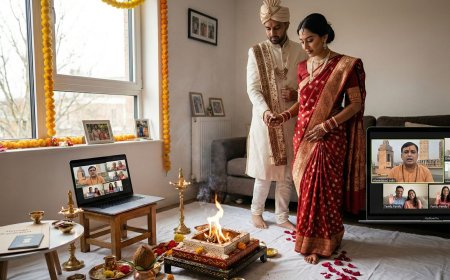
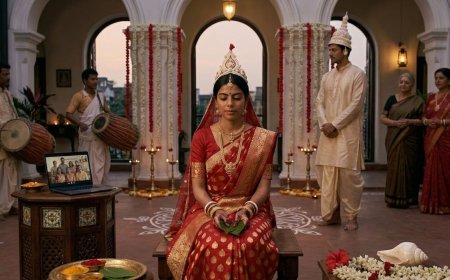
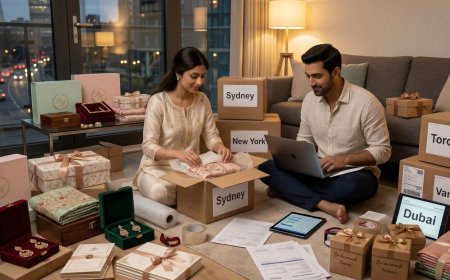
Coordinating with India. Your family in Lucknow needs to feel present. For the Nikah itself, a 5:30–6:00 PM UK ceremony means it's 10:00–10:30 PM in Lucknow — manageable for elders. A Mississauga 4:00 PM ceremony means 1:30 AM Lucknow time, which is harder. Plan your key moments — the Ijab-o-Qubool, the Salami — for times when India can watch. Assign a dedicated video call coordinator in Lucknow and one in your city. Test the connection 48 hours before.
Doing a Lucknawi Wedding as a Destination Wedding in India
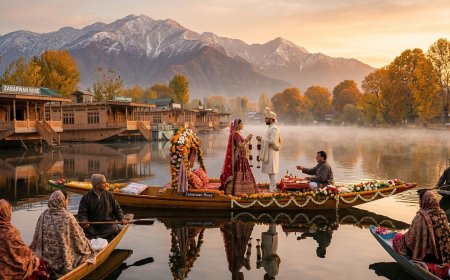
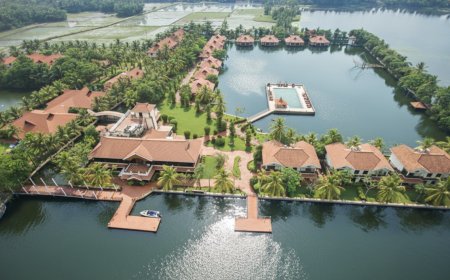
Lucknow is, self-evidently, the ideal destination. The city's heritage properties — including farmhouses and restored havelis in the Gomti Nagar and Hazratganj belt — can be booked for multi-day wedding events and offer genuine Nawabi atmosphere. The Rumi Darwaza and the precincts of the Imambara provide extraordinary backdrops for wedding photography.
When briefing local pandits — or in this case, Qazis — from abroad, send a detailed written brief in Urdu if possible, specifying whether your family follows Sunni Hanafi or Shia Ithna Ashari jurisprudence, your preferred recitations, and any family-specific customs. Reputable wedding planners in Lucknow who cater to NRI families will handle Qazi coordination — ask specifically for planners with experience hosting overseas families, as they understand the need for English narration for non-Indian guests.
For your international guests, prepare a bilingual wedding program — English and Urdu — explaining each ceremony's meaning. A Lucknawi wedding is one of the most elegant experiences a non-Indian guest can attend; give them the language to appreciate it.
What You Need: Ritual Checklist
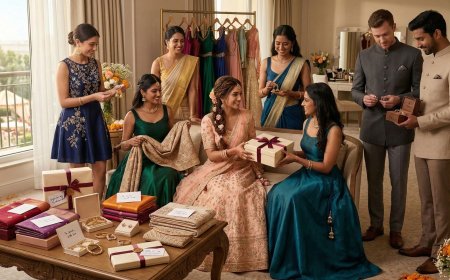
Ritual Items Itr/attar (non-alcoholic, in rose and oud), paan ingredients or pre-made paan, Chikankari sherwani and bridal lehenga or sharara, mehndi supplies, daawat tableware (silver-finish or brass where possible), floral garlands of mogra [jasmine] and roses, LED diyas, Quran for the Nikah ceremony, and a formal Urdu invitation.
People Required A licensed Qazi familiar with your specific school of jurisprudence, two adult Muslim male witnesses for the Nikah, a mehndi artist familiar with Lucknawi fine-line patterns, a catering team capable of dum pukht biryani and Awadhi korma, a calligrapher for invitations if using traditional Urdu script, and a photographer familiar with indoor low-light ceremony work.
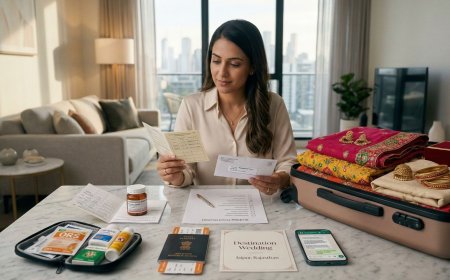
Preparation Steps Book your Qazi at least three months ahead. Order Chikankari 10–12 weeks in advance. Send invitations in both English and Urdu four weeks before. Confirm video streaming setup with your India-based family coordinator two weeks before. Conduct a full rehearsal of the Nikah sequence with your Qazi one week before. Prepare a printed Urdu/English bilingual program for guests.
NRI.Wedding's vendor and pandit directory includes verified Lucknawi Qazis, Chikankari artisan contacts, and Awadhi catering specialists across the UK, Canada, UAE, and Australia. Browse the directory at NRI.Wedding.
5 Questions NRI Couples Always Ask
Can we perform the Nikah in a hotel ballroom rather than a mosque?
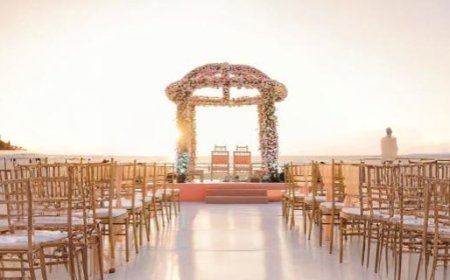
Absolutely, and many Lucknawi families prefer it. The Nikah requires only the presence of a Qazi, two witnesses, and the consent of both parties — the venue is legally and spiritually flexible. A hotel or heritage hall can be beautifully arranged with appropriate draping, floral work, and lighting to create the intimate, formal atmosphere a Lucknawi nikah deserves. Inform the venue about the ceremonial structure in advance.
My partner is not Muslim — how do we handle the Nikah requirement?
This is a nuanced question that deserves an honest answer. Islamic jurisprudence across both Sunni and Shia traditions has specific requirements around the faith of both parties for a valid Nikah. Your Qazi will advise you on what is required within your specific tradition. Many NRI couples in this situation hold a civil ceremony as their legal marriage and the Nikah as the family and cultural celebration — the two are not mutually exclusive, and this sequencing is increasingly common in diaspora communities. Speak to your Qazi openly and early.
How do I find a Lucknawi-specific Qazi in Toronto?
The Shia Muslim community in Toronto's east end, particularly around Scarborough, has active Islamic centres with Qazis familiar with Awadhi and specifically Shia Ithna Ashari ceremony. For Sunni Hanafi families, larger mosques in Mississauga often have connections to South Asian Hanafi scholars. NRI.Wedding's directory is your fastest shortcut — we have vetted contacts for both traditions specifically in the Greater Toronto Area.
Can we include my India-based grandparents meaningfully in the Nikah via video call?
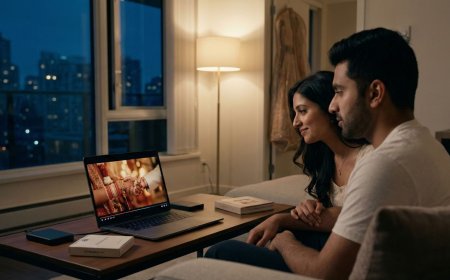
Yes, and this has become a standard and emotionally powerful part of diaspora weddings. The Ijab-o-Qubool — the moment of consent — can be read aloud while grandparents watch live. Many families in India then hold a parallel small gathering at the family home in Lucknow, watching on a large screen. Assign someone in Lucknow to manage the stream and someone at the venue to hold a dedicated tablet or phone for elders abroad. The connection is imperfect; the love is not.
Should we do the civil ceremony before or after the Nikah?
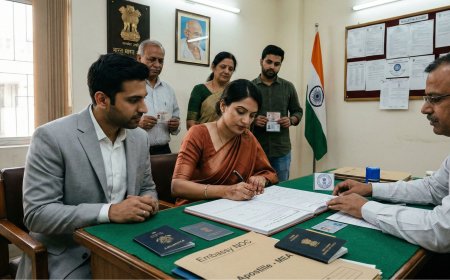
Most NRI couples in the UK, Canada, and Australia register their civil marriage separately — either days before or after the Nikah. Legally, this is the standard route as the Nikah is not automatically a legally recognised marriage in these countries (though it is in some circumstances in the UAE). From a family and cultural perspective, the Nikah remains the real wedding — the civil registration is paperwork. Many families don't publicise the civil date at all and celebrate only the Nikah date as the anniversary.
The Emotional Angle
Your grandmother probably never explained why she cried at every wedding she attended. Not from sadness exactly — something more specific, something that doesn't translate well from Urdu into English. The closest word might be dard [a longing that is also a kind of love]. She was crying because she saw, in every new bride, every family gathered, every recitation of the Ijab-o-Qubool, proof that something had survived.
As an NRI, you carry that same dard without always knowing it. You're sitting in your flat in Canary Wharf ordering Chikankari from a WhatsApp contact your cousin's friend gave you, and at 11pm when the payment goes through and the artisan sends you a blurry photo of the embroidery in progress, you feel something crack open in your chest. You didn't expect to care this much. But you do. Because this is not about a garment. It is about the thing your family has been refusing to let die for three generations — the Lucknawi belief that beauty is a form of devotion, that how you treat a guest is a spiritual act, that a wedding is not a party but a civilisation renewing its promise to itself.
You are not being sentimental. You are being faithful.
A Moment to Smile
At a Lucknawi nikah in Southall two years ago, the groom's family had ordered a full paan service — the silver tray, the betel leaves, the proper Awadhi filling. What they hadn't accounted for was the venue's no-food-in-the-foyer rule, enforced by an extremely enthusiastic event manager named Barry. A five-minute standoff ensued between Barry and the groom's seventy-two-year-old khala [aunt], who informed him, in stately Lucknawi Urdu, that she had been serving paan at family weddings since before he was born and she did not intend to stop. A bilingual family member translated. Barry, to his eternal credit, stepped aside. The paan was served. The khala received the longest round of applause of the evening. The groom said later it was the most Lucknawi thing that had ever happened to him outside of Lucknow.
Quotes from the Diaspora
"People kept asking me why I was so particular about the Chikankari — can't you just wear any embroidered lehenga? But Chikankari is not decoration. It's identity. My grandmother wore it at her nikah in Lucknow in 1967. I wore it at mine in Birmingham in 2023. That's what continuity looks like." — Sana Haider, Awadhi Shia Muslim, Birmingham
"My biggest fear was that the Qazi we found in Mississauga would do a generic nikah — just the bare minimum. But when I explained our family's customs, he sat with us for an hour before the ceremony and asked about our specific traditions. He recited duas I hadn't heard since my husband's father's funeral in Lucknow. I wasn't prepared for that." — Tahira Ansari, mother of the groom, Sunni Hanafi, Mississauga
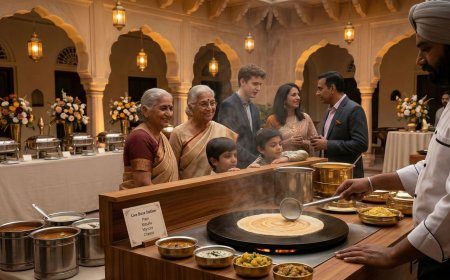
"We did the daawat as a full seated dinner — none of this buffet nonsense, my mother-in-law said. Twenty tables, waiters serving dum biryani and nihari individually. My non-Indian colleagues were stunned. One of them said it was the most elegant dinner she'd ever attended. I thought: yes. That's exactly what Lucknow does." — Zara Naqvi, Awadhi Muslim, Melbourne
Your Roots Travel With You
A Lucknawi wedding is an act of inheritance. Every choice you make — the Chikankari ordered from Aminabad, the Qazi who recites the duas your grandfather taught him, the mogra flowers on the daawat table, the paan served on a silver tray — is a claim on something that belongs to you by birthright. NRI.Wedding exists to make that claim easier. Our directory includes verified Lucknawi Qazis across four continents, Awadhi catering specialists, photographers who understand ceremonial light, and planning checklists built specifically for families navigating the distance between Lucknow and London, Lucknow and Mississauga, Lucknow and Melbourne. You don't have to choose between the life you've built and the culture you come from.
Let your wedding be the proof that tehzeeb has no address.
This article covers the Lucknawi Muslim wedding, Nawabi shaadi traditions, Awadhi nikah customs, and Chikankari wedding attire, with practical guidance for NRI Muslim couples in the UK, Canada, Australia, UAE, and USA planning culturally authentic ceremonies rooted in Lucknow's heritage.
What's Your Reaction?
 Like
0
Like
0
 Dislike
0
Dislike
0
 Love
0
Love
0
 Funny
0
Funny
0
 Angry
0
Angry
0
 Sad
0
Sad
0
 Wow
0
Wow
0