





















































When Hailee Steinfeld and Josh Allen Skipped a Wedding Tradition — Why NRI Couples Are Rethinking Kanyadaan
Hailee Steinfeld and Josh Allen’s decision to reportedly skip a traditional “giving away” wedding ritual has sparked renewed discussion around Kanyadaan in Indian weddings. For NRI couples planning ceremonies abroad, the ritual represents a balance between heritage and modern partnership values. This article explores the cultural significance of Kanyadaan, how diaspora families are adapting it across global cities, and why evolving interpretations are reshaping Indian wedding traditions worldwide.

When high-profile Western couples choose to skip traditional “giving away” rituals, it sparks a deeper global conversation about autonomy, identity, and what marriage represents. For NRI couples planning culturally rooted weddings across London, Toronto, Houston, and Sydney, that same question feels intensely personal. Is Kanyadaan a sacred act of blessing — or an outdated symbol of transfer? The answer lies not in rejection, but in understanding.
You’re sitting in Toronto at 1:17 a.m., wedding tabs open across three browsers. Your mum wants Kanyadaan. Your partner is gently asking what it means. And you just read about a celebrity wedding where the bride wasn’t “given away” at all. Suddenly, something ancient feels very modern. You grew up watching your father place a bride’s hand into her groom’s during weddings in Delhi or Chennai or Ludhiana. It looked sacred. Emotional. Heavy with meaning. Now you are planning a ceremony in London or Houston and wondering whether to keep it, adapt it, or rewrite it. Because tradition, like love, travels.
🌟 DID YOU KNOW?
• The concept of Kanyadaan appears in ancient Dharmashastra texts dating back over 2,000 years, described as one of the highest forms of daan (sacred giving).
• According to diaspora marriage research from India’s Ministry of External Affairs, over 32 million people of Indian origin now live abroad — making cross-cultural wedding negotiations more common than ever.
• In recent global wedding trends, nearly 40% of couples in the US report altering or omitting traditional “giving away” rituals to reflect shared partnership values.
WHAT IS KANYADAAN?
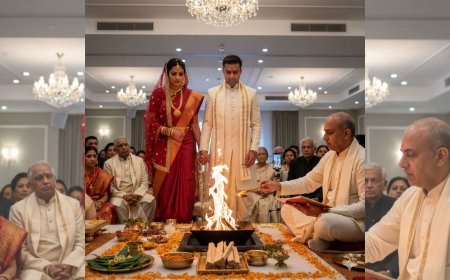
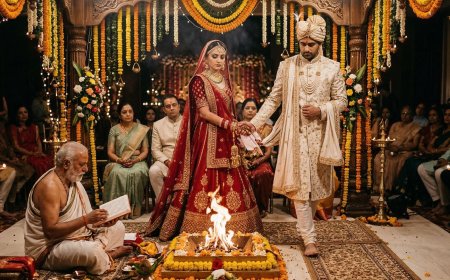
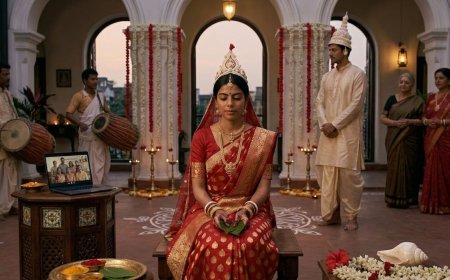
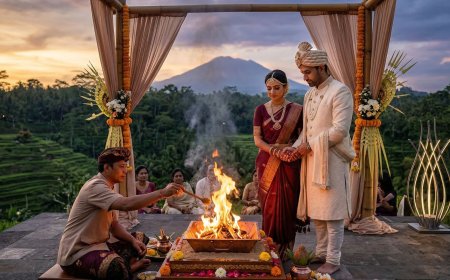
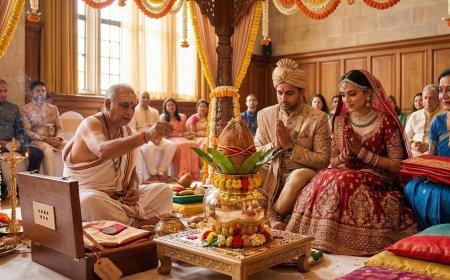
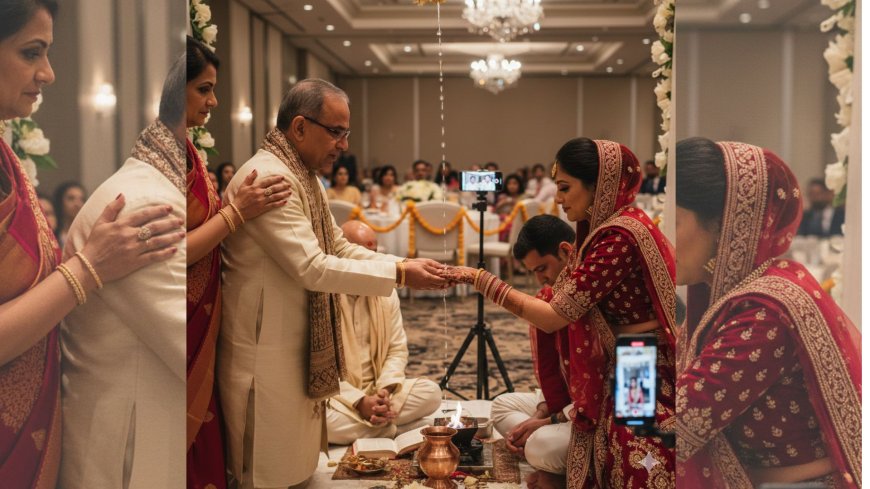
Kanyadaan (the sacred offering of a daughter in marriage) is one of the most emotionally charged rituals in many Hindu weddings. It typically takes place before the Vivah Homa (sacred fire ceremony) and the Saptapadi (seven vows). Traditionally, the bride’s father — sometimes accompanied by the mother — places his daughter’s hand into the groom’s. Sacred water flows over their joined palms as Vedic mantras are chanted, symbolizing entrusting responsibility, companionship, and protection. The word combines Kanya (maiden daughter) and Daan (sacred offering). In classical Indian philosophy, daan is not a transaction; it is a spiritual act of release given without expectation. Historically, this ritual marked transition from one household to another in societies where lineage continuity mattered deeply. Yet the original Vedic mantras emphasize Dharma (righteous duty), shared responsibility, and partnership. At its core, the ritual is a blessing of union. For generations, fathers have stood at that threshold with trembling hands not because they were “giving away property,” but because they were acknowledging a life stage shifting. In today’s diaspora context, where brides are independent, globally educated, and often already living abroad, the ritual carries layered meaning. The question is not whether it survives — but how it evolves.
COMMUNITY COMPARISON TABLE
| Community / State | Local Name | Key Tradition | How NRIs Abroad Adapt It |
|---|---|---|---|
| Himachali | Kanyadaan | Father formally offers daughter before sacred fire | Both parents participate equally in Toronto ceremonies |
| Garhwali | Hastamelap | Hands joined with Vedic chants | Bride may speak personal vows in Vancouver |
| Kumaoni | Kanya Samarpan | Ritual blessing before departure | Adapted to emphasize parental blessing, not transfer |
| Ladakhi | Nyoma Blessing | Family elder blesses couple jointly | Buddhist-inspired mutual offering ritual in Melbourne |
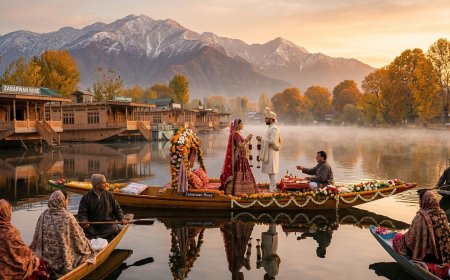
| Kashmiri Pandit | Athwas | Hands washed and joined in sacred water | Both families wash hands symbolically in New Jersey |
| Punjabi | Palla Rasam | Bride’s father places scarf linking couple | Mother increasingly included in Calgary weddings |
| Marathi | Kanyadaan | Sacred water poured over joined hands | Bride speaks about autonomy before ritual in Dubai |
| Tamil | Kannika Daanam | Formal handover before Mangalya Dharanam | Joint parental blessing in Sydney halls |
| Bengali | Sampradan | Maternal uncle presents bride | Uncle and parents co-present in London ceremonies |
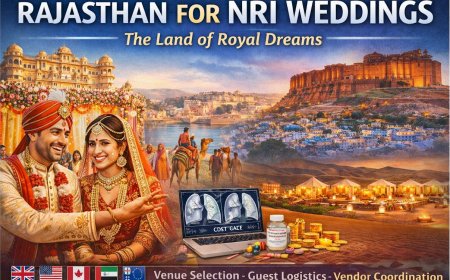
| Rajasthani | Kanyadaan | Ritualized offering before Saptapadi | Reframed as “Ashirvaad Ceremony” in destination Jaipur weddings |
THE MEANING BEHIND THE RITUAL
In the Indian worldview, marriage is not merely romantic alignment but entry into Grihastha Ashrama (the householder stage of life) — a sacred chapter of shared responsibility. Kanyadaan symbolizes release with trust, gratitude for upbringing, and blessing for partnership. In agrarian societies it represented transition between households. In modern diaspora life, it becomes philosophical rather than literal. It can represent acknowledgment of parents’ sacrifices, affirmation of equality, and conscious entry into shared Dharma. The ritual’s spiritual power lies not in hierarchy but in intention. When explained thoughtfully, even non-Indian partners recognize its emotional depth. As one groom in London phrased it, “It’s not giving her away — it’s her parents saying we trust you to walk beside her.” That interpretation preserves dignity while honoring heritage.
DOING KANYADAAN ABROAD: THE PRACTICAL REALITY
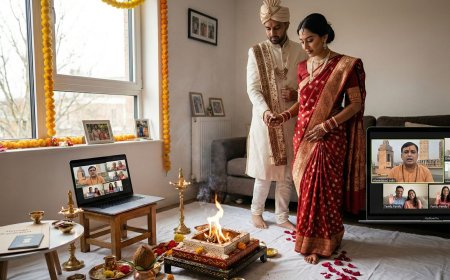
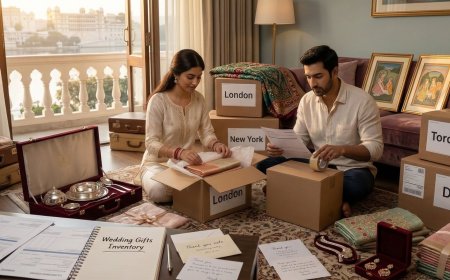
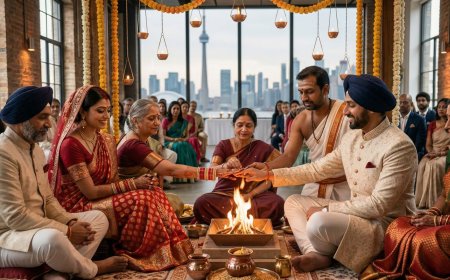
Planning Kanyadaan in Southall, Mississauga, Harris Park, Houston, or Dubai requires precision. Many UK and Canadian venues restrict open flames, so if your Havan (sacred fire ritual) accompanies the ceremony, confirm fire regulations early. Some heritage venues in London allow contained copper kunds, while banquet halls in Brampton or suburban Houston are often more flexible than city-center hotels. Sourcing ritual items is straightforward if you know where to go: Southall Broadway in London, Gerrard Street East in Toronto, Harris Park in Sydney, Hillcroft Avenue in Houston, and Meena Bazaar in Dubai provide everything from kalash to kumkum. The greater challenge is finding a region-specific priest. A Tamil Iyer conducting Kannika Daanam differs from a North Indian pandit reciting Rigvedic verses. Begin inquiries at least four months prior, interview candidates, and discuss wording preferences if you wish to emphasize mutual blessing. For grandparents watching from India, manage time zones carefully — 6 p.m. in Toronto is 4:30 a.m. in Delhi. Consider scheduling earlier and assign a relative to manage livestream logistics. Test microphones and send translations in advance. If you are performing a civil ceremony separately, many couples place Kanyadaan before legal signing to frame documentation within sacred continuity. You are not replicating India; you are translating it responsibly.
DOING KANYADAAN AS A DESTINATION WEDDING IN INDIA
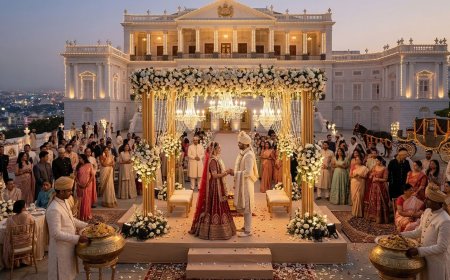
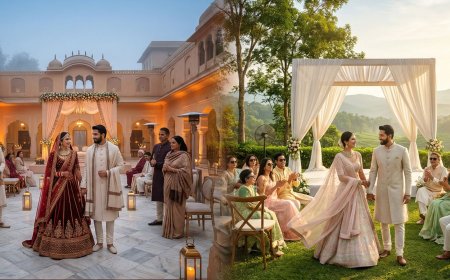
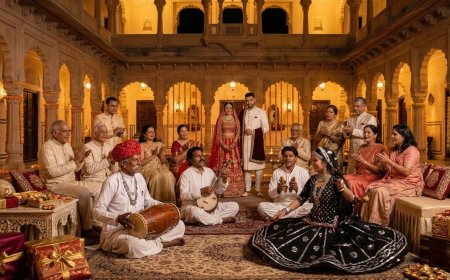
For many NRI couples, returning to India restores context. Jaipur palace venues evoke royal grandeur; Varanasi offers scriptural gravitas; coastal Kerala temples support South Indian customs with authenticity. When coordinating from abroad, document your expectations clearly. Specify whether both parents will participate and request English translations for international guests. Provide printed ceremony notes so non-Indian attendees understand symbolism. A destination ceremony is not merely aesthetic spectacle; it is narrative reclamation — a deliberate anchoring of modern global identity in ancestral soil.
WHAT YOU NEED: RITUAL CHECKLIST
Ritual Items include kalash (copper vessel), sacred water, turmeric, rice grains, betel leaves, garlands, small havan kund if permitted, and printed translations for guests. People Required include a region-specific priest, bride’s parents or guardians, a ceremony coordinator managing livestream logistics, and a translator if needed. Preparation Steps involve confirming venue fire regulations, sourcing ritual materials two weeks in advance, discussing interpretive preferences with your priest, rehearsing hand placement for photography, and conducting a full livestream test. NRI.Wedding connects couples globally with verified regional pandits, culturally fluent planners, and diaspora-ready vendors who understand both ritual depth and immigration paperwork realities.
5 QUESTIONS NRI COUPLES ALWAYS ASK
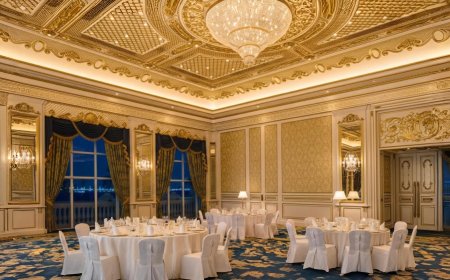
Can we adapt Kanyadaan in a hotel ballroom?
Yes. Symbolism transcends geography. A contained copper vessel and mindful narration preserve meaning even in modern venues.
What if my partner isn’t Indian?
Provide philosophical context beforehand. Emphasize blessing rather than transfer and invite them to verbally acknowledge your parents during the ritual.
How do we find a region-specific priest abroad?
Engage community associations, temple boards, and diaspora networks. Interview multiple candidates to ensure alignment in tone and interpretation.
Can grandparents in India participate live?
Absolutely. Schedule thoughtfully, assign technical oversight, and circulate ceremony outlines in advance to enhance inclusion.
Should we perform this before or after the civil ceremony?
Many couples prefer religious rituals first, positioning legal paperwork within sacred narrative continuity.
THE EMOTIONAL ANGLE
When your father holds your hand in a banquet hall in Mississauga, the room feels smaller than memory. He remembers dropping you at Heathrow for university, watching you build a life oceans away. He knows he is not losing you, yet the moment carries weight. For NRI families, Kanyadaan is rarely about surrender. It is about pride — acknowledgment that raising a daughter across cultures required resilience, and that she now steps forward with that resilience intact. The tears are not about departure. They are about continuity stitched across continents.
A MOMENT TO SMILE
At a wedding in Southall, the priest began chanting when the bride’s father realized the ceremonial kalash was still in his car. A groomsman sprinted outside in full sherwani, weaving through double-parked BMWs. The bride whispered, “Papa, bottled water works.” He returned triumphant minutes later, slightly breathless but determined. During dessert he admitted he simply wanted the ritual done properly one last time. The story now elicits laughter more than panic — proof that imperfection often becomes the memory that lasts.
QUOTES FROM THE DIASPORA
“We rewrote parts of Kanyadaan in Vancouver to include my mum equally. It felt balanced, not diminished.” — Anjali P., Garhwali, Vancouver
“Watching my daughter’s hand placed into her partner’s in Houston made me feel we had carried our culture across oceans successfully.” — Rajesh M., Punjabi, Houston
“I kept my surname, my career, and Kanyadaan — but on my terms.” — Rhea S., Bengali, London
Your Roots Travel With You
Celebrity weddings may skip certain rituals, but the real question for diaspora couples is not what others omit — it is what you choose to carry. As an NRI couple, you are not bound by ritual; you are entrusted with it. Whether you preserve Kanyadaan, reinterpret it, or transform it entirely, the act should reflect both heritage and personal conviction. NRI.Wedding connects global couples with region-specific pandits, culturally fluent planners, and practical checklists designed for cross-continental ceremonies. Because preserving tradition abroad requires both poetry and precision. Your roots travel with you. Let them grow where you stand.
This guide explores Kanyadaan across Indian communities and how NRI couples in London, Toronto, Sydney, Houston, and Dubai are adapting this sacred wedding ritual for modern global marriages.
TAGS
#NRIWedding #Kanyadaan #IndianWeddingAbroad #DiasporaBride #HinduWeddingRituals #CrossCulturalMarriage #SouthallWeddings #TorontoIndianWedding #ModernTraditions #NRIWeddingPlanning
What's Your Reaction?
 Like
0
Like
0
 Dislike
0
Dislike
0
 Love
0
Love
0
 Funny
0
Funny
0
 Angry
0
Angry
0
 Sad
0
Sad
0
 Wow
0
Wow
0