

















































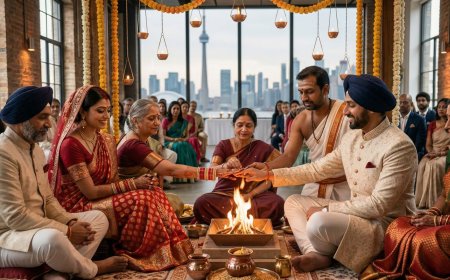



The Last Moment You Are Two Separate People: What the Antarpat Ritual Really Means for NRI Marathi Families
The Antarpat — the sacred silk curtain held between bride and groom at the precise auspicious Muhurtham moment — is the most dramatic and philosophically profound ritual in the Marathi Hindu wedding tradition. For NRI Maharashtrian families across the US, UK, Canada, UAE, and Australia, performing this ceremony abroad requires a qualified Marathi pandit, careful Muhurtham calculation, and community participation in the Mangalashtaka verses. This guide covers the ritual's full sequence, regional comparisons, practical planning, and its deep spiritual meaning.


The Antarpat is the most dramatically human moment in the Marathi Hindu wedding — a cloth held between bride and groom who stand inches apart, unable to see each other, while the cosmos is prepared to witness their union. For NRI families carrying this intimate and deeply philosophical ritual across oceans, the curtain between them is not an obstacle — it is the last sacred breath before everything changes forever.
You grew up hearing about the Antarpat the way you hear about all the best rituals — in fragments, in stories told sideways, in the laughter of older women remembering the moment the cloth dropped and what the bride's face looked like when she finally saw him standing there. You heard that it was the most nervous moment of the whole wedding. That the waiting — standing so close to someone you were about to spend your life with, separated by nothing but a piece of silk — was the strangest and most electric feeling in the world.
Now it is your wedding. You are Marathi, or you are marrying into a Marathi family, and the Antarpat is on your ceremony timeline. You are in a banquet hall in Mississauga or a hotel venue in Melbourne, and you are trying to understand this ritual completely before you stand behind that cloth — because you sense, correctly, that it deserves to be understood and not merely performed.
This guide is for that couple. For the NRI family that knows the Antarpat is not a theatrical flourish or a photogenic moment — it is a precise and ancient ritual that captures, in a single piece of cloth, the entire philosophy of what a Hindu marriage is and what the moment of its beginning requires.
🌟 DID YOU KNOW?
The Antarpat [the sacred cloth screen] is specific to the Marathi Hindu wedding tradition and has no direct equivalent in most other Indian regional ceremonies — making it one of the most distinctly community-specific rituals in the Indian wedding calendar, recognised immediately by any Maharashtrian family and virtually unknown outside the community.
The moment the Antarpat is lowered is precisely synchronised with the recitation of the Mangalashtaka [eight auspicious wedding verses traditionally sung by the assembled family and guests] — meaning the cloth does not simply drop but descends in the exact rhythm of the sacred verses, creating a ceremonial choreography of sound and sight that has been perfected across centuries of Marathi weddings.
Among NRI Maharashtrian families in the UK, US, Canada, UAE, and Australia, the Antarpat moment is consistently cited as the single most photographed and most emotionally remembered moment of the entire wedding — with diaspora wedding photographers specifically experienced in Marathi ceremonies noting that the second the cloth drops is the moment that produces the most authentic and unguarded expressions of the entire wedding day.
What Is the Antarpat Ritual?
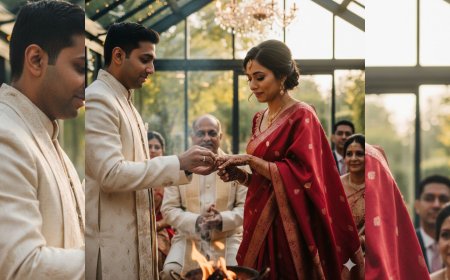
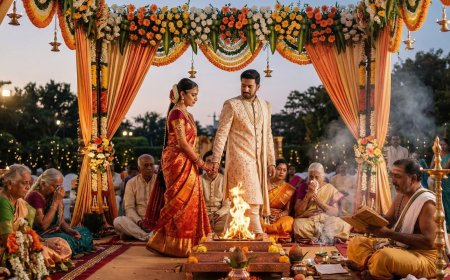
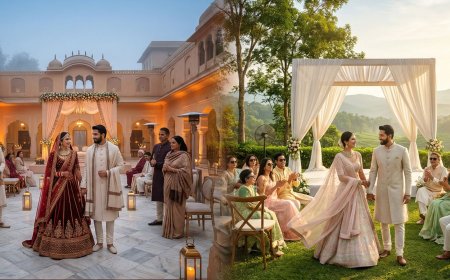
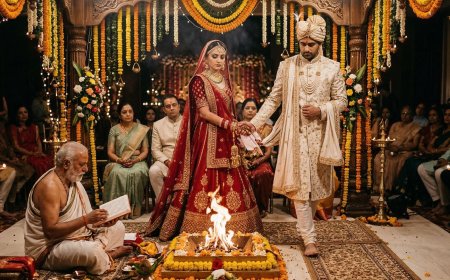
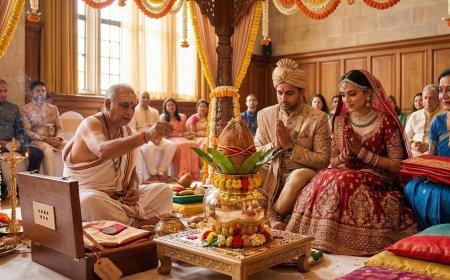
Antarpat [from Marathi antar meaning between or within and pat meaning cloth or screen] is a sacred pre-Muhurtham[auspicious ceremony moment] ritual specific to the Marathi Hindu wedding tradition, in which a cloth screen — typically white or yellow silk — is held between the bride and groom as they stand facing each other at the Mandap [sacred ceremonial canopy], preventing them from seeing each other while the pandit [priest] completes the preparatory prayers and the assembled family and guests sing the Mangalashtaka [eight sacred auspicious verses]. At the precise auspicious moment determined by the Vedic almanac, the cloth is lowered and the couple sees each other for the first time as husband and wife — or more precisely, as two people about to become husband and wife in the next breath.
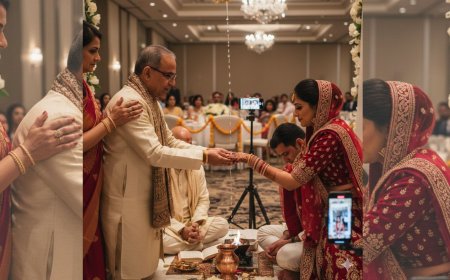
The ritual begins with the arrival of both the bride and groom at the Mandap, positioned facing each other with the Antarpat held between them, typically by two senior male relatives — one from each family — who hold the cloth at shoulder height. Neither the bride nor the groom can see the other's face, though they are close enough to be aware of each other's presence with an immediacy that is, by all accounts, profoundly affecting.
As the pandit recites the preparatory mantras [sacred verses] and the family begins the Mangalashtaka — these verses are traditionally sung by the assembled guests, not merely a professional singer, making the Antarpat one of the few Indian wedding rituals in which the guests are active ceremonial participants — the cloth remains raised. The singing of the Mangalashtaka builds in energy and pace, and as the eighth verse reaches its conclusion at the precise Muhurthammoment, the cloth is lowered simultaneously by both holders.
The Subho Drishti [the auspicious first gaze] that follows — the moment the couple's eyes meet across the now-absent cloth — is the emotional peak of the Marathi Hindu wedding. Both bride and groom exchange akshat [unbroken rice grains] thrown toward each other at the moment of first sight, in a gesture of mutual blessing. The Havan [sacred fire ritual] and the remainder of the ceremony follow, but the Antarpat moment is the one that everyone present will carry with them for the rest of their lives.
Community Comparison Table
| Community/State | Local Name | Key Tradition | How NRIs Abroad Adapt It |
|---|---|---|---|
| Marathi (Hindu) | Antarpat | Silk cloth held between couple; Mangalashtaka sung by guests; cloth lowered at Muhurtham; akshat exchange | Full ritual maintained; Mangalashtaka taught to guests in advance; Marathi pandit essential; cloth brought from India or sourced locally |
| Gujarati | Madhuparka Parda | Less formalised cloth tradition; groom arrives veiled; Madhuparka ceremony precedes first sight | Veil tradition maintained; Gujarati pandit manages sequence; ceremony adapted to venue |
| Bengali (Hindu) | Subho Drishti | Formal first-gaze ritual; bride and groom hold betel leaves before eyes; families witness first look | Betel leaves sourced from Indian stores; Bengali pandit manages timing; moment streamed for Kolkata family |
| Tamil (Hindu) | Manavai Paarvai | First sight ritual within Tamil ceremony sequence; specific Tamil Vedic timing | Tamil Vadhyar manages timing; first sight coordinated with mantra recitation |
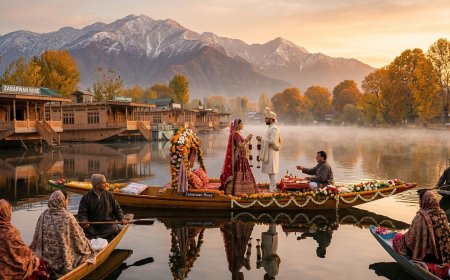
| Kashmiri Pandit | Livenh Parda | Cloth screen element within Kashmiri ceremony; specific Kashmiri Pandit sequence | Kashmiri Pandit community pandit essential; specific sequence maintained |
| Punjabi (Hindu) | Ghunghat / Parda moment | Bride's face veiled during arrival; groom lifts veil at specific ceremony moment | Veil moment maintained; photographed as key ceremony point; Punjabi pandit manages timing |
| Rajasthani | Ghunghat ceremony | Elaborate veil tradition; groom lifts ghunghat at specific ritual moment; community witness | Ghunghat sourced from Indian textile stores; moment coordinated with pandit; streamed for Jaipur family |
| North Indian (General) | Parda / Ghunghat moment | Veil separation element present in many North Indian traditions; less formalised than Antarpat | Family elder manages veil moment; pandit coordinates timing with ceremony sequence |
| Telugu | Jeelakarra Bellam | Bride and groom separated by held cloth; cumin and jaggery placed on each other's heads simultaneously at Muhurtham | Telugu pandit manages precise timing; cumin and jaggery sourced from Indian stores |
| Himachali / Garhwali | Parda / Separation moment | Cloth or physical separation between couple before ceremony begins; community elder manages | Community Pahadi elders manage separation; folk songs accompany; ceremony adapted to venue |
The Meaning Behind the Ritual
To understand the Antarpat is to understand what the Vedic and Marathi philosophical tradition believes about the nature of a threshold. Every significant transition in human life — birth, initiation, marriage, death — requires a moment of suspension, a held breath between what was and what will be. The Antarpat is that suspended breath made visible in cloth.
The bride and groom who stand on either side of the Antarpat are not yet married. They are, in the precise theological sense, still two separate individuals with two separate identities, two separate family affiliations, two separate destinies. The cloth between them is the physical representation of that separateness — and the Muhurtham, the auspicious moment at which it falls, is the moment that separateness ends.
What makes the Antarpat philosophically extraordinary is its insistence that the transition cannot be rushed. The cloth cannot be lowered at the family's convenience or the photographer's preference. It falls at the Muhurtham — the cosmically auspicious moment determined by the movement of celestial bodies, calculated by the Vedic almanac, specific to the day and the couple. The cosmos, in other words, decides when they see each other. Not the pandit, not the family, not the couple themselves. The universe sets the timing of this particular beginning.
The Mangalashtaka sung during the waiting period is not background music. It is the preparation of the sacred atmosphere — the collective voice of the community consecrating the space between two people who are about to stop being separate.
The Antarpat says: what is about to begin is so significant that even the moment of its beginning must be chosen by the cosmos, not by human convenience.
Doing the Antarpat Abroad: The Practical Reality
The Antarpat is one of the most community-specific rituals in the Indian wedding calendar, which means that doing it properly abroad requires preparation that begins not with logistics but with knowledge — ensuring everyone involved understands exactly what the ritual requires and why.
The Marathi pandit is the single most critical requirement and must be booked first, before any other wedding vendor without exception. The Antarpat is inseparable from the Mangalashtaka, and the Mangalashtaka requires a pandit who knows the specific Marathi Vedic tradition — the verses, their correct order, the precise moment of the Muhurtham, and the coordination between the cloth-dropping and the verse conclusion. A pandit unfamiliar with Marathi wedding tradition will conduct a ceremony that every Maharashtrian family member present will immediately identify as incorrect. NRI.Wedding's regional pandit directory lists verified Marathi community pandits across the UK, US, Canada, UAE, and Australia — book at minimum four to six months before the wedding and conduct a detailed video consultation before confirming.
The Antarpat cloth itself requires advance sourcing. The traditional cloth is white or pale yellow silk — simple, undecorated, and of good quality. Many Marathi families bring the Antarpat cloth from India specifically, as the weight and texture of the silk matters for the ceremony's visual and physical quality. If sourcing abroad, look for plain silk fabric in white or pale yellow from Indian fabric stores — in London, Wembley's fabric stores on Ealing Road carry silk in appropriate weights; in Toronto, the fabric stores along Gerrard Street East have silk available; in Houston, Hillcroft Avenue's Indian fabric suppliers carry ceremonial silk. The cloth should be approximately two metres in length and wide enough to be held at shoulder height by two adults while obscuring the couple's view of each other completely.
Teaching the Mangalashtaka to guests is the most distinctive practical challenge of the Antarpat, since the verses are meant to be sung by the assembled family rather than merely observed. Most NRI Marathi families handle this in one of two ways: either they share the Mangalashtaka lyrics and a recording with guests in advance — via the wedding website, a WhatsApp group, or a printed insert in the ceremony programme — and ask guests to sing along, or they arrange for a small group of family members who know the verses to lead the singing while other guests follow or simply listen. Either approach works. What matters is that the singing feels participatory rather than performed, communal rather than professional.
The Muhurtham timing is non-negotiable and must be calculated by your pandit using the Vedic almanac specific to your wedding date and location. In diaspora cities, the Muhurtham will differ from the IST calculation — your pandit must calculate it for your actual city's coordinates and time zone, not for India. Share the Muhurtham time with both families well in advance so that the India family watching on video call is prepared for the exact moment the cloth will fall.
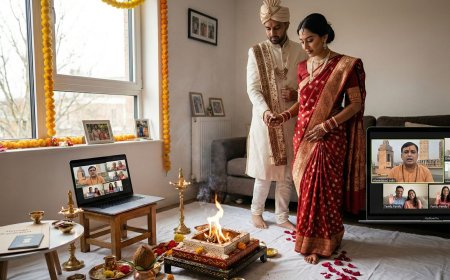
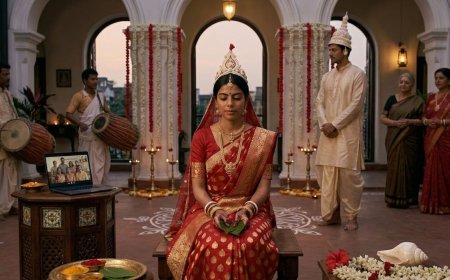
For India family on video call, the Antarpat moment is the one that must be witnessed in real time with zero technical failure. Use a professional live-streaming setup managed by your videographer rather than a family member holding a phone. Position the camera to capture both the cloth and the couple's faces simultaneously — the moment the cloth drops should be visible to India viewers in real time, with clear audio of the Mangalashtaka singing audible through the stream.
Doing the Antarpat as a Destination Wedding in India
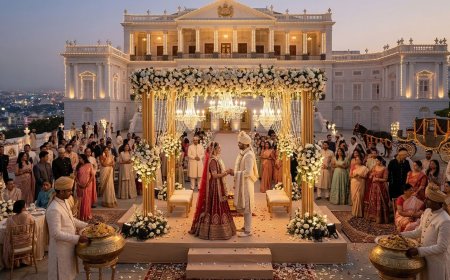
For NRI Marathi families returning to India for the Antarpat ceremony, Pune is the cultural heartland of Marathi Hindu wedding tradition — with experienced Marathi pandits, established Kalyana Mandapams [wedding halls designed for the full Vedic ceremony sequence], and a community that understands the Antarpat's specific requirements without any briefing. Mumbai's Marathi community venues in areas like Dadar and Shivaji Park offer similar cultural authenticity with greater venue variety.
Nashik holds particular spiritual significance for Marathi families — its proximity to sacred pilgrimage sites and its strong Brahminic tradition make it a meaningful location for a full Vedic ceremony. For NRI families whose ancestral roots are in the Konkan region, returning to the family's home village or nearest town for the ceremony carries an emotional resonance that no city venue can replicate.
When briefing local Marathi pandits in India as an NRI returnee family, provide written details of your gotra [ancestral lineage], your family's specific shakha [Vedic branch], and any particular Mangalashtaka variations your family tradition uses. Most experienced Pune and Mumbai pandits are accustomed to NRI returnee families and will readily adapt their approach. For non-Indian guests attending the Antarpat in India, prepare a detailed printed explanation of the ritual — the suspended moment, the cosmic timing, the collective singing — as these elements are what make the Antarpat unlike any wedding ceremony most international guests will have encountered.
What You Need: Antarpat Ritual Checklist
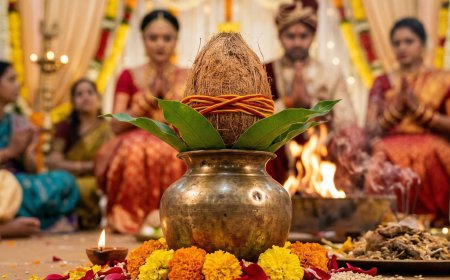
Ritual Items Antarpat cloth [white or pale yellow silk, approximately two metres in length], akshat [unbroken rice grains, prepared in two small containers — one for bride, one for groom], Mangalashtaka lyrics printed for guests [in Marathi script with transliteration for non-Marathi readers], a decorated Mandap with proper space for two people to stand facing each other with cloth between them, the full Havan Kund setup for the fire ceremony that follows, marigold and jasmine flowers for Mandap decoration, puja thali with kumkum and turmeric, and any additional items specified by your Marathi pandit for your family's specific ceremony sequence.
People Required A qualified Marathi Hindu pandit who knows the Antarpat sequence and Mangalashtaka verses non-negotiably, two senior male relatives — one from each family — to hold the cloth during the ceremony, a family member or professional singer to lead the Mangalashtaka if guests are unlikely to sing confidently, a dedicated live-stream videographer for the Muhurtham moment, a photographer specifically briefed on the cloth-drop moment and the first gaze that follows, and a video call coordinator for India family.
Preparation Steps Book your Marathi pandit four to six months before the wedding. Confirm the Muhurtham time for your city with your pandit immediately upon booking. Source or bring the Antarpat cloth two months before. Distribute Mangalashtaka lyrics and recording to guests four weeks before the wedding. Brief the two cloth-holders on their role and the timing of the drop one week before. Set up and test your live-stream system the day before. Brief your photographer specifically on the Antarpat moment and the first-gaze shot.
NRI.Wedding's verified Marathi pandit network, ceremony vendor directory, and Antarpat planning checklists connect you to experienced professionals across the UK, US, Canada, UAE, and Australia.
5 Questions NRI Couples Always Ask About the Antarpat
Can non-Marathi guests participate in the Mangalashtaka singing?
Not only can they — they absolutely should be given the opportunity, because the Mangalashtaka's power comes precisely from its communal quality. The most effective approach is to include the Mangalashtaka lyrics in the ceremony programme with a simple phonetic transliteration, and to have a family member or your pandit invite all guests to sing along at the beginning of the Antarpat sequence. Most guests — regardless of cultural background — respond enthusiastically to an explicit invitation to participate rather than observe. Even guests who cannot follow the Marathi words will find themselves drawn into the rhythm and energy of the collective singing. Brief your pandit to explain the Mangalashtaka's meaning in English before the singing begins so that all guests understand what they are participating in.
What happens if the Muhurtham falls at an awkward time for our ceremony schedule?
The Muhurtham is non-negotiable in the Marathi tradition — the cloth falls when the cosmos indicates, not when the caterer's schedule permits. The practical solution is to build your ceremony timeline backward from the Muhurtham time rather than forward from your guests' arrival. If your Muhurtham is at 11:47 a.m., your ceremony should be structured so that the Antarpat sequence begins at approximately 11:30 a.m., allowing the preparatory mantras and the Mangalashtaka to build toward the precise moment. Share the Muhurtham time with your venue manager when booking so they can align catering and other logistics accordingly. Experienced South Asian wedding venues in all diaspora cities understand Muhurtham timing and will accommodate it without difficulty.
My partner is not Marathi or not Indian. How do we help them understand and participate in the Antarpat?
The Antarpat is one of the most universally comprehensible Indian wedding rituals for non-Indian partners — its drama and its meaning are immediately apparent once briefly explained. Brief your partner on three things: first, that the cloth between you is the last moment you are technically separate individuals; second, that the timing of the cloth's fall is determined by the cosmos, not by human choice; and third, that the moment your eyes meet when the cloth drops is the moment the Marathi tradition considers the marriage to truly begin. With this understanding, your partner will stand behind that cloth with the same gravity and anticipation that you feel. Many non-Indian partners describe the Antarpat as the most extraordinary moment of their wedding experience — the physical sensation of standing so close to someone you cannot see, the sound of the collective singing, and then the sudden sight of their face at the exact moment the verses conclude.
How do we coordinate the Antarpat moment with guests joining via video call from India?
The Antarpat requires a professional live-streaming setup for the India video call — this is not a moment to leave to someone holding a phone. Hire a videographer with live-streaming experience to manage the India connection specifically, with a dedicated camera positioned to capture the cloth and both faces simultaneously. Share the Muhurtham time with your India family at least a week before the wedding so they know exactly when to be assembled and fully attentive. The India family's collective sound — their gasps, their exclamations, their singing along with the Mangalashtaka — should ideally be audible in the ceremony room through a speaker, creating a genuine sense of their presence at the moment the cloth falls.
Is the Antarpat exclusive to Brahmin Marathi families, or is it observed across all Marathi communities?
The Antarpat in its full formalised form — with the silk cloth, the Mangalashtaka singing, and the precise Muhurtham timing — is most strongly associated with Marathi Brahmin wedding traditions, particularly the Deshastha and Koknastha[Chitpavan] Brahmin communities. However, versions of the first-sight ritual and cloth-screen tradition are observed in varying degrees across several Marathi communities. If your family is Marathi but from a non-Brahmin tradition, consult your family's senior members about which specific elements of the Antarpat your community observes, and brief your pandit accordingly. Many Marathi families across community lines have adopted elements of the Antarpat as part of their wedding tradition, and an experienced Marathi pandit will be able to advise on what is appropriate for your specific background.
The Emotional Angle
You are standing behind a piece of silk. He is standing on the other side of it, close enough that you can hear him breathing, close enough that the warmth of the cloth between you carries something of both of you. You cannot see his face. You will not see it until the cosmos decides the moment has arrived.
The Mangalashtaka is building around you — the voices of your family, the people who flew from three countries to be in this room, singing verses that were sung at your parents' wedding and your grandparents' wedding and every Marathi wedding in your lineage further back than memory reaches. The sound fills the Mandap, and you are inside that sound, and he is inside that sound, and the cloth between you is the last thing that is keeping you two separate.
For NRI families, this moment is almost unbearable in its beauty. Because the Mangalashtaka being sung in a hotel ballroom in Melbourne or a community hall in Mississauga was taught to your cousins over a WhatsApp voice note three weeks ago. Your aunt in Pune is singing along through the live stream, her voice slightly out of sync with the room but perfectly in sync with everything that matters. Your mother has been holding herself together since dawn and she is no longer holding herself together.
And then the cloth falls. And there he is. And you have never seen anyone's face the way you see his face in this moment — not because it is more beautiful than it has ever been, though perhaps it is, but because you have been standing close enough to touch him for five minutes unable to see him, and the relief of his face is so complete that your body registers it before your mind does.
The akshat leaves your hand. The fire is lit. The marriage begins.
No ocean was wide enough to keep this moment from you.
A Moment to Smile
At a Marathi wedding in Melbourne two years ago, the Antarpat sequence was proceeding with exquisite precision — the cloth held perfectly, the Mangalashtaka building beautifully, the Muhurtham approaching. The two uncles holding the cloth had been briefed extensively and were taking their responsibility with great seriousness.
What had not been fully communicated was the exact signal for the cloth to be lowered. The pandit's instruction had been "at the conclusion of the eighth verse." Both uncles understood this clearly. What they had not synchronised was which syllable of the eighth verse constituted its conclusion.
The cloth descended — at slightly different speeds and slightly different moments — creating a brief, graceful diagonal effect that the bride later described as "artistically interesting." The groom, catching his first sight of his bride through what was effectively a slowly falling silk curtain rather than a clean drop, was seen to blink several times in rapid succession.
The Muhurtham was honoured. The akshat was exchanged. The marriage was made. The two uncles have not been allowed to forget the diagonal cloth for two years and show no signs of being allowed to forget it for at least twenty more.
Quotes From the Diaspora
"Standing behind the Antarpat was the strangest five minutes of my life. I could hear him breathing. I could hear my mother crying somewhere behind me. I could hear my cousins singing the Mangalashtaka — badly, lovingly, completely. And then the cloth fell and there was his face, and I understood immediately why this ritual exists. You need the separation to fully feel the arrival." — Sneha Kulkarni, Marathi Brahmin bride, originally from Pune, now in London
"My daughter-in-law is from Canada — her family are not Indian. Her mother stood in that room in Mississauga and watched the Antarpat without understanding a single word of the Mangalashtaka. When the cloth fell and she saw her daughter's face looking at my son, she told me afterwards that she had never cried like that at any moment in her life. She said: I didn't need to understand the words. I understood everything." — Vaishali Deshpande, Marathi mother of the groom, originally from Nashik, now in Mississauga
"Our pandit calculated the Muhurtham for Houston time specifically — he said the cosmos does not observe IST in Texas. I appreciated his precision. When the cloth fell at the exact second he had told us it would, I felt something click into place that I cannot explain in English. In Marathi there is a word — samadhan — that means a settling, a completion. That is what the Antarpat moment felt like. Samadhan." — Priya Joshi, Marathi bride, originally from Mumbai, now in Houston
Your Threshold Travels With You
The Antarpat is the most philosophically precise moment in the Marathi Hindu wedding — a ritual that insists the beginning of a marriage must be exactly timed, communally witnessed, and held in sacred suspension before it is allowed to begin. For NRI Marathi families performing this ceremony in diaspora cities across the world, the cloth between bride and groom carries the full weight of a tradition that has never needed translation — because the moment the cloth falls, every person in the room understands what has just happened, regardless of language, culture, or continent.
NRI.Wedding supports Marathi families across the UK, US, Canada, UAE, and Australia with verified Marathi community pandits who know the Antarpat sequence and Mangalashtaka tradition, ceremony vendor directories for sourcing Antarpat cloth and ritual items in diaspora cities, experienced NRI wedding photographers who understand the specific visual requirements of the cloth-drop moment, and planning checklists built for diaspora families navigating this most community-specific of ceremonies far from Pune and Mumbai.
Find your pandit. Source your cloth. Teach your family the Mangalashtaka.
Stand behind the cloth. Wait for the cosmos. Then look at his face.
This article explores the Antarpat ritual — the sacred curtain ceremony of the Marathi Hindu wedding — alongside related first-sight traditions across Indian communities including Bengali Subho Drishti, Gujarati Madhuparka Parda, Telugu Jeelakarra Bellam, and Rajasthani Ghunghat traditions, with practical planning guidance for NRI families in the US, UK, Canada, UAE, and Australia.
What's Your Reaction?
 Like
0
Like
0
 Dislike
0
Dislike
0
 Love
0
Love
0
 Funny
0
Funny
0
 Angry
0
Angry
0
 Sad
0
Sad
0
 Wow
0
Wow
0