









































































Beautiful Enough for the Photographs, Comfortable Enough for Twelve Hours: The NRI Bride's Complete Guide to Bridal Shoe Shopping in India
The mojari that slips on marble floors. The heel hemmed for a different height. The new shoes worn for the first time at the ceremony. Bridal footwear mistakes at Indian weddings are specific, preventable, and more consequential than most NRI brides anticipate during the planning process. This guide delivers a complete framework covering every footwear category from traditional mojaris and Kolhapuris to contemporary embellished heels, city-by-city shopping destinations, the NRI sizing challenge, surface-specific performance considerations, breaking-in protocols, and the multi-event footwear strategy that keeps every photograph beautiful and every dancing moment genuinely comfortable.


Bridal Shoe Shopping in India: Comfort vs. Style for Multi-Event Weddings
The NRI bride's practical guide to finding footwear that is beautiful enough for the photographs, comfortable enough for twelve hours, and available in the right size before you fly home
Nobody Warned You About the Marble Floors
The venue looked extraordinary in the photographs. The Italian marble, laid in an intricate geometric pattern across the entire ballroom floor, caught the light in a way that added a specific luminosity to every image taken there. It was one of the reasons the couple had chosen it.
What the venue photographs did not convey was that Italian marble, particularly the highly polished variety used in Indian luxury wedding venues, is approximately as grippy as an ice rink. And the traditional mojari that the bride had spent two hours selecting, which looked magnificent and photographed beautifully and fit perfectly when tried in the shop, had a leather sole with approximately zero traction on a surface that was actively working against her.
By the end of the ceremony she had developed a specific walking technique — a careful, slightly wide-legged gait that prevented any sliding while still appearing dignified in the photographs — and a deep respect for the physics of Indian wedding venues that had not previously featured in her planning considerations.
The footwear decision for an Indian wedding is more complex than it appears from the outside. It involves aesthetic considerations, structural fit, surface-specific performance, duration requirements, and the specific challenge of finding a size that works for feet accustomed to Western sizing conventions in a market where the standard size range does not always accommodate them.
This guide addresses all of it.
The Multi-Event Reality: Why One Pair Is Never Enough
A multi-day Indian wedding asks different things of footwear at each event — different formality levels, different surface conditions, different duration requirements, and different outfit combinations that create different height and silhouette needs.
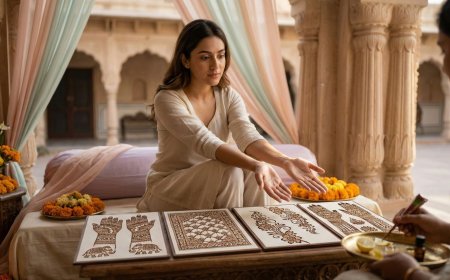
The mehendi, typically a daytime outdoor or semi-outdoor event, calls for something comfortable, practical, and festive without the formal weight of ceremony footwear. The haldi calls for something sacrificeable — the turmeric will find its way to whatever you are wearing. The sangeet, with its dancing and movement and generally higher energy, demands footwear that performs across three to four hours of active use. The wedding ceremony is the occasion for the most beautiful, most considered footwear choice. The reception, which follows the ceremony, is the occasion where the feet have already been working for hours and comfort becomes an increasingly urgent consideration.
Planning footwear across these events as a coordinated system rather than as a series of individual decisions produces a significantly better experience — and significantly better photographs — than buying one pair and hoping for the best.
Understanding the Indian Bridal Footwear Landscape
The Mojari and Juti: The Traditional Category
The mojari — or juti, depending on the regional tradition and the specific style — is the hand-embroidered flat or low-heeled shoe that has been the definitive traditional Indian bridal footwear for centuries. Made by skilled craftsmen in leather and fabric, embroidered with the same silk and metallic thread techniques used in Indian bridal clothing, the mojari is both a beautiful object and a cultural artifact — a form of wearable craft that connects the bride to a making tradition of extraordinary antiquity.
The aesthetic case for the mojari is overwhelming. It is the footwear choice that most directly completes the traditional Indian bridal look — the combination of a richly embroidered lehenga, a full traditional jewelry set, and a pair of precisely made mojaris has a coherence and cultural integrity that no other footwear achieves. It photographs beautifully. It is specific to the occasion in a way that immediately signals a bride who has thought about the totality of her look.
The practical challenges are equally real and worth understanding before committing.
Mojaris are almost universally flat or very low — the heel height rarely exceeds one to two centimeters in traditional construction. For brides whose lehenga hemming has been done in anticipation of a heel height, wearing flat mojaris creates a length problem that must be addressed either by re-hemming or by accepting a lehenga that drags.
The fit of traditional mojaris reflects the foot shape conventions of the Indian craftsmen who make them — a pointed toe, a specific arch placement, a width standard that does not always accommodate the broader feet that many NRI brides have developed through years of wearing Western footwear. The pointed toe can create specific pressure points for feet accustomed to round-toe Western shoes. Try mojaris with the intention of wearing them for six hours, not for ten minutes in a shop.
The sole of most traditional mojaris is leather — beautiful, relatively thin, and providing minimal cushioning and minimal traction on polished surfaces. The marble floor problem is a genuine mojari problem. If your venue has polished marble floors, discuss this with the cobbler or shop and ask whether a non-slip sole can be applied to the base of the shoe before purchase. Many skilled cobblers can add a thin rubber application to the sole without affecting the overall look.
Heels: The Practical Considerations
For NRI brides who wear heels regularly and for whom the height elevation of a heel is part of the silhouette they have designed their bridal look around, Indian wedding heels present a specific set of considerations.
The heel height question is directly connected to the lehenga hemming question — the two decisions must be made together rather than sequentially. The lehenga hem should be measured and cut while wearing the exact heel height you plan to wear at the ceremony. Wearing different shoes than planned creates a visible hemming problem in photographs that cannot be corrected after the fact.
Block heels perform significantly better across a long wedding day than stilettos — the broader base distributes weight more evenly, provides more stability on varied surfaces, and creates significantly less foot fatigue across twelve hours of standing, sitting, and walking. For a bride who wants both the height of a heel and the endurance to wear it across the full duration of her wedding, a well-made block heel in a comfortable height is almost always a better choice than a stiletto that requires removal by mid-afternoon.
Kitten heels — the two-to-five centimeter heel that provides visible height without the strain of a full heel — occupy the most comfortable middle ground in the heel category and are worth serious consideration for brides who want a heel but are realistic about their feet's endurance. A well-designed kitten heel in an embroidered or embellished fabric can be as beautiful as a full heel while creating a fraction of the physical demand.
The Kolhapuri: The Regional Classic
The Kolhapuri — the flat leather sandal originating in the Kolhapur region of Maharashtra — occupies a specific place in Indian bridal footwear that is different from both the mojari and the Western heel. Its open construction, its handmade leather craftsmanship, and its specific aesthetic vocabulary — the distinctive toe ring, the woven leather upper, the hand-dyed colors — produce a shoe that reads as distinctly Indian in its craft identity while being significantly more comfortable and breathable than the enclosed mojari.
For brides whose outfit is specifically Maharashtrian or whose aesthetic is rooted in Western Indian craft traditions, the Kolhapuri is the most culturally coherent footwear choice. It is also, practically speaking, one of the most comfortable Indian footwear options for extended wear — the open construction prevents the heat and pressure buildup that affects enclosed shoes across a long day.
The Kolhapuri works best with outfits that allow it to be seen — lehengas with a hemline that shows the foot, sarees draped at a length that exposes the shoe. The craftsmanship of a good Kolhapuri rewards visibility, and pairing one with an outfit whose hemming obscures it entirely is a missed opportunity.
Embellished Contemporary Heels: The Indo-Western Option
The growing category of Indian wedding footwear that is neither traditional mojari nor standard Western shoe — embellished heels with Indian craft elements, block heels in bridal-appropriate fabrics, sandals with traditional metalwork and stonework on contemporary silhouettes — provides NRI brides with options that sit comfortably in both worlds.
A block heel sandal with kundan stonework, in a color that coordinates with the bridal lehenga, gives an NRI bride the heel height she is accustomed to, the aesthetic coordination with an Indian outfit that completes the look, and the craft identity of Indian jewelry and embellishment traditions translated into footwear. These shoes are increasingly available from Indian footwear designers who understand the NRI market and who produce work that is specifically designed for the intersection of Indian aesthetic and Western comfort expectations.
Where to Shop: City by City
Jaipur
Jaipur is the definitive destination for traditional mojari shopping — the city's artisanal leather and textile craftsmanship produces mojaris of a quality and variety not reliably found elsewhere. The Johari Bazaar area and the surrounding markets contain workshops and shops ranging from tourist-facing retail to the craftsmen who supply wholesale to the rest of India.
For NRI brides who want authentic, handmade mojaris with embroidery that matches their lehenga, Jaipur offers the option of custom commission — bringing the fabric or a detailed photograph of the bridal outfit and working with a skilled cobbler to create a shoe designed specifically for it. This process requires a minimum of one to two weeks and ideally a return visit for fitting, which makes it most practical for NRI brides with multiple India trips in the planning timeline.
The tourist market price for mojaris in Jaipur bears no relationship to the craftsman's price. Negotiate, or better, go with a local contact who can navigate the difference between the tourist-facing price and the actual market rate.
Delhi
Delhi's bridal footwear market spans the full range — from the traditional mojari craftsmen of Chandni Chowk to the contemporary embellished heel designers of the boutique markets in South Delhi. For NRI brides who want multiple footwear options across their wedding weekend events, Delhi's range makes it the most efficient single-city shopping destination.
Chandni Chowk's shoe market is enormous, competitive, and requires navigation. The quality variation between adjacent shops is significant, and the ability to assess construction quality — the stitching, the sole attachment, the embroidery technique — determines whether you leave with something beautiful or something that will fall apart by the ceremony.
The boutique markets of Greater Kailash and the Select Citywalk area carry contemporary Indian footwear designers whose work is specifically aimed at the NRI and modern Indian bridal market — higher price point, more consistent quality, and the kind of design sensibility that bridges traditional and contemporary in a way that suits the NRI aesthetic.
Mumbai
Mumbai's bridal footwear landscape is strongest in the contemporary and designer category rather than the traditional. The boutiques in Bandra and Colaba carry embellished heels and sandals from designers who understand the intersection of Indian bridal aesthetics and international comfort standards — this is the city where Indo-Western footwear design is most developed and most available.
For NRI brides whose footwear vision is contemporary rather than traditionally rooted, Mumbai offers the best range. For those specifically seeking traditional mojaris, the quality and variety available in Jaipur or Delhi is superior.
Kolhapur
For brides whose heart is set on authentic Kolhapuri chappals for the wedding, a visit to Kolhapur itself — the source of the tradition — is the definitive shopping experience. The craft workshops of Kolhapur produce work of quality and authenticity that replica producers in other cities cannot match, and the experience of buying directly from the craftspeople who make them is specifically worth the journey for brides whose outfit and aesthetic are centered on this tradition.
The Sizing Challenge for NRI Brides
The most consistently underestimated practical challenge in Indian bridal shoe shopping for NRI brides is sizing.
Indian shoe sizing conventions differ from Western conventions, and the conversion is not always reliable — a size that converts mathematically does not always fit correctly in practice because the construction of the shoe, the width standard, and the fit philosophy of different traditions vary in ways that size numbers alone do not capture.
More significantly, many traditional Indian footwear categories — mojaris in particular — are made in a narrower range of sizes than Western footwear, with less availability in the larger sizes that NRI brides with broader or larger feet may require. An NRI bride who wears a European size 41 or a US size 10 may find the selection of available mojaris significantly narrower than for smaller sizes.
Solutions: shop early in the India visit to allow time to source the right size rather than settling for a compromise. For traditional mojaris, consider the custom commission option — a cobbler who makes to measure eliminates the size availability problem entirely and produces a shoe that fits precisely rather than approximately.
For any footwear that will be worn for extended periods, try it in the afternoon rather than the morning — feet swell during the day, and a shoe that fits perfectly at ten in the morning may feel tight by four in the afternoon. This is particularly relevant for enclosed styles like mojaris where there is no adjustment for foot expansion.
The Comfort Investment: What to Do Before the Wedding
The most important footwear investment a bride can make is not the purchase itself but the breaking-in process that happens between the purchase and the wedding day.
New shoes worn for the first time at the wedding ceremony are a specific category of bad decision. The leather of a new mojari is stiff in ways that the natural movement of the foot will soften over several wearings. The specific pressure points of a new shoe — the areas where the construction contacts the foot — are not yet adapted to the individual foot's shape. And the general principle that new shoes require a period of physical adaptation to perform comfortably is as true for Indian bridal footwear as for any other category.
Wear new bridal shoes — particularly mojaris — at home for at least three to four hours before the wedding. Walk on different surfaces. Stand for extended periods. Identify any pressure points or areas of discomfort early enough to have the shoes adjusted or replaced if necessary.
For leather mojaris specifically, the softening of the leather can be accelerated by applying a leather conditioner to the inside of the shoe before wearing — this makes the leather more immediately pliable and reduces the friction of the initial wearing period.
The Emergency Kit: What to Carry
Every bride with significant footwear plans should carry a small emergency kit on the wedding day — a provision for the specific footwear issues that occur with sufficient frequency to be planned for rather than hoped against.
Blister prevention tape or gel inserts placed at known pressure points — the back of the heel, the side of the big toe, any area identified during the break-in process as a friction point — prevents the specific acute discomfort of a blister developing during the ceremony.
A second pair of shoes. The reception that follows the ceremony is the event where the feet have already been working longest and where the option to change into something more comfortable is most valuable. A beautifully made flat or a comfortable block heel that is less formal than the ceremony shoe but still aesthetically appropriate provides the option of changing after the ceremony photographs are complete without compromising the visual record of the day.
A non-slip spray or application of grip tape to the sole of any shoe being worn on a polished marble surface. This is a specific provision for the specific problem of Indian luxury venue surfaces — and it is the prevention of the marble floor situation described at the opening of this guide.
The Hierarchy of Decisions
When the comfort consideration and the style consideration come into genuine conflict — when the most beautiful shoe is not the most comfortable and the most comfortable shoe is not the most beautiful — the hierarchy of priorities for a twelve-hour Indian wedding day is worth stating clearly.
The ceremony and the first two hours of the reception are the highest-photography-density period of the wedding — the period when the footwear is most visible in images and when style has its highest relative value. Accepting slightly less comfort during this window in exchange for the most beautiful shoe is a reasonable trade-off for a bride who has managed her footwear choices well enough to change into something more comfortable after this period.
The remaining hours of the reception — the dancing, the later celebration, the long hours when the feet have already been working — are the period when comfort's relative value increases and style's decreases. A bride who is dancing with genuine joy in comfortable shoes is a better wedding photograph than a bride standing slightly off to the side because her feet hurt. And your guests will notice the dancing long before they notice the shoes.
Buy the beautiful ones for the ceremony. Plan the comfortable ones for the dancing. And apply the non-slip sole to whatever touches the marble.
NRIWedding.com — Expert guidance for Indian weddings planned across borders.
What's Your Reaction?
 Like
0
Like
0
 Dislike
0
Dislike
0
 Love
0
Love
0
 Funny
0
Funny
0
 Angry
0
Angry
0
 Sad
0
Sad
0
 Wow
0
Wow
0