

















































Jalandhar Boutiques That Specialise in NRI Brides — Who Understands Your Timeline and Taste
The claim of NRI specialisation is made by many more boutiques in Jalandhar than actually possess the capability it implies — and the NRI bride who cannot distinguish the genuine from the claimed is in a vulnerable position. This in-depth guide from NRIWedding.com maps Jalandhar's genuine NRI-specialist boutique landscape with precision, profiling six boutiques that have built real capability around the NRI brief: Gurpreet's by G in Model Town for the most formally structured full-service commission, Studio Navrang on GT Road for the contemporary fusion aesthetic, Anmol Bridal Studio on Paragpur Road for mid-market traditional craft quality, Silk and Thread in Civil Lines for designer-quality premium custom work, Rang de Dupatta for hand-phulkari dupattas and textile accessories, and House of Phulkari in Basti Sheikh for the traditional chope and authentic craft pieces. It covers the six-dimension NRI capability framework, the specific questions that reveal genuine expertise, the complete boutique comparison table, and the five most consequential mistakes NRI brides make when selecting a Jalandhar boutique without the right evaluation framework.


Jalandhar Boutiques That Specialise in NRI Brides — Who Understands Your Timeline and Taste
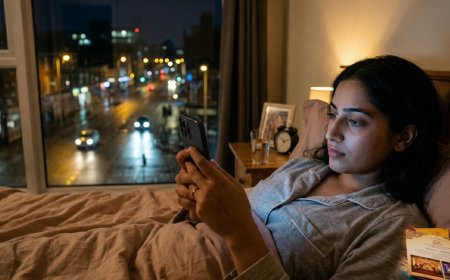
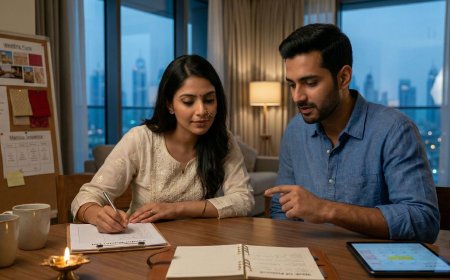
The email arrived on a Monday morning, and the boutique owner read it twice before she replied. It was from a bride in Vancouver — Manpreet, twenty-nine, a software engineer, getting married in Jalandhar in seven months. The email was three paragraphs long and contained, in those three paragraphs, more specific information about the bride's aesthetic brief, her timeline constraints, her budget, her concerns about remote purchasing, and her previous experiences with boutiques that had not understood her requirements than most boutiques receive in the course of an entire consultation.
The first paragraph described the aesthetic: contemporary Punjabi, rooted in traditional craft but not traditional in silhouette, specific references to three designers whose work she admired, a colour palette of dusty rose and antique gold, a preference for phulkari embroidery over heavy zardozi, a discomfort with the maximalist embellishment vocabulary that she associated with the mainstream Punjabi bridal market and that she had been seeing in the boutiques her mother had visited on her behalf.
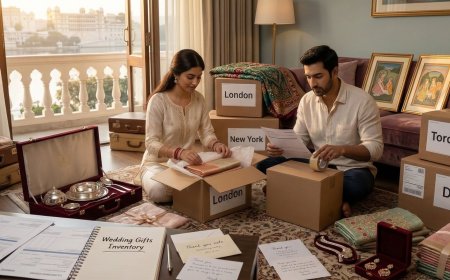
The second paragraph described the logistics: two India visits planned, the first in three months for consultation and measurements, the second one week before the wedding for final fitting and collection. The total Mumbai-Jalandhar window on the first visit was four days. She needed a boutique that could work within this timeline, that could manage the production remotely with her input at key stages, that had a clear and documented process for remote approvals, and that had experience with NRI clients specifically — not as a category to be accommodated but as a primary market that the boutique understood in its specific requirements.
The third paragraph was the one that the boutique owner read twice. It said: I have spoken to four boutiques in Jalandhar already. Three of them told me that the consultation process required me to be present in person for every decision, which I cannot do. One of them told me that they had served many NRI brides and then described a process that was identical to their process for local clients, which is not what I need. I am writing to you because someone told me that you actually understand the difference. I would like to know if that is true.
The boutique owner — whose name was Gurpreet and whose boutique in Model Town had been serving NRI brides specifically for eleven years — wrote back within the hour. She said: yes, that is true. Here is how we work.
What followed was a working relationship that produced, over seven months of remote consultation, fabric swatches sent to Vancouver, video calls conducted at seven in the morning Jalandhar time to accommodate the Vancouver evening, a WhatsApp group that included Manpreet, her mother, and the boutique's head tailor, and one four-day Jalandhar visit that was the most efficiently managed shopping trip Manpreet had ever experienced — a bridal suit of exceptional quality that was specifically made for her body, her aesthetic, her timeline, and her life.
The key variable in that outcome was not the fabric, though the fabric was extraordinary. It was not the embroidery, though the embroidery was the finest phulkari Manpreet had ever seen. It was the boutique's genuine, specific, experienced understanding of what an NRI bride actually needs — which is different in specific and important ways from what a local bride needs — and its willingness to build its process around that understanding rather than asking the NRI bride to adapt herself to a process designed for someone else.
This guide is for Manpreet, and for every NRI bride planning a Jalandhar wedding who needs to know which boutiques in the city have built that understanding — which ones have developed the specific capability to serve the NRI brief, with the timeline flexibility, the remote communication infrastructure, the documentation practices, and the genuine aesthetic comprehension that the category requires — and which ones are simply saying they have.
What It Actually Means for a Boutique to Understand the NRI Brief
Before the boutique recommendations, the framework for evaluating them — because the claim of NRI specialisation is made by many more boutiques in Jalandhar than actually possess the capability it implies, and the NRI bride who cannot distinguish the genuine from the claimed is in a vulnerable position.
A boutique that genuinely understands the NRI brief demonstrates that understanding across six specific dimensions. The first is timeline flexibility: the ability to structure the production process around the NRI bride's specific visit windows rather than around the boutique's standard production calendar, which is calibrated for local clients who can visit frequently and with short notice. The second is remote communication infrastructure: not just the willingness to communicate via WhatsApp, which every boutique has, but the established process for remote approvals — the structured video call protocol, the fabric swatch dispatch system, the photographic documentation at production milestones that allows the remote bride to provide meaningful input rather than hoping for the best.
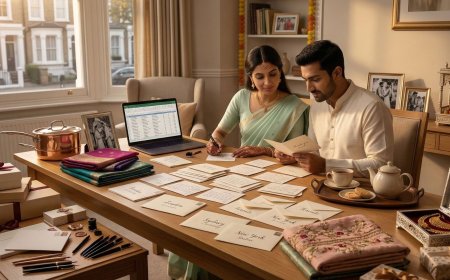
The third is documentation capability: the ability to produce the gold purity certificates, the garment valuation documents, the purchase receipts with full itemization that the NRI bride needs for customs declarations and international insurance when she carries her purchases back to Vancouver or Edinburgh or Sydney. The fourth is aesthetic range: the genuine ability to work across the spectrum from the traditional heavy Punjabi bridal aesthetic to the contemporary minimalist vocabulary, without defaulting to the maximalist embellishment that the local market prefers and that many NRI brides specifically want to avoid.
The fifth is measurement precision: the established process for taking and managing measurements from a client who may be present for one fitting and absent for the subsequent ones — the measurement documentation system, the fit adjustment protocol, the ability to read a body from measurements rather than from repeated in-person assessment. And the sixth, which is the most difficult to assess from the outside and the most consequential in practice, is the genuine comprehension of the NRI aesthetic context — the understanding that the NRI bride has been living in a western fashion environment for years, that her references are global rather than local, that she knows what she wants with a specificity that comes from sustained engagement with the global bridal aesthetic, and that she deserves to have that knowledge met with equivalent knowledge rather than with the assumption that she needs to be educated toward the local market's preferences.
The boutiques in Jalandhar that have developed this understanding have done so through years of working with NRI clients specifically, through the accumulated experience of getting things right and getting things wrong and building a process from both, and through a genuine orientation toward the NRI market as a primary rather than a secondary clientele. They are not all in the same area of the city. They are not all in the same price tier. But they share the six capabilities described above, and they can be identified by asking directly and specifically about each one.
The Boutiques: Who They Are and What They Do Well
Gurpreet's by G — Model Town
Gurpreet's boutique — the one whose owner read Manpreet's email twice and replied within the hour — is the most consistently recommended destination for NRI brides in Jalandhar across the full quality and price spectrum. The boutique has been operating in Model Town for eleven years, and the NRI client has been the primary market for the past eight of those years. The process that has developed from eight years of specifically NRI-oriented practice is the most comprehensively documented and the most consistently executed of any boutique in the city.
The Gurpreet's process works as follows. The initial consultation happens via a structured video call — not a general conversation but a documented brief that covers the aesthetic, the timeline, the budget, and the specific requirements around fabric, silhouette, and embellishment. Following the consultation, a fabric shortlist is assembled and physical swatches are dispatched to the bride's address within five working days. The bride selects from the swatches with the confidence of actual fabric rather than screen colour. The design brief is confirmed in writing — in a WhatsApp summary that both parties agree to — before any production begins.
The production milestones are documented with photographs dispatched to the bride at agreed intervals: the cut fabric before the tailoring begins, the embroidery at fifty percent completion, the assembled garment before the final finishing. The bride's input at each milestone is incorporated before the next stage begins. The final fitting, when the bride is physically present, is the confirmation of a process that has been managed collaboratively rather than the revelation of a finished product about which the bride has had no input.
The aesthetic range at Gurpreet's spans the traditional Punjabi embroidery vocabulary — the phulkari, the chikankari, the mirror work — through the contemporary fusion pieces in restrained embellishment on contemporary silhouettes. The price range is ₹40,000 to ₹2,50,000 for bridal pieces, with the majority of the NRI bridal work sitting between ₹75,000 and ₹1,50,000. The documentation for international transit — the valuation certificate, the itemised receipt, the fabric composition certification — is produced as standard rather than as a special request.
The limitation of Gurpreet's is availability: the boutique takes a limited number of NRI bridal commissions per wedding season, and the timeline for a fully custom piece requires a first visit no later than five months before the wedding. The bride who arrives in Jalandhar three months before the wedding and expects a full custom commission from Gurpreet's will find the production calendar committed. Begin the conversation early.
Studio Navrang — GT Road
Studio Navrang occupies a specific and important position in Jalandhar's NRI bridal boutique landscape: it is the boutique that most effectively bridges the traditional Punjabi bridal aesthetic and the contemporary global vocabulary, and it does so from a position of genuine craft depth rather than from the surface adaptation that characterises boutiques attempting to serve the NRI market without fully understanding it.
The owner, Navneet, has spent significant time in the UK and Canada — not as a resident but in extended periods of market research and client engagement that have given her a firsthand understanding of the aesthetic environment in which NRI brides live. This understanding is visible in the boutique's design vocabulary: the pieces at Studio Navrang carry the traditional craft elements — the phulkari, the gota patti, the zari work — in a way that is calibrated to the NRI bride's aesthetic context rather than to the local market's preferences. The embellishment is precise rather than maximalist. The silhouettes are contemporary rather than conventional. The colour palette extends beyond the jewel tones of the traditional Punjabi bridal vocabulary into the dusty, muted tones — the blush, the sage, the antique ivory — that the NRI bride has encountered in the global bridal market and that she is frequently looking for in Jalandhar.
The remote consultation process at Studio Navrang is structured around a detailed questionnaire that Navneet sends to every new NRI client — twenty-three questions that cover the aesthetic in specific terms, the lifestyle context, the ceremony requirements, the family aesthetic constraints, and the practical considerations around wear and transit. The questionnaire is not bureaucratic. It is the mechanism by which Navneet builds a comprehensive understanding of the client before the first call, so that the call is a conversation between two people who both have a clear picture rather than a discovery session in which one is educating the other.
The price range at Studio Navrang is ₹35,000 to ₹1,80,000 for the bridal category. The boutique takes commissions from NRI clients up to four months before the wedding for full custom work, and maintains a ready-to-wear range with alteration capability for clients with shorter timelines. The documentation is thorough and the alteration service on the collection visit is efficient — the boutique reserves fitting appointment slots specifically for NRI clients who are managing compressed visit windows.
Anmol Bridal Studio — Paragpur Road
Anmol Bridal Studio occupies the mid-market tier of Jalandhar's NRI bridal boutique landscape, and it does so with a consistency and a reliability that makes it the most appropriate destination for the NRI bride whose budget is in the ₹25,000 to ₹75,000 range and whose brief is the traditional Punjabi bridal vocabulary — the heavy embroidery, the rich jewel tones, the full silhouette — executed with craft quality rather than production-line efficiency.
The boutique's position on the Paragpur Road gives it direct access to the wholesale fabric and embellishment market, which translates into a price-to-quality ratio that the GT Road and Model Town boutiques with higher overhead cannot match. The phulkari work at Anmol is done by craftswomen from the traditional embroidery cluster in the Phagwara area, and the quality of the thread work — the density of the coverage, the precision of the pattern, the consistency of the tension — is of a standard that boutiques sourcing from commercial embroidery producers cannot replicate.
The NRI capability at Anmol is less formally structured than at Gurpreet's or Studio Navrang but is genuine and practiced. The owner, Harjinder, has been managing NRI bridal commissions for seven years and has developed an intuitive process that works — the WhatsApp communication, the fabric swatch dispatch, the measurement management, the documentation — without the formal systems that the premium boutiques have built. For the NRI bride who values the craft quality and the price position of Anmol and who is comfortable with a less formally structured process, the boutique delivers consistently.
The limitation at Anmol is the design range: the boutique's strength is the traditional Punjabi vocabulary, and the contemporary minimalist or fusion pieces that Studio Navrang and Gurpreet's produce are not within Anmol's design capability. If the brief is traditional, Anmol is excellent. If the brief is contemporary, it is the wrong boutique.
Silk and Thread — Civil Lines
Silk and Thread is the newest of the boutiques in this guide and the one whose specific positioning — premium custom bridal wear with a specific focus on the NRI client who wants designer-quality work at Jalandhar rather than Delhi prices — has generated the most interest in the past two years among NRI brides planning Jalandhar weddings.
The owner, Divnoor, trained at a fashion institute in London and worked for three years in the UK bridal industry before returning to Jalandhar with a specific vision: a boutique that could serve the NRI bride with the design intelligence and the process standards of a London or Delhi boutique while maintaining the price advantage and the family-context understanding of the Jalandhar market. The boutique has been operating for three years and the vision has been substantially realised.
The design work at Silk and Thread is the most internationally influenced of any boutique in Jalandhar — the silhouettes are more architectural, the embellishment is more precisely placed, the fabric choices extend into materials that the traditional Punjabi bridal market does not typically use: the duchess satin, the structured organza, the European lace applied to Indian silhouettes. The bridal suits here — the Anarkalis, the straight suits, the lehenga suits — carry the visual signature of a designer who has been trained in both traditions and who is making deliberate choices about how they speak to each other.
The NRI process at Silk and Thread is the most formally developed of any boutique in this guide: a written brief confirmed before production, photographic milestones at defined intervals, a dedicated WhatsApp channel for each client with a response guarantee of twenty-four hours, and a final collection appointment that includes a full photographic session of the garment on the bride so that she leaves with a record of how the piece looks in the boutique's controlled lighting before the wedding day.
The price range is ₹60,000 to ₹3,00,000. The timeline for full custom work is five to six months, reflecting the design complexity of the pieces and the precision of the construction process. Silk and Thread takes a very limited number of bridal commissions per season — fewer than fifteen per year — and the waiting list for peak wedding season dates fills early.
Rang de Dupatta — Model Town
Rang de Dupatta occupies a specific and unusual niche in Jalandhar's bridal boutique landscape: it is not a bridal boutique in the conventional sense, but a specialist in the dupatta and bridal textile accessories that are the elements most frequently underserved in the conventional bridal boutique experience.
The boutique's focus — hand-embroidered dupattas in the phulkari, chikankari, and zardozi traditions, alongside the potli bags, the embellished kaleere carriers, and the textile accessories that complete the Punjabi bridal look — makes it the essential complementary destination for every NRI bride shopping in Jalandhar, regardless of where the primary garment is sourced. The phulkari dupattas here are made by craftswomen who have been working in the tradition for their entire adult lives, and the quality — the thread count, the pattern density, the evenness of the coverage — is of a standard that the boutique garment sections of the larger establishments cannot match.
The NRI relevance of Rang de Dupatta is specific: the hand-phulkari dupatta is the item that most powerfully signals cultural rootedness in the Punjabi tradition, that photographs with an intimacy and an authenticity that machine-made embellishment does not replicate, and that has a sentimental value — as an heirloom piece, as a connection to the craft tradition of the Punjab — that the NRI bride who is consciously seeking to honour her heritage frequently finds most resonant of any single purchase. The boutique's owner, Rajwinder, works with the NRI client's remote brief with a sensitivity and a patience that reflects her understanding of what the dupatta means to the bride who is buying it from across a continent.
Price range: ₹8,000 to ₹80,000 for hand-embroidered dupattas, depending on the density and the complexity of the embroidery. The boutique also maintains a ready-to-ship range of pieces in standard sizes for NRI clients who cannot visit in person, with swatches available on request and a return policy that is unusually generous for the Jalandhar market.
House of Phulkari — Basti Sheikh
House of Phulkari is the most specifically craft-focused boutique in this guide, operating from the Basti Sheikh area of Jalandhar that is the historical centre of the phulkari tradition in the city. The boutique is not a bridal boutique in the conventional sense — it does not produce complete bridal sets or manage the full bridal brief — but it is the most important destination in Jalandhar for the NRI bride who wants the most authentic, the most craft-specific, and the most culturally rooted phulkari pieces available in any commercial context.
The phulkari produced at House of Phulkari is made by a collective of women craftswomen from the Basti Sheikh community, many of whom are third and fourth-generation practitioners of the tradition. The patterns used are the traditional patterns — the bagh, the chope, the sainchi — that the commercialised phulkari market has diluted or abandoned. The thread is silk on cotton in the traditional combination. The coverage is hand-applied with the specific tension and the specific pattern density that machine production cannot replicate.
For the NRI bride whose bridal brief includes the chope — the traditional phulkari that the bride's maternal family places over her head during the wedding ceremony — House of Phulkari is the only destination in Jalandhar that produces this piece to the traditional standard. The chope is not a garment. It is a ritual object, and it deserves to be sourced from the craft tradition that created it.
The NRI client accommodation at House of Phulkari is informal but genuine: the owner, Gurmail Singh, has been managing NRI commissions for the chope and for traditional phulkari pieces for fifteen years, primarily through the extended family networks of the NRI Punjabi community. The process is relationship-based rather than system-based — it works best when the NRI bride has a family introduction to the boutique, and the pieces produced through this channel are the most culturally significant available in the Jalandhar market.
Price range: ₹15,000 to ₹1,50,000 for the traditional phulkari pieces, with the chope specifically priced at ₹35,000 to ₹90,000 depending on the complexity and the coverage density.
The Boutique Selection Framework
The correct boutique for any individual NRI bride is determined by the intersection of four variables: the aesthetic brief, the budget, the timeline, and the specific capability the bride most needs from the boutique relationship.
The bride whose aesthetic is contemporary and globally influenced, whose budget is in the premium range, and who needs the most formally structured remote process should speak to Silk and Thread first, and to Gurpreet's as the established alternative.
The bride whose aesthetic bridges the traditional and the contemporary, whose budget is mid-to-premium, and who values the boutique owner's personal NRI aesthetic comprehension should speak to Studio Navrang.
The bride whose aesthetic is rooted in the traditional Punjabi vocabulary, whose budget is mid-market, and who values craft quality at accessible prices should speak to Anmol Bridal Studio.
The bride who has sourced her primary garment elsewhere and needs the dupatta and textile accessories to complete the bridal look should go to Rang de Dupatta regardless of where she is shopping for the garment.
The bride who wants the most authentic phulkari pieces — the chope, the traditional bagh dupatta, the craft-specific pieces that the commercial market does not produce — should speak to House of Phulkari, ideally with a family introduction.
And the bride who is not yet sure where her brief sits — who needs to understand the range of what Jalandhar's NRI-specialist boutique market offers before she can make an informed allocation — should plan a day of visits across the boutiques in this guide, treating the visits as orientation rather than purchasing, and making the allocation decision from experience rather than from the guide's descriptions.
The Questions to Ask Every Boutique
The framework for evaluating any boutique's genuine NRI capability versus its claimed NRI capability is a set of specific questions that should be asked in the initial consultation and whose answers reveal the reality of the boutique's experience.
How many NRI bridal commissions have you completed in the past twelve months, and can you provide one or two references from NRI clients who would be willing to speak about their experience? The boutique that has genuinely served NRI clients will have references. The boutique that has not will have an answer that describes serving NRI clients without producing specific evidence of having done so.
What is your process for managing the production when the client cannot be present for intermediate fittings? The boutique with a genuine NRI process will describe a specific, documented system — the milestone photographs, the swatch dispatch, the WhatsApp communication protocol. The boutique without a genuine NRI process will describe their standard process with the modification that they will send photographs if the client requests them.
What documentation do you produce at the point of purchase for a client who is carrying the piece internationally? The boutique that serves NRI clients routinely will produce — without being asked specifically for each item — a valuation certificate, an itemised receipt with the fabric and embellishment described, and a fabric composition certification. The boutique that does not serve NRI clients routinely will produce a receipt and look uncertain when asked about the additional documentation.
What is the latest I can commission a fully custom piece and still have it ready for a wedding on a specific date? This question reveals the boutique's honest understanding of their production timeline and their willingness to give a realistic rather than an optimistic answer. The boutique that says five months for a full custom commission is giving the honest answer. The boutique that says it can be done in six weeks for any commission is telling you what you want to hear.
Common Mistakes NRI Brides Make When Selecting a Jalandhar Boutique
Choosing Based on Instagram Presence Alone
The most beautifully photographed boutique on Instagram is not necessarily the boutique with the most developed NRI capability. The Instagram presence of a Jalandhar boutique reflects the boutique's social media investment, which may or may not correspond to its actual craft quality, its production process, or its understanding of the NRI brief. Beautiful photographs of beautiful garments are a necessary but not sufficient criterion for boutique selection. The questions described above are the sufficient criterion.
Delegating the Boutique Selection Entirely to the Mother
The NRI bride who asks her mother in Jalandhar to find a boutique is asking someone whose bridal shopping experience may be twenty-five years old, whose aesthetic framework is calibrated to the local market's preferences rather than the NRI bride's specific brief, and who does not know to ask the questions about NRI process capability because she is not the one who needs the NRI process. The mother's local knowledge is invaluable — she knows which areas of the city to look in, which family contacts to ask, which boutiques have been serving the family's community reliably. But the boutique evaluation — the questions about NRI process, the aesthetic assessment, the capability verification — must be done by the bride herself, even if the visit is done by the mother on the bride's behalf via video call.
Not Visiting the Boutique on the First India Trip
The NRI bride who commissions a bridal piece from a Jalandhar boutique she has never visited — whose entire boutique relationship has been conducted remotely — is making the commission without the physical experience of the boutique's work that is the most reliable quality indicator available. The first India trip, even if it is primarily a consultation trip, should include a physical visit to the shortlisted boutiques, the opportunity to handle the fabric samples, to see the finished pieces, and to assess the tailoring quality in person. This visit takes half a day. It is among the most important half days of the Mumbai-Jalandhar visit.
Not Confirming the Remote Communication Terms Before Commissioning
The NRI bride who commissions a piece from a boutique and then discovers that the boutique's remote communication practice is to send a photograph when the piece is finished — with no intermediate milestones, no input opportunities, and no mechanism for course correction during production — has discovered this at the wrong moment. Confirm the remote communication terms — specifically, the frequency of milestone photographs, the mechanism for providing input, and the boutique's responsiveness to remote change requests — before signing the commission agreement and paying the deposit.
Underestimating the Value of the Chope Commission
The chope — the traditional phulkari that is placed over the bride's head by her maternal family during the wedding ceremony — is the piece whose cultural significance most consistently exceeds the attention given to it in the bridal planning process. Many NRI brides, who are managing a complex and demanding bridal brief across multiple categories, treat the chope as a lower-priority item that can be sourced quickly and cheaply. This is a misunderstanding of what the chope is. It is a ritual garment with a specific craft tradition and a specific emotional weight that a commercially produced substitute does not carry. Commission the chope from House of Phulkari or from Rang de Dupatta with the same lead time and the same attention you give the primary bridal garment.
The Complete Boutique Guide
| Boutique | Location | Price Range | Aesthetic Strength | NRI Process | Best For |
|---|---|---|---|---|---|
| Gurpreet's by G | Model Town | ₹40K–₹2.5L | Traditional to contemporary | Most formally structured | Full service NRI commission |
| Studio Navrang | GT Road | ₹35K–₹1.8L | Contemporary fusion | Detailed questionnaire system | Contemporary Punjabi aesthetic |
| Anmol Bridal Studio | Paragpur Road | ₹25K–₹75K | Traditional Punjabi | Practiced, informal | Mid-market traditional brief |
| Silk and Thread | Civil Lines | ₹60K–₹3L | Designer contemporary | Most formally documented | Premium designer-quality NRI brief |
| Rang de Dupatta | Model Town | ₹8K–₹80K | Phulkari textile specialists | Remote-friendly, ready-to-ship | Dupatta and textile accessories |
| House of Phulkari | Basti Sheikh | ₹15K–₹1.5L | Traditional craft only | Relationship-based | Chope and authentic phulkari |
The Resolution
Manpreet collected her bridal suit on the third day of her second Jalandhar visit — a Tuesday morning, eleven days before the wedding, with the specific efficiency of a process that had been well managed for seven months. The suit was an Anarkali in dusty rose raw silk with hand-phulkari embroidery in antique gold and ivory thread, made to her exact measurements by a tailor who had never met her in person until the fitting appointment six days earlier and who had nonetheless produced a garment that fitted as though it had been adjusted through twenty sittings rather than one.
The dupatta was from Rang de Dupatta — a hand-phulkari piece in ivory and gold that Rajwinder had made to Manpreet's remote brief, dispatching three sample swatches to Vancouver in the fourth month of the planning process and producing the final piece from Manpreet's selection. The chope — which Manpreet had almost not commissioned, which she had thought of as an afterthought until her mother had quietly and firmly insisted that it was not — was from House of Phulkari, made in the traditional bagh pattern by craftswomen whose grandmothers had made the same pattern for the same ceremony in the same community for generations.
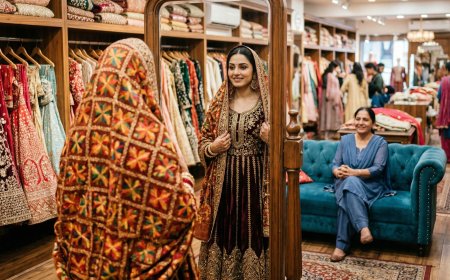
Manpreet stood in the fitting room at Gurpreet's on that Tuesday morning and looked at herself in the mirror. The suit was right. The dupatta was right. The chope, folded on the chair beside her, would be placed over her head in eleven days by her mother's sister, as it had been placed over the heads of the women in the family before her.
She thought about the email she had sent seven months earlier, the one that Gurpreet had read twice. The one that had asked: I am writing to you because someone told me that you actually understand the difference. I would like to know if that is true.
She knew now that it was. Not because the suit was beautiful, though it was. Because the seven months of working toward it had felt like a collaboration between people who understood each other's requirements — which is the specific, rare, and entirely achievable experience that the right boutique makes possible.
She sent Gurpreet a message that said: it is exactly right.
Gurpreet replied: I know. I could see it in the fitting.
Ask the six capability questions at every boutique consultation — the answers distinguish the genuine NRI specialists from the aspirational ones.
Visit every shortlisted boutique physically on the first India trip — handling the fabric and seeing the tailoring in person is irreplaceable information.
Commission the chope at the same time as the primary garment — its cultural significance deserves the same lead time and the same attention.
Confirm the remote communication terms before the deposit is paid — the milestone photograph system must be agreed, not assumed.
Begin the boutique conversation no later than five months before the wedding for a full custom commission — the timeline is not negotiable.
The right boutique does not just make your outfit. It understands your brief, manages your timeline, and delivers a piece that is specifically yours — made from the distance that defines your life, for the occasion that defines your year. That boutique exists in Jalandhar. This guide is how you find it.
Published by NRIWedding.com — The Premium Global Platform for Non-Resident Indians Planning Indian Weddings From Abroad.
What's Your Reaction?
 Like
0
Like
0
 Dislike
0
Dislike
0
 Love
0
Love
0
 Funny
0
Funny
0
 Angry
0
Angry
0
 Sad
0
Sad
0
 Wow
0
Wow
0