












































Sangeet Outfits in Jalandhar — Fusion, Cocktail and Contemporary Picks for the Modern NRI Bride
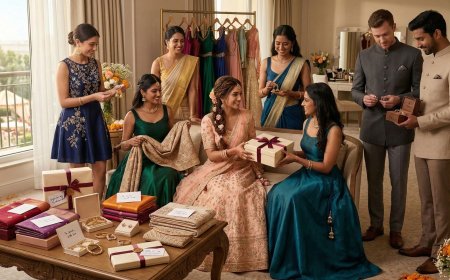
For the NRI bride whose sangeet aesthetic sits outside the traditional framework, Jalandhar's contemporary occasion wear market offers far more than heavily embellished lehengas and predictable colour palettes. This complete guide covers every silhouette category the modern bride needs to consider — fusion lehengas, contemporary shararas, indo-western co-ords, and draped gowns — alongside a practical colour intelligence guide for artificial light conditions, a detailed silhouette selector table, and a clear breakdown of what different budget points actually deliver in the Jalandhar market. Written specifically for the NRI bride managing her sangeet outfit sourcing remotely across time zones, the guide includes a structured remote shopping protocol, the designer versus boutique versus manufacturer decision framework, and five common mistakes NRI brides make when ordering sangeet wear from Jalandhar — with the specific, actionable guidance to avoid every one of them.

Sangeet Outfits in Jalandhar — Fusion, Cocktail and Contemporary Picks for the Modern Bride
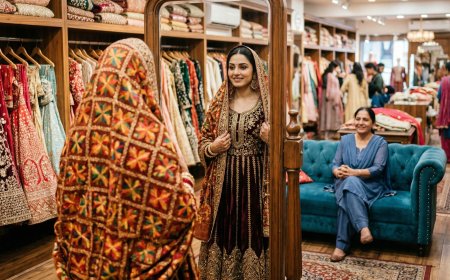
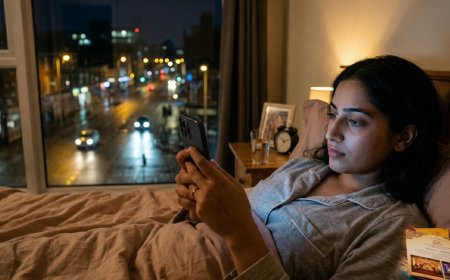
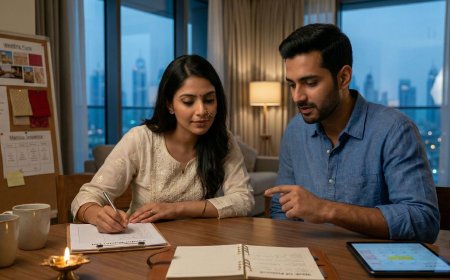
The conversation happened on a Sunday in April, somewhere between the second cup of chai and the third opinion about whether sharara sets were still relevant. Meher was sitting at her kitchen table in Toronto, laptop open, three browser tabs showing three different Jalandhar boutiques, a WhatsApp voice note from her mother playing on loop — her mother who was in Jalandhar at that exact moment, standing inside a shop on Nakodar Road, holding up a heavily embellished purple lehenga and asking, with genuine puzzlement, why Meher didn't simply want this one. It was a beautiful lehenga. It was exactly the kind of lehenga that had been worn at every Punjabi sangeet in the last fifteen years. That, Meher explained, in a voice note of her own that ran to four minutes and twenty seconds, was precisely the problem.
Meher had grown up in Brampton, had done her MBA in Vancouver, had spent the last six years working in financial consulting in Toronto where her wardrobe was a considered mix of tailored blazers, interesting silhouettes, and the occasional piece from a South Asian designer whose aesthetic sat somewhere between Kartikeya and Bibhu Mohapatra. She had strong opinions about what she wore. She had even stronger opinions about what she would wear at her own sangeet — the one function in the entire wedding calendar that was, by cultural consensus, hers to interpret freely. The sangeet was the night for dancing. For colour. For the version of Indian occasion wear that didn't require her to look like a replica of every other Punjabi bride from the last decade.
What she wanted was something that read Indian without being costumed. Something that moved — that moved well, that moved specifically for dancing, that would look as natural at eleven at night when the floor was full as it did at seven when the family arrived. She wanted colour that was not the predictable bridal palette. She wanted embellishment that felt modern rather than maximalist. She wanted to feel like herself, which is a specific and not unreasonable requirement for a woman wearing her own sangeet outfit.
The problem — or what she initially perceived as the problem — was Jalandhar. Her family was there. The shopping was going to happen there. Jalandhar, in Meher's understanding, was a market for traditional heavy bridal wear, for the kind of embroidered excess that she had been diplomatically declining since the engagement. What she had not yet discovered, because she had been looking at the wrong part of the market, was that Jalandhar in 2025 is also home to a quietly excellent contemporary bridal and occasion wear sector — boutiques that have spent the last several years developing fusion silhouettes, cocktail-ready Indian wear, and contemporary occasion pieces that are sophisticated, well-constructed, and genuinely different from the standard sangeet fare.
This discovery, when it came, reorganised the entire conversation. The Sunday in April became the Sunday on which Meher's sangeet outfit planning actually began.
This article is for Meher — and for every NRI bride whose sangeet aesthetic sits outside the traditional framework, who is sourcing from Jalandhar remotely or in a limited visit window, and who deserves a complete guide to what the contemporary end of this market actually offers.
The Sangeet Brief — Why It Is Different From Every Other Wedding Function
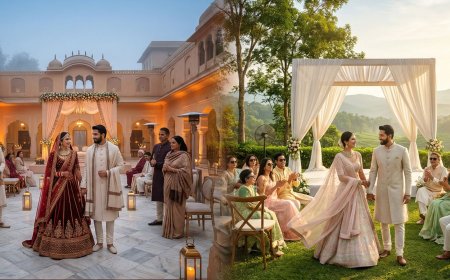
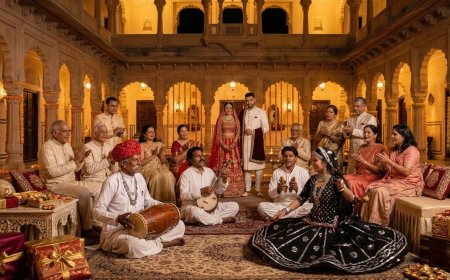
The sangeet occupies a unique position in the Indian wedding calendar, and understanding its specific brief is the first discipline of dressing for it well. It is not the wedding. It is not the reception. It is not the mehendi, which carries its own daytime ease. The sangeet is the function where the cultural expectations are simultaneously most relaxed and most performative — relaxed because it is the night for family entertainment, for dancing, for the unscripted moments that become the photographs everyone actually wants. Performative because the bride is watched, always, and the outfit she wears will be discussed across the family network with a specificity that would surprise her.
The brief, translated into practical terms, is this: the sangeet outfit must be festive without being bridal-heavy, it must allow movement without sacrificing elegance, it must read as occasion wear rather than party wear, and it must hold together over the course of three to four hours that include sitting, dancing, stage moments, and the inevitable round of photographs at every possible angle. It is, in many ways, a more technically demanding brief than the reception. The reception outfit is largely static — the bride stands, greets, sits, poses. The sangeet outfit dances.
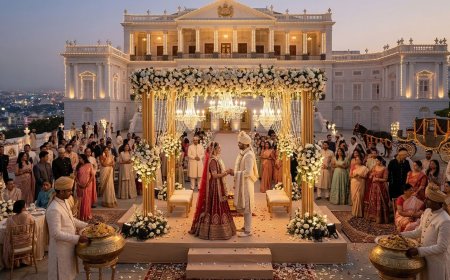
For the NRI bride specifically, the sangeet carries an additional layer of complexity. She is frequently the choreographer, the performer, and the subject of the evening simultaneously. She may be dancing with a group that has rehearsed a Bollywood medley for three months. She may be greeting overseas guests who have flown in from four countries and who are experiencing Indian wedding culture for the first time. She may be managing a room that contains both her grandmother's generation and her university friends from Edinburgh. The outfit she wears is the single visual element that bridges all of these worlds, and it needs to do so without effort.
What the Jalandhar Contemporary Market Actually Offers
The perception that Jalandhar is exclusively a heavy bridal market is approximately five years out of date. The city's contemporary occasion wear sector has grown significantly, driven in part by the NRI demand that flows through Punjab's diaspora connections and in part by the broader shift in the Indian occasion wear market toward silhouettes that are lighter, more wearable, and more responsive to the aesthetic education that Instagram and international fashion have delivered to the Indian bride.
The contemporary end of the Jalandhar market is concentrated in specific boutiques rather than spread across the market — and this concentration is important to understand. You will not find these pieces in the wholesale markets. You will not find them in the shops that primarily serve the domestic wedding market with its different aesthetic priorities. You will find them in the curated boutiques of Model Town, in the newer commercial developments of Urban Estate, and in the handful of designer-adjacent studios that have emerged in the last three to four years specifically to serve the NRI and urban professional bride.
What these boutiques offer, at their best, is a genuine range of contemporary Indian occasion wear that encompasses several distinct categories. The fusion lehenga — a lehenga skirt paired with an unexpected top, a structured jacket, a one-shoulder blouse, a draped cape — is the most established category, and Jalandhar's better boutiques are producing these pieces with real sophistication. The contemporary sharara, reworked in lighter fabrics with cleaner embellishment and a silhouette that owes more to wide-leg trousers than to the heavily gathered traditional form, has become a strong category. The indo-western co-ord — a matching set of wide-leg pants and a heavily embellished top, or a dhoti-pant paired with a structured kurta — is newer but increasingly well-represented. And the cocktail saree-gown or draped gown with Indian textile accents is the category that has seen the most design evolution in the last two years.
The fabric story at the contemporary end of the Jalandhar market has also changed. Raw silk, heavy georgette, and velvet — the workhorses of the traditional bridal market — are still present, but they are joined by organza, tulle, crepe, and tissue-weight fabrics that allow for the lighter, more movement-friendly silhouettes the modern sangeet outfit requires. The embellishment vocabulary has expanded beyond zardozi and heavy thread work to include subtle mirror work, tone-on-tone sequins, hand-painted details, and the kind of restrained embroidery that enhances a garment without overwhelming it.
The Silhouette Guide — What Works for the Sangeet and Why
Understanding which silhouette actually serves the sangeet brief — and the specific brief of the NRI bride at a sangeet — requires thinking beyond aesthetics to the practical demands of the evening.
The fusion lehenga remains the most versatile option in this market, and its versatility comes from the freedom the top element provides. A lehenga skirt that is beautifully constructed — full, well-lined, with a waistband that sits comfortably rather than digging after forty minutes on the dance floor — can be paired with any number of contemporary top treatments. The one-shoulder embellished blouse that has been popular in Jalandhar boutiques for the last two seasons reads as genuinely fashion-forward without abandoning the Indian occasion wear aesthetic. The structured jacket-blouse — a heavily embroidered jacket worn over a minimal inner — gives the outfit a layered sophistication and the practical advantage of additional coverage for the family-facing parts of the evening. The cape lehenga, where a sheer or embellished cape replaces the dupatta entirely, solves the dupatta management problem while creating a silhouette that photographs with real drama.
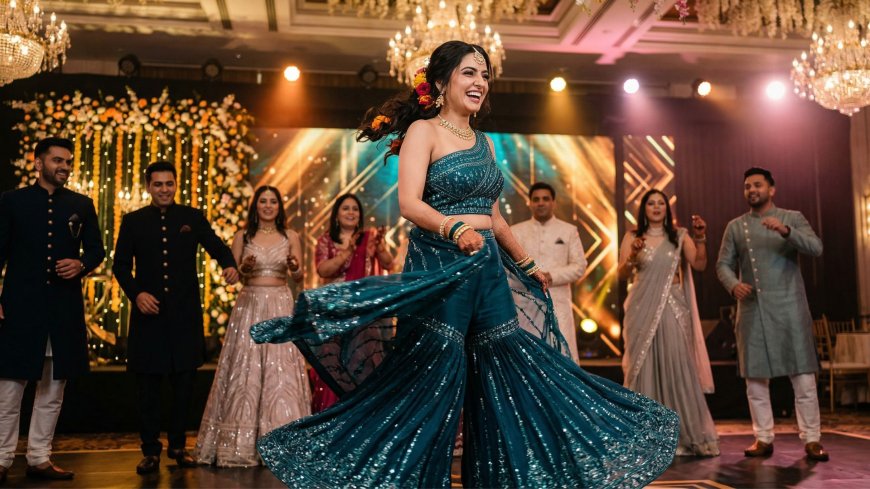
The contemporary sharara deserves specific attention because it is the silhouette that most directly addresses the dancing requirement. A sharara with a properly fitted waist and a generous flare — cut in a fabric that moves rather than stiffens — allows the full range of movement that Bollywood choreography demands while looking, in photographs, like an entirely elegant and considered choice. The key variable is the waist construction: a sharara with a stiff, heavily boned waist is as restrictive as a lehenga. A sharara cut with a softer waistband and a well-fitted seat will feel, after two hours of dancing, almost like wearing nothing at all — which is, for the sangeet, precisely what is required.
The indo-western co-ord is the option that polarises the family conversation most reliably, and the NRI bride choosing this path should be prepared for opinions. The co-ord — particularly the dhoti-pant and embellished top combination — reads as contemporary fashion in a way that the fusion lehenga and the contemporary sharara do not. It is a deliberate aesthetic statement, and it is one that the Jalandhar market has not yet fully embraced at the manufacturing level. The better boutiques do it well. The wider market does it less well. The bride choosing a co-ord from Jalandhar should be specifically at the top end of the boutique range and should view the garment on a body in motion before committing.
The draped gown — a floor-length gown with Indian textile accents, often a trailing panel or a structured bodice in embroidered fabric — is the most departure from convention and also, for the right bride at the right sangeet, the most impactful choice. Jalandhar's better houses are producing these pieces in fabrics and embellishments that are genuinely beautiful, and for the NRI bride whose wedding has an international guest list, whose venue aesthetic is hotel-contemporary rather than traditional banquet hall, and whose own aesthetic sits at the intersection of Indian and global fashion, the draped gown makes a statement that no other sangeet silhouette can replicate.
Colour Intelligence — Beyond the Expected Palette
The sangeet's historical colour palette — hot pinks, electric blues, deep purples, the full spectrum of highly saturated colour that photographs well in flash photography — is not wrong. It is simply the default, and defaults exist because they work, not because they are the only answer.
The NRI bride whose aesthetic sensibility has been shaped by a broader fashion education is frequently drawn to colours that sit outside this palette, and the Jalandhar contemporary market is now producing sangeet wear in a range that reflects this. Deep emerald green, which photographs beautifully in both natural and artificial light and carries a cultural richness that works across generations, has become one of the stronger performers in Jalandhar boutiques. Burnt orange and terracotta — particularly in the lighter fabric treatments — have moved from the mehendi palette into the sangeet palette with real success. Dusty rose and blush, which were for a period associated exclusively with the minimalist aesthetic, are being reinterpreted in Jalandhar with embellishment treatments that give them genuine sangeet energy.
The colour conversation that the NRI bride should have with her Jalandhar vendor is specifically about light. The sangeet is an evening function, typically in artificial light — the warm light of a banquet hall, the coloured light of a DJ setup, the flash photography that will document the dancing. Colours behave differently in these conditions than they do in natural light or studio photography. Ivory can wash out. Certain shades of blue can read as purple. The specific green that looks rich and saturated in daylight can look almost black in a dimly lit banquet hall. The vendor who has dressed sangeet brides for years will have experience with exactly this question, and the bride should ask it directly: how does this colour perform in artificial light, and can you show me a photograph of this specific fabric and embellishment combination taken in banquet hall conditions?
The Table: Sangeet Silhouette Selector for the NRI Bride
| Silhouette | Movement Rating | Family Reception | Dance Floor Performance | Best Venue Type | Embellishment Sweet Spot | Price Range (INR) |
|---|---|---|---|---|---|---|
| Fusion Lehenga (Cape) | High | Traditional to contemporary | Excellent — cape adds drama | Banquet hall, hotel | Medium — let the cape do the work | ₹25,000–₹1,20,000 |
| Fusion Lehenga (Jacket-Blouse) | Moderate-High | Traditional — reads as classic | Good — jacket can be removed for dancing | Banquet hall, farmhouse | Heavy embellishment works well | ₹30,000–₹1,50,000 |
| Contemporary Sharara | Very High | Contemporary families | Outstanding — purpose-built for dancing | Hotel, rooftop, contemporary venue | Medium-light — fabric does the work | ₹20,000–₹90,000 |
| Indo-Western Co-ord | Very High | Contemporary-only | Excellent | International venue, hotel | Restrained and deliberate | ₹25,000–₹1,00,000 |
| Draped Gown | High | Contemporary-international | Good — floor-length requires awareness | Hotel ballroom, destination venue | Structured bodice, minimal elsewhere | ₹35,000–₹1,80,000 |
| One-Shoulder Lehenga | High | Contemporary families | Very good | Hotel, rooftop | Medium — balance with clean skirt | ₹28,000–₹1,30,000 |
| Dhoti-Pant Set | Very High | Contemporary-only | Outstanding | Contemporary hotel venue | Statement embellishment on top | ₹22,000–₹95,000 |
This table should be read alongside an honest assessment of the guest list and venue. A sangeet in a traditional Jalandhar banquet hall with a predominantly family guest list is a different context from a sangeet in a hotel rooftop venue in Chandigarh with a mixed international and domestic guest list. The outfit that is perfect for one context can feel either underdressed or overdressed in the other, and the Jalandhar market — unlike some other bridal markets — is large enough to serve both contexts well.
Common Mistakes NRI Brides Make With Sangeet Outfits in Jalandhar
The first mistake is treating the sangeet outfit as the lowest priority in the wedding wardrobe. Many NRI brides, managing a complex multi-function wardrobe from abroad, give the bridal lehenga and the reception saree the majority of their attention and leave the sangeet outfit to a compressed final decision. The sangeet outfit is in many ways the most photographed garment of the wedding — it is worn during the evening's peak energy, during the dancing, during the moments that become the video highlight reel. A garment chosen under time pressure, ordered without the same due diligence given to the bridal lehenga, will look exactly like a garment chosen under time pressure. The sangeet outfit deserves its own shopping appointment, its own vendor conversation, and its own measurement and fitting process.
The second mistake is choosing a silhouette that looks beautiful on a hanger but performs badly on a dance floor.The heavily embellished lehenga with a stiff skirt construction, the sharara with a tight waistband, the gown with a narrow hem that restricts stride — these are the sangeet outfit failures that reveal themselves not at the fitting but at ten o'clock when the choreographed dance begins. The bride must physically move in the garment before committing to it. If she is shopping remotely, she must ask the vendor specifically about the movement performance: how wide is the skirt flare, how is the waist constructed, is there a lining that allows the outer fabric to move freely over it, what is the hem circumference. These are not fashion questions. They are engineering questions, and the answers to them determine whether the sangeet photographs look like a bride dancing freely or a bride managing her clothing.
The third mistake is over-embellishing for the sake of bridal expectation. The sangeet is the function where restraint — intelligent, considered restraint — can produce the most striking visual result. The NRI bride who has a naturally contemporary aesthetic but who orders a heavily embellished piece because she feels she ought to, because the family has expectations, because the Jalandhar boutique's bestseller is the maximally embellished option, will be wearing someone else's aesthetic on her own sangeet. The contemporary Jalandhar market offers pieces with restrained embellishment that are sophisticated and specific — and the bride who chooses one of these, who wears it with the confidence of a woman wearing something she actually chose, will look more remarkable than any heavily embellished compromise.
The fourth mistake is ignoring the dupatta question. The dupatta is the element of the sangeet outfit that most frequently causes practical difficulty, and many brides do not think about it until they are on the dance floor discovering that a four-metre dupatta pinned at the shoulder is incompatible with a Bollywood group performance. The contemporary Jalandhar market offers several solutions: the cape that replaces the dupatta entirely, the half-dupatta that is significantly smaller and easier to manage, the dupatta styled as a belt or waist wrap, and the dupatta that is simply removed for the dancing portion of the evening. The bride who plans for the dupatta question in advance — who discusses it with her vendor as part of the garment brief rather than discovering it as a problem on the night — will have a solution that is both practical and aesthetically coherent.
The fifth mistake is not accounting for the transition moment. Many NRI sangeets include a formal stage moment — a welcome, a family introduction, a performance — followed by an informal dancing phase and then a later seated dinner. The outfit that is perfect for the dancing phase may feel underdressed for the formal stage moment. The bride who understands her sangeet's structure — who knows that there will be a period of formal family time before the floor opens — can choose a garment or a styling approach that transitions well between these phases. The jacket lehenga that comes off when the dancing begins. The cape that is removed and draped differently for the seated dinner. These are conversations worth having with both the vendor and the wedding planner, and they require the vendor to understand not just the garment but the event.
Sourcing Remotely — The NRI Bride's Jalandhar Shopping Protocol
The NRI bride sourcing her sangeet outfit from Jalandhar while based abroad is managing a process with specific constraints — a limited India visit window, time zone gaps that compress the communication day, and the impossibility of a casual browse that reveals the piece she didn't know she was looking for. The protocol that works is structured and sequential rather than exploratory.
The first step is establishing a clear aesthetic brief before any vendor conversation begins. The NRI bride who enters the Jalandhar boutique market — in person or via video — without a specific visual reference point will be shown whatever the vendor's bestsellers are, which are generally the bestsellers for reasons that have nothing to do with her specific aesthetic. A small collection of reference images — six to ten photographs that represent the silhouette, the colour palette, the embellishment level, and the general aesthetic direction she is working toward — is the single most useful communication tool she can bring to the vendor conversation. These images do not need to be of Jalandhar-specific pieces. They can be international editorials, runway images, pieces from other designers. They communicate aesthetic fluency in a language that a good vendor will respond to.
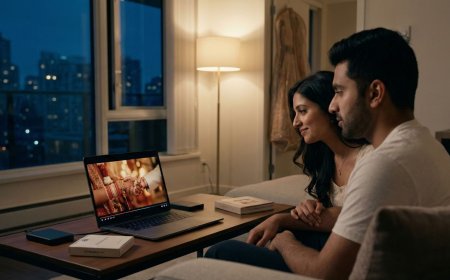
The second step is the video call viewing session. The NRI bride shopping remotely should request a structured video call in which the vendor shows specific pieces — not a general tour of the store, not a scrolling reel of Instagram photographs, but specific pieces that correspond to the brief she has communicated. Each piece should be shown on a body, in motion. The movement performance of a sangeet outfit is the primary variable and it cannot be assessed from a still image.
The third step is the measurement and production process, which for a custom or semi-custom piece follows the same protocol as any custom Indian garment ordered remotely — precise measurements taken by a professional tailor, a written specification confirmed in writing, a structured payment schedule, and a delivery timeline that allows for alteration time before the function.
The fourth step, which is specific to the sangeet outfit and often overlooked, is the styling conversation. The sangeet outfit is not just the garment — it is the garment in the context of the hair, the jewellery, the shoes, the makeup. The NRI bride who has sourced her outfit from Jalandhar and is having her hair and makeup done by a professional in India needs to ensure that the stylist has seen the garment — not a description of it, not a verbal summary, but photographs of the actual piece — before the wedding morning. The sangeet outfit that arrives in India and meets the hair and makeup stylist for the first time at six o'clock on the evening of the function is a combination that has been assembled without thought, and it will look like a combination assembled without thought.
The Designer vs Boutique vs Manufacturer Decision
The Jalandhar market for contemporary sangeet wear operates at three distinct tiers, and the NRI bride's decision about which tier to engage depends on her budget, her timeline, and her tolerance for the variables each tier introduces.
The designer tier — the handful of Jalandhar-based designers with established national reputations, professional ateliers, and portfolios that have been featured in national bridal publications — offers the highest level of aesthetic consistency, the most reliable quality control, and the longest production timelines. A commission from a serious Jalandhar designer for a custom sangeet piece typically requires eight to twelve weeks and a budget that begins at seventy thousand rupees and escalates significantly. This is the right path for the bride who has a specific vision, a generous timeline, and a budget that allows for it.
The boutique tier — the curated retail boutiques of Model Town and Urban Estate that carry a mix of their own house designs and pieces sourced from manufacturing partners — offers a wider range of choice, faster access to ready or near-ready pieces, and a more accessible price range. The quality at the better boutiques in this tier is excellent, and for the NRI bride with a compressed India visit window, the boutique tier may be the most practical path. The important caveat is that "boutique" in Jalandhar covers a wide quality range — the word applies equally to a sophisticated curated space with genuinely contemporary design and to a shop that carries embellished pieces of uncertain provenance. Personal recommendation and NRI network references are essential for identifying the right boutiques.
The manufacturing tier — the factories and production houses that supply both boutiques and the wholesale market — is not the right sourcing environment for the NRI bride shopping for her own sangeet outfit, but it is relevant to understanding why the Jalandhar market offers value. The manufacturing depth of the city means that boutiques are operating with lower cost structures than their counterparts in Delhi or Mumbai, and this difference is reflected in the price of the finished garment. The NRI bride paying boutique prices in Jalandhar is accessing manufacturing quality that would cost significantly more in any other major Indian city.
What the NRI Bride's Budget Actually Buys in Jalandhar
One of the most consistently misunderstood aspects of the Jalandhar contemporary occasion wear market is what different budget points actually deliver. The NRI bride arriving with a UK or Canadian frame of reference — accustomed to the pricing of South Asian occasion wear boutiques in her city — frequently either overestimates what the entry level delivers or underestimates what a modest increase in budget unlocks.
At the entry level — fifteen to twenty-five thousand rupees — the Jalandhar contemporary sangeet market offers ready-made or minimally customised pieces in standard sizes. The quality at this level is functional rather than exceptional. The fabrics are generally synthetic or low-grade natural fibres. The embellishment is machine-done. The construction is adequate. A bride with a tight budget and a clear aesthetic eye can find something wearable at this price point, but she should not expect the craftsmanship of the tiers above.
At the mid-range — thirty to seventy thousand rupees — the market opens up considerably. This is the price range of the better boutiques, the semi-custom pieces, the garments made in quality georgette or raw silk with hand-embellishment that is genuinely skilled. The construction quality at this level is good. The customisation is meaningful. The NRI bride who allocates this budget to her sangeet outfit and engages the right boutique will receive a garment that is significantly better than anything available at a comparable price in London or Toronto.
Above seventy thousand rupees, the market enters custom designer territory — pieces made to full measurement specification, with premium fabrics, with the highest level of hand embellishment, and with the kind of finishing detail — clean internal seaming, quality lining, precise hemming — that distinguishes a garment that was made well from a garment that was made quickly. For the bride whose sangeet is a high-visibility event and whose aesthetic requires a piece that will stand up to the scrutiny of both a room full of family and a professional photographer, this is the budget range that delivers with confidence.
The Resolution
The Sunday in April eventually produced a decision. Meher found her boutique through the recommendation of a cousin who had ordered a contemporary co-ord for her own sangeet eighteen months earlier — a recommendation made with the specificity that only personal experience provides: the name of the boutique, the name of the designer who worked there, and the information that she had a video call viewing appointment on a Thursday evening, Jalandhar time, which was Thursday morning, Toronto time, which meant Meher set her alarm for six-thirty and sat at her kitchen table with her chai and her reference images and her measurement chart and had, in forty-five minutes, one of the most productive outfit conversations she had ever had.
She chose a contemporary sharara — deep teal, which she had identified as her colour months before, in organza with tone-on-tone sequin work that caught the light without overwhelming it. The waistband was soft. The flare was generous. The blouse was a structured one-shoulder in matching embroidered fabric that her Toronto alterations tailor had confirmed was a style she wore well. She paid her deposit. She sent her measurements. She received the garment, in London, six weeks before the wedding.
At the sangeet, she danced for two hours without once thinking about what she was wearing. Her grandmother, who had been part of the WhatsApp debate and who had strong opinions about everything except the things she chose not to express them about, watched her granddaughter from across the room and said nothing. But she smiled — the specific smile of a woman who recognises something being done right, in a way she had not expected, and who is quietly pleased about it.
Start with your brief — dancing, family, venue — before you start with silhouettes and colours.
Get your reference images together before your first vendor conversation. Aesthetic fluency is the most useful thing you can communicate.
Request a movement video of every garment you are seriously considering. The dance floor will reveal what the fitting room conceals.
Confirm the waist construction, the hem circumference, and the dupatta solution before you commit. These are the three variables that determine whether you dance freely or manage your clothing all evening.
Allocate your sangeet outfit the same time, budget, and diligence you give your bridal lehenga. It will be in as many photographs. It deserves it.
Because the bride who looks effortless on her sangeet dance floor is not the bride who settled. She is the bride who knew exactly what she wanted, found the market that could deliver it, and wore the result with the specific confidence of a woman dressed in her own aesthetic, on her own terms, in front of everyone who had an opinion about it.
Published by NRIWedding.com — The Premium Global Platform for Non-Resident Indians Planning Indian Weddings From Abroad.
What's Your Reaction?
 Like
0
Like
0
 Dislike
0
Dislike
0
 Love
0
Love
0
 Funny
0
Funny
0
 Angry
0
Angry
0
 Sad
0
Sad
0
 Wow
0
Wow
0