



























































Joota Chupai: The Ancient Shoe-Stealing Ritual
Joota Chupai — the beloved Indian wedding tradition of stealing the groom's shoes — is far more than a moment of laughter. Rooted in centuries of Vedic wedding philosophy, this ritual brings two families together through playful negotiation, symbolic power, and shared joy at the very heart of the ceremony. For NRI couples planning weddings in London, Toronto, Dubai, Sydney, and beyond, Joota Chupai remains one of the most accessible, cross-cultural, and emotionally memorable rituals to recreate abroad. This guide covers its meaning, community variations, practical tips for doing it outside India, and everything your bridal squad needs to win.


For NRI.Wedding — Where Your Roots Meet the World
The Moment Every Indian Wedding Waits For
You've seen it happen. The groom is mid-ceremony, focused on the sacred fire, the mantras, the weight of the moment — and somewhere behind him, a group of giggling sisters and cousins are quietly, expertly, ruthlessly swiping his shoes. He won't notice until it's too late. And when he does? The negotiation begins. If you grew up attending Indian weddings in Mississauga or Milton Keynes, you probably remember this as the funniest moment of the entire event. But now that it's your wedding — or your brother's, your son's — you're wondering: where did this tradition actually come from, and how do you make it happen properly when half the bridesmaids are in Toronto and the pandit is explaining everything in a Hindi your cousins from New Zealand don't quite follow?
Welcome to Joota Chupai — the ancient, hilarious, deeply beloved ritual that proves Indian weddings have always understood that laughter is sacred too.
🎉 Did You Know?
- Joota Chupai translates literally to "shoe hiding" — and in some communities, the groom's shoes have been ransomed for amounts exceeding ₹50,000 at high-profile weddings in Delhi and Mumbai.
- NRI weddings in the UK, Canada, and Australia have seen bridesmaids negotiate the ransom via WhatsApp voice notes and even live Instagram polls — turning a centuries-old ritual into a viral social media moment.
- In some Punjabi families in Brampton and Birmingham, the sisters have been known to start planning the shoe heist weeks before the wedding. There are family group chats dedicated entirely to the strategy.
What Is Joota Chupai, Exactly?
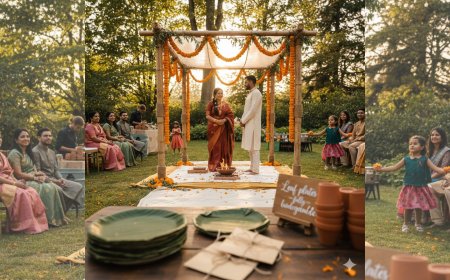
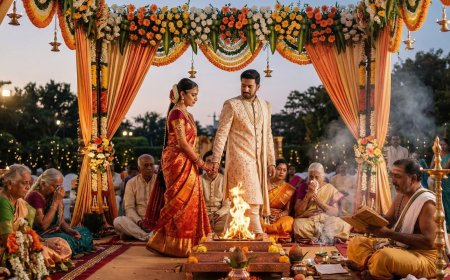
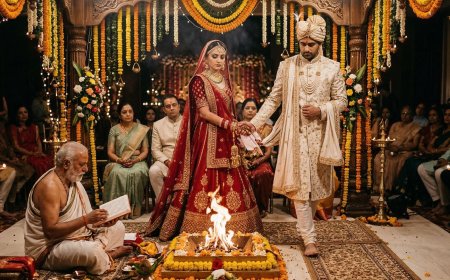
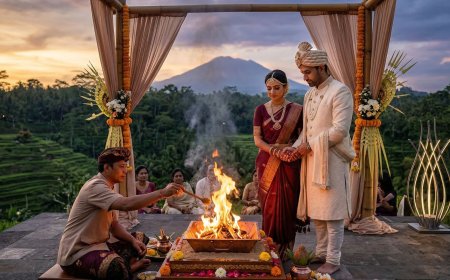
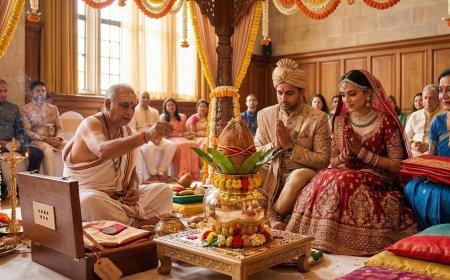
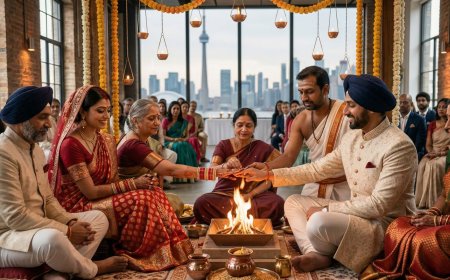
Joota Chupai is one of the most joyful rituals in a Hindu wedding ceremony — specifically in North Indian traditions, though variations exist across many communities. The ritual takes place during the wedding ceremony itself, typically at the moment the groom removes his shoes before stepping onto the sacred mandap (wedding platform) to begin the pheras — the seven sacred rounds around the sacred fire.
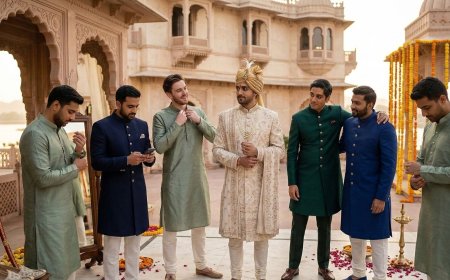
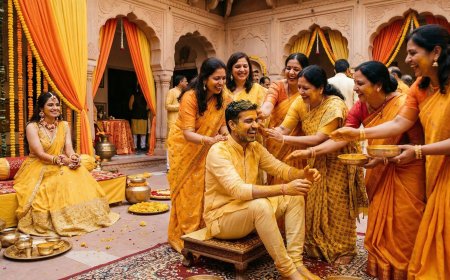
This is the window. The bride's sisters, cousins, and female friends swoop in, spirit the shoes away, and hide them. The groom's side — his brothers, cousins, male friends — are duty-bound to guard the shoes and prevent this from happening. They almost always fail.
Once the ceremony concludes, the groom cannot leave the mandap without his shoes. The negotiation begins. The bride's team demands a "ransom" — traditionally cash, nowadays sometimes gift vouchers, jewellery promises, or elaborate favours. The groom's side haggles. The families laugh. The photographer captures everything. Eventually, a deal is struck, the shoes are returned, and everyone proceeds to the next ritual with lighter hearts.
It is tradition, theatre, and family bonding all rolled into one gleaming pair of wedding juttis.
The Global Community Comparison Table
| State of Origin | Local Name of Ritual | Key Tradition | How NRIs Abroad Often Adapt It |
|---|---|---|---|
| Punjabi from India | Joota Chupai | Sisters demand large cash ransom; groom's brothers negotiate loudly | Ransom paid via UPI transfer or digital gift cards; negotiation often live-streamed on Instagram |
| Haryanvi | Joota Lukana | Bride's maamas (maternal uncles) sometimes join the hiding team | In UK and Canada, cousins coordinate over WhatsApp before the ceremony even begins |
| Rajasthani | Mosar | Part of a broader set of playful rituals; elder women often officiate the negotiation | NRI families in USA recreate this with hotel staff amused and bewildered nearby |
| UP/Awadhi | Joota Churai | Elaborate fake negotiations; poet-style taunting common | Second-gen kids in New Jersey find this the most accessible ritual — no language barrier needed for comedy |
| Gujarati | Joota Chupai (adopted) | Less central than in Punjabi weddings but increasingly common at modern weddings | Popular at NRI Gujarati weddings in London and Houston; often blended with Western best-man speech timing |
| Bengali | Aalta customs (shoe ritual less formal) | Teasing rituals exist but focus more on bride's brothers | NRI Bengali families in Sydney and Toronto sometimes incorporate Joota Chupai after exposure to Punjabi wedding culture |
| Sindhi | Joota Chupai | Very similar to Punjabi tradition; highly competitive | In Dubai and Singapore, the ransom has been known to include luxury dinner vouchers |
| Marwari | Mosar Khel | A structured game with assigned roles for family members | NRI Marwari families in UK recreate assigned roles carefully, briefing non-Indian guests on the "rules" |
| South Indian communities | Mild teasing rituals | Less formalised shoe ritual; more focused on other playful customs | Some NRI Tamil and Telugu families in USA and Australia adopt Joota Chupai after attending North Indian weddings |
The Meaning Behind the Ritual
On the surface, Joota Chupai is pure comedy. Beneath it, it is something quietly profound.
Indian weddings have always understood that joy is a form of blessing. The laughter that erupts during Joota Chupai breaks the solemnity of what is otherwise a deeply spiritual ceremony — and this is intentional. The ritual creates a bridge between the two families at the exact moment they are becoming one. The groom's side and the bride's side, who may have met only a handful of times, are suddenly united in shared laughter, shared negotiation, shared memory.
There is also a subtle power dynamic being acknowledged. The bride's family is saying, with great warmth and humour: we are giving you someone precious — and we expect you to value that, even in small, symbolic ways. The ransom is never really about money. It is about the groom demonstrating, in front of everyone, that he is willing to play, to negotiate, to meet the bride's family on their terms. Vedic wedding philosophy has always woven together the sacred and the celebratory — and Joota Chupai is perhaps its most joyful expression.
Doing Joota Chupai Abroad: The Practical Reality
Here is where NRI couples from London to Los Angeles face their first challenge: the shoes.
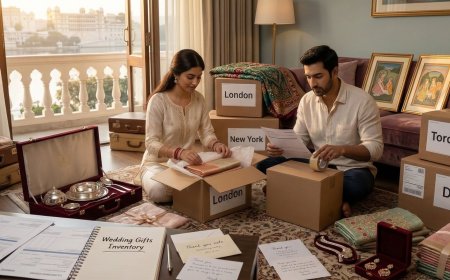
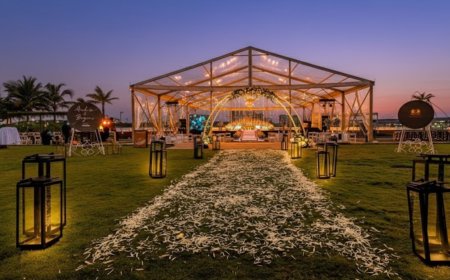
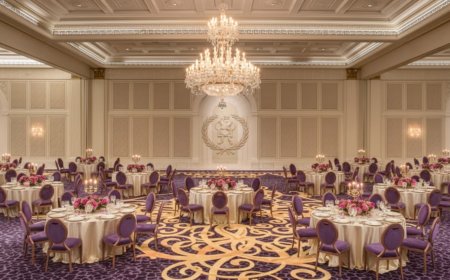
Traditional Joota Chupai works because the groom removes his shoes before stepping onto a mandap outdoors or on a ceremonial floor. In a hotel ballroom in Birmingham or a banquet hall in Brampton, the mandap is typically carpeted or floored differently — and some venues actively discourage bare feet on their surfaces. Practical solution: Speak to your venue coordinator in advance. Most are familiar with Indian wedding customs and can arrange a small mat or ceremonial area where shoes are removed. Frame it as a cultural requirement, not an exception.
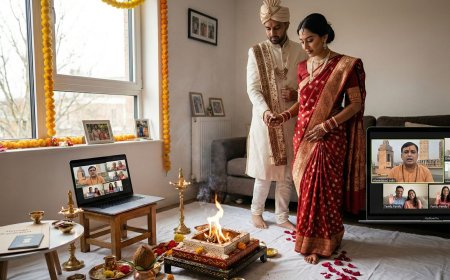
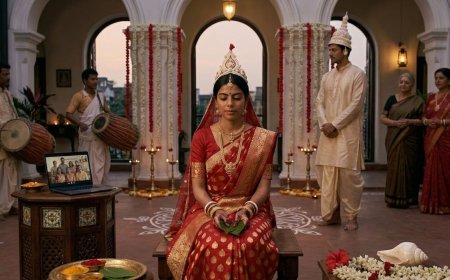
The other challenge is timing. In large NRI weddings, the ceremony may be happening while elderly relatives in Amritsar or Hyderabad are watching on a video call. Brief your bridesmaids to pause the shoe negotiation for a moment so the camera swings around — trust us, your nani in Ludhiana will love watching this unfold on her phone screen. It may be one of the most shared moments of your wedding.
Briefing non-Indian guests is also worth doing. A short note in your wedding programme — even just two sentences explaining the ritual — transforms confused Western guests into delighted participants who cheer on whichever side they instinctively support. (They almost always side with the bridesmaids.)
Joota Chupai at Your Destination Wedding in India
If you're among the many NRI families choosing to come back to India for the wedding — to Jaipur, Udaipur, Goa, or your ancestral city — Joota Chupai will unfold more naturally, with local pandit coordination and family members who know exactly when to move.
Brief your wedding planner (discoverable through NRI.Wedding's verified vendor listings) to include Joota Chupai timing in the ceremony runsheet. The best photographers in Jaipur and Udaipur — many of whom specialize in NRI destination weddings — know to position themselves near the mandap steps during the critical shoe-removal moment. If you're coordinating from Toronto or Sydney, ask your wedding planner to send you a video walkthrough of the mandap setup so you can identify the exact moment and brief your bridal party remotely.
For NRI families where the bride's sisters or cousins may be flying in from multiple countries, designate one "chief shoe strategist" early. She coordinates. She delegates. She does not let the shoes out of her sight until they are safely hidden.
What You Need for Joota Chupai
- The groom's wedding shoes (juttis or sherwanis are traditional; ensure they're beautiful enough to be worth ransoming)
- A designated bridal team — sisters, cousins, close friends — briefed on timing
- A designated groom's guard team — brothers, cousins, best men — who understand their role is to lose gracefully
- A pre-agreed ransom range (discuss loosely in advance to avoid genuine family tension; keep it fun)
- A photographer and/or videographer positioned correctly — this moment must be captured
- A brief explanation card if non-Indian guests are attending
- A payment method for the ransom — cash is traditional; in NRI weddings, a Venmo or UPI transfer adds a modern twist that always gets a laugh
Planning this in Dubai, Detroit, or Dundee? NRI.Wedding connects you with verified vendors, pandits, and wedding coordinators who understand exactly what you need — wherever in the world you're celebrating.
5 Questions NRI Couples Always Ask About Joota Chupai
"Our venue has a strict no-bare-feet policy on the carpet — do we skip Joota Chupai entirely?"
Absolutely not. Speak to your venue coordinator ahead of time and request a small ceremonial mat or platform area near the mandap. Most venues that host Indian weddings regularly have dealt with this before and can accommodate. The shoes still come off, the sisters still strike — the carpet is saved and the tradition is honoured.
"My partner is not Indian. Can they participate in Joota Chupai?"
This is one of the most NRI-inclusive rituals in all of Indian weddings precisely because it requires no religious knowledge, no Hindi, and no prior experience. A non-Indian partner on the groom's side will take to guarding the shoes with enormous enthusiasm. A non-Indian bridesmaid will have the time of her life stealing them. Brief them on the basic concept and let them run with it.
"We're having a small intimate wedding with only 15 guests — does Joota Chupai still work?"
Beautifully. With fewer people, the negotiation becomes even more personal and often funnier. The groom's lone brother versus the bride's two sisters is a perfectly complete drama. Some of the most memorable Joota Chupai moments happen at intimate weddings where everyone is family.
"Who sets the ransom amount? Is there a traditional figure?"
There is no fixed amount — and this is part of the joy. The bride's team starts high (sometimes outrageously so), the groom's team counters, and the final sum is whatever the room laughs into agreement. In most families, the agreed amount goes into a small fund for the couple or is spent immediately on sweets for everyone present.
"Our pandit conducts a very strict, traditional ceremony. Will he be okay with Joota Chupai happening during the ritual?"
Most experienced pandits not only tolerate Joota Chupai — they expect it and factor it into their timing. When booking your pandit through NRI.Wedding's verified listings, simply mention that you want Joota Chupai included and confirm at which point in the ceremony the shoes will be removed. A good pandit will create a natural pause that gives the bridal team their window.
Bridging Two Worlds: The Emotional Angle
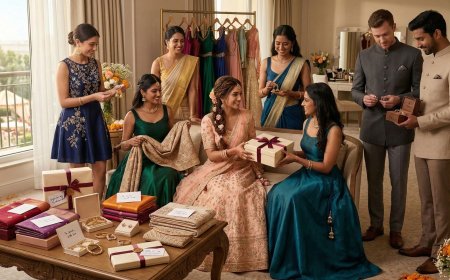
There is something quietly moving about watching a group of young women in lehengas — some of them born in Mississauga, some in Manchester, some visiting India for the first time in years — giggling in a corner of a mandap with a pair of embroidered juttis held triumphantly above their heads.
They may not remember every Sanskrit mantra. They may have needed subtitles for the ceremony programme. But this they know. This moment — the shriek of laughter, the groom's theatrical outrage, the aunties covering their mouths to hide their smiles — this lives in the muscle memory of every Indian family, no matter which country holds their passport. Joota Chupai doesn't require fluency in any language. It only requires the willingness to play. And in that play, across oceans and time zones, the family becomes whole.
A Moment to Smile
A cousin of mine — let's call her Priya, now very comfortably settled in New Jersey — flew back to Ludhiana for her younger brother's wedding with one very specific agenda. She had been planning the shoe heist since his engagement party. She had recruited allies. She had a decoy operation ready in case the brothers got suspicious.
What she had not planned for was her brother wearing a second pair of plain shoes under his sherwani as a backup.
The negotiation that followed — two pairs of shoes, competing claims, a WhatsApp voice note from a cousin stuck at Newark airport demanding her cut of the ransom, and a panditji who paused the entire ceremony to watch — is now family legend across three continents.
The groom paid. Handsomely. Twice.
Quotes from the Diaspora
"My daughters were born in Brampton and had never been to India before the wedding. But when it came to Joota Chupai — something just switched on. They were absolutely ruthless. I have never been more proud." — Harpreet Kaur, mother of the bride, Brampton, Ontario
"I'm not Indian — I'm from County Cork. But my wife's family explained the game to me the night before and I took my role very seriously. I guarded those shoes like my life depended on it. I still lost. The sisters were terrifying. It was the best moment of my life." — Ciarán, groom, married into a Punjabi family in Birmingham
"We researched every ritual together. My fiancé and I sat with his mother on a video call from Sydney and she walked us through each one. Joota Chupai was the one he was actually nervous about — not the pheras, not the mantras. The shoes. I thought that was very revealing." — Divya, bride, Sydney, Australia
Closing: Your Roots Travel With You
Traditions like Joota Chupai are proof that Indian culture has always known how to hold joy and meaning in the same breath. This is not a "lesser" ritual wedged between the sacred moments — it is a sacred moment, just one that wears its blessing lightly and laughs while doing it.
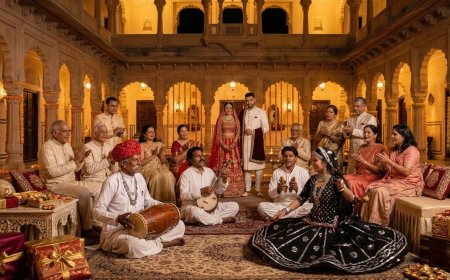
Whether your wedding is in a heritage haveli in Udaipur, a banquet hall in Birmingham, or a rooftop venue in Dubai, the shoes will be hidden, the groom will protest, and the room will fill with laughter that transcends every border you've ever crossed to get there.
Your roots do not need a postcode. They travel with you — in your music, your food, your rituals, and yes, in the way your sister's eyes light up the moment the groom steps toward the mandap and slips off his shoes.
Explore community-specific wedding ritual guides, find verified pandits, photographers, and wedding planners across India and abroad, and download your free NRI Wedding Planning Checklist — all at NRI.Wedding. Because wherever in the world you're celebrating, you deserve a wedding that feels completely, authentically yours.
What's Your Reaction?
 Like
0
Like
0
 Dislike
0
Dislike
0
 Love
0
Love
0
 Funny
0
Funny
0
 Angry
0
Angry
0
 Sad
0
Sad
0
 Wow
0
Wow
0