









































































How Much to Tip Indian Wedding Vendors — A Complete NRI Tipping Guide for 2025
Tipping Indian wedding vendors is one of the most consistently overlooked and mishandled parts of NRI wedding planning. Most couples arrive at the wedding day without a gratuity plan — unsure of who to tip, how much, when, and how. This comprehensive guide breaks down tipping expectations and real 2025 amounts for every major Indian wedding vendor category — from catering supervisors and makeup artists to pandits, photographers, baraat bands, and decor crews — giving NRI couples a clear, culturally intelligent gratuity framework ready to execute on the day.


The Envelope in Your Pocket That Nobody Told You to Bring
The wedding is over.
The last guest has hugged you. The photographer is packing up their equipment. The catering supervisor is directing his team through the cleanup. The decorator's crew is carefully dismantling the mandap that took them fourteen hours to build. Your makeup artist — who arrived at five in the morning and stayed until the final vidaai — is quietly gathering her kit in the corner of the bridal suite.
And you are standing in the middle of all of this, still in your wedding outfit, emotionally full to the point of overflow, trying to remember if you are supposed to give someone an envelope.
You think you are. Your mother mentioned something about it three weeks ago during a planning call. Your cousin who got married last year said something vague about "taking care of the staff." But nobody gave you a number. Nobody explained who exactly deserves what. Nobody told you whether tipping is a formal expectation or an informal gesture, whether vendors will be offended if you don't, or whether the amounts you are considering are embarrassingly low or surprisingly generous.
So you stand there, uncertain, trying to do the right thing in a moment when you are too exhausted and too emotionally saturated to think clearly — and the uncertainty itself becomes a small but unnecessary stress at the end of the most significant day of your life.
This is the tipping conversation that Indian wedding planning guides consistently skip.
Not because it is unimportant. But because it sits in that uncomfortable space between formal expectation and informal custom — a space where Indian family culture tends to operate on implicit understanding that NRI couples, having grown up partly or entirely outside that context, do not always have access to.
The tipping culture in Indian weddings is real. It is not as standardised as tipping culture in American restaurants, where the fifteen to twenty percent expectation is universally understood. But it is also not as absent as some NRI couples assume when they plan their entire vendor budget and forget to account for gratuity entirely.
It exists in a middle space — a space of genuine appreciation, social expectation, and relationship maintenance — and navigating it well requires understanding not just the numbers but the culture behind them.
For NRI couples planning Indian weddings from abroad, the tipping question carries additional complexity. You are managing vendor relationships remotely. You may not be physically present at every event. You may be sending gratuities through family members or ground coordinators who have their own understanding of what is appropriate. And you are operating in a market where vendor relationships carry long-term implications — for your family's reputation, for the quality of service you receive, and for the social ecosystem your parents and extended family navigate long after you have returned abroad.
This guide removes the uncertainty entirely.
It gives you clear, current, category-by-category tipping guidance for every major Indian wedding vendor. The cultural context behind tipping expectations. The difference between tipping full-service professionals and supporting staff. The logistics of how gratuity is actually distributed at an Indian wedding. And the emotional intelligence to handle the whole thing with the grace and generosity that the people who made your wedding happen genuinely deserve.
Because the people in those envelopes worked extraordinarily hard for your celebration. They deserve to be thanked well.
The Core Reality: Understanding Tipping Culture in Indian Weddings
It Is Not Called Tipping. It Is Called Dakshina, Bakhshish, and Appreciation.
In Indian cultural context, the formal concept of tipping as it exists in Western service culture does not have a direct equivalent. What exists instead is a set of practices — some rooted in religious tradition, some in social custom, some in straightforward appreciation — that collectively function as what NRI couples would recognise as gratuity.
Dakshina is the traditional gift given to a pandit or religious officiant after a ceremony — an expression of gratitude that has spiritual as well as material significance. Bakhshish is a broader term for gratuity or gift given to service workers — it carries a long historical tradition in Indian service culture. And then there is simply the practice of giving cash or gifts to the people who worked hard at your event — a practice that exists across the Indian wedding industry without a single standardised name but with reasonably consistent expectations.
Understanding this cultural context matters because it changes the framing of the conversation. You are not tipping the way you tip a waiter at a restaurant. You are expressing genuine appreciation within a cultural framework that values generosity and recognises the extraordinary effort that goes into making an Indian wedding happen.
Who Expects a Tip and Who Is Surprised by One
Not everyone in the Indian wedding vendor ecosystem has the same relationship to gratuity. Understanding the distinction prevents both the awkwardness of tipping someone who did not expect it in a way that feels transactional, and the greater awkwardness of not tipping someone who absolutely did.
Strong expectation of gratuity: These are the vendor categories where gratuity is a genuine expectation — not legally or contractually, but as a social norm that has real implications for how your event is remembered and how future interactions with that vendor network proceed.
• Catering service staff and supervisors
• Makeup artists and hair stylists
• Pandit and religious officiants
• Baraat band and musicians
• Valet and parking staff
• Venue support staff
Appreciated but not strongly expected: These vendors price their services to include their full compensation. Gratuity here is a genuine bonus — warmly received, positively remembered, but not anticipated as a standard component of the transaction.
• Wedding photographer and videographer
• Wedding planner and coordinator
• Decorator and floral team leads
• DJ and sound professionals
Not appropriate or expected:
• Venue management and event managers at five-star properties — they are salaried professionals
• Wedding consultant in an advisory role
• Any vendor whose contract explicitly includes gratuity
The Strategic Framework: Category-by-Category Tipping Guide
Catering Staff
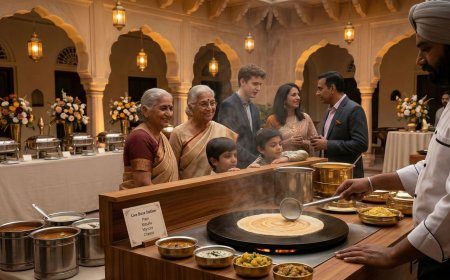
Catering staff represent the largest tipping obligation at most Indian weddings — both in terms of the number of people involved and the intensity of their work. A catering team for a 200-person wedding may include thirty to fifty staff members working eight to twelve hour shifts, managing food service, beverage service, setup, and cleanup simultaneously.
The Catering Supervisor
The supervisor coordinates the entire catering operation on the day. They are the first point of contact for any service issue, they manage the timing of courses, they handle guest complaints, and they ensure the overall catering experience meets expectations. Their role directly influences whether the catering feels seamless or chaotic.
• Recommended gratuity: ₹3,000–₹8,000 per event • For exceptional service on a large or complex event: ₹8,000–₹15,000
The Catering Team — Per Head
Individual catering staff members — servers, runners, kitchen support — work physically demanding shifts with little visibility to the hosts. A per-head gratuity distributed through the supervisor is the most practical approach.
• Recommended per-head gratuity: ₹300–₹600 per staff member per event • For a team of 30 staff: ₹9,000–₹18,000 total • For a team of 50 staff: ₹15,000–₹30,000 total
The Head Chef
If the catering company has a named head chef who is personally overseeing your event's kitchen, a separate gratuity is appropriate.
• Recommended gratuity: ₹2,000–₹6,000
Total Catering Gratuity Estimate for a 200-Person Wedding: Standard: ₹15,000–₹30,000 • Premium service, large team: ₹30,000–₹50,000
Makeup Artists and Hair Stylists
The bridal beauty team occupies a unique position in the wedding day experience. They are often the first people the bride interacts with on the wedding morning — arriving before dawn, working through the anxiety and excitement of the morning, maintaining composure and warmth through the hours of preparation that precede the ceremony.
A skilled makeup artist who executes beautiful work, manages the morning timeline efficiently, and creates a calm, positive atmosphere in the bridal suite contributes enormously to the emotional quality of the wedding day — in ways that are felt but rarely formally acknowledged.
Lead Bridal Makeup Artist
• Recommended gratuity: ₹2,000–₹8,000 depending on the scale and duration of their engagement
• For a makeup artist who worked across multiple events — mehendi, sangeet, wedding: ₹5,000–₹15,000
• For truly exceptional work combined with exceptional service: ₹10,000–₹20,000
Assistant Makeup Artists and Hair Stylists
For family members and bridesmaids whose makeup was handled by the lead artist's team:
• Recommended per-person gratuity to assistants: ₹500–₹1,500 per assistant per event
Mehendi Artist
The mehendi artist typically works for several hours applying intricate designs to the bride and often to family members and guests. Their work is skilled, time-intensive, and physically demanding.
• Recommended gratuity: ₹1,000–₹4,000 depending on duration and complexity
• For large mehendi events where the artist worked five or more hours: ₹3,000–₹6,000
The Pandit and Religious Officiants
Dakshina to the pandit is not optional — it is a religious and cultural obligation that carries significance beyond the financial dimension. The amount of dakshina reflects the gravity with which you regard the ceremony and the spiritual service being performed.
Wedding Ceremony Pandit
• Minimum dakshina: ₹5,000–₹11,000 (traditionally odd numbers carry auspicious significance)
• Standard for a full wedding ceremony: ₹11,000–₹21,000
• For a senior or highly regarded pandit, or for complex multi-hour ceremonies: ₹21,000–₹51,000
• For destination weddings where the pandit has travelled: add travel and accommodation costs plus ₹5,000–₹11,000 additional
Engagement Ceremony Pandit
• Recommended dakshina: ₹5,100–₹11,000
Additional Religious Performers
For any additional religious performers — priests for specific community rituals, musicians for religious ceremonies:
• Recommended gratuity: ₹1,000–₹5,000 each depending on duration and role
Important note on dakshina: Always present dakshina personally, with both hands, and with a moment of genuine acknowledgment. The manner of giving carries as much weight as the amount in this context.
Music and Entertainment
Baraat Band
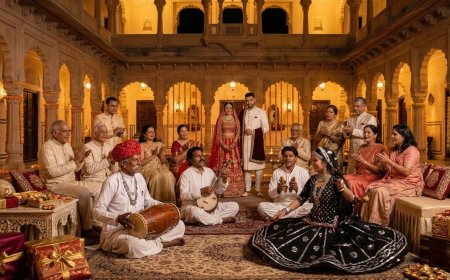
The baraat band sets the energy for one of the most visually and emotionally memorable moments of the wedding. A band that plays with energy, reads the crowd, and keeps the baraat moving is invaluable to the procession experience.
• Recommended gratuity per band member: ₹500–₹1,500
• For a band of 15 members: ₹7,500–₹22,500 total
• For exceptional energy and performance: add ₹2,000–₹5,000 to the lead musician
DJ and Sound Team
The DJ controls the energy of the reception and sangeet. A great DJ who reads the room, manages the transition between formal ceremonies and dance floor, and handles equipment issues without visible disruption deserves recognition.
• Recommended gratuity for lead DJ: ₹2,000–₹6,000
• For sound technician: ₹1,000–₹2,500
Live Band or Performers for Sangeet
• Recommended gratuity per musician: ₹500–₹2,000
• For lead vocalist or featured performer: ₹2,000–₹6,000
Anchor or Emcee
A professional anchor who keeps the event flowing, manages transitions smoothly, and adds warmth and energy to the celebration:
• Recommended gratuity: ₹2,000–₹6,000 for strong performance
Photography and Videography Team
Wedding photographers and videographers are among the highest-paid vendors at an Indian wedding — and their packages reflect their full professional value. Gratuity here is genuinely appreciated but not structurally expected the way catering gratuity is.
That said, a photography team that works twelve to sixteen hour days, that manages the physical and creative demands of documenting a complex multi-event Indian wedding, and that does so with professionalism, creativity, and genuine care — deserves to know their effort was recognised.
Lead Photographer
• Recommended gratuity: ₹3,000–₹10,000 for a full wedding day
• For a team that covered multiple events across the wedding weekend: ₹8,000–₹20,000
Second Photographers and Videographers
• Recommended per-person gratuity: ₹1,500–₹4,000 each
Drone Operator
• Recommended gratuity: ₹1,000–₹3,000
The most meaningful thing you can give your photography team beyond gratuity: A detailed, specific, publicly posted review within two weeks of the wedding. For photographers whose business depends on referrals and online reputation, a thoughtful review carries more long-term value than cash gratuity. Do both where you can.
Decor and Florals Team
The decor team — particularly for elaborate Indian wedding setups — performs some of the most physically demanding work of any vendor category. Setup typically begins twelve to sixteen hours before the event. Breakdown happens after midnight. The work is manual, time-sensitive, and largely invisible to guests who simply experience the finished result.
Decor Team Lead
• Recommended gratuity: ₹2,000–₹6,000
Decor Setup Crew — Per Head
• Recommended per-head gratuity: ₹300–₹600 per worker • For a setup crew of 15 workers: ₹4,500–₹9,000
Floral Team Lead
For florists who created elaborate arrangements and managed on-site installation:
• Recommended gratuity: ₹2,000–₹5,000
Venue and Hospitality Staff
Valet and Parking Staff
• Recommended per-attendant gratuity: ₹500–₹1,500 per shift • Distributed through the valet supervisor at end of event
Venue Coordinator or Banquet Manager
For venue staff who went above and beyond in accommodating your event requirements:
• Recommended gratuity: ₹2,000–₹5,000
Security Staff
• Recommended per-guard gratuity: ₹300–₹800
Housekeeping and Support Staff
For hotels where family is staying — particularly for staff who managed extensive family accommodation needs:
• Recommended per-staff gratuity: ₹200–₹500
• Distributed through housekeeping supervisor
Wedding Planner and Coordinator
Full-service wedding planners price their services to include their complete professional value. Gratuity is not expected as a standard component. However, for a planner who delivered an exceptional experience — who went above and beyond, who managed crises invisibly, who made the impossible feel effortless — acknowledging that with a gratuity is a genuine expression of appreciation.
Lead Wedding Planner
• For exceptional service: ₹5,000–₹20,000 depending on scale of wedding and degree of above-and-beyond delivery
Day-of Coordinator
• For strong day-of performance: ₹2,000–₹6,000
Planning Team Members
• For individual team members who provided consistent excellent support: ₹1,000–₹3,000 each
Complete Tipping Reference Guide: 2025 NRI Wedding
| Vendor | Standard Gratuity | Exceptional Service |
|---|---|---|
| Catering Supervisor | ₹3,000–₹8,000 | ₹8,000–₹15,000 |
| Catering Staff (per head) | ₹300–₹600 | ₹600–₹1,000 |
| Lead Makeup Artist | ₹2,000–₹8,000 | ₹10,000–₹20,000 |
| Mehendi Artist | ₹1,000–₹4,000 | ₹4,000–₹8,000 |
| Wedding Pandit | ₹11,000–₹21,000 | ₹21,000–₹51,000 |
| Baraat Band (per member) | ₹500–₹1,500 | ₹1,500–₹3,000 |
| Lead DJ | ₹2,000–₹6,000 | ₹6,000–₹10,000 |
| Lead Photographer | ₹3,000–₹10,000 | ₹10,000–₹20,000 |
| Decor Team Lead | ₹2,000–₹6,000 | ₹6,000–₹10,000 |
| Decor Crew (per head) | ₹300–₹600 | ₹600–₹1,000 |
| Valet Staff (per attendant) | ₹500–₹1,500 | ₹1,500–₹3,000 |
| Wedding Planner | ₹5,000–₹20,000 | ₹20,000–₹40,000 |
Common Mistakes NRIs Make Around Wedding Tipping
Not Preparing Gratuity Envelopes in Advance
The most common tipping mistake at Indian weddings is attempting to organise gratuity on the day itself — when you are exhausted, emotionally overwhelmed, and surrounded by the managed chaos of the event. Last-minute cash gathering, frantic calculations, and rushed envelope distribution inevitably result in someone being missed, amounts being miscalculated, or the entire gesture feeling disorganised.
Correction: Prepare all gratuity envelopes at least two days before the wedding. Label each envelope clearly — Catering Supervisor, Lead Photographer, Pandit, and so on. Calculate amounts in advance. Designate a trusted person — not a parent, not the couple — to distribute envelopes at the appropriate moments throughout the day.
Giving Gratuity at the Wrong Moment
Timing matters in Indian wedding tipping. Giving the pandit his dakshina before the ceremony begins is appropriate and often expected. Giving the catering supervisor their gratuity in the middle of service creates unnecessary distraction. Waiting until everyone has left to find the makeup artist feels like an afterthought.
Correction: • Pandit dakshina — at the conclusion of the ceremony, before he leaves • Catering gratuity — at the end of service, before the team disperses • Makeup artist — at the conclusion of their engagement, before they pack up • Photography team — at the end of their coverage, as they are preparing to leave • All others — at the natural conclusion of their service
Forgetting the Supporting Cast
NRI couples planning from abroad tend to think about gratuity for named vendors — the photographer, the planner, the makeup artist. They less frequently think about the invisible workforce that makes the event function — the decor crew who built the mandap, the valet staff who managed 200 cars, the venue housekeeping team who turned around the bridal suite between events.
Correction: When preparing your gratuity plan, explicitly go through every category of person who will be working at your wedding — including the people whose work you will never directly see. These workers often have the least financial cushion and the most physically demanding roles.
Delegating Gratuity Distribution Without a Clear Brief
Handing a stack of envelopes to a family member and asking them to "take care of the tips" without a clear brief on who gets what, when, and how — is a reliable path to confusion, missed distributions, and the awkward post-wedding discovery that the pandit left without his dakshina.
Correction: Create a simple one-page gratuity distribution plan. List each vendor, the envelope amount, the timing of distribution, and any specific instructions. Brief your designated distributor in person before the event begins. Check in at the end of the day to confirm all distributions were completed.
Treating Gratuity as Optional for Supporting Staff Because They Are Employed by the Vendor
Some NRI couples reason that catering staff, decor crew, and valet workers are employees of their respective vendors — and therefore their compensation is the vendor's responsibility, not theirs. While technically accurate, this reasoning misses the reality of how these workers are actually compensated in the Indian events industry, where base wages are low and event gratuity forms a meaningful part of their income.
Correction: Extend gratuity to supporting staff as a standard practice, not an optional gesture. The amounts per person are modest. The collective impact on the people who physically built and served your wedding is significant.
The Emotional and Cultural Layer: Generosity as Relationship
In Indian culture, the way you treat the people who serve at your significant occasions says something about who you are — not just as a client, but as a person, a family, a member of a community.
The wedding vendor ecosystem in India operates within a relationship-dense social fabric. Vendors talk to each other. Caterers recommend photographers. Decorators refer planners. The makeup artist who did your wedding may do your sister's wedding in three years. The pandit who conducted your ceremony may be the same pandit your parents have relied on for thirty years.
How you treat the people at your wedding — the generosity or its absence, the acknowledgment or the oversight — becomes part of your family's reputation in that ecosystem. Not dramatically. Not in ways that are spoken about openly. But in the quiet, persistent way that reputation always operates in relationship-based cultures.
For NRI couples who return abroad after the wedding, this dimension is easy to underestimate — because you won't be present to experience the long-term effects of how your event is remembered by the people who worked it. But your family will. Your parents and siblings and extended family who remain in India will continue to move through the social and professional world in which these vendors operate.
Generosity at your wedding is not just appreciation for service rendered. It is an investment in the relational ecosystem that your family inhabits. It carries forward in ways that are difficult to measure and impossible to manufacture after the fact.
Give generously. Give specifically. Give with genuine warmth.
And do it before you leave — not in an email from London three weeks later.
NRI Wedding Tipping Checklist
Two Weeks Before the Wedding
• Create complete list of all vendor categories requiring gratuity
• Calculate amounts for each category based on team size and event scale
• Prepare labelled envelopes with cash for each vendor
• Create gratuity distribution plan with timing notes for each vendor
• Brief designated distributor with plan and envelopes
• Prepare separate dakshina envelope for pandit with appropriate amount
Day Before the Wedding
• Confirm all envelopes are prepared and labelled
• Confirm designated distributor has received full briefing
• Ensure sufficient cash is available — ATM access day-of is unreliable
• Confirm pandit dakshina envelope is set aside separately
Wedding Day Distribution Timing
• Pandit dakshina — immediately following ceremony conclusion
• Makeup artist gratuity — as they conclude their engagement
• Catering gratuity — at end of service through catering supervisor
• Photography team — as they are packing up to leave
• Decor crew — through decor team lead at conclusion of setup
• Baraat band — immediately following baraat procession
• Valet staff — through valet supervisor at end of event
• All others — at natural conclusion of their specific service
Post-Wedding Gratuity Actions
• Confirm with distributor that all envelopes were delivered
• Follow up on any missed distributions within 48 hours
• Send written thank you messages to lead vendors within one week
• Post detailed reviews for photography, planning, and catering vendors within two weeks
• Address any gratuity for vendors paid through balance invoices within agreed timeline
The Envelope That Carries More Than Money
The gratuity envelopes at your Indian wedding carry something beyond their cash contents.
They carry acknowledgment. The recognition that the people who built your mandap, served your guests, styled your hair, captured your moments, and conducted your rituals — did not just perform a transaction. They contributed to one of the most significant days of your life. They brought their skill, their effort, and in many cases their genuine care, to something that matters enormously to you.
Acknowledging that — with the right amount, at the right time, in the right spirit — is not a financial obligation. It is a human one.
For NRI couples who have spent months managing the complexity of planning an Indian wedding from abroad, who have navigated time zones and vendor calls and family expectations and budget spreadsheets — the tipping conversation is the last act of that planning process. And it deserves the same care and deliberateness as every act that preceded it.
Prepare it in advance. Execute it with warmth. Do not leave it to chance or to the exhausted judgment of the wedding day itself.
The people who made your wedding happen worked hard for you.
Make sure they know you noticed.
Published by NRIWedding.com — The Premium Global Platform for Non-Resident Indians Planning Indian Weddings From Abroad.
What's Your Reaction?
 Like
0
Like
0
 Dislike
0
Dislike
0
 Love
0
Love
0
 Funny
0
Funny
0
 Angry
0
Angry
0
 Sad
0
Sad
0
 Wow
0
Wow
0