





































































Indian Wedding Photography Timeline: How Long Every Event Actually Takes and How to Plan Around It
The photography timeline is the planning element that NRI couples consistently underestimate — and the one whose failures are most visible on the wedding day itself. This guide breaks down the realistic time requirements for every photographic task across a multi-day Indian wedding programme, from bridal getting ready coverage and haldi through baraat, pheras, post-ceremony portraits, reception, and vidaai. Includes a master timing reference table, event-by-event breakdowns with minimum and comfortable durations, golden hour portrait window planning, family coordinator briefing, buffer architecture, and the backwards planning method for building a programme that actually works on the day. The most thorough Indian wedding photography timeline guide written specifically for NRI couples worldwide.


Photography Timeline: How Long Each Event Actually Takes
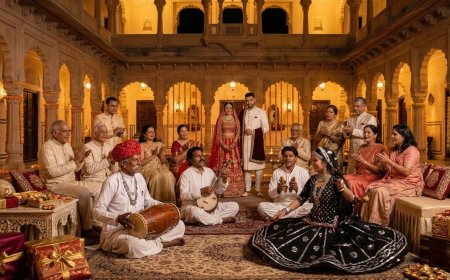
There is a particular kind of stress that NRI couples discover not during the vendor search or the contract negotiations or the budget conversations, but on the actual wedding day itself — standing in a courtyard in Jaipur at 6:45 PM, the reception guests already arriving, the family portrait session still unfinished, the photographer quietly waiting for direction while your mother insists that the maternal cousins group photograph hasn't been taken yet and your wedding coordinator is on the phone with the caterer about the starter service timing.
This stress has a specific cause: somebody, somewhere in the planning process, looked at the photography requirements for a multi-day Indian wedding and dramatically underestimated how long everything actually takes.
The photography timeline is the planning element that couples consistently get wrong — not because they are careless planners, but because the standard advice is vague, because photographers are often reluctant to give clients realistic time estimates for fear of seeming demanding, and because nobody who hasn't physically managed the photography at a large Indian family wedding has an accurate intuition for how much time each element genuinely requires. An NRI couple planning from London or Vancouver, without the reference point of having attended multiple Indian weddings in an organisational capacity, is particularly vulnerable to this gap.
This guide exists to close that gap completely. Not with rough approximations or optimistic estimates, but with the realistic time requirements — built from the actual mechanics of each event and photographic task — that you need to build a programme that actually works on the day.
Why Indian Wedding Photography Takes Longer Than You Think
Before the event-by-event breakdown, it is worth understanding the structural reasons why photography at Indian weddings consistently takes longer than couples anticipate. These are not factors you can eliminate with better planning — they are inherent to the nature of large Indian family events — but understanding them allows you to plan around them rather than being surprised by them.
The Family Scale Problem
Indian family photographs involve a cast of participants whose scale has no equivalent in Western wedding photography. A typical NRI wedding family portrait session might require documenting: immediate family on both sides, maternal and paternal extended family groups, grandparents with grandchildren, siblings with the couple, family friends who are considered family — all in various combinations. Each combination requires assembling the right people from a large crowd, positioning them, checking everyone is visible and well-lit, and capturing the shot before someone blinks, looks away, or is called elsewhere.
Each family group combination, from assembly to completed shot, takes an average of four to seven minutes when managed well and significantly longer when not. A list of twenty combinations — which is modest for a large NRI family wedding — represents a minimum of eighty to one hundred and forty minutes of dedicated time, assuming smooth management. Without a designated family coordinator, double that.
The Indian Wedding Programme Reality
Indian wedding events do not start on time. This is not a criticism — it is a structural reality of how large family events in India operate, and it is something that NRI couples who have grown up managing tight schedules in Western professional environments consistently underestimate. The haldi that was scheduled to begin at 10 AM will typically begin between 10:30 and 11:15. The baraat that was scheduled to depart at 6 PM will typically depart between 6:30 and 7:15. The ceremony that was scheduled to begin at 7:30 PM will likely begin between 8 PM and 8:45 PM.
Every delay in the programme compresses the photography timeline. The portrait session scheduled for the golden hour window after the ceremony suddenly has to compete with a delayed reception start. The pre-baraat groom portraits that were supposed to happen at 5:30 PM are being attempted in the dark because the baraat departed late. Programme delays are not exceptional — they are the norm, and your photography timeline should be built with buffer that accounts for the reality rather than the plan.
The Transition Time Nobody Accounts For
Between every photographic task, there is transition time: moving from the ceremony space to the portrait location, reassembling family groups that dispersed during the gap, changing the couple's outfit between events, moving lighting equipment between setups, downloading memory cards, changing batteries. None of this appears in a programme schedule, but all of it consumes time that comes out of the photography window.
A realistic rule: add fifteen to twenty minutes of transition time between every major photography block in your programme. This buffer is not wasted time — it is the structural allowance that prevents the day from running progressively later as each task takes slightly longer than the optimistic estimate assumed.
The Master Timing Reference
Before the event-by-event breakdown, here is the consolidated timing reference that your programme planning should be built around.
| Photography Task | Minimum Realistic Time | Comfortable Time | Notes |
|---|---|---|---|
| Bridal getting ready coverage | 60 minutes | 90–120 minutes | More time = more storytelling images |
| Groom getting ready coverage | 30 minutes | 45–60 minutes | Often overlooked; worth scheduling properly |
| Bride solo portraits (full outfit) | 20 minutes | 30–45 minutes | Requires good light; schedule near window or outside |
| Couple portraits (post-ceremony) | 20 minutes | 30–45 minutes | Golden hour window if possible |
| Immediate family portraits | 15 minutes | 20–25 minutes | 4–6 combinations; requires coordinator |
| Extended family portraits (20+ combinations) | 60 minutes | 90 minutes | Requires dedicated coordinator; non-negotiable |
| Mehendi ceremony coverage | 90 minutes | 2–3 hours | Full coverage includes application, guests, details |
| Haldi ceremony coverage | 45 minutes | 60–75 minutes | Fast-moving; peaks early then disperses |
| Sangeet coverage | 2–3 hours | Full event duration | Performances need positioning in advance |
| Baraat procession | 45–60 minutes | 60–90 minutes | Depends on route length and procession speed |
| Wedding ceremony (pheras) | 90 minutes | 2–3 hours | Ceremony duration varies by pandit and tradition |
| Reception coverage | 2 hours | 3–4 hours | Couple entrance, speeches, dining, dancing |
| Vidaai coverage | 20–30 minutes | 30–45 minutes | Emotionally intense; never rush this |
Use this table as the foundation for your programme planning — filling in the specific timings for your wedding based on the event sequence your planner has designed, then checking whether the photography time allocations are realistic given those timings.
Event by Event: The Realistic Photography Timeline
Getting Ready Coverage: The Morning That Always Runs Late
Getting ready coverage — the bridal preparation, the hair and makeup, the dressing, the first look at the completed outfit — is one of the most consistently underestimated photography tasks of the entire wedding programme. It is also one of the most photographically rich, producing images that are intimate, personal, and entirely distinct from the ceremony coverage.
The realistic time for bridal getting ready coverage is ninety minutes to two hours. This assumes: the makeup artist is working on the bride for at least two to three hours, the photographer arrives while the process is still in progress, coverage includes the makeup application, the jewellery being put on, the saree or lehenga draping, the bride's first view of herself in the completed look, and the individual quiet moments that make this coverage genuinely moving.
Couples routinely schedule sixty minutes for bridal coverage — or worse, allow the photographer to arrive only when the bride is already dressed. The result is that the entire story of the preparation is missing from the album: replaced by a single portrait of the completed look with none of the process that led to it.
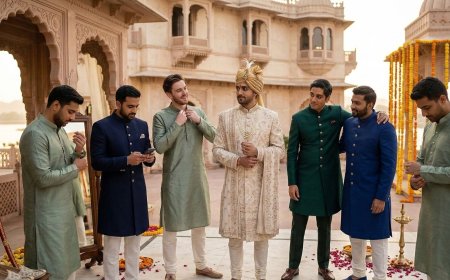
Groom getting ready coverage is often not scheduled at all, which is a significant missed opportunity. A realistic allocation of forty-five to sixty minutes for groom coverage — the kurta being tied, the sehre being placed, the quiet moment before everything begins — produces images that are consistently among the most valued by grooms when they appear in the album.
The morning almost always runs later than planned. Hair and makeup at Indian weddings typically runs over schedule — the mehendi from the night before needs to be cleaned, unexpected styling decisions extend the timeline, the family creates well-intentioned interruptions. Build at least thirty to forty-five minutes of buffer into your morning schedule before the first event requiring the bride's presence.
Mehendi Ceremony: The Long, Intimate Coverage
The mehendi ceremony is the most time-intensive event to cover properly, because its photographic richness is distributed across hours rather than concentrated in specific moments.
Minimum coverage time for a proper mehendi documentary is ninety minutes, but two to three hours produces significantly better results. The reason is structural: the most interesting photographic moments of a mehendi ceremony — the changing expression of the bride across the application, the gathering of generations around her, the increasingly elaborate design taking shape, the conversations and connections happening in the room — cannot be rushed and do not peak at a predictable moment.
A photographer who arrives for sixty minutes at the middle of a three-hour mehendi application captures a slice rather than a story. The beginning of the application — the first cone touching the bride's hand, the anticipation — is one of the most photographically significant moments of the ceremony. So is the reveal when the paste is removed the following day. Schedule coverage accordingly.
Guest mehendi coverage requires additional time. If family members and guests are also receiving applications, the photographic opportunities — three generations receiving mehendi simultaneously, the children watching with fascination, the groups forming around the artists — multiply significantly and justify extended coverage.
Haldi Ceremony: Short, Intense, Front-Loaded
The haldi ceremony is the opposite of mehendi in its temporal structure: it is short, reaches its visual peak quickly, and disperses rapidly once the initial application phase is complete.
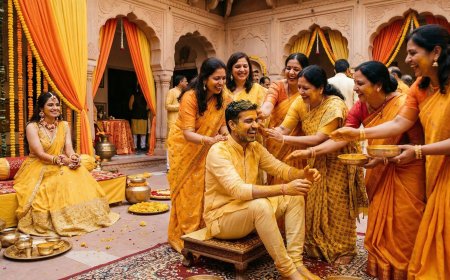
Realistic photography time for comprehensive haldi coverage is sixty to seventy-five minutes. The ceremony typically peaks in the first thirty to forty minutes — the first applications, the parental moments, the inevitable chaos as guests join in — and then disperses as people move to clean up and prepare for subsequent events.
The key timing mistake with haldi coverage is photographer arrival. A photographer who arrives at the start of the scheduled ceremony time and finds the family already twenty minutes into the application has missed the most significant photographs. Brief your photographer to arrive twenty minutes before the haldi is scheduled to begin, and brief your family coordinator to ensure the ceremony does not start until the photographer is in position.
Sangeet: The Event That Needs Advance Positioning
Sangeet photography fails most commonly for a single, preventable reason: the photographer is not in position when a performance begins. A beautiful family performance captured from the wrong angle — from behind the audience rather than from the stage-side — is a significantly weaker photographic document than the same performance captured from a position the photographer could only have reached if they knew the performance was about to start.
Total sangeet coverage time is typically two to four hours, but the critical photography moments are concentrated around performances, which means the pre-event briefing is as important as the coverage itself. Your photographer needs the full performance schedule in advance — which act is performing when, what the staging looks like, where the best coverage position is for each act.
For the ambient coverage between performances — the conversations, the dancing, the social gathering — the photographer needs freedom to move through the space without a fixed agenda. Build the sangeet programme so that your photographer has the performance schedule at least a week before the event and can plan their positioning strategy accordingly.
First performance positioning: brief your photographer to be in their optimal position at least five minutes before any performance is scheduled to begin. The first thirty seconds of a performance are often its most photographically significant — the entrance, the opening pose, the audience's initial reaction. Missing these because the photographer was repositioning from a previous shot is avoidable with good programme communication.
The Baraat Procession: Longer Than It Looks on the Schedule
The baraat is one of the most cinematic events of an Indian wedding and one of the most logistically complex to photograph well. The procession is moving through a physical space, the light is typically low or mixed by the time most baraats depart, the dhol players are generating significant noise that makes communication difficult, and the energy is high in ways that require the photographer to be continuously repositioning ahead of the procession rather than following behind it.
Realistic baraat photography time is sixty to ninety minutes from the groom's preparation for departure to the completion of the venue arrival coverage. This includes: pre-departure groom portraits (fifteen minutes), the procession itself (thirty to forty-five minutes depending on route length and walking pace), and the arrival at the venue including the milni and the welcome ceremony (fifteen to twenty minutes).
Pre-departure groom portraits are non-negotiable and non-recoverable. The moment before the baraat departs — when the groom is dressed, the sehre is in place, the horse or decorated car is waiting, and the family is assembled but the chaos has not yet begun — is the only moment of relative stillness before the entire event becomes kinetic. This window lasts approximately fifteen minutes and then closes permanently. It must be in the programme, protected, with the photographer in position and the groom available.
Route length determines everything. A baraat that walks five hundred metres through a hotel driveway has a completely different photographic timeline from one that processes through the lanes of an old city for forty-five minutes. Your photographer needs to know the route, the distance, and the expected pace before the event. If the route passes through specific visually significant locations — a fort gate, an old city bazaar, a heritage archway — these need to be briefed as specific positioning targets.
The Wedding Ceremony: The Most Variable Timeline of All
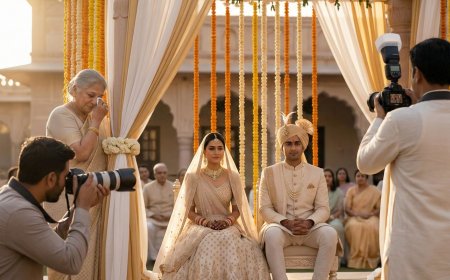
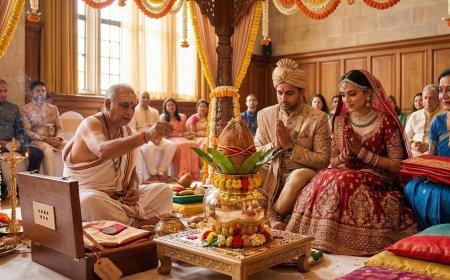
The wedding ceremony — the pheras, the ritual sequence, the sacred fire, the vows and the circumambulations — has the most variable duration of any event in the Indian wedding programme, because it is determined almost entirely by the officiating pandit's pace and the specific ritual traditions being observed.
A simple ceremony with a less elaborate ritual sequence conducted by a relatively efficient pandit might complete in ninety minutes. A full traditional ceremony with an extensive ritual sequence, multiple Sanskrit recitations, and a pandit who takes his time — as many do — can run to three hours or beyond. You need to know, from your pandit directly, what the expected duration of your specific ceremony is before you can schedule the photography timeline that follows it.
Photography positioning for the ceremony requires advance planning. The mandap setup, the seating arrangement, the movement of family members during the ceremony — all of these affect where the photographer can and cannot be at specific moments. Your photographer should know the physical layout of the ceremony space before the day, and should have discussed specific positioning for the key ritual moments: the sindoor, the mangalsutra, the saptapadi, the moment the ceremony is declared complete.
The ceremony typically starts later than scheduled. A ceremony scheduled to begin at 7:30 PM at an Indian wedding will typically begin between 8 PM and 9 PM. This delay compresses the time available for post-ceremony photography and reception preparation. Build sixty to ninety minutes of buffer between your scheduled ceremony start time and any firm commitments in the post-ceremony programme.
Post-Ceremony Portraits: The Window That Must Be Protected
The post-ceremony portrait session is the most photographically important scheduled block in the entire wedding programme, and it is the one most consistently destroyed by poor programme planning.
The minimum realistic time for a comprehensive post-ceremony portrait session is sixty minutes. Ninety minutes is comfortable. Anything less than forty-five minutes produces incomplete coverage.
Within that window, the time allocation roughly breaks down as: couple portraits in one or two locations (twenty to thirty minutes), immediate family combinations — parents, siblings, both families together (fifteen to twenty minutes), extended family group combinations from the formal shot list (twenty to thirty minutes with a coordinator, forty-five minutes without).
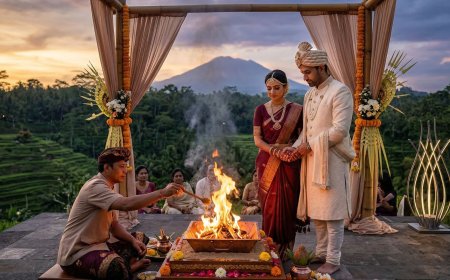
The golden hour window is the priority. If your ceremony ends near sunset — which many Indian wedding ceremonies do by design — the thirty to forty-five minutes of golden hour light that follow represent the best available light of the entire wedding day. This window should be reserved specifically for the couple's portraits and cannot be recovered once it has passed. Brief your planner explicitly: the golden hour portrait window is protected from all other programme demands, regardless of what is running late.
The family coordinator role is essential for this session. Without a designated family coordinator — someone who knows everyone, has the formal shot list, and is actively assembling each group combination while the photographer is completing the previous one — the session runs at approximately half the productive speed. Twenty family combinations in sixty minutes with a coordinator is achievable. The same twenty combinations without a coordinator typically takes one hundred and twenty minutes and still finishes incomplete.
Reception Coverage: Planning the Arc
Reception photography has a predictable arc — the couple's entrance, the speeches, the dinner service, the dancing — that makes it easier to plan than most other events. The total coverage time is typically two to four hours depending on the programme duration and the couple's specific requirements.
The couple's entrance requires the photographer to be in position at least five minutes before the entrance is scheduled, on the opposite side of the entrance from the arriving couple, with a clear sight line to both the couple and the crowd's reaction. This positioning is non-negotiable — the entrance happens once, lasts approximately sixty to ninety seconds, and cannot be recreated.
Speeches and toasts require the photographer to cover both the speaker and the couple's reaction simultaneously — which in a large reception space may require two photographers. Brief your photographer on the speech schedule in advance so they can position themselves for both coverage angles before the first speech begins.
The dancing coverage at a large NRI reception is genuinely difficult — the light is typically low, the crowd is dense, and the energy is high. This is where a second shooter earns their fee most clearly: one photographer managing the dance floor from within the crowd while the other captures the wider scene and the couple's interactions at the edges.
Vidaai: Never, Under Any Circumstances, Rush This
The vidaai — the bride's departure from her parental home at the conclusion of the wedding ceremony — is the most emotionally intense event of the Indian wedding programme and the one where photographic intrusion is most damaging.
Realistic vidaai coverage time is twenty to forty-five minutes, but the photographer's approach matters more than the duration. A photographer who is physically present and emotionally attuned, moving quietly and at distance, will capture the genuine grief and love of this moment in ways that cannot be manufactured. A photographer who is directing, repositioning people, asking for moments to be held or repeated, will destroy the emotional reality of the moment in the process of trying to photograph it.
Brief your photographer explicitly: the vidaai is documentary coverage only. No direction, no repositioning, no flash if avoidable, no instruction to the family to hold any moment. The photographer's job is to be a quiet, careful witness.
Do not let any programme pressure shorten the vidaai. The reception ending time, the transportation schedule, the family members who need to leave — none of these should create pressure that rushes the vidaai. In the hierarchy of wedding day photography, this moment is at the top. Everything else adjusts around it.
Building Your Photography Timeline Into the Programme
With the event-by-event timings understood, the practical task is building them into your wedding programme in a way that is realistic rather than aspirational.
The Backwards Planning Method
Start from your fixed commitments — the ceremony muhurat if your wedding has a specific auspicious time, the venue's latest event finish time, the catering service windows — and work backwards. If your ceremony must begin at a specific time, how much time does the baraat need before it? If the reception must end by midnight, what time does the couple's entrance need to happen for the full programme to fit?
Work through every photography requirement in this backwards calculation, using the realistic time estimates from the master table rather than optimistic ones. Where the maths doesn't work — where there isn't enough time for everything at the required quality level — you have identified a programme design problem that needs to be solved in advance rather than discovered on the day.
The Buffer Architecture
Every photography session should have buffer built in after it, not just before. The post-ceremony portrait session that is immediately followed by the reception start has no recovery time if it runs over. The same session with thirty minutes of buffer after it can absorb a ten-minute overrun without affecting the reception start.
Build thirty-minute buffers after every major photography block: after getting ready coverage, after the mehendi, after the ceremony portrait session, after the baraat arrival. These buffers are not wasted programme time — they are the insurance that keeps a complex multi-day event from accumulating delays that compound through the programme.
Common Mistakes NRI Couples Make with Photography Timelines
Scheduling the formal portrait session immediately after the ceremony with no buffer for the ceremony running over. The ceremony almost always runs over. The portrait session scheduled immediately after almost always gets compressed as a result.
Not scheduling pre-baraat groom portraits as a specific protected programme item. This window is the only one. If it's not in the programme, it doesn't happen.
Allocating sixty minutes for a formal family portrait session with twenty combinations and no family coordinator.This will not be completed in sixty minutes. Either reduce the combination list, increase the time allocation, or designate a coordinator.
Assuming the photographer will manage the family group assembly. The photographer manages the camera. The family coordinator manages the people. These are different jobs that cannot be done simultaneously by one person.
Not telling the photographer the ceremony duration before building the post-ceremony programme. If the photographer doesn't know the ceremony runs two and a half hours, they can't help you plan realistic post-ceremony timings.
Building the golden hour portrait window without protecting it from programme overruns. Name it specifically in the programme, brief your coordinator to protect it, and accept that other elements of the programme adjust around it rather than the other way around.
Scheduling getting ready coverage to start when the bride is already dressed. The preparation process is the story. The completed look is the final frame. Start coverage at least ninety minutes before the bride is expected to be ready.
Not building transition time between photography blocks. Moving from the ceremony space to the portrait location, reassembling the family, and changing the couple's outfit all take time that doesn't appear in the programme unless you put it there.
Every minute of buffer you build into your photography programme is a minute of stress you are removing from your wedding day. Every realistic time estimate you use instead of an optimistic one is a family photograph that actually exists instead of one that was attempted in the remaining four minutes before the reception started.
The couples who arrive at their wedding day with a programme that accounts for reality — who have built the buffers, protected the windows, designated the coordinator, briefed the photographer, and planned for the delays that are coming whether they plan for them or not — are the couples who get to be present at their own wedding rather than managing the gap between what was planned and what is actually happening.
The photography timeline is not glamorous planning work. It does not generate the excitement of the décor brief or the pleasure of the catering tasting. But on the day itself, at 6:45 PM in a Jaipur courtyard with the family portrait session still unfinished and the reception guests already arriving — it is the most valuable planning work you did.
Do it properly. Do it early. And then, on the day, let the programme carry you.
What's Your Reaction?
 Like
0
Like
0
 Dislike
0
Dislike
0
 Love
0
Love
0
 Funny
0
Funny
0
 Angry
0
Angry
0
 Sad
0
Sad
0
 Wow
0
Wow
0