
















































Mehndi Under Foreign Skies: How NRI Brides Are Keeping Tradition Alive Worldwide
This feature examines how Non-Resident Indian brides in the US, UK, Canada, UAE, and Australia are preserving the traditional Mehndi ceremony while hosting weddings abroad. It highlights cultural significance, modern adaptations, and the growing role of diaspora wedding platforms in supporting heritage-driven celebrations across global destinations.


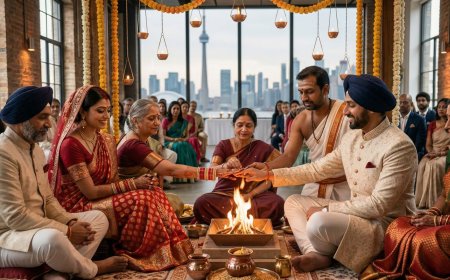
For Indian brides living abroad, Mehndi is no longer just a pre-wedding ritual — it is a powerful act of cultural remembrance. As NRI weddings evolve across London rooftops, Toronto condos, and Dubai ballrooms, this ancient tradition is being lovingly adapted without losing its emotional soul. This story explores how Mehndi has become the most intimate bridge between heritage and modern diaspora life.
You grew up watching your mother’s hands darken slowly with henna while aunties sang old songs you barely understood. The room smelled of eucalyptus oil and laughter, and someone always said, “The darker the colour, the deeper the love.”
Now you’re sitting in a high-rise apartment in Toronto, scrolling through Pinterest boards at midnight, wondering if Mehndi will feel the same in a rented loft with half your family on FaceTime and the other half stuck in airport queues.
You’re not worried about how it will look. You’re worried about how it will feel. Because for NRI brides, Mehndi isn’t just decoration — it’s memory, belonging, and the last moment you belong more to your childhood home than your married life.
🌟 DID YOU KNOW? FACT BOX
Did You Know?
Henna has been used in Indian ceremonial traditions for over 5,000 years, with references found in ancient Ayurvedic texts.
In the UK and Canada, over 70% of Indian-origin brides now host Mehndi as a standalone event, not just part of the wedding day.
The global henna industry is valued at over USD 1.3 billion, largely driven by South Asian diaspora weddings.
WHAT IS MEHNDI?
Mehndi (henna application ceremony) is one of the oldest and most emotionally significant rituals in Indian weddings. The word comes from Mehndi itself, referring to the paste made from dried henna leaves, which naturally stains the skin in shades of orange, rust, and deep maroon.
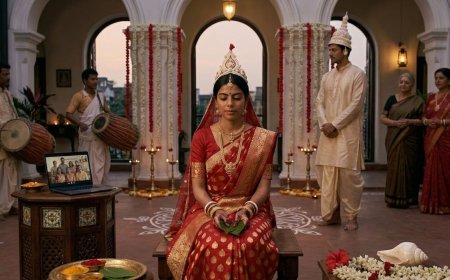
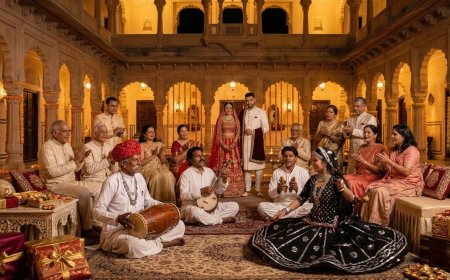
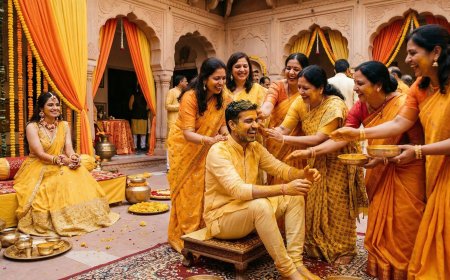
Traditionally, Mehndi takes place one or two days before the wedding. Female relatives and friends gather to apply intricate designs on the bride’s hands and feet, often accompanied by music, laughter, teasing, and food. In many communities, the groom’s name is hidden within the design, and he must find it on the wedding night.
Physically, the ritual is simple. A skilled artist draws patterns that may include paisleys, mandalas, peacocks, or symbolic motifs like the sun, moon, and sacred geometry. The bride sits for hours, barely moving, while stories are shared around her. The paste dries, is sealed with lemon and sugar, and slowly darkens over the next 24 hours.
Emotionally, Mehndi marks the bride’s transition from daughter to wife. It is often the last ritual where she is fully surrounded by her maternal family. In Indian philosophy, henna is believed to cool the body, calm the mind, and invite positive energy. For NRI brides, this ritual becomes even more layered — it is not just about marriage, but about anchoring oneself to culture while stepping into a global future.
COMMUNITY COMPARISON TABLE
| Community / State | Local Name | Key Tradition | How NRIs Abroad Adapt It |
|---|---|---|---|
| Himachali | Mehndi | Family songs and blessings | Spotify playlists replacing folk singers |
| Garhwali | Mehndi | Bride kept indoors post-ritual | Symbolic rest day before wedding |
| Kumaoni | Mehndi | Turmeric mixed in paste | Ready-made organic henna cones |
| Ladakhi | Henna | Minimal designs | Simple motifs for cultural nod |
| Kashmiri Pandit | Manziraat | Music night before wedding | Combined Mehndi-cum-sangeet |
| Punjabi | Mehndi | Loud music and dancing | DJ nights in community halls |
| Marathi | Mehndi | Subtle patterns | One-hand minimal designs |
| Tamil | Marudhaani | Feet-focused application | Pedicure-style Mehndi sessions |
| Bengali | Aalta | Red dye instead of henna | Hybrid aalta-henna designs |
| Rajasthani | Mehndi | Heavy motifs | Full-arm bridal coverage |
THE MEANING BEHIND THE RITUAL
Mehndi is not about beauty. It is about thresholds.
In Indian culture, every major life transition is marked by a ritual that involves the body. Birth, puberty, marriage, death — all are honoured physically, not just symbolically. Mehndi stains the skin temporarily, reminding the bride that this phase of life is both sacred and fleeting.
The colour represents fertility, prosperity, and emotional warmth. The act of sitting still for hours teaches patience and surrender. The community gathering around her reflects the Indian belief that marriage is not between two individuals, but between two families, two histories, two lineages.
Spiritually, Mehndi is a protective layer. It is believed to ward off negative energy and invite blessings. Philosophically, it reflects the Indian worldview that beauty is not permanent, but memory is. The stain fades, but the moment stays.
For a non-Indian partner, this ritual can be explained simply: Mehndi is how Indian brides carry their family’s love on their skin before they step into a new life.
DOING MEHNDI ABROAD: THE PRACTICAL REALITY
This is where romance meets logistics.
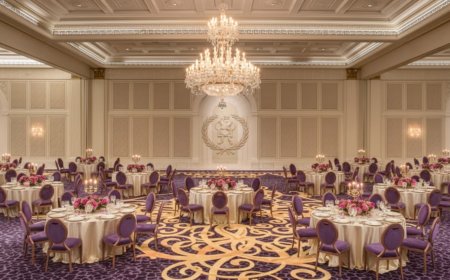
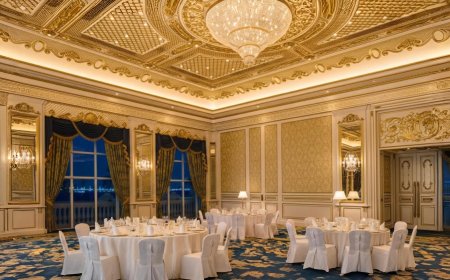
The biggest challenge is space. Western homes and venues are not designed for floor seating, barefoot rituals, or oil stains. Most NRI brides now rent community halls, rooftop lounges, or even yoga studios for their Mehndi.
In London, Southall and Wembley remain the go-to areas for henna artists and organic paste. In Sydney, Harris Park offers everything from bridal cones to decorative cushions. In Houston, Hillcroft Avenue is where most brides find artists who understand regional patterns. In Dubai, Bur Dubai is still the cultural heartbeat.
Finding the right artist is crucial. Many NRIs book months in advance, often flying artists from other cities. Instagram portfolios matter, but community referrals matter more. The difference between good Mehndi and unforgettable Mehndi is not design — it’s emotional intelligence.
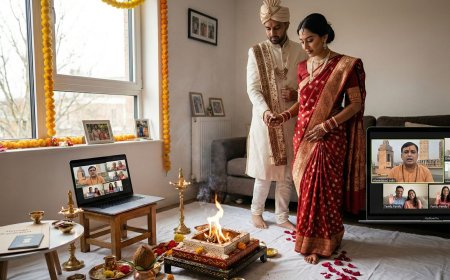
Then comes family coordination. Mothers in India insist on being present, even virtually. Time zones mean early mornings in Canada and midnight in India. Tablets are placed near the bride so grandmothers can supervise patterns and offer blessings through screens.
Unlike fire rituals, Mehndi faces no legal restrictions — but cultural ones remain. Brides constantly navigate between Western guest expectations and Indian intimacy. Some choose mixed-gender Mehndi, others keep it women-only. Some serve cocktails, others insist on homemade laddoos.
The truth is, doing Mehndi abroad is not about recreating India perfectly. It is about creating a space where memory feels louder than geography.
DOING MEHNDI AS A DESTINATION WEDDING IN INDIA
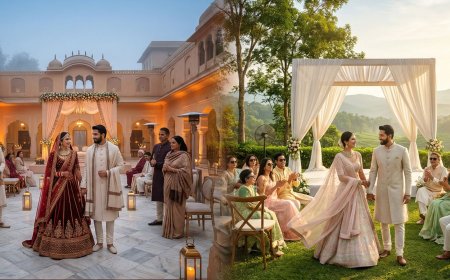
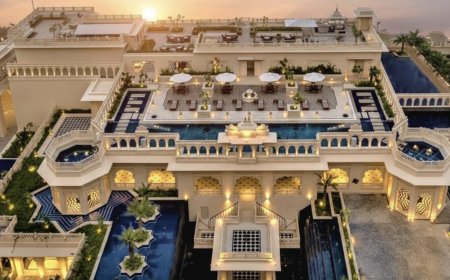
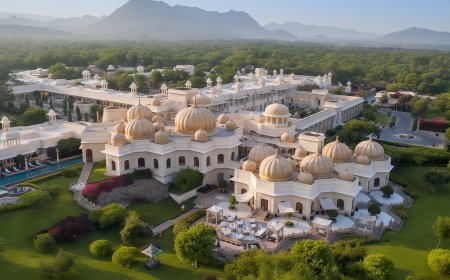
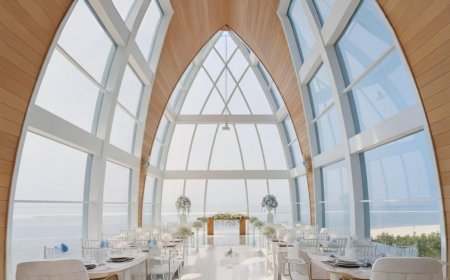
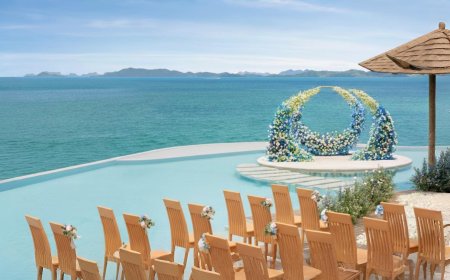
Many NRI brides choose to return to India just for Mehndi, even if the wedding itself happens abroad. Jaipur, Udaipur, Goa, Rishikesh, and ancestral villages are popular choices.
The key challenge is communication. Indian vendors assume local customs unless briefed otherwise. NRI brides must clearly explain guest demographics, language needs, and comfort levels.
For non-Indian guests, translated song lyrics, printed ritual guides, and interactive Mehndi sessions help transform confusion into curiosity. What begins as foreign becomes unforgettable.
WHAT YOU NEED: RITUAL CHECKLIST
Ritual Items: Organic henna paste, eucalyptus oil, lemon-sugar mix, tissues, decorative cushions, floor mats.
People Required: Mehndi artist, bride, female relatives, friends, one coordinator.
Preparation Steps: Book artist early, test henna colour, prepare seating, arrange video call with India.
NRI.Wedding connects brides with verified Mehndi artists and planners across continents.
5 QUESTIONS NRI COUPLES ALWAYS ASK
Can we do Mehndi in a Western venue?
Yes. Most brides use lounges, terraces, or community halls and adapt seating creatively.
What if my partner isn’t Indian?
Many intercultural couples turn Mehndi into a cultural introduction, inviting both families to participate.
How do I find a region-specific artist?
Community referrals and NRI.Wedding’s curated vendor lists are the most reliable.
Can family in India participate live?
Yes. Video calls are now a standard emotional feature of Mehndi nights.
Should Mehndi be before or after civil ceremony?
Most couples prefer before, as it symbolises pre-marital transition.
THE EMOTIONAL ANGLE
You don’t realise how much culture lives in your hands until someone draws it there.
For NRI families, Mehndi is often the only ritual that feels untouched by paperwork, visas, or venue rules. It is the one moment where time slows down and memory takes over.
Mothers cry quietly while watching their daughters sit still for hours, just like they once did. Grandmothers instruct artists through screens, worried about motifs and meanings. Friends who grew up abroad suddenly feel deeply Indian for the first time.
For you, as the bride, this is not about looking pretty. It is about holding onto something fragile — a language you half-forgot, a song you barely remember, a version of yourself that still belongs to home.
Mehndi becomes grief and gratitude intertwined. The grief of distance. The gratitude of continuity.
A MOMENT TO SMILE
At a Mehndi in Mississauga, the artist accidentally spelled the groom’s name wrong inside the design. When someone pointed it out, the bride laughed and said, “Perfect. Now he has to earn the correct spelling.”
They left it untouched. Today, that faded mistake is their favourite wedding story.
QUOTES FROM THE DIASPORA
“My Mehndi in Southall felt more real than my wedding in a luxury hotel.” — Aditi, Punjabi bride, London
“I watched my daughter’s Mehndi on FaceTime. I felt like I was there.” — Sunita, mother of groom, Ahmedabad to Toronto
“I didn’t think henna mattered until I saw my hands. I finally felt Indian.” — Rhea, Tamil bride, Melbourne
YOUR ROOTS TRAVEL WITH YOU
You may live in cities that never sleep, speak languages that shift daily, and celebrate in spaces your ancestors never imagined. But when Mehndi stains your skin, something ancient awakens.
NRI.Wedding exists to protect these moments. Through artists, planners, photographers, and cultural advisors, the platform helps NRIs carry heritage without carrying guilt.
You don’t need to choose between worlds. You only need to let them meet.
Your roots travel with you. Let them bloom.
What's Your Reaction?
 Like
0
Like
0
 Dislike
0
Dislike
0
 Love
0
Love
0
 Funny
0
Funny
0
 Angry
0
Angry
0
 Sad
0
Sad
0
 Wow
0
Wow
0