














































InterContinental Chennai Mahabalipuram — Ancient Pallava Architecture as Your NRI Wedding Inspiration
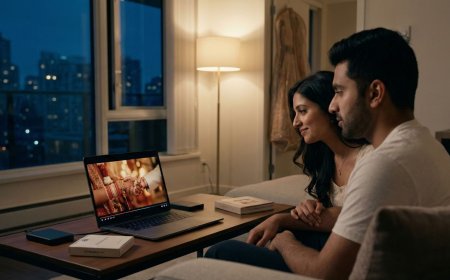
The bride was an architect. Not the dilettante architect — the working, thirteen-year-practice architect whose specific, professional engagement with the built environment had given her the trained, deeply considered relationship to space and material and light and proportion that the architect most specifically possesses. She had been on fourteen site visits for the wedding. Fourteen. Each had produced a different, specific, professional disappointment at the actual visit — the heritage palace whose restoration had sacrificed the authentic material, the lakeside resort whose architectural ambition was the ambition of the marketing photograph, the fort whose adaptation had introduced contemporary interventions of the expedient rather than the considered. She arrived at the InterContinental Chennai Mahabalipuram in the late afternoon November light. She saw the temple-inspired architecture. She stopped in the middle of the approach path. Said to the groom: the proportions are correct. He said: what does that mean? She explained — the Pallava tradition, the seventh-century Shore Temple and the Five Rathas, the mathematical relationship between vertical and horizontal, solid and void, carved surface and plain stone. Then said: someone studied the Pallava temples and built from the study rather than from the impression. Then said: this is the one. This complete guide gives NRI couples everything needed to plan a wedding at Tamil Nadu's most architecturally serious Pallava-inspired coastal resort — covering the Pallava dynasty's seventh-century architectural achievement at Mahabalipuram and what the mathematically considered proportion means for the contemporary design, the Bay of Bengal's eastern-ocean morning light and why it is the Pallava stone's most extraordinary photographic hour, the Pallava-ratha-inspired mandap commission, the Five Rathas art historian tour, the Shore Temple pre-ceremony dawn visit, one comprehensive table covering all venue costs, accommodation from ₹14,000 to ₹1,80,000 per night, and complete budget from ₹2.87 crore to ₹6.00 crore, the Bharatanatyam sangeet coherence, the Northeast Monsoon contingency, the IHG One Rewards advantage, and the five mistakes that cost couples the Pallava wedding's full extraordinary potential.


InterContinental Chennai Mahabalipuram — Ancient Pallava Architecture as Your NRI Wedding Inspiration
The Template
The bride was an architect.
Not the dilettante architect — not the person who had studied architecture at university and whose practice was the practice of the person who carries the credential without the conviction. The working architect, the thirteen-year-practice architect, the architect whose specific, professional engagement with the built environment had given her the specific, trained, deeply considered relationship to space and material and light and proportion that the architect most specifically possesses.
She had been on fourteen site visits for the wedding.
Fourteen.
The venue whose photographs had produced the strongest initial response — the heritage palace, the lakeside resort, the fort — had each produced a different, specific, professional disappointment at the site visit: the heritage palace whose restoration had sacrificed the authentic material for the managed surface, the lakeside resort whose architectural ambition was the ambition of the marketing photograph rather than the building, the fort whose adaptation to the luxury hotel had introduced the contemporary interventions whose quality was the quality of the expedient rather than the considered.
She had been looking, in the language of the architect rather than the bride, for the building that was doing what the architect most specifically requires: the building that understood the relationship between the material and the light, that had placed the form in relationship to the landscape with the specific, spatial intelligence of the design that knows where it is, and that had produced the specific, ambient quality of the place that is doing what the place was designed to do.
She had not found it in thirteen site visits.
The fourteenth site visit had been the InterContinental Chennai Mahabalipuram.
She had arrived at the property in the late afternoon — the specific, Tamil Nadu coastal afternoon whose light at the hour of four thirty is the light that finds the stone at the low, lateral angle that most powerfully reveals the surface's texture and whose warmth in the November light is the warmth of the subcontinent's eastern coast at the specific, post-monsoon, post-equinox hour.
She had seen the temple-inspired architecture.
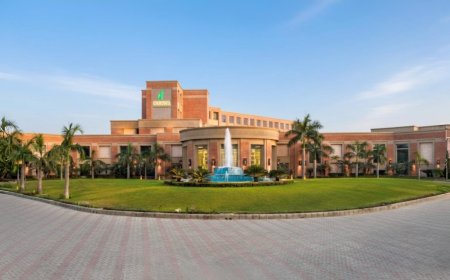
Not the generic hotel-with-temple-motifs architecture of the property whose designer had added the gopuram reference and the Dravidian-style cornice and the specific, surface-applied decorative vocabulary of the South Indian classical tradition to the contemporary building's structural bones. The architecture — the specific, spatially considered, light-engaging, Pallava-inspired design whose forms and whose proportions and whose specific, material quality had been drawn from the Pallava dynasty's seventh-century architectural achievement and applied to the contemporary resort with the specific, sustained, architectural intelligence of the design that has genuinely studied the tradition rather than merely referenced it.
She had stopped in the middle of the approach path.
She had said, to the groom walking beside her: the proportions are correct.
He had said: what does that mean?
She had said: the Pallava tradition — the Shore Temple, the Five Rathas, the rock-cut mandapas — had the specific, spatial proportion whose relationship between the vertical and the horizontal, between the solid and the void, between the carved surface and the plain — was the proportion of the mathematically considered rather than the intuitively arrived at. And this building has those proportions. Someone studied the Pallava temples and built from the study rather than from the impression.
She had paused.
Then she had said: this is the one.
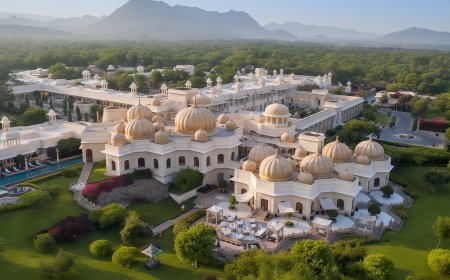
The InterContinental Chennai Mahabalipuram — the resort on the Bay of Bengal coast of Tamil Nadu whose specific, Pallava-architecture-inspired design represents the most considered, most architecturally serious, most genuinely studied engagement with the South Indian classical tradition of any Indian resort in this guide series — is the wedding venue that the architect-bride had been looking for in thirteen site visits and found at the fourteenth.
Not the heritage building. The contemporary resort that had studied the heritage tradition with the specific, architectural seriousness that the tradition deserves and built from that study.
This guide is for the NRI couple who understands the difference — and who needs the complete knowledge to plan the wedding that the Pallava tradition's contemporary expression most powerfully frames.
The Place: Mahabalipuram and the Pallava Civilisation
The Pallava Dynasty: The Architects of Tamil Nadu
The Pallava dynasty — the specific, Tamil, medieval, sixth-to-ninth-century dynasty whose architectural achievement at the Mahabalipuram site produced the specific, extraordinary concentration of the rock-cut and structural temples that the UNESCO World Heritage designation most directly recognises — is the dynasty whose specific contribution to the South Indian classical tradition is the contribution of the pioneer: the dynasty that invented the forms that the subsequent Chola and the Vijayanagara and the Nayaka traditions most directly built upon.
The Pallava architectural vocabulary: the specific, architectural vocabulary of the Pallava tradition — the rock-cut mandapa, the rathas or monolithic chariot temples, the structural temple, the gopuram tower, the specific, spatial organisation of the sacred complex whose relationship between the entrance tower and the sanctum and the surrounding spaces is the relationship that the South Indian temple plan most specifically embodies — is the vocabulary whose invention at the Mahabalipuram site in the seventh century is the invention that the South Indian classical tradition most specifically credits to the Pallava genius.
Mahabalipuram as the laboratory: the Mahabalipuram site — the specific, seventh-century, Pallava-commissioned architectural laboratory whose thirty-plus monuments represent the full range of the Pallava architectural experiment, from the purely rock-cut to the purely structural, from the single-celled to the multi-courtyarded, from the earliest, simplest form to the mature expression — is the site whose archaeological and architectural reading gives the architect the most complete single-site access to the Pallava tradition's development across the reign of the Narasimhavarman I and his successors.
The Shore Temple: the Shore Temple — the specific, structural, Pallava-built, seventh-century temple at the Bay of Bengal's edge whose specific, three-shrine, walled-complex organisation is the mature expression of the Pallava structural temple tradition — is the heritage monument whose proximity to the InterContinental Chennai Mahabalipuram is the proximity of the most immediate, the most accessible, the most powerful single architectural reference for the resort's own Pallava-inspired design.
The UNESCO World Heritage Site
The Group of Monuments at Mahabalipuram — the UNESCO World Heritage Site designation that covers the Shore Temple, the Five Rathas, Arjuna's Penance, the Krishna's Butter Ball, and the specific, accumulated, Pallava-period monuments of the Mamallapuram site — is the UNESCO designation whose proximity to the InterContinental Chennai Mahabalipuram gives the property the specific, World Heritage-adjacent character that most directly enriches the wedding's heritage programme.
The Five Rathas: the Pancha Rathas — the five monolithic chariot temples each carved from a single granite outcrop, each representing a different stage in the Pallava architectural tradition's development from the rock-cut single-celled form to the multi-story structural aspiration — is the heritage programme element whose specific, architectural, only-in-Tamil-Nadu quality gives the architect's guest the most directly, professionally extraordinary experience of the Pallava tradition's experimental range.
The Property: InterContinental Chennai Mahabalipuram
The Pallava-Inspired Architecture: The Serious Study
The InterContinental Chennai Mahabalipuram's architecture — the specific, Pallava-tradition-inspired, contemporary-resort design whose proportions the architect-bride had identified as the proportions of the mathematically considered rather than the intuitively arrived at — is the architecture whose specific quality separates it from the generic temple-motif hotel and places it in the category of the genuine architectural engagement with the classical tradition.
The proportions: the Pallava tradition's specific, spatial proportion — the relationship between the vertical and the horizontal, the solid and the void, the carved surface and the plain stone — is the proportion whose mathematical basis the Pallava tradition's own Vastu-shastra-informed design system produced and whose replication in the contemporary resort requires the specific, sustained, professional study of the tradition rather than the impressionistic borrowing of its surface vocabulary.
The light: the Pallava temples' specific relationship to the Tamil Nadu coastal light — the specific, slightly harsh, equatorial quality of the direct overhead light and the specific, warm, horizontal quality of the low-angle morning and evening light whose different effects on the carved stone produce the different, temporally specific visual qualities that the Pallava architect most specifically designed for — is the light relationship that the InterContinental Chennai Mahabalipuram's Pallava-inspired design most specifically exploits in the placement of the carved surfaces, the orientation of the enclosed spaces, and the specific, seasonal, coastal-Tamil-Nadu-light engagement of the building's facade.
The stone and the water: the Pallava tradition's specific, material vocabulary of the granite stone and the tank water — the temple tank whose specific, reflective, sacred, water-and-stone relationship with the temple complex is the relationship that the Pallava temple plan most consistently produces — is the material vocabulary whose echo in the InterContinental's pool and water body design gives the property the specific, water-and-stone, Pallava-referenced ambient quality of the place that has understood its tradition's material conversation.
The InterContinental Brand
The InterContinental Hotels and Resorts — the upper-upscale, internationally-minded luxury brand within the IHG Hotels and Resorts group whose properties span the major global cities and whose specific positioning is the positioning of the worldly, the culturally engaged, the design-conscious luxury hotel — is the brand whose Chennai Mahabalipuram property delivers the international luxury standard at the Bay of Bengal coast with the specific combination of the global brand's professional management and the locally specific, Pallava-architecture-inspired design that makes the property the simultaneously international and irreducibly Tamil Nadu place.
The IHG One Rewards programme: the InterContinental's membership in the IHG One Rewards programme — the loyalty scheme whose points accumulation and whose member rate apply to the accommodation and the event costs — is the financial tool whose engagement before the contract negotiation begins produces the specific saving that the non-member rate does not provide. Confirm the IHG One Rewards member rate and the event benefits at the initial inquiry.
The Bay of Bengal Position
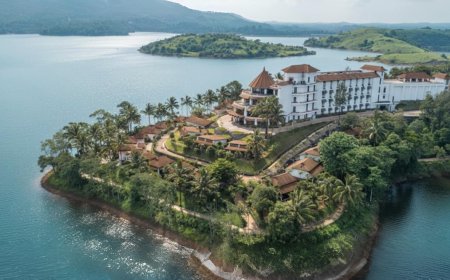
The InterContinental Chennai Mahabalipuram's position on the Bay of Bengal coast — the specific, eastern-facing, Coromandel, Tamil Nadu coastal position whose eastern-ocean sunrise and whose specific, Bay-of-Bengal quality gives the property the same eastern-ocean credential as the Taj Fisherman's Cove — is the position whose specific, Pallava-architecture-and-Bay-of-Bengal combination most powerfully frames the wedding's photographic and ceremonial quality.
The sunrise: the Bay of Bengal sunrise at the InterContinental Chennai Mahabalipuram — the specific, eastern-horizon, pre-dawn, pink-and-gold quality of the Tamil Nadu coastal morning whose light finds the Pallava-inspired stone facade of the resort at the specific, low-angle, texture-revealing quality of the ancient temple's morning illumination — is the property's most specifically, only-in-Tamil-Nadu, architecturally extraordinary photographic moment. The Pallava stone in the Bay of Bengal sunrise is the intersection of the architecture and the ocean and the light that the architect-bride had been looking for in fourteen site visits.
The Wedding as Architectural Experience
The Mandap as the Ratha
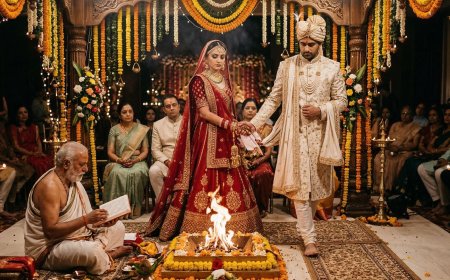
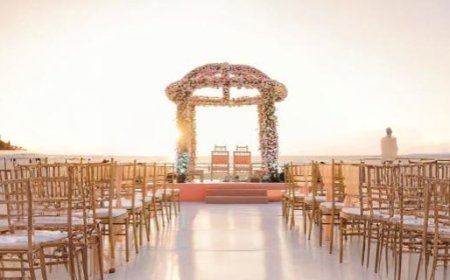
The InterContinental Chennai Mahabalipuram's Pallava-inspired architecture gives the NRI wedding's mandap design the specific, only-at-this-property opportunity of the architecturally coherent mandap — the ceremonial structure whose design draws from the Pallava ratha's specific, stone-and-tower form and whose placement within the Pallava-inspired resort's spaces creates the specific, culturally continuous, tradition-honouring architectural statement of the contemporary ceremony within the ancient vocabulary.
The ratha reference: the Pallava rathas — the five monolithic chariot temples whose specific, tower-and-vimana form is the form of the South Indian temple's most iconic profile — are the architectural reference whose translation into the wedding mandap's design gives the ceremony the specific, Pallava-tradition, only-in-Mahabalipuram character of the mandap that is not the generic wedding structure but the architecturally considered ceremonial space whose design is the design of the tradition in which the ceremony itself is rooted.
The decorator's brief: the mandap whose design has been informed by the specific, Pallava architectural vocabulary — the tower form, the carved stone detail, the specific, South Indian classical ornamental vocabulary — and whose placement within the InterContinental's Pallava-inspired grounds creates the architectural coherence of the tradition speaking to itself in two centuries — is the mandap that the architect-bride had envisioned and that the decorator whose brief is the Pallava ratha most specifically produces.
The Architecture as the Photography
The InterContinental Chennai Mahabalipuram's Pallava-inspired architecture — the carved stone, the temple-form towers, the specific, Tamil classical detail of the facade — is the wedding photography's primary architectural subject and the specific, professional-quality, only-at-this-property photographic credential that most directly distinguishes the InterContinental wedding's visual record from every other Tamil Nadu coastal property's photographs.
The architectural portrait: the wedding portrait whose setting is the InterContinental Chennai Mahabalipuram's Pallava-inspired facade — the couple before the Pallava stone detail in the specific, Bay of Bengal morning light whose lateral quality finds the carved surface's texture at the angle that most powerfully reveals the depth of the relief — is the portrait that is simultaneously the wedding photograph and the architectural photograph, the portrait whose background most specifically, most unmistakably communicates the tradition and the place.
The Wedding Spaces
The Temple-Inspired Ceremony Space
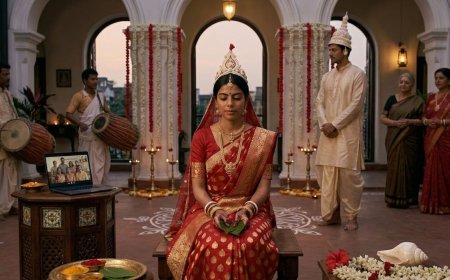
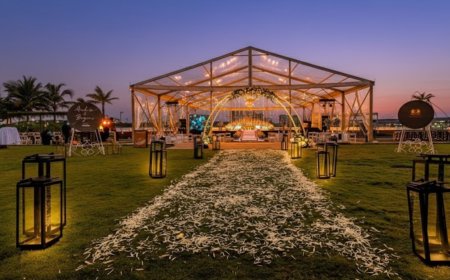
The InterContinental Chennai Mahabalipuram's primary outdoor ceremony space — the temple-inspired outdoor setting whose Pallava-architectural backdrop and whose Bay-of-Bengal-facing orientation combine the classical tradition and the eastern ocean in the single, compositionally extraordinary ceremony frame — is the wedding's most defining outdoor space and the specific, architecturally coherent ceremony setting that no other Tamil Nadu coastal property provides.
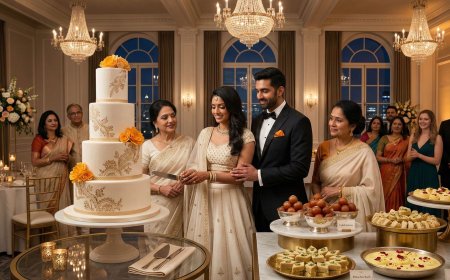
The ceremony space accommodates up to two hundred guests for the seated ceremony and up to two hundred and fifty for the standing gathering — the moderate to substantial scale that the InterContinental Chennai Mahabalipuram's primary outdoor space most naturally contains.
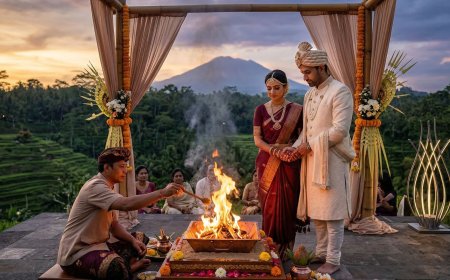
The Pallava architecture at the ceremony: the ceremony whose mandap is the Pallava-ratha-inspired structure positioned before the resort's Pallava-inspired facade in the Bay of Bengal coastal light — the carved stone, the tower form, the Tamil classical detail, the eastern ocean behind — is the ceremony whose setting most completely expresses the architecturally coherent, culturally continuous, tradition-honouring character of the wedding in the place that was built in the tradition's language.
The Beach
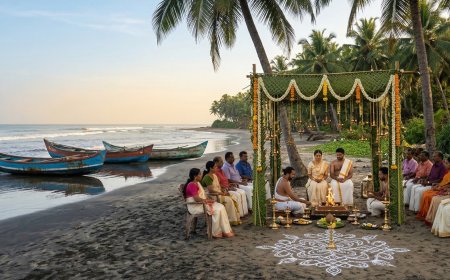
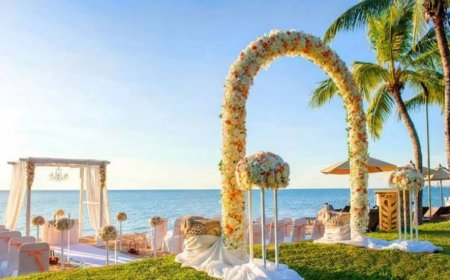
The InterContinental Chennai Mahabalipuram's Bay of Bengal beach — the specific, eastern-facing, Coromandel Coast beach whose curved expanse and whose eastern-ocean orientation give it the Bay of Bengal sunrise's specific, only-at-the-eastern-coast quality — is the primary outdoor reception and welcome dinner space and the wedding's most immediately compelling natural setting.
The beach accommodates up to two hundred and fifty guests for the standing reception and up to two hundred for the seated dinner — the moderate to substantial scale that the Bay of Bengal beachfront most naturally provides.
The beach reception at sunset is a paradox at the Bay of Bengal: the Bay of Bengal's eastern orientation means the sunset is not the sunset over the water — the sun sets behind the property's land, not over the ocean. The evening light on the Bay of Bengal at the InterContinental is the reflected, ambient light of the sky's western glow on the eastern water — the specific, subtler, more atmospheric quality of the eastern ocean at evening whose character is different from and no less beautiful than the Arabian Sea's direct sunset. The photographer whose brief acknowledges this — who plans for the eastern-ocean evening's specific, ambient light quality rather than the western-horizon sunset's directional drama — produces the beach photographs whose specific, only-at-the-Bay-of-Bengal character most directly communicates the Tamil Nadu coastal wedding's eastern ocean identity.
The Pool and the Water Terraces
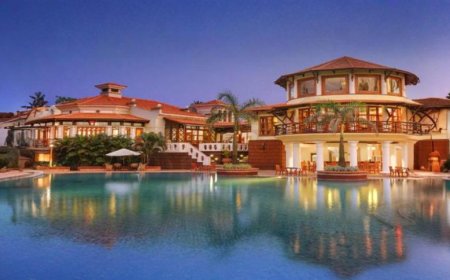
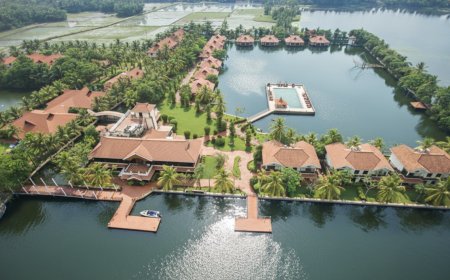
The InterContinental Chennai Mahabalipuram's pool and water terraces — the specific, Pallava-tradition-referenced, water-and-stone landscape whose design draws on the temple tank's sacred water relationship with the temple's built form — are the wedding spaces for the pre-wedding function, the mehendi, the intimate cocktail gathering, and the specific daytime occasion whose character the water-and-architecture setting most powerfully produces.
The pool terrace sangeet: the sangeet on the InterContinental's pool terrace — the evening celebration in the Pallava-inspired water-and-stone setting, the Bay of Bengal's eastern water audible behind, the resort's temple-inspired architecture illuminated around the pool — is the sangeet whose setting most completely expresses the architectural and the natural quality of the InterContinental Chennai Mahabalipuram as the wedding's defining setting.
The pool terrace accommodates up to one hundred and fifty guests for the standing cocktail reception — the moderate scale that the water terrace's intimate, architecturally contained character most naturally serves.
The Grand Ballroom
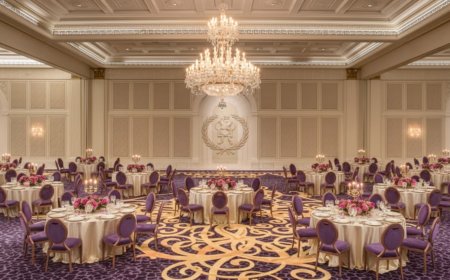
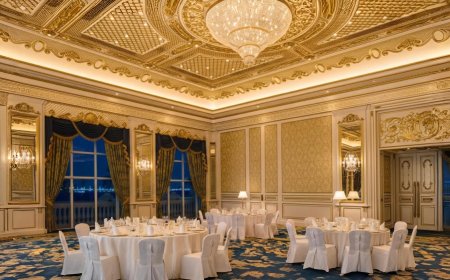
The InterContinental Chennai Mahabalipuram's Grand Ballroom — the primary indoor event space whose Pallava-inspired interior design and whose professional IHG banquet infrastructure provide the large indoor setting and the weather contingency — is the sangeet and the formal reception space for the occasion whose scale requires the large indoor setting or whose programme requires the climate-controlled interior.
The Grand Ballroom accommodates up to four hundred guests for the standing reception and up to two hundred and fifty for the seated dinner — the substantial indoor scale that the InterContinental Chennai Mahabalipuram's primary indoor space provides.
The Outdoor Lawns
The InterContinental Chennai Mahabalipuram's outdoor lawns — the manicured outdoor spaces between the Pallava-inspired buildings and the Bay of Bengal beach whose specific, architecture-and-ocean position creates the compositionally extraordinary outdoor event setting — are the wedding spaces for the welcome dinner, the outdoor cocktail reception, and the large outdoor function whose character the Tamil Nadu coastal winter most beautifully supports.
The outdoor lawns accommodate up to three hundred guests for the standing reception and up to two hundred and fifty for the seated dinner.
The Heritage Programme: Architecture as the Journey
The Five Ratha Architectural Tour
The Five Rathas — the Pancha Rathas, the five Pallava monolithic chariot temples at the Mahabalipuram site — are the wedding programme's primary heritage destination and the specific, architecturally extraordinary complement to the InterContinental's own Pallava-inspired design.
The architect's tour: the specialist-guided Five Ratha tour whose guide is the art historian or the architect whose specific, professional knowledge of the Pallava tradition gives the tour the specific, deep engagement with the architectural forms, proportions, and spatial organisation of the Pallava experiment — is the tour that transforms the heritage visit from the tourist's photographic encounter with the famous monuments into the architect's professional reading of the tradition from which the InterContinental's own design most directly draws.
The wedding party whose Five Ratha tour has been guided by the art historian specialist arrives at the ceremony with the specific, informed understanding of the tradition that the InterContinental's architecture is speaking — the understanding that most completely transforms the ceremony from the beautiful coastal resort occasion into the occasion of the architecturally conscious, culturally continuous, tradition-honouring Tamil Nadu wedding.
The Shore Temple at Dawn
The Shore Temple of Mahabalipuram — the seventh-century, Pallava structural temple at the Bay of Bengal's edge — is the heritage programme's pre-dawn excursion whose sunrise quality gives the wedding party the Pallava tradition's most historically resonant monument in the specific, only-at-dawn, Bay-of-Bengal-sunrise-light quality that most directly expresses the temple's own relationship to the eastern ocean light.
The Shore Temple and the InterContinental: the Shore Temple whose seventh-century architects placed the granite form at the Bay of Bengal's edge and the InterContinental Chennai Mahabalipuram whose contemporary architects placed the Pallava-inspired resort on the same coast — this is the architectural conversation across thirteen centuries that the wedding's pre-dawn Shore Temple visit most specifically embodies. The wedding party at the Shore Temple at dawn on the morning before the ceremony has stood at the tradition's original expression before attending the ceremony at the tradition's contemporary one.
Arjuna's Penance and the Sculptural Tradition
Arjuna's Penance — the thirty-metre, seventh-century, Pallava bas-relief carving whose specific, narrative, figure-packed, compositionally extraordinary surface is the surface of the South Indian sculptural tradition at its most ambitious single work — is the heritage programme element whose quality as the art-historical experience most completely gives the international guest the Tamil Nadu classical tradition's visual vocabulary.
The sculpture and the architecture: the relationship between the Pallava sculpture and the Pallava architecture — the carved surface of Arjuna's Penance and the carved surface of the Shore Temple's walls and the carved surface of the InterContinental's Pallava-inspired facade — is the relationship that most directly embodies the Tamil classical tradition's specific, integrated approach to the built and the carved as the single, unified visual and spatial programme. The wedding whose heritage programme includes Arjuna's Penance gives every guest the sculptural dimension of the tradition whose architectural dimension the ceremony space most directly embodies.
The Season: The Tamil Nadu Coastal Wedding Calendar
The Optimal Window
The InterContinental Chennai Mahabalipuram's optimal wedding season is the December through March window — the post-Northeast-Monsoon, dry-season period whose specific, cooler, less-humid, clearer quality gives the outdoor ceremony and the beach reception and the pool terrace sangeet the conditions they most specifically require.
December through February: the peak — the specific, Tamil Nadu coastal winter whose mornings are the mornings of the Bay of Bengal sunrise in the Pallava stone's low-angle light and whose evenings are the evenings of the coastal Tamil Nadu cool whose outdoor occasion the temperature most practically supports.
March: the season's last comfortable month — the warming toward the pre-monsoon whose temperatures begin the approach to the specific, coastal Tamil Nadu heat that the April property manager most specifically addresses.
October and November: the Northeast Monsoon's potential impact window — the Coromandel Coast's specific, Bay-of-Bengal-originating, Tamil Nadu-targeting rainfall whose October and November presence requires the specific, detailed, operational indoor contingency whose management the experienced Tamil Nadu coastal planner most specifically provides.
The Complete Planning and Pricing Table
Comprehensive Wedding Planning Table: All Spaces, Costs, Accommodation, and Budget
| Category | Detail | Capacity / Scope | Approx. Cost (INR) | Approx. Cost (USD) | Notes |
|---|---|---|---|---|---|
| WEDDING SPACES AND VENUE COSTS | |||||
| Temple-Inspired Space – Ceremony | Pallava facade, Bay Bengal | Up to 200 seated / 250 standing | ₹12,00,000 – ₹22,00,000 | $14,400 – $26,400 | Architecturally coherent |
| Beach – Reception Dinner | Bay of Bengal, eastern ocean | Up to 200 seated / 250 standing | ₹18,00,000 – ₹35,00,000 | $21,600 – $42,000 | Eastern ocean reception |
| Beach – Welcome Dinner | Arrival evening, Bay Bengal | Up to 180 seated / 230 standing | ₹14,00,000 – ₹26,00,000 | $16,800 – $31,200 | First evening programme |
| Pool Terrace – Sangeet | Water-stone, Pallava setting | Up to 120 seated / 150 standing | ₹15,00,000 – ₹28,00,000 | $18,000 – $33,600 | Architectural pool sangeet |
| Outdoor Lawn – Sangeet | Large outdoor, architecture | Up to 250 seated / 300 standing | ₹18,00,000 – ₹32,00,000 | $21,600 – $38,400 | Larger outdoor sangeet |
| Grand Ballroom – Reception | Pallava interior, formal | Up to 250 seated / 400 standing | ₹25,00,000 – ₹45,00,000 | $30,000 – $54,000 | Weather contingency primary |
| Grand Ballroom – Sangeet | Indoor Pallava setting | Up to 250 seated / 400 standing | ₹22,00,000 – ₹40,00,000 | $26,400 – $48,000 | Northeast monsoon backup |
| Pool Area – Mehendi | Water-stone, daytime | Up to 80 seated / 120 standing | ₹5,00,000 – ₹10,00,000 | $6,000 – $12,000 | Architectural setting mehendi |
| Pool Area – Haldi | Morning ritual, Pallava | Up to 50 seated / 80 standing | ₹3,50,000 – ₹7,00,000 | $4,200 – $8,400 | Inner circle, stone-water |
| Outdoor Lawn – Cocktails | Pallava facade, ocean | Up to 200 seated / 300 standing | ₹10,00,000 – ₹20,00,000 | $12,000 – $24,000 | Pre-dinner cocktails |
| Architecture – Pre-Wedding Photos | Pallava facade, Bay Bengal | Couple and party | ₹1,00,000 – ₹3,00,000 | $1,200 – $3,600 | Architectural portrait session |
| Beach – Sunrise Photos | Bay of Bengal dawn | Couple and party | ₹1,00,000 – ₹3,00,000 | $1,200 – $3,600 | Eastern ocean sunrise |
| Property Approach – Baraat | Pallava architecture arrival | Procession / 300 standing | ₹4,00,000 – ₹8,00,000 | $4,800 – $9,600 | Classical architecture procession |
| Full Property – Exclusive Buyout | All spaces, resort | Per day | ₹1,50,00,000 – ₹2,80,00,000 | $1,80,000 – $3,36,000 | Complete resort exclusive |
| Full 3-Day Wedding Package | All functions, full prog | 150–250 guests | ₹1,40,00,000 – ₹3,00,00,000 | $1,68,000 – $3,60,000 | Pallava-inspired Tamil wedding |
| GUEST PROGRAMME COSTS | |||||
| Five Rathas Architectural Tour | Art historian specialist | Up to 30 per group | ₹80,000 – ₹2,50,000 | $960 – $3,000 | Professional Pallava reading |
| Shore Temple Sunrise Visit | UNESCO dawn, heritage | Up to 60 guests | ₹80,000 – ₹2,50,000 | $960 – $3,000 | Pre-ceremony tradition |
| Arjuna's Penance Guided Tour | Sculptural heritage, expert | Up to 30 per group | ₹80,000 – ₹2,50,000 | $960 – $3,000 | Classical Tamil sculpture |
| Pallava Architecture Walk | Property-to-monuments | Up to 20 per group | ₹50,000 – ₹1,50,000 | $600 – $1,800 | Architectural continuity |
| Chennai Day Excursion | Marina, Kapaleeshwarar, museum | Up to 100 guests | ₹1,00,000 – ₹3,00,000 | $1,200 – $3,600 | Capital city programme |
| Traditional Catamaran Launch | Working boat, Coromandel | Up to 20 guests | ₹50,000 – ₹1,50,000 | $600 – $1,800 | Living coastal tradition |
| CATERING PER HEAD | |||||
| Welcome Cocktails | Tamil snacks, Bay of Bengal | Per head | ₹2,500 – ₹4,500 per head | $30 – $54 per head | IHG coastal standard |
| Tamil Wedding Feast | Banana leaf, traditional | Per head | ₹3,000 – ₹6,000 per head | $36 – $72 per head | Most Tamil meal possible |
| Buffet Dinner | Tamil, South Indian, continental | Per head | ₹6,000 – ₹10,000 per head | $72 – $120 per head | Bay of Bengal seafood |
| Seated Dinner | Formal IHG full service | Per head | ₹9,000 – ₹15,000 per head | $108 – $180 per head | Pallava-inspired formal |
| ACCOMMODATION | |||||
| Deluxe Room | Garden or pool view | Per night | ₹14,000 – ₹22,000 per night | $168 – $264 per night | Entry level, Pallava resort |
| Premium Room | Bay of Bengal view | Per night | ₹20,000 – ₹32,000 per night | $240 – $384 per night | Sea view, upgraded |
| Deluxe Bay Room | Direct Bay, better floor | Per night | ₹30,000 – ₹48,000 per night | $360 – $576 per night | Bay-facing, premium |
| Suite | Premier suite, Bay view | Per night | ₹50,000 – ₹80,000 per night | $600 – $960 per night | Key family, senior guests |
| Bay Suite | Premier Bay-fronted | Per night | ₹75,000 – ₹1,15,000 per night | $900 – $1,380 per night | VIP family, close relatives |
| Presidential Suite | Finest, panoramic Bay | Per night | ₹1,20,000 – ₹1,80,000 per night | $1,440 – $2,160 per night | Wedding couple, finest suite |
| Total Rooms Available | Full-service resort | ~150–180 rooms | Full buyout recommended | Group rate negotiated | Larger than Taj Fisherman's |
| OVERFLOW ACCOMMODATION | |||||
| Mahabalipuram area hotels | Heritage town, 5 minutes | Per night | ₹5,000 – ₹20,000 per night | $60 – $240 per night | Heritage proximity overflow |
| Taj Fisherman's Cove | Adjacent Dutch fort resort | Per night | ₹15,000 – ₹1,40,000 per night | $180 – $1,680 per night | Premium neighbour overflow |
| Chennai city hotels | Capital, 50 minutes | Per night | ₹6,000 – ₹30,000 per night | $72 – $360 per night | City overflow option |
| COMPREHENSIVE BUDGET SUMMARY | |||||
| Venue hire – all functions (3 days) | All spaces, full programme | All events | ₹75,00,000 – ₹1,50,00,000 | $90,000 – $1,80,000 | IHG Pallava standard |
| Catering – all functions (200 guests) | In-house, Tamil feast | Three events | ₹70,00,000 – ₹1,30,00,000 | $84,000 – $1,56,000 | Bay of Bengal seafood focus |
| Accommodation (100 rooms, 3 nights) | Group rate, on-site | Full block | ₹35,00,000 – ₹70,00,000 | $42,000 – $84,000 | IHG Pallava rate |
| Decoration and florals | Pallava ratha mandap design | Full programme | ₹30,00,000 – ₹60,00,000 | $36,000 – $72,000 | Ratha-inspired mandap |
| Photography and videography | Pallava architecture spec | Full programme | ₹14,00,000 – ₹30,00,000 | $16,800 – $36,000 – | Sunrise Bay, facade session |
| Entertainment | Bharatanatyam, sangeet, DJ | Full programme | ₹15,00,000 – ₹35,00,000 | $18,000 – $42,000 | Tamil classical and modern |
| Destination wedding planner | Mahabalipuram Pallava spec | Full service | ₹8,00,000 – ₹18,00,000 | $9,600 – $21,600 | Architecture brief expertise |
| Heritage programme | Five Rathas, Shore Temple | All days | ₹3,00,000 – ₹8,00,000 | $3,600 – $9,600 | Complete Pallava programme |
| Bharatanatyam performance | Classical Tamil dance | Sangeet | ₹2,00,000 – ₹6,00,000 | $2,400 – $7,200 | Pallava tradition coherence |
| Bridal and groom's clothing | Kanjivaram, Tamil silk | Personal | ₹10,00,000 – ₹30,00,000 | $12,000 – $36,000 | Classical Tamil dress |
| Hair and makeup | Tamil bridal specialist | On-site | ₹3,00,000 – ₹8,00,000 | $3,600 – $9,600 | Tamil coastal tradition |
| Guest transport | Chennai airport, coastal | All guests | ₹5,00,000 – ₹12,00,000 | $6,000 – $14,400 | 50-minute airport transfer |
| IHG One Rewards benefits | Before contract signing | Programme | ₹2,00,000 – ₹6,00,000 saving | $2,400 – $7,200 saving | Loyalty savings |
| Invitations and stationery | Pallava ratha design | Full suite | ₹2,00,000 – ₹5,00,000 | $2,400 – $6,000 | Classical Tamil aesthetic |
| Priest and religious requirements | Tamil ceremony, coastal | Ceremony | ₹1,50,000 – ₹4,00,000 | $1,800 – $4,800 | Pallava-inspired setting |
| Miscellaneous and contingency (12%) | Northeast monsoon premium | Higher % | ₹12,00,000 – ₹28,00,000 | $14,400 – $33,600 | Higher for monsoon variance |
| TOTAL ESTIMATED RANGE | 200 guests, 3-day wedding | Full programme | ₹2,87,50,000 – ₹6,00,00,000 | $3,45,000 – $7,20,000 | Pallava architecture Tamil value |
| PLANNING TIMELINE | |||||
| Initial inquiry | InterContinental events team | 15–18 months | 15–18 months before | Peak dates fill ahead | |
| Northeast monsoon assessment | Dec–Feb confirmed optimal | 15 months | 15 months before | Coromandel weather calendar | |
| Contract and room block | Negotiate simultaneously | 12–14 months | 12–14 months before | IHG rate, all spaces | |
| IHG One Rewards benefits | Before contract signing | 12 months | 12 months before | IHG loyalty programme | |
| Destination planner engaged | Pallava architecture spec | 12 months | 12 months before | Architectural brief expertise | |
| Pallava ratha mandap designer | Specialist decorator | 10 months | 10 months before | Ratha-inspired commission | |
| Architecture photographer | Facade and Bay specialist | 10–12 months | 10–12 months before | Pallava and sunrise experience | |
| Heritage art historian | Five Rathas guide | 8 months | 8 months before | Architectural tradition depth | |
| Shore Temple sunrise timing | Pre-ceremony dawn visit | 6 months | 6 months before | Dawn timing confirmed | |
| Bharatanatyam artist | Classical dance, Chennai | 8–10 months | 8–10 months before | Pallava tradition coherence | |
| Northeast monsoon contingency | Indoor protocol confirmed | 8 months | 8 months before | Specific October-November | |
| Guest communications | Invitation, Pallava guide | 6 months | 6 months before | Include architectural note | |
| Final guest count | Confirmed to IHG team | 6–8 weeks | 6–8 weeks before | Pallava scale precision | |
| Final payments | All vendors and venue | 4 weeks | 4 weeks before | Confirm in writing |
The InterContinental Chennai Mahabalipuram's total budget range sits at the guide series mid-range for the Tamil Nadu coastal destination — the IHG standard at the Pallava-inspired resort whose architectural seriousness, UNESCO proximity, and Bay of Bengal position are the credentials that most specifically justify the investment for the NRI couple whose wedding vision is the architecturally considered, culturally continuous, Pallava-tradition-honouring Tamil Nadu coastal wedding. The couple whose guest count is one hundred and fifty to two hundred and fifty and whose specific, design-informed, heritage-engaged Tamil Nadu coastal wedding vision most naturally fits the property will find the InterContinental Chennai Mahabalipuram the most architecturally extraordinary and the most culturally coherent Tamil Nadu coastal wedding destination in the guide series.
The Honest Comparison: InterContinental vs Taj Fisherman's Cove
The Two Mahabalipuram Neighbours
The Tamil Nadu coastal guide series presents two properties in the Mahabalipuram area — the Taj Fisherman's Cove and the InterContinental Chennai Mahabalipuram — and the honest comparison requires the honest identification of which NRI couple belongs at which property.
The Taj Fisherman's Cove is the Dutch fort — the three-hundred-and-seventy-year, laterite, Dutch East India Company construction whose warm wall the groom had found by wandering and whose specific, historical, colonial-era, trading-coast character gives the property the credential of the discovered rather than the designed. The ceremony at the Taj Fisherman's Cove is the ceremony at the foot of the specific, historical, accidentally preserved heritage structure.
The InterContinental Chennai Mahabalipuram is the Pallava architecture — the specifically, professionally, architecturally seriously studied South Indian classical tradition whose proportions and whose spatial vocabulary and whose material conversation with the Tamil Nadu coastal light have been applied to the contemporary resort with the specific, sustained, design intelligence that the architect-bride had identified in fourteen site visits. The ceremony at the InterContinental is the ceremony in the space that was designed for the tradition.
The choice is the heritage type. The accidental, discovered, colonial-era historical heritage of the Dutch fort or the deliberately designed, architecturally serious, classical South Indian tradition of the Pallava-inspired resort. Both are the Tamil Nadu. Both are the Bay of Bengal. Both are near the UNESCO World Heritage Site. The choice is which heritage speaks most directly to the couple's specific, cultural identity.
Common Mistakes NRI Couples Make When Planning the InterContinental Wedding
The first mistake is not commissioning the Pallava-ratha-inspired mandap design from the specialist decorator at ten months rather than accepting the standard wedding mandap. The InterContinental Chennai Mahabalipuram's Pallava-inspired architecture — the proportions the architect-bride had identified as the proportions of the mathematically considered, the facade whose carved detail references the classical Tamil tradition — is the architecture that demands the mandap whose design is the design of the architectural response rather than the generic bridal structure. The standard mandap — the generic flower-and-fabric structure whose design is the design of the interchangeable wedding production — placed before the Pallava-inspired facade is the mandap that ignores the architectural conversation the setting most specifically enables. The Pallava-ratha-inspired mandap — the ceremonial structure whose tower form and whose carved detail draw from the Pallava tradition's specific, chariot-temple vocabulary — placed before the InterContinental's Pallava-inspired facade creates the specific, architectural, culturally coherent ceremony setting of the tradition speaking to itself. Commission the specialist decorator whose brief is the Pallava ratha at ten months. The mandap is the ceremony's most visible architectural element. It should be worthy of the building behind it.
The second mistake is not engaging the art historian or the architecture specialist as the heritage programme's guide rather than the generic tour guide for the Five Rathas and Arjuna's Penance visits. The Pallava monuments — the Five Rathas' specific, architectural development from the single-celled rock-cut form to the multi-story structural aspiration, Arjuna's Penance's specific, compositional and narrative programme — are the monuments whose quality as the heritage experience is the quality of the interpretation. The generic tour whose guide's knowledge is the tourist's knowledge — the historical dates and the most famous details — gives the guest the surface. The art historian or the architecture specialist whose specific, professional knowledge of the Pallava tradition gives the guest the specific, deep engagement with the forms and the proportions and the spatial organisation of the tradition that the InterContinental's own design most directly inherits — this guide gives the guest the depth that transforms the heritage visit from the sightseeing to the understanding. The wedding party that visits the Five Rathas with the art historian specialist arrives at the ceremony with the specific, informed, professional-quality understanding of the tradition the ceremony space embodies. Engage the specialist. The heritage is too extraordinary for the generic.
The third mistake is not photographing the Pallava-inspired facade at the specific, Bay of Bengal, low-angle morning light whose lateral quality most powerfully reveals the carved surface's texture and depth. The InterContinental Chennai Mahabalipuram's Pallava-inspired facade's most extraordinary photographic quality is the quality of the morning light — the specific, Bay of Bengal, eastern-coast, low-angle, golden-quality light of the Tamil Nadu November or December morning whose lateral direction finds the carved stone at the angle that most powerfully reveals the relief's depth and the surface's texture. The couple whose pre-wedding architectural portrait session is scheduled at the dawn — the three hours of the low-angle morning light before the overhead sun flattens the carved surface — has the photographs whose specific, architectural, light-and-stone quality most directly expresses the Pallava tradition's relationship to the Tamil Nadu coastal light. Schedule the architectural portrait session at the dawn. The morning light on the Pallava stone is the photograph the architect-bride had been looking for in fourteen site visits.
The fourth mistake is not including the Bharatanatyam performance in the sangeet programme as the cultural and the architectural coherence's performance dimension. The Bharatanatyam — the classical Tamil dance form whose specific, geometric, hand-gesture-and-footwork vocabulary draws from the same Agama-shastra text tradition whose spatial organisation principles inform the Pallava temple's architectural grammar — is the performance whose engagement at the InterContinental Chennai Mahabalipuram creates the specific, tradition-internal, culturally coherent sangeet programme of the classical performance in the architecturally classical setting. The Bharatanatyam dancer in the InterContinental's Pallava-inspired pool terrace or outdoor space is the performance whose vocabulary is the vocabulary of the tradition the space embodies — the gesture whose hand position references the same iconographic system as the temple carving, the footwork whose rhythm is the rhythm of the devotional tradition whose architecture the resort most specifically honours. Include the Bharatanatyam in the sangeet. The architectural coherence and the performance coherence together produce the most complete expression of the Tamil classical tradition that any single Indian resort wedding can provide.
The fifth mistake is not briefing the guests about the Pallava architectural tradition before the arrival through the invitation's specific, informative note about the property's design inspiration. The international guest who arrives at the InterContinental Chennai Mahabalipuram without the prior knowledge of the Pallava tradition — without the understanding that the proportions of the facade are the proportions of the seventh-century temple, that the carved detail references the classical Tamil iconographic system, that the water body's design draws from the temple tank's sacred geography — has the experience of the beautiful, contemporary, coastal Tamil Nadu resort. The international guest who arrives with the prior knowledge — who has read the invitation's specific, informative, beautifully written note about the Pallava tradition and the Seven-century Shore Temple and the architect-bride's fourteenth site visit discovery — has the experience of the architecturally conscious, culturally informed, tradition-engaged Tamil Nadu coastal wedding whose setting is the contemporary expression of the ancient. Write the invitation with the Pallava. Give every guest the knowledge before the arrival. The tradition is most fully experienced by the guest who has been prepared to receive it.
The Proportions
The bride was an architect.
She had been on fourteen site visits.
She had stopped in the middle of the approach path.
She had said: the proportions are correct.
He had said: what does that mean?
She had explained — the Pallava tradition, the mathematical consideration, the relationship between the vertical and the horizontal, the solid and the void, the carved and the plain. She had said: someone studied the Pallava temples and built from the study rather than from the impression.
She had said: this is the one.
The InterContinental Chennai Mahabalipuram was the one — not because it was the most famous or the most immediately impressive or the most obviously, recognisably, photographically extraordinary of the fourteen properties on the site visit list.
Because the proportions were correct.
Because someone had studied the Pallava temples — the Shore Temple at the Bay of Bengal's edge and the Five Rathas and the rock-cut mandapas and the specific, seventh-century, Tamil architectural genius of the Narasimhavarman I's Mamallapuram commission — and had built from the study.
And the building that results from the study rather than the impression is the building whose quality is the quality of the genuine engagement with the tradition — the architectural quality that the architect most specifically recognises and that the educated guest most deeply appreciates and that the wedding photograph most powerfully captures in the specific, low-angle, Bay-of-Bengal-morning-light quality of the Pallava stone at the hour the tradition most specifically designed for.
The proportions are correct.
The tradition is honoured.
The architecture is speaking to itself across thirteen centuries — the Shore Temple on the Bay of Bengal's edge in the seventh century and the InterContinental Chennai Mahabalipuram on the same coast in the twenty-first, the same tradition, the same stone, the same coastal light.
Contact the InterContinental Chennai Mahabalipuram events team at fifteen months.
Commission the Pallava-ratha mandap at ten months.
Engage the art historian for the Five Rathas and Arjuna's Penance.
Schedule the architectural portrait at the dawn.
Include the Bharatanatyam in the sangeet.
Write the invitation with the Pallava tradition.
And visit the Shore Temple on the morning before the ceremony — the seventh-century Pallava granite at the Bay of Bengal's edge in the specific, pre-dawn, pink-and-gold quality of the Tamil Nadu coastal sunrise.
Stand at the tradition's original expression.
Then go to the ceremony at the tradition's contemporary one.
The proportions will be correct.
They have been correct for thirteen centuries.
They will be correct at your wedding.
That is what the architect had found in fourteen site visits.
That is what this property provides.
That is enough.
Published by NRIWedding.com — The Premium Global Platform for Non-Resident Indians Planning Indian Weddings From Abroad.
What's Your Reaction?
 Like
0
Like
0
 Dislike
0
Dislike
0
 Love
0
Love
0
 Funny
0
Funny
0
 Angry
0
Angry
0
 Sad
0
Sad
0
 Wow
0
Wow
0