


























































What Is Bibaha Panchami? The Sacred Odia Wedding Date Every NRI Family Needs to Know
Bibaha Panchami is the most auspicious day in the Odia Hindu wedding calendar — the fifth day of the bright lunar fortnight in Margashirsha, celebrated across Odisha as the cosmic anniversary of Ram and Sita's divine wedding. Far more than a date, it is a philosophy of aligning human marriages with the universe itself. Rooted in centuries of Hindu astronomical tradition and the elaborate Odia wedding ritual sequence, the day is preserved powerfully across the Odia diaspora in the UK, USA, Canada, UAE, and Australia. This complete guide covers its meaning, muhurta planning, pandit sourcing, and everything NRI families need to do it right abroad.

Bibaha Panchami — the auspicious fifth day of the bright fortnight in the Hindu lunar calendar, celebrated across Odisha as the most sacred and cosmologically perfect day for a wedding — is not simply a date. It is a philosophy. Rooted in the ancient Odia understanding that a marriage is not merely a human arrangement but a cosmic event that must be aligned with the movements of planets, the blessings of deities, and the specific sacred geometry of time itself, Bibaha Panchami carries a weight that no other wedding date in the Odia calendar quite replicates. For Odia NRI families from Bhubaneswar to Birmingham, from Cuttack to California, from Puri to Perth, choosing Bibaha Panchami for a wedding is not superstition — it is the deepest possible act of cultural intention.
You grew up hearing that not all days are equal. Your grandmother said it. Your mother repeated it. The family pandit confirmed it every time a new wedding was being planned — sitting with the janamkundali [birth chart] and the panchang [Hindu almanac] spread before him, tracing the intersection of nakshatras and tithis and the position of Shukra [Venus, the planet of love and marriage] with the specific authority of a man who understood that time has texture, and that some moments in it are made for certain things.
Bibaha Panchami is one of those moments. The fifth day of Shukla Paksha — the bright fortnight — in the month of Margashirsha. The day, according to Odia tradition and Hindu cosmological understanding, when the universe itself is arranged in the configuration most conducive to a marriage that will last, that will be blessed, that will be held by something larger than the two people making their vows.
You are in Birmingham or Houston or the outer suburbs of Melbourne, and your family in Bhubaneswar has been watching the calendar for months, and the pandit has confirmed that this year's Bibaha Panchami falls on a day that can accommodate the wedding timeline, and now everything — the venue booking, the flight schedules, the caterer's availability — must orient itself around a date that was auspicious before any of those things existed.
This is Bibaha Panchami. The day the cosmos says yes. Let's make sure your wedding says yes back.
🌟 Did You Know?
-
Bibaha Panchami is also celebrated across India as the anniversary of the divine wedding of Ram and Sita — the most sacred marriage in Hindu tradition, described in the Ramayana as taking place on the fifth day of the bright fortnight of Margashirsha. In Mithila [the region of present-day Bihar and Nepal where Sita was born] and across Odisha, the day is observed with elaborate temple celebrations reenacting the Ram-Sita wedding, making every human wedding conducted on Bibaha Panchami a conscious echo of the most auspicious marriage the Hindu cosmos has ever witnessed.
-
The Odia wedding tradition is one of the most ritually elaborate in all of Indian Hindu culture, with some full traditional Odia wedding ceremonies spanning three days and incorporating over sixty distinct ritual steps — from the Nishchayatika [formal engagement ritual] through the Barajatraa [the groom's procession] to the Samapti[the formal conclusion of all wedding rites]. Bibaha Panchami, as the day chosen for the central wedding ceremony within this elaborate sequence, carries the weight of all sixty-plus rituals being conducted under its specific auspicious alignment.
-
In the Odia diaspora — which spans the UK, USA, Canada, UAE, and Australia, with significant communities in London, Houston, Toronto, Melbourne, and Dubai — Bibaha Panchami has become one of the most actively negotiated dates in NRI wedding planning. Odia NRI families regularly book venues eighteen to twenty-four months in advance specifically to secure Bibaha Panchami, and the demand for Odia pandits experienced in the full three-day ritual sequence on this specific date has created a specialised network of traveling pandits who serve the global Odia diaspora.
What Is Bibaha Panchami?
Bibaha Panchami [from bibaha meaning marriage or wedding, and panchami meaning the fifth day of the lunar fortnight] is the most auspicious day in the Odia Hindu wedding calendar — the fifth day of Shukla Paksha [the bright fortnight, when the moon is waxing] in the month of Margashirsha [the ninth month of the Hindu lunar calendar, falling between November and December in the Gregorian calendar]. It is the day on which, according to Hindu cosmological tradition, the planets and stars are aligned in their most marriage-conducive configuration, and on which the divine wedding of Ram and Sita is commemorated across India.
In Odia wedding culture, Bibaha Panchami is not the only auspicious day for marriage — the family pandit consults the panchang [the Hindu almanac of auspicious times] and the janamkundali [birth charts] of both bride and groom to identify multiple auspicious windows throughout the year. But Bibaha Panchami holds a position above all other auspicious dates — it is the day that requires no additional astrological justification, the day that is auspicious by cosmic definition rather than individual calculation.
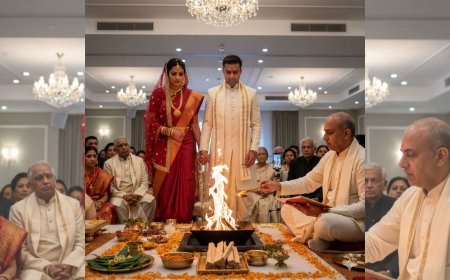
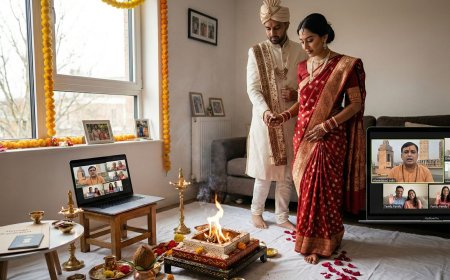
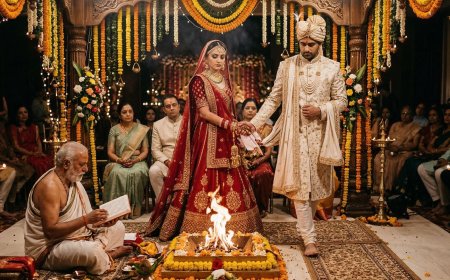
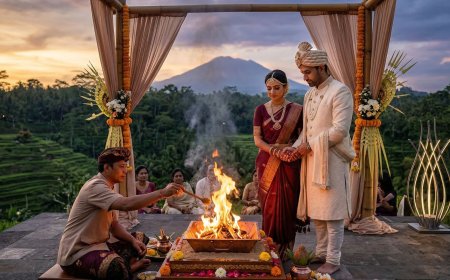
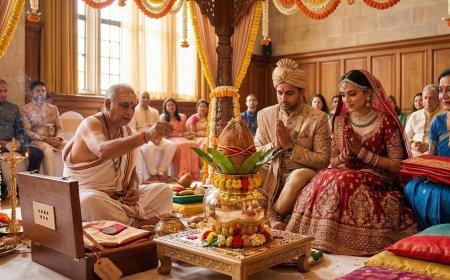
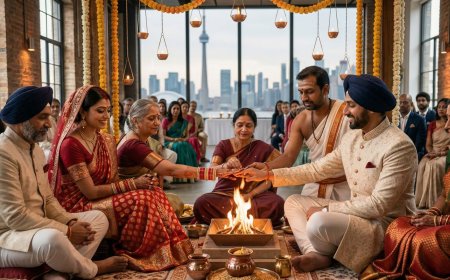
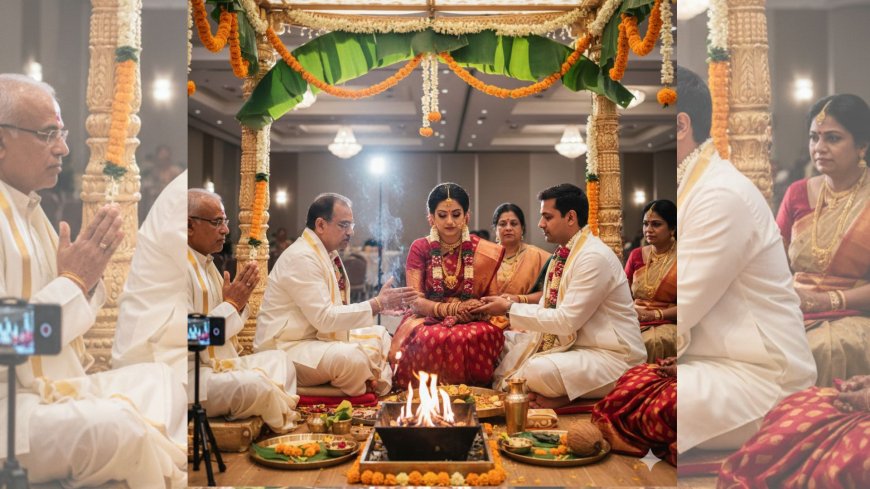
The Odia wedding conducted on Bibaha Panchami follows the full traditional sequence of Odia Hindu wedding rituals. It begins with the Mangalacharana [the opening invocation of auspiciousness, calling the blessings of all deities onto the wedding proceedings], followed by the Ganesh Puja [worship of Ganesha, the remover of obstacles, without whose blessing no significant undertaking begins in the Hindu tradition]. The central ceremony includes the Sampradana [the formal gifting of the bride by her father to the groom — considered the most sacred moment of the Odia wedding], the Saptapadi [the seven steps taken together around the sacred fire, each step representing a specific vow], and the Sindoor Daan [the groom's application of vermilion to the bride's hair parting]. The ceremony concludes with the Aashirvad [the collective blessing of the couple by all elders present].
The significance of Bibaha Panchami is not merely calendrical — it is emotional and communal. An Odia family that marries on Bibaha Panchami is making a statement about their relationship with tradition, with cosmic order, and with the specific cultural inheritance of Odisha that says: we do not simply arrange marriages. We align them with the universe.
The Auspicious Wedding Day Tradition Across Indian Communities
Bibaha Panchami is Odisha's expression of a near-universal Indian understanding — that certain days in the cosmic calendar are more propitious for marriage than others, and that the wise family chooses their wedding date with as much care as they choose their wedding rituals. Here is how the tradition of the auspicious wedding date manifests across communities.
| Community / State | Local Name | Key Tradition | How NRIs Abroad Adapt It |
|---|---|---|---|
| Odia Hindu | Bibaha Panchami | Fifth day of Shukla Paksha in Margashirsha; Ram-Sita wedding anniversary; most auspicious Odia wedding date; full three-day ritual sequence | Venue booked 18-24 months in advance; traveling Odia pandit sourced; full ritual sequence preserved |
| Bengali Hindu | Subho Drishti muhurta | Auspicious time calculated by family pandit; specific nakshatra alignment required; Lagna [wedding moment] fixed by astrology | Kolkata pandit consulted remotely; muhurta time protected in wedding day schedule |
| Maharashtrian | Mangal muhurta | Auspicious time fixed by pandit; Guruvar [Thursday] and specific nakshatras preferred; Chaturmas [four monsoon months] avoided | Maharashtra pandit consulted; muhurta time fixed as non-negotiable in venue booking |
| Tamil | Muhurtham | Auspicious time calculated to the minute; specific Tamil astrological system; nakshatra of bride and groom must be compatible | Tamil pandit consulted months in advance; muhurtham time protected absolutely |
| Punjabi | Shubh muhurat | Auspicious date and time fixed by pandit; specific lunar days preferred; Sade Sati avoided | Punjabi pandit consulted; date confirmed before venue booking |
| Gujarati | Lagnam | Auspicious time fixed; specific Gujarati astrological considerations; certain months and days traditionally avoided | Gujarati pandit consulted; lagnam time fixed early in planning |
| Rajasthani | Vivah muhurta | Auspicious date and time calculated; specific Rajasthani traditions around avoided periods | Family pandit in Rajasthan consulted remotely; muhurta protected |
| Kashmiri Pandit | Lagna | Specific Kashmiri astrological system; community elder confirms auspicious date; certain periods strictly avoided | Kashmiri Pandit community elder consulted; date confirmed months in advance |
| Himachali | Shubh din | Auspicious day selected by village pandit; community confirmation of date; specific Himachali considerations | Family pandit in Himachal consulted remotely; date confirmed before planning begins |
| South Indian [general] | Muhurtham | Highly specific astrological calculation; minute-level precision; bride and groom nakshatra compatibility essential | South Indian pandit network in diaspora consulted; muhurtham time treated as absolute |
The Meaning Behind the Ritual
To understand Bibaha Panchami philosophically, you need to sit with the Odia and Hindu understanding of time — because in this worldview, time is not a neutral container in which events happen. Time has quality. Time has texture. Some moments in the river of time are warm and some are cold, some are open and some are closed, and the wisdom of the tradition lies in knowing which is which.
The panchang [almanac] is not a superstition. It is a centuries-old system of observational astronomy and cosmological philosophy that maps the relationship between celestial movements and earthly events with extraordinary sophistication. The nakshatra [lunar mansion — one of twenty-seven divisions of the night sky through which the moon passes] in which the moon sits on a given day is understood to influence the quality of events begun under it. The tithi [lunar day] carries its own specific character. The position of Shukra [Venus] determines the auspiciousness of romantic and marital unions. A pandit reading these variables for a wedding date is not reading the future — they are reading the quality of the present moment, and recommending the moment whose quality is most conducive to what the couple is trying to begin.
Bibaha Panchami concentrates all of these qualities into one day. The Ram-Sita connection is not merely mythological decoration — it places every human wedding conducted on this day in conscious relationship with the most celebrated, most analysed, most loved marriage in the Hindu imagination. To marry on the day Ram and Sita married is to ask their specific blessing, their specific quality of love and devotion and endurance, to be present at your own wedding.
For a non-Indian partner or family member seeking the simplest truth: this is the family choosing their wedding date not from a diary but from the cosmos — picking the day when everything above and around the couple is most perfectly arranged to bless what they are beginning.
Doing Bibaha Panchami Abroad: The Practical Reality
Bibaha Panchami abroad presents a specific logistical challenge that no amount of love alone can solve: the date is fixed by the cosmos, not by venue availability. In diaspora cities where Indian wedding venues book eighteen months to two years in advance and the demand for good venues on auspicious dates is intense, securing your Bibaha Panchami venue requires moving faster than almost any other aspect of wedding planning.
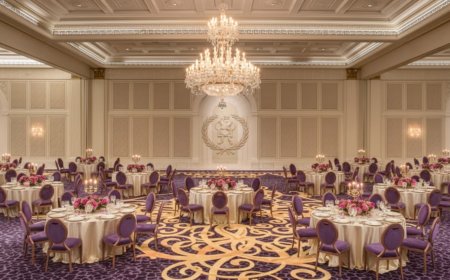
The moment your family pandit confirms the Bibaha Panchami date — which should happen at the very earliest stage of wedding planning, before any other vendor conversations begin — your first call is to the wedding venue. Not the caterer. Not the decorator. The venue. Book it that day if you can. In London, the Indian wedding venues of Wembley, Southall, and the broader West London corridor fill their Bibaha Panchami dates faster than almost any other day in the calendar — the Odia and broader Hindu NRI community in London is large and calendar-aware. In Birmingham, which has one of the largest Odia communities in the UK, Bibaha Panchami venue availability is a genuine competitive situation. Book early or book a backup.
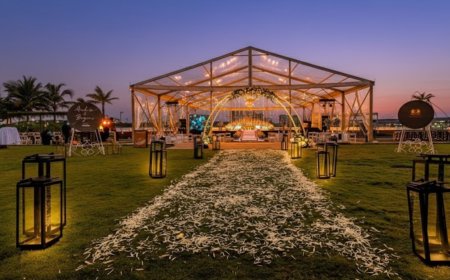
In Houston, the Indian wedding venues of the Sugar Land and Katy corridors have become increasingly sophisticated about Hindu auspicious dates — many now track the major muhurtas and anticipate demand. In Toronto, the South Asian wedding venues of Brampton, Mississauga, and Markham. In Melbourne, the Indian wedding venues of the eastern and southeastern suburbs. In all of these cities: book the venue first, on the day the pandit confirms the date, without waiting for any other element of the wedding to be decided.
The Odia pandit question is the most specific logistical challenge of a diaspora Bibaha Panchami. The full traditional Odia wedding ceremony — particularly one conducted on Bibaha Panchami with the complete three-day ritual sequence — requires a pandit who knows the specific Odia ritual tradition, the specific Sanskrit and Odia mantras of the Odia wedding sequence, and the specific order of the sixty-plus ritual steps. A generic Hindu pandit will not serve this ceremony adequately. You need an Odia pandit.
In London, the Odia community association and the Odia Society of UK are your starting points for locating Odia pandits. In Houston and the broader USA, the Odia Association of America maintains contacts with Odia pandits serving the diaspora. In Toronto, the Odia community organisations of the Greater Toronto Area. In Melbourne and Sydney, the Odia Association of Australia. In Dubai, the Odia community network is well-established and responsive. Several Odia pandits based in Bhubaneswar and Cuttack travel internationally specifically to serve diaspora Bibaha Panchami weddings — booking a traveling pandit from Odisha is entirely feasible if local options are not available, and many Odia NRI families prefer this for the authenticity of the ritual knowledge it brings.
The muhurta [auspicious time] within Bibaha Panchami — the specific hour and minute at which the most auspicious moment of the day falls — must be calculated for the specific geographical location of the wedding, not for Bhubaneswar. The sun rises and sets at different times in London than in Odisha, and the muhurta calculations must reflect the local astronomical reality. Your Odia pandit should perform this calculation specifically for your wedding city. If they are joining remotely, share your venue's precise coordinates so the calculation is accurate.
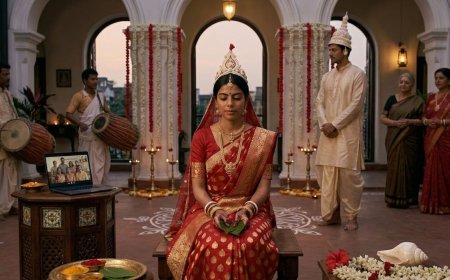
For streaming to family in Odisha — where a Bibaha Panchami wedding in London at 11:00 AM means it is 4:30 PM in Bhubaneswar — set up your video stream at least an hour before the ceremony begins so the Odisha family can watch the preparations. The grandparents in Cuttack watching the Sampradana moment — the father formally giving the bride to the groom — from their sitting room in real time deserve a clear, stable stream positioned to show the ritual action, not just the crowd.
Doing Bibaha Panchami as a Destination Wedding in Odisha
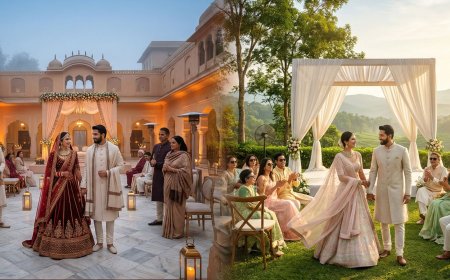
To marry in Odisha on Bibaha Panchami — in the temple city of Puri or the heritage city of Bhubaneswar or the ancient capital of Cuttack, under the blessing of the Jagannath temple and the full community of family and friends who have known the bride and groom their entire lives — is to do it in the landscape that made this date sacred.
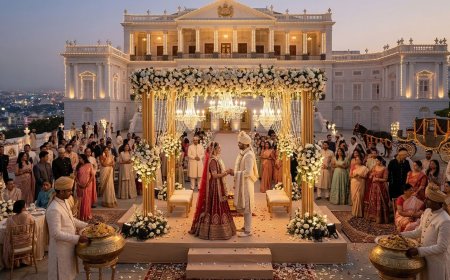
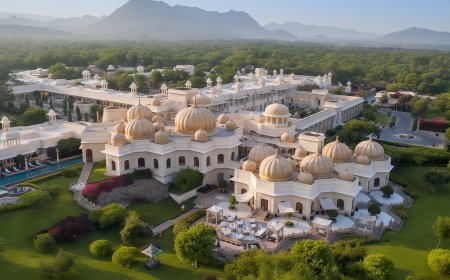
For a destination Bibaha Panchami wedding in Odisha, the dharamshalas [pilgrim rest houses] and wedding halls adjacent to the major temples of Puri offer a setting of unmatched sacred weight — the proximity of the Jagannath temple, whose blessing is considered supreme in Odia Hindu tradition, places the wedding in the most powerful possible ritual field. The heritage properties and palace hotels of Bhubaneswar and Cuttack offer more contemporary settings while retaining the essential Odishan atmosphere.
The local Odia pandit for a destination wedding in Odisha will require specific briefing on the couple's janamkundaliwell in advance — ideally three to four months before the wedding — so the full ritual sequence can be planned with the precision Bibaha Panchami deserves. Do not assume the local pandit knows your family's specific regional or caste tradition within Odia Hindu practice. Confirm every element of the ritual sequence explicitly.
For non-Odia or non-Indian guests attending a destination Bibaha Panchami in Odisha, the ceremony offers one of the most complete and elaborately beautiful Hindu wedding experiences available anywhere in India. Brief them on the Ram-Sita connection and the Sampradana moment — these two points of understanding will make the ceremony fully legible to a guest of any background.
What You Need: The Bibaha Panchami Checklist
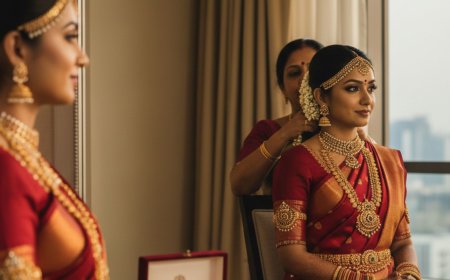
Ritual Items: The panchang [almanac] consulted by the family pandit for the specific Bibaha Panchami date and muhurta; janamkundali [birth charts] of both bride and groom for astrological compatibility confirmation; sacred fire materials for the Saptapadi — havan kund [fire pit], samidha [sacred wood], ghee, and samagri [ritual offering mixture]; sindoor for the Sindoor Daan; mangalsutra or Odia equivalent sacred necklace; paan [betel leaf] and supari[betel nut] for ritual offerings; coconut for Ganesh Puja and throughout the ceremony; flowers — marigold and white flowers for all ritual spaces; a decorated mandap [sacred wedding canopy] with traditional Odia motifs; dhoti for the groom in traditional Odia style; sambalpuri silk or Bomkai saree for the bride — the distinctive Odia silk traditions that carry the identity of Odisha in their weave.
People Required: An Odia pandit with full knowledge of the traditional Odia wedding sequence — this is the non-negotiable; the bride's father for the Sampradana — his role is the sacred centre of the Odia wedding ceremony; all four parents as active ritual participants; the nandi [family elder who assists the pandit in the ritual sequence]; senior relatives of both families as witnesses; a wedding photographer and videographer briefed specifically on the Sampradana as the most sacred and photographically critical moment of the ceremony; one designated family member to manage the video stream to relatives in Odisha.
Preparation Steps: Confirm Bibaha Panchami date and muhurta with family pandit as the absolute first step of wedding planning. Book the venue on the day the date is confirmed. Source or commission Odia pandit at least six months before the wedding. Order Sambalpuri or Bomkai silk saree from Odisha weavers at least three months before. Confirm all ritual materials with the pandit at least one month before. Brief photographer on Sampradana timing and sacred fire photography requirements. Test video stream to Odisha at least one week before.
NRI.Wedding connects Odia NRI couples with experienced Odia pandits serving the global diaspora, Sambalpuri and Bomkai silk saree suppliers, Bibaha Panchami venue planning support, and photographers who understand the sacred geometry of the Odia wedding ceremony. Begin at NRI.Wedding.
5 Questions NRI Couples Always Ask
The Bibaha Panchami date falls on a Tuesday this year and our venue only has Saturday availability. Can we move the wedding to the nearest Saturday?
This is the most fundamental tension in diaspora Bibaha Panchami planning and it requires an honest answer: moving the wedding off Bibaha Panchami to accommodate venue availability is a decision only your family and your pandit can make together, and it should be made consciously rather than by default. The pandit can identify the next most auspicious date after Bibaha Panchami for your specific couple's janamkundali — there will always be other auspicious dates in the year, though none carry the specific cosmic weight of Bibaha Panchami. If the family's priority is the Bibaha Panchami date above all, the venue search must expand until a venue with Tuesday availability is found, or the ceremony can be held at a family home or community hall. The date is more sacred than the venue. Do not sacrifice one for the convenience of the other.
My partner is not Hindu and is unfamiliar with the concept of an auspicious date. How do I explain why Bibaha Panchami matters?
Tell them this: every culture chooses wedding dates with intention — some choose dates with personal meaning, some choose seasons, some choose anniversaries. Odia Hindu culture chooses dates by reading the cosmos — by looking at the position of the planets and the moon and identifying the moment when everything above us is arranged in the configuration most conducive to a lasting, blessed marriage. Bibaha Panchami is the day that the entire Hindu tradition agrees is that moment. Choosing it is our family's way of saying: we are not just planning a wedding. We are aligning one with the universe. Most non-Hindu partners, when the explanation is given with this clarity and warmth, not only accept the date but feel genuinely moved by the depth of intention behind it.
Can we find an Odia pandit abroad who knows the full three-day ritual sequence?
Yes, but it requires early and specific searching. The Odia community organisations in major diaspora cities — the Odia Society of UK, the Odia Association of America, the Odia Association of Australia — maintain lists of Odia pandits serving their communities and can connect you with pandits who know the full traditional sequence. Several pandits based in Bhubaneswar travel internationally for Bibaha Panchami weddings specifically and can be engaged through Odia community networks or directly through NRI.Wedding's pandit connections. Begin this search at least six months before the wedding — Odia pandits who know the full ritual sequence are in high demand on Bibaha Panchami and book early.
The muhurta falls at 3:00 AM local time in our diaspora city. What do we do?
This is a genuine situation that some diaspora Bibaha Panchami couples face due to the time difference between India-calculated muhurtas and local astronomical reality. The first step is to have your Odia pandit recalculate the muhurta specifically for your wedding city's coordinates — a muhurta calculated for Bhubaneswar will not be accurate for London or Toronto. The recalculated local muhurta may fall at a more practical hour. If after recalculation the most auspicious moment genuinely falls in the middle of the night, most Odia pandits have practical guidance for this situation — there is usually a secondary auspicious window within the same tithi that is more accessible, and your pandit can advise on whether this secondary window is appropriate for your specific janamkundali combination.
We want to incorporate the Ram-Sita significance of Bibaha Panchami into our wedding ceremony explicitly. How do we do this?
Many Odia families who marry on Bibaha Panchami incorporate a brief Ram-Sita Vivah Katha [the recitation of the story of Ram and Sita's wedding] into the opening of the ceremony, performed by the pandit before the Mangalacharana. This contextualises the human wedding within the divine one and gives the Ram-Sita connection explicit ceremonial form rather than leaving it as implicit background. Additionally, some families include a small Ram-Sita portrait or murti [sacred image or idol] in the mandap decoration, so the divine couple is visibly present at the human couple's wedding. Discuss both options with your Odia pandit — they will be familiar with both practices and can guide you on which is most appropriate for your family's tradition.
The Emotional Angle
Nobody tells the father what the Sampradana will cost him.
He has been practical about all of it. The visa applications and the flight bookings and the venue negotiations conducted across a twelve-hour time difference and the hundred decisions that constitute planning a Bibaha Panchami wedding from Birmingham when the family is in Bhubaneswar. He has managed all of it with the efficiency of a man who has been solving problems his entire professional life, in two countries simultaneously, for twenty years.
He has not thought about the Sampradana.
Or rather — he has thought about it in the abstract. He knows what it is. He has witnessed it at other people's weddings, standing at the back of the mandap while another father placed his daughter's hand in another young man's hand and said the ancient words and the pandit chanted and something in the room shifted permanently.
He always thought: that will be different when it is mine. He did not know what different meant.
And then it is Bibaha Panchami. The mandap is decorated. The sacred fire is lit. The pandit is chanting. And his daughter is sitting before him in her Sambalpuri silk, her face painted and adorned with everything the family has been able to give her, and the pandit is asking him to take her hand.
He takes her hand.
He has held this hand ten thousand times. He held it when she was learning to walk and when she was frightened and when she crossed the road and when she graduated and when she came home from abroad for the last time before this day. He knows this hand completely.
He places it in the young man's hand. He says the words the pandit asks him to say. The words are in Sanskrit and Odia and they mean: I give you my daughter. I give you my most precious thing. I give her with full love and full trust and full blessing.
The fire witnesses it.
He does not cry during the Sampradana. He has decided he will not cry during the Sampradana.
He does not make it to the end of the Sampradana before he cries.
A Moment to Smile
At an Odia Hindu Bibaha Panchami wedding in Houston in the winter of 2021, the sacred fire for the Saptapadi was lit with full ritual attention by the Odia pandit, who had flown specifically from Bhubaneswar for this wedding and was conducting the ceremony with the precision and authority of a man who had performed this ritual hundreds of times.
What he had not performed hundreds of times was the specific fire alarm system of the Katy corridor banquet hall, which was, it turned out, extraordinarily sensitive.
The alarm went off at the moment of the third Saptapadi step.
The pandit did not stop chanting.
The venue coordinator appeared at the mandap looking alarmed.
The pandit, without breaking chant, gestured with one hand toward the door and with the other continued the ritual. The bride and groom, to their eternal credit, completed the fourth step without missing a beat.
The fire alarm was silenced in three minutes by a venue staff member who had dealt with sacred fire situations before and handled it with the professional calm of someone who works in Indian weddings for a living.
The fifth, sixth, and seventh steps were completed in a room still faintly smelling of activated fire suppression system and entirely filled with the sound of the pandit's Sanskrit, which had not paused once.
"The sacred fire," the pandit said afterwards, with complete composure, "was simply making itself known to the building."
The couple has been married for three years. They are, by all accounts, extremely happily so. They credit the persistence of the sacred fire.
Quotes from the Diaspora
"My father flew from Bhubaneswar to Birmingham specifically for the Sampradana. He is seventy-one years old and the flight was difficult for him and he did not complain once. When he took my hand at the mandap I understood why he had come. There are things a father has to do himself. The Sampradana is one of them. He could not have given my hand to my husband from Bhubaneswar. He had to be there. He had to be the one." — Swapna Mohanty, Odia Hindu community, Birmingham, UK
"We chose Bibaha Panchami because my mother said: this is the day Ram and Sita were married. If it was good enough for them, it is good enough for us. That was her entire argument and I found it completely convincing. Our pandit flew from Cuttack. The muhurta was at 11:47 AM. We were ready at 11:30. Some things you do not compromise on." — Pradeep Pattnaik, Odia Hindu community, groom, Toronto, Canada
"I am not Odia. I am from Kerala. I married into an Odia family and they explained Bibaha Panchami to me as the day Ram and Sita married and asked if I was comfortable with a November wedding. I said yes. What I did not know was the full three-day ceremony that would follow. By the end of the Saptapadi I understood something about my husband's culture that I could not have understood any other way. The fire and the Sanskrit and the Sampradana and the specific weight the Odia family placed on every ritual step — it was the most complete wedding I have ever witnessed. I am very glad I married into it." — Lakshmi Nair-Pattnaik, Kerala, married into Odia Hindu community, Melbourne, Australia
The Cosmos Aligned. So Did You.
Your family pandit confirmed the date months ago. Your mother called your father. Your father called the venue. The venue had one Bibaha Panchami opening left and you took it before the call was finished.
Everything that followed — the Sambalpuri silk ordered from the weaver in Sambalpur, the Odia pandit contacted through the community association and confirmed and briefed and flown in from Bhubaneswar, the sacred fire materials sourced from the Indian religious supply store in the city where you live and supplemented by the pandit's own supplies brought in his hand luggage — everything followed from that one decision: to marry on the day the cosmos said yes.
NRI.Wedding is here for every step of making a Bibaha Panchami wedding exactly what it should be — from connecting you with experienced Odia pandits serving the global diaspora, to Sambalpuri and Bomkai silk sourcing, to venue guidance for securing auspicious dates in competitive diaspora markets, to photographers who understand that the Sampradana is the image that will define the wedding in family memory for generations.
The panchang was consulted. The muhurta was fixed. The fire was lit. You took seven steps together under the most auspicious sky the Odia calendar offers. Everything that comes next begins here.
This article explores Bibaha Panchami, the most auspicious wedding day in the Odia Hindu calendar, its cosmological roots in the Ram-Sita wedding tradition and the Hindu panchang system, the full traditional Odia wedding ritual sequence, and complete practical guidance for Odia NRI couples planning the ceremony in the UK, USA, Canada, UAE, and Australia.
What's Your Reaction?
 Like
0
Like
0
 Dislike
0
Dislike
0
 Love
0
Love
0
 Funny
0
Funny
0
 Angry
0
Angry
0
 Sad
0
Sad
0
 Wow
0
Wow
0