














































Two Cultures, One Wedding: The NRI Couple's Complete Guide to Planning a Genuine Indian-Western Fusion Wedding
An Indian-Western fusion wedding is not a design category — it is the product of honest conversations about what two genuinely different cultural traditions require, what each family truly needs, and how a couple who lives between two worlds creates a wedding that is authentically both. This guide delivers a complete framework covering the foundational definition of genuine fusion, ceremony integration options from multi-ceremony to integrated rites, guest experience management for both cultural audiences, food and music programming that honors both traditions at their best, the family politics nobody discusses honestly, and the vendor selection criteria that ensure both cultures are served with equal expertise and equal care.


Blending Two Cultures: Planning an Indian-Western Fusion Wedding
The NRI couple's complete guide to creating a wedding that genuinely honors both cultural traditions — without the compromise aesthetic that pleases nobody, the family politics that derail the vision, or the fusion that is really just one culture with decorative elements borrowed from the other
The Wedding That Was Supposed to Honor Both Cultures
They had met at university in Edinburgh. He was from a Punjabi family in Wolverhampton. She was from a Welsh family in Cardiff. They had been together for four years before the engagement and had spent most of those four years navigating the specific pleasures and specific negotiations of a life held between two cultural frameworks that were genuinely different in their values, their aesthetics, their social conventions, and their understanding of what a wedding is for.
The wedding planning began with the best of intentions and a specific shared commitment: this wedding would genuinely honor both cultures. Not a Hindu ceremony with white flowers and a tiered cake appended afterward. Not a church blessing followed by a curry dinner. Something that was genuinely both — that gave equal weight to both traditions, that made both families feel that their specific cultural identity had been seen and celebrated rather than accommodated and included.
By month three of the planning process, the specific difficulty of this commitment had become apparent.
The Punjabi family's vision of what the wedding should be — the scale, the color, the specific ceremonies, the food, the music, the extended guest list — and the Welsh family's vision — more intimate, more restrained, with specific ceremony traditions of their own that they did not want displaced by the weight of the Indian side's requirements — were not simply different aesthetic preferences. They were expressions of genuinely different cultural understandings of what a wedding is.
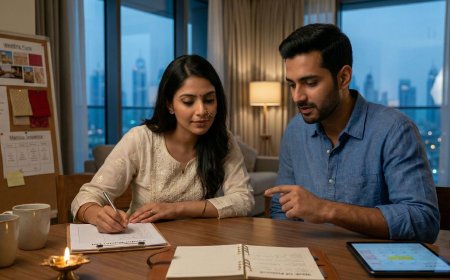
Bridging them required more than finding a venue that could accommodate both a mandap and a church-style aisle. It required a conversation about values — about what each family needed the wedding to do and what each tradition's specific elements were genuinely non-negotiable versus what was preference and expectation rather than requirement.
This is the conversation that this guide facilitates.
The Foundational Question: What Does Fusion Actually Mean?
Before any planning decision is made, a clear-eyed definition of what fusion means for this specific couple at this specific wedding.
Fusion in the context of a wedding is not a design category. It is not "Indian colors with Western florals" or "traditional ceremony followed by contemporary reception." These are aesthetic choices that may or may not reflect genuine cultural fusion, depending on whether they arise from a real integration of two cultural traditions or from the desire to create a visual aesthetic that reads as contemporary and cross-cultural.
Genuine fusion — the kind that produces a wedding that both families and both cultures recognize as authentically theirs — requires something more fundamental than aesthetic integration. It requires that both cultural traditions are represented in the wedding's most meaningful elements: its ceremonies, its rituals, its food, its music, its specific moments of family connection. And it requires that the representation is genuine — that the elements chosen from each tradition are the ones that carry real cultural significance rather than the ones that photograph well or that seem most accessible to the other side.
The test for genuine fusion: can each family look at the wedding and point to specific moments, specific elements, specific decisions that are unambiguously theirs — not as inclusions in the other culture's wedding, but as genuine expressions of their own tradition given equal weight?
If the answer is yes for both families, the fusion is genuine. If one family's answer is yes and the other's is that their tradition is represented but not central, the wedding is not fusion — it is one culture's wedding with elements borrowed from the other.
Understanding What Each Tradition Requires
The first planning task in an Indian-Western fusion wedding is an honest inventory of what each tradition requires — not what each family would ideally like, not what would make the most beautiful photographs, but what each tradition genuinely needs to be present and honored.
What the Indian Wedding Tradition Requires
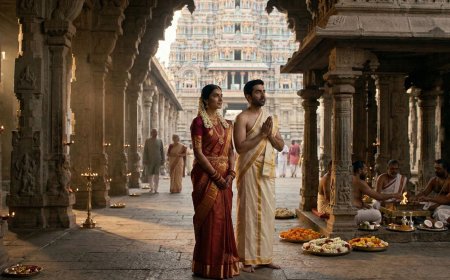
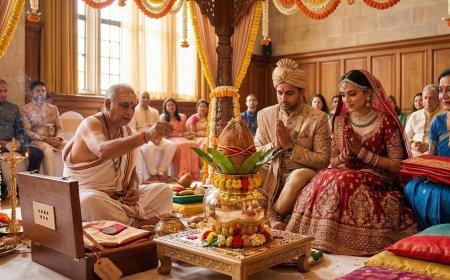
The Indian wedding tradition — which varies significantly by region, religion, and family background but shares certain common elements across most Hindu, Sikh, and Muslim traditions — requires at minimum: a ceremony conducted according to the specific religious or cultural conventions of the family's tradition, the participation of family in specific ceremonial roles that the tradition assigns to them, specific pre-wedding rituals that have meaning within the tradition, food that is specifically appropriate to the cultural context of the celebration, and a scale of celebration that reflects the social significance of the occasion within the community.
For many Indian families, the wedding is not simply a celebration of the couple — it is a community event that carries obligations to the extended family and the wider social network, and that is judged by the community on criteria that Western wedding culture does not apply. The scale of the guest list, the quality of the food, the specific elaborateness of the decorations — these are not simply personal preferences but social obligations that have consequences in the family's community standing.
Understanding which of these requirements are genuinely non-negotiable for the Indian family — and being honest about the distinction between genuine cultural requirements and personal or social preferences — is the first step in the honest inventory.
What the Western Wedding Tradition Requires
The Western wedding tradition — similarly variable by denomination, nationality, and family background — has its own genuine requirements: typically a ceremony conducted in the specific religious or civil framework of the family's tradition, specific ceremony elements that carry meaning within that framework, a celebration that reflects the couple's personal relationship and identity rather than primarily their community standing, and a scale and atmosphere that feels appropriate to the family's specific cultural context.
For many Western families approaching an Indian-Western fusion wedding, the genuine requirements are fewer in number but equally significant in their importance: the ceremony should be legible — the family should understand what is happening and feel that they are participants rather than observers. The food and atmosphere should be comfortable — not necessarily familiar, but not so culturally inaccessible that family members feel excluded. And the couple should be recognizably themselves — the wedding should feel like an expression of the specific people it is celebrating rather than a performance of a cultural identity that one partner is from and the other is joining.
The Ceremony Decision: Where Integration Is Most Challenging
The ceremony is the element of the fusion wedding that is most challenging to integrate genuinely and most consequential when the integration fails. A fusion ceremony that feels superficially combined rather than genuinely integrated — that adds elements from one tradition to the framework of another rather than creating something that is genuinely both — produces a ceremony that neither family fully recognizes as its own.
The Multi-Ceremony Approach
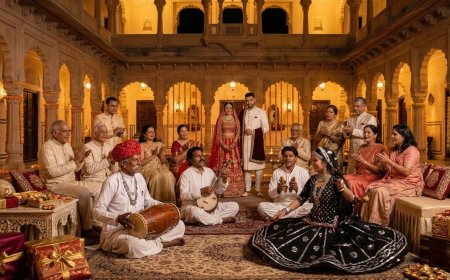
The most commonly chosen approach for Indian-Western fusion weddings is separate ceremonies for each tradition — typically a religious or civil ceremony conducted in the Western tradition followed by or preceding a traditional Indian ceremony. This approach is honest about the reality that some ceremonies cannot be genuinely fused without compromising the integrity of both, and it gives each tradition its own complete ceremony rather than a partial representation within a hybrid.
The practical and logistical implications: two full ceremonies require either two consecutive days or a single very long day, two sets of ceremony vendors and officials, two rehearsals, and two costume changes for the couple. It also creates the specific challenge of two guest lists that may not fully overlap — the community guests for the Indian ceremony and the family and friends from the Western side — and the question of which guests attend which ceremony and how the experience of each is managed for guests attending the other.
The most successful multi-ceremony approach gives both ceremonies equal weight in the overall wedding programme — equal time, equal production quality, equal attention from the photographer, equal presence in the final wedding record. The failure mode is the multi-ceremony wedding where one ceremony is clearly the primary event and the other is clearly the inclusion — where the production investment, the photograph allocation, and the overall attention of the planning has concentrated in one tradition and the other has been honored with presence but not with equal care.
The Integrated Ceremony
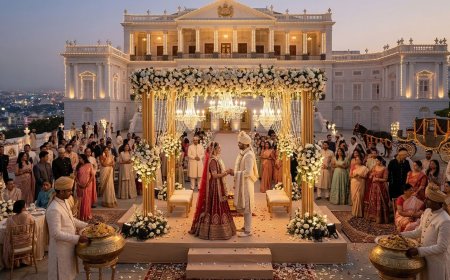
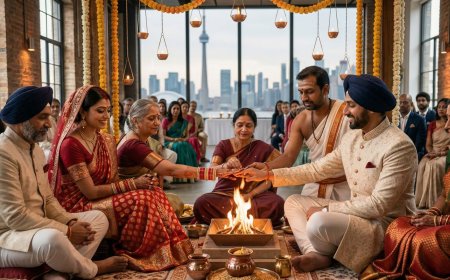
An integrated ceremony — a single ceremony that genuinely incorporates the meaningful elements of both traditions in a way that creates a coherent spiritual and cultural experience — is the most ambitious and most rewarding approach when it is done well, and the most visibly compromised approach when it is not.
The integrated ceremony requires a ceremony officiant or clergy who is genuinely skilled in the specific challenge of creating a spiritually coherent experience that draws from two traditions — not simply someone who is willing to include elements from both, but someone who understands both traditions deeply enough to know which elements can be integrated without losing their meaning and which elements require their own context to carry genuine significance.
The elements of each tradition that integrate most successfully: readings, blessings, and prayers from both traditions can be offered in the same ceremony without compromise. The exchange of vows can be structured to incorporate commitments that are meaningful within both frameworks. The exchange of symbolic items — rings from the Western tradition, the mangalsutra, the sindoor from the Hindu tradition — can be sequenced within a single ceremony in a way that gives each its proper significance.
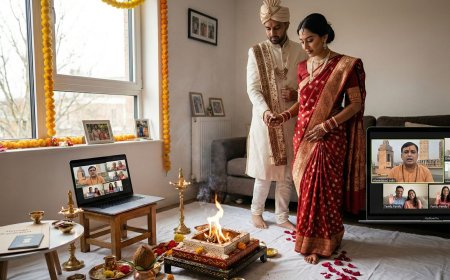
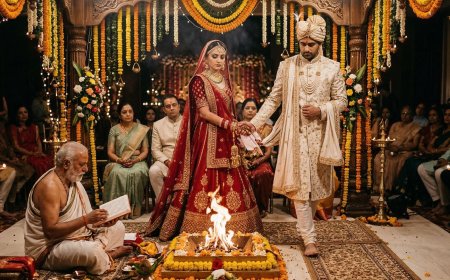
The elements that integrate least successfully: rituals whose meaning depends on their specific context and cannot be transplanted without loss. The pheras — the circumambulations of the sacred fire in a Hindu ceremony — are most meaningful as part of the complete Vedic ceremony structure that surrounds them; removed and placed within a civil ceremony framework as a standalone element, they may look beautiful but carry less of their original significance. Similarly, a church blessing or religious vow exchange that is compressed or modified to make room for Indian ceremony elements may feel incomplete to family members whose expectation of the ceremony includes its complete form.
The honest test for any proposed integrated ceremony element: does this element carry its full meaning in this context, or is it being present as representation rather than as genuine ceremony?
The Civil Ceremony Plus Cultural Celebration Approach
For couples who want the legal and personal clarity of a civil ceremony with the cultural richness of Indian wedding traditions, the approach of a civil ceremony that is complete in itself followed by cultural celebrations that are not ceremonies but celebrations is an honest and often very successful alternative to the integrated ceremony approach.
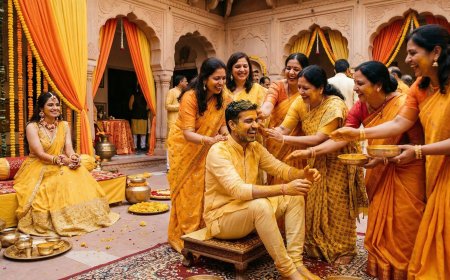
In this approach, the couple is legally married in a civil ceremony that is simple, personal, and specifically theirs — a ceremony that is about the two of them rather than a performance of either cultural identity. The Indian cultural elements — the mehendi, the sangeet, the traditional clothing, the specific food and music and gathering rituals of the Indian wedding tradition — are present in the celebrations that follow, not as ceremony but as the specific joy and warmth of Indian cultural celebration.
This approach releases the ceremony from the burden of representing both cultures and allows the celebrations to carry the cultural expression more freely. It also tends to produce a clearer and more legible ceremony experience for Western family members who find the complexity of a full Indian ceremony difficult to engage with.
The Guest Experience: Managing Two Cultural Frameworks
The guest experience challenge in an Indian-Western fusion wedding is one of the most practically significant and most consistently underplanned elements of the entire event.
The Indian Guest at a Fusion Wedding
Indian guests at a fusion wedding — particularly the older generation of Indian family members for whom weddings are assessed against specific cultural criteria — bring expectations that may not be met by a fusion approach that has diluted the Indian elements in the interest of Western accessibility.
The Indian guest who arrives at a fusion wedding and encounters significantly reduced mehendi ceremony, abbreviated pre-wedding rituals, a guest list that is smaller than community expectation, and Indian food as a station at a buffet rather than as the central catering provision of a traditional meal has been present at a wedding that has made specific trade-offs in the name of fusion. Being honest with Indian family members — in advance of the wedding, in the context of a genuine conversation about what the fusion approach involves — allows these trade-offs to be discussed and understood rather than encountered as surprises on the day.
The Western Guest at a Fusion Wedding
Western guests at a fusion wedding encounter the opposite challenge: a set of practices, rituals, and social conventions that are unfamiliar and that may produce the specific discomfort of not knowing what is expected of them, what is happening, or how to participate appropriately.
The most effective intervention for Western guest experience at an Indian-Western fusion wedding is pre-event communication that is specific, warm, and genuinely informative without being condescending. A wedding website or pre-wedding communication that explains the specific ceremonies and their meaning, the conventions around dress and participation, the specific moments where guests are invited to participate actively, and the overall structure of the event in terms that make it legible for people approaching it from outside the cultural tradition — this communication converts the potentially alienating experience of cultural unfamiliarity into the genuinely wonderful experience of encountering something new with a guide.
During the ceremony and events themselves, a designated host or MC who narrates the proceedings in a way that contextualises each element for guests who are encountering it for the first time — explaining the significance of the pheras before the couple begins walking, explaining the symbolism of the sindoor before it is applied — creates an inclusive experience that does not require prior knowledge but that does not simplify or trivialise the tradition being explained.
The Food: Where Fusion Is Most Naturally Expressed
Food is the element of the Indian-Western fusion wedding where genuine integration is most naturally achievable and most universally enjoyable. The reason is simple: unlike ceremony or ritual, which carries specific cultural meaning that can be diluted by fusion, food from two different traditions can exist alongside each other without either losing its integrity. A beautifully made dal makhani does not become less itself because there is a Wellington on the same table.
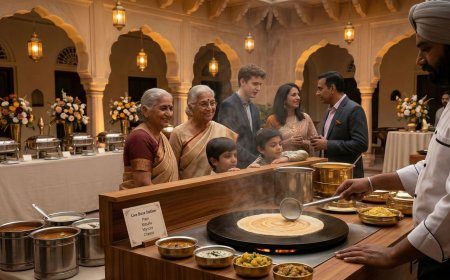
The most successful fusion food programmes for Indian-Western weddings create a menu that genuinely represents both culinary traditions at their best rather than a compromise menu that creates a generic version of each. This means: bringing in the specific expertise required for each tradition — a skilled Indian caterer for the Indian food and a skilled Western caterer for the Western food, rather than asking a single caterer to produce both at a quality level that their actual expertise supports only one.
The cultural food moments worth preserving intact: the Indian wedding's tradition of abundance and hospitality in its food — the specific generosity of an Indian wedding meal — and the Western wedding's tradition of the seated dinner with its specific social function of putting people in conversation with each other. These two traditions can coexist in a single event structure with thought: an Indian-style welcome reception with abundant small dishes and street food stations, transitioning to a seated dinner that incorporates dishes from both culinary traditions.
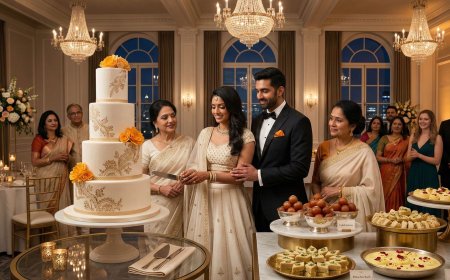
The wedding cake at an Indian-Western fusion wedding is worth specific consideration: the cake cutting ceremony carries genuine meaning in the Western wedding tradition and the visual impact of a beautifully designed wedding cake is a genuine contribution to the reception aesthetic. A cake that is designed to incorporate Indian aesthetic elements — motifs drawn from the bridal textile tradition, flavors that bridge both traditions — while serving its function as the ceremonial centerpiece of the Western cake-cutting moment is a genuine fusion element rather than a decorative addition.
The Music: Creating a Programme That Moves Everyone
The music programme at an Indian-Western fusion wedding is the element with the highest potential for genuine cross-cultural joy and the element most commonly resolved through an uncomfortable compromise — a DJ who plays Bollywood for thirty minutes and then Western music for thirty minutes in alternating blocks, creating a programme that serves neither musical tradition well and that produces the specific social division of guests who dance to one and sit through the other.
The more effective approach: a music programme that is designed as a unified experience rather than an alternating one. Live music — a band that can genuinely play both Indian classical, Bollywood, and Western popular music with actual skill — creates the possibility of a programme that moves between traditions fluidly, finding the moments where musical cultures genuinely overlap rather than treating them as separate programmes that must be alternated.
The specific songs and moments where Indian and Western music genuinely meet — the Bollywood classics that are known and loved by Western guests who have grown up around Indian culture, the Western pop songs that have been embraced so thoroughly by Indian wedding culture that they require no translation — are the programming choices that produce the specific joy of a genuinely shared musical experience.
The live dhol player whose percussion connects the Indian and Western musical elements across the full evening — the dhol beneath a Western love song, the dhol driving a Bollywood medley, the dhol in the procession that accompanies the baraat or the first dance — is one of the most reliably effective fusion music interventions available, because the dhol's specific energy produces the same physical response across cultural backgrounds.
The Aesthetic: When Fusion Becomes a Visual Language
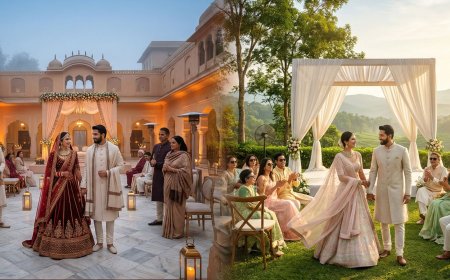
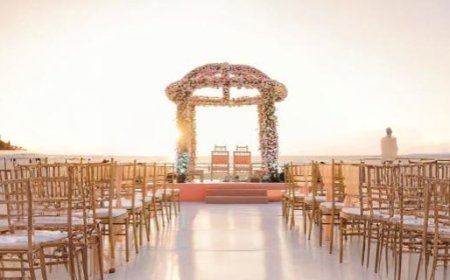
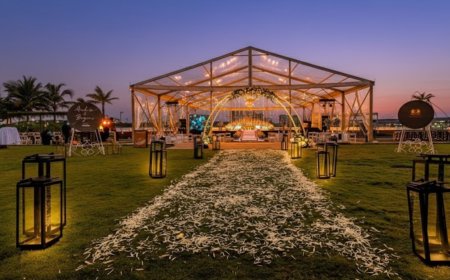
The visual aesthetic of an Indian-Western fusion wedding — the decor, the florals, the color palette, the styling — is where most couples begin their fusion thinking and where some of the most beautiful fusion work is being done in the contemporary Indian wedding design space.
The aesthetic principles that produce the most successful Indian-Western fusion visuals are the same principles that produce the most successful fusion in every other element: genuine integration rather than combination, and equal quality of representation from each tradition rather than one tradition as primary with the other as decorative.
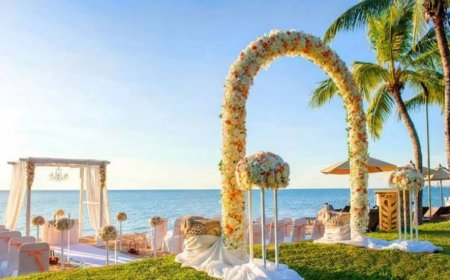
The specific fusion aesthetic that photographs most beautifully and that feels most genuinely integrated: the combination of the rich textile traditions of Indian wedding design — the deep jewel tones, the gold metalwork, the specific embroidered and embellished surfaces of the Indian decorative vocabulary — with the organic, nature-forward aesthetic of contemporary Western wedding design — the loose, abundant florals, the unstructured greenery, the specific quality of natural materials and organic forms. These two traditions are genuinely complementary in their visual character and produce together a visual language that is richer than either alone.
The specific fusion aesthetic that tends to feel least integrated: the tokenistic addition of Indian decorative elements to a primarily Western aesthetic — a handful of marigolds in an otherwise Western floral scheme, a small corner of Indian fabric among primarily Western styling. These combinations read as inclusion rather than integration, and they are legible as such to guests from both traditions.
The Family Politics: The Most Honest Section
Every Indian-Western fusion wedding planning guide eventually arrives at the section it has been circling: the specific family politics that make fusion weddings uniquely challenging and that are the most common source of planning distress, delayed decisions, and the specific exhaustion of trying to honor everyone simultaneously.
The honest reality: a fusion wedding asks both families to accept a wedding that is different from the wedding each would have chosen if they were planning it independently. This is not a comfortable thing to accept, and the acceptance does not happen automatically — it requires genuine conversation, genuine listening, and genuine willingness from both families to prioritise the couple's vision over their own expectations.
The specific conversations worth having explicitly rather than hoping will resolve themselves:
The guest list negotiation between the Indian family's community obligation and the Western family's preference for intimacy is one of the most common and most difficult fusion wedding conversations. It requires a genuine decision about what scale of celebration the couple wants and can afford, communicated clearly and early enough that neither family has begun making commitments based on different assumptions.
The ceremony representation question — which ceremonies will be conducted and in what form, and what each family's genuine non-negotiables are within that question — is worth discussing with both families separately before it is discussed jointly. Understanding what each family genuinely requires versus what they would prefer allows the couple to make informed decisions about where trade-offs are possible and where they are not.
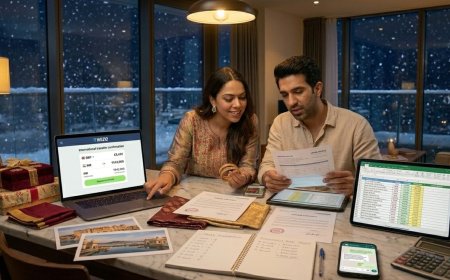
The budget allocation question — how much of the total budget is allocated to which elements of the fusion wedding, and whether the allocation reflects the equal weight given to both traditions in the stated vision — is a conversation that is uncomfortable to have explicitly and enormously clarifying when it is.
The most important thing to say about family politics in fusion wedding planning is this: the couple's vision must be held with sufficient clarity and sufficient confidence to survive the pressure of both families' expectations. Not rigidly — the vision should be genuinely informed by what both families need and should genuinely accommodate the non-negotiables of both traditions. But with enough clarity that the wedding that emerges from the planning process is recognizably the wedding the couple set out to create, rather than the accumulated result of every family preference that was accommodated rather than negotiated.
The Vendors: Finding the Team That Understands Both Traditions
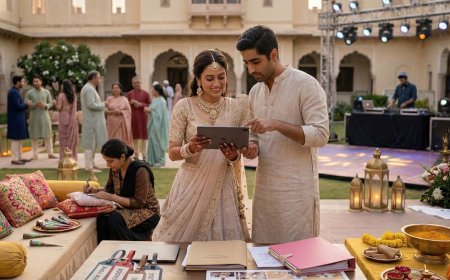
The vendor team for an Indian-Western fusion wedding requires specific expertise that not every vendor possesses — the ability to work within two distinct cultural frameworks, to understand what is genuinely significant within each, and to produce work that serves both.
The wedding planner for an Indian-Western fusion wedding should have genuine experience with both traditions — not theoretical knowledge but actual execution experience. Ask specifically for portfolio examples of fusion weddings they have planned and ask specifically what the challenges were and how they were resolved.
The photographer should understand both ceremony traditions well enough to know the moments that matter in each and to position themselves appropriately for both. A photographer who understands the specific ceremony moments of the Indian tradition — the sindoor application, the pheras, the vidaai — but who misses the equivalent moments of the Western ceremony because they are less familiar is a photographer who produces an uneven record. Ask to see examples of their work across both traditions.
The caterer or caterers should have genuine expertise in the specific culinary traditions being represented — not a willingness to attempt both, but actual skill in both. This typically means two specialist caterers rather than one generalist, with a coordinator who manages the integration of their respective services into a single cohesive food programme.
The Wedding That Is Genuinely Both
The Indian-Western fusion wedding that succeeds — that produces the experience both families recognized as genuinely theirs, that creates photographs that carry both cultural identities with equal authenticity, that is remembered by guests from both traditions as a wedding that gave them something genuinely new and genuinely beautiful — is not the product of a design decision. It is the product of the honest conversation that precedes every design decision.
The conversation about what each tradition genuinely requires. The conversation about what each family genuinely needs. The conversation between two people who come from different cultural worlds and who have chosen to build a life that holds both — not by alternating between them or by placing one inside the other, but by creating something that is genuinely theirs, shaped by both inheritances and owned by neither exclusively.
That conversation — held with enough honesty and enough care and enough genuine curiosity about what the other person's cultural world feels like from the inside — is the foundation of a fusion wedding that is worth the complexity it requires.
Everything else — the venue, the decor, the music, the food, the ceremony structure — is the expression of that conversation.
Have it well. The wedding will follow.
NRIWedding.com — Expert guidance for Indian weddings planned across borders.
What's Your Reaction?
 Like
0
Like
0
 Dislike
0
Dislike
0
 Love
0
Love
0
 Funny
0
Funny
0
 Angry
0
Angry
0
 Sad
0
Sad
0
 Wow
0
Wow
0