


















































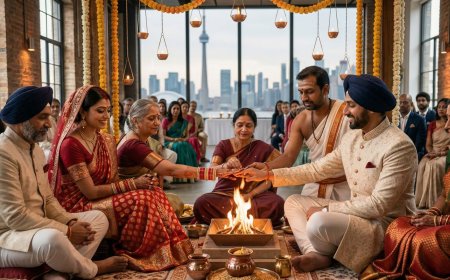



Mehendi, Haldi, Sangeet: The NRI Couple's Complete Practical Planning Guide to All Three Pre-Wedding Celebrations
The mehendi, haldi, and sangeet are not the relaxed informal lead-up to the main wedding — they are three distinct events with their own vendor requirements, timeline logic, production demands, and specific failure modes that catch under-prepared couples every time. This guide delivers a complete planning framework for all three pre-wedding celebrations covering mehendi artist selection and application timing, haldi surface protection and emotional preparation, sangeet performance coordination across multiple countries, music programming, venue and lighting requirements, the three-event photography brief, and the planning timeline that gives every vendor adequate lead time. Plan the events that begin your wedding story with the same care you bring to the ceremony itself.


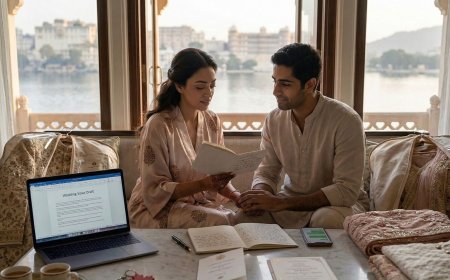
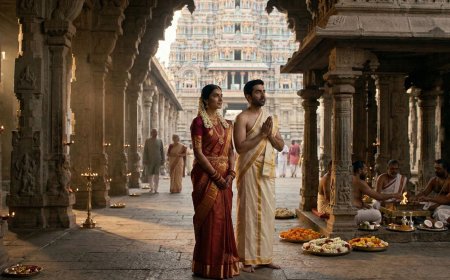
Sangeet, Mehendi, Haldi: A Practical Planning Guide
The NRI couple's complete guide to planning the three pre-wedding celebrations that set the tone for the entire wedding weekend — without the logistical gaps, the timeline collisions, or the events that were beautiful in concept and chaotic in execution
The Three Events Nobody Told You Were Also Full Productions
The first thing most NRI couples discover when they begin planning their pre-wedding celebrations is that the mehendi, haldi, and sangeet — the three events that were supposed to be the relaxed, informal, family-centered lead-up to the main wedding — are not actually relaxed, informal, or simple to produce.
Each of them is a distinct event with its own vendor requirements, its own timeline, its own guest experience design, its own aesthetic considerations, and its own specific list of things that go wrong when planning is treated as optional rather than essential.
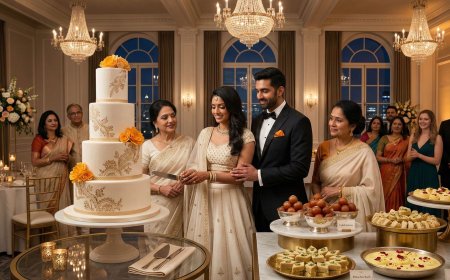
The sangeet, in particular, has evolved in the NRI wedding context into something that requires as much planning as the reception — a multi-hour production with live music or a DJ, choreographed performances, a venue dressed specifically for the occasion, a food and beverage programme, and a photographer who is briefed for the specific lighting and energy of an event that is fundamentally different from the ceremony it precedes.
The mehendi is simultaneously the most personal and the most technically complex of the three — the quality of the mehendi artist determines the quality of the bride's most intimate photographs, and the timeline management of the application across a multi-hour event requires specific coordination that most couples do not anticipate.
The haldi is the simplest of the three in its production requirements and the most emotionally significant of the three in its experience — and the specific simplicity of its requirements makes it the event most likely to be under-planned in ways that become visible on the day.
This guide gives you the planning framework for all three — separately, because they are distinct events that require distinct planning logic, and together, because they are part of a connected event sequence whose logistics must be managed as a system.
The Sequencing Decision: In What Order and on What Days
Before any event-specific planning begins, the sequencing of the three events across the wedding programme must be established — because the order and the day allocation affects every logistical decision that follows.
The traditional sequencing places the mehendi first — typically one to two days before the wedding — followed by the haldi on the morning of or the day before the wedding, and the sangeet typically the evening before the wedding or two evenings before. In practice, NRI weddings vary significantly in how these events are sequenced depending on the overall programme length, the venue structure, and the specific family traditions being observed.
The most common sequencing mistake in NRI wedding planning: scheduling the haldi and the sangeet on the same day. The haldi is a turmeric-application ceremony that permanently stains everything it touches — clothing, skin, surfaces, and occasionally the hair and skin of participants who stand too close to an enthusiastically applied application. Scheduling the sangeet on the same evening as the haldi requires the bride and groom to transition from a turmeric-stained getting-ready state to a fully dressed, professionally styled sangeet appearance in a compressed timeframe that the turmeric's skin-staining properties make genuinely challenging. The turmeric takes time to fade, and no amount of rushed showering entirely resolves the yellow-toned skin that a thorough haldi application leaves in the short term.
The practical recommendation: give the haldi its own day, or schedule it with sufficient time between it and the next formal event that the transition is manageable rather than stressful.
The mehendi timing has a specific technical requirement that affects its scheduling: the mehendi needs time to develop its full color depth after application. The standard mehendi application achieves its darkest color between twenty-four and forty-eight hours after removal — which means the mehendi photographs that are taken of the completed design, and the photographs taken at the wedding ceremony where the mehendi is most visible, benefit from being at least twenty-four hours after the application.
Scheduling the mehendi too close to the ceremony — on the morning of the wedding day, for example — means the ceremony photographs show the mehendi at a lighter color than it will eventually achieve. Scheduling it two days before the ceremony allows the full color development to be present in every subsequent photograph.
The Mehendi: Planning the Most Personal Pre-Wedding Event
The Artist: The Most Important Decision
The mehendi artist is the most important vendor for this event — more important than the venue, the catering, or the decor — because the quality of the mehendi application is the primary deliverable of the entire event and its results appear in every wedding photograph taken from the mehendi day through the end of the honeymoon.
For NRI brides planning from abroad, identifying and booking a skilled mehendi artist requires specific preparation that begins six to eight months before the wedding.
Research must go beyond the artist's Instagram portfolio — which shows their best work under controlled conditions — to the actual quality of their work at weddings, verified through recent client testimonials and through direct contact with previous brides whose mehendi you have seen and admired. An artist whose portfolio is extraordinary but whose wedding-day execution varies significantly from their portfolio work is an artist whose portfolio is not representative of what you will receive.
Confirm the specific style expertise of the artist against your specific style requirement. An artist with extraordinary portfolio work in Arabic mehendi may not have the same expertise in traditional Rajasthani or South Indian styles. The style assessment must be specific to the regional tradition you are planning.
Confirm the paste quality and preparation method. The depth of color achieved by any mehendi application is determined primarily by the paste quality — the henna leaf source, the essential oil preparation, the specific recipe the artist uses. Ask specifically about the paste preparation and, if possible, request a small test application at the trial appointment to assess the color depth on your specific skin before committing.
Book the primary artist and a backup. This sounds like overcaution and becomes essential with sufficient frequency that it deserves inclusion in the standard planning framework. An artist who falls ill on the mehendi day, whose travel to the venue is disrupted, or who has a family emergency cannot be replaced at twenty-four hours' notice without a backup having been identified and kept on standby. The backup need not be booked at full fee — a retained standby arrangement with a clear trigger condition is typically sufficient.
The Timeline
The mehendi timeline is the event planning element most consistently underestimated. Full bridal mehendi — both hands to the elbows, both feet — takes between three and five hours depending on the style, the density, and the artist's working pace. For detailed traditional styles like Rajasthani, the upper estimate applies comfortably. For Arabic or more minimal contemporary styles, the lower estimate is more typical.
This duration means the bride spends three to five hours in a relatively static position during the mehendi event — seated, hands and feet extended, unable to eat or drink independently, requiring assistance from family members or a coordinator who manages the logistics around her.
Building this reality into the event timeline means: scheduling the mehendi application to begin early enough that it is complete before the event's primary social activities are expected to peak, ensuring that the bride's food and hydration needs are specifically managed during the application period, and designing the event's flow around the reality that the central figure is physically occupied for its primary duration.
The additional hands mehendi — for family members and guests who want their own mehendi applied — requires separate artist capacity from the bridal application. Many families book one artist for the bride and one or two additional artists for guests, preventing the situation where the bridal application is interrupted or rushed because the single artist is also managing a queue of guest applications.
The Venue and Atmosphere
The mehendi is typically the most intimate of the three pre-wedding events — a gathering that is more family-centered and more informally warm than the sangeet's larger guest list and more produced atmosphere. The venue for the mehendi should reflect this register: a garden, a rooftop terrace, a beautifully decorated indoor space that feels personal and abundant without the formality of a ballroom.
The aesthetic elements that most effectively create the mehendi atmosphere: daylight or soft warm lighting that serves both the photography and the comfort of a multi-hour seated event, abundant fresh flowers in the warm tones that photograph beautifully in mehendi imagery — marigold, rose, and jasmine are the classic choices — low seating that accommodates the floor-level or low-platform positions that mehendi application requires, and the specific sensory elements of the occasion — the fragrance of fresh henna paste, the music of live or recorded folk and Bollywood melodies, the warmth of the gathering rather than the production of a staged event.
The Food Programme
Finger foods and small bites that can be eaten without using the hands — or specifically designed to be eaten one-handed — are the practical catering requirement for the mehendi event. The bride cannot use her hands while the mehendi is being applied. Many guests who have had their own mehendi applied are similarly limited. The mehendi catering programme that includes large pieces of food requiring two hands or utensils creates the specific awkwardness of a room full of people negotiating their food around their drying mehendi.
Small kulfi portions on sticks, pani puri served with a spoon, mini samosas small enough to be handled in one hand, fresh fruit on skewers — these formats respect the physical reality of the event without limiting the quality or variety of the food programme.
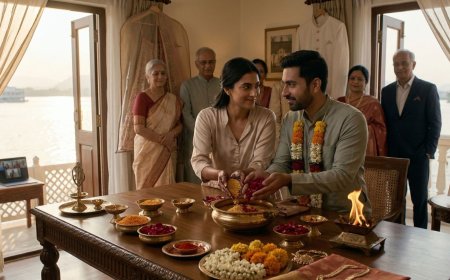
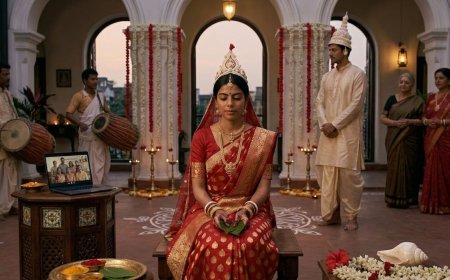
The Haldi: Planning the Most Emotionally Charged Event
What the Haldi Actually Is
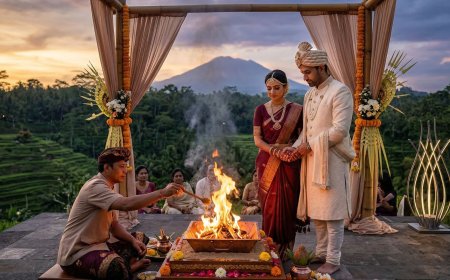
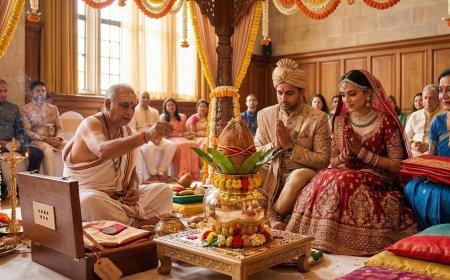
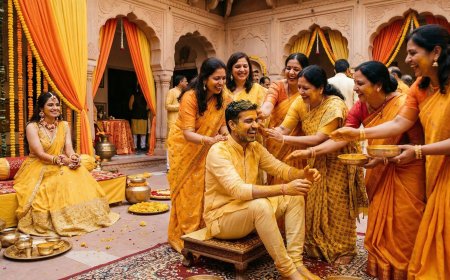
The haldi is the ceremony in which turmeric paste — mixed with oils, rosewater, sandalwood, and other ingredients specific to family tradition — is applied to the bride and groom by family members. The turmeric has both a practical function — it is believed to cleanse and brighten the skin before the wedding — and a deep ritual significance that varies by regional and religious tradition but that consistently centers on themes of purification, protection, and the specific blessing of the community before the wedding ceremony.
The emotional quality of the haldi is distinct from every other event in the wedding programme. It is the most physically intimate of the pre-wedding ceremonies — family members apply the paste directly to the bride or groom's skin, hands touching face and arms and shoulders in a specific act of physical blessing. For NRI brides and grooms who live at a distance from their family for most of the year, and for whom the wedding represents one of the most concentrated periods of family presence they experience, the haldi has a specific quality of homecoming that often produces the most genuine emotional moments of the entire wedding weekend.
The Production Considerations
The haldi requires the minimum production investment of the three events — no DJ, no choreography, no elaborate venue dressing — but it has specific practical requirements that must be addressed for the event to function without the specific disruption that inadequate planning creates.
Surface protection. The turmeric in the haldi paste permanently stains virtually every surface it contacts: fabric, wood, marble, carpet, upholstery. The venue surfaces at the haldi area must be protected with plastic sheeting, old fabric covers, or purpose-bought disposable covers before the event begins. The specific failure mode here is the rental venue whose flooring or furniture sustains turmeric staining that results in damage costs that the event budget did not account for.
Clothing management. The bride and groom should wear specific haldi clothing — old, comfortable, sacrificeable garments that will sustain the turmeric staining without loss. White or light yellow is the most photographically effective haldi clothing because the turmeric transformation — the white becoming golden — is visually beautiful and documents the ceremony's physical reality in the photographs. Expensive or cherished garments are the wrong choice for an event defined by its destructive exuberance.
The paste preparation. The haldi paste should be prepared in advance — not mixed hastily in the minutes before the ceremony begins. Many families prepare the paste according to a specific family recipe that has been used across generations, and this preparation is itself a ritual act that carries meaning beyond its functional purpose. The paste should be of a consistency that applies easily, remains on the skin sufficiently to allow photographs before it is washed off, and is prepared in sufficient quantity for all the family members who will participate in the application.
Photographer briefing. The haldi photographs — the close-up shots of turmeric being applied, the family members gathered around, the emotional quality of the moment — are some of the most beautiful and most emotionally resonant images in the entire wedding photography series. The photographer must be briefed specifically for the haldi environment: the yellow tones of the ceremony require specific white balance adjustments, the outdoor or semi-outdoor setting requires specific exposure management, and the documentary quality of the event — capturing the genuine spontaneity of the family moment — is different from the more controlled photography of the ceremony.
The Separate vs. Joint Haldi
The haldi is traditionally conducted separately for the bride and groom — different venues, different times, surrounded by their respective families. Some contemporary NRI couples conduct a joint haldi — bride and groom together, both families present — which produces a different quality of photographs and a different social dynamic.
The practical consideration for the joint haldi: it is logistically more complex, requires a larger space, and loses some of the specific intimacy of the separate ceremony where the focus is entirely on the individual rather than the couple. The photographic and social trade-offs of both approaches are worth discussing explicitly with the photographer and with both families before the decision is made.
The Sangeet: Planning the Largest Pre-Wedding Production
What the Sangeet Has Become
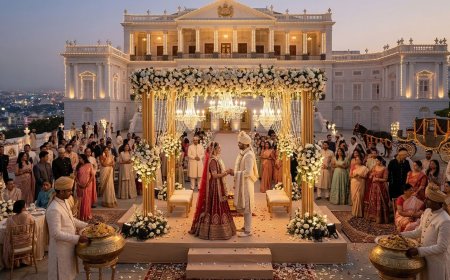
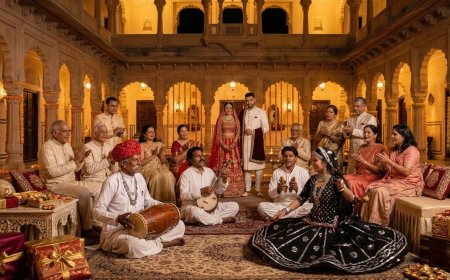
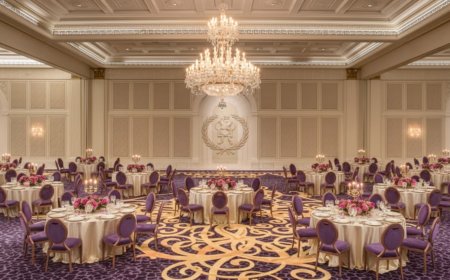
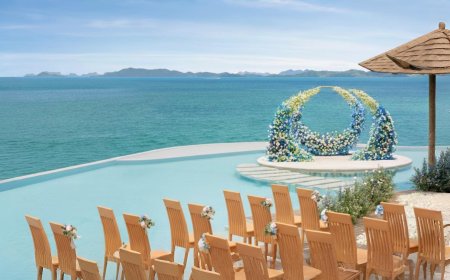
The sangeet — literally "music together" — is the pre-wedding celebration centered on music, performance, and dancing. In its traditional form it was a gathering of women from both families, singing folk songs specific to the wedding tradition. In its contemporary NRI incarnation it is often the most elaborate event of the entire wedding programme: a multi-hour production with a fully dressed venue, a professional DJ or live band, choreographed performances by both families, a full catering programme, and a guest list that may be as large as or larger than the reception.
Understanding the gap between what the sangeet traditionally was and what it has become in the NRI wedding context is important for couples who are making decisions about the scale and production level of their sangeet. The sangeet can be a warm, informal family gathering centered on music and dancing that requires minimal production investment. It can also be a full-scale evening production that requires the same planning infrastructure as the reception. The choice between these approaches — and the points on the spectrum between them — should be made deliberately rather than defaulted into.
The Performances: The Heart of the Sangeet Experience
The choreographed performance component of the sangeet — in which both the bride's and groom's families and friend groups prepare and perform dance routines — is the element that most defines the sangeet's specific character and the one that requires the most advance coordination.
For NRI wedding sangeets, the performance coordination challenge has a specific dimension: the performers are spread across multiple countries and may not be able to rehearse together in person until the day before the sangeet — or in some cases, not until the sangeet day itself. The choreography must be learnable remotely, distributable via video, and executable by participants whose availability for rehearsal is limited by their normal lives across multiple time zones.
The most successful NRI sangeet performance coordination approach involves: appointing a specific performance coordinator for each family group — one person who is responsible for managing the choreography, communicating with all performers, tracking rehearsal progress, and managing the logistics of the performance on the sangeet day; choosing choreography that has a clear, learnable structure and that can be rehearsed individually from video reference; and building in a full group rehearsal at the venue the day before the sangeet to address any coordination issues before the performance.
The decision about professional choreography assistance — hiring a choreographer who designs the routines, distributes video references, and manages the rehearsal process — is worth making early. Professional choreography removes the significant burden of creative and logistical management from the families who are already managing a hundred other wedding responsibilities, produces more polished performance results, and is available from choreographers who specifically specialise in NRI wedding sangeet productions and who work remotely with geographically distributed groups.
The Music Programme
The sangeet music programme — the framework within which performances, open dancing, and background music are organised across the event — should be planned with the same specificity as the catering or the decor.
A typical sangeet runs three to four hours. The music programme within this duration moves through distinct phases: a welcome and warm-up period in which ambient or background music creates the atmosphere as guests arrive, a performance phase in which the choreographed family and friends group performances are presented, a dancing phase in which the floor opens for general dancing and the DJ or live music takes over, and a late-night phase in which the energy sustains or moderates depending on the event's timing.
The transition between these phases should be managed by the DJ or live music coordinator in communication with the event coordinator — not left to happen organically, because the organic version frequently involves the performance phase running significantly over its planned duration, compressing the dancing phase, and creating the specific anticlimax of a sangeet whose most anticipated open-dancing moment arrives too late and ends too soon.
The music selection itself — the specific songs chosen for performances, the playlist for open dancing, the background programme during the dining service — benefits from the couple's active input rather than complete delegation to the DJ. A DJ who knows the couple's musical preferences and the specific songs that carry personal significance for the families involved creates a more personally meaningful programme than one who defaults to the standard NRI wedding playlist regardless of the specific couple.
The Venue and Lighting
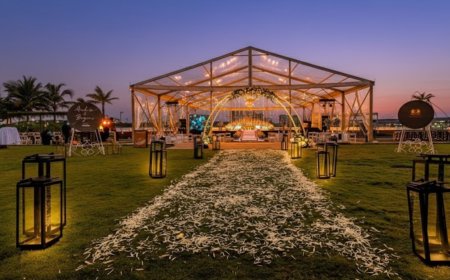
The sangeet is typically an evening event, and the venue and lighting for an evening event with dancing have specific requirements that the wedding ceremony venue's daytime-optimised lighting typically does not meet.
Dance floor lighting — a combination of ambient lighting at a level that creates atmosphere without making the space feel dark, and specific performance lighting that highlights the dance floor during performances and the DJ or band during the music phase — requires specific planning and often specific equipment beyond what a standard venue provides.
Discuss lighting requirements with the venue coordinator and the photographer before the sangeet. The photographer who has shot sangeet events in the specific venue — or similar venues with similar lighting conditions — will have specific knowledge of what works and what creates the specific photographic failure mode of beautiful dancing in poorly lit conditions that produces unusable photographs.
The Food Programme
The sangeet catering programme must serve a guest population that is simultaneously eating, watching performances, and dancing — with the specific timeline constraint that the catering service cannot occupy the dance floor or block sightlines to the performance area during the performance phase.
The most effective sangeet food programme separates dining service from performance and dancing service: a formal or semi-formal dinner service at the beginning of the event before the performance phase begins, transitioning to grazing stations and passed canapés during the performance and dancing phases. This structure allows guests to eat properly at the start of the event and then participate freely in the dancing and performances without the logistics of a formal dinner service interfering with the movement of the event.
The late-night food element — the midnight snack or street food station that appears after several hours of dancing — is the sangeet catering decision with the highest return on investment. The appearance of pav bhaji, vada pav, or a chaat station after two hours of dancing is the food moment that is remembered and talked about across the rest of the wedding weekend.
The Three Events as a System: The Coordination Logic
The mehendi, haldi, and sangeet are not three independent events that happen to occur in the same wedding programme. They are a connected sequence whose logistics interact with each other and with the main wedding ceremony that follows them.
The Vendor Overlap
The photographer covers all three events — which means the photography brief must address the distinct requirements of each. The mehendi's intimate, close-up documentation. The haldi's documentary spontaneity and yellow-tone management. The sangeet's low-light performance and dancing photography. A photographer who is briefed specifically for each event produces three distinct photographic records that together tell the story of the wedding weekend. A photographer who approaches all three with the same brief produces three similar records that miss the specific character of each.
The hair and makeup team may cover multiple events — the sangeet and the mehendi specifically often require professional hair and makeup for the bride. Confirm the team's capacity across the full event sequence before booking and confirm the specific look for each event in advance of the relevant day.
The event coordinator — whether a professional wedding planner or a trusted family member — must have a comprehensive timeline for all three events and their transitions before the first event day arrives. The specific transition between the haldi and the next event, the management of the performance schedule at the sangeet, and the artist coordination at the mehendi all require someone who has the full picture and the authority to manage against it.
The Guest Communication
For NRI weddings attended by guests from outside India or outside the Indian cultural tradition, advance communication about each of the three events — what they are, what to expect, what to wear, what the participation conventions are — prevents the specific confusion that arrives when guests encounter unfamiliar practices without preparation.
Communicate: what each event is and its cultural significance. What guests should wear — the haldi in particular requires guests to be dressed in clothing that can sustain turmeric contact. Whether guests are expected to participate — the mehendi application is optional for guests, the haldi paste application may or may not be expected of all guests depending on the family tradition. The timing and location of each event. Any practical preparation that guests should undertake — arriving with open minds, comfortable seating arrangements for the mehendi's extended duration, the exuberant physical contact of the haldi.
The Planning Timeline: When to Do What
The three pre-wedding events require their planning to be initiated at specific points in the overall wedding planning timeline to allow adequate lead time for the most time-sensitive elements.
Eight to ten months before the wedding: identify and shortlist mehendi artists. The best artists have the most demanding booking calendars and the earliest available consultation slots. Begin this search early enough to have genuine options rather than whoever is available at the date.
Six to eight months before: book the primary mehendi artist and the backup. Confirm the sangeet venue and begin the performance coordinator appointment for both families. Begin researching live music or DJ options for the sangeet.
Four to six months before: begin sangeet choreography planning. The families and friends groups who will perform need this much lead time to learn and rehearse their routines alongside their normal lives. Finalise the sangeet music programme with the DJ or live band.
Two to three months before: confirm all three event vendors in writing, with confirmed timelines, confirmed deliverables, and confirmed payment schedules. Conduct the mehendi artist trial and assess the color depth and style quality against the brief.
One month before: finalise the three-event photography brief with the photographer. Complete all sangeet performance rehearsals that can be completed before the India visit. Confirm the haldi paste preparation arrangements with the family member responsible for it.
One week before: conduct the full sangeet run-through rehearsal with all performers. Confirm the final guest headcount for all three events with the relevant caterers. Brief every vendor on the complete event timeline for their event.
The Events That Begin the Story
The mehendi, haldi, and sangeet are not the warm-up act for the main wedding. They are the beginning of the story — the events that establish the emotional register of the wedding weekend, introduce the couple and their families to each other and to the guests, and create the specific photographs and the specific memories that the main wedding then builds upon.
A wedding weekend whose pre-wedding events are warmly and carefully planned — whose mehendi is intimate and beautifully documented, whose haldi is emotionally genuine and photographically extraordinary, whose sangeet is joyful and well-produced and remembered by everyone who attended — is a wedding weekend that has been fully inhabited across its entire duration rather than saved for its ceremonial peak.
The preparation for these three events is the preparation for the wedding itself. Give it the same care.
NRIWedding.com — Expert guidance for Indian weddings planned across borders.
What's Your Reaction?
 Like
0
Like
0
 Dislike
0
Dislike
0
 Love
0
Love
0
 Funny
0
Funny
0
 Angry
0
Angry
0
 Sad
0
Sad
0
 Wow
0
Wow
0