

























































Across Oceans, the Flute Still Plays: How Krishna’s Melody Inspires Modern NRI Weddings
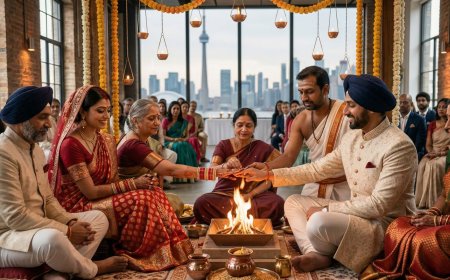
Krishna’s flute remains a powerful spiritual symbol in Hindu wedding traditions, especially among Non-Resident Indians planning ceremonies abroad. From London to Toronto and Houston, diaspora couples are integrating Vaishnav devotional elements into modern celebrations to preserve cultural identity. The tradition reflects harmony, surrender, and sacred union—values central to Hindu marriage rituals. As global Indian weddings evolve, spiritual symbolism continues to shape destination and cross-cultural ceremonies, reinforcing heritage beyond borders.


The image of Lord Krishna playing the flute is one of Hinduism’s most powerful symbols of unconditional love, surrender, and cosmic harmony. For Non-Resident Indians planning weddings far from home, this ancient metaphor becomes deeply personal—a reminder that culture is not geography, but resonance. The venu is not just a musical instrument; it is a spiritual blueprint for living—and loving—with openness and grace.
Opening Hook
You grew up hearing it in fragments.
In your grandmother’s bhajans played softly on a Sunday morning in Birmingham. In temple gatherings in Edison, New Jersey. In Diwali celebrations in Dubai where someone always sang of Krishna’s flute, even if no flute was actually there.
Now, as you plan your wedding—perhaps in Melbourne, perhaps in Jaipur—you find yourself returning to that sound.
Not because you are religious in a rigid way. But because something about that melody feels like home.
And when you live thousands of miles away from India, “home” becomes a sound you carry inside.
🌟 DID YOU KNOW?
• The Bhagavata Purana, composed over a millennium ago, describes how Krishna’s flute music enchanted not only humans but animals, rivers, and nature itself—symbolising cosmic harmony.
• In many Vaishnav temples globally—from London’s Neasden Temple to ISKCON centres in Toronto—Krishna’s flute remains central to wedding kirtans and devotional ceremonies.
• The bamboo flute (venu) is one of the oldest known wind instruments in India, with archaeological evidence of similar flutes dating back over 2,000 years.
WHAT IS KRISHNA’S FLUTE SYMBOLISM?
In Hindu philosophy, the image of Shri Krishna with a flute—known as the Venu Gopala form—represents far more than divine music.
The Venu (flute) is simple bamboo. Hollow. Unadorned. It has no ego, no voice of its own. And yet, in Krishna’s hands, it becomes the channel through which divine sound flows. That is the metaphor.
Spiritually, the flute symbolises surrender. It is empty, and therefore capable of being filled. In devotional texts, Krishna’s music is described as so captivating that it draws the Gopis (cowherd maidens) toward him in spontaneous love. This is not merely romantic imagery—it reflects the soul’s longing for union with the divine.
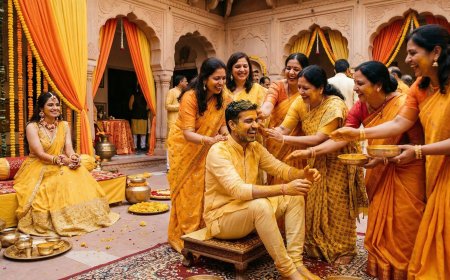
In many Hindu weddings, especially Vaishnav traditions, verses celebrating Krishna’s flute are sung during pre-wedding rituals such as Mehendi, Sangeet, or temple ceremonies. The imagery reminds couples that marriage is not only a social contract but a sacred harmony—two individuals becoming instruments of shared purpose.
For NRIs, this symbolism becomes even more layered. The flute represents the ability to remain open despite distance, to let culture flow through you even when you live oceans away.
It asks one simple question: Are you empty enough to receive love fully?
COMMUNITY COMPARISON TABLE
| Community/State | Local Name / Reference | Key Tradition Linked to Krishna or Devotional Music | How NRIs Abroad Adapt It |
|---|---|---|---|
| Himachali | Krishna Bhajan Tradition | Devotional songs sung before wedding fire rituals | Temple-based bhajans in community halls |
| Garhwali | Bhagwat Katha Influence | Scriptural recitations invoking Krishna’s leelas | Virtual kathas streamed from India |
| Kumaoni | Vaishnav Wedding Songs | Folk songs invoking divine harmony | Recorded folk tracks played during Mehendi |
| Ladakhi | Buddhist-Hindu Syncretic Regions | Less Krishna-centric; focus on spiritual harmony | Interfaith symbolic music elements |
| Kashmiri Pandit | Krishna Janmashtami Roots | Bhajans before lagan ceremony | ISKCON priests in UK/US assisting |
| Punjabi | Radha-Krishna Sangeet Themes | Romantic devotional songs at Sangeet | Live fusion bands incorporating flute |
| Marathi | Vithoba-Krishna Devotion | Abhangs referencing flute-bearing deity | Marathi kirtan groups in US temples |
| Tamil | Krishna as Kannan | Carnatic kritis praising flute-playing Krishna | Carnatic musicians hired abroad |
| Bengali | Krishna in Vaishnavism | Kirtans of Chaitanya tradition | Community-led kirtans in Toronto/London |
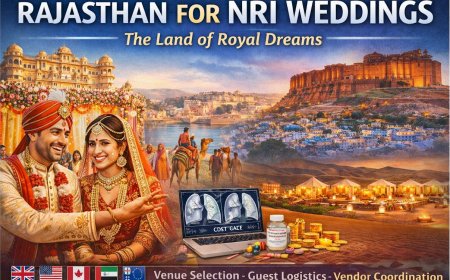
| Rajasthani | Folk Ballads of Krishna | Traditional songs celebrating divine romance | Folk singers flown in for destination weddings |
THE MEANING BEHIND THE SYMBOL
Krishna’s flute is not about performance. It is about emptiness.
In Hindu cosmology, the universe itself begins with sound—Nada Brahma (the world is sound). The flute becomes a metaphor for how divine energy moves through creation. When ego is removed, harmony emerges.
Marriage, too, is framed in Indian thought as a balance of energies—Purusha (consciousness) and Prakriti (creative force). The flute represents alignment between these forces.
For diaspora couples, this symbolism is particularly poignant. Living abroad often means negotiating identities—Indian at home, global outside. The flute teaches integration, not division.
As one interfaith groom in Vancouver explained it to his Scottish in-laws: “The flute reminds us that love works best when you’re not trying to dominate the melody.”
DOING THIS SYMBOLISM ABROAD: THE PRACTICAL REALITY
Planning a Krishna-inspired wedding ritual outside India requires intention, not extravagance.
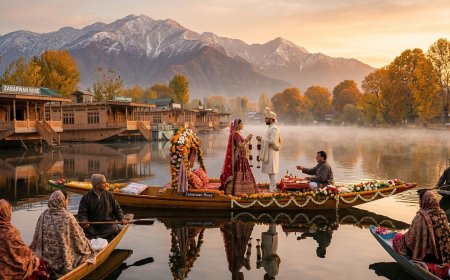
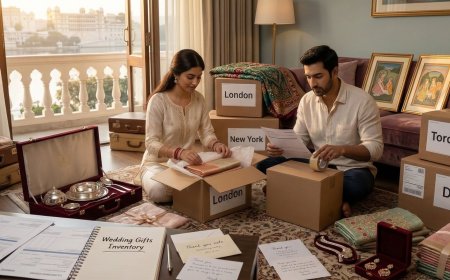
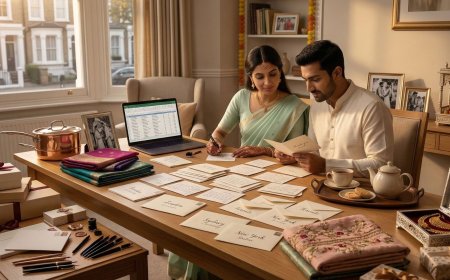
In London, many couples source ritual items from Southall Broadway. In Toronto, Gerrard Street East—often called Little India—offers temple accessories and bamboo flutes. In Houston, Hillcroft Avenue remains a hub for Indian wedding supplies. Sydney’s Harris Park and Dubai’s Meena Bazaar provide similar access.
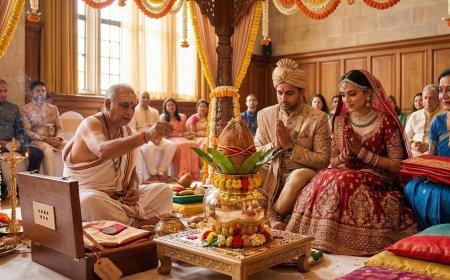
The bigger challenge is often the pandit question. Not all priests are comfortable incorporating Krishna-centric bhajans into wedding sequences. NRIs should look for Vaishnav-trained priests or ISKCON-affiliated scholars if Krishna symbolism is central to the ceremony.
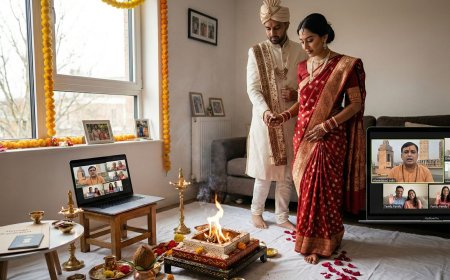
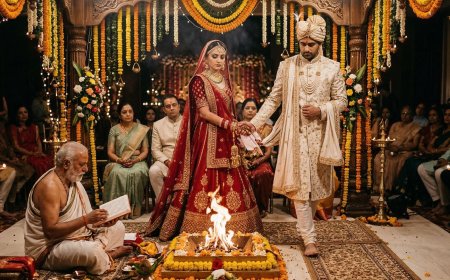
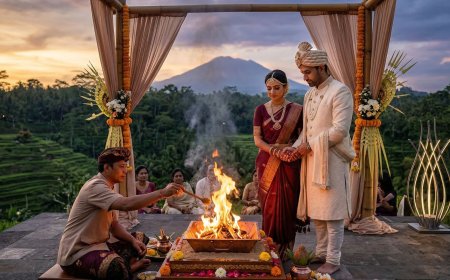
Fire restrictions are another consideration. Many Western venues prohibit open flames for Havan (sacred fire ritual). Couples often use enclosed copper havan kund setups or LED symbolic flames. The spiritual intention remains intact when guided properly.
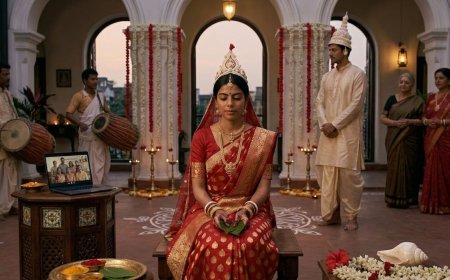
Time zone coordination also matters. If grandparents in India wish to witness the ceremony virtually, schedule rituals thoughtfully. A 4 PM Toronto wedding aligns better with early morning India than an evening ceremony would.
Above all, remember that Krishna’s flute symbolism requires no elaborate staging. A single bamboo flute placed near the mandap. A live flautist during the bride’s entry. A bhajan woven into the Sangeet.
Authenticity lives in meaning, not scale.
DOING IT AS A DESTINATION WEDDING IN INDIA
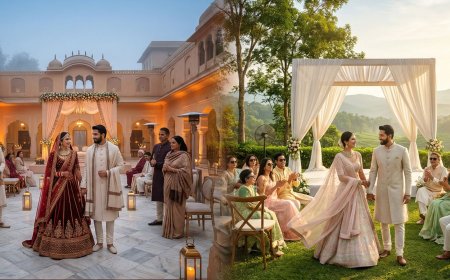
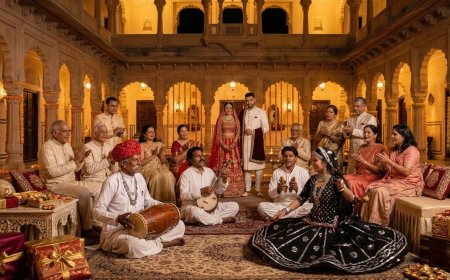
Vrindavan and Mathura in Uttar Pradesh—associated with Krishna’s childhood—are spiritually rich settings. Rajasthan’s palace venues often incorporate classical flute recitals into welcome dinners.
When coordinating from abroad, brief local planners clearly about devotional priorities. Ask for live bansuri artists. Provide specific bhajans meaningful to your family.
For non-Indian guests, include a short explanation card describing Krishna’s flute symbolism. Context transforms ritual into shared experience.
WHAT YOU NEED: RITUAL CHECKLIST
Ritual Items
Bamboo flute (Venu), flowers, Krishna idol or image, diya lamps, bhajan playlist or live musician
People Required
Pandit familiar with Vaishnav traditions, family elder to explain symbolism, musician (optional)
Preparation Steps
Select bhajans meaningful to your region, coordinate priest in advance, brief photographer to capture devotional moments
For region-specific guidance, NRI.Wedding connects couples with experienced pandits and musicians globally.
5 QUESTIONS NRI COUPLES ALWAYS ASK
Can we include Krishna symbolism in a hotel ballroom wedding?
Yes. Even minimal symbolic placement—a flute near the mandap—retains spiritual depth.
What if my partner is not Hindu?
Explain the flute as a universal metaphor for harmony. Its meaning transcends religion.
How do we find a Vaishnav pandit abroad?
ISKCON temples and major Hindu mandirs in diaspora cities often maintain referral lists.
Can we livestream devotional segments for relatives in India?
Absolutely. Schedule considering time zones; early afternoon Western ceremonies work best.
Should this be part of the civil or religious ceremony?
Traditionally, devotional elements belong in the religious ceremony, but symbolic music can flow into both.
THE EMOTIONAL ANGLE
There is something uniquely tender about watching your parents sing a Krishna bhajan in a country that is not their own.
Their accents soften. Their eyes close. For a moment, geography dissolves.
For NRIs, weddings are not only about two people. They are about proving that distance did not dilute devotion. That migration did not erase melody.
When the flute plays—whether live in Melbourne or softly through speakers in New Jersey—it carries memory. It carries longing. It carries pride.
It tells your ancestors: We did not forget.
A MOMENT TO SMILE
At a wedding in Mississauga, the hired flautist forgot his instrument.
Panic spread briefly—until the bride’s uncle quietly retrieved an old bamboo flute from his car, something he kept from college days in Mumbai. It wasn’t professionally tuned. It wasn’t perfect.
But when he played during the bride’s entry, the entire hall went silent.
Later, guests said it was the most emotional moment of the evening.
Sometimes heritage shows up in unexpected pockets.
QUOTES FROM THE DIASPORA
“When the flute played during our Mehendi in London, my dadi cried. She said it sounded like her village temple.” — Ananya Mehta, Gujarati, London
“We’re in Houston, but for those five minutes, it felt like Vrindavan.” — Rajesh Iyer, Tamil, Houston
“My Irish fiancé didn’t understand at first. Now he tells people the flute is about ego disappearing.” — Simran Kaur, Punjabi, Toronto
Your Roots Travel With You
Planning a wedding abroad is an act of devotion in itself. It is choosing memory over convenience. Meaning over minimalism.
At NRI.Wedding, we understand that your celebration is not only an event—it is a bridge between continents. From trusted pandits to culturally fluent planners and musicians, we help you create ceremonies that resonate deeply.
Because the flute was never about geography.
It was always about harmony.
Let your love become the melody that carries your heritage forward.
This article explores the symbolism of Krishna’s flute in Hindu weddings and its relevance for NRI couples across London, Toronto, Houston, Dubai, and Melbourne.
What's Your Reaction?
 Like
0
Like
0
 Dislike
0
Dislike
0
 Love
0
Love
0
 Funny
0
Funny
0
 Angry
0
Angry
0
 Sad
0
Sad
0
 Wow
0
Wow
0