





































































Your Wedding Menu Should Tell Your Family's Story: The NRI Couple's Complete Guide to Regional Cuisine Showcases
The most memorable Indian weddings are not the ones that served the most elaborate food — they are the ones where the food told a specific, irreplaceable cultural story. This guide gives NRI couples a complete framework for designing a regional cuisine showcase that honors their family's culinary heritage, from identifying anchor dishes and briefing specialist caterers to labeling with cultural context and designing welcome drinks that announce your regional identity from the first sip. Stop serving generic Indian wedding food and start serving the food that only your family can offer.


The Dish That Made the Room Go Quiet
It was not the most elaborate dish on the table. It was not the one the caterer had been most proud of during the tasting. It was not even the dish the couple had spent the most time discussing during the menu planning process.
It was a simple preparation — a specific dal, made in the way that the bride's grandmother had always made it, with a particular tempering technique that is specific to a small region of Andhra Pradesh and that most guests at a Delhi wedding reception had never encountered before. The caterer had needed specific instruction to prepare it correctly. The bride had sent a voice note of her grandmother explaining the process.
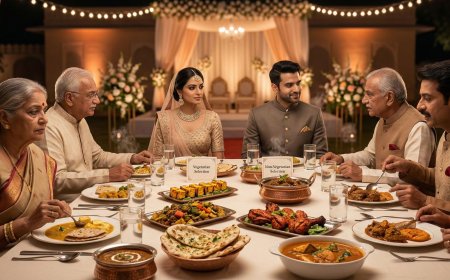
When it appeared on the buffet, labeled simply with its regional name and a brief description, something happened that almost nothing else at the wedding produced: people stopped. They tasted. They asked what it was. They went back for more. And at a table near the back of the venue, the bride's grandmother — who had traveled from her village for the wedding and who had been slightly overwhelmed by the grandeur of everything around her — looked at the dish and then at her granddaughter and said something that made the bride cry in the middle of her own reception.
The dal cost less than any other dish on the menu. It produced more genuine emotion than anything the wedding decorator or the photographer or the florist had created.
That is what a regional cuisine showcase can do when it is approached with genuine intention rather than as a marketing exercise in cultural aesthetics.
Why Regional Food Identity Matters More at NRI Weddings
At a wedding within India — in the city or region where the family has always lived — the food reflects the local culinary tradition naturally. There is no special effort required to serve Punjabi food at a Punjabi wedding in Amritsar, or Gujarati food at a Gujarati wedding in Ahmedabad. The food is simply what the community eats and what the caterers in that region have always made.
NRI weddings operate in a completely different context. You are planning a wedding away from the region of your family's origin — often in a city that is not your family's home, for guests who have traveled from multiple countries, with caterers who may not have deep familiarity with your specific regional tradition.
In this context, the food does not reflect cultural identity automatically. It reflects cultural identity only if you make deliberate choices to ensure it does. And for NRI couples whose daily lives in London or Toronto or Dubai exist at a significant remove from the village in Maharashtra or the city in Bengal where their family story began, the wedding menu is one of the most powerful acts of cultural reclamation available to them.
The food at your wedding can say: this is where we come from. This is the specific culinary tradition that our family carries. These flavors are the ones we grew up with, the ones that live in our memory as the taste of home, the ones we want to share with everyone we love in the room.
That statement — made through food rather than words — is one of the most genuine and most moving things a wedding can express. It is also, in a market saturated with similar-looking Indian weddings, the thing most likely to make your celebration genuinely memorable.
The Difference Between a Regional Menu and a Generic Indian Menu
Most Indian wedding menus, when examined honestly, are variations on the same North Indian template: paneer makhani, dal makhani, butter chicken, biryani, naan, raita, gulab jamun. Sometimes South Indian elements are added. Sometimes there is a Mughlai preparation or two. But the core remains a familiar, broadly acceptable, regionally unspecific spread that could belong to any Indian family from any background.
This menu is not bad. It is reliably good, widely familiar, and unlikely to generate complaints. It is also unlikely to generate the kind of genuine engagement — the conversations, the discoveries, the moments of recognition and surprise — that a menu rooted in genuine regional identity produces.
The difference between a generic Indian wedding menu and a genuine regional showcase is the difference between a painting that is technically correct and one that tells a specific story. Both may be pleasant to look at. Only one stays with you.
A regional menu is not about being different for the sake of being different. It is about being specific — about allowing your family's actual culinary heritage to be present at the most significant gathering of your family's life, rather than substituting a generic approximation of Indian food for the real thing.
India's Regional Culinary Traditions: A Brief Map
India's regional culinary diversity is extraordinary — genuinely one of the most varied food cultures on earth, with traditions that differ meaningfully not just from North to South but from district to district within individual states. Understanding the broad characteristics of the major regional traditions gives you a framework for thinking about how to represent your specific heritage.
North India: Punjab, Uttar Pradesh, Rajasthan, and Delhi
North Indian wedding food is the template that most of the Indian restaurant industry outside India has adopted globally — which means it is the tradition most familiar to non-Indian guests and the one most at risk of feeling generic at an NRI wedding.
The Punjabi tradition is characterized by dairy richness — ghee, cream, paneer, yogurt — bold spicing, and the tandoor as the defining cooking instrument. Dal makhani, sarson da saag, makki di roti, and the full range of tandoor preparations are the core of this tradition. A Punjabi wedding that serves these dishes made properly — with real cooking time, with good quality dairy, with the depth that comes from the tradition rather than a shortcut version — is serving something genuinely different from the same dishes made in a hotel kitchen for volume.
Rajasthani cuisine tells the story of cooking under constraint — a desert landscape with limited water and fresh vegetables, which produced a tradition of preservation, of dried preparations, of dal baati churma, of ker sangri, of laal maas, of robust flavors that last. A Rajasthani showcase at a wedding brings a culinary story that is entirely specific to that landscape and history.
Uttar Pradesh's culinary identity — particularly the Awadhi tradition centered in Lucknow — is defined by the dum technique and the refinement of Mughal court cooking. Slow-cooked biryanis, kakori kebabs, shami kebabs, and the restrained, layered spicing of Lucknowi cuisine offer a sophistication that the more assertive Punjabi tradition approaches differently.
South India: Tamil Nadu, Kerala, Andhra Pradesh, Karnataka, and Telangana
South Indian culinary traditions are among the most diverse and least represented at Indian weddings outside the South — which means a South Indian regional showcase at an NRI wedding often produces genuine discovery for guests who have encountered only the restaurant version of South Indian food.
The Tamil Brahmin tradition — the vegetarian culinary heritage that produces rasam, sambar, kootu, poriyal, and the complex ritual meal of the banana leaf — is specific enough that a properly executed Tamil Brahmin wedding menu is an education in a culinary tradition that most Indian wedding guests have never experienced in its full form.
Kerala's culinary identity — coconut milk, curry leaves, Malabar spice influence, and the extraordinary seafood and non-vegetarian tradition of one of India's most complex food cultures — produces wedding food that is unlike anything else in the Indian culinary landscape. Avial, fish molee, Kerala-style prawn curry, appam with stew, and the sadya — the full ceremonial feast served on a banana leaf — represent a culinary heritage of genuine depth.
Andhra Pradesh and Telangana bring the most assertively spiced culinary tradition in India — food that is genuinely hot in a way that is specific to this regional culture and that represents a philosophical approach to spice that is different from the heat of other traditions. Gongura preparations, the Andhra-style biryani, the distinctive chutneys and pickles — these are flavors that are entirely specific to this landscape.
Karnataka's culinary identity spans from the coastal seafood tradition of Mangalore — the gassi, the neer dosa, the distinctive coconut-based preparations — to the royal cuisine of the Mysore court and the everyday cooking of the Udupi tradition that has influenced vegetarian cooking across India.
West India: Gujarat, Maharashtra, and Goa
Gujarati cuisine is perhaps the most distinctive in India in its relationship between sweet, sour, and spicy flavors — a balance that is specific to this culinary tradition and that produces food unlike anything else on the subcontinent. The Gujarati thali, with its specific sequence of preparations and its characteristic flavor profile, is a culinary experience that most non-Gujarati Indian guests have not encountered in its authentic form.
Maharashtrian cuisine encompasses everything from the coastal Konkani tradition — kokum, coconut, fresh seafood — to the inland preparations of Pune and Nashik and the street food culture of Mumbai. The varan bhaat of a Maharashtrian Brahmin household, the sol kadhi of the Konkan coast, the Kolhapuri preparations with their distinctive spice blend — these are regionally specific in a way that a wedding menu can showcase with genuine cultural richness.
Goa's culinary identity — shaped by Portuguese influence, by the extraordinary coastal landscape, by the particular spice routes that passed through — produces food that is genuinely unlike any other Indian regional tradition. Xacuti, vindaloo in its authentic form, sorpotel, the rice and coconut preparations that form the everyday food of Goan Catholic households — these tell a specific colonial and cultural history through flavor.
East India: West Bengal, Odisha, Bihar, Jharkhand, and Assam
Bengali cuisine is one of the most sophisticated and least celebrated of India's major culinary traditions outside its home region. The Bengali approach to fish — the hilsa preparations that are among the most technically demanding in Indian cooking — the mustard-based sauces, the five-spice panch phoron tempering, the tradition of a specific sequence of courses in a Bengali meal — these produce food of genuine complexity and depth.
The Bengali sweet tradition — mishti doi, rasgolla, sandesh, and the full range of milk-based confections — is among the most refined in India and produces a wedding dessert table that tells a specific story of craftsmanship and cultural identity.
Assamese, Odia, Bihari, and Jharkhand culinary traditions are among the least represented at Indian weddings nationally — which means they carry the greatest power of genuine discovery and the most authentic sense of regional pride when presented well.
Designing Your Regional Showcase: The Strategic Approach
A regional cuisine showcase at your wedding is not simply a decision to serve regional food. It is a design exercise that requires thinking about which elements of your regional tradition are most meaningful, most representative, and most practically achievable at your wedding scale.
Define Your Specific Regional Identity
The first and most important question: which region, and which specific community within that region, are you representing? India's regional culinary traditions are not monolithic — within every state there are multiple distinct community traditions, religious dietary practices, and sub-regional variations that produce meaningfully different food.
A Brahmin wedding from Tamil Nadu serves different food from a non-Brahmin Tamil wedding. A Kayastha family from UP has a different culinary heritage from a Jain family from the same state. A coastal Karnataka family's food is different from an inland Karnataka family's. Specificity is what makes a regional showcase genuine rather than generic — and for NRI couples who may have grown up knowing exactly what their family's specific food tradition tastes like, the level of specificity possible is deeper than a regional label alone suggests.
Identify the Signature Dishes
Within your regional tradition, there are usually three to five dishes that carry the clearest cultural identity — the ones that, when tasted by someone from your community, immediately and unmistakably say this is our food.
These are the dishes that should anchor your regional showcase. They may not be the most elaborate preparations on the menu. They are often the simplest — the dal that every family makes in a slightly different way, the pickle whose recipe has been in the family for generations, the specific rice preparation that appears at every celebration. These are the dishes worth fighting for with your caterer, worth providing detailed instruction for, worth having a family member oversee if necessary.
Design the Full Menu Around the Showcase
Once the signature dishes are identified, the rest of the menu should complement and contextualize them rather than compete with them. A regional showcase that sits as an isolated section of an otherwise generic wedding menu does not tell the story as clearly as one where the regional identity runs through the entire meal — from the welcome drinks through the appetizers, the main course, and the desserts.
This does not mean every dish must be from the same regional tradition. It means the menu has a coherent culinary identity that the showcase dishes anchor, rather than a collection of dishes from different traditions that happen to share the same buffet table.
The Practical Guide: Regional Showcase by Cuisine
| Regional Tradition | Anchor Showcase Dishes | Welcome Drink Option | Dessert Showcase | Catering Expertise Note |
|---|---|---|---|---|
| Punjabi | Dal makhani (24-hour slow cook), sarson da saag, makki di roti, amritsari kulcha, tandoori preparations | Lassi — sweet, salted, or rose | Pinni, til barfi, jalebi with rabri | Widely available — prioritize caterers who cook authentically rather than in volume |
| Rajasthani | Dal baati churma, laal maas, ker sangri, gatte ki sabzi, bajre ki roti | Aam panna, jaljeera | Ghevar, malpua, rabri | Specialist knowledge required — confirm caterer's Rajasthani cuisine experience specifically |
| Lucknowi / Awadhi | Dum biryani (authentic long-cook), kakori kebab, shami kebab, nihari, korma | Rose sharbat, thandai | Sheer khurma, phirni, kulfi | Dum technique expertise essential — assess during tasting |
| Tamil Brahmin | Rasam, sambar, kootu, avial, rice with full accompaniments, banana leaf service | Neer mor (spiced buttermilk) | Payasam, mysore pak, adhirasam | Highly specialized — requires caterer with genuine South Indian Brahmin expertise |
| Kerala | Fish molee, Kerala prawn curry, avial, appam with stew, sadya elements | Fresh coconut water, sambaram | Palada payasam, unniyappam, ada pradhaman | Coconut milk freshness critical — confirm sourcing |
| Andhra / Telangana | Gongura preparations, Andhra biryani, pesarattu, gutti vankaya | Majjiga (spiced buttermilk) | Bobbatlu, ariselu, pootharekulu | Spice level management for mixed guests requires specific brief |
| Gujarati | Thali service — dal dhokli, undhiyu, handvo, shrikhand, puri | Chaas, aam ras | Mohanthal, sukhdi, basundi | Sweet-sour-spicy balance is the identity — confirm caterer understands this |
| Maharashtrian | Puran poli, varan bhaat, kombdi wade, sol kadhi, bharli vangi | Sol kadhi as welcome drink | Shrikhand, modak, kheer | Coastal vs inland distinction important — specify which tradition |
| Goan | Xacuti, sorpotel, fish curry rice, prawn balchão | Kokum sherbet | Bebinca, serradura, dodol | Portuguese influence dishes require specialist knowledge — source carefully |
| Bengali | Hilsa preparations, kosha mangsho, chingri malai curry, shorshe preparations | Aam panna, doi (yogurt drink) | Mishti doi, sandesh, rasgolla, patishapta | Hilsa sourcing and technique are non-negotiable for authenticity |
| Assamese | Masor tenga, aloo pitika, khar preparations, duck curry | Bel pana, komola cha | Til pitha, narikol laru, sunga pitha | Rarely executed well outside Assam — detailed caterer briefing essential |
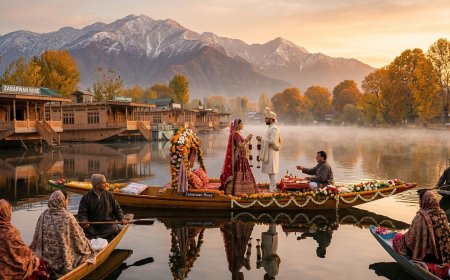
| Kashmiri | Wazwan service, rogan josh, gushtaba, yakhni, dum aloo | Kahwa | Phirni, shufta, modur pulao | Wazwan is the definitive showcase — requires specialist waza team |
The Storytelling Elements That Make a Showcase Complete
The food itself is the core of the regional showcase. But how the food is presented, labeled, and contextually framed determines whether guests experience it as an intentional cultural narrative or simply as unfamiliar dishes on a buffet.
Label With Context, Not Just Names
Regional dish names are meaningful to guests from your community and potentially opaque to everyone else. A dual-language label that includes both the dish name in its original language and a brief English description is the minimum — but the labels that produce genuine engagement go further. They include a sentence about the dish's cultural significance, its origin within the regional tradition, or its specific meaning to the family.
"Ker Sangri — a Rajasthani desert bean preparation that sustained communities through drought seasons, made with wild berries and dried beans that are specific to the Thar Desert. This dish has been part of our family's wedding traditions for three generations."
This label turns a dish into a story. Guests who have never encountered ker sangri before now understand what they are about to taste and why it is present. Guests from your community recognize the specific cultural reference and feel seen. And the family member who insisted this dish be on the menu sees their insistence honored in a way that a simple dish name on a card cannot achieve.
The Live Station as Cultural Theatre
Regional specialties that involve preparation techniques worth watching — the making of appam, the live dosa preparation, the hand-pressing of fresh bread specific to a regional tradition — are ideal candidates for live stations. The live station transforms the eating experience into an educational and entertaining one, and the presence of a skilled preparer who can explain the technique and the tradition creates genuine human connection between the food and the guests eating it.
For NRI couples whose guests include many people encountering their specific regional tradition for the first time, a live station staffed by someone who can speak about the food while preparing it is one of the most powerful hospitality gestures available.
The Welcome Drink as Cultural Announcement
The welcome drink is the guest's first interaction with your food program. Making it regionally specific — a glass of fresh coconut water with a leaf of Kerala curry, a small cup of Kashmiri kahwa, a shot of Rajasthani aam panna — announces your culinary intention before the first dish is served.
This small gesture prepares international guests for an experience that may be unfamiliar and frames it as something worth engaging with. It tells Indian guests from other regional backgrounds that this wedding has a specific culinary identity. And it gives your own community guests the immediate recognition of a flavor they associate with home.
Working With Your Caterer on Regional Authenticity
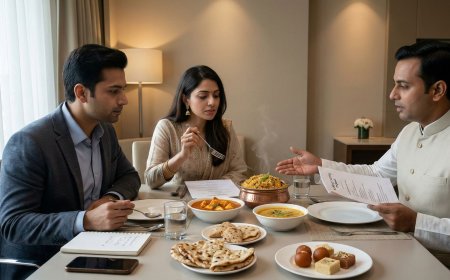
The success of a regional showcase is directly dependent on the caterer's genuine knowledge of the tradition being represented. This is the point in the catering brief where the quality of the vendor selection conversation matters most.
A caterer who claims facility with every regional tradition in India is a caterer whose claims deserve specific interrogation. Ask directly: which members of your team have specific expertise in this regional tradition? Have you catered Rajasthani or Bengali or Goan food previously, and can we taste those preparations specifically at our tasting session?
For genuinely specialist regional dishes — a Kerala sadya, a Kashmiri wazwan, a full Bengali wedding meal — consider engaging a specialist in addition to or instead of a generalist wedding caterer. The specialist will cook those dishes better than a generalist ever can, and the quality difference is immediately apparent to guests from your community who know exactly what authentic tastes like.
Provide your caterer with specific recipe guidance for anchor dishes. Not vague style direction — actual technique notes, family recipes where available, video references of the preparation process, and the flavor profile you are trying to achieve. A caterer who receives this level of guidance and incorporates it is a caterer who will produce something closer to authentic. One who dismisses it in favor of their standard approach is one whose version of your regional food will be their interpretation of it rather than yours.
The Intercultural Dimension: Regional Food as Guest Education
For NRI weddings with significant international guest populations, a regional cuisine showcase serves an additional purpose that pure cultural expression does not capture: it educates.
International guests at an Indian wedding who encounter a generic North Indian buffet leave knowing that Indian food involves naan, biryani, and paneer. International guests who encounter a thoughtfully presented Kerala sadya, or a Rajasthani thali with dish descriptions and a brief explanation from the MC, leave knowing something specific about a culinary tradition they had not previously encountered.
This is a meaningful gift. It is the kind of hospitality that is remembered not just because the food was good but because the experience was genuinely educational — because something new was encountered and understood rather than simply consumed.
Brief your MC or a designated family member to make a brief announcement about the regional menu at the beginning of the dinner service — not a lecture but a warm, proud, two-minute explanation of what guests are about to experience and why this food is specific to your family's heritage. This primes international guests to engage with curiosity rather than uncertainty, and it gives your own community guests the pride of seeing their food culture formally acknowledged at the center of the celebration.
The Food That Carries the Memory Forward
Food memory is among the most powerful forms of human memory. The specific flavor of a dish encountered at a significant moment encodes itself in a way that other sensory memories do not — it remains accessible across decades, triggered by a smell or a taste in a completely different context, carrying with it the full emotional weight of the moment where it was first experienced.
The guests at your wedding who encounter your regional cuisine showcase — particularly those encountering these specific flavors for the first time — are forming food memories that will be associated with your wedding for the rest of their lives. Years from now, tasting something close to the preparation they encountered at your reception, they will be returned to that evening. To the room. To the people. To the celebration.
This is not a small thing to design for. It is perhaps the most lasting mark your wedding can make.
The dal that made the room go quiet. The welcome drink that tasted immediately and unmistakably like the grandmother's kitchen. The dish that the bride's grandmother recognized as her own and that made her cry in the middle of someone else's grand reception.
These moments are available to you. They are specific to your family, your heritage, your particular corner of one of the world's most extraordinary culinary landscapes. They are not available to any other couple.
Design the menu that tells that specific story. Brief the caterer with the specificity it deserves. Present the food with the cultural pride it has earned.
And watch what happens when the right dish lands in front of the right person at the right moment.
NRIWedding.com — Expert guidance for Indian weddings planned across borders.
What's Your Reaction?
 Like
0
Like
0
 Dislike
0
Dislike
0
 Love
0
Love
0
 Funny
0
Funny
0
 Angry
0
Angry
0
 Sad
0
Sad
0
 Wow
0
Wow
0