
















































Taj Madikeri Resort & Spa Coorg — A Wedding on a Coffee Hill Ridge with a Valley That Goes On Forever: NRI Guide — The Complete NRI Wedding Planning Guide
Kaveri had been trying to find the words for the Coorg valley view for six years. She had first seen it at twenty-seven on a family road trip — the drive from Mysuru up into the Western Ghats, the air changing as the altitude increased, her father pulling over at a ridge viewpoint. She had walked to the edge and looked at the valley. It was not a valley in the ordinary sense. It was a landscape — an immense, layered landscape of ridges and valleys receding into the distance, each ridge slightly paler than the one in front of it, each valley slightly greener than the ridge above it, the whole composition extending to a horizon that the eye could not resolve because the focal point was somewhere beyond the last visible ridge, in the blue haze where the Western Ghats folded into the Deccan. She had stood there for twenty minutes. She had gotten back in the car and said nothing for thirty kilometres. Then she had said: I can't find the words for that. Her father had said: there aren't any. That is why people come back. She had come back twice more. The third time was at thirty-three, with her fiancé Rohan. He stood at the same viewpoint and looked for fifteen minutes. Then he said: are we getting married here? She said: I didn't say that. He said: you didn't have to. Planning from Amsterdam, she typed: five star hotel Coorg valley view. The Taj Madikeri Resort and Spa appeared — on a coffee hill ridge above Madikeri, the Western Ghats valley visible in every direction from the event lawns, the ridges receding toward the horizon in the sequence she had been unable to describe since she was twenty-seven. This guide gives NRI couples the complete framework — every event space with detailed pricing, the Kodava culinary tradition, the morning mist photography imperative, the coffee plantation tour, the valley view compositional principle, and the specific mistakes that separate the couple who finds the words from the couple who holds a wedding on a ridge without ever fully facing the valley.

Taj Madikeri Resort & Spa Coorg — A Wedding on a Coffee Hill Ridge with a Valley That Goes On Forever: NRI Guide — The Complete NRI Wedding Planning Guide
Kaveri had been trying to find the words for the Coorg valley view for six years.
She had first seen it on a family road trip when she was twenty-seven — the drive from Mysuru up into the Western Ghats, the road climbing through the coffee and spice plantations of the Kodagu district, the air changing as the altitude increased and the specific coolness of the hill station entering through the car window in a way that was different from the air conditioning that had been keeping the car comfortable on the plains. Her father had pulled over at a viewpoint on the ridge road, and she had gotten out of the car and walked to the edge and looked at the valley.
The valley was not a valley in the ordinary sense — not the confined depression between two hills that the word valley typically describes. It was a landscape — an immense, layered landscape of ridges and valleys receding into the distance in the specific manner of the Western Ghats, each ridge slightly paler than the one in front of it, each valley slightly greener than the ridge above it, the whole composition extending to the horizon in a sequence of depth that the eye could not resolve into a single focal point because the focal point was not on any ridge but somewhere beyond the last visible one, somewhere in the blue haze of the distance where the Western Ghats folded into the Karnataka plateau and the Karnataka plateau eventually became the Deccan.
She had stood at the viewpoint for twenty minutes. Her father had eventually called her back to the car. She had gotten in and said nothing for thirty kilometres and then had said: I can't find the words for that. Her father had said: there aren't any. That is why people come back.
She had come back twice. The second time was at thirty with a group of friends, for the coffee plantation stays and the trekking. The third time was at thirty-three, with her fiancé Rohan, specifically to show him the view. He had stood at the same viewpoint her father had pulled over at six years earlier and looked at the valley for fifteen minutes. Then he had said: are we getting married here? She had said: I didn't say that. He had said: you didn't have to.
She was planning the wedding from her flat in Amsterdam, and the venue research had been proceeding in the standard direction — the Rajasthan palaces, the Goa beaches, the Kerala resorts — when she had found herself returning, in the evenings after the planning spreadsheet had been closed, to the photographs of the Coorg valley view. Not hotel photographs. Her own photographs, taken from the viewpoint on the ridge road, inadequate in the way that she had always found them inadequate because they could not contain the specific quality of the depth.
She had typed: five star hotel Coorg valley view.
The Taj Madikeri Resort and Spa had appeared.
She had looked at the photographs. The resort on the coffee hill ridge above Madikeri. The event lawns on the ridge, with the valley visible in every direction below. The specific composition of the Coorg valley view from the resort's position — the coffee and cardamom plantations on the ridges below, the forest on the steeper slopes, the valley floor in the distant green, the ridges receding toward the horizon in the specific sequence she had been unable to find words for since she was twenty-seven.
She called Rohan. She said: the Taj Madikeri. He said: the Coorg one? She said: on the ridge. With the valley view. He said: the view like your photographs? She said: better. He said: better than your photographs? She said: the photographs are insufficient. He said: I know. I was there. She said: this hotel is on the ridge. The valley is in every direction. He said: book the site visit immediately.
This guide is for every NRI couple who has stood on a Coorg ridge and been unable to find the words — for Kaveri in Amsterdam and every couple who deserves the complete framework for the coffee hill wedding with a valley that goes on forever.
Understanding Taj Madikeri: The Ridge Position Above Coorg
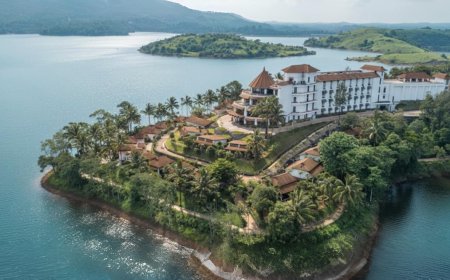
The Taj Madikeri Resort and Spa is positioned on a coffee hill ridge in the Kodagu district of Karnataka — the specific landscape of the Western Ghats that produces the most distinctive hill station character in southern India. The Kodagu district, more commonly known as Coorg, is the coffee capital of India — the source of approximately thirty percent of the country's coffee production — and the specific landscape that this agricultural heritage has produced, across three centuries of cultivation, is one of the most beautiful working landscapes in the subcontinent.
The resort sits on a ridge at an altitude of approximately eleven hundred metres above sea level — the elevation that gives Coorg its specific climate, different from the plains below and different from the higher peaks of the Western Ghats above. At eleven hundred metres, the temperature is consistently ten to fifteen degrees lower than the Karnataka plains, the air has the specific coolness and clarity of the hill station, the monsoon brings the extraordinary density of rainfall that the Western Ghats' windward slopes receive, and the post-monsoon landscape produces the specific quality of the Coorg green — the vivid, washed, layered green of the hill station after the rains, when the coffee plantations and the spice gardens and the forest are all simultaneously at their most vivid.
The resort's architecture reflects the Coorg landscape and the Kodava cultural tradition — the specific community of the Kodagu district whose martial history, distinctive language, and specific material culture make the Coorg identity unlike any other regional identity in Karnataka. The resort's design draws from the Kodava architectural vocabulary — the traditional ainmane, the ancestral home of the Kodava family, with its specific spatial organisation and its relationship to the surrounding agricultural landscape — and translates it into the contemporary luxury resort framework with the specific ambition of creating a property that is genuinely of its landscape rather than imposed upon it.
The coffee plantations that surround the resort are working plantations — the coffee that the resort serves is from these plantations, and the specific knowledge of the coffee production cycle that the resort's setting provides is available to the guests as a genuine educational and experiential element of the Coorg visit. The coffee tour, the plantation walk, the specific encounter with the Coorg coffee tradition at its source — these are available to the Taj Madikeri's wedding guests in a way that makes the venue's setting more than merely scenic.
The Valley View: Understanding What It Means for the Wedding
The valley view from the Taj Madikeri's ridge position is the element that makes this venue different from every other wedding venue in this series and that defines the specific quality of the Coorg wedding experience.
The Western Ghats landscape as seen from the Coorg ridge is not a single view. It is a sequence of views — the landscape in every direction from the ridge, each direction showing a different aspect of the same fundamental composition of ridges and valleys and forest and plantation that extends to the horizon. The Taj Madikeri's position on the ridge gives the resort the specific quality of being surrounded by this landscape rather than overlooking it from one direction — the valley in every direction, the ridges visible to the east and the west and the north and the south, the horizon in every direction at a distance that the imagination cannot easily contain.
The specific depth of the Coorg valley view — the quality that Kaveri had been unable to find words for since she was twenty-seven — is the product of the Western Ghats' specific topography. The Ghats are not a single ridge but a series of parallel ridges and valleys running roughly north-south along the western edge of the Deccan Plateau, and from the Coorg ridge the observer sees multiple parallel ridges receding into the distance, each slightly paler in the atmospheric haze than the one in front of it, each at a slightly different elevation, the whole composition producing the specific depth of field that makes the Western Ghats view different from any other mountain view in India.
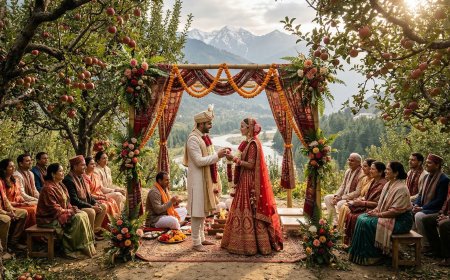
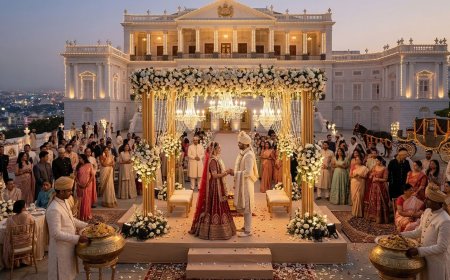
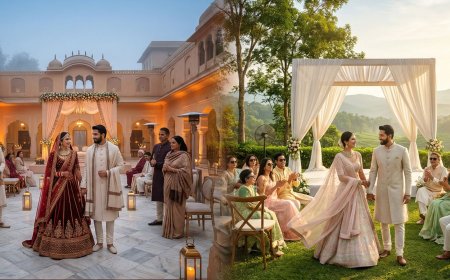
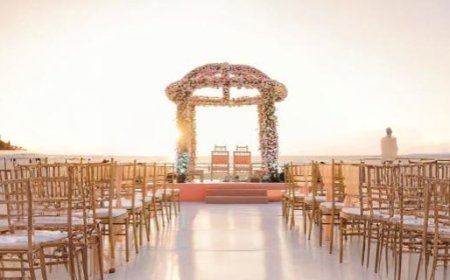
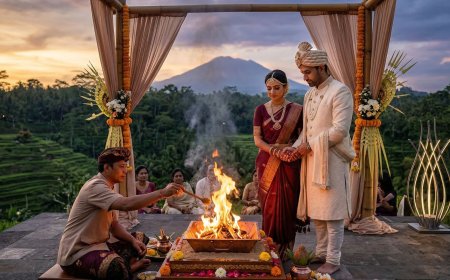
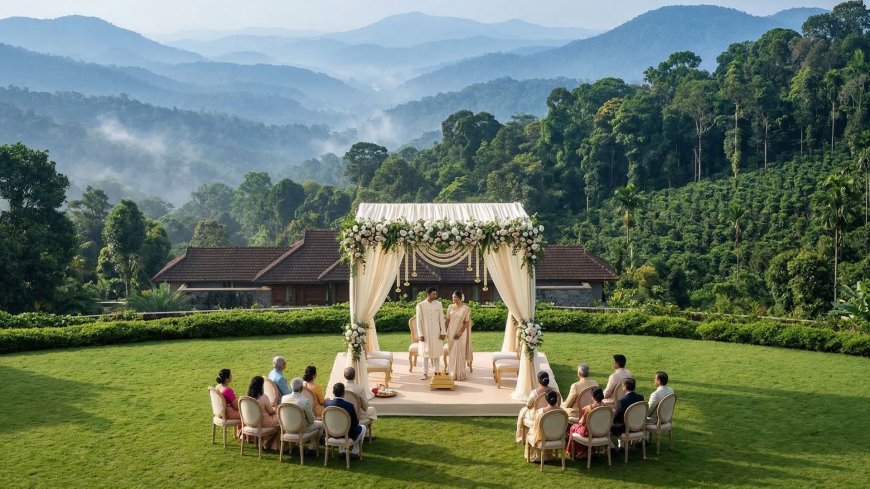
The wedding ceremony on the Taj Madikeri's ridge event lawn — the mandap in the centre, the valley visible in every direction below the ridge's edge, the composition of the ceremony and the landscape — is the ceremony in the most specific and the most compositionally extraordinary natural setting available at any wedding venue in this series. The ceremony photographs from this setting are not photographs of a couple in front of a beautiful background. They are photographs of a couple inside a landscape that goes on forever.
The Coorg Identity: The Kodava Cultural Heritage
The Kodagu district's specific cultural identity — the Kodava community, with its distinctive language, its martial history, its specific agricultural tradition, and its extraordinarily beautiful landscape — is the cultural context of the Taj Madikeri wedding and the context that gives the Coorg destination its specific character rather than the generic hill station character that the broader tourism industry sometimes assigns to it.
The Kodava people are among the most distinctive regional communities in India — the community whose traditional dress, the kacche panche for men and the specific wrapped saree style of the Kodava woman, is immediately recognisable; whose traditional weapons, the peeche kathi and the odikathi, are carried at ceremonies and festivals; whose traditional cuisine, based on the pork and the rice and the specific spices of the Coorg agricultural tradition, is among the most specific and the most extraordinary regional cuisines in Karnataka.
For the NRI couple from a Kodava background — the diaspora of this small, tightly knit community that has produced a disproportionate number of senior military officers, athletes, and professionals across India and in the global Indian diaspora — the Taj Madikeri wedding is the wedding in the homeland, the wedding in the specific landscape and the specific cultural tradition that the Kodava identity is rooted in. For the NRI couple from other backgrounds who has chosen Coorg, the Kodava cultural tradition provides the specific cultural engagement that the Coorg destination makes available and that the generic luxury resort does not.
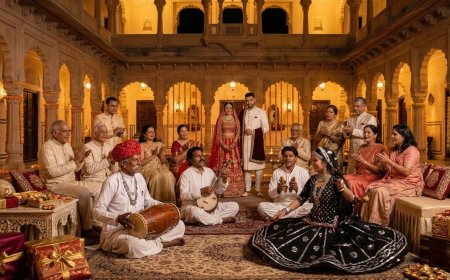
The Kodava martial arts tradition — the specific combat arts that the community has maintained across its martial history — is available as a cultural performance element at the Taj Madikeri wedding. The traditional music and dance of the Kodava community — the Bolak-aat and the Ummatt-aat, the traditional dances of the Kodava festival tradition — are the performance elements that most specifically communicate the cultural identity of the Coorg landscape to the international guests who have come for the wedding.
The Event Spaces: Ridge Grandeur at Every Level
The Hilltop Lawn: The Valley View Ceremony Space
The Hilltop Lawn is the primary event space of the Taj Madikeri — the outdoor ceremony and reception space on the ridge's highest accessible ground, with the Western Ghats valley view visible in every direction below the lawn's edges. The specific quality of the Hilltop Lawn is the quality that Kaveri had been looking for since she was twenty-seven: the valley in every direction, the ridges receding toward the horizon, the composition of the landscape that extends beyond the limits of the view.
The Hilltop Lawn accommodates up to two hundred and fifty guests for a seated ceremony and up to four hundred for a standing reception. The ceremony on the Hilltop Lawn — the mandap on the ridge with the valley visible in every direction, the couple taking the seven steps inside the Western Ghats landscape — is the ceremony that most completely delivers the Taj Madikeri's specific promise.
The morning ceremony on the Hilltop Lawn — the mist in the valleys below, the ridges emerging from the cloud as the sun rises, the specific quality of the Coorg morning at eleven hundred metres — is the ceremony setting that most completely communicates the hill station character of the venue. The evening ceremony — the Western Ghats in the late afternoon light, the ridges turning the specific warm green of the Coorg afternoon, the horizon in every direction producing the depth of field that the eye cannot resolve — is the ceremony that most produces the quality that Kaveri had been unable to find words for.
The Coffee Plantation Lawn: The Agricultural Setting
The Coffee Plantation Lawn — the event space within or adjacent to the resort's coffee plantation, with the coffee bushes and the shade trees of the plantation providing the enclosure and the agricultural landscape of the Coorg coffee tradition as the backdrop — is the event space that is most specifically of the Coorg working landscape.
The ceremony or the dinner in the coffee plantation — surrounded by the coffee bushes in their various stages of production, the shade trees providing the natural canopy, the specific atmosphere of the working plantation that is one of the most beautiful agricultural landscapes in India — is the event that most directly uses the Coorg agricultural heritage as the wedding's setting rather than merely its background.
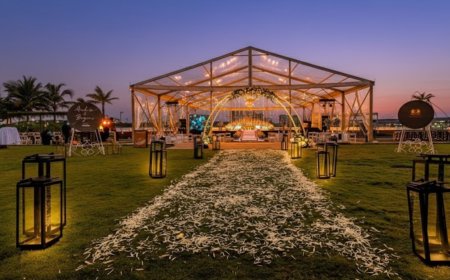
The coffee plantation accommodates up to one hundred and fifty guests for a standing reception and up to eighty for a seated dinner. The evening dinner in the coffee plantation — the lanterns among the coffee bushes, the shade tree canopy above, the fragrance of the Coorg spice garden adjacent — is the most intimate and the most specifically Coorg of the Taj Madikeri's event formats.
The Pavilion Ballroom: The Indoor Event Space
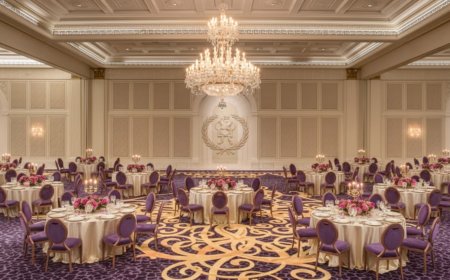
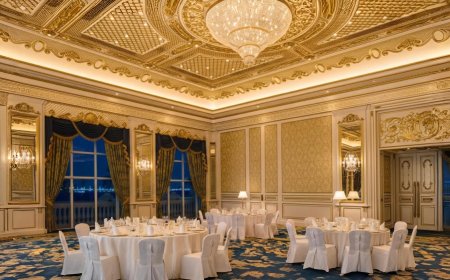
The Pavilion Ballroom provides the primary indoor event space — climate-controlled, with the contemporary event management infrastructure of the Taj Hotels group and the Coorg architectural vocabulary of the resort's interior design. The ballroom accommodates up to three hundred and fifty guests for a standing reception and up to two hundred for a seated dinner.
The Pavilion Ballroom's specific quality is the integration of the Kodava architectural aesthetic — the traditional carved wood, the specific stone elements, the material palette of the Coorg building tradition — into the contemporary luxury hotel interior. The sangeet in the Pavilion Ballroom, the formal wedding dinner for the full guest list — these are the events that the ballroom accommodates with the combination of the Taj Hotels' operational standard and the specific cultural aesthetic of the Coorg location.
The Infinity Pool Deck: The Horizon Social Space
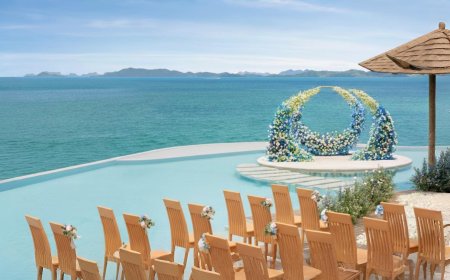
The Taj Madikeri's infinity pool — positioned on the ridge with the pool's edge meeting the visual horizon of the valley below — is the most photographed space at the property and the social heart of the wedding stay. The pool deck accommodates up to one hundred and fifty guests for a standing reception and up to eighty for a seated dinner.
The specific quality of the infinity pool at the Taj Madikeri is the visual merger of the pool surface with the valley below — the pool at the ridge's edge, the Western Ghats extending beyond the pool's far wall, the composition of the water and the landscape producing the specific quality of the infinity pool at height. The mehendi ceremony at the pool deck, the morning gathering before the day's events, the sundowner at the valley edge — these are the pool deck events that most directly use the ridge position's specific gift.
The Spa and Yoga Terrace: The Wellness Space
The resort's spa and yoga facility — one of the finest in the Western Ghats region — provides the wellness infrastructure for the wedding program. The yoga terrace, positioned on the ridge with the valley view as the practice's backdrop, is the morning yoga space that most specifically uses the Coorg landscape as the wellness context. The Ayurvedic treatments and the coffee-based spa rituals specific to the Coorg tradition provide the pre-wedding preparation program.
The coffee body scrub — the Coorg-specific spa treatment that uses the coffee grounds of the plantation in the exfoliation treatment that is specific to this landscape — is the spa experience that is uniquely available at the Taj Madikeri and that gives the wedding preparation program its most specific sense of place.
Comprehensive Pricing and Planning Reference
| Category | Detail | Approximate Range | Notes |
|---|---|---|---|
| Hilltop Lawn venue hire | Up to 250 seated / 400 standing | ₹8,00,000–₹16,00,000 per event | Valley view ceremony; ridge position |
| Coffee Plantation Lawn | Up to 80 seated / 150 standing | ₹3,50,000–₹7,00,000 per event | Agricultural setting; Coorg tradition |
| Pavilion Ballroom venue hire | Up to 200 seated / 350 standing | ₹7,00,000–₹14,00,000 per event | Indoor; Kodava aesthetic; full AV |
| Infinity Pool Deck | Up to 80 seated / 150 standing | ₹3,00,000–₹6,00,000 per event | Horizon pool; mehendi, cocktail |
| Full Resort Exclusive Buyout | All spaces combined | ₹25,00,000–₹45,00,000 per day | Complete coffee hill exclusivity |
| Accommodation — Deluxe Room per night | Standard rooms | ₹18,000–₹28,000 | Valley or garden views; hill station cool |
| Accommodation — Premium Room per night | Superior position | ₹25,000–₹40,000 | Enhanced valley views; ridge position |
| Accommodation — Suite per night | Full suite | ₹48,000–₹85,000 | Ridge suites; 360-degree valley panorama |
| Accommodation — Presidential Suite per night | Flagship | ₹1,10,000–₹2,00,000+ | Full butler; complete Western Ghats view |
| Accommodation — Full Resort Buyout per night | All rooms | ₹18,00,000–₹32,00,000 | Complete ridge resort exclusivity |
| Catering per cover — Kodava cuisine | Traditional feast | ₹2,500–₹4,500 | Pork curry, bamboo shoot preparations |
| Catering per cover — multi-course dinner | Contemporary | ₹3,500–₹6,000 | Taj culinary; Western Ghats ingredients |
| Catering per cover — daytime event | Lunch or breakfast | ₹2,000–₹3,500 | Full service; plantation and ridge options |
| Coffee plantation tour | Per group | ₹20,000–₹50,000 | Working plantation; harvest experience |
| Kodava cultural performance | Per performance | ₹80,000–₹2,50,000 | Traditional dance, martial arts, music |
| Coorg trekking experience | Per group | ₹15,000–₹40,000 | Ridge trail; valley descent; forest walk |
| Coffee spa ritual | Per person | ₹5,000–₹12,000 | Coffee scrub; Coorg-specific treatment |
| Décor and florals per event | Wedding decoration | ₹5,00,000–₹18,00,000 | Coorg green palette; coffee plant vocabulary |
| Photography and videography | Full wedding | ₹3,00,000–₹10,00,000 | Valley view and mist specialists |
| Sound and lighting per event | Indoor and outdoor | ₹2,50,000–₹7,00,000 | Ridge acoustic; valley wind management |
| Wedding planner fee | Full service | ₹5,00,000–₹13,00,000 | Coorg hill wedding experience preferred |
| Transport — Mysuru to Taj Madikeri | Per vehicle | ₹2,500–₹4,000 | 120 minutes; Western Ghats road |
| Transport — Mangalore Airport to Taj Madikeri | Per vehicle | ₹3,000–₹5,000 | 130 minutes; Coorg approach |
| Transport — Bengaluru to Taj Madikeri | Per vehicle | ₹4,500–₹7,000 | 250 kilometres; 5 hours |
| Total three-day wedding — 120 guests | Without buyout | ₹75,00,000–₹1,30,00,000 | Full Coorg ridge program |
| Total three-day wedding — 200 guests | Full program | ₹1,10,00,000–₹1,90,00,000 | Complete coffee hill wedding |
| Total three-day wedding — 250 guests, buyout | Full resort | ₹1,70,00,000–₹3,00,00,000+ | Peak season; full ridge exclusivity |
The Coorg Food Tradition: The Kodava Kitchen at the Wedding
The Kodava culinary tradition — the specific food culture of the Coorg community — is the culinary gift of the Taj Madikeri wedding and the culinary element that most specifically distinguishes the Coorg wedding from any other South Indian destination wedding.
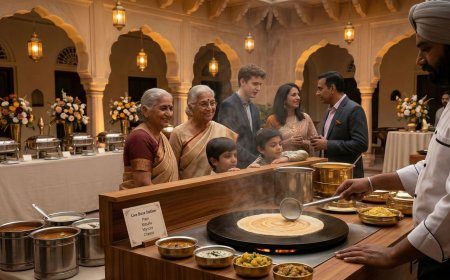
The Kodava cuisine is centred on pork — the specific preparations of the Coorg pork tradition, the pandi curry that is the most celebrated dish of the Kodava kitchen, the slow-cooked, spice-rich curry that uses the specific spices of the Coorg agricultural landscape — kachampuli, the dark, sour kodampuli vinegar that is the signature souring agent of the Kodava kitchen — and that produces a dish of extraordinary depth and complexity that is unlike any other pork preparation in India.
The pandi curry at the Taj Madikeri wedding dinner — served with the akki otti, the rice flour flatbread of the Kodava tradition — is the culinary moment that most completely communicates the cultural identity of the Coorg destination. The international guests who taste the pandi curry for the first time and who understand that this specific preparation exists here and nowhere else in India — who understand that the kachampuli in the curry comes from the Coorg landscape and that the pork is from the Coorg tradition and that the recipe has been in the Kodava kitchen since before any of the guests' grandparents were born — are guests who are eating the culture rather than merely the food.
The bamboo shoot curry — the specific preparation of the Coorg forest tradition, the bamboo shoot in the season after the monsoon when the shoots are most tender and the forest most productive — is the vegetarian element of the Kodava kitchen that has the same specificity as the pandi curry. The koli curry — the Kodava chicken preparation — is the poultry alternative for the non-pork eating guests. The payasa — the rice and coconut milk dessert of the Kodava tradition — is the sweet that ends the meal in the specific form of the Coorg kitchen.
Brief the kitchen team on the Kodava culinary tradition from the first menu planning conversation. Ask whether the kitchen has practitioners who know the tradition from the inside — who know the kachampuli's correct proportion in the pandi curry, who know the bamboo shoot's correct preparation. The kitchen that is enthusiastic about this conversation is the kitchen that will produce the wedding dinner that is specifically of Coorg.
The Monsoon Coorg: A Special Note
The Coorg monsoon — the June through September season when the Western Ghats receive the southwest monsoon's heaviest rainfall on the Indian subcontinent, the Kodagu district receiving between three thousand and five thousand millimetres of annual rainfall, most of it concentrated in these four months — is the season that produces the Coorg landscape at its most spectacular and its most operationally challenging simultaneously.
The monsoon Coorg is the Coorg of the extraordinary green — the specific vivid, saturated, impossible green of the Western Ghats when the rain has been falling for months and the vegetation is at its most luxuriant and the waterfalls are at their most dramatic and the coffee plantations are at their most beautiful in the complex of the flowering and the fruit set. The monsoon landscape of the Coorg valley view — the mist in the valleys, the rain on the ridges, the specific quality of the Western Ghats in the full monsoon — is the landscape that produces the most extraordinary photographs and the most challenging outdoor events simultaneously.
The monsoon wedding at the Taj Madikeri requires the indoor contingency for every outdoor event, the rain contingency in the event timeline, the specific operational awareness of the monsoon conditions that the ridge position produces. The wedding planner with Coorg experience knows the specific monsoon protocols of the Taj Madikeri — the trigger conditions for moving events indoors, the rain patterns of the Madikeri ridge, the specific moments in the monsoon when the outdoor event is possible and the moments when it is not.
The couple who chooses the monsoon Coorg wedding with full awareness of the season's character — who has planned the indoor contingency, who has briefed the vendors on the rain protocols, who understands that the mist in the valley on the morning of the ceremony is the gift of the monsoon season rather than an obstacle to it — is the couple who will experience the Coorg landscape at its most extraordinary and who will have the wedding photographs that are unlike any other wedding photographs from any other season at any other venue.
The Mist: The Most Extraordinary Morning Photography
The morning mist at the Taj Madikeri — the cloud that forms in the valleys below the ridge during the night and that sits in the valley depths at dawn, the ridges emerging from the cloud as the sun rises, the specific quality of the Western Ghats morning when the valley is in cloud and the ridge is in early sunlight — is the most extraordinary photography condition available at any venue in this series.
The couple portrait in the morning mist — the couple on the Hilltop Lawn in the early morning, the valley below in cloud, the ridges visible above the cloud line, the specific quality of standing on a ridge above the clouds — is the portrait that is specifically and permanently of the Western Ghats. The photograph of the couple with the mist in the valley below and the early Coorg light on the ridge is the photograph that no flat-site venue, no beach, no fort can produce in the same form.
The morning mist photography session requires the alarm call at five-thirty. The mist is typically present in the valleys from the overnight hours until approximately eight in the morning, when the sun has sufficient elevation to burn it off. The one-hour window between the first light and the burning of the mist is the window in which the most extraordinary Coorg photography is possible. Brief the photographer on the mist session as the non-negotiable must-capture. Set the alarm. Be on the ridge at six.
Common Mistakes NRI Couples Make With the Taj Madikeri Wedding
The first mistake is not incorporating the Kodava culinary tradition into the wedding dinner. The pandi curry, the koli curry, the bamboo shoot preparations, the kachampuli-based cooking of the Kodava kitchen — these are the culinary elements that make the Taj Madikeri wedding dinner specifically of Coorg rather than generically of a Taj Hotels luxury property. Brief the kitchen team on the Kodava tradition from the first planning conversation. Commission the pandi curry. Give the guests the food of the landscape they are in.
The second mistake is not scheduling the morning mist photography session. The mist in the valley at dawn is the most extraordinary photography condition available at the venue and it is available only in the window between first light and approximately eight in the morning. The photographer who is not briefed on the mist session, who is not at the Hilltop Lawn at six in the morning, will miss the images that define the Taj Madikeri wedding photography portfolio. Brief the photographer on the mist. Set the alarm. The mist will not wait.
The third mistake is not including the Kodava cultural performance in the wedding program. The traditional Bolak-aat and Ummatt-aat dances, the Kodava martial arts demonstration, the traditional music of the Coorg community — these are the cultural performance elements that most specifically communicate the identity of the Coorg destination to the international guests who have come for the wedding. The wedding program that does not include any element of the Kodava cultural tradition is the program that has used the Coorg landscape as a backdrop without engaging with the culture that created it.
The fourth mistake is not doing the coffee plantation tour for the international guests. The Taj Madikeri is on a working coffee plantation — the coffee that the resort serves comes from the estate — and the coffee plantation tour for the wedding guests is the experience that most directly uses this specific and extraordinary aspect of the venue's setting. The international guests who visit the plantation, who understand the coffee production cycle, who know that the coffee in their morning cup was on the bush within sight of their bedroom window — these guests are experiencing the Coorg landscape from the inside rather than the outside.
The fifth mistake is not using the valley view as the primary compositional principle of every outdoor event. The valley in every direction from the ridge is the most specific and the most extraordinary element of the Taj Madikeri setting, and every outdoor event — the ceremony, the dinner, the cocktail reception — should be designed and positioned to use this view rather than turning away from it. The mandap on the Hilltop Lawn should be positioned so that the valley is behind the couple in the ceremony photograph. The dinner tables on the Coffee Plantation Lawn should be oriented so that the guests at dinner are looking at the valley rather than at the plantation's interior. The valley is the point. Design everything to face it.
Kaveri's wedding was in October — the post-monsoon season when the Coorg landscape was at its most vivid, the rains having ended and the vegetation at its most saturated and the air at the specific clarity of the Western Ghats after the monsoon. The valley view from the Hilltop Lawn was extraordinary in the specific way that the October Coorg valley is extraordinary: the multiple ridges visible in their fully saturated post-monsoon green, the valleys between them in the specific blue-green haze of the Western Ghats autumn, the horizon in every direction at the distance that the eye could not resolve.
The ceremony was at eleven in the morning, the mist having cleared from the lower valleys by nine, the ridges in the early October light. Rohan had been on the ridge since six-thirty — he had been awake since five, not because of nerves exactly, but because the Coorg morning at six in the mist was the specific quality of experience that he had been unable to describe to people who had not been there, and the photography session in the mist with the photographer had produced, in the hour before the ceremony, the images that were the best images of the wedding.
The ceremony was at eleven and the valley was there for it, as it had been at six and as it was at the reception in the late afternoon and as it would be after the guests had gone and the resort had returned to its daily rhythm — the valley in every direction, the ridges receding toward the horizon, the composition extending beyond the limits of the view.
Kaveri said to Rohan at the reception, standing at the edge of the Hilltop Lawn with the valley below them: I found the words. He said: what are they? She said: it goes on forever. He said: that's two words. She said: and a direction. He said: it is sufficient. She said: it is exactly sufficient.
Commission the pandi curry from the first menu conversation. Schedule the mist photography session at six. Include the Kodava cultural performance. Do the coffee plantation tour for the international guests. Design every outdoor event to face the valley.
The valley goes on forever. The ridges will be there on your wedding morning. The mist will be in the valleys at dawn.
Set the alarm. Go to the ridge. Look.
Published by NRIWedding.com — The Premium Global Platform for Non-Resident Indians Planning Indian Weddings From Abroad.
What's Your Reaction?
 Like
0
Like
0
 Dislike
0
Dislike
0
 Love
0
Love
0
 Funny
0
Funny
0
 Angry
0
Angry
0
 Sad
0
Sad
0
 Wow
0
Wow
0