















































Beyond the Ritual: The NRI Couple's Complete Guide to Unity Ceremonies for Indian Weddings
The traditional Indian wedding ceremony is spiritually complete — and for many NRI couples, something personal is still missing. A moment that is specifically theirs. A gesture that both families can witness and understand regardless of their familiarity with the ceremony's ritual tradition. A unity act that makes visible what the standard ceremony does not express. This guide delivers a complete framework covering unity ceremonies drawn from India's regional traditions, adaptations from other cultural contexts, the process of creating entirely new rituals specific to the couple's own story, the officiant conversation that makes unity moments ceremony-ready, and the narration strategy that transforms a private gesture into a genuinely shared experience.


Unity Ceremonies for Indian Weddings: Beyond Traditional Rituals
The NRI couple's guide to incorporating meaningful unity moments into the wedding ceremony — whether adapting traditions from both cultural backgrounds, creating entirely new rituals, or finding the specific gesture that expresses what the standard ceremony does not
The Ceremony Had Everything. Something Was Still Missing.
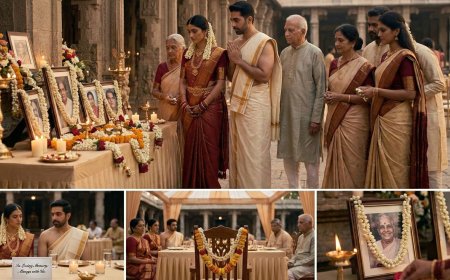
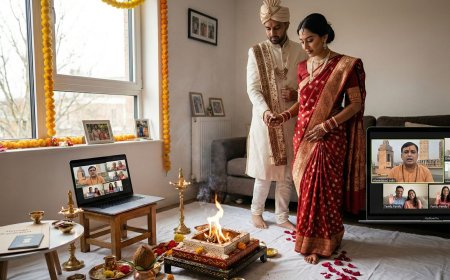
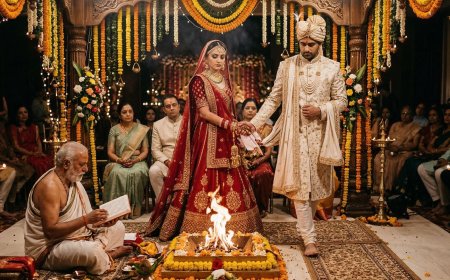
She could not have articulated it during the planning process. The ceremony was complete — the Vedic rituals conducted with full traditional protocol, the Vadhyar present, the sacred fire lit, the pheras completed, the sindoor applied in the specific moment that constituted the marriage in the tradition's terms. Everything that needed to be there was there.
What she noticed, in the weeks after the wedding when she was looking at the photographs, was a specific absence. There was no moment in the ceremony that was specifically theirs — no moment that could not have belonged to any couple in any Brahmin wedding across the past several centuries. The ceremony was beautiful and spiritually serious and culturally complete. It was also, in a specific sense, not about them.
Her husband had noticed the same thing from the opposite direction. He had been fully present for the ceremony — genuinely moved by the pheras, genuinely struck by the weight of what was happening. But his family — his mother, his sisters, his closest friends who had flown from three countries to be there — had spent the ceremony in a state of respectful attention that was different from the state of genuine participation. They had watched something beautiful that was opaque to them, and the ceremony's opacity had created a specific distance between his side of the gathering and the event that was being celebrated.
What both of them had wanted, without knowing how to ask for it, was a moment of unity — a gesture or ritual or specific act that was theirs, that both families could witness and understand, that created a shared experience within the ceremony rather than two families watching parallel experiences of the same event.
This is what unity ceremonies provide. And this is what this guide helps NRI couples design.
What a Unity Ceremony Is and What It Is Not
A unity ceremony is any ritual, gesture, or symbolic act incorporated into the wedding ceremony that specifically expresses the joining of two people — or two families, or two traditions — in a way that is distinct from and complementary to the ceremony's existing ritual structure.
Unity ceremonies exist across multiple wedding traditions. The unity candle of Western Christian ceremony. The sake sharing of the Japanese San-san-kudo. The handfasting of Celtic tradition. The wine sharing of Jewish ceremony. Each of these is a specific symbolic act that makes visible and tactile the abstract spiritual reality of two people becoming one — that gives the ceremony a moment of embodied, participatory meaning that witnessing alone cannot provide.
Indian regional wedding ceremonies are rich in unity symbolism — the palla that connects bride and groom during the pheras, the mangalsutra that visibly marks the new marital bond, the sindoor applied in the moment of ceremonial completion. These are themselves unity gestures of extraordinary power and meaning. The question of whether additional unity moments are needed or appropriate depends on the specific ceremony, the specific couple, and the specific gap — if any — between what the ceremony provides and what the couple needs it to express.
Unity ceremonies are not additions for their own sake. They are not decorative inclusions that make the ceremony more contemporary or more photographable. They are meaningful only when they arise from a genuine need — when there is something the ceremony is not expressing that the couple needs it to express, and when the specific unity gesture chosen is the authentic expression of that need rather than a borrowed ritual adopted because it is popular or visually effective.
Why NRI Couples Often Need Unity Moments Beyond the Standard Ceremony
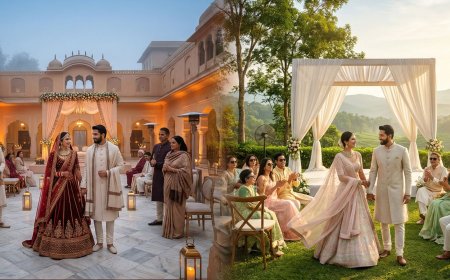
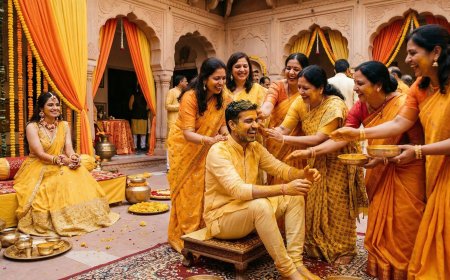
The NRI wedding ceremony typically brings together a more diverse gathering than the traditional Indian ceremony it draws from — not just in terms of geographic diversity but in terms of cultural and religious familiarity with the specific tradition being observed.
A Tamil Brahmin ceremony attended by four hundred guests of whom a significant proportion are not Tamil, not Brahmin, not Hindu, or not Indian at all is a ceremony whose standard ritual protocol may not create the shared participatory experience that a traditional gathering would naturally have. The mantras are in Sanskrit or Tamil. The ritual actions carry specific meaning within a specific knowledge tradition. The ceremony is fully legible to the family members who share that tradition and partially or wholly opaque to those who do not.
The unity moment serves a specific function in this context: it creates a shared moment — a gesture or act that is legible to all present regardless of their familiarity with the tradition being observed, that invites the entire gathering into a specific moment of collective witness, and that creates the specific emotional peak of the ceremony that the ritual protocol alone may not achieve for guests outside the tradition.
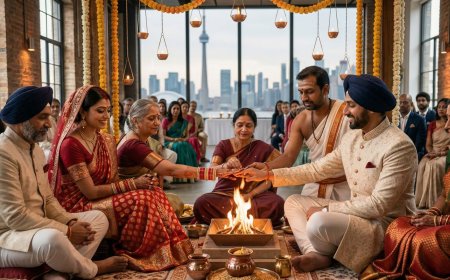
For inter-regional couples — where both the ceremony and the gathering span two distinct Indian traditions — the unity moment serves the additional function of creating something that belongs specifically to this couple's specific crossing of traditions. A Tamil Brahmin ceremony includes a unity gesture drawn from the Punjabi tradition, or a new gesture created specifically for this inter-regional joining, that acknowledges the meeting of the two traditions in a way the standard ceremony structure does not.
For NRI couples with significant international or non-Indian guest presence, the unity moment is often the ceremony's most widely shared emotional experience — the moment that transcends the cultural specificity of the surrounding ritual and creates something universal.
Unity Ceremonies Drawn From Indian Regional Traditions
India's extraordinary diversity of regional wedding traditions offers a vast and largely untapped resource for unity ceremonies — specific gestures and rituals from one regional tradition that can be incorporated meaningfully into another tradition's ceremony or into the gap between two traditions.
The Saptapadi — Seven Steps Together
The Saptapadi — the seven steps taken together in many Hindu wedding traditions, each step accompanied by a specific vow — is one of the most universal and most widely practiced unity gestures in the Hindu wedding tradition. In the traditions that include it as a standard ceremony element, it is the legal and spiritual moment at which the marriage is constituted. In traditions that do not include it, it can be incorporated as a unity gesture whose meaning is accessible to all witnesses.
The seven steps toward the seven intentions — food and sustenance, strength and health, prosperity and abundance, happiness and joy, children and progeny, long life, and eternal friendship — create a ceremony moment in which the couple's commitment is expressed through specific, named, spoken intentions rather than abstract vows. The physical act of walking together — side by side, toward the same direction, each step accompanied by a specific commitment — is one of the most simply powerful unity gestures available in any wedding tradition.
For NRI couples who want a unity moment that is deeply rooted in the Indian tradition while being legible to all guests, the Saptapadi — conducted in both the regional language and in English translation — provides both requirements.
The Madhuparka — The Sharing of Honey and Milk
The Madhuparka is a pre-ceremony ritual in the Vedic tradition in which a mixture of honey and milk or yogurt is offered to the groom — and in contemporary adaptations, shared between bride and groom — as a gesture of welcome and nourishment. The specific mixture — sweet, pure, and specifically prepared — carries symbolism of abundance, purity, and the specific sweetness of a life shared.
For couples who want a unity gesture that is intimate, specifically Indian, and not widely replicated in contemporary wedding culture, the Madhuparka sharing offers a beautiful and unusual option that photographs with a specific intimacy and that carries genuine traditional roots.
The Malai Badal — The Garland Exchange
The Malai Badal — the exchange of flower garlands between bride and groom — is a unity gesture present across many Indian regional traditions in different forms and carries universally accessible symbolism: the mutual offering and acceptance of the garland is a visible, legible gesture of mutual welcome and acceptance that requires no linguistic or ritual knowledge to understand.
The garland exchange has the additional visual quality of being one of the most photographically beautiful moments available in any Indian wedding ceremony — the colors of the garlands, the specific moment of placing and receiving, the expressions of the couple in this most visible and most personal of gestures.
For inter-regional ceremonies, a garland exchange that incorporates flowers from both regional traditions — the jasmine and roses of one tradition alongside the marigolds of another — creates a unity gesture that is itself an integration of the two traditions' floral identities.
The Mangalsutra as Unity Gesture
In traditions where the mangalsutra is a standard ceremony element, its application is itself a profound unity gesture — the visible, permanent marking of the new marital bond. For ceremonies where this tradition is not standard — or for inter-regional ceremonies where one tradition includes it and the other does not — incorporating the mangalsutra as a specific unity moment, with narration that explains its significance to all guests, creates a ceremony moment of genuine power.
The contemporary variation of the mangalsutra as mutual gift — both bride and groom presenting each other with a symbol of their commitment rather than only the groom presenting to the bride — is a unity adaptation that reflects the specific values of many NRI couples whose relationship to traditional gender conventions in ceremony is different from previous generations.
The Handfasting
Handfasting — the ritual tying of the couple's hands together with cloth — exists in some form across multiple South Asian wedding traditions and creates the most literally embodied unity gesture available: the couple is physically bound, their hands joined by the same cloth, during a specific period of the ceremony.
The specific Indian variation — the palla that connects bride and groom during the pheras, the specific way the cloth connecting them is arranged and held — is the Indian form of this gesture, and it is one of the most visually and symbolically rich unity elements in any Indian ceremony. For ceremonies where this is not a standard element, incorporating a handfasting with cloth specific to both regional traditions — one fabric from each family's textile heritage — creates a unity gesture that is deeply traditional while being specifically crafted for this couple's inter-regional joining.
Unity Ceremonies From Other Traditions, Adapted for Indian Weddings
For NRI couples whose guest gathering includes significant representation from non-Indian traditions, or for inter-cultural couples whose Western partner's tradition offers unity ceremonies of particular meaning, adapting elements from other traditions for incorporation into the Indian ceremony context can create additional layers of shared meaning.
The Unity Candle, Adapted
The unity candle — two individual candles used to light a single shared candle, representing two lives becoming one — is one of the most widely known unity ceremonies in the Western wedding tradition and one of the most easily adapted for an Indian wedding context.
The Indian adaptation: two small oil lamps — diyas — lit separately by representatives of each family, used together to light a larger central diya that burns for the remainder of the ceremony. The diya carries specific Indian ceremonial significance beyond the candle's Western symbolism — light in the Indian ceremonial context represents knowledge, purity, and the divine presence — and the specific form of the diya gives the unity gesture an unmistakably Indian aesthetic identity.
For inter-cultural NRI weddings where one partner's family is more familiar with the unity candle tradition, the diya version bridges both recognitions: it is immediately legible to Western guests as a unity candle variation while being specifically Indian in its form and its symbolic vocabulary.
Sand Ceremony, With Indian Materials
The sand ceremony — two separately colored sands poured together into a single vessel, the mixing of the sands representing the inseparable joining of two lives — is a contemporary unity ceremony that has no specific cultural origin but that carries accessible universal symbolism.
The Indian adaptation uses materials that carry specific Indian cultural identity: colored rice or colored spices rather than sand — or specific regional materials that are meaningful to the couple's specific backgrounds. A bride from Kerala and a groom from Rajasthan might use red soil from Rajasthan and dark rice from Kerala, the two materials mixing in a single vessel as a visible expression of the geographical and cultural meeting their marriage represents.
The vessel that holds the combined materials — a specific piece of pottery from one regional tradition, or a vessel that is itself significant within the family — becomes a wedding keepsake that carries the unity ceremony's memory into the couple's home.
The Tree Planting Ceremony
The tree planting ceremony — bride and groom planting a sapling together, mixing their individual portions of soil, watering the newly planted tree together — is a unity ceremony with both universal ecological symbolism and specific Indian cultural resonance. The tree as a symbol of life, growth, rootedness, and the specific shade provided to future generations is deeply embedded in Indian cultural and religious symbolism.
The specific tree chosen can carry additional meaning: the peepal tree's sacred significance in the Hindu tradition, the coconut palm's centrality to South Indian ceremonial life, the mango tree's specific associations with auspiciousness and abundance in multiple Indian regional traditions.
Creating New Unity Rituals: The Most Personal Approach
For NRI couples who want a unity moment that is specifically theirs — that reflects their specific relationship, their specific inter-cultural or inter-regional identity, or their specific values — creating a new ritual rather than adapting an existing one is the most personal and often the most powerful approach.
What a New Ritual Requires
A new unity ritual needs three things to function as genuine ceremony rather than as a performance or a staged moment: a specific symbolic act that is physically enacted during the ceremony rather than described or narrated, a clear symbolic meaning that is accessible to all witnesses without requiring explanation, and a genuine connection to the couple's specific story rather than a general statement about marriage that could belong to any couple.
The physical act is important: a unity ritual that is only spoken — a joint statement, a shared recitation — does not have the same embodied quality as one that involves a physical gesture. The joining of hands, the mixing of substances, the lighting of a flame, the planting of something — these physical acts create a tactile memory of the ceremony moment that words alone do not.
The accessible meaning is important: a unity ritual whose symbolism requires a lengthy explanation to be understood has not achieved the unity function, which is to create a moment of shared experience across all witnesses regardless of their background or knowledge.
The personal connection is the hardest requirement to meet and the most important: a unity ritual that is beautiful but generic — that could belong to any couple — does not achieve what a genuine unity ritual achieves. The ritual that is specifically yours, that references your specific story, that could not have been created for any couple other than the two of you, is the ritual that creates the ceremony moment that guests remember and that the couple returns to in memory for the rest of their lives.
Finding the Right Gesture
The process of finding the right unity gesture for a specific couple begins not with the ritual catalogue but with the couple's own story. What elements of your specific relationship — your meeting, your shared life, your specific values, the things that are genuinely yours together — could be expressed in a symbolic physical act during the ceremony?
A couple who met because of a shared passion for a specific activity. A couple who have lived in multiple countries and whose geographical journey is part of their story. A couple whose families are from two regions whose specific natural landscapes, textiles, foods, or materials could be made physically present in the ceremony. A couple whose specific values — a commitment to a particular cause, a shared spiritual practice, a specific way of being in the world together — could be expressed in a ritual act that makes those values visible to all who witness it.
The conversation between the couple and the ceremony officiant — or with a trusted wedding planner who has experience helping couples design personal ceremony elements — is often what reveals the specific gesture. It begins with the question: what do you want people to understand about who you are and what this marriage means, that the standard ceremony does not express? And it moves toward the specific physical act that could make that understanding visible.
The Officiant Conversation: Making Unity Moments Ceremony-Ready
Any unity ceremony incorporated into a traditional Indian ceremony must be planned in explicit conversation with the ceremony officiant — the Pandit, Vadhyar, Granthi, or other ritual specialist who is conducting the ceremony.
Not all officiants are open to the incorporation of non-traditional elements. Some officiants who are open to the concept in the abstract have specific requirements about where in the ceremony additional elements can be placed and what forms they can take. The conversation about unity ceremonies must happen early in the planning process — before the unity ceremony is communicated to families or included in the ceremony programme — to ensure that what is planned is actually possible within the ceremony structure being used.
The questions to ask the officiant: is there a natural place within the ceremony structure where an additional unity moment could be incorporated without disrupting the ritual flow? Are there specific types of unity gestures that would be inappropriate or contradictory within this specific ceremony tradition? Are there existing elements of the ceremony that could be expanded or made more participatory to serve the unity function without adding entirely new elements?
Some of the most effective unity moments in Indian weddings are not additions to the standard ceremony but expansions of existing elements — the exchange of garlands given additional time and narration, the application of sindoor accompanied by a moment of stillness and narration that makes its meaning visible to all witnesses, the final aarti given a participatory dimension that allows family members from both sides to be genuinely involved.
The Timing and Placement
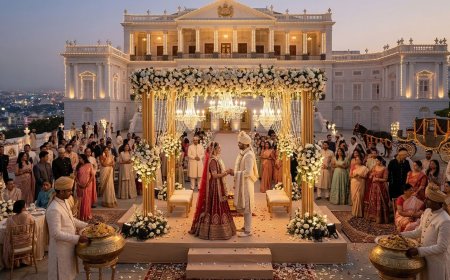
Within the ceremony structure, the placement of a unity moment matters significantly for its impact. A unity moment placed at the ceremony's natural emotional peak — after the pheras in a Hindu ceremony, after the fourth Lav in the Anand Karaj — can serve as the ceremony's culminating emotional expression, giving the witnessed ritual a personal final moment before the formal conclusion.
A unity moment placed at the ceremony's opening — before the standard ritual begins — serves a different function: it establishes the personal register of the ceremony before the traditional ritual takes over, telling all gathered who these specific people are before the ceremony enacts what tradition says they must become.
A unity moment placed midway through the ceremony — at a natural pause in the ritual sequence — serves yet another function: it provides a moment of stillness and personal presence within what may otherwise feel like an extended and complex ritual sequence, creating a breath of the personal within the traditional.
The placement decision depends on what the unity moment is intended to achieve and on the officiant's guidance about where in the specific ceremony structure it can most naturally sit.
The Narration: Making the Moment Shared
The unity ceremony's function — creating a moment of shared experience across all witnesses — is achieved not only by the gesture itself but by the narration that contextualises it. Even the most symbolically accessible gesture benefits from a brief narration that names what is happening and why it is happening, that connects the gesture to the couple's specific story, and that invites all present into the moment as participants in the witness rather than observers of the performance.
The narration should be brief — a unity ceremony that requires five minutes of explanation before it can be conducted has not achieved the accessibility it was designed to create. It should be warm and personal rather than formal and ceremonial — the unity moment is specifically the moment in the ceremony that is about these two people rather than about the tradition, and the narration should reflect this. And it should be available in all languages relevant to the gathering — translated in real time or provided in written form in the ceremony programme — so that guests from outside the ceremony's primary language have equal access to the moment's meaning.
The Memory That Remains
The wedding ceremony is the most densely meaningful event that most people participate in across their entire lives. It contains — within its ritual structure, its symbolic actions, its specific moments of witnessed commitment — a concentration of meaning that the ordinary structure of daily life does not approach.
The unity moment within the ceremony is the element that makes the couple most specifically present within that meaning. It is the moment that is irreducibly theirs — that could not belong to any other couple, that expresses what is specifically true about this specific joining, that gives all witnesses the experience of seeing not just a wedding but this wedding.
For NRI couples whose wedding ceremony is navigating between traditions, between geographies, between the community expectations of two families and the personal vision of two people — the unity moment is often the ceremony's center of gravity. The moment everything else is moving toward and away from.
Find the gesture that is genuinely yours. Place it with care within the ceremony that surrounds it. And trust that the moment created — brief, physical, specific, witnessed by everyone who came to share it — will be the moment your guests carry home and that you return to for the rest of your life.
NRIWedding.com — Expert guidance for Indian weddings planned across borders.
What's Your Reaction?
 Like
0
Like
0
 Dislike
0
Dislike
0
 Love
0
Love
0
 Funny
0
Funny
0
 Angry
0
Angry
0
 Sad
0
Sad
0
 Wow
0
Wow
0