






















































Baba's Hands Remember: The Complete Guide to Sampradaan for NRI Bengali Families
Sampradaan — the sacred moment when a Bengali father places his daughter's hand into the groom's — is considered the most spiritually complete and emotionally profound ritual in the entire Bengali Hindu wedding. Rooted in Vedic tradition and carried across oceans by NRI families in London, Toronto, New York, Dubai, and Melbourne, this ancient ceremony of giving transforms parental love into a sacred act witnessed by fire and cosmos alike. This complete guide covers the ritual's meaning, community variations, and practical advice for Bengali NRI couples planning authentic ceremonies at home or in Kolkata.


Sampradaan — the sacred moment when a Bengali father places his daughter's hand into the groom's and gives her to the world — is considered the most emotionally devastating and spiritually complete act in the entire Bengali Hindu wedding. For NRI Bengali families in London, Toronto, New York, Dubai, and Melbourne, this single ritual carries the full weight of cultural identity, parental love, and the determination to carry an ancient ceremony across every ocean that separates them from home.
You remember the way your baba looked at you on ordinary days — across the dinner table in Mississauga, at your graduation in a hall that smelled nothing like Kolkata, in the airport the first time you left for university with two suitcases and a phone full of his contact number. He never said much. He didn't need to. You knew.
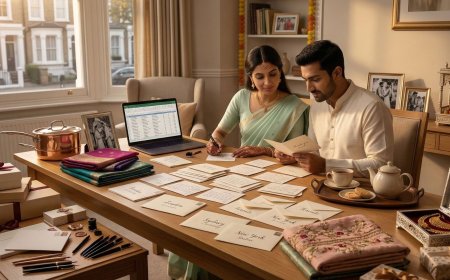
Now you are planning your wedding. And somewhere in the middle of the vendor calls and the lehenga fittings and the catering spreadsheet, you have arrived at the ritual that your mother cannot speak about without leaving the room. The ritual your baba has been quietly preparing for since the day you were born. The moment when he will hold your hands in both of his, place them into someone else's, and say — in Sanskrit older than any language either of you speaks — that he gives you freely, with his whole heart, and asks the universe to witness it.
That ritual is Sampradaan. And there is nothing else quite like it in the world.
🌟 Did You Know?
- Sampradaan is considered the single most spiritually significant moment in a Bengali Hindu wedding — even more so than the Saat Paak [seven circles] or the Sindoor Daan [vermillion application]. Classical Bengali wedding texts classify it as the moment the wedding is legally and spiritually complete in the eyes of Vedic tradition.
- The word Sampradaan derives from the Sanskrit sam [complete, whole] and pradaan [the act of giving] — making it literally "the complete giving." In ancient Vedic law, this act of Kanyadan [gift of the virgin daughter] was considered one of the highest forms of dana [sacred giving] a parent could perform in a lifetime, equivalent in spiritual merit to donating gold or land.
- In Bengali diaspora communities, surveys conducted by cultural preservation organisations indicate that Sampradaan is the ritual most frequently cited by second-generation NRI Bengalis as the moment they felt most connected to their heritage — often by individuals who describe themselves as otherwise secular or non-practicing.
What Is Sampradaan?
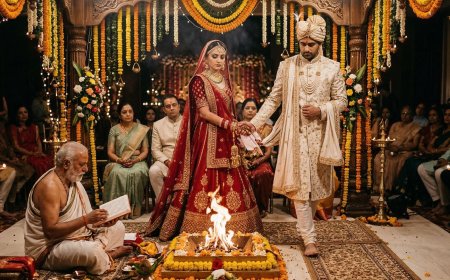
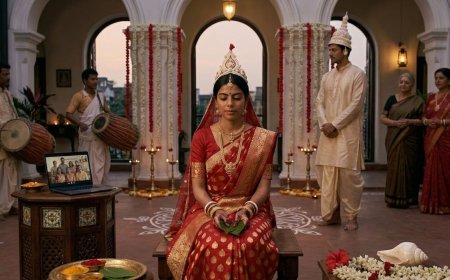
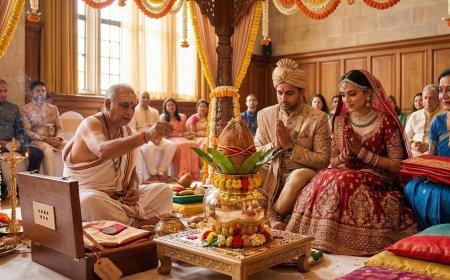
Sampradaan [the complete giving of the bride] is the ritual heart of the Bengali Hindu wedding. It occurs during the main wedding ceremony, typically after the bride has been brought to the wedding mandap [sacred canopy] on a wooden seat called the piri [low ceremonial stool], carried by her brothers in a ritual called Shubho Drishti prep — her face hidden behind two betel leaves called paan [sacred leaf].
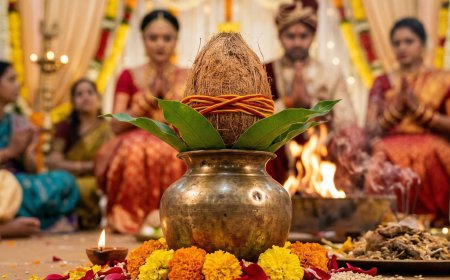
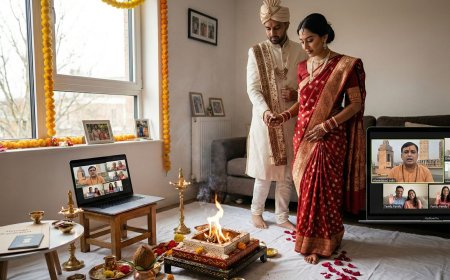
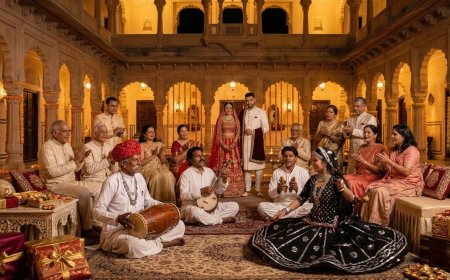
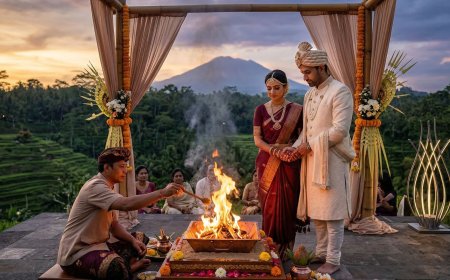
When the auspicious moment arrives, the bride's father — or in his absence, her nearest male guardian — takes his daughter's right hand. The mother stands beside him, her hand over his. Together, they place the bride's hand into the groom's right hand. The purohit [Hindu priest] guides the couple and the parents through Sanskrit mantras that formalise this transfer, this giving, in the presence of Agni [the sacred fire] as divine witness.
What makes Sampradaan distinctively Bengali is its layered emotional and material completeness. The father does not simply give his daughter's hand — he gives her with Tulsi [sacred basil leaves], with water from the Ganga or a sacred vessel, with flowers, with gold, and with the full weight of his sankalpa [sacred vow and intention]. The mantras he recites are not passive blessings. They are active declarations: I know what I am doing. I am choosing this. I give her not because I must but because I trust.
The mother's weeping during Sampradaan is not incidental. It is, in the Bengali tradition, considered a sacred sound — the sound of a family completing itself by letting go.
Community Comparison Table
| Community / State | Local Name | Key Tradition | How NRIs Abroad Adapt It |
|---|---|---|---|
| Bengali Hindu (Brahmin/Kayastha) | Sampradaan | Father and mother give bride's hand together; Tulsi, water, gold offered; purohit leads Sanskrit mantras | Performed in full at banquet halls; NRI families source Ganga jal [sacred Ganges water] from Indian grocery stores or bring from India |
| Bengali Hindu (Baidya) | Sampradaan | Slight variation in mantra sequence; strong emphasis on gotra [ancestral lineage] declaration | Gotra details confirmed with family elders in Kolkata before briefing overseas purohit |
| Goan GSB Brahmin | Kanyadan | Coconut and betel nut central to giving ritual; Konkani mantras used alongside Sanskrit | GSB Sabha networks in diaspora cities assist with community-specific purohits |
| Marathi Brahmin | Kanyadan | Antarpat [cloth screen] held until auspicious moment; Mangalashtak sung simultaneously | Marathi community associations in Toronto and London support full ritual |
| Punjabi Hindu | Kanyadan | Performed with pheras [sacred circles]; less formally separated from main ceremony | Large Punjabi diaspora means full ceremony infrastructure available in most cities |
| Tamil Brahmin | Kanyadan / Kanyadaanam | Performed with specific Vedic mantras; groom receives bride while seated; highly formalised | Tamil Sangams in every major diaspora city; experienced purohits widely available |
| Rajasthani | Kanyadan | Performed under mandap with fire; family songs sung simultaneously | Adapted with recorded folk music; ritual items from Indian stores in Houston and London |
| Gujarati | Kanyadan | Father gives daughter's hand; groom places his right hand below; seven steps follow immediately | Gujarati community infrastructure in diaspora cities among strongest in Indian diaspora |
| Himachali | Kanyadan | Village deity invoked before giving; outdoor ceremony traditional | Deity invocation performed symbolically at local mandir before main ceremony |
| Kumaoni | Kanyadan / Daan | Community witnesses essential; neighbourhood elders traditionally present | Community members from local Indian associations invited to serve as witnesses |
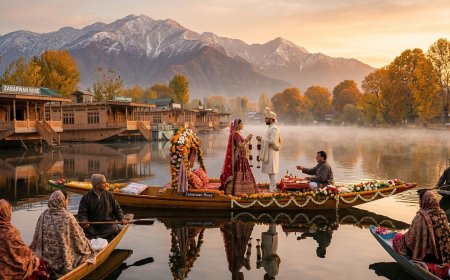
| Kashmiri Pandit | Kanyadan / Lagan | Performed with specific Kashmiri Pandit mantras; mustard oil and walnuts offered | KP Sabhas in London and Toronto maintain purohit networks for authentic ceremony |
| Odia Brahmin | Sampradaan | Very close to Bengali tradition; shared cultural and linguistic roots | Often uses Bengali purohits when Odia priests unavailable; traditions closely compatible |
The Meaning Behind the Ritual
In the Vedic philosophical system, dana [the act of giving] is one of the highest expressions of human consciousness — it is the deliberate release of attachment, performed not from loss but from love. Kanyadan, of which Sampradaan is the Bengali perfection, is classified in ancient texts as Mahadan [the great giving] — a giving so complete and so irreversible that it is considered to generate more spiritual merit than almost any other act a householder can perform.
But to understand Sampradaan only through the lens of merit and tradition is to miss what it actually is. It is a father saying: I have loved you so completely that I am now capable of releasing you. I have done my work. I have raised a whole person. And now I trust the universe — and this person standing before you — enough to let you walk into your own life.
The water poured during Sampradaan is not symbolic washing. In Vedic understanding, water is the medium through which sankalpa [sacred intention] travels from the human world to the divine. The gold given is not dowry — it is the material form of a blessing, a prayer made tangible. The Tulsi leaves are present because Tulsi represents Lakshmi [the goddess of abundance and grace] — the father is sending his daughter into her new life accompanied by the goddess herself.
For a non-Indian partner or guest: "This is the moment when her father tells the universe, with his whole being, that he trusts you with the most precious thing he has ever been given to protect."
Performing Sampradaan Abroad: The Practical Reality
Let us be specific, because this ritual deserves specificity.
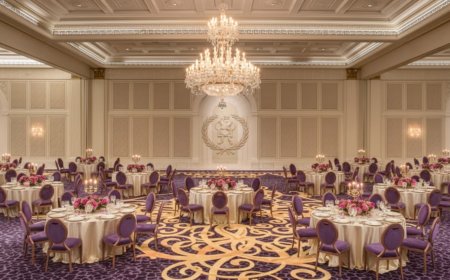
The first and most important task for NRI Bengali couples is finding a Bengali purohit who knows the correct Sampradaan mantra sequence in the Bengali Brahmin tradition. This is not a minor distinction — the Bengali wedding mantra tradition is linguistically and ritually distinct from North Indian, South Indian, and even Odia traditions, and a general Hindu priest who does not know Bengali wedding customs may perform a structurally similar but ceremonially incomplete Sampradaan. In London, the Bengali community around Whitechapel, Bethnal Green, and Ilford has a network of purohits who serve the diaspora; the Durga Puja committees in these areas are your best source of referrals. In Toronto, the Bengali community in Scarborough and the Bengali Cultural Society of Toronto maintain active community networks. In New York, the Bengali associations in Jackson Heights and the wider South Asian community in New Jersey have established purohit networks. In Dubai, the Bengali Samaj Dubai is an organised community body that can assist with priest referrals. In Melbourne, the Bengali community in Box Hill and the wider South Asian network in the eastern suburbs is your starting point.
For ritual items, Sampradaan requires Ganga jal [sacred Ganges water], Tulsi leaves, flowers, gold, betel leaves and areca nuts, and a kalash [sacred water vessel] decorated with mango leaves. Ganga jal is available in sealed bottles at most Indian grocery stores internationally — in London at Green Street and Drummond Street, in Toronto at the Gerrard Street East stores, in Dubai at Meena Bazaar, in Sydney at Harris Park in Parramatta, and in Houston along Hillcroft Avenue. Fresh Tulsi is harder to source but can often be found at Indian grocery stores that stock fresh herbs, or grown easily at home with two to three weeks' notice — many NRI Bengali families keep a Tulsi plant specifically for this purpose.
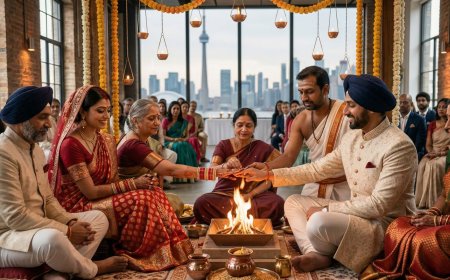
Fire at venues is relevant because Sampradaan occurs within the broader wedding ceremony that includes Agni [sacred fire]. The same practical guidance applies as for any fire ceremony: confirm venue policy in writing, use a contained havan kund [fire vessel], brief the venue coordinator, and ensure ventilation. Most experienced Bengali purohits who work with diaspora couples have navigated this challenge before and will advise you.
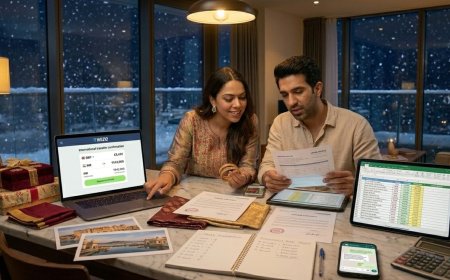
For coordinating with Kolkata, IST is GMT+5:30. For a London ceremony, the Sampradaan moment at 3 PM gives Kolkata family a comfortable 8:30 PM viewing slot. For Toronto, a 5 PM ceremony means a 3:30 AM Kolkata connection — difficult but, for grandparents watching their grandchild's Sampradaan, rarely refused. Assign one dedicated family member as streaming coordinator and position the camera where both the father's face and the joined hands are clearly visible. That frame is the one everyone in Kolkata will screenshot and keep.
Sampradaan as a Destination Wedding in West Bengal or Goa
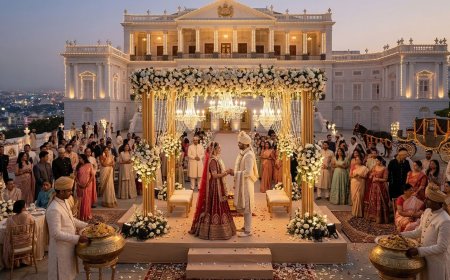
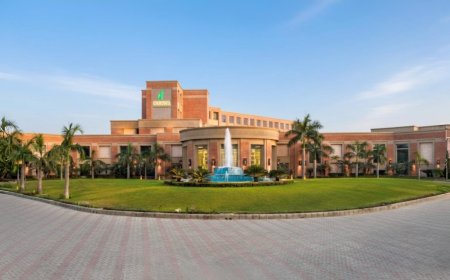
Returning to Bengal for a destination wedding Sampradaan is an act of homecoming that the ritual itself seems to call for. Kolkata offers extraordinary wedding venues — from the grand heritage halls of Ballygunge and Alipore to intimate ancestral homes in North Kolkata's old lanes — all with local purohits who know the complete Bengali wedding tradition without briefing. The Dakshineswar and Belur Math areas carry a spiritual atmosphere that NRI families find deeply moving for pre-wedding rituals.
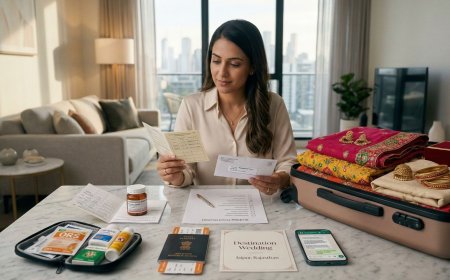
When coordinating a destination wedding in Kolkata from abroad, book your purohit minimum six months in advance — experienced Bengali wedding priests who work with NRI families are in high demand, particularly during the winter wedding season between November and February. Provide your purohit with your gotra [ancestral clan lineage], your rashi [astrological birth sign], and your family's specific community tradition in writing before your arrival.
For non-Indian guests attending a Kolkata destination wedding, the city itself does much of the cultural translation work. The food, the streets, the Durga Puja energy that permeates the culture even outside festival season — all of it creates context that helps non-Indian guests understand that they are inside something very alive, not merely observing something historical.
What You Need: Ritual Checklist
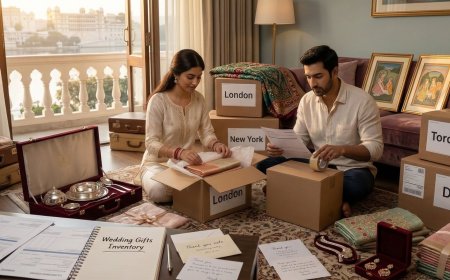
Ritual Items: Ganga jal in a sealed vessel or kalash, fresh Tulsi leaves, betel leaves and areca nuts, marigold and white flower garlands, gold for the formal giving, a wooden piri [ceremonial stool] for the bride, a havan kund and fire materials, camphor, ghee, rice, and a clean white dhoti for the bride's father to wear during the ritual if following strict tradition.
People Required: A Bengali purohit with specific knowledge of Bengali wedding Sampradaan mantras, the bride's father and mother both present and participating, the groom and bride, a minimum of two family witnesses, a dedicated streaming coordinator for relatives in India, and a photographer briefed to capture the father's face and joined hands during the ritual's climactic moment.
Preparation Steps: Confirm your purohit's familiarity with Bengali Sampradaan tradition explicitly and early. Provide gotra, rashi, and family community details in writing. Source Ganga jal and Tulsi minimum one week before. Confirm venue fire policy in writing. Brief the bride's father privately on the mantra responses he will need to give — many fathers appreciate knowing what is coming so they can hold themselves together long enough to complete it. Test your live-stream setup 24 hours before the ceremony.
NRI.Wedding connects Bengali couples with community-knowledgeable purohits, ritual item suppliers in diaspora cities, and photographers experienced in documenting emotionally complex sacred ceremonies. Visit our vendor directory to begin.
5 Questions NRI Couples Always Ask
The bride's father passed away. Who performs Sampradaan?
This is the question no one wants to ask and everyone needs answered. In Bengali tradition, Sampradaan can be performed by the bride's nearest male guardian — her uncle, elder brother, or grandfather — with her mother's hands placed over his throughout. Some families choose to have the mother perform the ritual alone, with a purohit's guidance, which is a deeply moving adaptation that many contemporary Bengali purohits fully support. What matters is the intention, the love, and the completion of the act. The ritual holds regardless of who holds the hands, provided they hold them with everything they have.
My partner is not Indian and does not have a Hindu background. How do we make Sampradaan meaningful for them?
Many NRI couples with non-Indian partners have found that Sampradaan is the ritual that moves non-Indian partners most profoundly — precisely because it requires no cultural background to understand. A father giving his daughter to the person she loves, with tears and Sanskrit and gold, communicates across every border. Ask your purohit to provide a brief English explanation of the mantra's meaning at the moment it is performed. Ask your partner to receive the bride's hand with both hands, which is the gesture of receiving something precious. Nothing more is needed.
How do we involve the bride's mother more formally when tradition centres the father?
This is a question many modern NRI Bengali families are actively renegotiating, and thoughtfully. The most common and powerful adaptation is to have both parents hold the bride's hands simultaneously and place them together into the groom's hands — which some purohits already include as standard practice. The mother's role in the mantra can also be made explicit rather than silent, with the purohit inviting her verbal assent at the key moment. Discuss this with your purohit early and find a form that your family finds complete.
Can Sampradaan be performed outdoors or does it require a specific enclosed space?
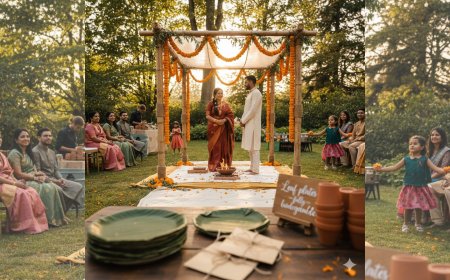
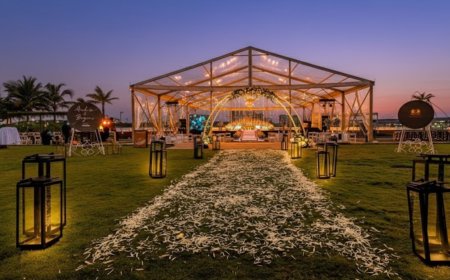
Sampradaan requires the presence of the sacred fire, which means it requires a space where fire is possible — but it does not require enclosure. Outdoor weddings with proper fire safety provisions are absolutely compatible with Sampradaan. The open sky has always been a valid witness in Vedic tradition — arguably more so than any ceiling. Ensure your outdoor venue has wind protection for the havan kund and confirm fire regulations with local authorities in advance.
We registered civilly six months ago. Does that affect the spiritual validity of Sampradaan?
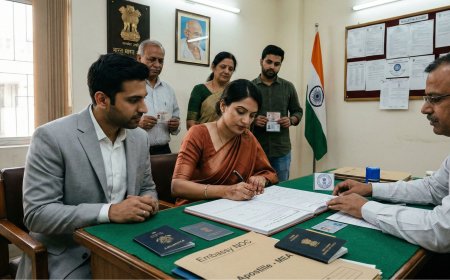
Not at all. Sampradaan's spiritual validity is entirely independent of civil registration status. The Vedic tradition is not in conversation with the local registry office — it is in conversation with the cosmos. Your purohit will perform the ceremony with complete ritual integrity regardless of prior civil proceedings. What matters is that you are present, your father is present, your intention is complete, and the fire is lit.
The Emotional Angle
There is no preparing for Sampradaan. Families think there is. Fathers spend weeks telling themselves they will hold it together. They practice the mantra responses in the bathroom mirror. They buy new white kurtas they won't look down at because they know if they look down they will see their daughter's hand in theirs for the last time before everything changes.
For NRI Bengali families, Sampradaan arrives weighted with everything the diaspora carries. The father who left Kolkata at twenty-three with a degree and a dream and built a life in Edmonton or East London or Abu Dhabi — who raised his daughter in schools that had never heard of Rabindranath Tagore, who drove her to dance class and SAT prep and university orientation, who stood in airports too many times to count watching her walk away toward her own life — this father has been preparing for this moment without knowing it since the day she was born.
And when the purohit guides his hands, and the Sanskrit rises in the room, and he feels his daughter's fingers in his palm for the last time as his daughter alone — not yet given, not yet fully released — something in him completes. Not breaks. Completes.
This is what Sampradaan does. It gives grief a form so beautiful that it becomes something else entirely.
You will cry. Your baba will try not to. He will fail. It will be the most beautiful thing you have ever seen.
A Moment to Smile
At Riya and James's wedding in Houston last December, everything about the Sampradaan was perfect — until the moment Riya's father, Sudipta, a man who had given speeches at board meetings and never once been visibly rattled, attempted to repeat his Sanskrit mantra after the purohit and — overcome by a combination of emotion and thirty years of not having spoken Sanskrit — produced something that the purohit later described, diplomatically, as "a sincere approximation."
The purohit repeated the line gently. Sudipta tried again. The room, which had been weeping in absolute silence, began to make the particular sound of people trying very hard not to laugh while also still crying.
James, who had been watching his soon-to-be father-in-law with complete concentration and visible love for twenty minutes, leaned very slightly toward Riya and whispered: "He's doing great."
Riya's mother laughed so hard she had to sit down. Sudipta finished the mantra on the third attempt, perfectly. He has not stopped telling the story since.
Quotes From the Diaspora
"I thought I understood what Sampradaan was. I had been to five Bengali weddings. I had cried at all of them. And then it was my turn to sit on the piri and feel my baba's hands on mine, and I understood that I had understood nothing. Nothing prepares you for being the one it happens to." — Priya Chatterjee, Bengali Brahmin, London
"My husband is from County Cork. He does not speak Sanskrit, he had never been to a Hindu wedding, and he stood there during Sampradaan with both hands out to receive my daughter's hand as if he had been waiting his whole life to do exactly that. I did not expect to love him more in that moment than I already did. I was wrong." — Mitali Bose, mother of the bride, Bengali Kayastha, Toronto
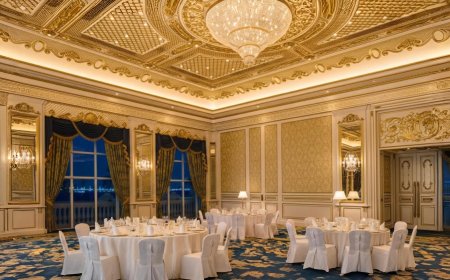
"We did our Sampradaan in a hired hall in Southall because we couldn't afford to go back to Kolkata. My baba wore the same white dhoti he wore to his own wedding thirty-two years ago. It still fit. When the purohit started the mantra I looked at my baba's face and I thought — it doesn't matter where we are. We brought Kolkata with us." — Shreya Ganguly, Bengali Hindu, London
Your Roots Travel With You
Sampradaan is not a ceremony that requires a specific river, a specific city, or a specific sky above it. It requires a father, a daughter, a fire, and the willingness to complete what love asks of you. NRI Bengali families have been proving this in hired halls and hotel ballrooms and living rooms across every diaspora city for generations — and the ritual has not diminished. If anything, performed three thousand miles from the Hooghly River, it carries more weight, not less. Because every element had to be chosen. Nothing was automatic. Everything was an act of will.
NRI.Wedding supports Bengali couples and families with purohit connections across London, Toronto, Dubai, New York, Melbourne, and Houston, alongside ritual item sourcing guides, ceremony photographers who understand the emotional architecture of Bengali weddings, and planning checklists built for diaspora realities.
Baba's hands remember. Let them give you fully.
This in-depth guide to Sampradaan in Bengali Hindu weddings covers the ritual's Vedic origins, emotional significance, community variations, and practical advice for NRI Bengali families in London, Toronto, New York, Dubai, Melbourne, and Houston planning authentic ceremonies at home or as destination weddings in Kolkata.
What's Your Reaction?
 Like
0
Like
0
 Dislike
0
Dislike
0
 Love
0
Love
0
 Funny
0
Funny
0
 Angry
0
Angry
0
 Sad
0
Sad
0
 Wow
0
Wow
0