



















































The NRI Bride's Complete Area-by-Area Guide to Wedding Shopping in Jalandhar
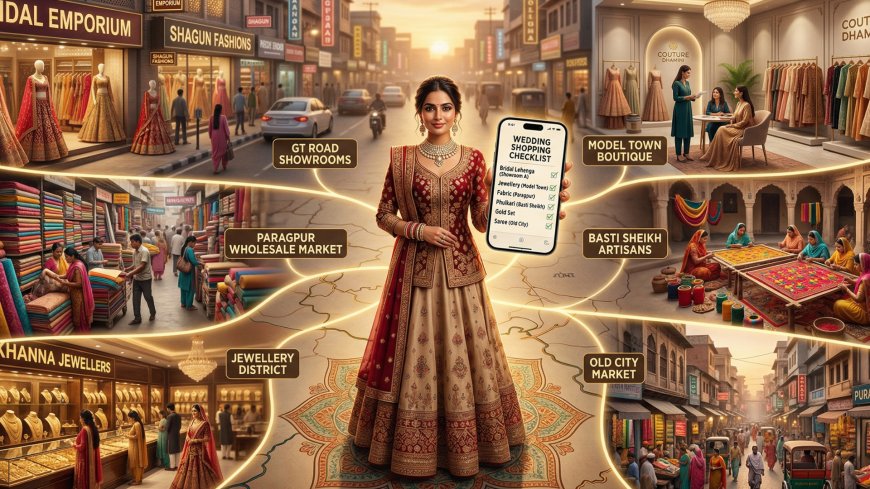
Jalandhar's wedding shopping market is not one market but six distinct commercial areas, each with its own specialisation, its own price register, and its own relationship to the NRI buyer's brief — and the NRI bride who does not understand this geography before she arrives will spend her compressed visit crossing the city between areas that serve the same brief and missing areas that would have served it better. This comprehensive guide from NRIWedding.com maps all six areas of Jalandhar's wedding shopping landscape with precision: the GT Road corridor for ready-to-wear garments and accessible retail, Model Town for premium boutiques and specialist NRI-focused services, Paragpur for wholesale fabric and second-hand pieces, Basti Sheikh for authentic hand-phulkari and chope commissions, the Burlton Park and Pathankot Road jewellery district for certified gold and traditional chooda, and the old city markets for wholesale sarees and heritage commercial relationships. It covers the complete five-day shopping route, the transport and logistics framework, the area-by-area destination guide, and the five most consequential geographical mistakes NRI brides make when approaching Jalandhar without a systematic map.

The NRI Bride's Complete Area-by-Area Guide to Wedding Shopping in Jalandhar
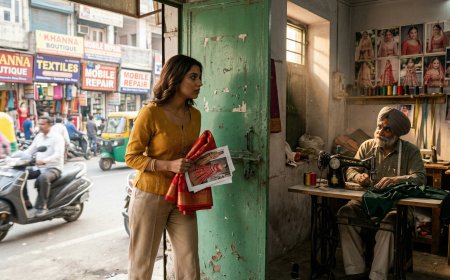
Ramandeep arrived in Jalandhar on a Tuesday evening in October, seven weeks before her wedding, with a suitcase, a carry-on, a list on her phone that was forty-three items long, and a map of the city that she had last used when she was sixteen years old and had understood the geography of Jalandhar the way children understand geography — as a collection of landmarks and family associations rather than as a navigable commercial landscape.
She had been living in Melbourne for nine years. She worked in urban planning, which meant that she understood, professionally, how cities organise commercial activity into districts and corridors and clusters, and how the logic of that organisation rewards the informed navigator and confuses the uninformed one. What she did not understand, arriving on a Tuesday evening with her suitcase and her forty-three-item list, was how that professional knowledge applied to the specific commercial geography of Jalandhar's wedding shopping market.
Her mother, who had been living in Jalandhar for her entire adult life and who had been shopping in its markets for forty years, understood the geography entirely — but she understood it the way a lifelong resident understands any city, which is to say she understood the specific shops she had visited and the specific routes she had taken to reach them, without the systematic understanding of why the market was organised the way it was and what each area's specific specialisation meant for a buyer with a specific brief.
The conversations between them over the first two days were therefore conversations between two incomplete maps: Ramandeep's professional understanding of commercial geography in the abstract, and her mother's lived knowledge of specific shops and routes without the organising framework that would have connected them. What they needed, and what they did not have, was a single guide that combined both — that explained not only where specific shops were but why they were there, what each area of the city specialised in and why, and how a buyer with a forty-three-item list should route herself across the city's commercial geography to accomplish the maximum in the minimum time.
On the third day, Ramandeep's cousin — who had gotten married the previous year and who had, in the process, developed exactly the systematic understanding of the Jalandhar wedding shopping geography that Ramandeep needed — sat down with both of them and drew a map. Not a literal map, but a systematic account of the city's wedding shopping landscape: which area handled which categories, which markets were for which budget levels, which routes connected the areas most efficiently, and which order to visit the areas in to avoid the logistical waste of crossing the city twice for things that could have been accomplished adjacently.
That conversation produced the most productive three days of shopping Ramandeep had in Jalandhar. She completed thirty-eight of the forty-three items on the list. The five that remained were items whose resolution required either a second fitting or a collection appointment, both of which were scheduled for the following visit.
This guide is the systematic account that Ramandeep's cousin provided, written out completely and specifically for every NRI bride who arrives in Jalandhar with a shopping list and needs to understand the city's commercial geography before she can use it efficiently.
Understanding Jalandhar's Wedding Shopping Geography
Jalandhar's wedding shopping market is not concentrated in a single district. It is organised across several distinct areas, each of which has developed a specific commercial identity based on its history, its customer base, its proximity to the wholesale supply chain, and its position in the city's economic geography. Understanding this organisation is the prerequisite for using the market efficiently, because the NRI bride who does not understand it will spend significant time and transport energy crossing the city between areas that serve the same brief, or arriving in an area that does not serve her brief, or missing an area that would have served it better than the one she visited.
The six primary areas of Jalandhar's wedding shopping market are the GT Road corridor, Model Town, the Paragpur market, Basti Sheikh and the craft cluster areas, the Burlton Park and Pathankot Road jewellery district, and the old city markets around the bus stand and the historic commercial centre. Each of these areas has a specific character, a specific price register, and a specific range of products that makes it the correct destination for specific categories of the wedding shopping brief.
The NRI bride who understands these six areas — their specific strengths, their specific limitations, and their relationship to each other in the city's geography — has the map that makes the forty-three-item list a navigable plan rather than an overwhelming inventory.
Area One: The GT Road Corridor — The Commercial Spine
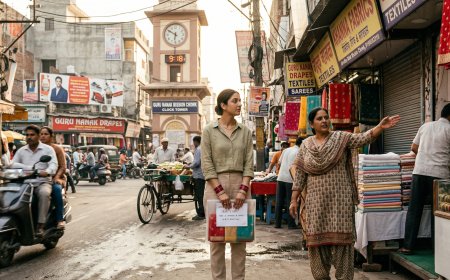
GT Road — the Grand Trunk Road that passes through the heart of Jalandhar's commercial district — is the primary commercial spine of the city's wedding shopping market and the first area that most NRI brides visit because it is the most visible, the most varied, and the most accessible of the six areas. The corridor relevant to wedding shopping runs from the Nakodar Chowk intersection at the southern end to the Bus Stand area at the northern end, a distance of approximately three kilometres that contains the highest density of bridal-relevant retail in the city.
What GT Road Offers
The GT Road corridor is strongest in the ready-to-wear bridal garment market — the lehengas, the bridal suits, the sherwani sets, the family sarees — at the mid-to-upper-mid market price tier. The showrooms here are large-format retail operations with significant stock depth, professional staff, and the alteration infrastructure that the NRI buyer needs to complete a purchase within a compressed visit window.
The jewellery presence on GT Road is significant but not the city's finest — the showrooms here are the retail face of the jewellery market, carrying certified gold pieces and premium artificial jewellery at accessible price points with the documentation infrastructure that NRI buyers require. The footwear market on GT Road covers the mid-market comprehensively. The accessory market — the potlis, the clutches, the embellished hair accessories, the fashion jewellery — is well represented in the smaller shops interspersed between the larger showrooms.
The Specific GT Road Destinations
Frontier Raas on GT Road is the most consistently recommended starting point for the NRI bride's primary garment shopping. The range spans the traditional Punjabi bridal aesthetic through the contemporary fusion vocabulary, at price points from ₹35,000 to ₹3,00,000, and the staff are experienced with NRI clients and their specific requirements around documentation, timeline management, and remote communication. The lehenga range is the strongest in the city's retail market at this price tier.
Bebe-di-Hatti on GT Road is the destination for traditional Punjabi embroidery — the phulkari and the chikankari vocabulary — in both garments and dupattas. The shop's heritage in the tradition is genuine, and the pieces here carry the specific craft authenticity that the commercial boutiques do not replicate.
Jewel Craft on GT Road is the maang tikka, nath, and artificial jewellery destination in the accessible market tier — a shop whose bridal range has been calibrated to the NRI buyer's photographic quality standard.
Golden Touch on GT Road is the borla and traditional Punjabi maang tikka specialist — the destination for the face-shape informed buyer who has identified the borla or chandrakor as the appropriate style.
Rani Jewellers on GT Road carries the kaleere and bridal wrist jewellery vocabulary in artificial at a range that is the most comprehensive on the corridor.
Patiala House on the GT Road market carries the bridal Patiala suit range — the most authentic commercially available version of the traditional silhouette — alongside a strong mid-market lehenga range.
Manyavar on GT Road is the groom's destination — the most reliable ready-to-wear sherwani and bandhgala source in the city for the budget-conscious or timeline-constrained groom.
GT Road Navigation Notes
The GT Road corridor is best navigated on foot for the central section — the stretch from Nakodar Chowk to the midpoint of the corridor — where the shop density is highest and the distances between relevant shops are walkable. The northern and southern sections of the corridor require transport between shops. The parking situation on GT Road is difficult during peak hours — the morning period from ten to twelve and the afternoon period from four to seven — and visiting the corridor during the midday period, when traffic and footfall are lower, produces a more manageable shopping experience.
The NRI bride should allocate a minimum of two full days to the GT Road corridor, not because every item on her list will be found here, but because the corridor's scale and variety require time to navigate properly. A single rushed day on GT Road produces a fraction of the shopping that two focused days produce.
Area Two: Model Town — The Premium Boutique District
Model Town is Jalandhar's premium residential and commercial area — the neighbourhood where the city's professional and business class lives, and where the retail market that serves that demographic has developed over the past three decades into the most design-forward and most quality-conscious shopping destination in the city. For the NRI bride, Model Town is the area whose aesthetic vocabulary is closest to her own global reference points, whose boutiques have the most developed NRI client infrastructure, and whose price points — while higher than GT Road — reflect genuine quality premiums rather than location premiums alone.
What Model Town Offers
Model Town's specific strength is in the premium boutique market — the bespoke and semi-bespoke bridal garments, the specialist artificial jewellery at the highest quality standard available in the Jalandhar market, and the curated accessories that serve the NRI bride's more globally-influenced aesthetic brief. The boutiques in Model Town are smaller and more focused than the large-format showrooms of GT Road, and the shopping experience is more personalised and more consultation-based.
The dupatta market in Model Town — specifically the hand-phulkari pieces at Rang de Dupatta and the designer dupatta range at Tilla Threads and Riwayat Textiles — is the strongest standalone dupatta retail destination in the city. The headpiece specialist Shree Jewels, described in the previous guides, is in Model Town. The premium artificial jewellery at Navrang Jewels and Amrit Jewellers is in Model Town. And the NRI-specialist boutiques — Gurpreet's by G, Studio Navrang, Silk and Thread, House of Anmol — that have been described in the boutique guide are all in or adjacent to the Model Town area.
The Specific Model Town Destinations
Gurpreet's by G is the flagship NRI-specialist bridal boutique of the Model Town area — the boutique whose formally structured remote consultation process, milestone-based production management, and comprehensive documentation practices make it the most appropriate destination for the NRI bride who wants a fully custom primary garment.
Navrang Jewels is the artificial jewellery destination of Model Town — the shop whose twenty-two to twenty-five-micron plating standard and precision crystal stones produce the highest photographic quality available in the Jalandhar artificial market.
Amrit Jewellers is the premium tier above Navrang Jewels — the destination for the bride whose artificial jewellery budget extends to the ₹30,000 to ₹1,20,000 range and who wants the closest available approximation to the real gold standard.
Shree Jewels is the headpiece specialist — maang tikkas, passas, and nath pieces across all the major style categories, with the face-shape-organised display that makes the selection process more efficient than the standard retail organisation.
Rang de Dupatta is the hand-phulkari dupatta specialist — the shop whose direct relationship with the Basti Sheikh craftswomen produces the most authentic hand-phulkari pieces available in Jalandhar's retail market.
Tilla Threads carries the most design-forward dupatta range in the city — traditional embellishment vocabularies in contemporary colour palettes specifically calibrated to the NRI bride's aesthetic context.
Riwayat by Ritu is the contemporary Punjabi bridal suit specialist — the destination for the bride whose primary garment brief is a bridal salwar suit in the heritage-influenced contemporary vocabulary.
Aaina Couture carries the sharara sets and the heavily embellished traditional bridal suit pieces in the premium market.
Model Town Navigation Notes
Model Town is more geographically dispersed than GT Road — the relevant shops are distributed across the Model Town commercial area rather than concentrated on a single corridor. The most efficient approach is to cluster the Model Town visits by proximity rather than by category — visiting the shops in the northern Model Town area on one circuit and the shops in the southern area on another, rather than criss-crossing the area between shops that serve different categories.
A car or auto-rickshaw is required for the Model Town shopping circuits. Walking between Model Town shops is possible for some adjacencies but is not practical for the full area coverage that a comprehensive shopping visit requires.
The Model Town boutiques typically require appointments for consultation visits — particularly the NRI-specialist boutiques that have structured their customer experience around the appointment rather than the walk-in format. Book appointments before the Jalandhar visit, not on arrival.
Area Three: The Paragpur Market — The Wholesale Destination
The Paragpur market is the wholesale and semi-wholesale market that serves the garment manufacturing and retail industry of Jalandhar and the surrounding region. It is the area that most NRI brides do not visit and that, for specific categories of purchase, represents the most significant value opportunity in the Jalandhar shopping landscape.
What Paragpur Offers
The Paragpur market's primary offering for the individual NRI buyer is the fabric and embellishment wholesale market — the raw materials from which the boutique garments are constructed, available at prices that are thirty to forty percent below the retail boutique equivalent for the same quality. The fabric wholesalers here carry silk, brocade, chanderi, georgette, and the textile range that feeds the Jalandhar garment market.
The market also carries finished garments at wholesale prices — the ready-made ethnic wear that the retail shops on GT Road carry at a significant markup, available directly from the Paragpur suppliers at the wholesale margin. The artificial jewellery wholesale market in Paragpur is the most price-competitive in the city, with pieces available at twenty to forty percent below the GT Road retail equivalent for comparable quality.
The second-hand and sample bridal wear market described in the previous guides is concentrated in the Paragpur area — the small shops that operate as consignment dealers and that carry sample pieces from the boutiques alongside second-hand pieces from the community network.
The kaleere specialist market — the shops that carry the most comprehensive kaleere range in the city, including the Kaleere House workshop described in the jewellery guides — is in the Paragpur area.
Navigating Paragpur
The Paragpur market is not a curated retail environment. It is a wholesale market that rewards the informed and patient buyer and overwhelms the uninformed one. The correct approach to Paragpur for the NRI bride is to come with a local contact who knows the market — a family member who has shopped here, a wedding planner with established Paragpur relationships — and to treat the first visit as an orientation rather than a purchasing visit.
The market is physically demanding — the lanes are dense, the shops are small, and the navigation between relevant vendors requires local knowledge. The NRI bride who arrives in Paragpur without a guide, without a specific brief, and without the time for proper orientation will find the market confusing and exhausting. The NRI bride who arrives with a local guide and a specific list of what she is looking for will find Paragpur one of the most productive shopping environments in Jalandhar.
Paragpur is most efficiently visited on the same day as Basti Sheikh, which is geographically adjacent and which serves a complementary brief — the craft-sourced dupatta and phulkari pieces that the Paragpur fabric market provides the raw materials for.
Area Four: Basti Sheikh and the Craft Cluster Areas — The Authentic Craft Destination
Basti Sheikh is the area of Jalandhar where the phulkari embroidery tradition lives in its most authentic and uncompromised form. The craftswomen who work here — many of them third and fourth-generation practitioners of the tradition — produce the hand-phulkari dupattas, chopes, and embroidered pieces that the retail market of GT Road and Model Town sells at a significant markup. Coming to Basti Sheikh directly means accessing the tradition at its source.
What Basti Sheikh Offers
The primary offering of Basti Sheikh for the NRI bride is the hand-phulkari piece — the bagh, the chope, the sainchi — in the traditional quality and the traditional pattern vocabulary that the commercial market does not replicate. The craftswomen here do not operate retail shops. They work in homes and community spaces, and accessing them requires the introduction that a family contact or a boutique relationship provides.
House of Phulkari operates from the Basti Sheikh area as the most accessible point of entry for the NRI bride who does not have a direct family introduction to the craft community. The shop's owner, Gurmail Singh, maintains the direct craftswomen relationships that allow individual buyers to access work of the authentic traditional standard through a commercial intermediary who understands the NRI buyer's requirements.
The chope commission — the ritual phulkari that the maternal family places over the bride's head during the wedding ceremony — must be sourced from Basti Sheikh for the most culturally appropriate result. The commission requires a minimum of four months' lead time, and the conversation with House of Phulkari should be initiated as early as possible in the wedding planning process.
The Broader Craft Cluster Geography
Beyond Basti Sheikh, the Jalandhar region contains craft cluster areas that are accessible from the city by short transit — the phulkari craft villages in the Phagwara area, accessible in under an hour, which produce pieces of the living tradition standard for buyers who come with an introduction through the craft networks. For the NRI bride whose wedding is not for several months and who has the time for a day trip from Jalandhar, the Phagwara craft cluster visit produces pieces that are not available in any retail context.
Area Five: Burlton Park and the Pathankot Road Jewellery District — The Gold Market
The Burlton Park area and the stretch of Pathankot Road between Burlton Park and the civil lines area form the primary gold jewellery district of Jalandhar — the area where the city's established jewellery families have operated their workshops and showrooms for generations and where the real gold jewellery that the Punjabi bride's wedding tradition requires is most authentically and most competitively available.
What the Jewellery District Offers
The jewellery district's primary offering is certified 22-karat gold jewellery in the Punjabi bridal vocabulary — the full set of necklace, earrings, maang tikka, passa, nath, and bangles, alongside the chooda companion pieces, the kaleere in gold, and the traditional Punjabi jewellery forms that the fashion-oriented retail market of GT Road does not always carry in their most authentic expressions.
The family jewellers of the Burlton Park area — the workshops that have been making Punjabi bridal jewellery for two and three generations — offer the NRI buyer a quality standard and a price transparency that the retail showrooms cannot match. The gold weight, the making charges, and the stone cost are discussed openly in the family jeweller context, and the price is the result of a transparent conversation rather than a display tag.
Tanishq and PC Jeweller both have significant presences in the Jalandhar jewellery district, offering the BIS hallmark certification, the documented purchase receipts, and the international customer service infrastructure that the NRI buyer needs for customs and insurance purposes. For the NRI bride whose family does not have a direct relationship with a Jalandhar family jeweller, the chain jeweller presence in the district provides the reliability and the documentation that the relationship-based purchase provides through the family connection.
The Chooda Market
The Burlton Park area also carries the specialist lac chooda market — the shops that carry the traditional Punjabi bridal bangle set in the quality range that the wedding tradition requires. The chooda shops in this area source directly from the lac manufacturing clusters of the Punjab region and carry the traditional red and white, the gold-dipped, and the ivory variations in a quality standard that the GT Road general jewellery shops do not match.
The NRI bride whose family has a specific chooda tradition — a particular quality standard, a specific vendor relationship, a traditional approach to the chooda ceremony — should activate that family knowledge in the Burlton Park area rather than defaulting to the GT Road options.
Area Six: The Old City Markets — The Heritage Commercial Heart
The old city commercial area — the markets around the bus stand, the historic commercial lanes of the central city, and the extended market area that connects the GT Road northern end to the old city — carries the oldest and most historically rooted commercial activity in Jalandhar's wedding shopping landscape. This is the area where the city's wholesale textile trade, its traditional craft commerce, and its deepest commercial relationships with the surrounding region are concentrated.
What the Old City Offers
The old city market is strongest in the textile wholesale category — the bulk saree market, the fabric trading, the embellishment wholesale — and in the traditional craft categories that have their commercial roots in the area's long history as the commercial heart of the Doaba region. For the NRI bride sourcing fabric for a custom commission, or buying sarees in quantity for the extended family, or looking for the traditional craft pieces that the modern retail market does not carry, the old city market is the correct destination.
The saree wholesale market in the old city area carries the silk and handloom sarees that the Jalandhar retail market sources from — the Banarasi, the Kanjivaram, the Chanderi — at prices that are significantly below the retail equivalent for the same quality. The NRI bride who needs multiple sarees for the family coordination brief — and who has the local contact who knows the market — can accomplish the family saree sourcing in the old city market at a significant saving over the GT Road showroom equivalent.
The old city also carries the most historically established of Jalandhar's traditional accessory markets — the turban fabric market, the traditional footwear market in kolhapuri and mojri, the old-established accessory shops that carry pieces not available in the contemporary retail market.
Navigating the Old City
The old city market is the most physically challenging shopping environment in Jalandhar — the lanes are narrow, the traffic is dense, and the navigation between relevant vendors requires local knowledge that is built through experience rather than through any map. The NRI bride should not attempt to navigate the old city market without a local guide, and should allocate more time than she expects to any visit to this area, because the market does not yield its value to the rushed or unprepared buyer.
The Complete Shopping Route: How to Sequence the Six Areas
The optimal sequence for the NRI bride's Jalandhar shopping trip, based on the geographical relationships between the six areas and the logical dependencies between the purchases, is as follows.
Day one should begin in Model Town with the boutique appointment that has been pre-booked — the primary garment consultation at the NRI-specialist boutique — because this appointment anchors the colour palette and the aesthetic vocabulary for all subsequent purchases. The afternoon of day one should cover the Model Town jewellery shops — Navrang Jewels, Shree Jewels — to begin the headpiece and jewellery assessment that the palette established in the morning consultation now informs.
Day two should be the GT Road day — the full corridor coverage that establishes the mid-market comparison base for garments, jewellery, and accessories, and that produces the supplementary purchases for the family members, the pre-wedding event outfits, and the secondary garment pieces that the Model Town boutique consultation has clarified the brief for.
Day three should be Paragpur and Basti Sheikh — the wholesale fabric visit for any custom pieces that will be commissioned through the direct tailor route, and the Basti Sheikh visit for the hand-phulkari dupatta and the chope consultation. These two areas are geographically adjacent and serve complementary purposes, making them the natural pairing for a single day's programme.
Day four should be the jewellery district — the Burlton Park and Pathankot Road gold jewellery visit for the real gold pieces, the family jeweller consultation, and the chooda sourcing. The jewellery district is sufficiently specialised and sufficiently important to the bridal brief that it deserves a dedicated day rather than being combined with the garment shopping areas.
Day five, if the visit extends to five days, should be the old city — the saree sourcing for the family coordination brief, the traditional accessory market, and any wholesale fabric sourcing that complements the Paragpur visit. The old city is the area whose benefits are most dependent on local guidance and most likely to produce unexpected value when that guidance is present.
The collection appointments — the altered lehenga, the commissioned dupatta, the jewellery pieces that needed documentation — should be consolidated into the final day or days of the visit, with adequate time built in for the inspection of each piece before leaving the vendor.
The Transport and Logistics Framework
Jalandhar's six shopping areas are not within walking distance of each other. The GT Road corridor and Model Town are approximately two kilometres apart. Paragpur is three to four kilometres from Model Town. Basti Sheikh is in the south of the city, adjacent to Paragpur. The jewellery district is in the central-north area. The old city is in the historic centre.
A dedicated car and driver — booked for the full duration of the shopping visit rather than arranged daily — is the most efficient transport solution for the NRI bride navigating all six areas. The daily car hire cost in Jalandhar is ₹800 to ₹1,500 depending on the vehicle, and the efficiency that a dedicated car provides — the ability to move between areas without the time and energy cost of arranging transport at each transition — is worth significantly more than this cost in the context of a compressed visit.
The NRI bride who is relying on family transport rather than a hired car should plan the family's availability across the visit days explicitly — who is available for which days, which areas the available family member knows well, and how the transport logistics will be managed on the days when the required areas are unfamiliar to the available driver.
Common Mistakes NRI Brides Make With the Jalandhar Shopping Geography
The first and most consequential mistake is treating GT Road as the whole market. GT Road is the most visible part of the Jalandhar shopping landscape and the first area that most NRI brides visit, and the scale and variety of the corridor creates the impression that the full market has been covered when only one area of a six-area market has been addressed. The NRI bride who completes her shopping entirely on GT Road has accessed the mid-market retail layer of the Jalandhar market without the wholesale access of Paragpur, the craft authenticity of Basti Sheikh, the premium boutique depth of Model Town, or the gold jewellery quality of the jewellery district.
The second mistake is not booking Model Town boutique appointments before arrival. The NRI-specialist boutiques in Model Town are appointment-based, and arriving without an appointment produces one of two outcomes: either the boutique cannot accommodate the walk-in visit within the compressed timeline of the Jalandhar visit, or the boutique accommodates it with reduced attention and a less effective consultation than the appointment-based visit would have produced. Book every Model Town boutique visit before boarding the flight.
The third mistake is attempting to cover all six areas in a single day. The six areas of Jalandhar's wedding shopping market represent the full commercial landscape of a major regional city. Each area alone deserves more than a few hours. Attempting to cover all six in a single day produces a surface-level exposure to each area rather than the depth of engagement that the purchase decisions require. The NRI bride with a four to five-day visit should allocate one area per day as the primary focus, with adjacent area visits possible on the same day only when the areas are geographically close and the brief is clear.
The fourth mistake is not using the Paragpur market for the categories it specifically serves. The NRI bride who avoids Paragpur because it does not have the retail environment she is accustomed to is avoiding the area that offers the most significant value differential in the Jalandhar market for the fabric, the kaleere, and the second-hand bridal piece categories. The Paragpur market's value is not accessible without local guidance and without the willingness to engage with a wholesale market environment, but these are the requirements for accessing the most significant price advantages available in the city.
The fifth mistake is not allocating a specific day to the jewellery district. The gold jewellery purchase is the most financially significant transaction in the bridal shopping brief and the most time-consuming in terms of the consultation, documentation, and verification process that it requires. Combining the jewellery district visit with the GT Road garment shopping or the Model Town boutique consultation produces a day that is too compressed for either activity to receive the attention it requires. The jewellery district deserves a dedicated day — half a day minimum — with adequate time for the family jeweller consultation, the certification documentation, and the assessment process that the purchase value justifies.
The NRI Bride's Complete Area-by-Area Guide to Wedding Shopping in Jalandhar
Ramandeep arrived in Jalandhar on a Tuesday evening in October, seven weeks before her wedding, with a suitcase, a carry-on, a list on her phone that was forty-three items long, and a map of the city that she had last used when she was sixteen years old and had understood the geography of Jalandhar the way children understand geography — as a collection of landmarks and family associations rather than as a navigable commercial landscape.
She had been living in Melbourne for nine years. She worked in urban planning, which meant that she understood, professionally, how cities organise commercial activity into districts and corridors and clusters, and how the logic of that organisation rewards the informed navigator and confuses the uninformed one. What she did not understand, arriving on a Tuesday evening with her suitcase and her forty-three-item list, was how that professional knowledge applied to the specific commercial geography of Jalandhar's wedding shopping market.
Her mother, who had been living in Jalandhar for her entire adult life and who had been shopping in its markets for forty years, understood the geography entirely — but she understood it the way a lifelong resident understands any city, which is to say she understood the specific shops she had visited and the specific routes she had taken to reach them, without the systematic understanding of why the market was organised the way it was and what each area's specific specialisation meant for a buyer with a specific brief.
The conversations between them over the first two days were therefore conversations between two incomplete maps: Ramandeep's professional understanding of commercial geography in the abstract, and her mother's lived knowledge of specific shops and routes without the organising framework that would have connected them. What they needed, and what they did not have, was a single guide that combined both — that explained not only where specific shops were but why they were there, what each area of the city specialised in and why, and how a buyer with a forty-three-item list should route herself across the city's commercial geography to accomplish the maximum in the minimum time.
On the third day, Ramandeep's cousin — who had gotten married the previous year and who had, in the process, developed exactly the systematic understanding of the Jalandhar wedding shopping geography that Ramandeep needed — sat down with both of them and drew a map. Not a literal map, but a systematic account of the city's wedding shopping landscape: which area handled which categories, which markets were for which budget levels, which routes connected the areas most efficiently, and which order to visit the areas in to avoid the logistical waste of crossing the city twice for things that could have been accomplished adjacently.
That conversation produced the most productive three days of shopping Ramandeep had in Jalandhar. She completed thirty-eight of the forty-three items on the list. The five that remained were items whose resolution required either a second fitting or a collection appointment, both of which were scheduled for the following visit.
This guide is the systematic account that Ramandeep's cousin provided, written out completely and specifically for every NRI bride who arrives in Jalandhar with a shopping list and needs to understand the city's commercial geography before she can use it efficiently.
Understanding Jalandhar's Wedding Shopping Geography
Jalandhar's wedding shopping market is not concentrated in a single district. It is organised across several distinct areas, each of which has developed a specific commercial identity based on its history, its customer base, its proximity to the wholesale supply chain, and its position in the city's economic geography. Understanding this organisation is the prerequisite for using the market efficiently, because the NRI bride who does not understand it will spend significant time and transport energy crossing the city between areas that serve the same brief, or arriving in an area that does not serve her brief, or missing an area that would have served it better than the one she visited.
The six primary areas of Jalandhar's wedding shopping market are the GT Road corridor, Model Town, the Paragpur market, Basti Sheikh and the craft cluster areas, the Burlton Park and Pathankot Road jewellery district, and the old city markets around the bus stand and the historic commercial centre. Each of these areas has a specific character, a specific price register, and a specific range of products that makes it the correct destination for specific categories of the wedding shopping brief.
The NRI bride who understands these six areas — their specific strengths, their specific limitations, and their relationship to each other in the city's geography — has the map that makes the forty-three-item list a navigable plan rather than an overwhelming inventory.
Area One: The GT Road Corridor — The Commercial Spine
GT Road — the Grand Trunk Road that passes through the heart of Jalandhar's commercial district — is the primary commercial spine of the city's wedding shopping market and the first area that most NRI brides visit because it is the most visible, the most varied, and the most accessible of the six areas. The corridor relevant to wedding shopping runs from the Nakodar Chowk intersection at the southern end to the Bus Stand area at the northern end, a distance of approximately three kilometres that contains the highest density of bridal-relevant retail in the city.
What GT Road Offers
The GT Road corridor is strongest in the ready-to-wear bridal garment market — the lehengas, the bridal suits, the sherwani sets, the family sarees — at the mid-to-upper-mid market price tier. The showrooms here are large-format retail operations with significant stock depth, professional staff, and the alteration infrastructure that the NRI buyer needs to complete a purchase within a compressed visit window.
The jewellery presence on GT Road is significant but not the city's finest — the showrooms here are the retail face of the jewellery market, carrying certified gold pieces and premium artificial jewellery at accessible price points with the documentation infrastructure that NRI buyers require. The footwear market on GT Road covers the mid-market comprehensively. The accessory market — the potlis, the clutches, the embellished hair accessories, the fashion jewellery — is well represented in the smaller shops interspersed between the larger showrooms.
The Specific GT Road Destinations
Frontier Raas on GT Road is the most consistently recommended starting point for the NRI bride's primary garment shopping. The range spans the traditional Punjabi bridal aesthetic through the contemporary fusion vocabulary, at price points from ₹35,000 to ₹3,00,000, and the staff are experienced with NRI clients and their specific requirements around documentation, timeline management, and remote communication. The lehenga range is the strongest in the city's retail market at this price tier.
Bebe-di-Hatti on GT Road is the destination for traditional Punjabi embroidery — the phulkari and the chikankari vocabulary — in both garments and dupattas. The shop's heritage in the tradition is genuine, and the pieces here carry the specific craft authenticity that the commercial boutiques do not replicate.
Jewel Craft on GT Road is the maang tikka, nath, and artificial jewellery destination in the accessible market tier — a shop whose bridal range has been calibrated to the NRI buyer's photographic quality standard.
Golden Touch on GT Road is the borla and traditional Punjabi maang tikka specialist — the destination for the face-shape informed buyer who has identified the borla or chandrakor as the appropriate style.
Rani Jewellers on GT Road carries the kaleere and bridal wrist jewellery vocabulary in artificial at a range that is the most comprehensive on the corridor.
Patiala House on the GT Road market carries the bridal Patiala suit range — the most authentic commercially available version of the traditional silhouette — alongside a strong mid-market lehenga range.
Manyavar on GT Road is the groom's destination — the most reliable ready-to-wear sherwani and bandhgala source in the city for the budget-conscious or timeline-constrained groom.
GT Road Navigation Notes
The GT Road corridor is best navigated on foot for the central section — the stretch from Nakodar Chowk to the midpoint of the corridor — where the shop density is highest and the distances between relevant shops are walkable. The northern and southern sections of the corridor require transport between shops. The parking situation on GT Road is difficult during peak hours — the morning period from ten to twelve and the afternoon period from four to seven — and visiting the corridor during the midday period, when traffic and footfall are lower, produces a more manageable shopping experience.
The NRI bride should allocate a minimum of two full days to the GT Road corridor, not because every item on her list will be found here, but because the corridor's scale and variety require time to navigate properly. A single rushed day on GT Road produces a fraction of the shopping that two focused days produce.
Area Two: Model Town — The Premium Boutique District
Model Town is Jalandhar's premium residential and commercial area — the neighbourhood where the city's professional and business class lives, and where the retail market that serves that demographic has developed over the past three decades into the most design-forward and most quality-conscious shopping destination in the city. For the NRI bride, Model Town is the area whose aesthetic vocabulary is closest to her own global reference points, whose boutiques have the most developed NRI client infrastructure, and whose price points — while higher than GT Road — reflect genuine quality premiums rather than location premiums alone.
What Model Town Offers
Model Town's specific strength is in the premium boutique market — the bespoke and semi-bespoke bridal garments, the specialist artificial jewellery at the highest quality standard available in the Jalandhar market, and the curated accessories that serve the NRI bride's more globally-influenced aesthetic brief. The boutiques in Model Town are smaller and more focused than the large-format showrooms of GT Road, and the shopping experience is more personalised and more consultation-based.
The dupatta market in Model Town — specifically the hand-phulkari pieces at Rang de Dupatta and the designer dupatta range at Tilla Threads and Riwayat Textiles — is the strongest standalone dupatta retail destination in the city. The headpiece specialist Shree Jewels, described in the previous guides, is in Model Town. The premium artificial jewellery at Navrang Jewels and Amrit Jewellers is in Model Town. And the NRI-specialist boutiques — Gurpreet's by G, Studio Navrang, Silk and Thread, House of Anmol — that have been described in the boutique guide are all in or adjacent to the Model Town area.
The Specific Model Town Destinations
Gurpreet's by G is the flagship NRI-specialist bridal boutique of the Model Town area — the boutique whose formally structured remote consultation process, milestone-based production management, and comprehensive documentation practices make it the most appropriate destination for the NRI bride who wants a fully custom primary garment.
Navrang Jewels is the artificial jewellery destination of Model Town — the shop whose twenty-two to twenty-five-micron plating standard and precision crystal stones produce the highest photographic quality available in the Jalandhar artificial market.
Amrit Jewellers is the premium tier above Navrang Jewels — the destination for the bride whose artificial jewellery budget extends to the ₹30,000 to ₹1,20,000 range and who wants the closest available approximation to the real gold standard.
Shree Jewels is the headpiece specialist — maang tikkas, passas, and nath pieces across all the major style categories, with the face-shape-organised display that makes the selection process more efficient than the standard retail organisation.
Rang de Dupatta is the hand-phulkari dupatta specialist — the shop whose direct relationship with the Basti Sheikh craftswomen produces the most authentic hand-phulkari pieces available in Jalandhar's retail market.
Tilla Threads carries the most design-forward dupatta range in the city — traditional embellishment vocabularies in contemporary colour palettes specifically calibrated to the NRI bride's aesthetic context.
Riwayat by Ritu is the contemporary Punjabi bridal suit specialist — the destination for the bride whose primary garment brief is a bridal salwar suit in the heritage-influenced contemporary vocabulary.
Aaina Couture carries the sharara sets and the heavily embellished traditional bridal suit pieces in the premium market.
Model Town Navigation Notes
Model Town is more geographically dispersed than GT Road — the relevant shops are distributed across the Model Town commercial area rather than concentrated on a single corridor. The most efficient approach is to cluster the Model Town visits by proximity rather than by category — visiting the shops in the northern Model Town area on one circuit and the shops in the southern area on another, rather than criss-crossing the area between shops that serve different categories.
A car or auto-rickshaw is required for the Model Town shopping circuits. Walking between Model Town shops is possible for some adjacencies but is not practical for the full area coverage that a comprehensive shopping visit requires.
The Model Town boutiques typically require appointments for consultation visits — particularly the NRI-specialist boutiques that have structured their customer experience around the appointment rather than the walk-in format. Book appointments before the Jalandhar visit, not on arrival.
Area Three: The Paragpur Market — The Wholesale Destination
The Paragpur market is the wholesale and semi-wholesale market that serves the garment manufacturing and retail industry of Jalandhar and the surrounding region. It is the area that most NRI brides do not visit and that, for specific categories of purchase, represents the most significant value opportunity in the Jalandhar shopping landscape.
What Paragpur Offers
The Paragpur market's primary offering for the individual NRI buyer is the fabric and embellishment wholesale market — the raw materials from which the boutique garments are constructed, available at prices that are thirty to forty percent below the retail boutique equivalent for the same quality. The fabric wholesalers here carry silk, brocade, chanderi, georgette, and the textile range that feeds the Jalandhar garment market.
The market also carries finished garments at wholesale prices — the ready-made ethnic wear that the retail shops on GT Road carry at a significant markup, available directly from the Paragpur suppliers at the wholesale margin. The artificial jewellery wholesale market in Paragpur is the most price-competitive in the city, with pieces available at twenty to forty percent below the GT Road retail equivalent for comparable quality.
The second-hand and sample bridal wear market described in the previous guides is concentrated in the Paragpur area — the small shops that operate as consignment dealers and that carry sample pieces from the boutiques alongside second-hand pieces from the community network.
The kaleere specialist market — the shops that carry the most comprehensive kaleere range in the city, including the Kaleere House workshop described in the jewellery guides — is in the Paragpur area.
Navigating Paragpur
The Paragpur market is not a curated retail environment. It is a wholesale market that rewards the informed and patient buyer and overwhelms the uninformed one. The correct approach to Paragpur for the NRI bride is to come with a local contact who knows the market — a family member who has shopped here, a wedding planner with established Paragpur relationships — and to treat the first visit as an orientation rather than a purchasing visit.
The market is physically demanding — the lanes are dense, the shops are small, and the navigation between relevant vendors requires local knowledge. The NRI bride who arrives in Paragpur without a guide, without a specific brief, and without the time for proper orientation will find the market confusing and exhausting. The NRI bride who arrives with a local guide and a specific list of what she is looking for will find Paragpur one of the most productive shopping environments in Jalandhar.
Paragpur is most efficiently visited on the same day as Basti Sheikh, which is geographically adjacent and which serves a complementary brief — the craft-sourced dupatta and phulkari pieces that the Paragpur fabric market provides the raw materials for.
Area Four: Basti Sheikh and the Craft Cluster Areas — The Authentic Craft Destination
Basti Sheikh is the area of Jalandhar where the phulkari embroidery tradition lives in its most authentic and uncompromised form. The craftswomen who work here — many of them third and fourth-generation practitioners of the tradition — produce the hand-phulkari dupattas, chopes, and embroidered pieces that the retail market of GT Road and Model Town sells at a significant markup. Coming to Basti Sheikh directly means accessing the tradition at its source.
What Basti Sheikh Offers
The primary offering of Basti Sheikh for the NRI bride is the hand-phulkari piece — the bagh, the chope, the sainchi — in the traditional quality and the traditional pattern vocabulary that the commercial market does not replicate. The craftswomen here do not operate retail shops. They work in homes and community spaces, and accessing them requires the introduction that a family contact or a boutique relationship provides.
House of Phulkari operates from the Basti Sheikh area as the most accessible point of entry for the NRI bride who does not have a direct family introduction to the craft community. The shop's owner, Gurmail Singh, maintains the direct craftswomen relationships that allow individual buyers to access work of the authentic traditional standard through a commercial intermediary who understands the NRI buyer's requirements.
The chope commission — the ritual phulkari that the maternal family places over the bride's head during the wedding ceremony — must be sourced from Basti Sheikh for the most culturally appropriate result. The commission requires a minimum of four months' lead time, and the conversation with House of Phulkari should be initiated as early as possible in the wedding planning process.
The Broader Craft Cluster Geography
Beyond Basti Sheikh, the Jalandhar region contains craft cluster areas that are accessible from the city by short transit — the phulkari craft villages in the Phagwara area, accessible in under an hour, which produce pieces of the living tradition standard for buyers who come with an introduction through the craft networks. For the NRI bride whose wedding is not for several months and who has the time for a day trip from Jalandhar, the Phagwara craft cluster visit produces pieces that are not available in any retail context.
Area Five: Burlton Park and the Pathankot Road Jewellery District — The Gold Market
The Burlton Park area and the stretch of Pathankot Road between Burlton Park and the civil lines area form the primary gold jewellery district of Jalandhar — the area where the city's established jewellery families have operated their workshops and showrooms for generations and where the real gold jewellery that the Punjabi bride's wedding tradition requires is most authentically and most competitively available.
What the Jewellery District Offers
The jewellery district's primary offering is certified 22-karat gold jewellery in the Punjabi bridal vocabulary — the full set of necklace, earrings, maang tikka, passa, nath, and bangles, alongside the chooda companion pieces, the kaleere in gold, and the traditional Punjabi jewellery forms that the fashion-oriented retail market of GT Road does not always carry in their most authentic expressions.
The family jewellers of the Burlton Park area — the workshops that have been making Punjabi bridal jewellery for two and three generations — offer the NRI buyer a quality standard and a price transparency that the retail showrooms cannot match. The gold weight, the making charges, and the stone cost are discussed openly in the family jeweller context, and the price is the result of a transparent conversation rather than a display tag.
Tanishq and PC Jeweller both have significant presences in the Jalandhar jewellery district, offering the BIS hallmark certification, the documented purchase receipts, and the international customer service infrastructure that the NRI buyer needs for customs and insurance purposes. For the NRI bride whose family does not have a direct relationship with a Jalandhar family jeweller, the chain jeweller presence in the district provides the reliability and the documentation that the relationship-based purchase provides through the family connection.
The Chooda Market
The Burlton Park area also carries the specialist lac chooda market — the shops that carry the traditional Punjabi bridal bangle set in the quality range that the wedding tradition requires. The chooda shops in this area source directly from the lac manufacturing clusters of the Punjab region and carry the traditional red and white, the gold-dipped, and the ivory variations in a quality standard that the GT Road general jewellery shops do not match.
The NRI bride whose family has a specific chooda tradition — a particular quality standard, a specific vendor relationship, a traditional approach to the chooda ceremony — should activate that family knowledge in the Burlton Park area rather than defaulting to the GT Road options.
Area Six: The Old City Markets — The Heritage Commercial Heart
The old city commercial area — the markets around the bus stand, the historic commercial lanes of the central city, and the extended market area that connects the GT Road northern end to the old city — carries the oldest and most historically rooted commercial activity in Jalandhar's wedding shopping landscape. This is the area where the city's wholesale textile trade, its traditional craft commerce, and its deepest commercial relationships with the surrounding region are concentrated.
What the Old City Offers
The old city market is strongest in the textile wholesale category — the bulk saree market, the fabric trading, the embellishment wholesale — and in the traditional craft categories that have their commercial roots in the area's long history as the commercial heart of the Doaba region. For the NRI bride sourcing fabric for a custom commission, or buying sarees in quantity for the extended family, or looking for the traditional craft pieces that the modern retail market does not carry, the old city market is the correct destination.
The saree wholesale market in the old city area carries the silk and handloom sarees that the Jalandhar retail market sources from — the Banarasi, the Kanjivaram, the Chanderi — at prices that are significantly below the retail equivalent for the same quality. The NRI bride who needs multiple sarees for the family coordination brief — and who has the local contact who knows the market — can accomplish the family saree sourcing in the old city market at a significant saving over the GT Road showroom equivalent.
The old city also carries the most historically established of Jalandhar's traditional accessory markets — the turban fabric market, the traditional footwear market in kolhapuri and mojri, the old-established accessory shops that carry pieces not available in the contemporary retail market.
Navigating the Old City
The old city market is the most physically challenging shopping environment in Jalandhar — the lanes are narrow, the traffic is dense, and the navigation between relevant vendors requires local knowledge that is built through experience rather than through any map. The NRI bride should not attempt to navigate the old city market without a local guide, and should allocate more time than she expects to any visit to this area, because the market does not yield its value to the rushed or unprepared buyer.
The Complete Shopping Route: How to Sequence the Six Areas
The optimal sequence for the NRI bride's Jalandhar shopping trip, based on the geographical relationships between the six areas and the logical dependencies between the purchases, is as follows.
Day one should begin in Model Town with the boutique appointment that has been pre-booked — the primary garment consultation at the NRI-specialist boutique — because this appointment anchors the colour palette and the aesthetic vocabulary for all subsequent purchases. The afternoon of day one should cover the Model Town jewellery shops — Navrang Jewels, Shree Jewels — to begin the headpiece and jewellery assessment that the palette established in the morning consultation now informs.
Day two should be the GT Road day — the full corridor coverage that establishes the mid-market comparison base for garments, jewellery, and accessories, and that produces the supplementary purchases for the family members, the pre-wedding event outfits, and the secondary garment pieces that the Model Town boutique consultation has clarified the brief for.
Day three should be Paragpur and Basti Sheikh — the wholesale fabric visit for any custom pieces that will be commissioned through the direct tailor route, and the Basti Sheikh visit for the hand-phulkari dupatta and the chope consultation. These two areas are geographically adjacent and serve complementary purposes, making them the natural pairing for a single day's programme.
Day four should be the jewellery district — the Burlton Park and Pathankot Road gold jewellery visit for the real gold pieces, the family jeweller consultation, and the chooda sourcing. The jewellery district is sufficiently specialised and sufficiently important to the bridal brief that it deserves a dedicated day rather than being combined with the garment shopping areas.
Day five, if the visit extends to five days, should be the old city — the saree sourcing for the family coordination brief, the traditional accessory market, and any wholesale fabric sourcing that complements the Paragpur visit. The old city is the area whose benefits are most dependent on local guidance and most likely to produce unexpected value when that guidance is present.
The collection appointments — the altered lehenga, the commissioned dupatta, the jewellery pieces that needed documentation — should be consolidated into the final day or days of the visit, with adequate time built in for the inspection of each piece before leaving the vendor.
The Transport and Logistics Framework
Jalandhar's six shopping areas are not within walking distance of each other. The GT Road corridor and Model Town are approximately two kilometres apart. Paragpur is three to four kilometres from Model Town. Basti Sheikh is in the south of the city, adjacent to Paragpur. The jewellery district is in the central-north area. The old city is in the historic centre.
A dedicated car and driver — booked for the full duration of the shopping visit rather than arranged daily — is the most efficient transport solution for the NRI bride navigating all six areas. The daily car hire cost in Jalandhar is ₹800 to ₹1,500 depending on the vehicle, and the efficiency that a dedicated car provides — the ability to move between areas without the time and energy cost of arranging transport at each transition — is worth significantly more than this cost in the context of a compressed visit.
The NRI bride who is relying on family transport rather than a hired car should plan the family's availability across the visit days explicitly — who is available for which days, which areas the available family member knows well, and how the transport logistics will be managed on the days when the required areas are unfamiliar to the available driver.
Common Mistakes NRI Brides Make With the Jalandhar Shopping Geography
The first and most consequential mistake is treating GT Road as the whole market. GT Road is the most visible part of the Jalandhar shopping landscape and the first area that most NRI brides visit, and the scale and variety of the corridor creates the impression that the full market has been covered when only one area of a six-area market has been addressed. The NRI bride who completes her shopping entirely on GT Road has accessed the mid-market retail layer of the Jalandhar market without the wholesale access of Paragpur, the craft authenticity of Basti Sheikh, the premium boutique depth of Model Town, or the gold jewellery quality of the jewellery district.
The second mistake is not booking Model Town boutique appointments before arrival. The NRI-specialist boutiques in Model Town are appointment-based, and arriving without an appointment produces one of two outcomes: either the boutique cannot accommodate the walk-in visit within the compressed timeline of the Jalandhar visit, or the boutique accommodates it with reduced attention and a less effective consultation than the appointment-based visit would have produced. Book every Model Town boutique visit before boarding the flight.
The third mistake is attempting to cover all six areas in a single day. The six areas of Jalandhar's wedding shopping market represent the full commercial landscape of a major regional city. Each area alone deserves more than a few hours. Attempting to cover all six in a single day produces a surface-level exposure to each area rather than the depth of engagement that the purchase decisions require. The NRI bride with a four to five-day visit should allocate one area per day as the primary focus, with adjacent area visits possible on the same day only when the areas are geographically close and the brief is clear.
The fourth mistake is not using the Paragpur market for the categories it specifically serves. The NRI bride who avoids Paragpur because it does not have the retail environment she is accustomed to is avoiding the area that offers the most significant value differential in the Jalandhar market for the fabric, the kaleere, and the second-hand bridal piece categories. The Paragpur market's value is not accessible without local guidance and without the willingness to engage with a wholesale market environment, but these are the requirements for accessing the most significant price advantages available in the city.
The fifth mistake is not allocating a specific day to the jewellery district. The gold jewellery purchase is the most financially significant transaction in the bridal shopping brief and the most time-consuming in terms of the consultation, documentation, and verification process that it requires. Combining the jewellery district visit with the GT Road garment shopping or the Model Town boutique consultation produces a day that is too compressed for either activity to receive the attention it requires. The jewellery district deserves a dedicated day — half a day minimum — with adequate time for the family jeweller consultation, the certification documentation, and the assessment process that the purchase value justifies.
The Area-by-Area Summary
The GT Road corridor is the primary ready-to-wear garment market and the accessible retail starting point for every category. It is the area that anchors the NRI bride's understanding of the Jalandhar market and that provides the comparison base for the purchases made in other areas. Visit it first, comprehensively, and use it as the reference point.
Model Town is the premium boutique destination — the custom and semi-custom garment, the best artificial jewellery, the specialist dupattas, the NRI-focused boutique experience. It is the area where the highest quality and the most globally-calibrated aesthetic vocabulary are available. Visit it with appointments, and allocate the primary garment consultation to it.
Paragpur is the wholesale source — the fabrics, the embellishments, the kaleere, the second-hand pieces. It is the area whose value is accessible only with local knowledge and the willingness to engage with a wholesale environment. Visit it with a guide and a specific brief.
Basti Sheikh is the craft heart — the hand-phulkari, the chope, the most culturally specific pieces in the entire Jalandhar shopping landscape. Visit it with an introduction and adequate time. Commission the chope here above all.
The jewellery district is the gold jewellery source — the family jewellers, the chain stores with documentation infrastructure, the chooda specialists. It is the area for the most financially significant purchases and for the most important documentation collection. Dedicate a day to it.
The old city is the heritage commercial layer — the wholesale sarees, the traditional accessories, the commercial relationships that predate the modern retail market. Visit it with a guide and a flexible schedule.
The Resolution
Ramandeep completed thirty-eight of the forty-three items on her list in five days of Jalandhar shopping, using the area map that her cousin had drawn on the third day of the visit. The five remaining items were the collection appointments — the boutique primary garment, two jewellery pieces that needed hallmarking documentation, and one dupatta that the Basti Sheikh craftswomen had agreed to complete for the second visit.
She returned to Melbourne with the shopping that the list required and the knowledge that the list had not prepared her for: the specific, geographical, systematic knowledge of a market that had seemed, on the Tuesday evening she arrived, like a city she had last understood when she was sixteen.
She sent her cousin a message on the flight home that said: the map was everything.
Her cousin replied: I know. Nobody gives you the map.
Ramandeep looked at that message for a moment. Then she opened the notes app on her phone and began writing, at thirty-five thousand feet over the Indian Ocean, the account of the six areas that she would give to the next family member who was planning a wedding in Jalandhar and arriving without the map.
The map is the difference. The shops are the same for everyone. The map determines whether those shops are an opportunity or an obstacle.
In Jalandhar, the map is this guide.
Visit the six areas in the order that serves the logical dependencies — primary garment consultation first, wholesale and craft areas after, jewellery district as a dedicated day, collection appointments last.
Book Model Town boutique appointments before arriving in Jalandhar — not on arrival.
Do not treat GT Road as the whole market — it is the most visible layer of a six-layer commercial landscape.
Visit Paragpur with a local guide and a specific brief — its value is not accessible without both.
Commission the chope from Basti Sheikh at the earliest possible point in the planning process — four months minimum before the wedding.
The Jalandhar wedding shopping market is one of the finest regional bridal markets in India. Its value is not in any single shop or any single area. It is in the combination of six distinct commercial geographies, each serving a specific brief, navigated in the sequence and with the knowledge that transforms a forty-three-item list from an inventory into a plan.
Published by NRIWedding.com — The Premium Global Platform for Non-Resident Indians Planning Indian Weddings From Abroad.
The GT Road corridor is the primary ready-to-wear garment market and the accessible retail starting point for every category. It is the area that anchors the NRI bride's understanding of the Jalandhar market and that provides the comparison base for the purchases made in other areas. Visit it first, comprehensively, and use it as the reference point.
Model Town is the premium boutique destination — the custom and semi-custom garment, the best artificial jewellery, the specialist dupattas, the NRI-focused boutique experience. It is the area where the highest quality and the most globally-calibrated aesthetic vocabulary are available. Visit it with appointments, and allocate the primary garment consultation to it.
Paragpur is the wholesale source — the fabrics, the embellishments, the kaleere, the second-hand pieces. It is the area whose value is accessible only with local knowledge and the willingness to engage with a wholesale environment. Visit it with a guide and a specific brief.
Basti Sheikh is the craft heart — the hand-phulkari, the chope, the most culturally specific pieces in the entire Jalandhar shopping landscape. Visit it with an introduction and adequate time. Commission the chope here above all.
The jewellery district is the gold jewellery source — the family jewellers, the chain stores with documentation infrastructure, the chooda specialists. It is the area for the most financially significant purchases and for the most important documentation collection. Dedicate a day to it.
The old city is the heritage commercial layer — the wholesale sarees, the traditional accessories, the commercial relationships that predate the modern retail market. Visit it with a guide and a flexible schedule.
The Resolution
Ramandeep completed thirty-eight of the forty-three items on her list in five days of Jalandhar shopping, using the area map that her cousin had drawn on the third day of the visit. The five remaining items were the collection appointments — the boutique primary garment, two jewellery pieces that needed hallmarking documentation, and one dupatta that the Basti Sheikh craftswomen had agreed to complete for the second visit.
She returned to Melbourne with the shopping that the list required and the knowledge that the list had not prepared her for: the specific, geographical, systematic knowledge of a market that had seemed, on the Tuesday evening she arrived, like a city she had last understood when she was sixteen.
She sent her cousin a message on the flight home that said: the map was everything.
Her cousin replied: I know. Nobody gives you the map.
Ramandeep looked at that message for a moment. Then she opened the notes app on her phone and began writing, at thirty-five thousand feet over the Indian Ocean, the account of the six areas that she would give to the next family member who was planning a wedding in Jalandhar and arriving without the map.
The map is the difference. The shops are the same for everyone. The map determines whether those shops are an opportunity or an obstacle.
In Jalandhar, the map is this guide.
Visit the six areas in the order that serves the logical dependencies — primary garment consultation first, wholesale and craft areas after, jewellery district as a dedicated day, collection appointments last.
Book Model Town boutique appointments before arriving in Jalandhar — not on arrival.
Do not treat GT Road as the whole market — it is the most visible layer of a six-layer commercial landscape.
Visit Paragpur with a local guide and a specific brief — its value is not accessible without both.
Commission the chope from Basti Sheikh at the earliest possible point in the planning process — four months minimum before the wedding.
The Jalandhar wedding shopping market is one of the finest regional bridal markets in India. Its value is not in any single shop or any single area. It is in the combination of six distinct commercial geographies, each serving a specific brief, navigated in the sequence and with the knowledge that transforms a forty-three-item list from an inventory into a plan.
Published by NRIWedding.com — The Premium Global Platform for Non-Resident Indians Planning Indian Weddings From Abroad.
What's Your Reaction?
 Like
0
Like
0
 Dislike
0
Dislike
0
 Love
0
Love
0
 Funny
0
Funny
0
 Angry
0
Angry
0
 Sad
0
Sad
0
 Wow
0
Wow
0