








































Jalandhar Cantt Bridal Boutiques — Are They Worth the Premium for NRI Brides?
A detailed, ground-level guide to Jalandhar’s Cantt area bridal boutiques for NRI brides evaluating premium shopping decisions. This piece explains what distinguishes Cantt boutiques from GT Road and Model Town, how their design-led approach impacts pricing, and how to assess whether the investment is justified. Includes a practical framework covering design specificity, making quality, and service value—helping brides make informed, high-stakes purchase decisions within limited visit timelines.


Jalandhar Cantt Area for Bridal Boutiques — Upmarket, Curated and Worth the Price?
A Comprehensive Guide for the Modern Punjabi Bride
Introduction: Where the Trousseau Story Begins
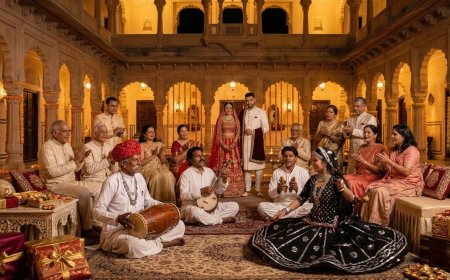
Every Punjabi wedding is a spectacle — layered, luminous, and deeply felt. And at the centre of it all stands the bride, whose wardrobe is not merely clothing but a statement of identity, family heritage, and personal aesthetic. In Jalandhar, a city that wears its Punjabi pride with particular flair, the question of where to shop for bridal wear is one of the most significant decisions a bride and her family will make in the months leading up to the wedding.
The city offers several distinct bridal shopping districts, each with its own personality, price point, and crowd. Among them, Jalandhar Cantonment — universally shortened to Jalandhar Cantt — has been building a quiet, confident reputation as the destination for brides who want something more curated, more considered, and more personal than what the busier markets of the old city can offer.
Model Town Market tops the list of bridal lehenga markets in Jalandhar, home to generational bridal lehenga shops that are celebrities' favourites. That is a crown well-earned. But the Cantt area holds a different kind of appeal — one that suits a different kind of bride. This article explores what Jalandhar Cantt truly offers to the bride in search of upmarket, curated bridal wear: what the boutiques look like, what they cost, how the area compares to its rivals, and whether the premium experience is genuinely worth the price.
Part One: Understanding Jalandhar Cantt — The Area, the History, the Mood
The Cantonment's Distinctive DNA
Jalandhar Cantonment, often abbreviated as Jalandhar Cantt or J.C., is a significant military cantonment located in the Punjab region of India, established during the British Raj for housing troops and administrative functions, and the cantonment area itself typically features well-planned infrastructure, including barracks, administrative buildings, and recreational facilities for military personnel and their families.
That colonial-era planning legacy is still visible today. Unlike the organic, often chaotic sprawl of markets like Rainak Bazar or Bazar Kalan — where decades of unplanned growth have created a labyrinth of lanes and stalls — the Cantt retains a spatial logic that makes shopping here feel fundamentally different. The roads are wider. The storefronts are more clearly delineated. There is, in short, a physical breathing room that the older parts of the city simply cannot offer.
Jalandhar is surrounded by several suburbs and has a large cantonment to the south, which positions the Cantt area geographically as a distinct zone from the main city — connected but separate, accessible by road from most of Jalandhar's residential colonies within fifteen to twenty minutes.
This physical and historical separateness has shaped the commercial character of the Cantt market. Its clientele tends to skew toward the city's officer-class and professional families, NRI visitors, and brides whose families have disposable income and a clear sense of what they want. Vendors here have calibrated their offerings accordingly — fewer bargain bins, more appointment-based consultations, more emphasis on craftsmanship and customisation over sheer volume.
Sadar Bazar: The Heart of Cantt Shopping
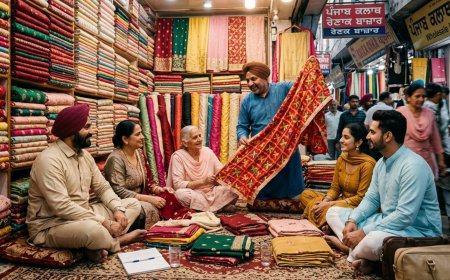
The commercial epicentre of bridal shopping in the Cantt area is Sadar Bazar, a bustling but navigable market street that functions as the neighbourhood's main retail spine. Sadar Bazar is one of the bustling commercial streets located in Jalandhar Cantonment Area in Punjab, serving as the hub of recent imports from all across India, with stocks that are not only restricted to clothes, but expand to jewellery — necklaces, earrings, bracelets — and shoes, sunglasses and watches, with glass-cased showrooms and tiny roadside stalls providing locals and tourists with a wide variety of items.
For the bridal shopper, this diversity is both a strength and a challenge. The strength lies in the fact that a single visit to Sadar Bazar can address multiple trousseau needs simultaneously — lehenga, jewellery, bridal footwear, accessories — without the need to move across the city. The challenge is that not every stall or shop within Sadar Bazar operates at the same quality and price level. Navigating this requires research, recommendations, and a clear sense of personal budget and aesthetic.
Sadar Bazar is also very common for buying wedding costumes and jewellery, making it a natural destination for brides and their families during the wedding planning period.
Sardar Bazar at Jalandhar Cantonment ranks among the other famous shopping places in the city, sitting alongside Model Town and other established markets in the city's commercial hierarchy.
Part Two: The Boutique Landscape in Detail
Who Is Shopping Here — and Why
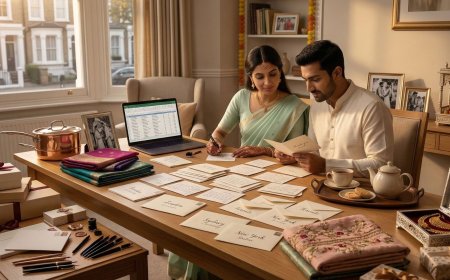
Before mapping the boutique landscape, it helps to understand the bride who gravitates toward the Cantt area. She is typically between twenty-four and thirty-two years old. She may be working professionally, or she may be from a family that values discretion in its spending — comfortable with higher prices but unwilling to be seen rummaging through crowded racks. She has often done significant research online before her first visit, arrived with a colour palette in mind, and she expects the boutique staff to engage with her vision rather than simply present generic options.
She may also be an NRI bride — returned from Canada, the UK, or Australia for her wedding, with limited time in Jalandhar and a preference for the kind of structured, appointment-friendly experience that the Cantt boutiques offer more reliably than the busier markets.
Satish Sons Bridal Wear: The Anchor Name
Any serious discussion of bridal boutiques in Jalandhar Cantt begins with Satish Sons. Satish Sons Bridal Wear is located at 22 Sadar Bazar, opposite New Blue Star Tailor, in Jalandhar Cantt, and has built a customer satisfaction record that is difficult to argue with. With well over a hundred reviews and a near-perfect rating, it represents the kind of multi-generational, multi-category bridal stop that anchors a shopping district's reputation.
The establishment handles the full spectrum of occasion wear — designer sarees, bridal lehengas, suits, sherwanis, and salwar kameez for the entire wedding party — making it a genuinely convenient one-stop destination for families who want to consolidate their shopping.
Punjaban Designer Boutique: Heritage with a Modern Eye
Punjaban Designer Boutique is a bridal store located in the city of Jalandhar that offers an exclusive bridal collection of stunning and beautiful attires for the wedding day as well as any of its other related events, specialising in bridal lehengas, heavy trousseau as well as light trousseau, with a wide range of collection that can be chosen as per the bride's needs and style preferences.
What distinguishes Punjaban from many of its contemporaries is the deliberate breadth of its trousseau vision. A bride shopping here is not simply buying a single lehenga — she is building a coordinated wardrobe across multiple functions, from the Mehendi to the Anand Karaj to the reception. Each and every one of the designs that Punjaban Designer Boutique offers are made from the finest fabrics with details and embellishments that would certainly be the talk of wedding events.
The boutique has also developed a strong digital presence through its website and social media channels, which means that NRI brides and out-of-city shoppers can preview collections before arriving in person — a significant advantage in the post-pandemic shopping landscape.
Maharani Designer Boutique: Traditional Grandeur for the Classic Bride
Maharani Designer Boutique is a retail store based out of Jalandhar, described as one of the oldest firms that aims to give ready-made designer outfits, offering from traditional clothes to modern outfits a wide range of bespoke bridal wear, with clothes that embrace the Indian culture and traditions and designs and patterns that are exquisite, and products provided across the globe at budget-friendly rates.
For the bride who wants traditional Punjabi grandeur — heavy zardozi, rich velvets, gold-on-red embroidery that photographs magnificently — Maharani represents a reliable and well-regarded choice. The "oldest firm" descriptor is meaningful in a market where trust is built slowly and longevity signals consistency.
Kala Shree: Where the Cantt Meets the Highway
Kala Shree is an outlet on the Jalandhar-Phagwara Highway, within the Cantt area, catering to all wedding needs, with a beautifully embellished collection of lehengas, veils, and Indian attire, offering everything from new-age pastels to zari work that gives the wedding outfit a distinctive look.
Kala Shree occupies an interesting position — it serves the Cantt's shopping base but also draws brides from Phagwara, Nawanshahr, and the surrounding smaller towns who use the highway as their route into Jalandhar. This dual catchment means the boutique maintains a wider range than many of the Sadar Bazar purists, and brides looking for a broader survey of what the Cantt area offers in one visit will find it here.
Smaller Studios and Instagram-First Boutiques
Beyond the anchor names, the Cantt area hosts a growing ecosystem of smaller studios — often operating from residential conversions, independent floors above retail units, or purpose-built boutique spaces — that serve a clientele seeking truly custom, one-of-a-kind work. These establishments are rarely well-listed on directories like Justdial, and some operate entirely through WhatsApp and Instagram DMs.
The Jalandhar Cantt market area hosts boutiques on several streets including Street No. 23, Rehmanpur Road, Gurdwara Road, and within the main Cantt market itself, many of which represent small, specialist operations rather than large multi-floor showrooms.
For the bride willing to do detective work — follow local wedding photographers on Instagram, ask recently married friends for referrals, browse the hashtag #JalandharBridalWear — these hidden studios can deliver some of the finest custom work in the city at prices that sit below the established names.
Part Three: What the Boutiques Offer — Fabrics, Styles, and Occasions
The Fabric Story
Brides can find many renowned bridal lehenga shops in Jalandhar that can customise a bridal lehenga with high-quality fabrics such as silk, satin, and brocade.
In the Cantt boutiques specifically, the fabric conversation is often more sophisticated than in the volume markets. Serious boutiques here will distinguish between raw silk and processed silk, between Korean net and French net, between machine-cut dabka and hand-cut dabka. These distinctions matter enormously to the longevity and appearance of a lehenga — and the better boutiques in the Cantt area make these conversations central to the buying process rather than afterthoughts.
The following table maps key fabric types against their typical uses and price implications in the Cantt boutique context:
Table 1: Bridal Fabric Guide for Cantt Boutique Shopping
| Fabric | Best For | Weight & Comfort | Price Tier | Longevity |
|---|---|---|---|---|
| Pure Silk (Kanjivaram / Banarasi) | Anand Karaj, Reception | Heavy, structured | ₹₹₹₹ | Heirloom quality |
| Velvet | Winter weddings, evening functions | Very heavy | ₹₹₹₹ | Very high |
| Georgette | Mehendi, Sangeet, lighter trousseau | Light, flowy | ₹₹ | Medium |
| Raw Silk | Anand Karaj, cocktail | Medium, textured | ₹₹₹ | High |
| Net (French / Korean) | Dupatta, overlays | Very light | ₹₹ to ₹₹₹ | Medium |
| Satin | Reception, Indo-Western | Medium, glossy | ₹₹₹ | Medium-High |
| Brocade | Blouse, border detailing | Heavy, stiff | ₹₹₹ | High |
| Organza | Layered skirts, Sangeet | Light, voluminous | ₹₹₹ | Medium |
₹ = Budget, ₹₹ = Mid-range, ₹₹₹ = Premium, ₹₹₹₹ = Luxury/Heirloom
The Embroidery Vocabulary
The embroidery applied to bridal wear is as important as the base fabric, and often more expensive per square inch. In the Cantt boutiques, the following embroidery styles are most commonly found:
Zardozi: Gold and silver metallic thread work, historically associated with Mughal court dress. Dense zardozi is time-intensive and expensive; its weight means it is most suitable for structured fabrics like velvet and raw silk.
Phulkari: The embroidery form most deeply associated with Punjabi identity, featuring geometric floral patterns executed in silk thread on a cotton or silk base. Phulkari embroidery or gotta-patti detailing on the dupatta is a classic choice for Punjabi bridal wear, chosen for its deep roots in the culture. Several Cantt boutiques specialise in phulkari and can produce custom pieces based on traditional patterns sourced from family heirlooms.
Gotta Patti: A Rajasthani-origin ribbon embellishment that has become enormously popular in Punjabi bridal wear over the last decade, offering a clean, geometric sparkle that photographs beautifully and translates well across both traditional and contemporary aesthetics.
Resham (Silk Thread): One of the most versatile and durable embroidery options, resham work is used in everything from subtle floral patterns on pastel lehengas to densely embellished bridal main pieces. Quality resham work is judged by the density of threads per square centimetre and the tightness of the pattern.
Sequin and Mirror Work: Increasingly favoured for evening functions and reception wear, where the reflective quality photographs with particular impact under artificial lighting. The distinction between hand-applied and machine-applied sequins is significant — the former lies flatter and lasts longer.
Part Four: The Price Architecture of Cantt Bridal Shopping
What to Expect to Spend
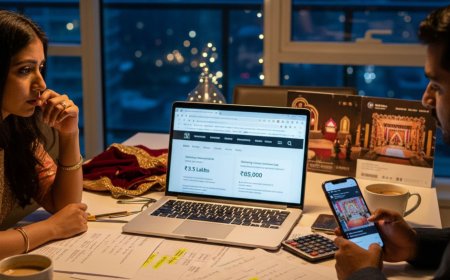
One of the most practical questions any bride brings to bridal shopping is a simple one: how much? In the Cantt area, the answer spans a wider range than most people expect.
The table below maps approximate price bands for bridal wear in the Cantt boutique ecosystem, based on category and specification level:
Table 2: Approximate Price Ranges — Jalandhar Cantt Bridal Boutiques
| Item / Occasion | Entry Level | Mid-Range | Premium | Couture / Custom |
|---|---|---|---|---|
| Bridal Lehenga (Anand Karaj) | ₹25,000 | ₹60,000–₹1,20,000 | ₹1,50,000–₹3,00,000 | ₹3,50,000+ |
| Reception Lehenga | ₹20,000 | ₹45,000–₹90,000 | ₹1,00,000–₹2,00,000 | ₹2,50,000+ |
| Bridal Suit (Anand Karaj) | ₹15,000 | ₹35,000–₹70,000 | ₹80,000–₹1,50,000 | ₹1,75,000+ |
| Sangeet / Mehendi Outfit | ₹8,000 | ₹18,000–₹40,000 | ₹45,000–₹80,000 | ₹1,00,000+ |
| Bridal Dupatta (Standalone) | ₹5,000 | ₹12,000–₹25,000 | ₹30,000–₹60,000 | ₹75,000+ |
| Full Trousseau Package | ₹1,00,000 | ₹3,00,000–₹5,00,000 | ₹6,00,000–₹12,00,000 | ₹15,00,000+ |
| Designer Blouse (Custom) | ₹5,000 | ₹12,000–₹22,000 | ₹25,000–₹45,000 | ₹50,000+ |
| Groom's Sherwani | ₹15,000 | ₹35,000–₹60,000 | ₹70,000–₹1,25,000 | ₹1,50,000+ |
Note: Prices are approximate and subject to variation by boutique, season, fabric quality, and degree of customisation. Couture-level pieces involve bespoke design, premium fabric sourcing, and extensive hand embroidery.
What Drives Price in the Cantt Context
Several factors determine where a specific piece falls within the table above:
Fabric grade. A lehenga made from pure Banarasi silk with hand-woven zari borders will always cost significantly more than a similarly styled piece made from processed silk or blended fabric. The Cantt boutiques are generally more transparent about fabric sourcing than the volume markets.
Embroidery method. Hand-done embroidery — where each stitch is placed by a skilled karigar — is three to five times more expensive than machine or semi-machine alternatives. Some Cantt boutiques maintain in-house embroidery studios; others outsource to specialised karigar units. Asking the boutique directly where the embroidery work is done is a legitimate and important question.
Design exclusivity. A truly custom design — where a bride works with the boutique's designer from sketch to finished garment — commands a significant premium over semi-custom work (selecting from existing designs with colour or fabric modification) or ready-to-stitch pieces. The better Cantt boutiques offer all three tiers.
Lead time. Last-minute orders — those placed less than six weeks before the wedding — typically attract a rush premium of fifteen to twenty-five percent. The Cantt boutiques operate at a pace that rewards early planning.
Season. Wedding season in Punjab runs from roughly October through February, with a shorter burst in spring around March and April. Prices in all tiers tend to be slightly higher during peak season, and appointment availability compresses significantly. Off-season shopping — particularly June through August — can yield better deals and more dedicated designer attention.
Part Five: The Bridal Occasion Map — What Brides in Jalandhar Need
The Function Wardrobe
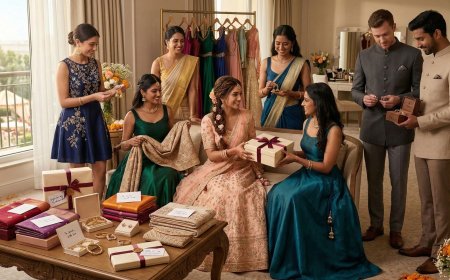
A Punjabi wedding is not a single event but a sequence of ceremonies, each with its own dress code expectations. Punjabi weddings comprise multiple main events, including the Roka, the Kurmai (Engagement), Kirtan, Haldi, Mehendi, Sangeet, Anand Karaj, and the Reception. For the bride, this means building a coherent wardrobe across five to eight outfit changes — a significant undertaking that the Cantt boutiques, with their trousseau-building expertise, are well-positioned to help manage.
The table below maps Jalandhar Cantt's boutique offerings to specific wedding functions:
Table 3: Function-by-Function Bridal Outfit Guide — Cantt Boutique Recommendations
| Function | Traditional Choice | Modern Trend (2025) | Cantt Boutique Strength | Estimated Investment |
|---|---|---|---|---|
| Roka / Kurmai | Embroidered salwar suit or anarkali | Coord sets, printed silk suits | Tailored custom suits | ₹15,000–₹40,000 |
| Haldi | Simple yellow/mustard salwar | Floral printed sharara or lehenga | Ready-to-stitch options | ₹8,000–₹20,000 |
| Mehendi | Green or orange salwar suit | Mirrorwork lehenga, tie-dye dupatta | Light embroidery lehengas | ₹12,000–₹35,000 |
| Sangeet | Embellished lehenga, vibrant colour | Indo-Western crop top lehenga | Heavy embellishment pieces | ₹25,000–₹70,000 |
| Anand Karaj | Red/maroon lehenga or Patiala suit | Deep plum, dusty rose, ivory | Main bridal lehenga — peak strength | ₹60,000–₹3,00,000+ |
| Reception | Embellished saree or heavy lehenga | Metallic/champagne lehenga, gown | Couture reception pieces | ₹45,000–₹2,50,000+ |
| Post-Wedding | Embroidered salwar kameez | Linen sets, block-print suits | Light trousseau coordination | ₹10,000–₹30,000 per set |
The Anand Karaj Lehenga: The Cantt's Strongest Category
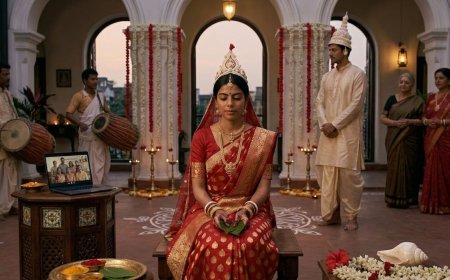
A Punjabi bride perfectly portrays the culture of Punjab with her pure red Punjabi bridal dress for the Anand Karaj, the Sikh wedding ceremony, with the red designer lehenga choli or salwar suit embroidered intricately with threadwork, beadwork, mirror, and sequins.
The Anand Karaj lehenga remains the centrepiece purchase in any Cantt boutique visit, and for good reason. This is the outfit that will be photographed thousands of times, preserved in family albums for decades, and potentially passed to future generations. The investment decision is not merely financial but emotional and cultural.
Classic shades like red, maroon, and burnt orange are making a strong return for Anand Karaj ceremonies and pheras in 2025, while dusty rose, ivory, and golden are preferred by minimalist brides.
A Punjabi bridal lehenga in red and gold remains timeless, incorporating heavy zari borders, phulkari work, sequins, and gotta-patti embroidery that glows under wedding lights, with silk or velvet fabric for a royal finish, paired with a double dupatta — one for the head and one draped over the shoulders for a balanced silhouette.
The Cantt boutiques have responded to these evolving preferences thoughtfully. Alongside the classic heritage reds and maroons, most now carry collections in the newer palette — the moody blues, dusty lilacs, ivory-gold combinations, and jewel tones that have become increasingly popular with brides who want to step slightly off the traditional path without abandoning its spirit.
The Reception and Sangeet: Where Trends Land First
If the Anand Karaj lehenga is about heritage, the reception outfit is where a bride's personal aesthetic gets its fullest expression. Jewel tones like emerald, magenta, and metallics are dominating evening and reception wear in 2025, while metallic lehengas in shades like golden, champagne, and antique bronze are widely loved for receptions and cocktail nights.
The better Cantt boutiques have responded to this demand with collections that are clearly distinct from their Anand Karaj range — lighter fabrics, more architectural silhouettes, and embellishment techniques that catch artificial lighting differently from those designed for daytime ceremonies. Structured corset blouses, off-shoulder designs, and lehenga sets with detachable overlays are all available at the premium end of the Cantt market.
Part Six: Comparing the Cantt to Other Jalandhar Bridal Markets
The Jalandhar Bridal Ecosystem
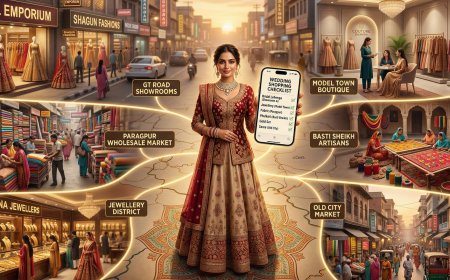
The Cantt area cannot be understood in isolation. It sits within a broader market ecosystem that includes several distinct bridal shopping zones, each with its own strengths, weaknesses, and target customer.
Table 4: Jalandhar's Bridal Markets — A Comparative Overview
| Market Area | Character | Price Range | Best For | Crowding Level | Customisation |
|---|---|---|---|---|---|
| Jalandhar Cantt (Sadar Bazar) | Curated, planned, boutique-forward | Mid to High | Brides seeking curated, personalised experience | Moderate | High |
| Model Town | Heritage, dense, celebrity-endorsed | Mid to Very High | Volume shopping, established names, comparison | High to Very High | Medium-High |
| Dera Satkartar Market | Boutique cluster, designer-led | High to Very High | Designer boutiques, emerging names | Low to Moderate | Very High |
| Rainak Bazar | Busy, value-oriented, street market feel | Low to Mid | Accessories, budget suits, casual occasion wear | Very High | Low |
| Lajpat Rai Market | Mixed, commercial | Low to Mid | Everyday wear, budget bridal accessories | High | Low |
| Bazar Kalan | Traditional, wholesale roots | Low to Mid | Fabric by the metre, wholesale buying | Very High | Low |
| Ranjit Avenue | Semi-organised, mid-market | Mid | Bridal suits, mid-budget lehengas | Moderate | Medium |
Model Town vs Cantt: The Core Comparison
The Model Town versus Cantt debate is the one most brides in Jalandhar eventually have with their families. Both areas offer strong bridal options; the question is what kind of experience and outcome a bride is optimising for.
Model Town Market makes it to the top of the list of bridal lehenga markets in Jalandhar, home to generational bridal lehenga shops that are celebrities' favourites, while Ranjit Avenue, Lajpat Rai Market and Jalandhar Cantt also rank in the top 10 places to explore to find a flawless fit for the Anand Karaj.
The practical differences between Model Town and Cantt come down to five dimensions:
Volume vs Curation. Model Town wins on volume — more shops, more styles, more price points compressed into a smaller geographic area. The Cantt wins on curation — the boutiques stock more deliberately and staff them more attentively.
Negotiation culture. In Model Town, haggling is expected and price elasticity is genuine. In the Cantt boutiques, particularly at the premium end, prices tend to be firmer — the boutique's value proposition rests on quality and service, not competitive discounting.
Time investment. A thorough Model Town bridal shopping trip can take multiple days across multiple visits. The Cantt model is more appointment-structured, which suits brides with limited time — particularly NRI visitors.
After-sales and alterations. Cantt boutiques, particularly the established names, tend to offer more structured alteration and fitting services. Multiple fittings before delivery are standard in the premium tier. This is less consistently available in the busier Model Town environment.
Aesthetic range. Model Town, by virtue of sheer volume, offers a broader aesthetic range. The Cantt's strength lies in depth rather than breadth — fewer boutiques but each with a more developed point of view.
Part Seven: The NRI Bride Factor
Why the Cantt is Particularly Well-Suited to Diaspora Brides
Jalandhar has one of the highest NRI populations in any Indian city — a reflection of Punjab's long history of emigration to the UK, Canada, Australia, and the United States. Jalandhar is the main area of the state which has maximum Non-Resident Indians, which has made it a rich and urban city and a shopper's paradise.
For the NRI bride returning to Jalandhar for her wedding shopping — often on a compressed schedule of two to three weeks — the Cantt's boutique model offers specific advantages:
Appointment accessibility. The premium Cantt boutiques are accustomed to managing appointment schedules for out-of-city clients. Many now offer video consultations before the visit, allowing the bride to preview collections, discuss colour preferences, and narrow her shortlist without being physically present.
Digital documentation. The better boutiques photograph fabric swatches, embroidery samples, and in-progress garments and share them via WhatsApp, allowing the bride to confirm details remotely. This is particularly valuable for brides whose final fitting may need to happen just days before the wedding.
Package shopping. NRI families often prefer to consolidate their spending — buying the entire trousseau package from one or two trusted boutiques rather than navigating multiple markets. The Cantt boutiques, particularly the multi-category establishments like Satish Sons and Punjaban, are structured to serve this preference.
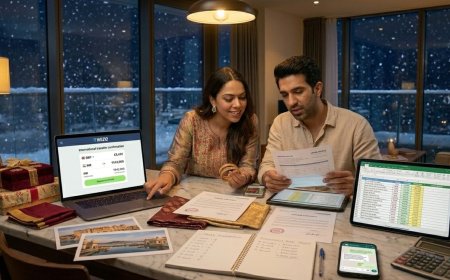
Shipping and international delivery. Several Cantt boutiques now offer shipping to international addresses, which is valuable for brides who are ordering months in advance but will not return to India until closer to the wedding date.
Part Eight: The Craft Behind the Boutique
Where Jalandhar's Bridal Wear Is Actually Made
Understanding the supply chain behind Jalandhar's bridal boutiques adds important context to any price and quality conversation. Jalandhar is no less than a creative hub boasting talented designers across the city, but the craft infrastructure that supports these designers is distributed across a network of specialists that extends beyond the boutiques themselves.
The embroidery work in Jalandhar's bridal garments is often produced by karigar communities — highly skilled craftspeople who specialise in specific embroidery types. Zardozi units, phulkari specialists, and dabka workers often operate as small family enterprises, producing work on contract for multiple boutiques simultaneously. The quality and exclusivity of a boutique's embroidery is therefore closely tied to the quality of its karigar relationships.
Fabric sourcing is similarly distributed. The premium Cantt boutiques source their finest fabrics from Varanasi (Banarasi silk, brocade), Surat (georgette, net, satin), Amritsar (phulkari base cloth), and in some cases directly from artisan weavers in smaller production centres. The boutiques that make this supply chain transparent to their customers — explaining where each fabric comes from and why it has been chosen — are generally the ones worth trusting at the premium price tier.
Part Nine: The Shopping Experience — Practical Intelligence for Brides
How to Shop the Cantt Well
The difference between a successful Cantt boutique visit and a frustrating one often comes down to preparation. The following practical guidance is distilled from the experience of brides who have shopped the area well:
Start with a shortlist, not an open mandate. Arrive knowing which two or three specific boutiques you intend to visit, what your approximate budget range is, and what functions you need to dress for. A shortlist focuses the conversation with boutique staff and prevents decision fatigue.
Request fabric swatches before committing. Any boutique worth its prices will provide fabric and embroidery samples on request. Take these home, photograph them in natural and artificial light, and compare them with your vision board before placing an order.
Ask the three key questions. Where is the embroidery done? How many fittings are included in the price? What is the alteration policy if the final garment needs adjustment after delivery? The answers reveal a great deal about how seriously a boutique takes its customer relationships.
Build in timeline. It is advisable to begin shopping for bridal outfits and jewellery at least 8–10 months before the wedding, to allow ample time for fittings, customisations, and selecting the perfect pieces without feeling rushed. For bespoke orders from Cantt boutiques, a minimum lead time of ten to twelve weeks is prudent. Rush orders are possible but attract a premium and reduce the number of fitting cycles.
Visit on a weekday. Saturday and Sunday visits to any Jalandhar bridal market compress the quality of personal attention dramatically. Weekday mornings, particularly Tuesday through Thursday, offer the most relaxed and attentive shopping environment.
Pair your Cantt visit with Sadar Bazar jewellery shopping. Sadar Bazar exhibits a wide variety of items including jewellery — necklaces, earrings, bracelets — alongside wedding costumes, making it practical to address both outfit and accessory needs in the same trip.
Table 5: Cantt Boutique Shopping — Do's and Don'ts
| Do | Don't |
|---|---|
| Research boutiques before visiting | Walk in without a budget or brief |
| Book appointments at premium boutiques | Assume all boutiques have walk-in availability |
| Request fabric swatches and examine in different lighting | Judge fabric quality based on boutique decor alone |
| Ask about karigar sourcing and embroidery methods | Accept vague answers about "in-house" work without detail |
| Start shopping 8–10 months before the wedding | Place custom orders less than 6 weeks before the ceremony |
| Bring your colour palette references and inspo images | Rely entirely on the boutique to define your aesthetic |
| Visit on weekdays for better personal attention | Shop on weekends during wedding season peak |
| Compare at least 2–3 boutiques before committing | Commit after a single boutique visit |
| Ask for written documentation of order terms | Accept verbal agreements for large orders |
| Pair boutique shopping with Sadar Bazar accessory browsing | Treat the Cantt as a purely standalone destination |
Part Ten: The Honest Verdict
Is the Cantt Premium Justified?
The honest assessment, built on the evidence of what the Cantt boutiques actually offer, is: yes — with conditions and with caveats.
The conditions are these: the premium is justified specifically at the boutiques that earn it. The Cantt area is not uniformly upmarket. It contains establishments at genuinely elevated quality and service levels, and it contains others that charge boutique prices for market-quality outcomes. The difference between these two categories is not always visible from the storefront. It emerges in the conversation — in how a boutique talks about its fabrics, its karigar relationships, its fitting process, and its alteration policy.
The caveats are equally important. If your primary goal is competitive pricing through negotiation, the Cantt is not your best arena — Model Town serves that goal more effectively. If your priority is the widest possible selection in a single geographic zone, Model Town again has the advantage. If you are looking for truly avant-garde, experimental designer work, the studios around Dera Satkartar Market are arguably more cutting-edge.
What the Cantt does better than any other bridal shopping zone in Jalandhar is this: it offers the modern Punjabi bride — whether she is resident, NRI, or from one of the surrounding towns — a calmer, more structured, more personally attentive shopping experience, backed by boutiques that have refined their offerings to serve a clientele with high expectations and a clear vision.
Jalandhar is no less than a creative hub boasting talented designers across the city, and the Cantt's boutiques represent a particular vein of that creative energy — one that prioritises depth over breadth, relationship over transaction, and quality over volume.
For the bride who arrives prepared, arrives early enough in her planning timeline, and arrives with a clear sense of what she is looking for, the Jalandhar Cantt bridal boutique experience is not just worth the price — it is, in many cases, the best bridal shopping investment the city has to offer.
Closing Note: The City Behind the Boutique
There is something fitting about Jalandhar Cantt being a destination for the bride who wants her trousseau to be considered and curated. This is a city with deep craft roots — Jalandhar's industries include manufacturing, tanning, weaving, and carpentry in addition to a large sporting-goods industry, and its textile and embroidery traditions run as deep as any in Punjab. The Cantt boutiques are the retail face of these deeper creative and artisanal traditions.
When a bride chooses a lehenga from one of the established Cantt boutiques, she is not simply choosing a garment. She is choosing a piece of craft that connects her to the city's making traditions, to the karigar families who produced the embroidery, to the fabric weavers in Varanasi or Amritsar whose work became part of her story. That connection, woven through every stitch of a Cantt boutique lehenga, is perhaps the best argument for why the area is worth the visit, worth the price, and worth the time.
Planning your bridal shopping in Jalandhar Cantt? Begin your shortlist with Satish Sons, Punjaban Designer Boutique, Maharani Designer Boutique, and Kala Shree — and supplement these with boutiques sourced from local wedding photographer recommendations and Instagram. Visit on a weekday, arrive with your colour palette, and give yourself at least two visits before committing your trousseau budget.
What's Your Reaction?
 Like
0
Like
0
 Dislike
0
Dislike
0
 Love
0
Love
0
 Funny
0
Funny
0
 Angry
0
Angry
0
 Sad
0
Sad
0
 Wow
0
Wow
0