









































Manzirath: The Sacred Kashmiri Wedding Ritual NRI Families Refuse to Let Go
Manzirath is a sacred pre-wedding purification ritual central to Kashmiri Pandit weddings. This guide explores its spiritual meaning, ceremonial process, and practical adaptation for NRI families in the US, UK, Canada, UAE, and Australia. From sourcing traditional items abroad to coordinating with Kashmiri pandits and navigating venue restrictions, the article provides culturally grounded and actionable insights. Designed for globally based couples seeking authenticity, it highlights how Manzirath preserves lineage, identity, and heritage across borders.


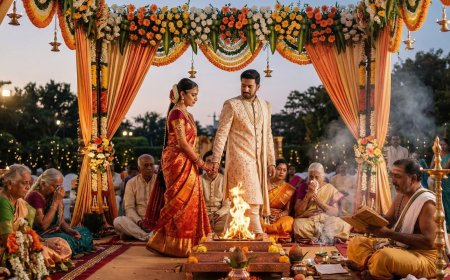
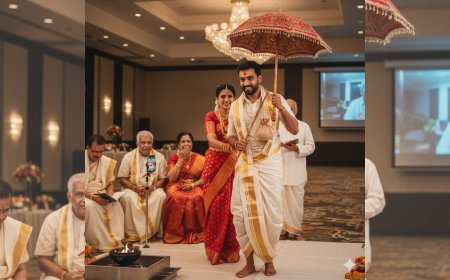
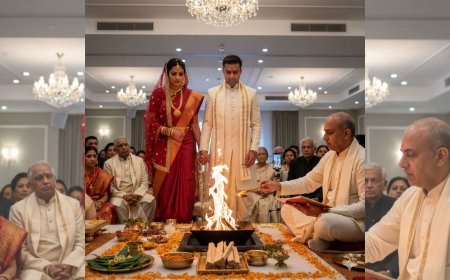
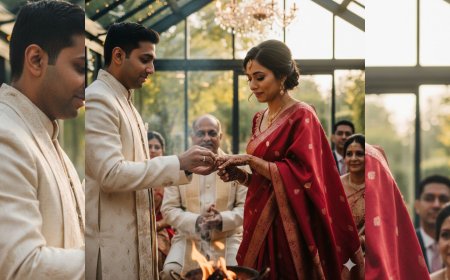
In Kashmiri Pandit weddings, Manzirath is not just a pre-wedding ritual — it is a spiritual threshold. This ancient ceremony transforms the bride and groom into sacred beings before marriage, anchoring them to lineage, purity, and divine protection. For NRI families scattered across continents, Manzirath becomes the emotional bridge between modern life abroad and the ancestral soul of the Valley.
You grew up hearing stories about Kashmir you’ve never actually lived — orchards your parents still describe in present tense, neighbours whose names feel more real than the streets you walk every day.
Now you’re in Toronto or Dubai or Melbourne, scrolling through wedding Pinterest boards at midnight, and suddenly you realise something: your wedding will be the first Kashmiri wedding in your family that doesn’t happen in Kashmir.
And the one ritual your parents insist must be done properly — not “modernised”, not shortened, not skipped — is Manzirath.
🌟 DID YOU KNOW?
• The word Manzirath comes from the Kashmiri word manz, meaning “pure” or “cleansed”, and is believed to predate written Shaivite texts of Kashmir.
• Traditionally, Manzirath was performed only by elder women of the community, making it one of the most matriarchal rituals in Indian weddings.
• Over 60% of Kashmiri Pandit weddings today happen outside Kashmir, yet Manzirath remains the least altered ritual across diaspora ceremonies.
WHAT IS MANZIRATH?
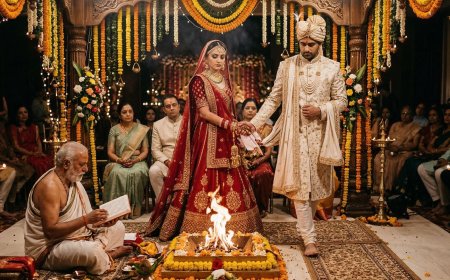
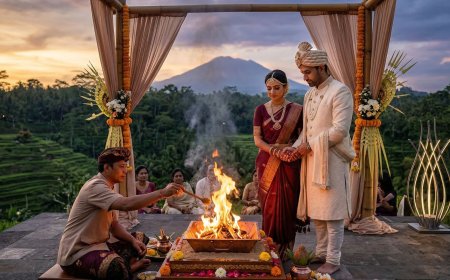
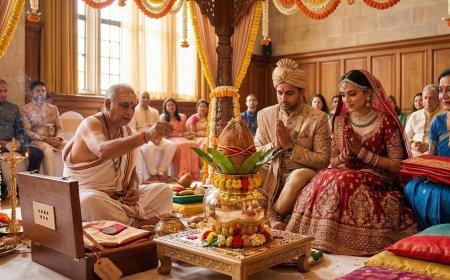
Manzirath is the sacred purification ceremony performed separately for the bride and groom, usually one day before the wedding. It is the moment when they are symbolically stripped of their worldly identities and prepared to enter marriage as spiritually cleansed beings.
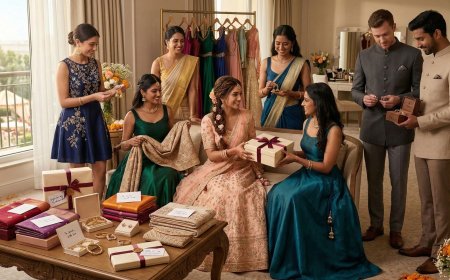
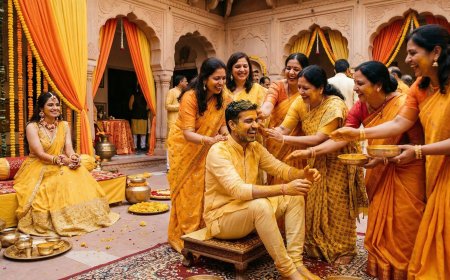
The ritual begins with the women of the family gathering around the bride or groom. A mixture of water, milk, curd, rice flour, turmeric, and saffron is prepared — this is called Yenekal (sacred cleansing paste). The eldest woman, often the grandmother or maternal aunt, dips her fingers into this mixture and applies it gently to the face, hands, and feet.
During this, hymns known as Vakh (Kashmiri spiritual verses) are softly recited. The bride or groom sits silently, eyes lowered, as if in meditation. They are not allowed to speak, eat certain foods, or step outside after the ritual.
From this moment onwards, they are considered Manz-Panth (ritually sanctified) — no longer ordinary individuals, but beings under divine protection.
Manzirath happens before any jewellery, outfits, or photographs. It is intentionally private, intimate, and deeply spiritual. In traditional Kashmiri belief, without Manzirath, the marriage is socially visible but cosmically incomplete.
It is the moment the universe is informed: a soul is about to transition.
COMMUNITY COMPARISON TABLE
| Community / State | Local Name | Key Tradition | How NRIs Abroad Adapt It |
|---|---|---|---|
| Kashmiri Pandit | Manzirath | Sacred cleansing by elder women | Done at home with video blessings from India |
| Himachali | Dhungri Shagun | Herbal bath before wedding | Simplified with turmeric paste |
| Garhwali | Pithya Lagana | Turmeric and rice flour ritual | Performed in living rooms |
| Kumaoni | Haldi Tel | Oil and turmeric cleansing | Adapted in banquet halls |
| Ladakhi | Changchut | Spiritual fasting and blessings | Combined with Buddhist chants |
| Punjabi | Haldi | Turmeric and oil massage | Often merged with cocktail events |
| Marathi | Kelvan | Pre-wedding feast and blessings | Done as brunch gatherings |
| Tamil | Nalangu | Sacred oil and turmeric | Performed on wedding morning |
| Bengali | Gaye Holud | Turmeric ritual with songs | Styled as themed functions |
| Rajasthani | Banola | Herbal purification bath | Adapted as spa-style ceremony |
THE MEANING BEHIND MANZIRATH
Manzirath is rooted in the ancient Kashmiri Shaivite worldview where marriage is not a contract — it is a cosmic alignment.
The body is seen as a temporary vessel, carrying karmic imprints. Before entering marriage, those imprints must be softened, cleansed, and blessed. The ritual acknowledges that love alone is not enough; the soul must be prepared to carry another soul’s destiny.
In Indian philosophy, transitions are dangerous spaces — birth, death, and marriage are moments when energies shift. Manzirath acts as a protective spiritual armour, shielding the bride and groom from misfortune, jealousy, and cosmic imbalance.
At its core, Manzirath is about surrender. The bride stops being just a daughter. The groom stops being just a son. They become participants in a lineage older than memory.
As one Kashmiri elder once said:
Marriage begins not when two people meet, but when the universe agrees.
DOING MANZIRATH ABROAD: THE PRACTICAL REALITY
This is where theory meets real life.
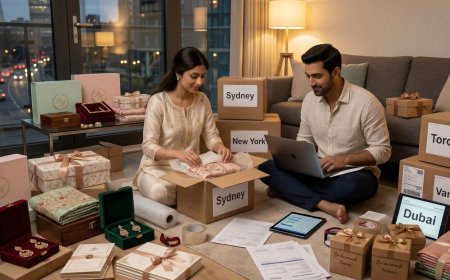
You’re trying to do a ritual that was designed for courtyard homes in Srinagar — inside a rented apartment in Mississauga or a hotel suite in Dubai.
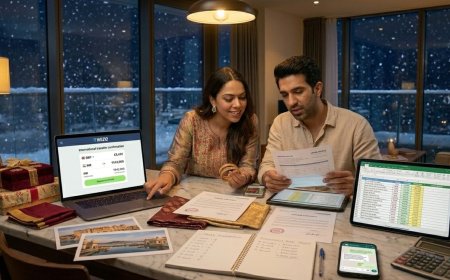
First challenge: the pandit problem. Authentic Kashmiri priests are rare outside India. Most families either fly one in from Delhi, connect with Kashmiri temples abroad, or ask elders to lead the ritual themselves. In cities like Southall (London), Scarborough (Toronto), Parramatta (Sydney), Houston’s Hillcroft area, and Bur Dubai, small Kashmiri associations often maintain contact lists of priests.
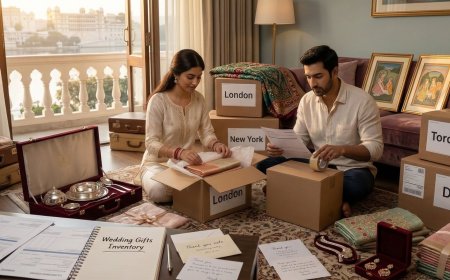
Second: sourcing ritual items. You’ll need saffron, raw rice, milk, curd, and turmeric. Indian stores on Gerrard Street in Toronto, Wembley in London, Harris Park in Sydney, Edison in New Jersey, and Karama in Dubai usually stock everything. The only thing harder to find is traditional copper vessels — many families bring these from India in checked luggage.
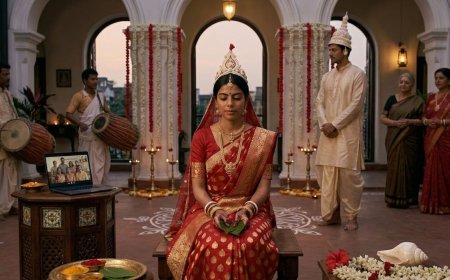
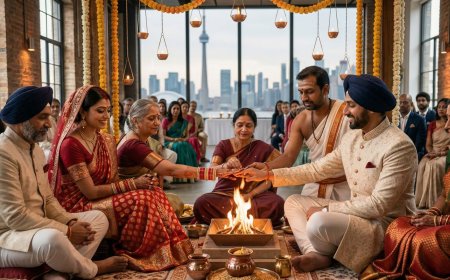
Third: venue restrictions. Most Western venues don’t allow open flames, incense smoke, or floor seating. The solution? Use electric lamps instead of diyas, recite mantras without havan, and place a white sheet on a chair for the bride or groom.
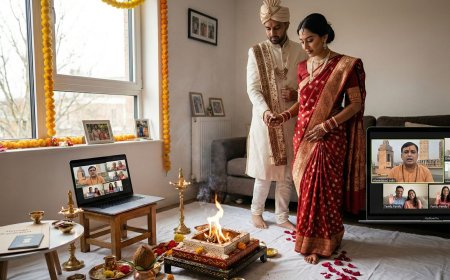
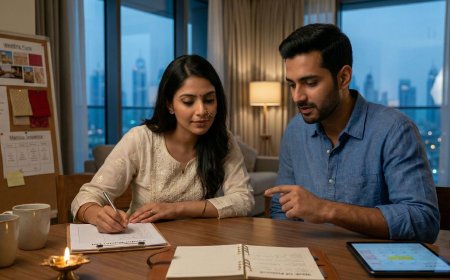
Fourth: coordinating with India. Many families involve grandparents via video call. The key is time zones. For UK and UAE, early morning works best. For North America, late evening aligns with Indian afternoons.
Emotionally, this is the hardest part.
You’re recreating a ritual that once needed a whole village — with just twelve people and a shaky WiFi connection.
And yet, when the eldest aunt touches your forehead with saffron paste, something ancient still awakens inside you.
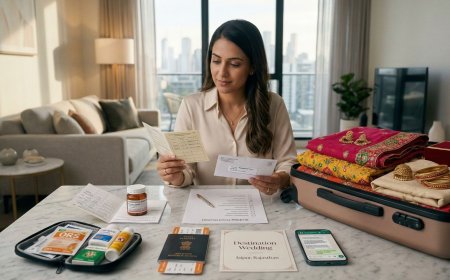
DOING MANZIRATH AS A DESTINATION WEDDING IN INDIA
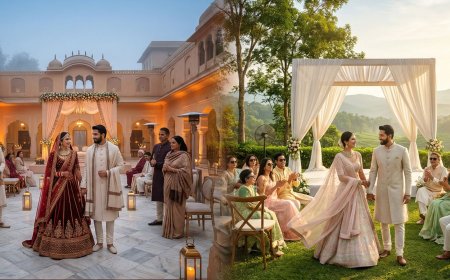
For NRI couples choosing India, Kashmir remains the spiritual gold standard, but most opt for Delhi, Jammu, or Dehradun where Kashmiri priests are easily available.
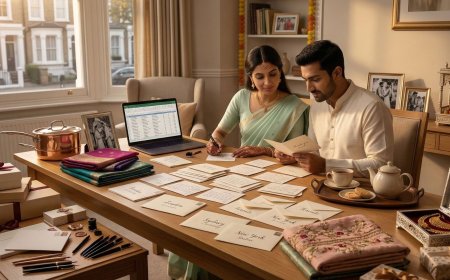
The key is briefing the pandit properly. Many North Indian priests perform generic haldi-style rituals unless explicitly told this is Manzirath. Share family customs in advance.
From abroad, coordination works best through one local relative who understands both worlds. Non-Indian guests should be given a printed or spoken explanation — otherwise they may mistake the ceremony for a spa session.
For them, this ritual becomes the emotional heart of the wedding.
For you, it becomes home.
WHAT YOU NEED: RITUAL CHECKLIST
Ritual Items
Saffron, turmeric, raw rice, milk, curd, copper bowl, white cloth, oil lamp, small mirror.
People Required
Elder women from both families, one Kashmiri pandit or senior family member, close female relatives.
Preparation Steps
Fasting or light food only, simple clothing, quiet environment, phone on silent.
NRI.Wedding maintains verified Kashmiri pandits and vendors worldwide to help families recreate this ritual authentically.
5 QUESTIONS NRI COUPLES ALWAYS ASK
Can Manzirath be done in a hotel room?
Yes, as long as the space is quiet and elders lead the ritual. Spiritual intention matters more than architecture.
What if my partner is not Kashmiri?
Manzirath still applies. Many non-Kashmiri spouses find it deeply grounding and emotional.
Can we combine it with Haldi?
Culturally, no. Manzirath is sacred purification, not celebration.
Do we need a priest?
Ideally yes, but elder women can perform it authentically if necessary.
Can parents join via video call?
Absolutely. Many diaspora families consider this essential.
THE EMOTIONAL ANGLE
This is the ritual where NRI families feel the ache most sharply.
Because Manzirath was never meant to be portable.
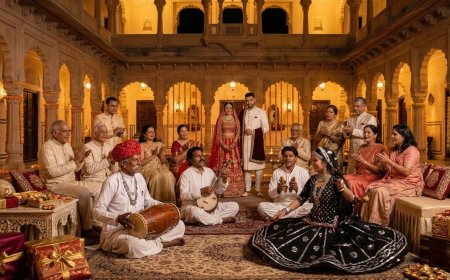
It was designed for ancestral homes, for courtyards echoing with generations of laughter, for women whose hands had performed the same gestures for centuries.
When you do it abroad, you feel the loss — of land, of language, of physical continuity.
But you also feel something else.
A stubborn, quiet pride.
Because despite borders, visas, and oceans, you are still carrying something sacred forward.
You are proof that culture is not geography. It is memory.
And memory travels.
A MOMENT TO SMILE
In Mississauga, one Kashmiri family attempted Manzirath in a condo.
Halfway through, the fire alarm went off because of incense. The bride sat frozen in turmeric paste while neighbours gathered outside.
The eldest aunt, unfazed, continued chanting while the groom explained to firefighters that this was a “spiritual purification process”.
The firefighters waited respectfully.
Years later, that fire alarm is still part of their wedding story.
QUOTES FROM THE DIASPORA
“I grew up Canadian, but during Manzirath I felt more Kashmiri than ever.”
— Anika Raina, Kashmiri Pandit bride, Vancouver
“It felt like I was blessing my daughter from another lifetime.”
— Shobha Kaul, mother of groom, London
“My non-Indian husband said it felt more meaningful than any Western ceremony.”
— Neha Dhar, bride, Sydney
YOUR ROOTS TRAVEL WITH YOU
You may not marry in Kashmir. Your children may never speak Kashmiri fluently. Your life may unfold in cities your grandparents never imagined.
But when you sit quietly during Manzirath — eyes lowered, saffron on your skin — you are standing exactly where your ancestors once stood.
NRI.Wedding exists for this reason: to help you carry rituals, not just weddings. To connect you with pandits, vendors, and communities who understand that heritage is not nostalgia — it is identity.
Your roots travel with you. Let them bloom.
What's Your Reaction?
 Like
0
Like
0
 Dislike
0
Dislike
0
 Love
0
Love
0
 Funny
0
Funny
0
 Angry
0
Angry
0
 Sad
0
Sad
0
 Wow
0
Wow
0