
























































The Mark He Makes With His Own Hand: What Sindoor Daan Really Means for NRI Families
Sindoor Daan — the application of vermilion into the bride's hair parting by the groom — is one of the most intimate and defining moments of the Hindu wedding ceremony. For NRI families across the US, UK, Canada, UAE, and Australia, performing this ancient ritual abroad requires the right sindoor, the correct community-specific mantra, and careful ceremony planning. This guide covers regional traditions from Bengali Sindur Khela to Rajasthani customs, sourcing sindoor in diaspora cities, modern adaptations for Western lifestyles, and the ritual's profound spiritual meaning.


Sindoor Daan — the application of vermilion into the bride's hair parting by the groom — is perhaps the most intimate and irrevocable gesture of the Hindu wedding ceremony. In a single stroke of red, a woman's identity shifts, her status transforms, and a millennia-old declaration of love and protection is made visible against her skin. For NRI families performing this sacred ritual across continents, the sindoor carries the full weight of a tradition that has never needed translation.
You grew up knowing what sindoor meant before you knew what it was called. You saw it in the parting of your mother's hair every morning — that narrow line of red that separated before from after, that marked her as someone's beloved, someone's chosen, someone's wife. You saw her apply it quickly in the bathroom mirror, the same small motion every day, without ceremony and without self-consciousness, because it had been there so long it was simply part of her face.
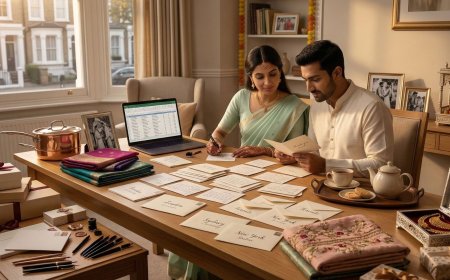
Now you are planning your own wedding — in a rented hall in Brampton, a hotel in Birmingham, a garden venue outside Sydney — and the moment of Sindoor Daan is on your timeline. Not as a cultural checkbox. Not because someone told you it was required. Because you watched your mother make that small red mark ten thousand times across a childhood, and you understand, without being able to fully explain it to anyone who has not grown up inside this tradition, that you want it too. You want the weight of his hand in your hair. You want the red. You want what it means.
This guide is for that bride. For the NRI family that knows the Sindoor Daan is not a detail of the wedding — it is one of its defining moments. And for the groom who wants to understand, completely, what he is doing when his hand moves through her hair.
🌟 DID YOU KNOW?
Sindoor [vermilion] has been documented as a bridal marker in the Indian subcontinent since at least the Indus Valley Civilisation, with archaeological evidence of vermilion use in the hair partings of female skeletal remains at Harappan sites dating to approximately 2500 BCE — making Sindoor Daan potentially the oldest continuously practiced wedding ritual in human history.
The specific red colour of sindoor is not incidental — in Hindu colour symbolism, red is the colour of Shakti [divine feminine power], of Agni [fire], and of Saubhagya [marital good fortune], making the red parting a daily visible invocation of the most powerful forces in the Hindu theological framework, worn on the body of the woman who carries the home.
Among NRI Hindu women in the UK, US, Canada, and Australia, sindoor application has evolved significantly — with a growing majority of diaspora brides choosing to wear sindoor on their wedding day and at significant cultural events while adapting their daily practice to their professional environment, driving demand for sindoor-inspired products including tinted hair serums and subtle red cosmetics that honour the tradition within Western workplace contexts.
What Is Sindoor Daan?
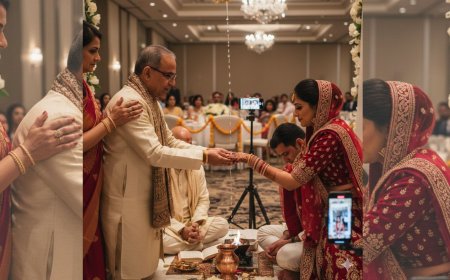
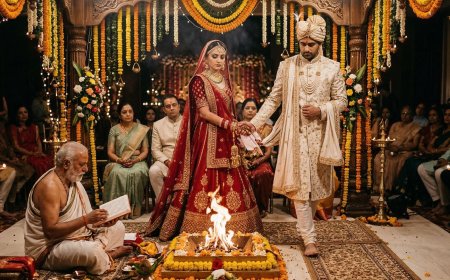
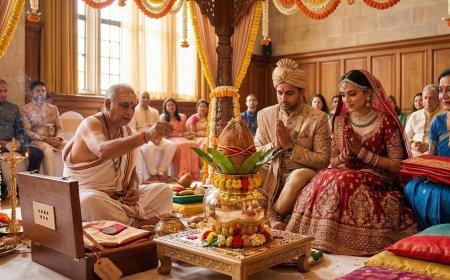
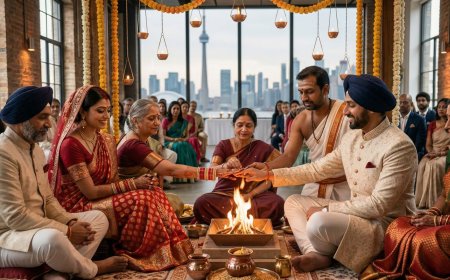
Sindoor Daan [the gift of vermilion, from Hindi sindoor meaning vermilion and daan meaning gift or offering] is the ritual in which the groom applies sindoor [vermilion powder] into the maang [the central parting of the bride's hair] for the first time, marking her formal transition into Suhagan [the auspicious state of being a married woman]. It is among the final and most emotionally charged acts of the Hindu Vivah [wedding ceremony], occurring typically after the Saat Pheras [seven sacred circumambulations] and the Mangalsutra Dharanam [tying of the sacred thread], as the culminating declaration of the marriage's completion.
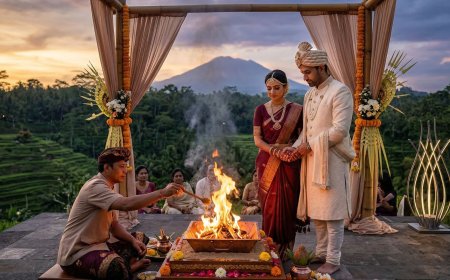
The ritual begins with the pandit placing a small quantity of sindoor powder in a sindoor dani [the decorated container specifically made for holding sindoor] on the puja thali. The groom takes a pinch of the vermilion between his fingers — or in some traditions uses a small stick or his ring finger specifically — and applies it carefully into his bride's hair parting, beginning at the forehead and moving backward. The application is not merely cosmetic — it is an act of consecration. The groom is marking the bride as his wife, as his responsibility, as the person whose wellbeing is now formally under his protection.
In many North Indian traditions, the moment is preceded by the groom lifting the bride's dupatta [veil or headscarf] or ghunghat [the veil drawn over the face] to access the parting — a gesture that carries its own symbolic weight, the lifting of the veil being the formal acknowledgement of the woman he is choosing to see fully and clearly. In some regional traditions, the mother-in-law or a senior female relative places a small amount of sindoor in the parting first before the groom completes the application, symbolising the bride's formal entry into the groom's family through the hands of its matriarch.
The first application of sindoor is understood in the Vedic tradition to create a permanent spiritual bond. The red in the parting will be renewed daily, but the first application — made during the ceremony, with the fire as witness — is the one that constitutes the marriage as lived in the body.
Community Comparison Table
| Community/State | Local Name | Key Tradition | How NRIs Abroad Adapt It |
|---|---|---|---|
| North Indian (General Hindu) | Sindoor Daan | Groom applies sindoor into maang after pheras; sindoor dani on puja thali; mother-in-law may apply first | Full ceremony maintained; sindoor sourced from Indian stores; modern sindoor dani brought from India or sourced locally |
| Bengali (Hindu) | Sindur Khela | Elaborate post-wedding ritual where married women of the community apply sindoor to the bride and each other joyfully; highly community-participatory | Bengali community women invited to participate; sindoor purchased in quantity; Sindur Khela maintained as celebratory community ritual |
| Rajasthani | Sindoor Daan | Groom applies sindoor; bride's ghunghat lifted; specific Rajasthani mantra sequence; community witness essential | Ghunghat tradition maintained; Rajasthani community pandit briefed; ceremony streamed for Jaipur family |
| Punjabi | Sindoor Daan | Applied after pheras; less elaborate than Bengali tradition; sindoor dani gifted by bride's family | Sindoor dani sourced from Indian stores in Southall or Brampton; ceremony follows pheras; photographed as key moment |
| Marathi | Sindoor Daan | Applied at conclusion of Saptapadi; specific Marathi sequence; Antarpaat[cloth screen] already removed | Marathi pandit essential; ceremony sequence maintained; sindoor sourced locally |
| Gujarati | Sindoor Daan | Applied after pheras; specific Gujarati tradition of groom's mother placing first application | Mother-in-law role maintained; Gujarati community pandit briefs on sequence; sindoor sourced from Wembley or Brampton stores |
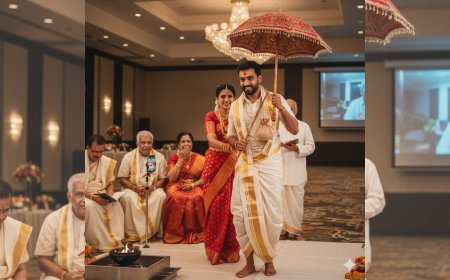
| Tamil (Hindu) | Thirumangalyam / Pottu | Sindoor application less central; Pottu[bindi] and Thaali [Mangalsutra] are primary marriage markers; kumkum applied | Kumkum sourced from Tamil grocery stores; Tamil Vadhyar leads ceremony; Pottu tradition maintained |
| Kashmiri Pandit | Sindoor Daan / Athar | Sindoor applied; specific Kashmiri Pandit ceremony sequence; Athar [a traditional nose ring] also placed during ceremony | Kashmiri Pandit community pandit essential; Athar sourced from Kashmiri community jewellers; ceremony maintained |
| Himachali / Garhwali | Sindoor Daan / Tikka | Sindoor application part of broader tikka ritual; community elders witness; folk songs accompany | Pahadi community elders in diaspora city invited as witnesses; folk songs played; sindoor sourced from Indian stores |
| Sindhi | Sindoor Daan | Similar to North Indian tradition; sindoor applied after pheras; community celebration follows | Full ceremony maintained; Sindhi community invited; sindoor sourced from local Indian stores |
The Meaning Behind the Ritual
In the Hindu worldview, colour is never merely aesthetic — it is theological. The red of sindoor is the most powerful colour in the sacred palette, associated simultaneously with Shakti [the divine feminine force that animates the universe], Agni [the sacred fire that witnesses and protects], Mangal [the planet Mars and the auspiciousness it governs in Vedic astrology], and the blood of life itself.
When the groom applies sindoor into the bride's parting, he is not simply making a mark. He is performing an act of sacred inscription — writing his commitment onto the most visible part of her body, in the colour that the cosmos recognises as the colour of power and protection. The maang [the hair parting] is chosen because it is considered in Vedic anatomy to be the location of the Brahmarandhra [the crown energy centre], the highest point of the body's sacred geography. To place sindoor there is to sanctify at the highest possible level.
For the bride who wears sindoor daily thereafter, each morning application is a renewal — a small, private recommitment to the life she has chosen. The gesture becomes automatic over time, as it was for your mother, as it was for her mother. But the first application, made by the groom's hand during the ceremony, holds a unique spiritual status: it is the original inscription, the founding act, the moment at which the promise became visible.
The sindoor says: I chose you, I mark you as mine, and I carry that choice on my body every day that follows.
Doing Sindoor Daan Abroad: The Practical Reality
Sindoor Daan is one of the most logistically straightforward rituals in the Hindu wedding — it requires no fire, no complex venue arrangements, and no large quantity of materials. The complexity lies elsewhere: in finding the right sindoor, the right sindoor dani, and a pandit who knows the specific mantra sequence for your community tradition.
Sourcing sindoor abroad is simpler than many NRI families expect, but quality matters enormously for this ritual. The sindoor used for the ceremony should be traditional vermilion — the deep, pure red that photographs beautifully and applies cleanly. Most Indian grocery and puja supply stores in diaspora cities stock sindoor year-round. In London, Wembley's Ealing Road and Southall's Lady Margaret Road both carry high-quality sindoor from multiple suppliers — look specifically for pure vermilion rather than synthetic alternatives, and buy more than you think you need as the ceremony requires a small amount but the sindoor dani should appear full and abundant. In Toronto, Gerrard Street Eastand stores along Peel Region's Dixie Road in Brampton carry sindoor reliably. In Houston, Hillcroft Avenue is your destination. In Sydney, Harris Park in Parramatta stocks full puja supplies including sindoor. In Dubai, Meena Bazaar in Bur Dubai carries sindoor from multiple Indian suppliers.
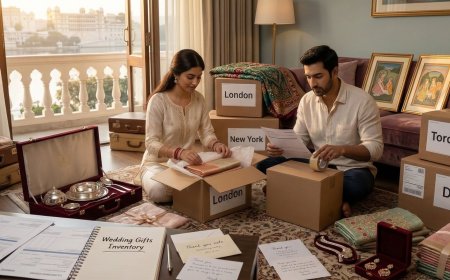
The sindoor dani — the decorated container in which the sindoor is presented — is as important as the sindoor itself for many families. This is often a gifted item, brought from India by the bride's family or commissioned from an Indian silversmith. Many NRI families order the sindoor dani from India specifically, as the craftsmanship available from Rajasthani and Gujarati silversmiths is not easily replicated abroad. If you are ordering from India, place your order at least three months before the wedding and confirm delivery timelines carefully. Silver and brass sindoor danis are available from Indian jewellery and home decor stores in all major diaspora cities as an alternative — in London, Wembley's Alperton area has Indian home decor stores that stock wedding sindoor danis; in Toronto, stores along Gerrard Street East carry decorative options.
The pandit and mantra sequence require specific attention. The sindoor mantra varies by regional community, and a pandit unfamiliar with your tradition may recite a generic verse that your grandmother will immediately identify as incorrect. When booking your pandit, specify explicitly that you need the correct mantra for your community's Sindoor Daan — this is a non-negotiable element of the ceremony's integrity. NRI.Wedding's regional pandit directory lists verified priests by community tradition specifically for this reason.
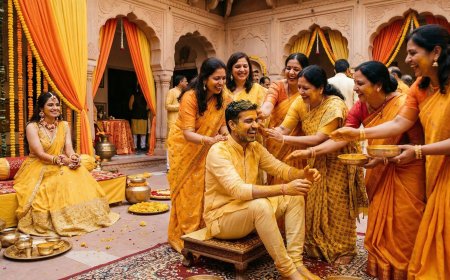
For Bengali families, the Sindur Khela is a ceremony beyond the wedding ritual itself — a joyful community event in which married women apply sindoor to each other and to the bride in a spirit of celebration and solidarity. This requires advance coordination: inviting the community women, sourcing sindoor in larger quantity, and creating a space within the event programme for this ceremony. In cities with established Bengali diaspora communities — London, Toronto, Houston, Melbourne — this is entirely achievable and deeply moving.
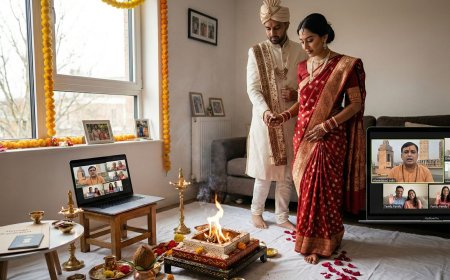
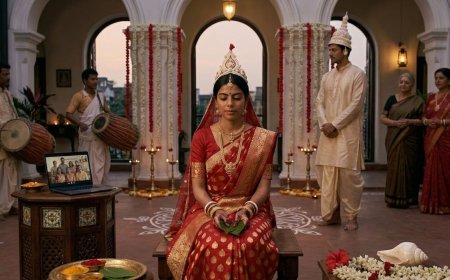
For India family on video call, the Sindoor Daan moment is the one that will matter most to watch in real time. Position a dedicated close-view camera specifically on the couple's faces and the groom's hand for this moment. Your grandmother in Kolkata or Varanasi should be able to see the sindoor being applied clearly — not a wide-angle shot of the whole mandap but a close, personal view of the moment that constitutes the marriage in her understanding.
Doing Sindoor Daan as a Destination Wedding in India
For NRI couples returning to India for their wedding, the Sindoor Daan as a destination ceremony carries the additional power of being performed in the landscape where the tradition was born — and certain locations amplify this meaning profoundly.
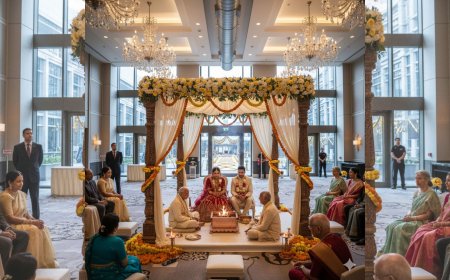
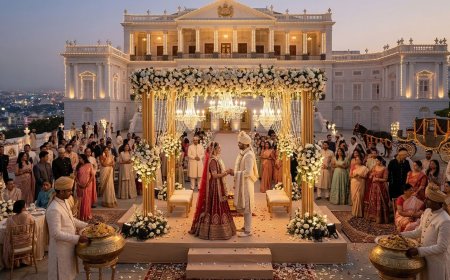
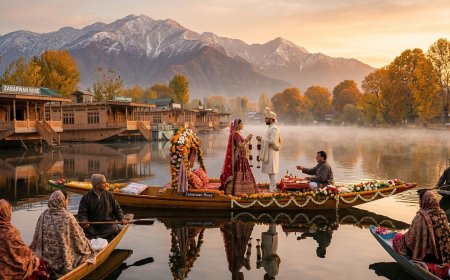
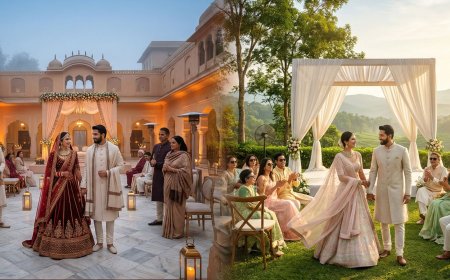
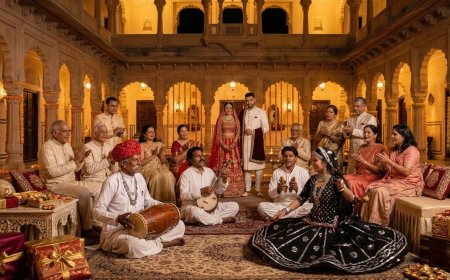
For North Indian and Rajasthani families, a haveli setting in Jaipur, Jodhpur, or Udaipur provides an atmospheric backdrop of extraordinary beauty for the ceremony's most intimate moment. Varanasi holds particular spiritual gravity for this ritual — the application of sindoor on the banks of the Ganges, or in a ceremony space overlooking the ghats, carries a sanctity that no diaspora venue can replicate. For Bengali families, Kolkata's tradition of Sindur Khela — with the city's community life and its abundance of celebration — offers the most authentic context for this joyful post-wedding ritual.
When briefing local pandits in India as an NRI returnee family, bring a written note of your gotra, your specific community tradition's mantra preferences, and the sequence your family follows. Most experienced Indian wedding pandits in major cities are accustomed to NRI returnee families and will provide bilingual commentary for non-Indian guests if briefed in advance. Arrange for a skilled wedding photographer who specifically understands the Sindoor Daan moment — the lighting, the angle, and the emotional register of this ceremony require a photographer who has shot it before and understands its significance.
What You Need: Sindoor Daan Checklist
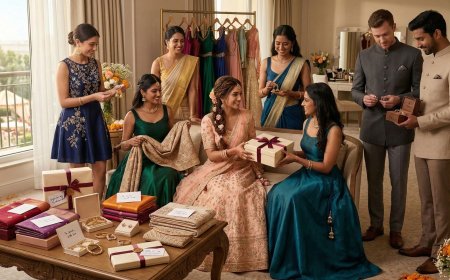
Ritual Items High-quality traditional sindoor [vermilion powder], a decorated sindoor dani [vermilion container, silver or brass preferred], a small puja thali [ritual plate] to present the sindoor dani, kumkum, fresh flowers for the thali decoration, a small diya, a clean white cloth or silk square to lay beneath the sindoor dani, and a hand mirror for the bride to see the first application if she chooses.
People Required A qualified regional-tradition pandit who knows the specific Sindoor Daan mantra for your community, the groom who must approach this moment with full understanding of what he is doing, the mother-in-law for traditions where she applies sindoor first, a dedicated close-view camera operator for this specific moment, and a designated video call coordinator for India family who must have a clear view of the ceremony.
Preparation Steps Source sindoor and sindoor dani at minimum six weeks before the wedding. If ordering sindoor dani from India, place the order three months before. Confirm the specific Sindoor Daan mantra with your pandit when booking. Brief the groom on the ritual's meaning and the physical application — a dry run with a small amount of powder on a cloth is helpful. Set up a dedicated close-view video stream for India family specifically for this moment. Brief your photographer on the exact angles required — groom's hand, bride's face, close view of the parting.
NRI.Wedding's verified pandit network, Indian puja vendor directory, and NRI wedding photographer listings connect you to professionals across the UK, US, Canada, UAE, and Australia who understand the sacred significance of this moment.
5 Questions NRI Couples Always Ask About Sindoor Daan
Does the bride have to wear sindoor every day after the wedding?
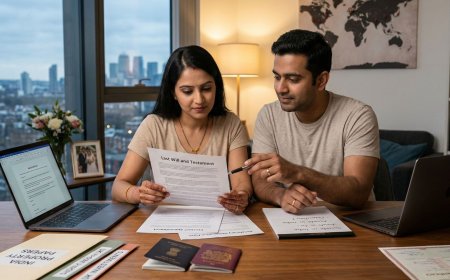
This is the question most NRI brides ask privately, and it deserves a direct and compassionate answer. Traditional practice holds that sindoor is worn daily by a married Hindu woman as a mark of her status and a protection for her husband's wellbeing. In practice, NRI women navigate this with significant personal variation — some wear sindoor every day without exception, some wear it at cultural events and significant occasions, and some make entirely personal decisions about daily practice in the context of their professional and social lives in Western countries. What matters most is that the decision is made consciously and with full understanding of the tradition's meaning, not by default or external pressure. Discuss this openly with your partner and your family before the wedding so that everyone's understanding is clear.
My partner is not Hindu. What does it mean when they apply sindoor during the ceremony?
The Sindoor Daan performed by a non-Hindu groom carries exactly the meaning that he brings to it — and with proper preparation, that meaning can be profound and complete. Brief your partner thoroughly on what the application represents: not merely a cultural gesture but a formal declaration of protection, commitment, and the specific responsibility a husband takes on for his wife's wellbeing in the Hindu worldview. Many non-Hindu grooms describe the Sindoor Daan as the moment the wedding became real for them — the physical intimacy of the gesture, the directness of its meaning, and the weight of the silence in the room at that moment make it universally understood. Preparation transforms gesture into declaration.
How do we find a pandit who knows the specific Sindoor Daan mantra for our community?
Specificity is everything here. A North Indian Sindoor Daan mantra differs from a Bengali tradition, which differs again from a Gujarati sequence. When engaging your pandit, state your community, sub-community, and gotra clearly, and ask explicitly what Sindoor Daan mantra they will recite. An experienced, community-specific pandit will answer this question immediately and in specific detail. A pandit who gives a vague or generic answer to this question is not the pandit for your ceremony. NRI.Wedding's regional pandit directory lists priests by community tradition — use it, and conduct a video consultation with your pandit before booking to confirm their specific knowledge of your tradition's ceremony sequence.
Can the sindoor application be incorporated into a civil ceremony or a non-religious wedding format?
Yes — and many NRI couples do this thoughtfully and with great effect. The Sindoor Daan does not require a full Vedic ceremony to carry its meaning; it can be incorporated as a sacred moment within a civil ceremony format, preceded by a brief explanation of its significance for non-Indian guests. Some NRI couples choose to do a private Sindoor Daan with close family at a separate moment from the main ceremony — immediately after the civil registration, or in the morning of the wedding day — as a personal and intimate affirmation of the marriage's sacred dimension. Whatever the format, the application itself — the groom's hand, the red powder, the bride's parting — remains the same ancient gesture.
What is the significance of the Bengali Sindur Khela, and how do we incorporate it into a diaspora wedding?
The Sindur Khela [literally "the sindoor play"] is one of the most joyful community rituals in the Bengali wedding tradition — an occasion following the wedding ceremony in which the married women of the community apply sindoor to the new bride and to each other, celebrating her entry into their sorority with laughter, music, and the exuberant smearing of red that covers faces, hands, and sarees. To incorporate it into a diaspora wedding, you need Bengali community women willing to participate enthusiastically, sindoor in generous quantity, white sarees or old clothing for all participants, and a designated space and time within the reception programme. In cities with strong Bengali diaspora communities — London, Toronto, Houston, Melbourne — community women are generally delighted to participate and the Sindur Khela becomes one of the most photographed and remembered moments of the entire wedding.
The Emotional Angle
The groom's hand is in your hair. The room is completely quiet in the specific way rooms only go quiet when something irreversible is happening. The pandit's voice has paused. Your mother, who has been holding herself together all day with extraordinary discipline, is not holding herself together anymore. You can hear her from where you are sitting and you cannot turn to look at her because his fingers are moving through your parting and you cannot move.
And then the red touches your skin. Warm from his hand. Heavy with three thousand years of the same gesture, the same red, the same silence in the room when it happens.
For NRI brides, this moment arrives loaded with a specific extra weight. Because the sindoor in your parting connects you not just to your husband but to every woman in your lineage who wore it before you. Your mother, who applied it in a bathroom mirror in a country that did not know what it was. Her mother, who wore it in a village or a city in India without ever needing to explain it. The unbroken thread of red running backward through every generation of your family.
You are in a hotel in Birmingham or a hall in Houston, and the red settles into your parting, and in that moment you are also in every place your family has ever been. The distance collapses. The tradition holds.
The mark is made. You are married.
A Moment to Smile
At a wedding in Mississauga three years ago, the Sindoor Daan moment arrived after a full day of ceremony — both families slightly giddy with tiredness and the particular euphoria of a wedding proceeding beautifully. The groom approached the moment with tremendous solemnity and concentration. He picked up the sindoor between his fingers, lifted his bride's dupatta carefully, and began applying the vermilion into her parting with great deliberation.
What he had not calculated was the quantity. Trained by the pandit to apply sindoor generously and with full intention, he interpreted "generously" with the enthusiasm of someone who had never done this before. By the time the pandit gently indicated that the application was complete, the bride had what her sister later described as "the most committed sindoor parting in the history of the institution of marriage."
The bride looked in the mirror and laughed until she cried. The groom looked genuinely pleased. Her mother declared it the most auspicious sign she had ever witnessed. The photographer called it his best photograph of the year.
It faded to a more conventional amount within a few days. The story has not faded at all.
Quotes From the Diaspora
"My mother applied sindoor every single morning for thirty-four years. I watched her do it thousands of times without ever thinking about it. On my own wedding day, when my husband's hand was in my hair, I finally understood what she was doing all those mornings. She was renewing something. Choosing something again, quietly, before the day began. Now I do it too. Now I understand." — Nisha Agarwal, North Indian bride, originally from Lucknow, now in Birmingham
"My daughter-in-law is Australian. Her parents came to the wedding not knowing what Sindoor Daan was. When my son applied the sindoor, her mother leaned over to me and whispered: what does this mean? I told her: it means he will protect her. She was quiet for a moment. Then she said: that is the most beautiful thing I have ever seen at a wedding. I agree with her completely." — Savita Sharma, Rajasthani mother of the groom, originally from Jaipur, now in Melbourne
"I wear my sindoor every day in Toronto. Some of my colleagues at the law firm have asked about it. I tell them it is the mark of my marriage. They ask why it is red. I tell them: because red is the colour of Shakti — of feminine power. They seem surprised that a marriage symbol is about power. I am not surprised at all." — Priya Mehta, Gujarati bride, originally from Ahmedabad, now in Toronto
Your Red Travels With You
The Sindoor Daan is the most personal and the most enduring mark of the Hindu wedding. Long after the flowers have been pressed and the photographs framed, the sindoor remains — renewed each morning, carried into every room the bride enters, visible to anyone who knows what they are looking at. For NRI women who wear it in the diaspora, it is both a private devotion and a quiet public declaration: I come from somewhere. I carry something. I chose this.
NRI.Wedding supports families across the UK, US, Canada, UAE, and Australia with verified regional pandits who know the correct Sindoor Daan mantra for every community tradition, Indian puja vendor directories for sourcing high-quality sindoor and sindoor danis in diaspora cities, experienced NRI wedding photographers who understand the specific emotional register of this moment, and planning checklists that ensure your ceremony is prepared with full cultural integrity and love.
Source your sindoor. Find your pandit. Let him mark the beginning.
The red in your parting is the oldest love letter in the world — wear it accordingly.
This article explores the Sindoor Daan ceremony — the application of vermilion into the bride's hair parting — across Hindu Indian communities including North Indian, Bengali Sindur Khela, Rajasthani, Gujarati, Marathi, Tamil, and Kashmiri Pandit traditions, with practical planning guidance for NRI families in the US, UK, Canada, UAE, and Australia.
What's Your Reaction?
 Like
0
Like
0
 Dislike
0
Dislike
0
 Love
0
Love
0
 Funny
0
Funny
0
 Angry
0
Angry
0
 Sad
0
Sad
0
 Wow
0
Wow
0